

Private-label personal care has quietly become a massive business — some analysts peg the global market at over $30 billion within the next couple of years. What's striking is how quickly independent brands have eaten into territory once dominated by household-name conglomerates. New direct-to-consumer skincare lines, small-batch haircare brands, and boutique body care labels seem to pop up daily, and a surprising number of them rely on contract cosmetic manufacturers to handle formulation and production behind the scenes.
The differentiating factor between brands that achieve sustained market viability and those that fail to progress beyond the production stage is fundamentally attributable to one strategic imperative: the selection of an optimal manufacturing partner coupled with a comprehensive understanding of the end-to-end process—from initial concept development through retail distribution. This guide provides a systematic, evidence-informed framework for navigating that trajectory.
What Is Private-Label Personal Care Manufacturing?
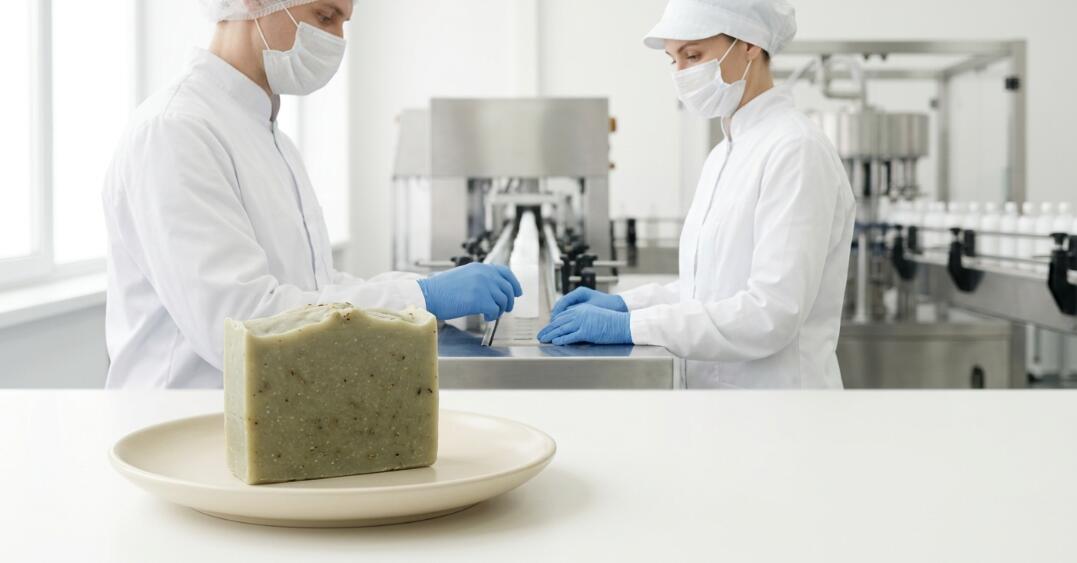
Private-label manufacturing allows entrepreneurs to sell products under their own brand name without building factory infrastructure. You focus on branding, marketing, and customer relationships while a specialized manufacturer handles formulation, production, and quality control.
But not all manufacturing models are created equal. Understanding the differences is your first strategic decision.
Private Label vs. White Label vs. Contract Manufacturing — Key Differences
| Model | Customization Level | Minimum Investment | Brand Ownership | Best For |
|---|---|---|---|---|
| White Label Beauty Products | Low (pre-made formulas) | Low | Full | Fast market entry |
| Private Label | Medium–High | Medium | Full | Brand differentiation |
| OEM Personal Care Production | Full custom | Higher | Full | Unique formulations |
| ODM (Original Design Manufacturing) | Manufacturer-designed | Medium | Shared/Full | Leveraging R&D expertise |
White label beauty products let you launch fast with stock formulas and your own branding. Private label offers more customization — tweaking ingredients, scents, or textures. OEM personal care production gives you full control over custom skincare formulation, while ODM lets you tap into a manufacturer's existing R&D to bring proven concepts to market under your name.
Why Entrepreneurs Are Choosing Private-Label Skincare Branding
The barriers to entry have never been lower. You no longer need millions in capital to build a factory, hire chemists, or navigate regulatory frameworks alone. A reliable private-label personal care manufacturer handles all of that.
This model lets founders focus on what actually drives revenue: brand storytelling, community building, and channel strategy. Time-to-market shrinks from years to months, and capital stays allocated toward growth rather than infrastructure.
The rise of e-commerce platforms and social media marketing has made it possible for a single founder with a strong brand concept to compete with established players — provided they have the right manufacturing partner behind them.
How to Choose the Right Private-Label Personal Care Manufacturer
Your manufacturer isn't just a vendor — they're a foundational partner in your brand's success. The wrong choice leads to quality issues, delays, and wasted capital. The right choice accelerates everything.
Essential Criteria Checklist
- Certifications: GMP (Good Manufacturing Practice), ISO 22716, and FDA compliance for US-bound products
- Custom skincare formulation capabilities: In-house R&D team with the ability to develop unique formulas
- MOQ flexibility: Willingness to accommodate smaller initial orders for market testing
- International trade experience: Proper export documentation, customs knowledge, and logistics coordination
- Sample availability: Ability to provide product samples before you commit to bulk production
- Communication quality: Responsive, professional customer service with clear timelines
- Packaging capabilities: In-house or partnered design and filling services
Red Flags to Avoid When Vetting Manufacturers
Be cautious of manufacturers who refuse to provide samples, cannot show certifications, or pressure you into large MOQs before you've tested product quality. Vague timelines, inconsistent communication, and reluctance to allow factory visits are all warning signs.
Watch for manufacturers who claim to do everything but lack specialization. A company that produces electronics, furniture, and skincare likely doesn't have the focused expertise your brand needs. Look for dedicated personal care specialists with verifiable track records.
Also be wary of pricing that seems too good to be true. Extremely low quotes often mean corners are being cut on ingredients, testing, or packaging quality — problems that surface after you've committed capital.
Domestic vs. Overseas Manufacturers — Cost & Quality Comparison
| Factor | Domestic (US/EU) | Overseas (China — e.g., Guangdong Region) |
|---|---|---|
| Unit Cost | Higher | Competitive pricing |
| MOQ | Often higher | Flexible |
| Communication | Same timezone | Requires dedicated service team |
| Lead Time | Shorter shipping | Longer shipping, faster production |
| Customization Depth | Varies | Full OEM/ODM capabilities |
Overseas manufacturers in China's Guangdong province have become a hub for personal care production, combining advanced manufacturing infrastructure with competitive pricing. The key is finding a partner with genuine international trade experience and a dedicated customer service team that bridges any communication gaps.
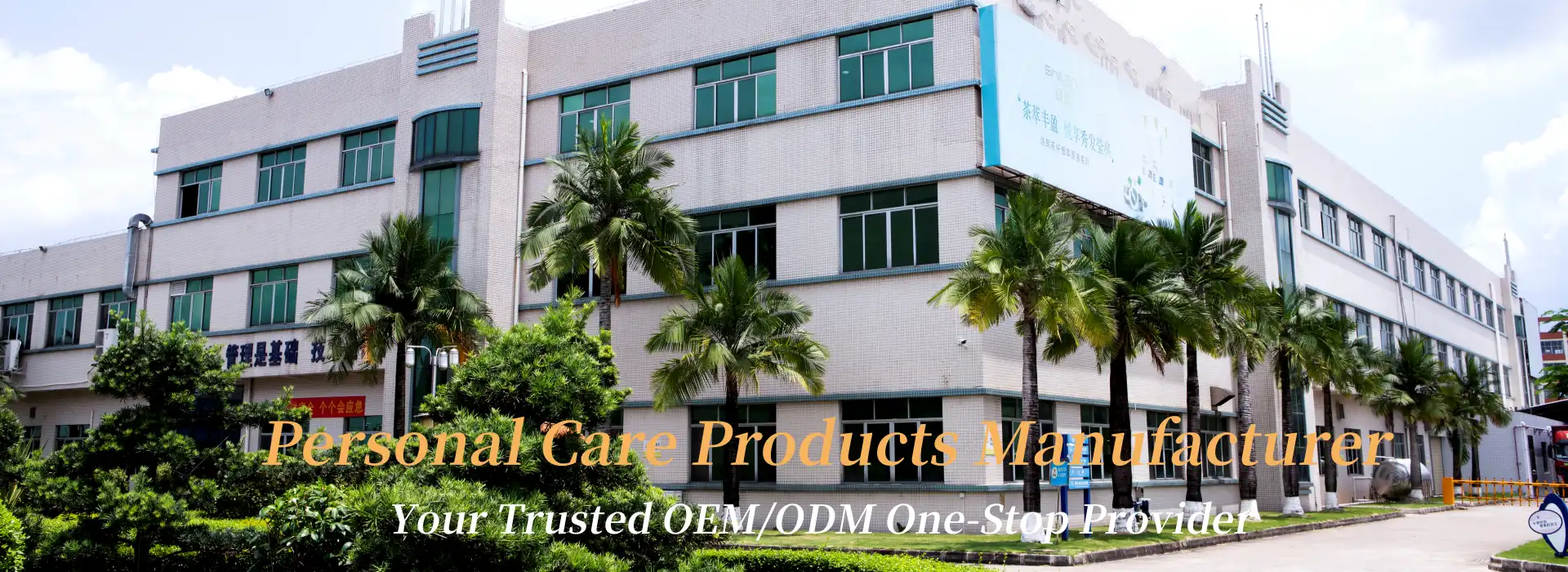
One example is Poleview Biotech Co., Ltd., a professional personal care product manufacturer founded in 2016 and based in Huizhou, Guangdong, China. They specialize in both OEM and ODM orders, with extensive international trade experience and a professional customer service team that provides end-to-end support — from initial formulation consultation through production, quality control, and shipping logistics. Their competitive pricing and high product quality have made them a trusted partner for brands across multiple markets.
The Product Development Process — From Concept to Shelf
Launching a private-label personal care brand follows a structured process. Skipping steps leads to costly mistakes. Here's the proven sequence successful brands follow.
Step 1 — Market Research & Niche Selection
Before contacting any manufacturer, define your target market with precision. Who is your ideal customer? What problem does your product solve that existing options don't? Analyze competitors, identify gaps, and validate demand through keyword research, social listening, and trend analysis.
The most successful private-label brands don't try to serve everyone. They dominate a specific niche — whether that's clean skincare for sensitive skin, sulfate-free haircare for curly textures, or minimalist body care for men. Specificity drives brand loyalty.
Step 2 — Custom Skincare Formulation & Ingredient Sourcing
Once your niche is defined, work with your manufacturer's R&D team to develop formulations that align with your brand positioning. This is where custom skincare formulation expertise matters most. Discuss active ingredients, texture preferences, fragrance profiles, and any claims you want to make (organic, vegan, hypoallergenic).
A capable manufacturer will guide you on ingredient feasibility, stability considerations, and regulatory implications for your target markets. They'll also advise on cost implications of premium ingredients versus effective alternatives.
Step 3 — Sampling & Testing
Never commit to bulk production without thorough sample evaluation. Request multiple iterations if needed. Test for texture, scent, absorption, stability, and overall user experience. Share samples with your target audience for feedback before finalizing.
Reputable manufacturers welcome sample requests as part of their standard process — it demonstrates confidence in their product quality. Poleview Biotech, for instance, actively encourages potential partners to request samples for testing before placing bulk orders, ensuring complete satisfaction with formulation and quality before any major commitment.
Budget time for stability testing as well. Products need to perform consistently across temperature variations and throughout their intended shelf life.
Step 4 — Packaging Design & Regulatory Compliance
Packaging is your silent salesperson. Invest in professional design that communicates your brand values at a glance. Consider material sustainability, functionality (pumps vs. tubes vs. jars), and shelf presence.
Simultaneously, ensure all labeling meets regulatory requirements for your target markets. This includes ingredient lists (INCI nomenclature), allergen warnings, usage instructions, and country-specific compliance marks. Your manufacturer should assist with regulatory guidance for their areas of expertise.
Step 5 — Production, Quality Control & Shipping
With formulation approved and packaging finalized, production begins. Expect your manufacturer to implement quality control checkpoints throughout — from raw material inspection through filling, sealing, and final packaging.
Discuss shipping logistics early. Sea freight is cost-effective for large orders but adds lead time. Air freight is faster but significantly more expensive. Your manufacturer's international trade team should coordinate export documentation, customs declarations, and logistics arrangements.
Cost Breakdown — What to Budget for Your Private-Label Brand
Understanding true costs prevents unpleasant surprises and helps you price products profitably from day one.
Pricing Table by Product Category
| Product Type | Typical MOQ | Estimated Unit Cost Range | Key Cost Drivers |
|---|---|---|---|
| Facial Serums | 500–1,000 units | $2–$8 | Active ingredients, packaging |
| Body Lotions | 1,000–3,000 units | $1.50–$5 | Volume, fragrance complexity |
| Shampoo/Conditioner | 1,000–5,000 units | $1–$4 | Formulation type, bottle design |
| Skincare Sets | 500–2,000 units | $8–$25 | Component count, box packaging |
Note: Costs vary significantly based on ingredient quality, packaging materials, order volume, and manufacturer location. These ranges represent typical overseas manufacturing pricing.
Hidden Costs Most New Brands Overlook
- Formulation development fees: Some manufacturers charge for R&D; others include it with confirmed orders
- Mold and tooling costs: Custom packaging shapes require upfront mold investment ($500–$5,000+)
- Regulatory testing: Dermatological testing, stability testing, and market-specific certifications
- Shipping and duties: International freight, customs duties, and import taxes can add 15–30% to landed cost
- Design and branding: Logo, packaging design, photography, and website development
- Insurance and liability: Product liability insurance is essential before selling
Build a 20–30% buffer into your initial budget for unexpected costs. First orders almost always surface expenses you didn't anticipate.
Building a Winning Brand Around Your Private-Label Products
Manufacturing is the foundation. Brand building is what creates lasting value and customer loyalty.
Positioning & Storytelling for Private-Label Skincare Branding
Your brand story is what transforms a commodity product into something customers feel emotionally connected to. Define your brand's mission, values, and unique perspective. Why does your brand exist beyond making money?
Private-label skincare branding succeeds when it communicates authenticity. Share your founder story, your ingredient philosophy, and your commitment to your customer's specific needs. This narrative should be consistent across every touchpoint — from packaging copy to social media to customer service interactions.
Packaging That Sells — Design Principles
Effective packaging balances aesthetics with functionality. Key principles include visual hierarchy (brand name, product name, key benefit — in that order), color psychology aligned with your positioning, and tactile quality that matches your price point.
Consider the unboxing experience for DTC brands. Premium tissue paper, branded stickers, and insert cards cost pennies but dramatically elevate perceived value. For retail placement, ensure your packaging stands out on shelf from three feet away.
Pricing Strategy & Channel Selection
Your pricing must account for all costs while remaining competitive within your positioning tier. A common formula: landed cost × 4–5 for DTC, landed cost × 2–2.5 for wholesale. Factor in platform fees for Amazon (typically 15% + FBA costs) and retailer margins (40–60%) for brick-and-mortar.
Start with one primary channel and master it before expanding. DTC via your own website offers the highest margins and customer data ownership. Amazon provides built-in traffic but lower margins and less brand control. Retail offers credibility but demands volume and consistency.
Scaling Your Brand — From First Order to Global Distribution
Your first order is a proof of concept. Scaling is where the real business begins.
When to Increase MOQs and Expand Your Product Line
Scale production when you have consistent sell-through data — not before. Increasing MOQs reduces unit costs but ties up capital in inventory. The sweet spot is ordering enough to cover 60–90 days of projected sales while maintaining cash flow for marketing.
Expand your product line strategically. Add complementary products that serve your existing customers rather than chasing unrelated trends. A serum brand might add a complementary moisturizer, then a cleanser — building a routine rather than a random collection.
Leveraging Your Manufacturer as a Growth Partner
The best manufacturing relationships evolve from transactional to strategic. As your brand grows, your manufacturer becomes a critical partner in product development, cost optimization, and supply chain reliability.
Look for manufacturers offering true one-stop service — from formulation development through packaging design, production, quality control, and logistics coordination. This integrated approach eliminates coordination headaches between multiple vendors and accelerates your speed to market.
Poleview Biotech Co., Ltd. exemplifies this partnership model, offering comprehensive end-to-end support for brands at every growth stage. Their factory in Huizhou, Guangdong, China welcomes visits from brands ready to scale — allowing you to see production capabilities firsthand, discuss expansion plans face-to-face, and build the trust that long-term partnerships require.
FAQ — Private-Label Personal Care Manufacturing
What's the difference between OEM and ODM in personal care?
OEM (Original Equipment Manufacturing) means you provide the formulation specifications and the manufacturer produces to your exact requirements. ODM (Original Design Manufacturing) means the manufacturer develops the formulation using their R&D expertise, and you brand and sell the finished product. OEM offers maximum uniqueness; ODM offers faster development with proven formulas.
How long does it take to launch a private-label product?
From initial concept to first delivery, expect 3–6 months. This includes formulation development (4–8 weeks), sampling and revisions (2–4 weeks), packaging design and production (4–6 weeks), bulk production (3–6 weeks), and shipping (2–5 weeks for sea freight). Working with an experienced manufacturer with streamlined processes can compress this timeline.
Can I start with a small order to test the market?
Yes. Many manufacturers offer flexible MOQs specifically for market testing. Starting with 500–1,000 units allows you to validate demand, gather customer feedback, and refine your approach before committing to larger production runs. Discuss test-order options with your manufacturer early in the conversation.
What certifications should my manufacturer have?
At minimum, look for GMP (Good Manufacturing Practice) certification and ISO 22716 (cosmetics-specific quality management). For US markets, ensure FDA compliance. For EU markets, verify compliance with EU Cosmetics Regulation (EC 1223/2009). Additional certifications like organic, cruelty-free, or vegan depend on your brand positioning and claims.
How do I protect my custom formulation IP?
Start with a Non-Disclosure Agreement (NDA) before sharing any proprietary information. Include IP ownership clauses in your manufacturing contract that explicitly state formulations developed for you belong to you. Some brands also file trade secret protections. Work with a lawyer experienced in international manufacturing agreements.
Is it safe to work with overseas contract cosmetic manufacturing partners?
Absolutely — provided you conduct proper due diligence. Verify certifications independently, request and test samples, check references from existing clients, and if possible, visit the factory in person. Established manufacturers with years of international trade experience, dedicated English-speaking service teams, and transparent processes are reliable partners. The key is choosing manufacturers who specialize in personal care rather than general-purpose factories.
Start Building Your Brand Today
The private-label personal care industry rewards those who take informed action. You now have the roadmap — from understanding manufacturing models to selecting the right partner, developing products, and scaling strategically.
The next step is simple: connect with a manufacturer who can turn your brand vision into reality.
Poleview Biotech Co., Ltd. has been helping brands worldwide bring their personal care products to market since 2016. Based in Huizhou, Guangdong, China, their professional team offers:
- Full OEM and ODM personal care manufacturing capabilities
- High-quality products at competitive pricing
- Extensive international trade experience with streamlined export processes
- A dedicated customer service team providing attentive one-stop service
- Flexible MOQs for brands at every stage
Ready to take the first step? Contact Poleview Biotech today to request free product samples for testing, discuss your custom formulation needs, or schedule a factory visit in Huizhou. Whether you're launching your first product or scaling an established line, their team is ready to support your growth with the quality, reliability, and partnership your brand deserves.