
What Is Shower Gel? A Complete Guide to Choosing and Using It Right
Learn what shower gel is used for, how it differs from body wash, if it's good for your skin, and how to pick the best formula for dry skin.
You reach for it every morning, but have you ever really looked at what's inside that bottle? Shower gel is one of the most common products in bathrooms worldwide, yet most of us grab whatever smells nice and never think twice. This guide changes that.
Below, you'll learn exactly what shower gel is, how it differs from similar products, whether it's actually good for your skin, and how to pick one that fits your body instead of fighting it.
Key Takeaways
- Shower gel is a liquid, gel-textured body cleanser built on surfactants, water, humectants, and fragrance.
- It overlaps heavily with "body wash" — the difference is mostly texture and marketing, not chemistry.
- Ingredient quality and skin-type fit matter far more than scent or brand hype.
- Dry, oily, and sensitive skin each benefit from different formulas — one size does not fit all.
- How you use it (water temperature, amount, moisturizing after) affects results as much as the product itself.
What Is Shower Gel, Exactly?
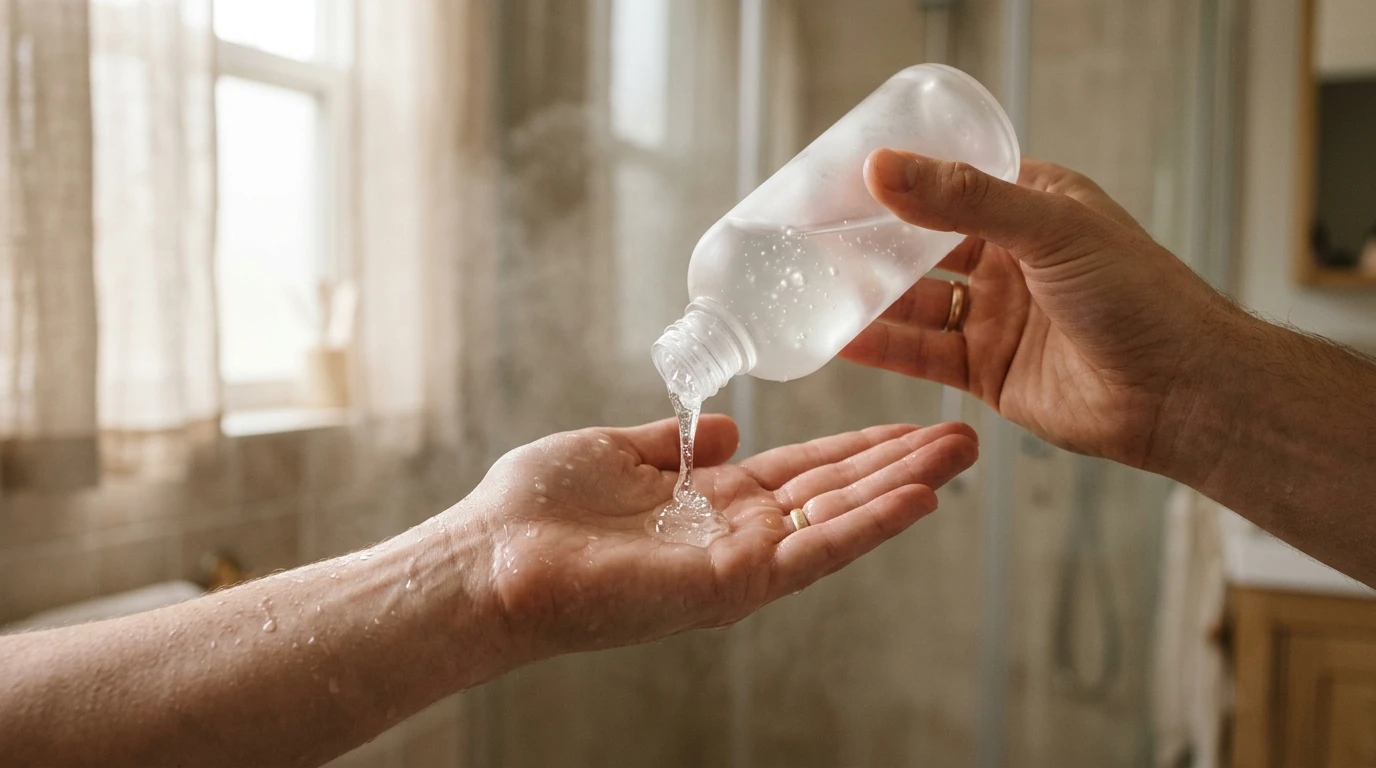
Shower gel is a gelled liquid cleanser containing surfactants, water, humectants, and fragrance, designed to clean your skin during a shower. The gel texture comes from thickeners that give it that familiar squeezable, non-runny feel.
At its core, it does one job: it lifts away sweat, oil, and dirt so water can rinse them off. Everything else — the scent, the color, the "spa-like" claims — is layered on top of that basic function.
The Basic Formula (What's Actually Inside)
Flip any bottle over and you'll see an INCI list (the standardized ingredient naming used across cosmetics). It looks intimidating, but the ingredients fall into a handful of simple categories.
Common Ingredient Groups
- Surfactants (e.g., Sodium Laureth Sulfate, Cocamidopropyl Betaine) — the cleaning agents. They grab onto oil and grime so water can wash them away, and they create the lather people love.
- Humectants (glycerin) — these draw water to the skin and soften that "tight" feeling after washing.
- Preservatives, thickeners, fragrance, and pH adjusters — preservatives keep the product safe from bacteria, thickeners create the gel body, and pH adjusters keep it skin-friendly.
Honest caveat: ingredient lists vary enormously between brands. A budget gel and a premium moisturizing body cleanser can share the same first three ingredients yet feel completely different on skin.
Shower Gel vs. Body Wash vs. Shower Cream
These terms confuse everyone, and honestly, brands use them loosely. Here's the practical difference: it's mostly about texture and feel, not a strict formula rule.
Quick Comparison Table
| Product | Texture | Typical Feel | Best For |
|---|---|---|---|
| Shower gel | Firmer, clear gel | Fresh, light | Normal/oily skin |
| Body wash | Thinner, creamy | Balanced | Most skin types |
| Shower cream | Rich, lotion-like | Moisturizing | Dry/sensitive skin |
| Liquid soap | Runny, foamy | Basic clean | Hands, general use |
So what's the difference between shower gel and body wash in real life? Very little. If you see both on a shelf, judge them by the ingredient list and texture, not the label word.
What Is Shower Gel Used For?
The primary use is straightforward: cleansing your body from the neck down. That's what shower gel is used for in almost every household.
It also handles a few secondary jobs well. A dab worked into a lather makes a decent shaving cushion in a pinch. Travel-sized bottles are TSA-friendly, and gym bags love the compact format over a slippery bar.
Just know the limits. Unless a product is specifically labeled for face or hair, keep it below the jawline. Facial skin is thinner and more reactive, and most fragrance shower gel formulas aren't tuned for it.
Is Shower Gel Good for Your Skin?
The honest answer to "is shower gel good for skin" is: it depends entirely on the formula and how you use it. There's no universal yes or no.
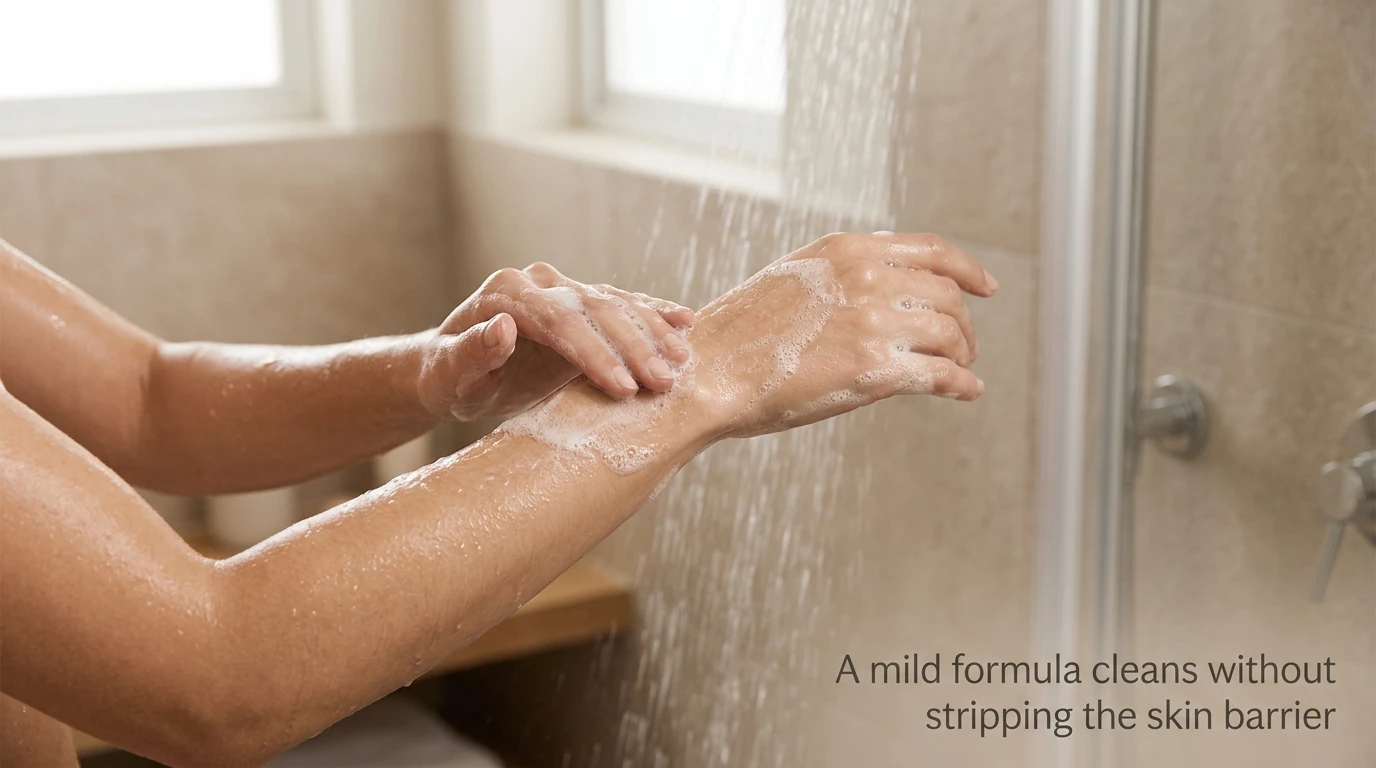
Your skin has a protective barrier and a naturally slightly acidic pH. A well-formulated gel with mild surfactants and added glycerin cleans without stripping that barrier. A harsh, high-foam formula used in scalding water can leave skin dry and irritated.
Also worth saying plainly: fragrance and sulfates aren't automatically "bad." Many people use both daily with zero issues. The problem is individual sensitivity, not a blanket villain.
When It Helps
Hydrating, low-foam formulas with humectants keep skin comfortable for daily use. If your skin feels soft rather than squeaky after a shower, that's a good sign the formula suits you.
When It Might Not
Sensitive or very dry skin can react to strong fragrance or aggressive surfactants. Over-cleansing — washing too often or scrubbing hard — can also disrupt the barrier. None of this is a medical warning; it's just practical caution to watch how your skin responds.
How to Choose the Right Shower Gel
The best shower gel isn't the most expensive or the best-smelling. It's the one that matches your skin. Start there.
Match It to Your Skin Type
For Dry Skin
Look for glycerin, ceramides, and creamy, low-foam textures — often labeled as a shower cream or moisturizing body cleanser. The best shower gel for dry skin feels rich and leaves skin supple, not tight. Skip anything that markets itself as "deep cleansing" or "purifying."
For Oily or Acne-Prone Skin
Lightweight, clear gels rinse clean without a heavy residue. Gentle exfoliating options (with soft physical or mild chemical exfoliants) can help, and "non-comedogenic" on the label is a reasonable green flag.
For Sensitive Skin
Reach for fragrance-free products with shorter ingredient lists and "dermatologist-tested" labeling. Fewer ingredients simply mean fewer potential triggers.
Ingredients to Prioritize (and Ones to Scan For)
| Prioritize | Reason | Scan For If Sensitive |
|---|---|---|
| Glycerin | Hydration | Strong fragrance |
| Ceramides | Barrier support | Certain harsh sulfates |
| Mild surfactants | Gentle cleansing | High alcohol content |
Reading Labels and Certifications
A few marks are genuinely verifiable and worth knowing:
- Cruelty-free — look for recognized programs like Leaping Bunny, which certify no animal testing.
- Dermatologist-tested — means the product was assessed by a dermatologist, but this does not guarantee it will work for your skin.
- ISO 22716 (GMP) — good manufacturing practice for cosmetics, signaling consistent quality control during production.
Treat certifications as helpful context, not a guarantee. Your own patch test tells you more than any badge.
Pros and Cons of Shower Gel
No product is perfect. Here's an honest look before you commit to a bottle.
| Pros | Cons |
|---|---|
| Convenient, hygienic pump/bottle | Plastic packaging creates waste |
| Wide range of formulas for every skin type | Fragrance may irritate some users |
| Often includes moisturizers | Can cost more per wash than bar soap |
| Travel-friendly and mess-free | Some contain drying surfactants |
How to Use Shower Gel Properly
Using it well is easy, but small habits make a real difference in how your skin feels afterward.
Step-by-Step
- Wet your skin with warm — not hot — water.
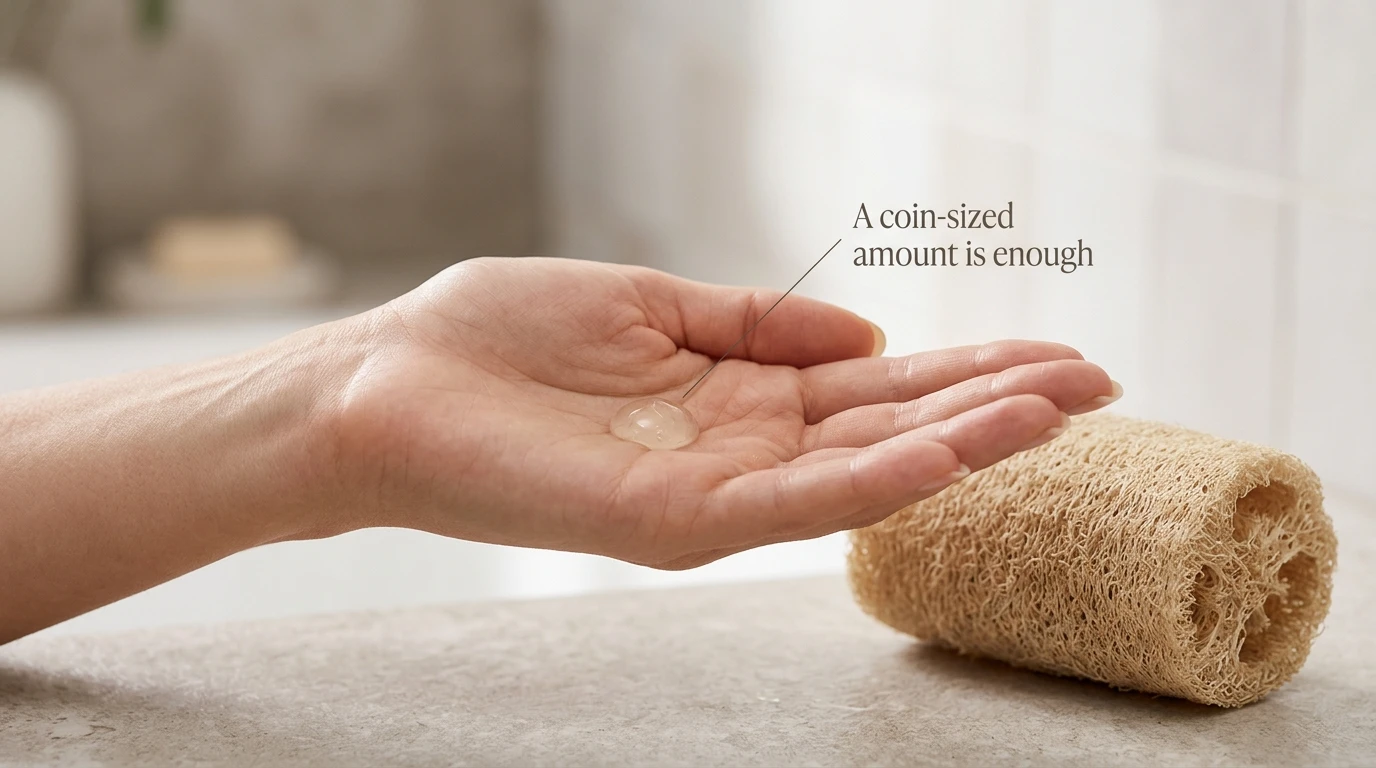
- Apply a coin-sized amount to a loofah, washcloth, or your hands.
- Massage into a light lather across your body.
- Rinse fully so no residue lingers, then pat (don't rub) dry.
- Follow with moisturizer while skin is still slightly damp to lock in hydration.
How Much Is Enough?
A coin-sized blob is plenty for a full body wash. Most people use two to three times more than they need. Using less saves money, reduces rinse-off, and is gentler on skin.
Common Mistakes to Avoid
- Squeezing out far too much product every shower.
- Showering in very hot water, which strips natural oils.
- Skipping moisturizer after drying off.
- Using body gel on your face or as shampoo (unless it's a labeled 2-in-1).
- Ignoring your actual skin type and buying purely by scent.
Market and Trend Notes
Consumer interest in sulfate-free and "gentle" liquid soap alternatives has grown noticeably over the past several years. Refillable and concentrate formats are also gaining shelf space as shoppers look to cut plastic waste.
Exact market figures vary widely by source and region, so treat any single statistic with caution. The broad direction, though, is clear: milder formulas and more sustainable packaging are what many buyers now ask for.
Frequently Asked Questions
Is shower gel the same as body wash?
Not officially, but in practice they're nearly identical cleansers. Shower gel tends to be a firmer, clearer gel while body wash is often creamier — the underlying formulas overlap heavily.
Can I use shower gel to wash my hair?
Generally no. Shower gel isn't designed for the scalp or hair strands and can leave hair dull or dry — unless the bottle is specifically labeled as a 2-in-1 hair and body product.
Does shower gel expire?
Yes. Check the small open-jar symbol (PAO, "period after opening") on the bottle — a number like "12M" means use within 12 months of opening. Unopened, most formulas last two to three years, though this varies by brand.
Is sulfate-free shower gel better?
Better for some, not universally superior. Sulfate-free options can suit sensitive or very dry skin, but well-formulated sulfate-based gels are perfectly fine for most people. It's about your skin, not the label.
How long does a bottle typically last?
A standard bottle (around 250–500 ml) usually lasts one person roughly four to eight weeks with daily use. Using a coin-sized amount and a loofah stretches it considerably further.
The Bottom Line
Shower gel is a versatile, convenient body cleanser — but there's no single "best" one. The right pick is simply the formula that matches your skin type, your sensitivities, and your preferences.
Know your skin, read the label, use a modest amount, and moisturize after. Do that, and even a modest bottle will treat your skin well.
Ready to Upgrade Your Shower Routine?
Grab the bottle you're using right now and check its ingredient list against this guide. Does it match your skin type? If not, you now know exactly what to look for on your next trip down the personal care aisle — choose with confidence, and let your skin feel the difference.