
ウェルネスショップや健康関連のブログを見たことがある方なら、筋肉を落ち着かせ、より深い眠りを促し、肌をなめらかにすると謳う小さなスプレーボトルを目にしたことがあるでしょう。その製品はマグネシウムオイルと呼ばれることが多く、近年、セルフケア用品の中でも特に注目を集めています。
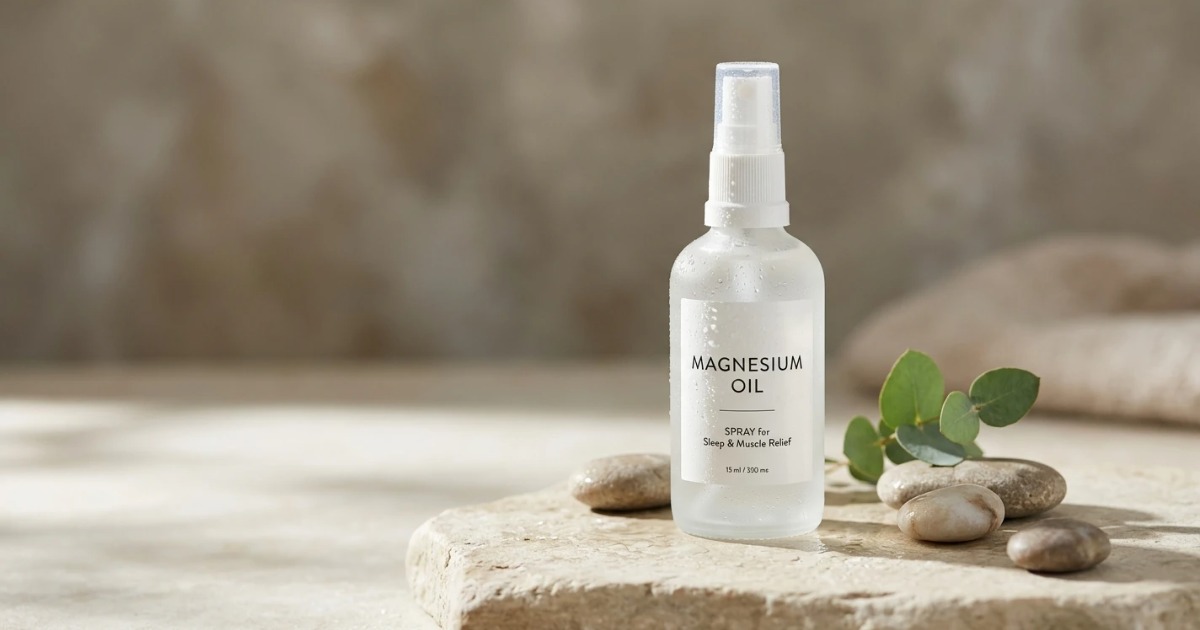
では、マグネシウムオイルとは具体的にどのようなもので、本当に効果があるのでしょうか?このわかりやすいガイドでは、マグネシウムオイルの実際の効果、肌を通じて作用する仕組み、安全な使用方法を解説します — 科学の専門知識は必要ありません。
マグネシウムオイルとは?
まず、最もよくある誤解を解消しておきましょう。名前に反して、マグネシウムオイルは脂っぽいオイルではありません。耳慣れない名前から想像するよりも、シンプルなウェルネスアイテムです。
"オイル"という名称の由来
マグネシウムオイルは、実際には塩化マグネシウムを水に溶かした濃縮液にすぎません。肌に塗ると少し滑りやすく、"オイリー"に感じられます — この感触が、誤解を招く名称の由来です。
ボトルの中に実際の脂肪やオイルは含まれていません。水性なので、乾きやすく、簡単に洗い流せます。
塩化マグネシウムスプレーとその他の形態
塩化マグネシウムスプレーは、このミネラルを摂取する唯一の方法ではありません。マグネシウムにはローション、入浴用フレーク、経口カプセルもあり、それぞれに異なる利点があります。
- スプレー/オイル:すばやく、狙った箇所に簡単に塗布できます。
- ローション:肌への刺激がより少なく、スプレーにピリピリ感を覚える方に適しています。
- 入浴用フレーク:全身浴やリラクゼーションに最適です。
- 経口サプリメント:1日のマグネシウム摂取量全体を増やすのに適しています。
人々が経皮マグネシウムを選ぶ理由
多くの方が経皮マグネシウムを好むのは、錠剤によって胃の不調や下剤作用が生じることがあるためです。肌に塗布すれば、消化器系を完全に介さずに済みます。
また、狙った箇所をケアできる点も魅力です — カプセルが全身に作用するのを待つのではなく、筋肉の張りを感じる箇所に直接スプレーできます。
経皮マグネシウム吸収の仕組み
マグネシウムオイルに関する大きな疑問は、このミネラルが実際に肌を通して体内に取り込まれるのかという点です。現時点でわかっていることをご紹介します。
肌を通した吸収に関する科学
経皮マグネシウム吸収とは、マグネシウムが肌の外側の層を通過して、その下にある組織へ到達する可能性を指します。研究者は、毛包や汗腺が小さな入口として機能する可能性があると考えています。
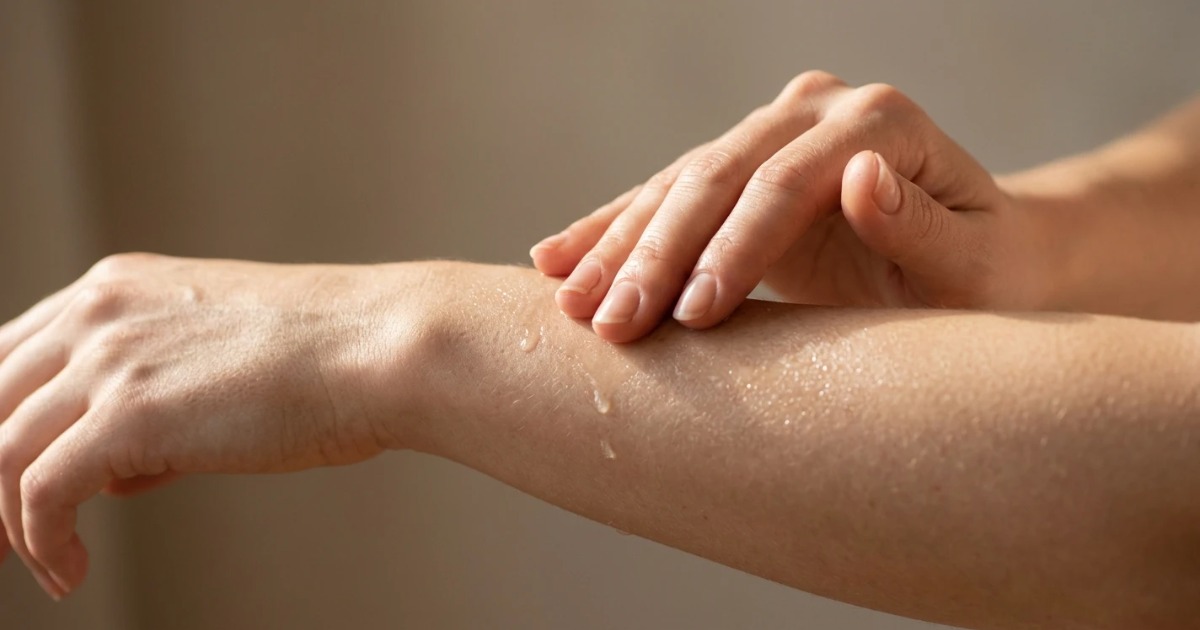
皮膚は保護バリアとして設計されているため、吸収は瞬時でも無制限でもありません。それでも、これらの経路は、少なくとも一部のマグネシウムが局所的に取り込まれる妥当な経路となる可能性があります。
研究で実際に示されていること
正直なところ、エビデンスはまだ蓄積段階にあります。2026年現在、いくつかの小規模研究では、経皮マグネシウムによって局所的な濃度がわずかに上昇したり、症状が緩和されたりする可能性が示唆されていますが、大規模で質の高い試験は依然として限られています。
多くのユーザーが、けいれんの減少や睡眠の改善など、実際の使用によるメリットを報告しています。それが吸収によるものなのか、塗布時のマッサージによるものなのか、あるいはリラックス効果によるものなのかはともかく、実感できる結果が利用者を引きつけ続けています。
皮膚と胃:吸収経路の比較
| 方法 | 消化器系の副作用 | 利便性 | 最適な用途 |
|---|---|---|---|
| 外用(オイル/スプレー) | なし | 中程度 | 局所的な緩和、胃が敏感な方に適しています |
| 経口カプセル | 可能性あり(下剤作用) | 高い | 1日の総摂取量 |
| エプソムソルト入浴 | なし | 低い | 全身のリラクゼーション |
マグネシウムオイルの主なメリット
ここからは、多くの方が最も気になる点—マグネシウムオイルが実際にどのような効果をもたらすのかをご紹介します。多くのバスルームキャビネットに置かれるようになった主な理由は次のとおりです。
筋肉のけいれんと回復のためのマグネシウムオイル
最も一般的な用途の一つが、筋肉のけいれんに対するマグネシウムオイルです。マグネシウムは筋肉の機能と弛緩に重要な役割を果たすため、運動後や、煩わしい夜間の脚のけいれんが起きたときに使用する人が多くいます。
アスリートや日頃から活動的な方は、筋肉痛や運動後の緊張を和らげるためによく使用します。疲れた筋肉に直接塗布すると心地よく感じられ、軽くマッサージするとさらに効果的です。
筋肉をピンポイントでケアする塗布方法
けいれんが起こりやすい部位には、清潔な肌のふくらはぎ、太もも、背中、または肩に数回スプレーします。やさしくなじませ、20~30分ほどそのままにしてください。
運動直後、または緊張が高まったときに塗布してください。刺激が強く感じられる場合は、少量の水で薄めてください。
睡眠とリラクゼーションのための外用マグネシウム
睡眠のために外用マグネシウムを使用することは、多くの人にとって夜の習慣となっています。マグネシウムは神経系をサポートし、体に落ち着くよう働きかけます。
就寝前に塗布すると、よりリラックスしてゆっくり休む準備が整いやすくなります。また、眠りを妨げる脚のむずむず感が和らぐと感じる人もいます。
より良い休息のための夜のルーティン
就寝の約30分前に、足、ふくらはぎ、または腕にマグネシウムオイルをスプレーします。心を落ち着ける習慣の一環として、ゆっくりとマッサージしながらなじませてください。
効果を高めるには、照明を落とし、画面を見ない習慣と組み合わせてください。ピリピリする刺激が気になる場合は、皮膚の感度が比較的低い足の裏に塗布してください。
肌の健康のためのマグネシウムオイル
乾燥した部分や全般的な刺激など、肌の悩みにマグネシウムオイルを使用する人もいます。マグネシウムは、肌のバリア機能やうるおいに関与すると考えられています。
報告にはばらつきがあり、結果には個人差がありますが、軽く नियमितに使用すると肌がなめらかに感じられるという人も多くいます。ただし、濃縮された処方は、傷ついた肌や剃ったばかりの肌にしみることがあるため、やさしく使用してください。
ストレスや日々の緊張をサポート
マグネシウムは、神経系の調整に関与することから、"リラクゼーションミネラル"と呼ばれることがあります。ストレスを感じているとき、体内ではマグネシウムが通常より速く消費される可能性があります。
緊張した日にマグネシウムオイルを首や肩になじませると、心が落ち着くように感じられることがあります。ストレスを治すものではありませんが、セルフケアの選択肢として、簡単で心地よい方法の一つになります。
メリットの概要
| メリット | 一般的な用途 | 使用部位 |
|---|---|---|
| 筋肉のけいれんの緩和 | 運動後にスプレー | 脚、背中 |
| より良い睡眠 | 就寝前に塗布 | 足、腕 |
| 肌のサポート | 毎日少量使用 | 乾燥した部分 |
| ストレス緩和 | 必要に応じて | 首、肩 |
効果が期待できるサイン:マグネシウム不足の症状
マグネシウムオイルがご自身に適しているかお悩みですか?マグネシウム不足の症状を把握することで、このミネラルを日々の習慣に取り入れるべきか判断しやすくなります。

注意すべき一般的な症状
マグネシウム不足は、日常生活におけるささいな変化として現れることがあります。次のような一般的な兆候に注意してください。
- 筋肉のぴくつきやまぶたのけいれん
- 特に夜間に起こる、頻繁な脚のけいれん
- 続く疲労感やエネルギー不足
- 寝つきが悪い、または眠り続けることが難しい
- 緊張感、いら立ち、落ち着かなさを感じる
特にリスクが高い人
マグネシウムが不足しやすい人もいます。活動量の多い方は発汗によってマグネシウムを失いやすく、高齢者はマグネシウムの吸収量が低下する傾向があります。
そのほか、消化器系の疾患がある方、慢性的なストレスを抱えている方、葉物野菜、ナッツ類、全粒穀物の摂取量が少ない方も、リスクが高いとされています。
医師の診察を受けるタイミング
軽度の症状であれば、通常は生活習慣の改善で対処できます。ただし、けいれんが続く、原因不明の疲労感がある、または不整脈がある場合は、医療専門家にご相談ください。
簡単な血液検査と医療専門家による指導により、本当にマグネシウムの摂取量を増やす必要があるか、また最適な方法を確認できます。
マグネシウムオイルスプレーを正しく使用する方法
マグネシウムオイルスプレーの効果を最大限に引き出すには、いくつかの簡単な習慣が大切です。正しい使用方法をご紹介します。
使用手順ガイド
- 清潔で乾いた肌に使用します — シャワーの後が理想的です。
- 使用部位に3〜5回スプレーします。
- 指先でやさしくなじませます。
- 浸透するよう、20〜30分そのままにします。
- べたつきが気になる場合は、洗い流すか拭き取ってください。
使用量と使用頻度
一般的な使用では、1回あたり5〜10回程度、1日1〜2回スプレーする方が多いです。初めて使用する場合は、少量から始め、肌の状態に合わせて徐々に増やしてください。
筋肉や睡眠のサポートを目的に毎日安全に使用できますが、使いすぎる必要はありません。たまに多量に使用するよりも、少量を継続的に使用する方が効果的です。
ピリピリ感への対処
特に最初の数回は、チクチクする感覚や軽いかゆみを感じることがあります。通常は、肌が適応しているか、溶液の濃度がかなり高いことを意味します。
不快感を和らげるには、スプレーを水で薄める、足などの刺激を感じにくい部位に塗る、または20分後に洗い流してください。通常、この感覚は肌が定期的な使用に慣れるにつれて薄れていきます。
安全性、副作用、使用上の注意
マグネシウムオイルは一般的に良好な忍容性を示しますが、予想されることや注意すべきタイミングを知っておくと安心です。
一般的な副作用
最も一般的な副作用は、軽度の肌の刺激、赤み、およびおなじみのチクチク感です。通常、これらは一時的で害のないものです。
広範囲に使用する前に、パッチテストを行ってください。腕の内側に少量を塗り、24時間待ちます。強い灼熱感や発疹が見られた場合は、使用を中止してください。
使用を避けるか、事前に相談すべき方
腎臓に問題がある方は、まず医師に相談してください。腎機能が低下していると、マグネシウム濃度の調整が難しくなる場合があります。妊娠中、授乳中の方、または常用薬を服用している方も同様です。
迷った場合は、医療従事者に簡単に相談することで、外用マグネシウムを安全に日常のケアに取り入れられるか確認できます。
保管方法と使用期限に関するヒント
マグネシウムオイルは、直射日光を避け、涼しく乾燥した場所に保管してください。安定したミネラル溶液であるため、適切に保管すれば長期間保存でき、—多くの場合、二年から三年もちます。
蒸発を防ぐため、キャップがしっかり閉まっていることを確認してください。蒸発すると溶液が濃縮され、刺激が強くなる可能性があります。
高品質なマグネシウムオイルの選び方
すべての製品が同じ品質とは限りません。実際に価値のある製品を選ぶ方法をご紹介します。
確認すべき成分と純度
ラベルを確認し、純粋な塩化マグネシウムと水 — 必要なのは基本的にこれだけです。一部のプレミアム製品では、汚染物質がもともと少ない太古の地下海底に由来する塩化マグネシウムを使用しています。
不要な充填剤や人工香料を多く含む製品は避けてください。特に敏感肌の方は注意が必要です。
スプレー、ロールオン、ローションのタイプ
選ぶタイプは、使用する方法と部位によって異なります。スプレーは広い範囲に素早く塗布でき、ロールオンは携帯や狭い範囲への正確な塗布に適しており、ローションは毎日のスキンケアにより優しい使用感です。
価格と価値の比較
| タイプ | 使いやすさ | 最適な用途 |
|---|---|---|
| スプレー | 高 | 全身に素早く塗布 |
| ロールオン | 高 | 部分使い、携帯に便利 |
| ローション | 中 | 敏感肌または乾燥肌 |
価格を比較する際は、表示価格だけでなく、濃度とボトルの容量を確認してください。少し高価でも、より純度の高い製品は長持ちし、より高い効果が得られることがよくあります。
よくあるご質問 (FAQ)
マグネシウムオイルは本当に皮膚から吸収されますか?
マグネシウムの一部は毛包や汗腺から吸収されると考えられていますが、その量については現在も議論があります。研究は続いており、多くのユーザーが実際の効果を報告している一方で、結果には個人差があります。
効果を実感するまでどのくらいかかりますか?
筋肉のリラクゼーションについては、20 to 30分以内に楽になる人もいます。睡眠やストレスのサポートについては、毎晩継続して使用することで、数日から数週間かけて効果が高まる場合があります。
マグネシウムオイルは毎日使用できますか?
はい。毎日の使用は、健康な方の多くにとって一般的に安全です。少量から始め、肌の反応を確認しながら、快適に感じる頻度に調整してください。
マグネシウムオイルはなぜヒリヒリしたり、ピリピリしたりするのですか?
ピリピリするのは、高濃度の塩化マグネシウムが肌、特に敏感な部分や乾燥した部分に反応するためです。水で薄めるか、足に塗布すると、通常は刺激が軽減されます。
マグネシウムオイルはマグネシウムの錠剤より優れていますか?
どちらが厳密に優れているということはありません — それぞれ目的が異なります。錠剤は全体的な摂取量を増やすのに適している一方、マグネシウムオイルは、胃に負担をかけずに筋肉やリラクゼーションを重点的にサポートします。
マグネシウムオイルを一晩そのままにしても大丈夫ですか?
肌に問題なくなじむ場合は、一晩そのままにしておくことができます。べたつきやピリピリ感が強い場合は、20 to 30分後に洗い流してください。それでも効果を得られます。