
Kojisäure hat sich einen festen Platz im professionellen Instrumentarium zur Depigmentierung gesichert und steht an der Schnittstelle von Fermentationswissenschaft und evidenzbasierter Dermatologie. Als natürlich gewonnener Tyrosinasehemmer bietet sie Formulierern und Klinikern eine gut charakterisierte Alternative zu stärker regulierten Wirkstoffen zur Aufhellung der Haut.

Dieser Leitfaden bietet eine professionelle Betrachtung der Kojisäure&mdash ihrer Biochemie, ihres Wirkmechanismus, ihrer klinischen Wirksamkeit und der praktischen Anforderungen an die Formulierung. Ziel ist es, Fachleuten die nötige Wissensgrundlage für fundierte Entscheidungen zu Wirksamkeit, Sicherheit und Anwendung zu vermitteln.
Was ist Kojisäure? Chemische Identität und Herkunft
Chemische Struktur und Eigenschaften
Kojisäure ist chemisch als 5-Hydroxy-2-hydroxymethyl-4-pyron definiert und besitzt die Molekülformel C₆H₆O₄ sowie ein Molekulargewicht von etwa 142.11 g\/mol. Sie liegt als weißes bis blassgelbes kristallines Pulver vor und ist in Wasser, Ethanol und Aceton löslich.
Die Verbindung ist relativ hydrophil und eignet sich daher gut für wässrige Seren und Gele. Sie reagiert jedoch besonders empfindlich auf Oxidation, Wärme und Licht&mdash ein Stabilitätsprofil, das maßgeblich bestimmt, wie sie bei der kosmetischen Herstellung gehandhabt werden muss.
Natürliche Quellen und Herstellung
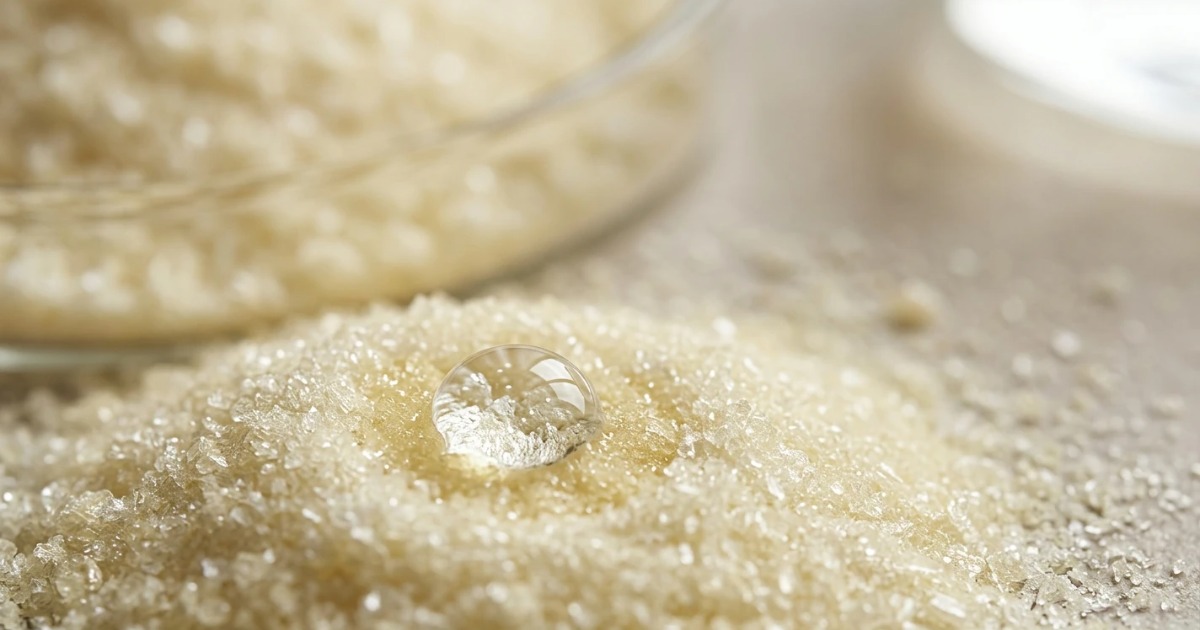
Kojisäure ist ein Fermentationsmetabolit, der von mehreren Pilzarten gebildet wird, insbesondere von Aspergillus oryzae und Aspergillus flavus. Die industrielle Herstellung beruht hauptsächlich auf der kontrollierten Fermentation von kohlenhydrathaltigen Substraten wie Reis durch Pilzkulturen.
Ihr Name leitet sich von Koji ab, dem für traditionelle japanische Lebensmittel wie Sake, Sojasauce und Miso zentralen Reisferment. Diese lange Geschichte der Aufnahme über die Nahrung unterstützt ihre positive Sicherheitswahrnehmung, auch wenn sich kosmetische und ernährungsbezogene Anwendungsbereiche erheblich unterscheiden.
Kojisäure vs. Kojisäuredipalmitat
Da die Ausgangsverbindung dazu neigt, sich zu verfärben und abzubauen, bevorzugen viele Formulierer ihr Esterderivat, Kojisäuredipalmitat. Diese lipophile Variante weist eine höhere Stabilität, eine größere Oxidationsbeständigkeit und eine bessere Kompatibilität mit Formulierungen der Ölphase auf.
Der Nachteil: Kojisäuredipalmitat muss in situ hydrolysiert werden, um aktive Kojisäure freizusetzen, wodurch seine Wirksamkeit im Vergleich zur freien Säure bei gleichen Konzentrationen geringer ausfallen kann.
| Eigenschaft | Kojisäure | Kojisäuredipalmitat |
|---|---|---|
| Molekülformel | C₆H₆O₄ | C₃₈H₆₆O₆ |
| Löslichkeit | Wasserlöslich | Öllöslich |
| Stabilität | Niedrig (oxidiert, verfärbt sich) | Hoch (hitze- und lichtstabil) |
| Typische Anwendungskonzentration | 1–4% | 1–3% |
| Formulierungseignung | Wässrige Seren, Gele | Emulsionen, Ölphasen |
Wirkungsweise von Kojisäure: Wirkmechanismus
Weg der Tyrosinase-Hemmung
Der primäre Mechanismus hinter der hautaufhellenden Wirkung von Kojisäure ist die kompetitive Hemmung der Tyrosinase, des geschwindigkeitsbestimmenden Enzyms bei der Melaninsynthese. Kojisäure bindet die Kupferionen am aktiven Zentrum des Enzyms und unterbricht dadurch den katalytischen Schritt, der Tyrosin in Melaninvorstufen umwandelt.
Durch die Bindung an Kupfer verlangsamt die Verbindung die enzymatische Kaskade, ohne vorhandene Melanozyten zu zerstören. Dadurch unterscheidet sie sich von aggressiveren Depigmentierungsmechanismen.
Auswirkungen auf die Melanogenese
Nachgeschaltet reduziert die Hemmung der Tyrosinase die Produktion von Eumelanin und Phäomelanin. Über aufeinanderfolgende Zellerneuerungszyklen hinweg enthalten neu gebildete Keratinozyten weniger Pigmente, und behandelte Bereiche hellen allmählich auf.
Diese fortschreitende Wirkung erklärt, warum sichtbare Ergebnisse erst nach mehreren Wochen konsequenter Anwendung auftreten und nicht sofort sichtbar sind.
Antioxidative und antimikrobielle Eigenschaften
Über die Pigmentkontrolle hinaus weist Kojisäure eine Aktivität als Radikalfänger auf, die zur Minderung von oxidativem Stress beiträgt. Zudem verfügt sie über moderate antibakterielle und antimykotische Eigenschaften.
Diese sekundären Eigenschaften bieten praktische Vorteile bei der Formulierung, da sie zusätzliche Nutzen für zu Unreinheiten neigende Haut bieten und in geringem Maße zur Produktkonservierung beitragen.
Vorteile von Kojisäure für die Haut
Behandlung von Hyperpigmentierung und Melasma
Die am besten belegten Vorteile von Kojisäure für die Haut betreffen Pigmentstörungen. Die klinische Literatur belegt ihre Wirksamkeit bei Melasma, postinflammatorischer Hyperpigmentierung und sonnenbedingten dunklen Flecken, insbesondere im Rahmen von Kombinationsbehandlungen.
In Studien wird Kojisäure häufig mit Glykolsäure oder Hydrochinon kombiniert, um die Ergebnisse zu verbessern. Mehrere Studien berichten zudem über eine deutliche Verringerung der Schweregrade von Melasma innerhalb von 8 bis 12 Wochen.
Aufhellende und teintverbessernde Wirkung von Kojisäure
Zur allgemeinen Vereinheitlichung des Hauttons und zur Aufhellung führt Kojisäure zu einer allmählichen Verringerung der oberflächlichen Pigmentierung. Die meisten Anwenderinnen und Anwender beobachten innerhalb von 4 bis 8 Wochen eine sichtbare Verbesserung, während sich über drei Monate kontinuierlicher Anwendung umfassendere Ergebnisse entwickeln.
Der zeitliche Verlauf hängt maßgeblich von der Konzentration, der Qualität der Formulierung sowie der Tiefe und Art der behandelten Pigmentierung ab.
Unterstützung gegen Hautalterung und Lichtschäden
Durch seine antioxidative Wirkung bietet Kojisäure einen moderaten Schutz vor Lichtschäden, indem sie reaktive Sauerstoffspezies neutralisiert, die die sichtbare Hautalterung beschleunigen. Sie ist kein primäres Anti-Aging-Mittel, aber dieser ergänzende Nutzen erhöht den Wert innerhalb einer umfassenderen korrigierenden Pflegeroutine.
| Konzentration | Behandlungsdauer | Typisches klinisches Ergebnis |
|---|---|---|
| 1–2% | 4–8 Wochen | Leichte bis mäßige Aufhellung; geeignet zur Erhaltung |
| 2–4% (oft kombiniert) | 8–12 Wochen | Deutliche Verringerung des Schweregrads von Melasma und PIH |
| Kombination (KA + Glykolsäure/HQ) | 12 Wochen | Verbesserte Aufhellung gegenüber einer Monotherapie in vergleichenden Studien |
Kojisäure vs. Hydrochinon: Eine vergleichende Analyse
Wirksamkeitsvergleich
Vergleicht man Kojisäure mit Hydrochinon, bleibt Hydrochinon das wirksamere depigmentierende Einzelmittel und der historische Goldstandard. Kojisäure wirkt allein tendenziell sanfter und langsamer aufhellend.
In Kombinationstherapien verringert sich dieser Unterschied jedoch deutlich. Kojisäure eignet sich häufig gut als Ergänzung oder als Erhaltungsmittel nach einer anfänglichen Hydrochinon-Behandlung.
Sicherheits- und regulatorischer Status
Bei der regulatorischen Einstufung unterscheiden sich die beiden Wirkstoffe am deutlichsten. Für Hydrochinon gelten in der Europäischen Union Einschränkungen oder ein vollständiges Verbot als rezeptfreies Produkt. Auch in vielen anderen Märkten unterliegt es einer strengeren Kontrolle, bedingt durch Bedenken hinsichtlich einer Ochronose und der langfristigen Anwendung.
Kojisäure ist weltweit in kosmetischen Produkten breiter verfügbar, vorbehaltlich geltender Konzentrationsgrenzen, und stellt daher eine attraktive Option dar, wenn der Zugang zu Hydrochinon eingeschränkt ist.
Ideale Einsatzbereiche der beiden Wirkstoffe
Fachkräfte setzen Hydrochinon häufig für kurze, überwachte Behandlungszyklen bei hartnäckigen oder ausgeprägten Pigmentierungen ein. Kojisäure eignet sich für die längerfristige Behandlung, für Personen mit empfindlicher Haut und für Regionen, in denen der Zugang zu Hydrochinon eingeschränkt ist.
| Faktor | Kojisäure | Hydrochinon |
|---|---|---|
| Mechanismus | Kupferchelatbildung / Tyrosinasehemmung | Melanozytenzytotoxizität / Tyrosinasehemmung |
| Relative Wirksamkeit | Mäßig (in Kombination stark) | Hoch |
| Reizungspotenzial | Gering bis mäßig | Mäßig bis hoch |
| Regulatorischer Status | Weitgehend zulässig (begrenzt) | In der EU eingeschränkt rezeptfrei erhältlich; andernorts reguliert |
| Empfohlene Konzentration | 1–4% | 2–4% (in vielen Regionen verschreibungspflichtig) |
Hinweise zu Formulierung und Anwendung
Übliche Produktformen
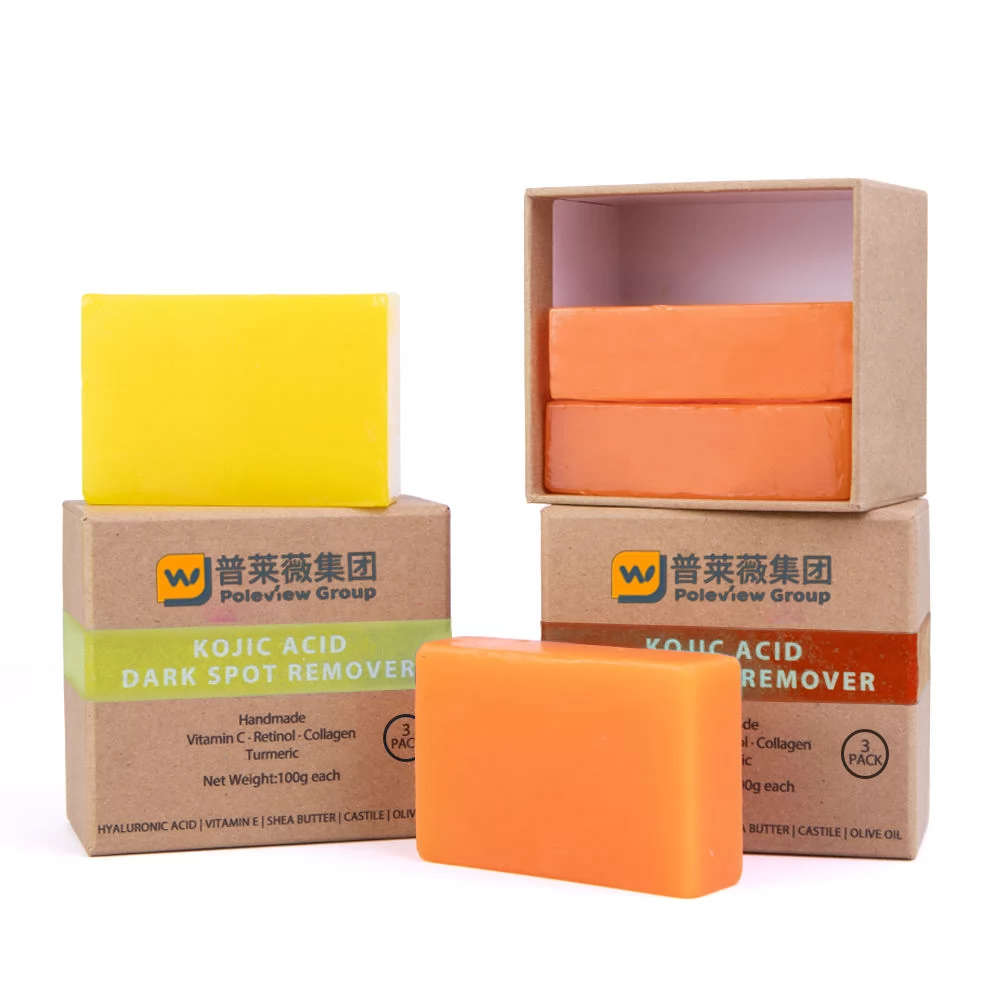
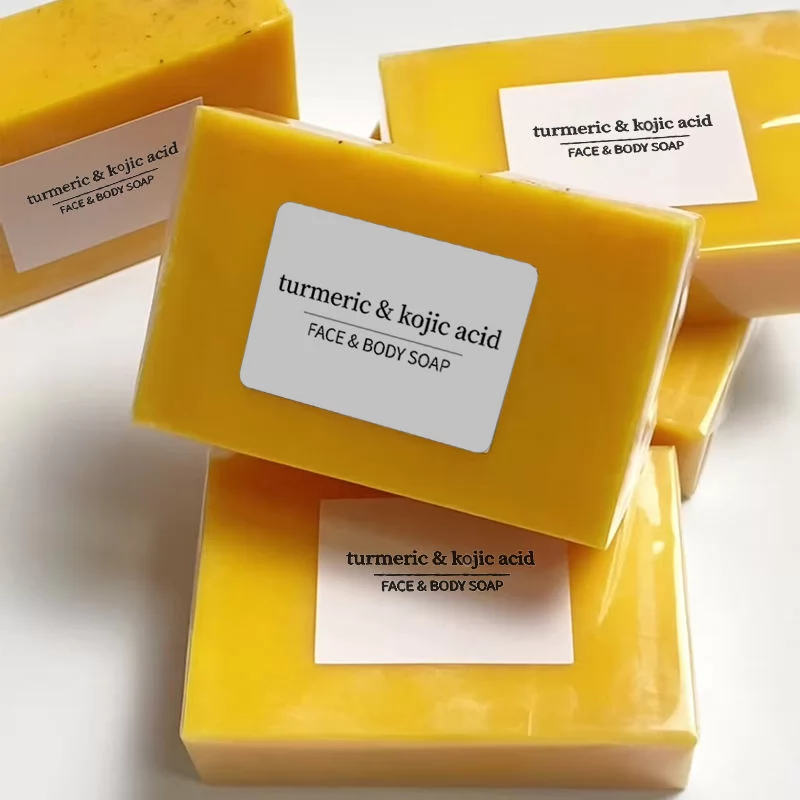
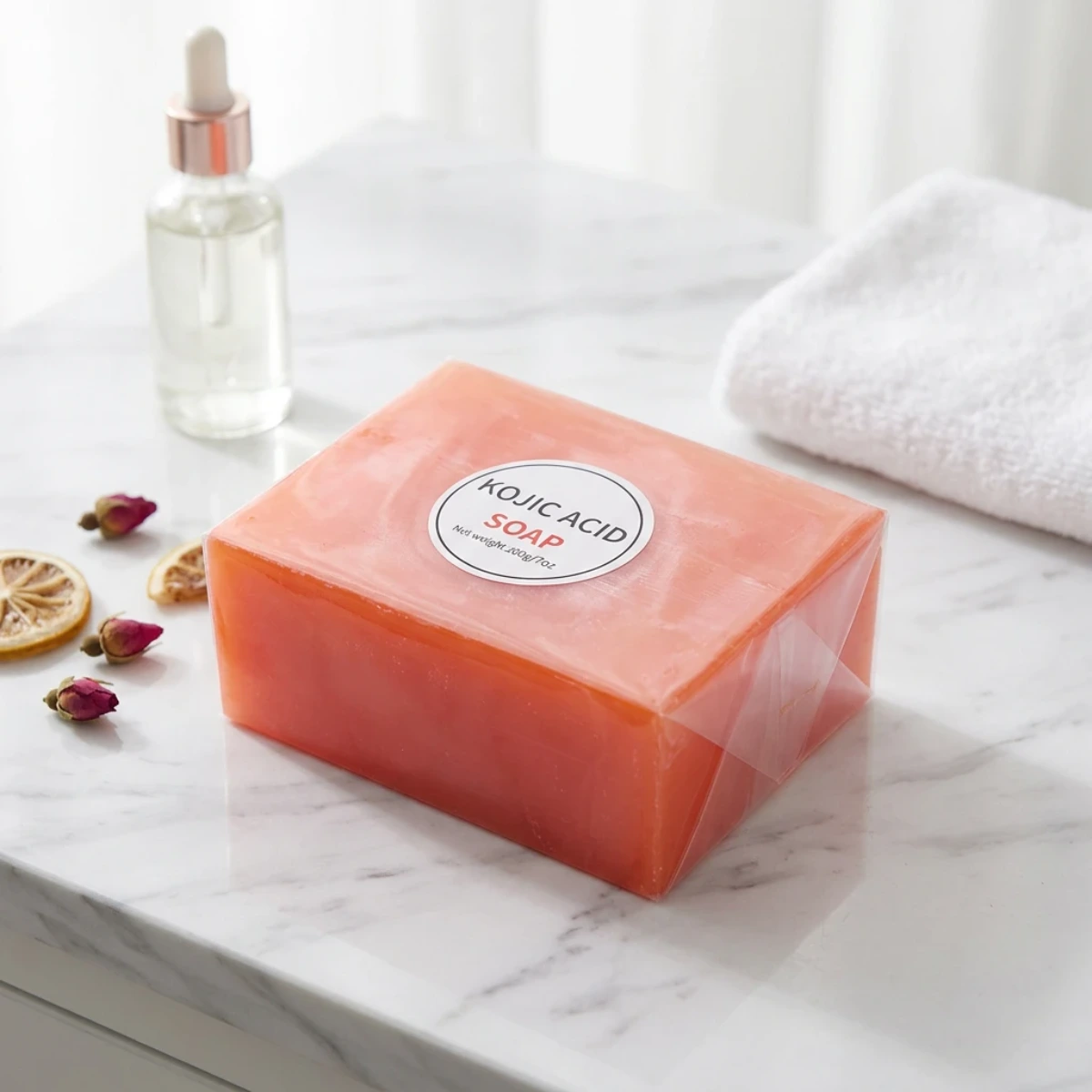
Kojisäure ist in Seren, Cremes, Reinigungsprodukten und chemischen Peelings weit verbreitet. Kojisäureseife gegen Hyperpigmentierung ist insbesondere auf Verbrauchermärkten beliebt, obwohl die Anwendung zum Abspülen die Kontaktzeit und damit die Gesamtwirksamkeit im Vergleich zu Leave-on-Produkten begrenzt.
Seren und Cremes, die auf der Haut verbleiben, erzielen im Allgemeinen bessere Ergebnisse, da der Wirkstoff länger mit der Haut in Kontakt bleibt.
Empfohlene Konzentrationen und pH-Wert
Wirksame Konzentrationen liegen typischerweise zwischen 1% und 4%. Kojisäure wirkt am besten in leicht sauren Formulierungen mit einem Ziel-pH-Wert von etwa 4 bis 5, der sowohl die Stabilität als auch die enzymatische Aktivität unterstützt.
Ein zu hoher pH-Wert beschleunigt den Abbau, während ein sehr niedriger pH-Wert das Reizungsrisiko bei empfindlichen Anwendern erhöhen kann.
Synergistische Wirkstoffkombinationen
Kojisäure lässt sich wirkungsvoll mit mehreren ergänzenden Wirkstoffen kombinieren:
- Vitamin C — stärkt den antioxidativen Schutz und die Tyrosinasehemmung.
- Niacinamid — reduziert den Melanosomentransfer und unterstützt die Barrierefunktion.
- Arbutin — sorgt für eine zusätzliche Unterdrückung der Tyrosinase.
- Glykolsäure — verbessert die Penetration und beschleunigt die Zellerneuerung.
Bei der Kombination mehrerer Peelingsäuren sollten Formulierer vorsichtig vorgehen, da kumulative Reizungen die Verträglichkeit und Anwendungstreue beeinträchtigen können.
Herausforderungen bei Stabilität und Konservierung
Die hartnäckigste Herausforderung bei der Formulierung ist die oxidative Verfärbung—Kojisäure neigt dazu, mit der Zeit braun zu werden. Zu den Gegenmaßnahmen zählen Chelatbildner, antioxidative Systeme, lichtundurchlässige oder Airless-Verpackungen sowie der Einsatz von Kojisäuredipalmitat, wenn Stabilität in der Ölphase erforderlich ist.
Nebenwirkungen und Sicherheitsaspekte von Kojisäure
Häufige unerwünschte Reaktionen
Die berichteten Nebenwirkungen von Kojisäure sind im Allgemeinen mild und dosisabhängig. Kontaktdermatitis, Erythem, Juckreiz und lokale Reizungen treten am häufigsten auf und werden bei Konzentrationen über 2% häufiger beobachtet.
Die meisten Reaktionen klingen bei verringerter Anwendungshäufigkeit, niedrigerer Konzentration oder vorübergehendem Absetzen ab.
Anforderungen an Empfindlichkeit und Sonnenschutz
Da depigmentierende Behandlungen das schützende Melanin reduzieren, ist die gleichzeitige Anwendung eines Breitband-SPF während jeder Behandlung mit Kojisäure unverzichtbar. Unzureichender Sonnenschutz kann Behandlungserfolge zunichtemachen und die Pigmentierung verschlimmern.
Regulatorische Grenzwerte und Konzentrationsobergrenzen
Regulierungsbehörden legen Konzentrationsobergrenzen fest, um Wirksamkeit und Sicherheit miteinander in Einklang zu bringen. In der Europäischen Union ist Kojisäure in Gesichts- und Handpflegeprodukten bis zu 1% zulässig, während andere Märkte im Rahmen allgemeiner kosmetischer Sicherheitsvorschriften höhere Konzentrationen erlauben.
| Konzentration | Gemeldetes Nebenwirkungsprofil | Risikominderung |
|---|---|---|
| 1% | Minimal; gelegentlich leichte Rötungen | Für empfindliche Haut geeignet; grundlegender SPF |
| 2% | Bei einigen Anwendern leichte Reizungen | Allmählich einführen; Patch-Test |
| 3–4% | Erhöhtes Risiko für Reizungen und Kontaktdermatitis | Professionelle Überwachung; Intervalltherapie; Unterstützung der Hautbarriere |
Bewährte Verfahren für Fachkräfte
Beurteilung von Patienten/Kunden
Beginnen Sie mit einer gründlichen Beurteilung des Hauttyps, der Fitzpatrick-Klassifikation und der Art der Pigmentierung. Ein Patch-Test an einer unauffälligen Stelle wird dringend empfohlen, insbesondere bei höheren Konzentrationen oder bei Kunden mit empfindlicher Haut.
Behandlungsprotokolle und Überwachung
Führen Sie Kojisäure schrittweise ein—häufig zunächst jeden zweiten Tag—bevor Sie bei guter Verträglichkeit zur täglichen Anwendung übergehen. Intervallstrategien, beispielsweise regelmäßige Anwendungspausen, können während längerer Behandlungskurse Reizungen reduzieren.
Dokumentieren Sie die Ausgangspigmentierung mit standardisierten Fotografien und führen Sie in Abständen von 4- bis 8 Wochen eine erneute Beurteilung durch, um den Fortschritt objektiv zu verfolgen.
Ansätze zur Kombinationstherapie
Bei resistenten Pigmentierungen können Sie Kojisäure in mehrstufige Depigmentierungsregime integrieren, die Retinoide, exfolierende Säuren und komplementäre Tyrosinasehemmer umfassen können. Die Reihenfolge und Pufferung sind hierbei entscheidend. Sie schützen die Integrität der Hautbarriere und begrenzen die kumulative Reizung.
Häufig gestellte Fragen (FAQ)
Ist Kojisäure für die tägliche Anwendung sicher?
Für die meisten Anwender sind Formulierungen mit niedriger Konzentration (etwa 1–2%) nach erfolgter Gewöhnung sicher für die tägliche Anwendung. Höhere Konzentrationen können eine Anwendung jeden zweiten Tag oder eine professionelle Begleitung erforderlich machen, um Reizungen zu begrenzen.
Wie lange dauert es, bis Kojisäure Ergebnisse zeigt?
Eine sichtbare Aufhellung zeigt sich typischerweise innerhalb von 4 bis 8 Wochen. Deutlichere Verbesserungen bei Melasma oder postinflammatorischer Hyperpigmentierung treten bei konsequenter Anwendung über 8 bis 12 Wochen auf.
Kann Kojisäure mit Retinoiden oder Säuren kombiniert werden?
Ja, jedoch mit Vorsicht. Die Kombination mit Retinoiden oder exfolierenden Säuren kann die Ergebnisse verbessern, gleichzeitig aber auch das Reizungsrisiko erhöhen. Führen Sie Wirkstoffe nacheinander ein, beobachten Sie die Verträglichkeit und legen Sie Wert auf die Unterstützung der Hautbarriere sowie Sonnenschutz.
Ist Kojisäure besser als Hydrochinon?
Keines der beiden Mittel ist grundsätzlich überlegen. Hydrochinon ist als Einzelwirkstoff potenter, während Kojisäure ein milderes Profil und eine breitere regulatorische Akzeptanz bietet. Die richtige Wahl hängt vom Schweregrad der Pigmentierung, der Hautempfindlichkeit und der regionalen Verfügbarkeit ab.
Wer sollte Kojisäure vermeiden?
Personen mit bekannter Empfindlichkeit, aktiver Kontaktdermatitis oder sehr reaktiver Haut sollten Kojisäure vorsichtig anwenden oder vermeiden. Schwangere oder stillende Personen sollten vor der Anwendung eine qualifizierte Fachkraft konsultieren.
Fazit: Der Stellenwert von Kojisäure in der evidenzbasierten Hautpflege
Kojisäure bleibt ein vielseitiger und gut verträglicher Tyrosinasehemmer mit einer starken Evidenzbasis zur Behandlung von Hyperpigmentierung und zur Unterstützung eines gleichmäßigen Hauttons. Ihre günstige regulatorische Stellung und ihre Kombinierbarkeit mit synergistisch wirkenden Wirkstoffen machen sie zu einer zuverlässigen Wahl, wenn potente Alternativen eingeschränkt sind.
Für Fachleute hängt der Erfolg von einer durchdachten Formulierung, der richtigen Konzentration, konsequentem Sonnenschutz und einer strukturierten Überwachung ab. Im Rahmen dieser bewährten Verfahren liefert Kojisäure zuverlässige, messbare Ergebnisse als Teil einer umfassenden, evidenzbasierten Depigmentierungsstrategie.