
Stock lotions with a swapped label used to pass for private label. They no longer do. Retailers and marketplaces now expect brand-specific formulas made under GMP-style rules such as ISO 22716, plus ingredient lists that match the label in each market. Mapping your OEM body care customization options means working through formula, fragrance, format, packaging and paperwork, in that order.
Customization covers the formula, scent, color, container, label and documents, and each layer costs differently. Formula and container changes drive minimums, lead time and sampling rounds. Scent, color and artwork are usually the cheapest to change. Regulatory content is largely fixed by the market you sell into.
Key Takeaways
- Formula, fragrance, color, format, packaging and labels are all negotiable. Ingredient safety rules and mandatory label content are not.
- Choosing OEM or ODM sets how much of the formula you can change.
- Container type and formula viscosity must be matched, so decide them together.
- Deeper customization usually means a higher minimum, more sampling rounds and a longer launch.
- Request the safety assessment, stability data and GMP evidence before approving bulk production.
Which Route Fits Your Brand?
OEM means the factory manufactures to your formula or specification. ODM means it adapts a formula it already owns and has made before. OEM gives you the most control over ingredients and texture; ODM gives you speed and a proven base, with changes limited to scent, color, certain additions and presentation. Many projects land somewhere between the two.
OEM: Your Formula, Their Line
You bring an INCI list, a target texture, or a reference product and a brief. The factory still reviews it for process fit: can the emulsion be made on its equipment, does the preservative system hold, does the batch behave at production scale rather than in a lab beaker? Expect questions, and expect adjustments to percentages even when the ingredient list stays the same.
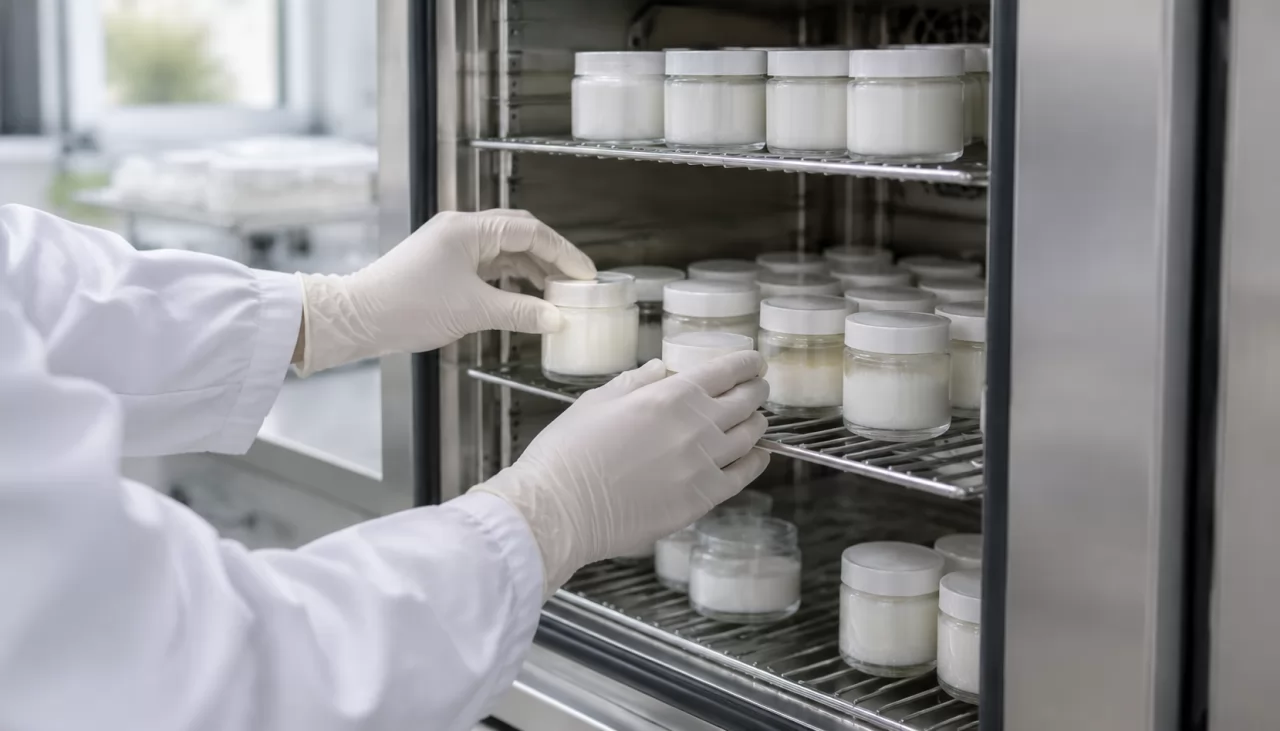
Stability testing is the part people underestimate. A formula that was fine in a small trial can separate or shift in viscosity after weeks of storage, which is why OEM projects usually need more than one sample round.
ODM: Adjusting an Existing Base
A ready base saves formulation time and often cuts the number of samples. Fragrance, color and packaging typically move, and sometimes added ingredients at modest levels. The emulsifier, the preservative system and the core texture usually stay fixed, because changing them means re-testing the whole formula.
The cost is differentiation. Other brands may be buying variants of the same base, so scent, packaging and positioning carry more of the weight.
Hybrid Briefs
Many private label body lotion projects start with an existing base and then change the texture or ingredient preferences. Say so plainly in the RFQ: name the base or reference product, list what you want kept, and list what must differ. That framing prevents a quote for full OEM development when you only need a modified base.
Formula Choices That Matter
Custom body care formulation is where cost, stability and claims collide. A richer texture often needs more emollients, a "natural" positioning narrows the preservative options, and a sensitive-skin story raises the documentation bar. Decide in this order: base type, texture, skin-type positioning, ingredient preferences.
Base and Texture
The base can be a lotion, cream, body butter, oil or wash, and each behaves differently in the container. Viscosity and spreadability decide whether a formula works in a pump or needs a jar or tube, and absorption feel comes largely from the oil phase and the emulsifier. Thin lotions suit pumps; thick creams and butters generally need wide-mouth jars. Settle the container question while you are still working on texture, not after the formula is approved. A pump that clogs on a thick lotion is a late and expensive discovery.
Ingredient Preferences
Natural-leaning, vegan, sulfate-free and paraben-free are all workable preferences, and cruelty-free sourcing can be specified too. Each has to show up in the INCI list and be backed by supplier documents. "Natural" has no single legal definition across markets, so the claim should match the actual ingredients and your market's rules.
Keep claims about results modest. Anything beyond describing the product's composition or basic function should rest on testing you can show.
Skin Type and Sensitivity
You can position a product for dry, normal or sensitive skin, and offer a fragrance-free variant. Positioning follows evidence, though, not the other way round. A safety assessment and patch testing come before a sensitive-skin message. Fragrance-free means the formula carries no added fragrance, which is not the same as an unscented product that uses masking.
Can You Customize Fragrance and Color?
Yes. Fragrance can be an essential oil blend or a fragrance compound, matched to a reference scent or built from a brief. Color can be single, multi-tone or custom, using skin-safe pigments. Both change stability and labeling, so approve them on the finished formula rather than on a standalone swatch.
Essential oils give a natural-leaning story but vary by batch, and in some bases they can be more sensitizing or less stable. Fragrance compounds are more consistent and easier to match to a reference. Either way, certain fragrance allergens must be declared on the label in some markets, the EU among them, so ask the supplier for allergen information early.
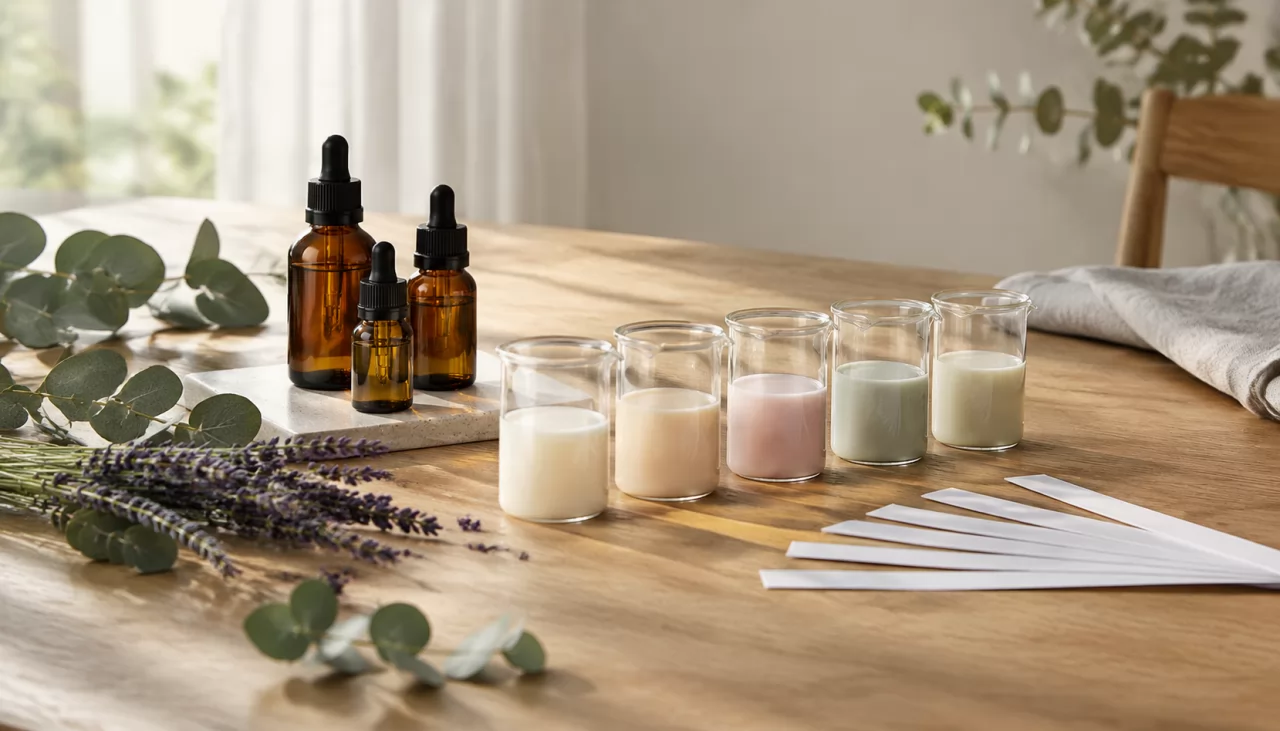
Color is quieter but risky. Some pigments drift, fade under light or stain packaging, especially clear containers, and scent can discolor a white lotion over time. Ask for stability checks on the final scented, colored sample before you sign off.
Body Care Packaging and Label Customization
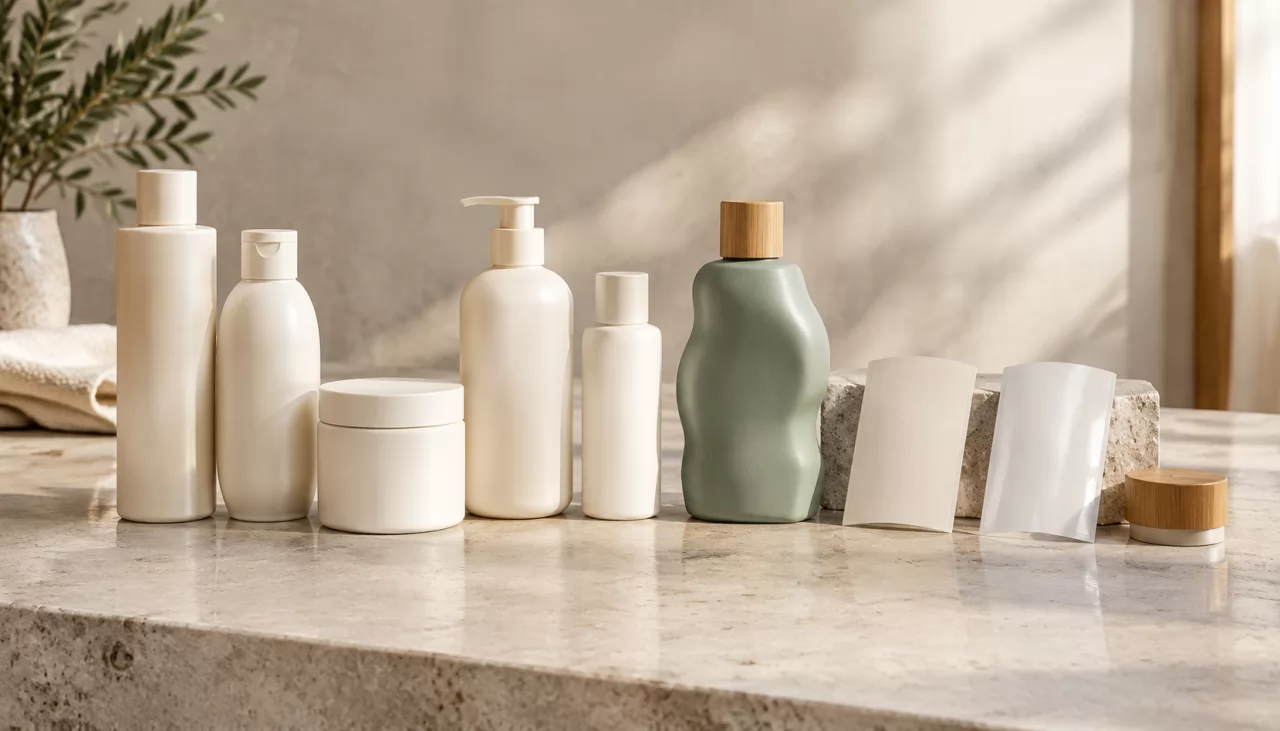
Work through container type first, then closure, secondary box, label finish and artwork. Container type follows viscosity: pumps and tubes for flowable lotions, jars for creams and butters, bottles for oils and washes. Check that the cap, pump and liner are compatible with the formula, since fragrance and oils can affect some plastics and seals.
Labels can be printed in matte, glossy or metallic finishes with your logo, colors and design. Supply artwork as print-ready files with dielines. Confirm the mandatory label content for your market before the design is locked: ingredient list, net content, batch information and responsible-party details, as applicable.
Components are the usual source of schedule risk. Stock bottles ship quickly, while custom molds, special colors and metallic printing can add weeks. Confirm component availability before you confirm the launch date.
Comparing Customization Levels
The table sets customization depth against what you control and the typical effect on minimums, lead time and sampling. Treat the effects as directional, since actual terms depend on the project.
| Item | What to look for |
|---|---|
| Label and packaging only | You control the look; minimums are usually lowest, lead time shortest, and one sample round is often enough. |
| Scent and color on an existing base | You control the sensory identity; expect moderate minimums and a couple of sample rounds for stability. |
| Modified base (hybrid) | You control texture or ingredient preferences; minimums and timelines rise, with more testing. |
| Full custom formula (OEM) | You control everything; typically the highest minimums, longest development and most sampling rounds. |
| Custom packaging components | You control the container shape or finish; tooling and sourcing can raise both minimums and lead time. |
Choosing Your Level
Launching a first line on a tight window? Look at an existing base with your own scent, color and packaging. If you have a proven formula or a competitor reference you must match, look at OEM and budget for stability rounds. A limited budget with a wish for a distinct texture usually points to a modified base, the middle path.
Selling on Amazon means checking marketplace requirements for ingredient and labeling accuracy before you finalize claims. Selling at retail in regulated markets such as the EU means planning extra time for safety assessment and registration. If you expect to reorder often, invest in custom components once, since tooling cost spreads over repeat runs. As a rule of thumb, customize only as deep as your launch date and budget can test.
Compliance and Paperwork
Ask for the INCI list, safety assessment, MSDS, COA, stability data and GMP evidence such as ISO 22716, then check market-specific labeling and registration. The EU, for example, requires a responsible person and product notification, and the US has its own labeling rules. Requirements differ by market, so confirm them with a regulatory adviser before shipping.
The usual process runs through inquiry, design, sampling, production, inspection and delivery. Poleview can supply an audit report, MSDS, COA and stability report on request, which covers most of the document list above.
Pre-RFQ Checklist
Gathering these items first shortens quoting and cuts back-and-forth.
- Do I have a formula, INCI list or reference product to share?
- Can I describe the target texture and skin feel?
- Do I have a scent brief or a reference scent?
- Are packaging specs and print-ready artwork files ready?
- Have I named the market, order quantity and deadline?
Sample Body Care Programs
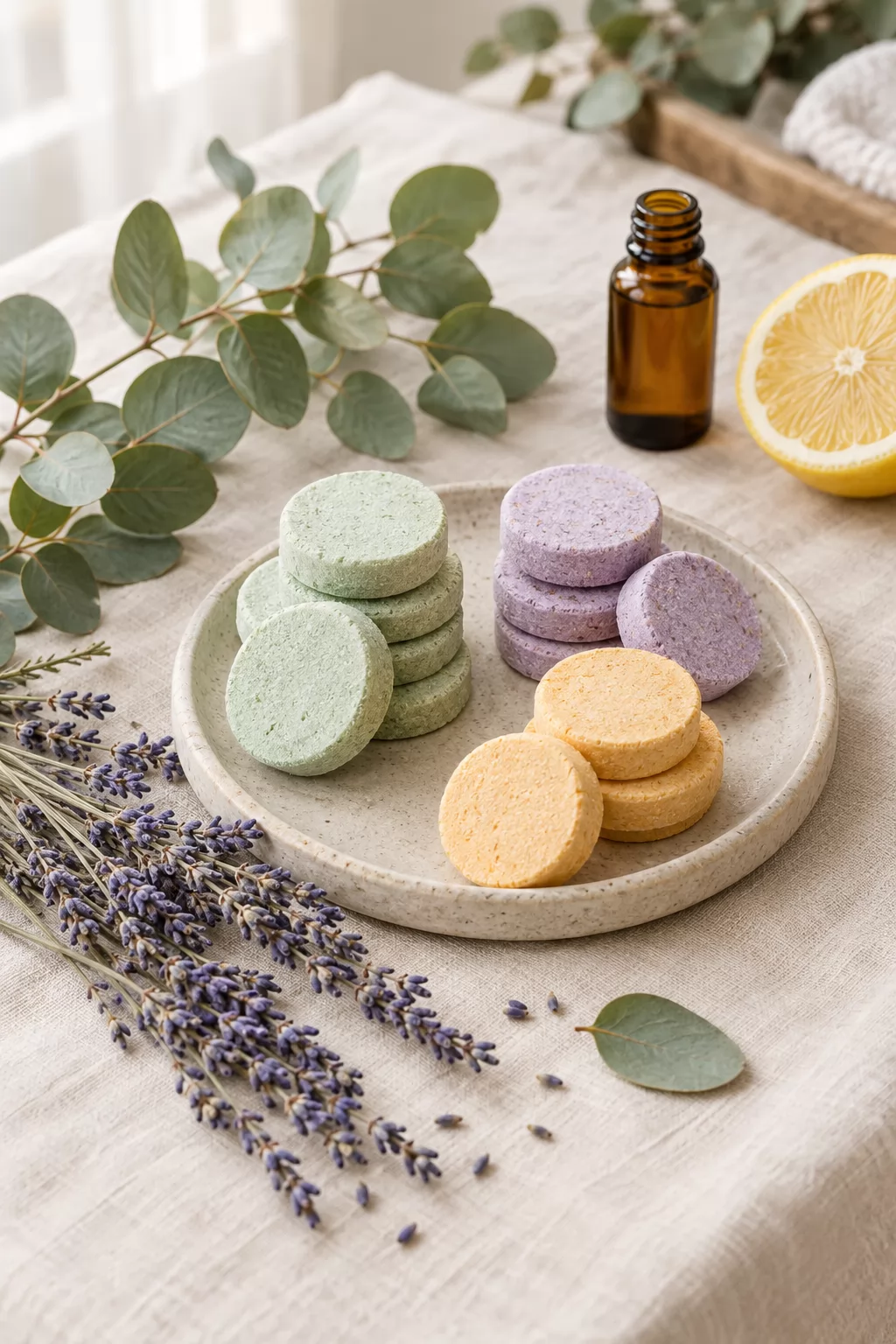
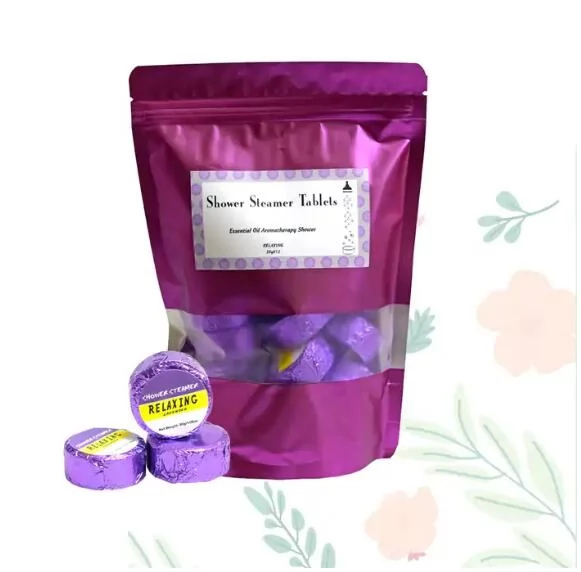
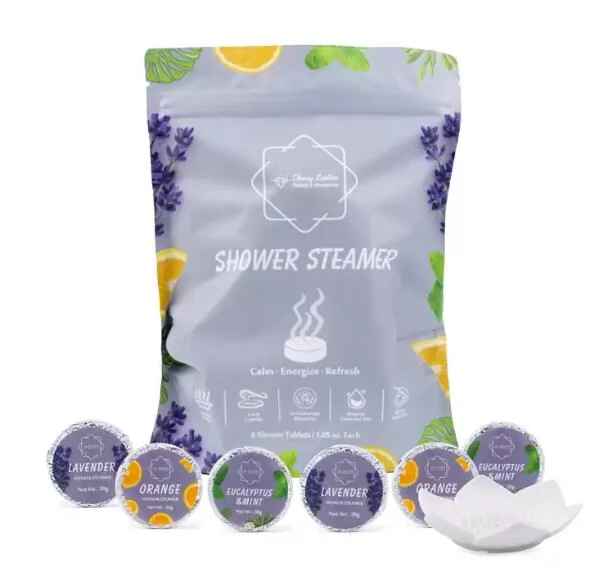
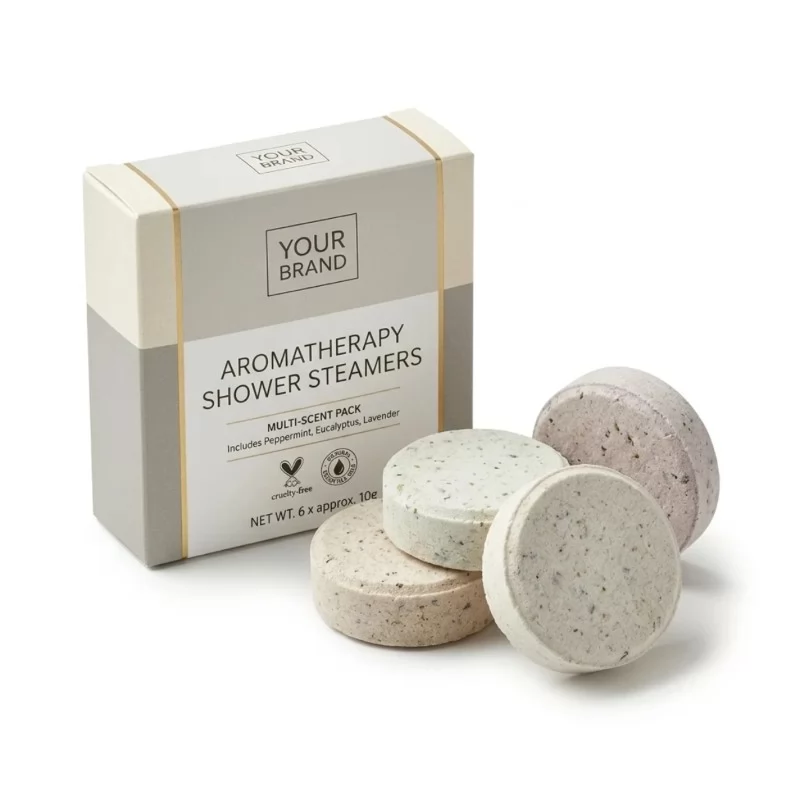
The range includes shower steamers, bath bombs, bath salts, body lotion, face and body cream, body and hair oil, and face and body wash. Free samples are available, so you can check texture and scent before committing.
FAQ
What is the difference between OEM and ODM body care?
OEM uses your formula or specification; ODM adapts the factory's existing formula. OEM offers more control, while ODM is faster and usually needs fewer sampling rounds.
Can I change fragrance on an existing body lotion base?
Usually, yes. Scent is among the most common ODM changes, but the finished sample should be checked for stability, discoloration and allergen labeling.
Does packaging choice affect MOQ and lead time?
Yes. Stock components keep minimums and timelines lower, while custom molds, colors or metallic printing typically raise both.
Which documents should I ask for before approving bulk production?
Ask for the INCI list, safety assessment, MSDS, COA, stability data and GMP evidence such as ISO 22716. Add any market-specific paperwork your channel requires.
Lock the formula and container together, and let scent, color and artwork flex around them.