

The global personal care market is on track to hit $716 billion by 2025 — yet most emerging beauty brands don't fail because of a bad product. They fail because they picked the wrong manufacturing partner. That one decision shapes everything, and finding the right personal care manufacturer early can save you from some very expensive lessons down the road.
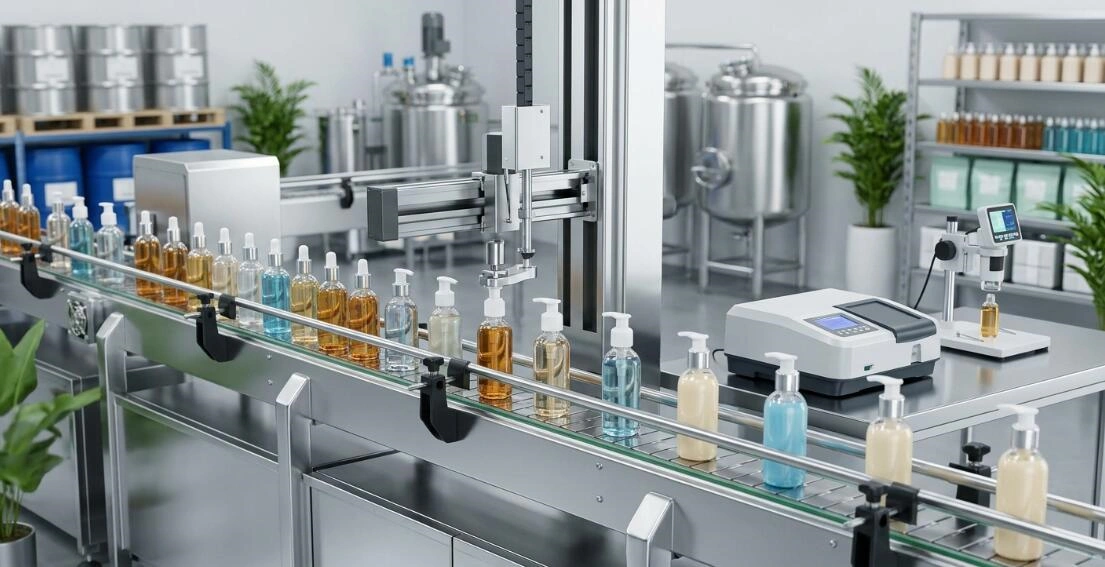
This guide provides a comprehensive examination of contract manufacturing within the skincare industry, addressing the full spectrum of considerations relevant to both emerging brands entering the market and established enterprises pursuing scalable growth. Topics covered include OEM and ODM operational frameworks, regulatory compliance requirements, cost structure analysis, and the criteria for identifying and evaluating reliable manufacturing partners.
What Is Personal Care Contract Manufacturing?
Definition and Scope
Personal care contract manufacturing is the practice of outsourcing the production of beauty and personal care products to a specialized third-party facility. This includes OEM personal care products, ODM services, contract formulation services, and toll manufacturing beauty products.
Brands of all sizes use contract manufacturers to bring products to market without investing in their own production infrastructure. The model covers everything from formulation development to filling, packaging, and export-ready delivery.
How It Differs from In-House Production
In-house manufacturing requires significant capital investment in equipment, facilities, staff, and regulatory compliance. Contract manufacturing transfers those burdens to a specialized partner, allowing brands to focus on marketing, distribution, and brand building.
The trade-off is less direct control over day-to-day production — which is why choosing the right partner is so critical. Speed, scalability, and cost efficiency are the primary advantages of outsourcing.
Key Industry Segments Covered
| Product Category | Examples |
|---|---|
| Skincare | Serums, moisturizers, sunscreens |
| Hair Care | Shampoos, conditioners, treatments |
| Body Care | Lotions, scrubs, shower gels |
| Oral Care | Toothpaste, mouthwash, whitening strips |
| Baby & Sensitive Care | Gentle cleansers, diaper creams |
OEM vs. ODM vs. Private Label: Which Model Fits Your Brand?
OEM (Original Equipment Manufacturer)
With the OEM model, you supply the formula and specifications — the manufacturer produces exactly to your requirements. This is the preferred route for brands with established R&D teams and proprietary formulations they want to protect.
OEM offers the highest level of product differentiation but typically requires higher minimum order quantities and longer development timelines.
ODM (Original Design Manufacturer)
In the ODM model, the manufacturer develops the formula and you brand it as your own. This dramatically reduces time to market and lowers upfront development costs.
ODM is ideal for growing brands that want to expand their product range quickly without building an internal R&D function. The manufacturer's existing formulation library becomes your competitive advantage.
Private Label Cosmetics and White Label Skincare
Private label cosmetics and white label skincare involve off-the-shelf formulations with custom branding applied. These are the fastest and most accessible entry points into the personal care market.
Startups, e-commerce retailers, and brick-and-mortar stores testing new categories benefit most from this model. MOQs are typically the lowest, and lead times are the shortest.
Side-by-Side Comparison
| Model | Formula Ownership | Speed to Market | MOQ | Best For |
|---|---|---|---|---|
| OEM | Brand owns | Slower | Higher | Established brands |
| ODM | Manufacturer owns | Fast | Medium | Growing brands |
| Private Label | Shared / licensed | Fastest | Low | Startups, retailers |
| Toll Manufacturing | Brand owns | Medium | Flexible | Brands with own formula |
Why China Remains the Global Hub for Personal Care Manufacturing
Cost Competitiveness and Supply Chain Depth
China's personal care manufacturing sector benefits from deep raw material access, efficient labor markets, and vertically integrated supply chains. These structural advantages allow manufacturers to deliver high-quality products at pricing that remains difficult to match globally.
The concentration of ingredient suppliers, packaging manufacturers, and logistics providers in key regions means faster turnaround and lower total landed costs for international buyers.
Regulatory Compliance and Export Capabilities
Leading Chinese personal care manufacturers have invested heavily in meeting international regulatory standards. Many hold ISO 22716 (GMP) and GMPC certifications and regularly export to the EU, US, and Southeast Asian markets.
Compliance infrastructure — including stability testing labs, safety documentation, and INCI-compliant labeling — is now standard among top-tier facilities. This makes sourcing from China a viable and low-risk option for global brands.
Spotlight: Guangdong Province as a Manufacturing Powerhouse
Guangdong Province is home to China's most concentrated cluster of personal care manufacturers. The region combines advanced production infrastructure with a deep talent pool of formulation chemists and quality engineers.
Companies like Poleview Biotechnology Co., Ltd., based in Huizhou, Guangdong, exemplify the region's strengths. Founded in 2016, Poleview brings over 10 years of personal care production and R&D experience to every project. The company accepts both OEM and ODM orders across a wide range of personal care categories, offering competitive pricing and consistently high product quality.
Contract Formulation Services: What to Expect
The Formulation Development Process
Understanding the development workflow helps you set realistic timelines and communicate effectively with your manufacturing partner. Here is the typical process for contract formulation services:
- Brief submission and product concept
- R&D team review and feasibility assessment
- Rapid prototyping and sample development
- Formula refinement based on client feedback
- Stability and safety testing
- Scale-up and full production
Rapid Sampling: Why It Matters
Speed of sampling directly impacts your time to market. When launching seasonal or trend-driven products, weeks saved at the sampling stage can translate into significant revenue advantages.
Top-tier manufacturers maintain experienced R&D teams capable of fast-turnaround prototyping. This is a critical differentiator when evaluating potential partners — ask specifically about average sampling lead times before committing.
Ingredients and Innovation Trends
| Trend | Key Ingredients | Consumer Driver |
|---|---|---|
| Clean Beauty | Plant-based actives, no parabens | Health consciousness |
| Biotech Skincare | Fermented extracts, peptides | Science-backed efficacy |
| Sustainable Formulas | Biodegradable surfactants | Eco-awareness |
| Sensitive Skin Focus | Ceramides, oat extract | Skin barrier health |
How to Evaluate a Personal Care Manufacturer
Core Criteria Checklist
Use this framework when assessing any potential personal care manufacturer. Each factor directly affects product quality, compliance, and your overall partnership experience.
| Evaluation Factor | What to Look For |
|---|---|
| Certifications | ISO 22716 (GMP), GMPC, FDA registration |
| R&D Capability | In-house lab, experienced team, innovation pipeline |
| MOQ Flexibility | Accommodates startups and scale orders |
| Sampling Speed | Fast prototyping turnaround |
| Quality Control | In-process and finished goods testing |
| Communication | Responsive, multilingual support |
| Factory Visits | Open to client audits and on-site visits |
Red Flags to Avoid
Vague or unverifiable certifications are an immediate warning sign. A manufacturer unwilling to share documentation or allow factory visits should be treated with caution.
Other red flags include inflexible MOQs that don't accommodate your growth stage, consistently poor sample quality, and slow or evasive communication. These issues rarely improve after a contract is signed.
Questions to Ask Before Signing a Contract
Before committing to any manufacturing partner, get clear answers to the following:
- Who owns the formula — and what happens if we end the relationship?
- What are your standard lead times from order confirmation to shipment?
- Where do you source your raw materials, and can you provide supplier documentation?
- What quality guarantee or remediation policy applies if a batch fails inspection?
- Do you have experience exporting to my target markets?
- What IP protection measures are in place for client formulations?
The Cost Structure of Personal Care Contract Manufacturing
What Drives Pricing
Understanding cost drivers helps you budget accurately and negotiate more effectively. The table below outlines the primary factors that influence your per-unit cost.
| Cost Factor | Impact Level |
|---|---|
| Formula complexity | High |
| Raw material sourcing | High |
| Packaging type | Medium–High |
| Order volume (MOQ) | High |
| Testing and compliance | Medium |
| Customization level | Medium |
How to Negotiate Competitive Pricing
Volume commitments are the most effective lever for reducing per-unit costs. Even if you can't commit to large initial orders, demonstrating a credible growth roadmap can unlock better pricing from manufacturers who want long-term partners.
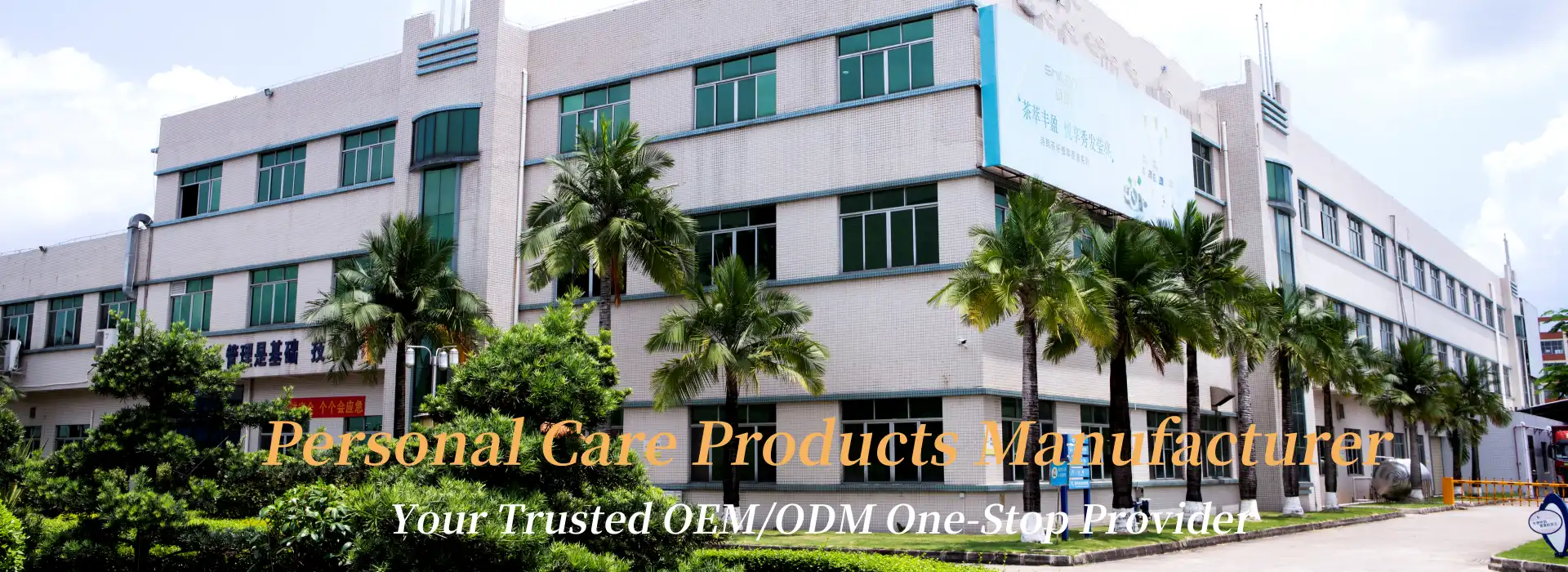
Standardizing packaging components where possible also reduces tooling and procurement costs. Working with manufacturers like Poleview Biotechnology — who maintain direct raw material relationships — gives you access to better input pricing without sacrificing quality.
Why Choose Poleview
Expert Formulation Team
Our R&D team has years of experience creating effective, high-quality skincare products that meet global standards.
Quality Assurance
All products are manufactured in state-of-the-art facilities with strict adherence to GMP and ISO standards, ensuring the highest quality and safety.
Custom Packaging Solutions
We provide a wide range of packaging options, from eco-friendly materials to luxury packaging, tailored to your brand's needs.
End-to-End Service
From concept to final product, we handle all aspects of production, allowing you to focus on building and marketing your brand.
Hidden Costs to Watch For
Tooling fees for custom packaging molds, reformulation charges when adjustments are needed, and storage fees for delayed shipments can significantly inflate your total landed cost. Always request a fully itemized quote.
Expedited sampling fees are another common surprise. Clarify upfront whether rapid prototyping services are included in your agreement or billed separately.
Regulatory and Quality Standards in Personal Care Manufacturing
Key Global Certifications
| Certification | Region | Relevance |
|---|---|---|
| ISO 22716 (GMP) | Global | Good Manufacturing Practice standard |
| GMPC | China / Asia | Cosmetic GMP standard |
| EU Cosmetics Regulation | Europe | Market access requirement |
| FDA Compliance | USA | Import and labeling rules |
| HALAL / COSMOS | Global | Niche market access |
Stability and Safety Testing Requirements
Reputable manufacturers conduct a full battery of tests before releasing any product for commercial sale. This includes preservative efficacy testing, accelerated stability studies, patch testing for skin compatibility, and microbiological testing.
These protocols protect both the end consumer and your brand. Always request test reports as part of your standard documentation package — any manufacturer hesitant to provide them is a concern.
Labeling and Documentation for Export
Export-ready documentation typically includes INCI-compliant ingredient listings, country-of-origin labeling, Safety Data Sheets (SDS), and a Certificate of Analysis (COA) for each batch. These documents are required for customs clearance in most major markets.
Experienced manufacturers handle this documentation as a standard part of the production process. Confirm this capability early — especially if you're targeting multiple international markets simultaneously.
Working with a Chinese Personal Care Manufacturer: A Step-by-Step Process
Initial Inquiry and NDA
Start by preparing a clear product brief — including category, target consumer, key claims, preferred ingredients, and packaging direction. This gives the manufacturer enough context to assess feasibility and provide an accurate quote.
Before sharing any proprietary formulation details, sign a mutual Non-Disclosure Agreement (NDA). This protects your intellectual property and establishes a professional foundation for the relationship.
Sample Request and Evaluation
Reputable manufacturers offer free samples to qualified buyers — a low-risk way to assess product quality, texture, scent, and performance before committing to a production run. Never skip this step.
Poleview Biotechnology welcomes sample requests and factory visits to facilitate transparent, trust-based partnerships. Evaluating samples against your brief gives you objective data to guide your decision — and signals to the manufacturer that you're a serious buyer.
Production and Quality Milestones
Once samples are approved, the production process follows a structured sequence:
- Formula approval and raw material procurement
- Pilot batch production
- QC inspection and client approval
- Full-scale production run
- Packaging, labeling, and export documentation
- Shipment and logistics coordination
Factory Visits: Why You Should Go In Person
A factory visit reveals production capacity, hygiene standards, equipment quality, and team expertise in ways no brochure or video call can replicate. You'll see firsthand how products are made and how quality is managed on the floor.
Manufacturers who actively welcome client visits — like Poleview Biotechnology in Huizhou, Guangdong — signal confidence in their operations. If a manufacturer discourages or delays a factory visit, treat that as a significant red flag.
Frequently Asked Questions (FAQ)
What is the minimum order quantity (MOQ) for personal care contract manufacturing?
MOQs vary by manufacturer and product type, typically ranging from 500 to 5,000 units. ODM and white label skincare options often carry lower MOQs than fully custom OEM orders. Discuss your volume requirements early so the manufacturer can confirm whether they can accommodate your scale.
How long does it take to develop a new personal care product from scratch?
Standard timelines range from 4 to 12 weeks depending on formula complexity, testing requirements, and the number of sampling rounds needed. Manufacturers with experienced R&D teams and rapid prototyping capabilities — like Poleview Biotechnology — can significantly compress this timeline for straightforward formulations.
Can I visit the factory before placing an order?
Yes — and you should. Reputable manufacturers actively welcome factory visits as part of the due diligence process. Poleview Biotechnology in Huizhou, Guangdong invites prospective clients to tour their facility and discuss collaboration in person. A visit builds trust and gives you direct insight into production standards.
What is the difference between contract formulation services and toll manufacturing?
Contract formulation services involve the manufacturer developing or providing the formula on your behalf. Toll manufacturing beauty products means you supply the formula and the manufacturer handles production using their equipment, facilities, and labor. Both models allow you to retain formula ownership — the key difference is who develops it.
How do I protect my formula when working with a contract manufacturer?
Always sign a mutual NDA before sharing any proprietary formulation details. Verify the manufacturer's IP protection policies and ask specifically how client formulas are stored and who has access. For high-value formulations, consider registering your formula in key markets as an additional layer of protection.
Are Chinese personal care manufacturers compliant with international regulations?
Leading manufacturers in Guangdong hold ISO 22716, GMPC, and other internationally recognized certifications, and regularly export to the EU, US, and Southeast Asia. Always request documentation and verify certifications independently. Compliance capability varies significantly between manufacturers — due diligence is essential.
Can I get free samples before committing to production?
Many established manufacturers offer free samples to serious buyers as a standard part of the qualification process. Poleview Biotechnology provides free samples upon request — contact them directly to get started and experience their product quality firsthand before making any commitment.
Ready to Launch Your Personal Care Line?
Whether you're a startup exploring private label cosmetics or an established brand scaling with OEM personal care products, the right manufacturing partner makes all the difference. The wrong one costs you time, money, and market opportunity.
Poleview Biotechnology Co., Ltd. — headquartered in Huizhou, Guangdong, China — brings over 10 years of personal care production and R&D experience to every partnership. Founded in 2016, Poleview combines competitive pricing, a skilled formulation team, fast sampling turnaround, and full OEM/ODM capabilities across a wide range of personal care categories.
The team is experienced, the facility is open to visits, and the commitment to quality is built into every batch. Here's how to take the next step:
- Request Free Samples — Experience product quality firsthand before committing to production
- Schedule a Factory Visit — Tour the Huizhou facility and meet the R&D and production team in person
- Contact Us for a Quote — Share your product brief and receive a competitive, transparent proposal
Your brand deserves a manufacturing partner as serious about quality as you are. Reach out to Poleview Biotechnology today — and build something worth launching.