
A hajolaj-formulák messze túlmutatnak a nagymamák házi praktikáin. Napjainkban a klinikai bőrgyógyászati kutatás, a fejlett hatóanyag-beviteli rendszerek és a bioaktív vegyületek tudománya együtt eredményez olyan olajokat, amelyek valóban beavatkoznak a hajnövekedési ciklusba. Akár a megfelelő terméket keresi ritkuló hajra, akár egy saját márkás márkát épít fel a nulláról, ez az útmutató biztosítja az ehhez szükséges, adatalapú keretrendszert.
A hajnövekedési ciklusok megértése és az olajok beavatkozási módja
Az anagén, katagén és telogén fázisok magyarázata
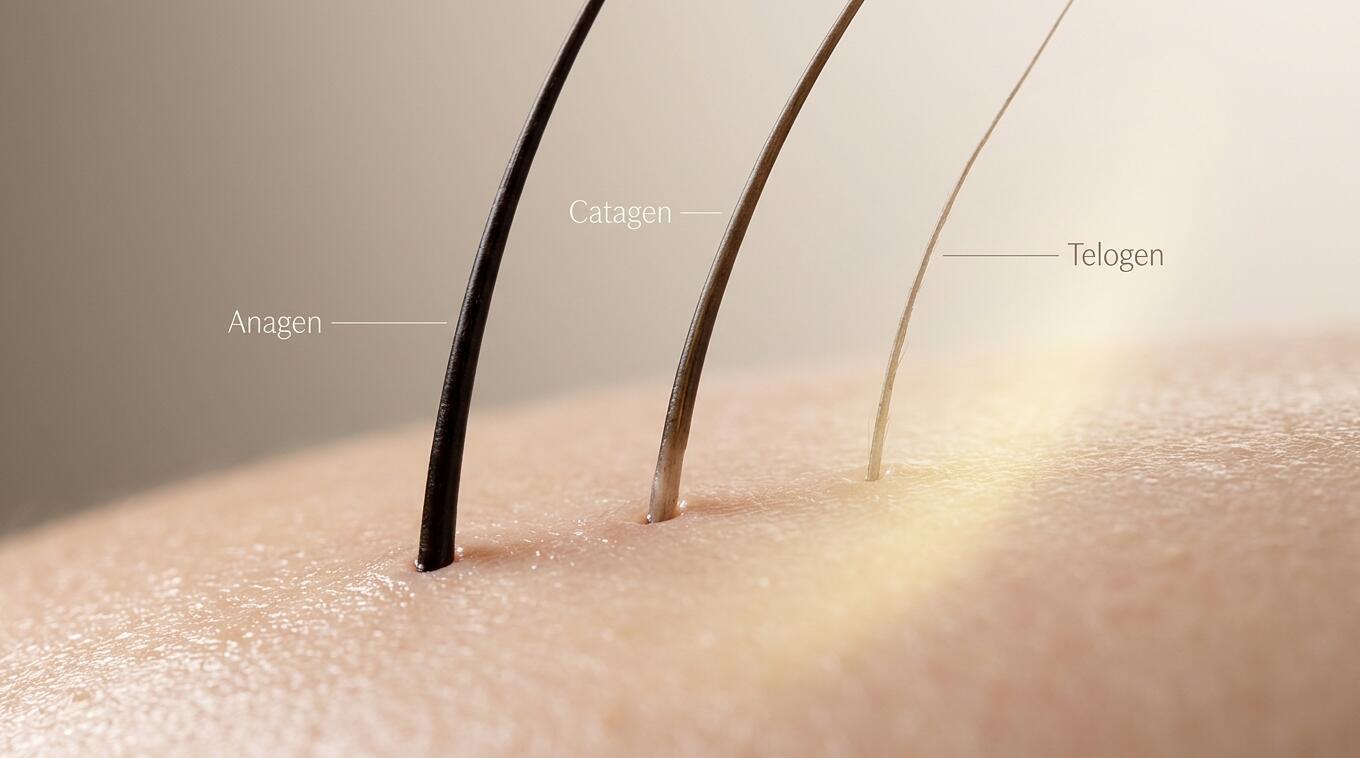
Minden hajtüsző három elkülönülő fázison megy keresztül: anagén (aktív növekedés, 2–7 évig tart), katagén (visszafejlődés, megközelítőleg 2–3 hét), és telogén (nyugalmi és kihullási szakasz, körülbelül 3 hónap). Bármely adott időpontban a fejbőr hajszálainak nagyjából 85–90%-a anagén fázisban van.
Amikor a tápanyagellátás a dermális papillához romlik—rossz keringés, mikrotápanyag-hiány vagy hormonális zavar miatt—a tüszők idő előtt átváltanak az anagénből a katagén fázisba. A növekedési időablak lerövidül. A hajszálak fokozatosan vékonyabbá és rövidebbé válnak.
Az olyan helyileg alkalmazott olajok, amelyek meghatározott zsírsavakban és bioaktív vegyületekben gazdagok, meghosszabbíthatják az anagén fázist azáltal, hogy táplálják a tüszőmátrixot, csökkentik az oxidatív károsodást, és szabályozzák a helyi gyulladásos mediátorokat. Ez minden hatékony, ritkuló hajra szánt hajnövekedést támogató olaj alapvető hatásmechanizmusa.
A fejbőr egészsége mint a hajsűrűség alapja
A fejbőr mikrobiomja—a baktériumok, gombák és faggyú összetett ökoszisztémája—közvetlenül befolyásolja a tüszők egészségét. A felborult mikrobiális egyensúly korpásodást, seborrhoeás dermatitist és krónikus, alacsony szintű gyulladást vált ki. Mindezek idővel rontják a hajsűrűséget.
A jól megalkotott, fejbőrt tápláló olajos kezelés helyreállítja a lipidegyensúlyt, antioxidánsokat juttat a perifollikuláris környezetbe, és csökkenti a transzepidermális vízvesztést. A jojobaolaj például szorosan utánozza a természetes faggyú összetételét, ezáltal segít normalizálni a túlműködő vagy alulműködő faggyúmirigyeket.
A Journal of Dermatological Science folyóiratban közzétett kutatás megerősíti, hogy a krónikus fejbőrgyulladás megemeli a TGF-β és az IL-1 szintjét — olyan citokinekét, amelyek közvetlenül összefüggésbe hozhatók a korai katagén fázis kiváltásával. A gyulladás helyi kezelése nem kozmetikai kérdés. Hanem terápiás jelentőségű.
A hatékony hajnövesztő olajok kulcsfontosságú összetevői
Klinikai bizonyítékokkal alátámasztott vivőolajok
Nem minden vivőolaj teljesít egyformán. Hatékonyságuk a zsírsav-összetételtől, a molekulatömegtől és a penetrációs képességtől függ. Az alábbi táblázat a professzionális hajnövesztő készítményekben leggyakrabban használt vivőolajokat hasonlítja össze.
| Olajtípus | Fő hatóanyagok | Hatásmechanizmus | Bizonyítottság szintje | Ehhez ideális |
|---|---|---|---|---|
| Ricinusolaj | Ricinolsav (85–90%) | PGE2 prosztaglandin stimuláció, gyulladáscsökkentő | Mérsékelt (in-vitro + megfigyeléses) | Hajhullás csökkentése, dúsítás |
| Argan Oil | Olajsav, tokotrienolok, szkvalén | Antioxidáns védelem, kutikula helyreállítása | Mérsékelt (klinikai pilot vizsgálatok) | Károsodott, száraz vagy vegyileg kezelt haj |
| Coconut Oil | Laurinsav (49%), kaprinsav | A fehérjeveszteség megelőzése, antimikrobiális hatás | Erős (több RCT) | Hajmosás előtti kezelés, fehérjemegtartás |
| Jojobaolaj | Viaszészterek, gadoleinsav | A faggyú utánzása, a tüszők eltömődésének megszüntetése | Mérsékelt (bőrgyógyászati áttekintések) | Zsíros fejbőr, faggyúszabályozás |
| Rozmaringgal infuzált olaj | Karnozinsav, rozmaringsav, 1,8-cineol | Értágulat, anti-DHT, IGF-1 moduláció | Erős (közvetlen összehasonlítás minoxidillel) | Androgenetikus hajritkulás, általános hajnövekedés |
Illóolajok a gyorsabb hajnövekedésért
Egy mérföldkőnek számító, 2015-ös tanulmány a SKINmed Journal folyóiratban kimutatta, hogy a rozmaring illóolaj teljesítménye hat hónap alatt összemérhető volt a 2%-os minoxidiléval, miközben jelentősen kevesebb fejbőrviszketést okozott. Ez a rozmaringot a gyorsabb hajnövekedést célzó professzionális formulák egyik alapvető illóolajává teszi.
A borsmentaolaj figyelemre méltó eredményeket mutatott állatkísérletes modellekben. A Toxicological Research folyóiratban 2014-ben megjelent tanulmány megállapította, hogy a 3%-os borsmentaolaj növelte a bőr vastagságát, a tüszők számát és a tüszők mélységét. Ezeket a hatásokat az IGF-1 (inzulinszerű növekedési faktor 1) dermális papillában történő fokozott expressziója közvetítette.
A levendulaolaj hozzájárul a tüszőproliferációhoz azáltal, hogy növeli az anagén fázisban lévő szőrtüszők számát, miközben mélyíti a tüszőgyökereket. A hígítási arányok számítanak a professzionális formulákban: a hordozóolajban alkalmazott 2–3%-os illóolaj-koncentráció tekinthető standard terápiás tartománynak. Az 5% feletti koncentrációk szenzibilizációs kockázatot hordoznak.
Bioaktív vegyületek, amelyek megkülönböztetik a prémium formulákat
A prémium hajolajokat bioaktív profiljuk különbözteti meg. A tokotrienolok—az E-vitamin ritkább formája—40–60-szor nagyobb antioxidáns aktivitást mutatnak, mint a tokoferolok. Egy nyolc hónapos kiegészítési vizsgálatban 34.5%-os hajszámszintű növekedést mutattak.
A fitoszterolok (különösen a béta-szitoszterol) gátolják az 5-alfa-reduktázt, azt az enzimet, amely a tesztoszteront dihidrotesztoszteronná (DHT) alakítja. A ricinusolajra jellemző ricinolsav aktiválja a prosztaglandin EP3 receptorokat, amelyek a szőrtüszői őssejtek stimulációjával állnak kapcsolatban.
A hajerősítésre szolgáló természetes olajok akkor teljesítenek a legjobban, amikor több bioaktív összetevő együtt fejti ki hatását. A gyulladáscsökkentő, antiandrogén és értágító vegyületeket kombináló többolajos formula felülmúlja bármely egyolajos megközelítést. Ennek oka egyszerű: egyszerre kezeli a hajhullás több útvonalát.
Hajnövesztő olaj ritkuló hajra — formulázási szempontok szakemberek számára
A kiváltó okok kezelése: DHT, gyulladás és gyenge keringés
Androgenetikus alopecia esetén a hajhullás szabályozására szolgáló legjobb olajnak a DHT-t a tüszők szintjén kell céloznia. A fűrészpálmaolaj és a tökmagolaj egyaránt klinikailag jelentős 5-alfa-reduktáz-gátlást mutat. Egy 2014-es randomizált, kontrollált vizsgálat kimutatta, hogy a tökmagolaj 24 hét alatt 40%-kal növelte a hajszálak számát.
Az összetevőhalmozási stratégiák az anti-DHT hatású növényi összetevőket gyulladáscsökkentő anyagokkal (bisabolol, kamillából származó chamazulene) és értágító vegyületekkel (mentol, niacinszármazékok) párosítják. Az eredmény: átfogó formulák, amelyek kezelik a hajritkulás hármas problémakörét.
A javuló mikrokeringés biztosítja, hogy a tüszők elegendő oxigénhez és tápanyaghoz jussanak. A koffeinnel dúsított olajalapok és a szubirritatív koncentrációban alkalmazott kapszaicin egyaránt elősegítik a dermális papillához irányuló véráramlást anélkül, hogy veszélyeztetnék a felhasználói komfortot.
Viszkozitás, felszívódási sebesség és vivőrendszerek
Az olaj viszkozitása közvetlenül befolyásolja a fogyasztói együttműködést és a terápiás hatékonyságot. A könnyű olajok (jojoba, szkvalán, frakcionált kókuszolaj) gyorsan beszívódnak, és alkalmasak a mindennapi, kiöblítést nem igénylő alkalmazásokhoz. A nehéz olajok (ricinus, feketekömény) okkluzív réteget képeznek, ezért inkább az éjszakai kezelésekhez megfelelőek.
A modern kapszulázási technológiák—beleértve a liposzómás bejuttatást és a ciklodextrin-komplexképzést—lehetővé teszik, hogy a lipofil hatóanyagok mélyebbre jussanak a szőrtüszőcsatornába. Ezek a rendszerek jelentik az olajalapú kezelések fejlesztésének élvonalát.
A professzionális formulázóknak egyensúlyt kell teremteniük a kozmetikai elegancia (nem zsíros érzet, kellemes illat) és a terápiás hatékonyság (megfelelő hatóanyag-koncentráció, elegendő érintkezési idő) között. E kettős követelmény teljesítésében nyújtanak valódi értéket a tapasztalt gyártópartnerek.
Stabilitás- és eltarthatóság-tervezés
A többszörösen telítetlen zsírsavak—amelyek nagy mennyiségben találhatók a csipkebogyó-, kendermag- és ligetszépeolajban—érzékenyek az oxidatív lebomlásra. Az avas olajok szabad gyököket termelnek, amelyek nem védik, hanem károsítják a hajtüszőket. A stabilitástervezés nem képezheti vita tárgyát.
A vegyes tokoferolokat (0.05–0.1%), rozmaring oleorezin kivonatot és aszkorbil-palmitátot kombináló természetes antioxidáns rendszerek széles spektrumú oxidációvédelmet biztosítanak. Tiszta címkés formulák esetében ezek előnyösebbek a szintetikus alternatíváknál, például a BHT-nál.
A csomagolás hasonlóan kritikus szerepet játszik. A sötét üveg vagy átlátszatlan HDPE palackok, a töltés közbeni nitrogénes átöblítés és az airless pumpás adagolók együttesen 6–12 hónappal hosszabbítják meg az eltarthatóságot a standard csomagolási konfigurációkhoz képest.
Hajolajtermékek értékelése — adatvezérelt keretrendszer
Minőségi referenciaértékek és vizsgálati paraméterek
Az iparági szakembereknek objektív kritériumokra van szükségük a hajolajok minőségének értékeléséhez. Az alábbi mátrix egyértelmű referenciaértékeket határoz meg a termékértékeléshez.
| Paraméter | Iparági szabvány | Prémium viszonyítási alap | Vizsgálati módszer |
|---|---|---|---|
| Zsírsavprofil | A specifikáción belül ±5%-kal | A tétel COA-jával ±2%-on belül | Gázkromatográfia (GC-FID) |
| Peroxidérték | <10 meq O₂/kg | <5 meq O₂/kg | Jodometriás titrálás |
| Mikrobiális terhelés (TPC) | <1000 CFU/g | <100 CFU/g | ISO 21149 / USP <61> |
| Nehézfémek (Pb, As, Cd, Hg) | <20 ppm összesen | <5 ppm összesen | ICP-MS |
| Illatanyag-allergének (EU 26) | Feltüntetve, ha >0.001% (leave-on) | Kimutatási határ alatt vagy teljes körűen feltüntetve | GC-MS headspace analízis |
Címkék olvasása szakértőként
Az INCI (International Nomenclature of Cosmetic Ingredients) az összetevőket csökkenő koncentrációs sorrendben sorolja fel. Ha egy aktív növényi összetevő az illatanyag vagy a tartósítószer után szerepel a listán, akkor a koncentrációja valószínűleg 1% alatti — ami gyakran túl alacsony a terápiás hatás eléréséhez.
A tömegpiaci hajnövesztő olajtermékeknél figyelmeztető jel lehet: az ásványi olaj mint elsődleges bázis (okkluzív, de tápérték nélkül), a nem feltüntetett illatanyag-összetétel, a nyomnyi mennyiségben jelen lévő hatóanyagokra vonatkozó megtévesztő "dúsítva" állítások, valamint a tételspecifikus vizsgálati adatok hiánya.
A hidegen sajtolt olajok megőrzik az elszappanosíthatatlan vegyületek teljes spektrumát (szterolok, szkvalén, karotinoidok), amelyeket a finomított változatok elveszítenek. A hatékonyságközpontú formulák esetében a hidegen sajtolt vagy szűz minőségű olajok mérhetően jobb bioaktív profilt biztosítanak—a magasabb nyersanyagköltségek ellenére is.
Saját márkás hajolajmárka felépítése — az ötlettől a piacra lépésig
Miért gyorsítják fel az OEM/ODM partnerségek a piacra lépést
A hajolajtermékek házon belüli gyártásának kialakítása legalább $200,000–$500,000 tőkebefektetést igényel a berendezésekre, továbbá folyamatos költségeket a minőségvizsgáló laborok, a szabályozási megfelelőségért felelős munkatársak és az alapanyagkészlet fenntartására. A bérgyártás teljes mértékben kiküszöböli ezeket az akadályokat.
A tapasztalt hajolajgyártóval való együttműködés 12–18 hónapról (házon belül) 3–6 hónapra csökkenti a K+F időigényét. Ezt a meglévő formulakönyvtárak, az előzetesen validált alapanyag-beszállítók és a kialakított stabilitásvizsgálati protokollok teszik lehetővé.
A szabályozási megfelelés piaconként jelentősen eltér. Az EU Cosmetics Regulation (EC 1223/2009), az FDA OTC monográfiák és az ASEAN Cosmetic Directive egyaránt egyedi követelményeket írnak elő. Egy több piacon tapasztalattal rendelkező, felkészült gyártópartner az Ön nevében eligazodik ezekben az összetett követelményekben.
Együttműködés a Poleview Biotech vállalattal egyedi hajolajgyártáshoz
A Poleview Biotech egy kínai székhelyű testápolási termékgyártó, amely hajolaj- és pomádétermékek OEM és ODM szolgáltatásaira specializálódott. Szigorúan betartja a nemzetközi minőségi szabványokat, és átfogó házon belüli vizsgálati kapacitással rendelkezik, olyan márkákat kiszolgálva, amelyek Észak-Amerikát, Európát, Délkelet-Ázsiát és a Közel-Keletet célozzák.
Kettős szolgáltatási modelljük a különféle ügyféligényekhez igazodik. A saját formulával rendelkező márkák pontosan a specifikáció szerint rendelhetik meg a gyártást. Azok, akik kulcsrakész megoldást keresnek, a Poleview's K+F csapatának előnyeit élvezhetik, amely célpiaci elemzések és összetevőtrend-adatok alapján exkluzív, egyedi formulákat fejleszt.
A fő előnyök közé tartozik az integrált ellátásilánc-menedzsment által lehetővé tett versenyképes árképzés, a rugalmas minimális rendelési mennyiségek, amelyek a feltörekvő márkákat ugyanúgy támogatják, mint a már befutott szereplőket, valamint a GMP és ISO szabványokhoz igazodó minőségellenőrzési rendszerek. Minden tétel átesik a fenti 2. táblázatban ismertetett teljes körű vizsgálati mátrixon.
A hajnövesztő olajok piacára belépő szakemberek számára a Poleview Biotech hatékony utat kínál az ötlettől a polcra kerülésig—a formulázási szakértelem és a gyártási lépték ötvözésével. Csapatuk bármely szakaszban szívesen fogadja a márkák megkereséseit, legyen szó kezdeti koncepcióegyeztetésekről vagy gyártásra kész formulákról, amelyekhez gyártópartnerre van szükség.
A formulától a polcig — A fejlesztési munkafolyamat
A tipikus OEM/ODM ütemterv megértése segít a márkáknak a készletciklusok, a marketingbevezetések és a cash flow megtervezésében. Az alábbi táblázat a szokásos projektmunkafolyamatot mutatja be.
| Fázis | Tevékenységek | Időtartam | Teljesítendő eredmények |
|---|---|---|---|
| Tájékoztató | Igényfelmérés, célpiaci elemzés, a szabályozási hatókör meghatározása | 1–2 hét | Termékismertető, előzetes költségbecslés |
| K+F / Mintavételezés | Formulafejlesztés, alapanyag-beszerzés, prototípus-iterációk (2–3 kör) | 4–8 hét | Jóváhagyott minta COA-val |
| Stabilitási vizsgálat | Gyorsított öregítés (40°C/75% RH), kompatibilitási vizsgálat, tartósítószer-hatékonyság | 4–12 hét | Stabilitási jelentés, eltarthatósági idő meghatározása |
| Nagyüzemi gyártás | Alapanyag-beszerzés, tételes gyártás, gyártásközi QC | 3–5 hét | Kész ömlesztett termék |
| QC és szállítás | Végső tesztelés, töltés, címkézés, csomagolás, exportdokumentáció | 2–3 hét | Kiszállított áruk teljes körű dokumentációval |
A teljes projekt átfutási ideje 14 és 30 hét között mozog a formula összetettségétől, a szabályozási követelményektől és a jóváhagyási átfutási időtől függően. A Poleview Biotech kiépített ellátási lánca és házon belüli kapacitásai következetesen e határidők rövidebb végéhez közeli teljesítést biztosítanak.
Gyakran Ismételt Kérdések
Melyik olajról bizonyították tudományosan, hogy elősegíti a hajnövekedést?
A rozmaring illóolaj rendelkezik a legerősebb klinikai bizonyítékokkal. Egy 2015-ös randomizált, kontrollált vizsgálat igazolta, hogy hatékonysága hat hónap elteltével a 2% minoxidiléval összemérhető. A ricinusolaj ígéretes mechanizmusokat mutat a prosztaglandin útvonal aktiválásán keresztül, bár a nagyszabású RCT-k továbbra is korlátozottak. A tökmagolaj egy 2014-es placebo-kontrollos vizsgálatban szintén 40%-os hajszámsűrűség-növekedést mutatott.
Mennyi idő szükséges ahhoz, hogy a hajolaj növekedési eredményeket mutasson?
A látható eredmények reális időtartama 8 és 16 hét között van. A haj havonta körülbelül 1.25 cm-t nő, ezért bármilyen beavatkozásnak legalább két teljes növekedési ciklusra van szüksége ahhoz, hogy mérhető változást mutasson. Az eredményeket befolyásoló változók közé tartozik a ritkulás kiindulási súlyossága, az alkalmazás következetessége, a formula hatékonysága, valamint az, hogy az alapvető okokat (tápanyaghiány, hormonális egyensúlyhiány) egyidejűleg kezelik-e.
Kombinálhatok több olajat a jobb eredmények érdekében?
Igen—a több olaj közötti szinergia jól megalapozott formulázási elv. A hatékony keverési arányok jellemzően egy 70/20/10 keretrendszert követnek: 70% hordozóolaj-alap (az állag és a felszívódás érdekében), 20% másodlagos aktív olaj (a célzott hatásmechanizmus érdekében), valamint 10% illóolaj-keverék (biztonságos, összesen 2–3%-os illóolaj-tartalmú hígítási szinten). Az anti-DHT, gyulladáscsökkentő és értágító olajok kombinálása egyszerre több hajhullási útvonalat céloz meg.
Mire érdemes figyelnem egy hajolajgyártó kiválasztásakor a márkám számára?
Részesítse előnyben azokat a gyártókat, amelyek GMP-tanúsítással, dokumentált minőségvizsgálati protokollokkal (zsírsavprofil-elemzés, mikrobiológiai vizsgálat, nehézfém-szűrés), formulázási rugalmassággal (OEM és ODM képességekkel egyaránt), ésszerű MOQ-kkal a kezdeti bevezetésekhez, valamint a célpiac szabályozási követelményeiben igazolt tapasztalattal rendelkeznek. Kérjen a korábbi gyártási tételekből származó batch COA-kat és stabilitási adatokat a minőség állandóságának igazolására.
Van különbség a ritkuló hajra készült hajolajok és az általános hajnövekedést támogató olajok között?
Igen, a formulák fókusza jelentősen eltér. A ritkuló hajra irányuló olajok az antiandrogén vegyületeket (fűrészpálma, tökmag, béta-szitoszterol) és a tüsző-újraaktiváló összetevőket helyezik előtérbe, amelyeket a miniatürizálódó hajtüszők megmentésére terveztek. Az általános növekedést támogató olajok más megközelítést alkalmaznak—stimuláló vegyületeket (borsmenta, koffein, kapszaicin), amelyek felgyorsítják a meglévő egészséges növekedést. A prémium formulák gyakran mindkét megközelítést ötvözik. Az anti-DHT és a stimuláló összetevők arányát azonban az elsődleges probléma alapján kell módosítani.
Végső következtetés — A megfelelő hajnövekedést támogató olaj kiválasztása és létrehozása
Döntési mátrix végfelhasználók és márkaépítők számára
A ritkuló haj kezelésére törekvő egyének számára elsődlegesek azok a formulák, amelyek rozmaringolajat, tökmagolajat és jól felszívódó vivőolaj-alapot, például jojobát vagy frakcionált kókuszolajat tartalmaznak. A 12+ héten át tartó következetesség fontosabb, mint a prémium árazás. Keressen olyan termékeket, amelyek átlátható INCI-listával és a kozmetikai minimumokat meghaladó koncentrációkkal rendelkeznek.
A hajolajmárkát építő szakemberek számára a versenykörnyezet megkülönböztetést követel meg bizonyítékokkal alátámasztott összetevők, prémium bioaktív profilok és az iparági minimumokat meghaladó minőségi referenciaértékek révén. Az Ön gyártópartnere határozza meg, hogy ezeket az ígéreteket valóban képes-e nagy léptékben teljesíteni.
A Poleview Biotech közvetlen utat kínál a márkaépítők számára a formulakoncepciótól a piacra kész termékig. Egyesítik a hajolajgyártás terén szerzett mély szakértelmet a versenyképes árképzéssel, a rugalmas rendelési mennyiségekkel és a szigorú minőségellenőrzéssel. Akár saját, egyedi formuláját hozza, akár egy teljesen új, testreszabott formulát szeretne fejleszteni, OEM/ODM képességeiket úgy alakították ki, hogy márkájával együtt skálázódjanak.
Készen áll hajolaj termékvonalának bevezetésére vagy bővítésére? Lépjen kapcsolatba még ma a Poleview Biotech csapatával, hogy megvitassák az egyedi formulázási igényeket, mintákat igényeljen, és felfedezze a minőségre, rugalmasságra és versenyelőnyre épülő gyártási partnerséget. Csapatuk a kezdeti koncepciótól a teljes körű gyártásig támogatja márkáját.