
Private label hair products succeed or fail on format and formula decisions made before the first RFQ, not on how many items a supplier lists in its catalog. A line that ships cleanly, holds its formula and carries only claims you can document will reorder. One that skips those choices usually stalls after the first batch. This guide covers format choice, formula and claims, MOQ and cost drivers, compliance, QC, and the path from brief to delivery.
Quick answer: A private label hair line is a hair product range made by a contract manufacturer and sold under your brand. It suits brand owners and Amazon sellers who want to launch without building a factory. The key takeaway: fix format, formula type and documented claims first, then negotiate MOQ and packaging.
- Format first: Solid bars usually carry less leakage and preservation risk than liquids, which makes them a lower-risk first launch.
- Claims discipline: Write only claims backed by evidence you hold; avoid hair-growth, repair or medical wording.
- MOQ trade-offs: Standard MOQ is 1,000 units, flexible with customization; lower volumes usually cost you options or unit price.
- Documents to request: MSDS, COA, Stability Report and Audit Report, plus the INCI list for every formula.
- QC checkpoints: Approve a physical sample, keep a reference sample, and confirm in-process checks and 100% final inspection.
Which Hair Product Format Should You Launch First?
Launch with the format that carries the lowest formulation and shipping risk for your channel. For most new lines that means solid shampoo bars and conditioner bars, because they usually avoid much of the leakage and preservation exposure that liquids bring. Liquids remain the right call when your customer expects them.
Shampoo bars and conditioner bars
A shampoo bar is a solid cleansing product that replaces liquid shampoo and is used by rubbing it on wet hair. A conditioner bar does the same job for conditioning. Buyers weigh bars against liquids on three points: shipping, packaging waste and shelf-life stability.
Bars have no bottle or pump, so there is no leakage claim to handle at the carrier. Packaging can be paper, foil or a small box. The trade-off is that bars are less familiar to some shoppers, and hair type suitability varies by formula.
Liquid shampoo, conditioner and hair oil
Liquids suit buyers who need mainstream shelf familiarity. They add bottle, pump and closure decisions, plus leakage testing in transit. Water-based liquids also need a preservation system that holds up through storage and use, which is why a stability report matters more here.
Matching format to your channel and customer
Format fit depends on how you sell and where you sit on price. Amazon sellers tend to care about carton durability and returns from damaged goods. Retail buyers often want shelf-ready packs. DTC brands can lean on unboxing and a clear story for a newer format.
Rule of thumb: if you cannot yet afford a failed transit test, start with bars; if your customer will not accept a bar, start with liquid and budget for packaging validation.
What Is the Difference Between Private Label, White Label and Custom Formulation?
Private label rebrands a manufacturer's existing stock formula under your name, white label usually sells a shared base with minimal changes, and custom formulation (ODM) develops a formula to your brief. The first two are faster and cheaper. The third costs more time and money and gives you exclusivity.
- Private label: You choose from existing formulas, then change scent, color, shape and packaging. Control is moderate, lead time is shorter, and other brands may hold similar base formulas.
- White label: Closer to an off-the-shelf product with your label. Control is lowest, speed is highest, and differentiation rests on the brand alone.
- Custom formulation or ODM: The manufacturer develops or adapts a formula to your spec. Control and exclusivity are highest, but development rounds add weeks and often a higher minimum.
The practical question is what you need to own. If differentiation comes from branding and channel, a stock-formula route is usually enough. If it comes from the formula itself, pay for development and settle exclusivity in writing.
Most suppliers blur these terms, so ask directly which formulas are shared with other clients and which would be yours alone.
How Do You Start a Private Label Hair Care Line, Step by Step?
You start a private label hair care line by sending a written brief and moving through six supplier stages: inquiry, design, sampling, production, inspection and delivery. Each stage has something you must supply and something you must approve. Skipping an approval is how reorder problems begin.
- Send the inquiry. Share format, target market, formula preferences, shape and size, scent direction, packaging and target quantity. A complete brief shortens the back-and-forth.
- Review the design. The team prepares drafts and 3D renders for your approval. Check label copy, claims wording, barcode placement and legal text against your destination market.
- Approve a physical sample. Samples are made for you to check. Test scent, lather, hardness or texture, and how the pack opens and closes. Ask for the INCI list and keep an approved sample as your reference.
- Confirm production terms. Mass production runs with in-process quality checks. Lock the formula version, packaging specification, quantity and shipping terms before the run starts.
- Verify inspection. The supplier performs 100% final inspection before packaging. Ask what is checked and how defects are recorded.
- Arrange delivery. Confirm safe packaging, carton marking and the shipping term. Keep batch documents with your records for later reorders.
How Much Can You Customize on Custom Shampoo Bars and Conditioner Bars?
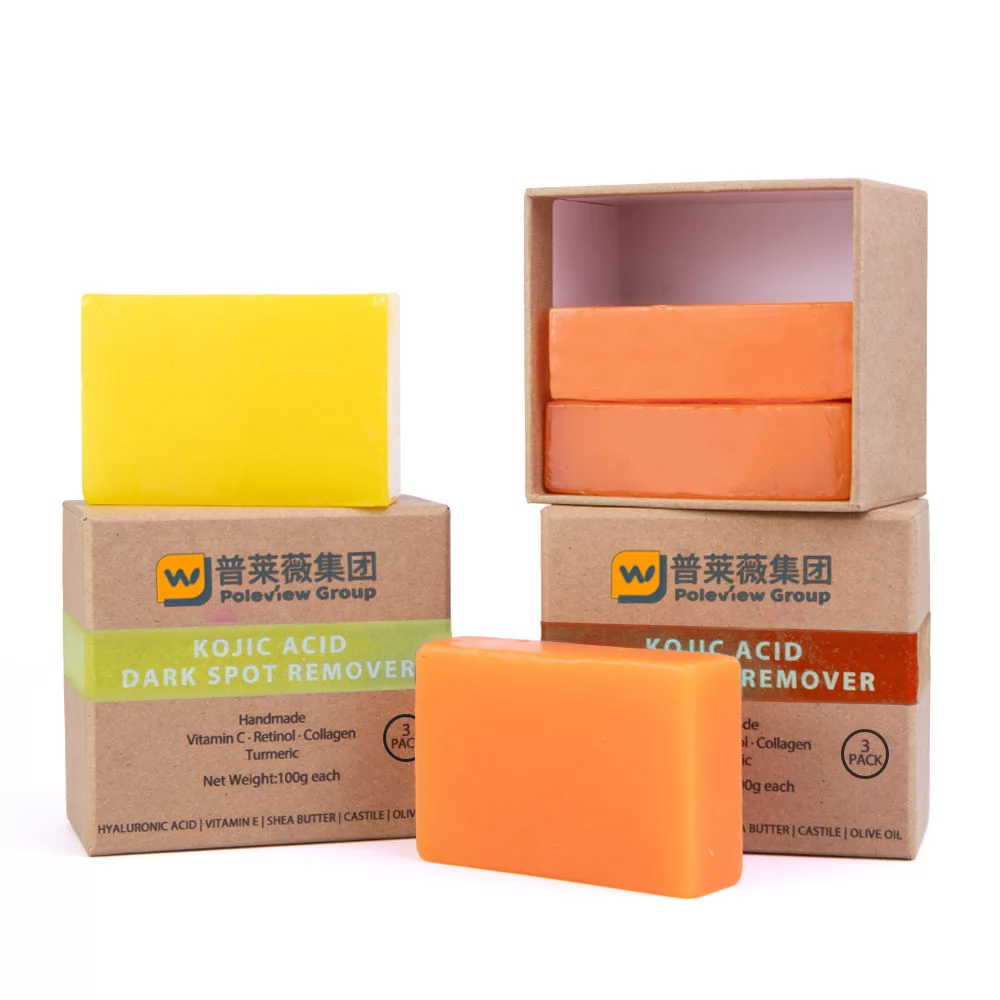
Custom shampoo bars and conditioner bars can be adjusted across shape, size, fragrance, color, formula type, ingredient positioning and packaging. The customization options available from Poleview Group cover each of these, and the level you choose is what drives minimums and cost.
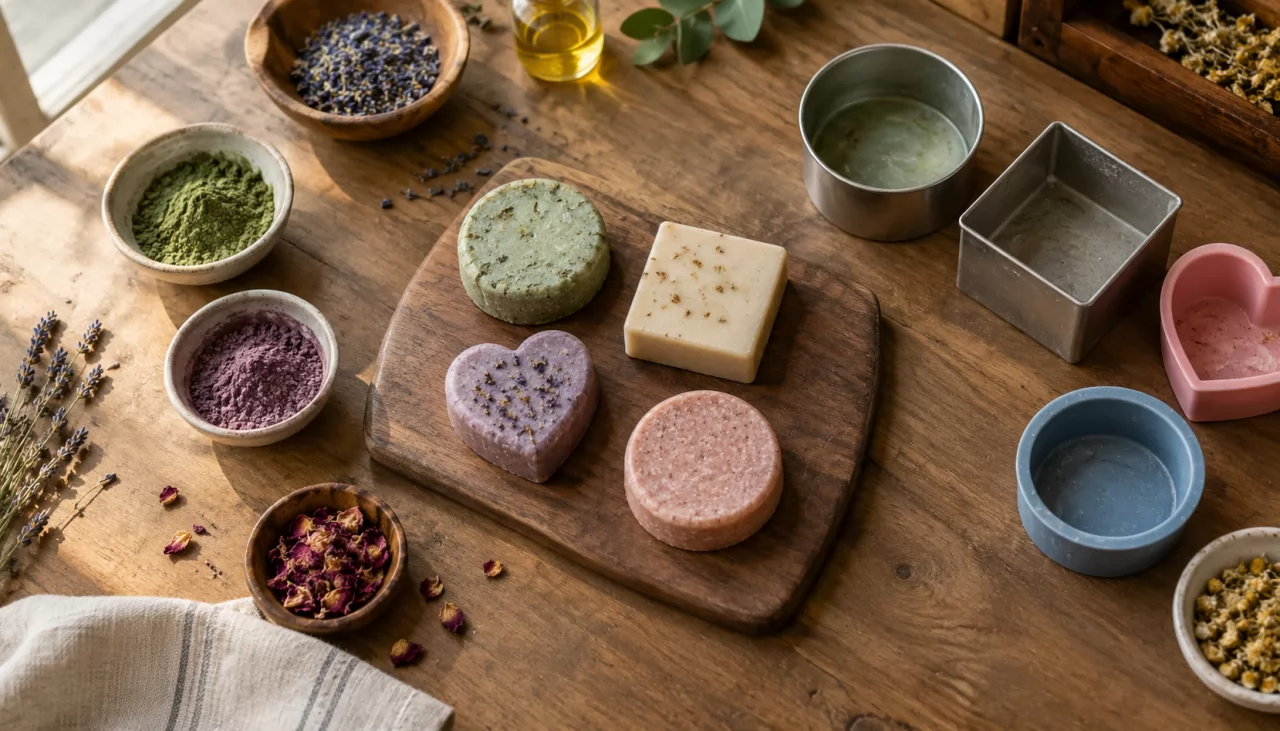
- Shape and size: Round, square, heart, tablet or custom shapes, in standard or custom sizes. Custom shapes generally require a new mold.
- Fragrance: Essential oil blends or custom scents. Fragrance affects both cost and how the product is described on the label.
- Color: Single color, multi-color or custom, using skin-safe pigments. Multi-color bars add process steps.
- Formula: Regular, extra-strength, menthol-infused, organic or custom options.
- Ingredient positioning: Natural, vegan, cruelty-free and sulfate-free options. Treat each as a claim that needs supporting documentation.
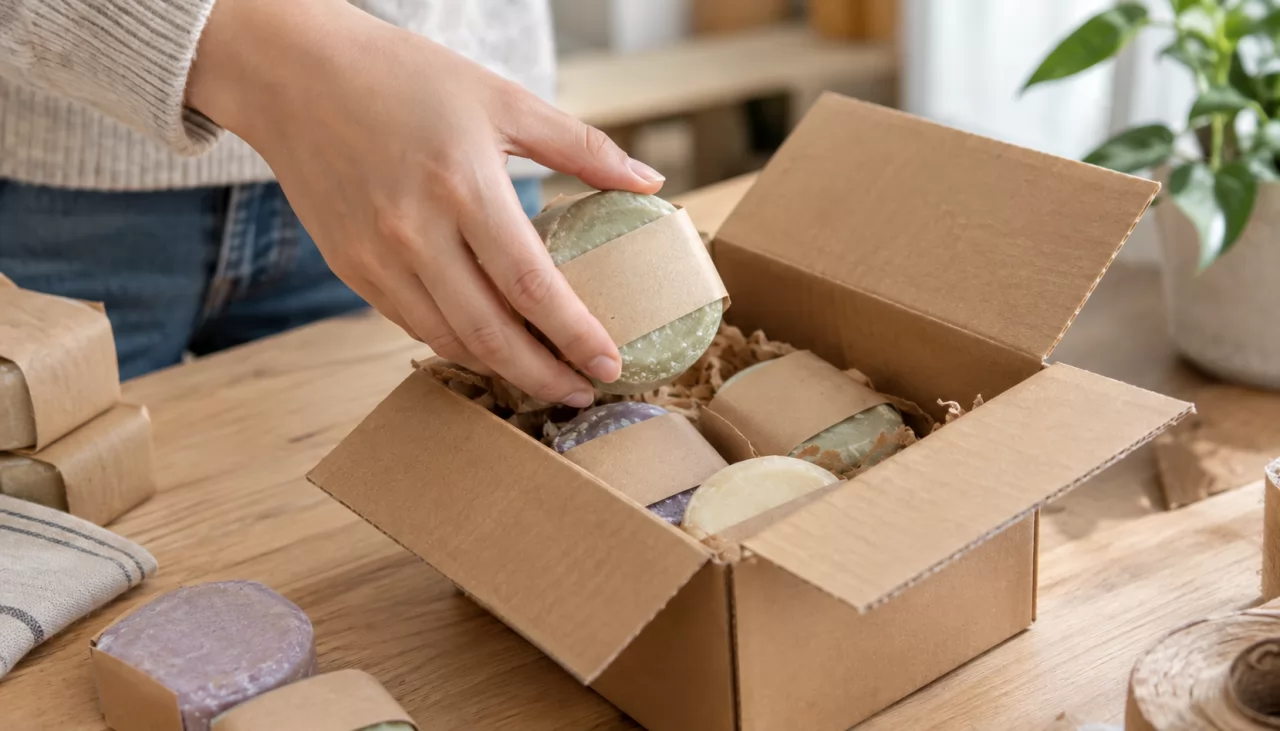
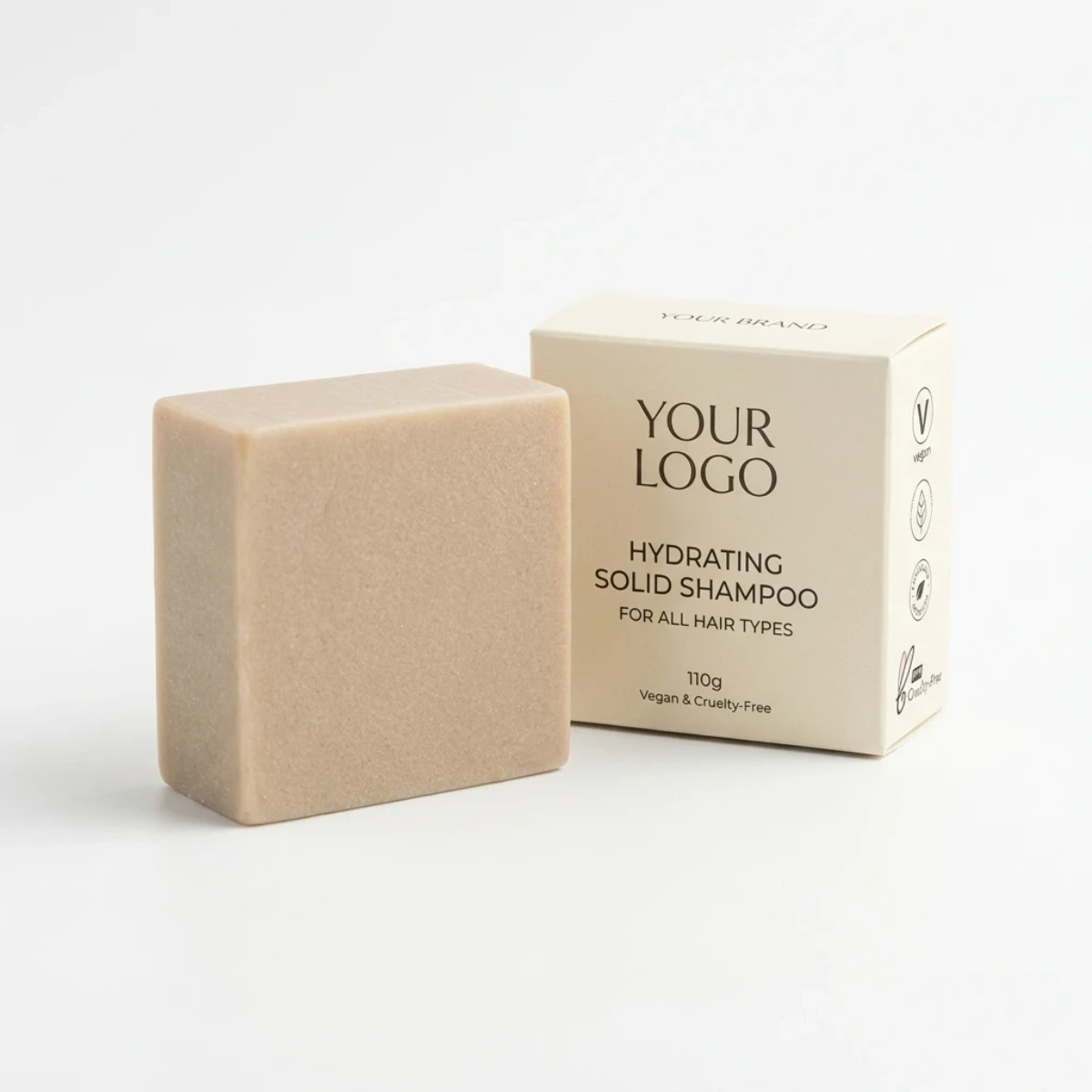
- Packaging: Individual wrapping in shrink wrap, foil or biodegradable film, plus multi-pack options in a box, jar or resealable pouch, and custom palletization.
- Labels: Custom label printing in matte, glossy or metallic finishes with your logo, designs and colors.
The company also lists product efficacy and design support as services, along with marketing support, technical support and training. Ask what each covers before you rely on it.
One limit worth stating: every added option narrows how much you can reuse from existing production. Pick two or three differentiators that customers will notice, and keep the rest standard.
What MOQ, Lead Time and Cost Drivers Should You Expect?
Poleview Group states a standard MOQ of 1,000 units, flexible depending on the level of customization, and a production lead time of 15-30 days depending on order quantity and customization. Confirm both against your exact specification, since a custom mold or new packaging can change them.
Where the cost comes from
- Custom molds: A new shape needs tooling, which is a one-time cost spread across your volume.
- Fragrance: Custom scents and essential oil blends usually cost more than stock options.
- Packaging complexity: Multi-layer wraps, boxes, jars and resealable pouches add material and labor.
- Label finish: Metallic and special finishes typically cost more than plain matte or glossy.
Samples and shipping
Free samples are available. Shipping terms include FOB, CIF and direct airport shipping, with worldwide delivery, and large orders can go directly to Amazon FBA warehouses.
Finding a private label hair care manufacturer with low MOQ
When you look for a private label hair care manufacturer with low MOQ, ask for the minimum on your exact spec, not the headline figure. Lower volumes usually mean fewer custom options, stock packaging or a higher unit cost. Starting with a stock formula and a simple wrap, then adding customization at reorder, is a common way to limit early exposure.
Which Compliance Documents and Claims Does Your Target Market Require?
Required documents and certificates depend on the destination market, and every claim on your pack must be supported by evidence you hold. Check your target market's cosmetic rules before artwork is final, since labeling, ingredient restrictions and responsible-person requirements differ by region.
INCI stands for International Nomenclature of Cosmetic Ingredients, the standard naming system used on ingredient lists. Request the full INCI list for each formula and compare it with the restricted and prohibited ingredient lists in your market. Do this before you order, not at customs.
Patch testing is a basic safety step for any new formula. Run it through a qualified party, and do not assume that natural or sulfate-free means suitable for every scalp.
Documents a supplier can provide
- MSDS: Safety data sheet covering handling and transport information.
- COA: Certificate of analysis for a specific batch.
- Stability Report: Evidence of how the formula holds up over time and conditions.
- Audit Report: Results of a third-party or customer audit of the facility.
What certificates do and do not prove
ISO 22716 is a guideline for cosmetic good manufacturing practice, and GMPC and GMP point to similar manufacturing controls. SMETA/Sedex relates to a social and ethical audit of the site. These show process and site standards. They do not prove that your finished formula is safe, effective or legal in your market.
The supplier lists ISO 22716, GMPC, SMETA/Sedex and SGS. FDA is listed on its website without a stated registration or testing status, so ask for the exact document before you repeat it anywhere.
On claims, the website lists natural formula, paraben free, cruelty free and No GMO. Keep your own wording tied to documents you receive. Avoid hair-growth, repair or medical claims entirely.
What Should You Check Before Approving a Supplier and a Bulk Run?
Before approving a supplier and a bulk run, confirm audit evidence, formula ownership, an approved sample and the quality checks applied during and after production. Settle these in writing. Most reorder disputes trace back to something that was assumed and never recorded.
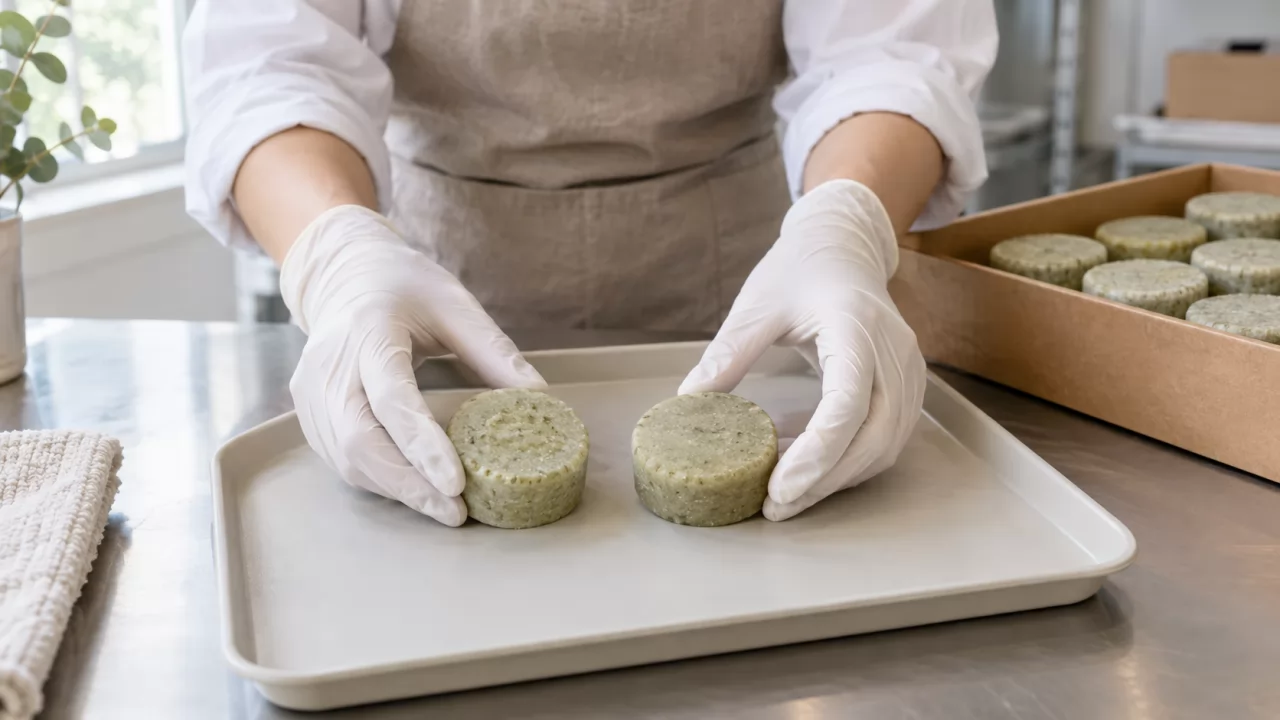
- Review the Audit Report and current certificates, and check that names and dates match the producing entity.
- Confirm in writing who owns the formula and whether it can be sold to others.
- Approve a physical sample against a written spec, and request a retained reference sample from the supplier.
- Ask which in-process checks are carried out during mass production and how results are recorded.
- Verify that 100% final inspection happens before packaging.
- Request packaging drop and transit test results, or run your own on a small shipment.
- Obtain batch documentation, including COA and formula version, with each delivery.
- Check the Stability Report for the formula and pack you are buying.
Notes for Amazon sellers
If you sell OEM hair care products on Amazon, supply carton labeling instructions before production, not after. Large orders can ship directly to Amazon FBA warehouses, so confirm that carton marks, barcodes and units per carton match the receiving requirements for your marketplace.
FAQ
Can I launch with fewer than 1,000 units?
Possibly. The standard MOQ is 1,000 units and is flexible depending on the level of customization. Ask for the minimum on your specific spec.
Are shampoo bars suitable for all hair types?
No, suitability varies by formula. Ask for the INCI list and run your own testing before you position a bar for a specific hair type.
Who owns the formula in an ODM project?
It depends on the agreement. Settle formula ownership and exclusivity in writing before development starts.
Can I get samples before committing?
Yes, free samples are available. Confirm the sample scope in your brief, including formula, shape, scent and packaging.
Next Steps: Send a Brief and Get Samples
Send a short brief with your format, target market, shape, scent, packaging and target quantity, and ask for samples on that spec. Email [email protected] or message Grace on WhatsApp at +8615819872310.