
A brightening formula is like repainting a wall stained from the inside. Scrubbing the surface looks better quickly, but the stain returns unless you deal with its source. The same logic applies to skin whitening ingredients: the choice of active, its dose and the claim on the label matter more than any single hero name.
Skin whitening ingredients are cosmetic actives that aim to even out skin tone, mainly by slowing pigment formation, supporting cell turnover or limiting oxidation. For a private label, the workable shortlist is niacinamide, vitamin C derivatives, kojic acid, arbutin and gentle exfoliants. Wording and market rules limit what you may say about them.
- Mechanism differs by family: some actives slow pigment production, others exfoliate or protect against oxidation.
- Format decides stability: an active that works in a bar may degrade in a water-based serum.
- Wording carries risk: "whitening" invites scrutiny, while "brightening" or "even tone" is usually safer.
- Documents come first: ask for INCI, COA and stability data before you approve a quote.
- Test before scale-up: patch testing and stability work belong ahead of the first bulk order.
Why Does a Brightening Ingredient Work Like a Stain Fix, Not a Bleach?
Most cosmetic brightening actives slow pigment formation, support surface turnover or protect against oxidation. They do not strip the skin's natural colour. Positioning a product as a bleach is inaccurate and, in many markets, a compliance problem.
How melanin production is targeted
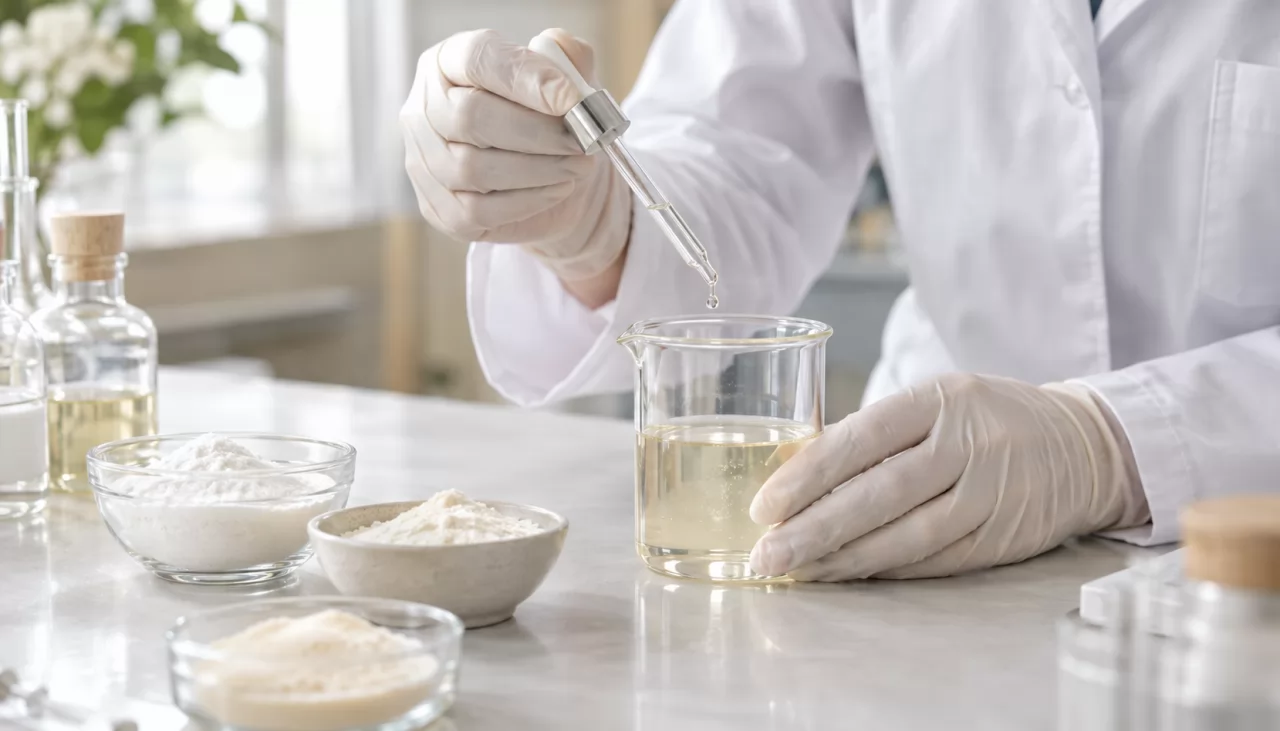
Melanin is the pigment that gives skin its colour. Tyrosinase is the enzyme that starts its production. Many classic actives, including kojic acid and arbutin, are positioned around interfering with that enzyme.
Others work from the side. Niacinamide is often discussed in connection with pigment transfer, and antioxidants like vitamin C derivatives address oxidative stress. Exfoliants speed up removal of pigmented surface cells.
Results from any of these tend to be gradual and vary between individuals. Your copy should say so.
Why "whitening" and "brightening" are not interchangeable
"Whitening" implies a change to baseline skin colour. Regulators and marketplaces tend to read it as a stronger claim than "brightening", "radiance" or "even-looking tone". Some markets and platforms flag the word outright, while others accept it in local trade usage.
Check the rules of each destination and sales channel before you fix the product name. Renaming after artwork is printed is expensive.
Where hyperpigmentation treatment claims cross into medical territory
Hyperpigmentation is darker patches of skin caused by excess melanin. A cosmetic can describe helping the look of uneven tone. A hyperpigmentation treatment claim, such as treating melasma or fading a medical condition, can reclassify the product as a drug in many jurisdictions.
Keep claims on the appearance side, and leave condition names off the label, listing and ad copy.
Which Skin Brightening Ingredients Are Most Used in Private Label Formulas?
A short list of actives covers most private label briefs: niacinamide, vitamin C derivatives, tranexamic acid, kojic acid, arbutin, licorice extract and mild exfoliants. Each has a trade-off in stability, sensitivity, cost or regulatory status, so match the active to the format first.
Tip: Ask the supplier for the full INCI list and the active percentages before you request a quote. Prices for a "brightening serum" mean little until you know what is actually in it.
Niacinamide, vitamin C derivatives and tranexamic acid
Niacinamide is a form of vitamin B3. Niacinamide benefits are usually described as supporting the look of tone, texture and the skin barrier. It is comparatively stable and tolerated well in lotions, creams and serums, which makes it a common first pick.
Vitamin C is harder. Pure ascorbic acid oxidises readily, often turning a vitamin C brightening serum yellow or brown. Derivatives such as magnesium ascorbyl phosphate or ascorbyl glucoside are more stable, though they behave differently on skin. Packaging matters too: airless pumps and opaque containers reduce exposure to air and light.
Tranexamic acid is a newer addition to cosmetic brightening, usually positioned for uneven tone. Its regulatory treatment and permitted use levels can differ by market, so confirm status for your destination before building a line around it.
Kojic acid, arbutin, licorice and plant-based options
Kojic acid is a compound produced by fermentation, typically from certain fungi and grains. Arbutin is a glycoside found in plants such as bearberry, and is also made synthetically. Both are tied to the tyrosinase story. Some jurisdictions set concentration limits or require safety assessments for them, so check the current rules.
Kojic acid can discolour and may irritate sensitive skin. Licorice root extract and other botanicals are generally gentler and fit a natural marketing angle, but their effect is usually modest and extract quality varies by batch.
Exfoliating acids and supporting ingredients
Alpha hydroxy acids (AHAs) such as glycolic and lactic acid loosen dead surface cells. Fruit enzymes do the same more mildly. Both can increase sun sensitivity, so labels should carry sensible sun-care guidance.
Pair them with glycerin, hyaluronic acid or ceramides and similar barrier lipids. These do not brighten anything. They are there to offset dryness and irritation.
What Ingredients Are Used in Skin Whitening Soap, and What Changes in a Bar?
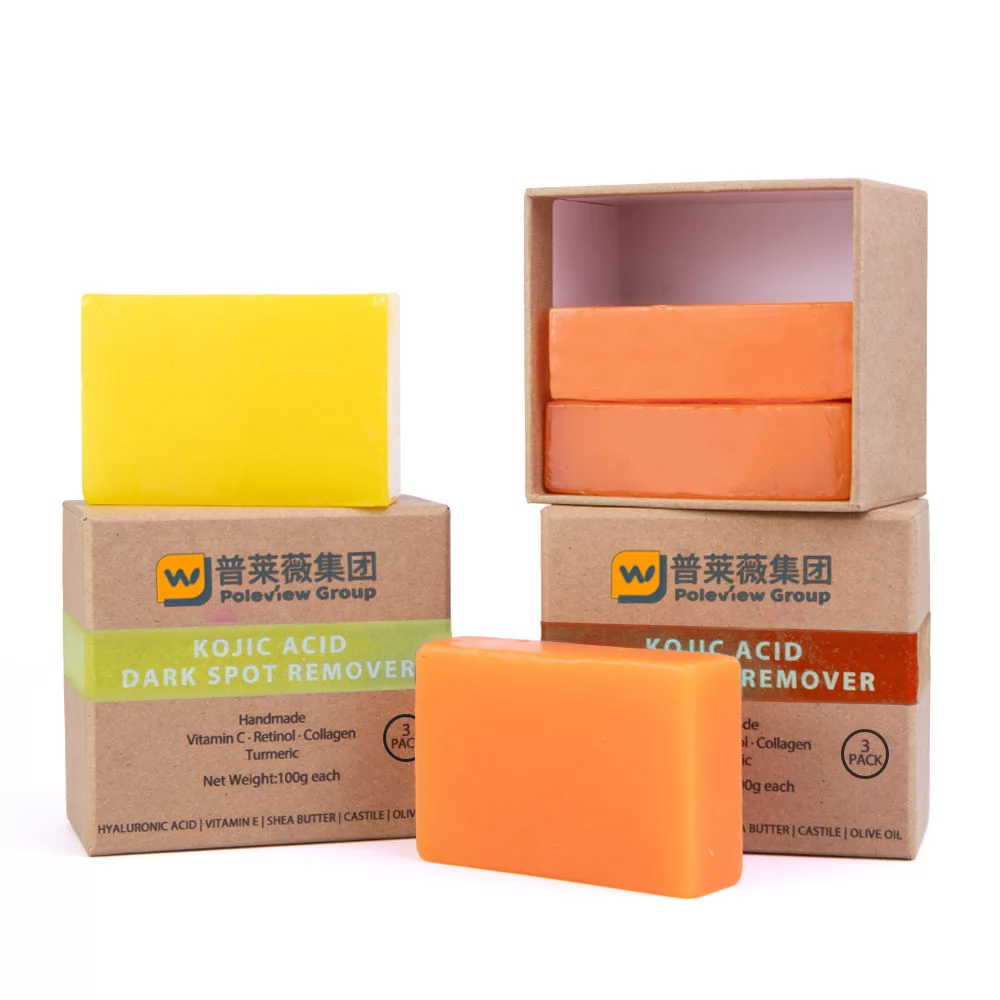
Brightening bars typically combine kojic acid, turmeric, goat milk, glycerin and botanicals. The format limits what they can do. A bar is rinsed off within seconds, and the soap's alkaline pH can affect how well sensitive actives hold up.
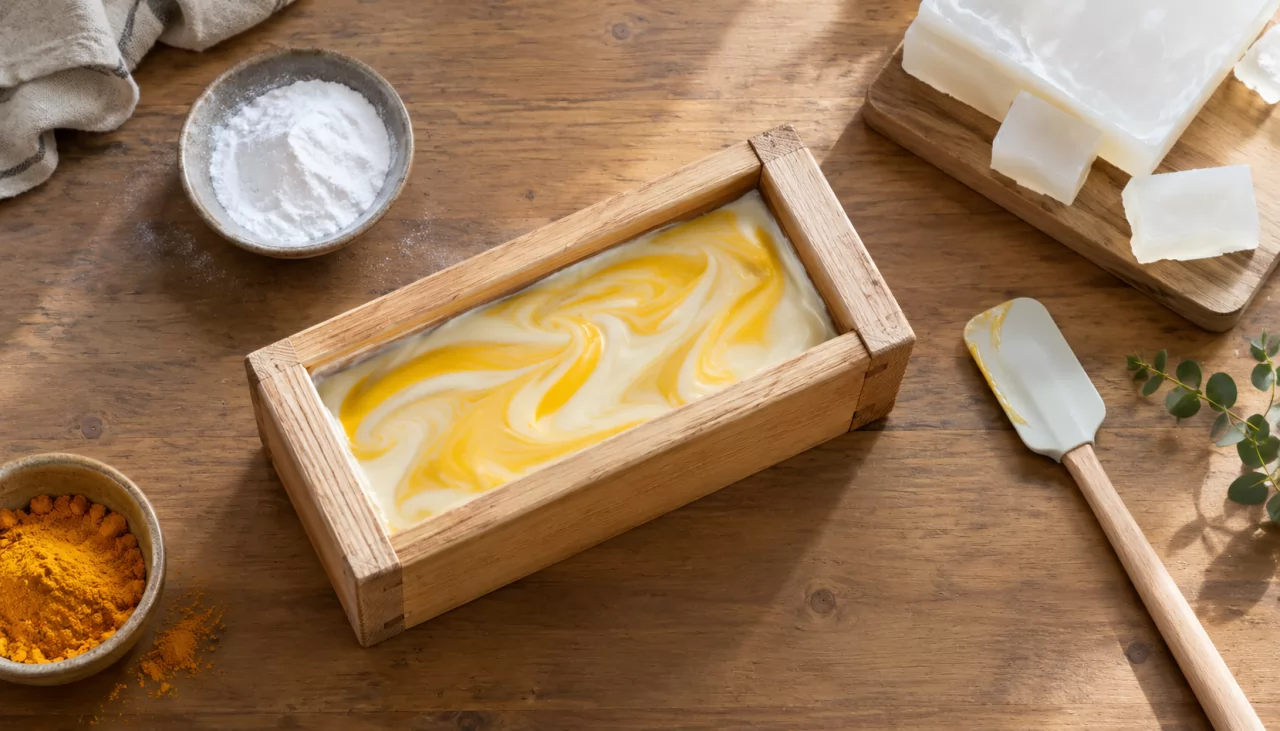
Kojic acid and turmeric soap: formula logic for a manufacturer
Kojic acid supplies the brightening story, and turmeric adds a traditional botanical angle and a warm yellow colour. Together they make an easy narrative for a bar. Turmeric can stain, though. It may tint skin, washcloths and packaging, and the shade can shift between batches.
Goat milk and glycerin add mildness and a smoother feel. Fragrance choice also matters, since strong scents can compete with the earthy turmeric note.
Base choice shapes the process. Cold process bars are made from scratch with a saponification step and cure for weeks. Melt-and-pour bars start from a ready soap base, which gives faster turnaround and easier shaping. A kojic acid and turmeric soap manufacturer should be able to explain which route suits your brief, and why.
Poleview, which lists kojic acid and turmeric soap, goat milk, natural and exfoliating bars, also supplies glycerin, goat milk and melt-and-pour soap base.
Rinse-off reality: what a bar can and cannot promise
Short skin contact means modest claims. Position a bar as a cleanser formulated with tone-supporting ingredients, not as a correction product. Leave-on serums and creams deliver actives for far longer, so do not borrow their claims for a soap.
How Do You Pick Safe Skin Brightening Ingredients for OEM Skincare?
Screen candidates in four steps: safety profile, restricted status in each target market, compatibility with the format, and supplier documentation. An active that passes only one of these is not ready for a launch. Run the checks in order, because a failure early saves testing cost later.
Note: Patch testing on a small group before launch is a minimum step, especially for acids, kojic acid and fragrance-heavy formulas. People with sensitive skin or known allergies should be advised to test first and stop use if irritation appears.
Screening by market restrictions
Some ingredients are restricted or prohibited in certain regions. Hydroquinone and mercury compounds are the cases most often cited, and mercury is widely banned in cosmetics. Rules on kojic acid, arbutin and acids differ by region and change over time.
Verify each active against the destination's current cosmetic regulation, not a supplier's assurance or last year's list. Amazon and other marketplaces add their own restricted-ingredient policies on top.
Stability, irritation and patch testing
Formula pH affects both stability and tolerance. Many actives work only within a narrow pH window, and oxidation-prone ones need protective packaging. Stability testing checks that colour, scent, texture and the preservative system hold up over time and under temperature stress.
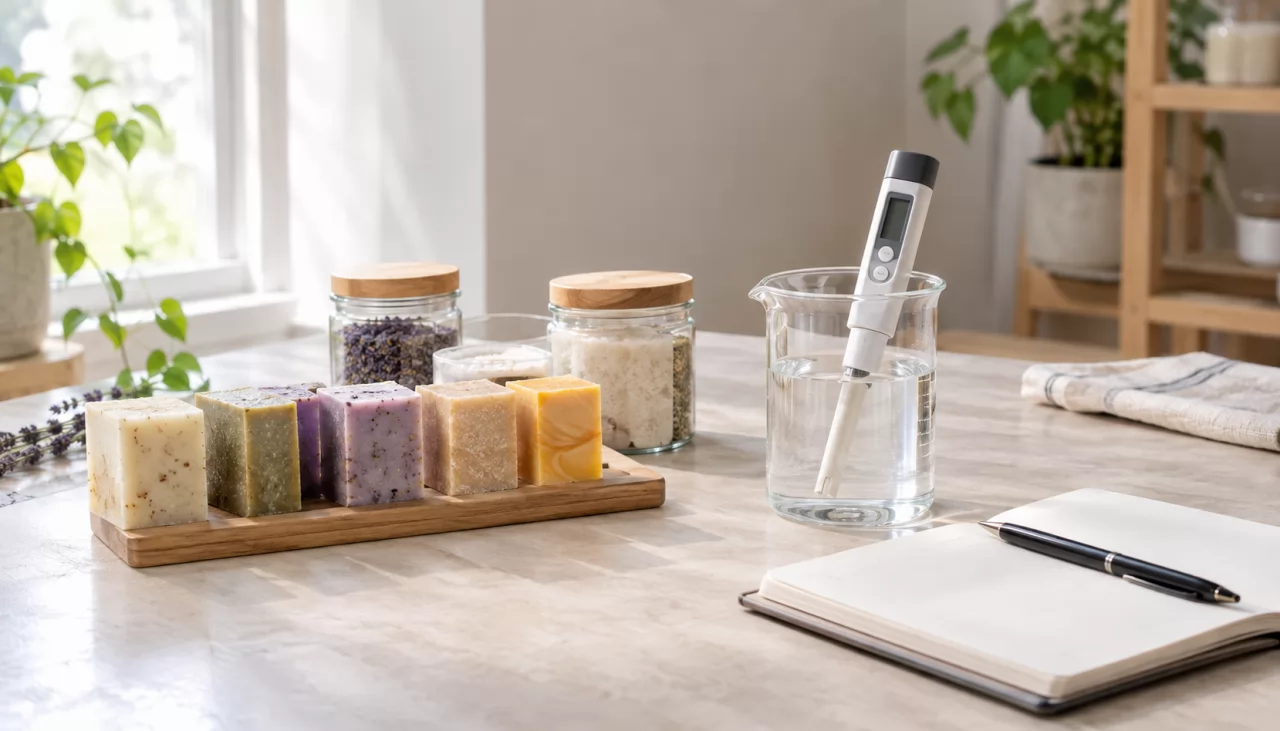
Irritation is a separate question. Stability data does not tell you how skin reacts, and patch testing does not tell you how a formula ages. You need both before launch.
Documents to request from a manufacturer
Ask for these early:
- INCI list: complete, in descending order of concentration, with no hidden "proprietary blend".
- COA: a certificate of analysis for the batch or raw material.
- MSDS: handling and safety data sheet.
- Stability report: results for the finished formula in its intended packaging.
- Audit report: factory audit results, where available.
Poleview lists an audit report, MSDS, COA and stability report among its available documents.
Which Standards and Certificates Matter for a Brightening Line?
No "ingredient certificate" proves a brightening claim. What you can verify is how the product is made. ISO 22716 is the international guideline for good manufacturing practice (GMP) in cosmetics, covering production, control, storage and shipment, and it is the main benchmark for this category.
Poleview states that it holds ISO 22716, GMPC, SMETA/Sedex and SGS. SMETA is an ethical trade audit method, and Sedex is the platform on which results are shared. SGS is a third-party testing and inspection body, so ask which reports exist and what they cover. Its materials also list ISO 9001, TRA and FSC.
FDA also appears on the website, but its registered or tested status is not specified. Confirm with the supplier what that listing means and request the relevant paperwork.
Certificates do not replace market compliance. The EU, the US, the UK, ASEAN countries and others each have their own cosmetic rules on safety assessment, labelling and notification, and you remain responsible for meeting them.
Common Mistakes and Myths About Whitening Ingredients
- "Stronger means better." Higher active levels raise irritation risk and may breach regional limits. Start from the effective, permitted range and test tolerance.
- "Natural means risk-free." Botanical extracts can sensitise skin, and turmeric stains. Treat naturals with the same safety checks as synthetics.
- Stacking many actives. Five brightening ingredients in one jar increase interaction and irritation risks and make problems hard to trace. Choose two or three with a clear role each.
- Copying a competitor's claim text. Their wording may already be non-compliant, or backed by evidence you do not have. Write claims from your own formula and your own test data.
- Skipping patch tests and stability checks. A launch with a discolouring serum or a reaction-causing bar costs more than the tests would have. Run both before scale-up.
How Do You Move From Brief to Sample to Production?
Share your target claims, market and format, review samples, run stability and patch testing, then scale. Poleview describes six customization steps: inquiry, design, sampling, production, inspection and delivery. Design includes drafts and 3D renders, and inspection means 100% final inspection before packaging.
Free samples are available. The standard MOQ is 1,000 units, flexible depending on the level of customization, and production lead time is typically 15-30 days depending on quantity and customization. Contact: [email protected] or WhatsApp +8615819872310 (Grace).
Short Glossary
- INCI — the International Nomenclature of Cosmetic Ingredients, the standard naming system used on cosmetic ingredient lists.
- Tyrosinase — the enzyme that starts melanin production in skin cells.
- Hyperpigmentation — areas of skin that look darker because of excess melanin.
- Patch test — a small-area skin test used to check for a reaction before wider use.
- COA — a certificate of analysis, the document reporting test results for a batch or material.
FAQ
Is niacinamide or tranexamic acid better for a brightening serum?
Neither is universally better. Niacinamide is stable, widely used and easy to formulate. Tranexamic acid is more specialised, and its permitted use differs by market, so verify status first.
Can I use "whitening" on the label?
Sometimes, but it is riskier than "brightening". Some markets and marketplaces treat it as a stronger claim, so check each destination's rules and platform policy before finalising artwork.
Do brightening bars work as well as leave-on products?
No, generally not. A bar stays on skin only briefly, so claims should stay modest. Leave-on formats give actives more contact time.
Can you customise a formula to be vegan or sulfate-free?
Yes. Poleview lists natural, vegan, cruelty-free and sulfate-free ingredient options among its customization choices. Share the requirement at the inquiry stage so the formula is built around it.