
Check what "essential oil" on a soap spec sheet actually covers before you approve a formula. The line may describe a full essential oil scent, a blend with fragrance oil, or a name that only hints at botanicals. This guide separates the essential oil perfume soap benefits that hold up from those that belong to the base, and compares the essential oil and fragrance oil routes.
Key Takeaways
- The base carries most of the skin feel; the scent adds to the bathing experience.
- Essential oils mainly shape scent character, not moisturising performance.
- Essential oil and fragrance oil routes differ in cost, consistency and stability.
- Keep product claims modest, and run patch testing and collect documents before launch.
"Does Essential Oil Soap Moisturize Skin?" Not on Its Own
Essential oil soap does not moisturise skin because of the essential oil. Skin feel comes mainly from the soap base and the plant oils, glycerin or milk components in it. The fragrance, natural or synthetic, sits at a low dose and mostly decides how the bar smells.
That is the central contrast in this category. Take one base and scent it twice: once with essential oils, once with a synthetic fragrance oil. The lather, hardness and after-wash feel will be close, because the base has not changed. What changes is the scent, its stability, its cost and its labelling. Product copy should reflect that split, which is why hedged wording belongs on the pack.
What the Base Contributes
A base is the soap matrix the bar is made from. Three types dominate private label work.
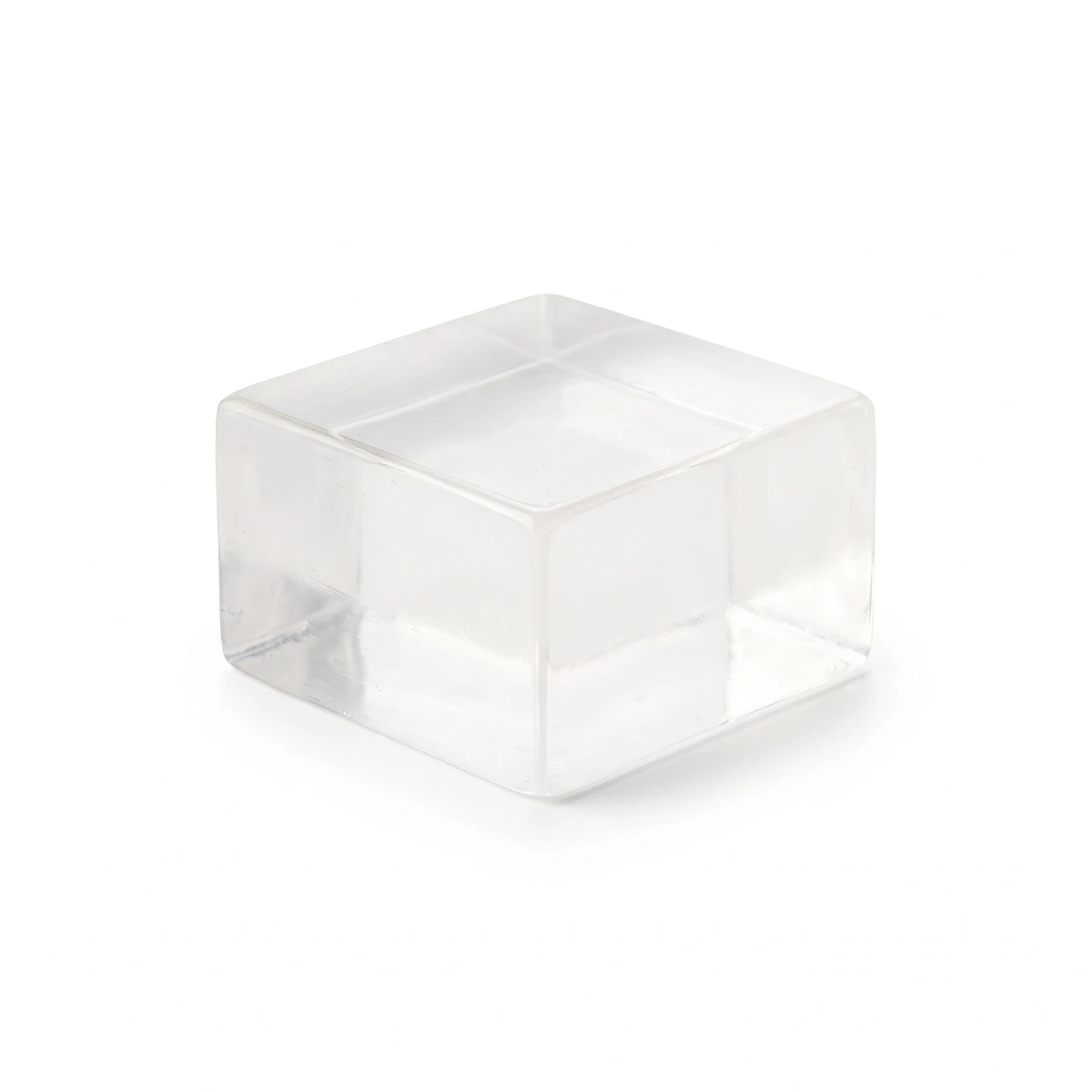
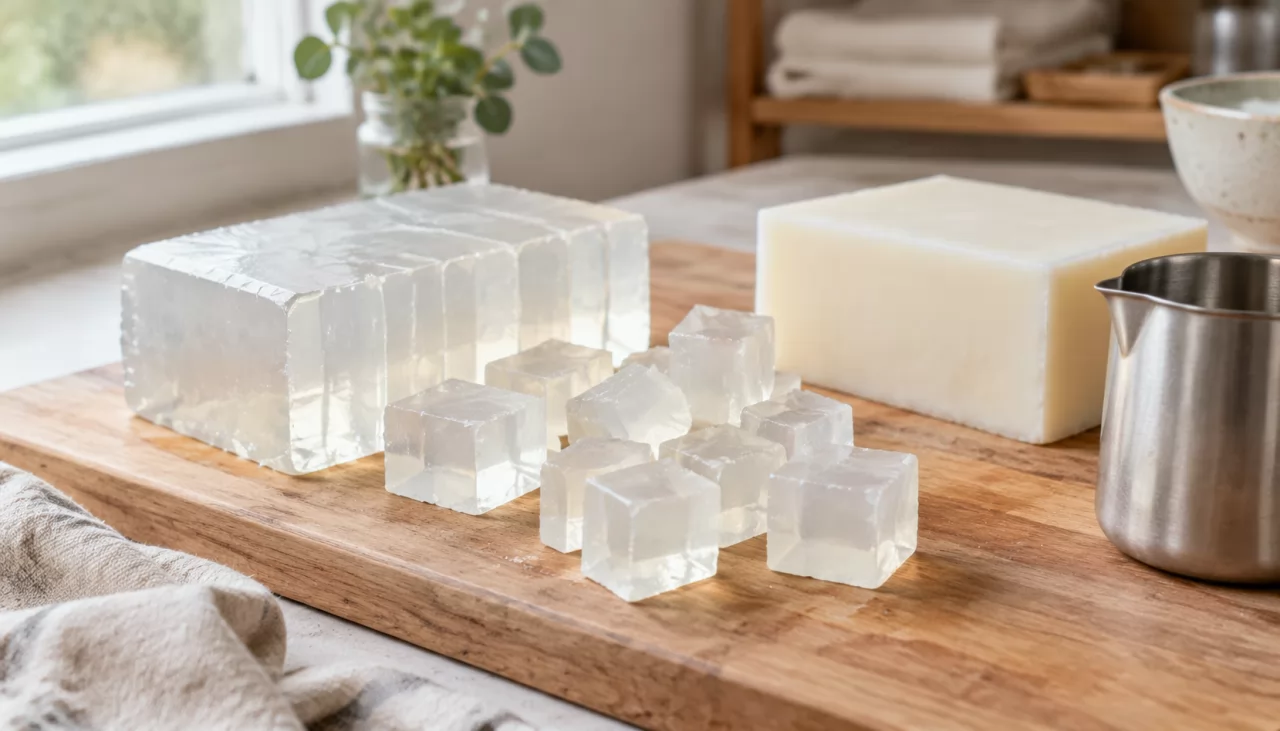
Glycerin melt-and-pour base is a clear, remeltable soap base that holds glycerin, a humectant (it draws water toward the skin surface). It gives a smooth, slightly softer bar and suits shapes, inclusions and colour work.
Goat milk base is melt-and-pour or cold process soap that includes goat milk. It is usually positioned as creamy and mild in feel, though "mild" is a perception claim, not a guarantee for every skin type.
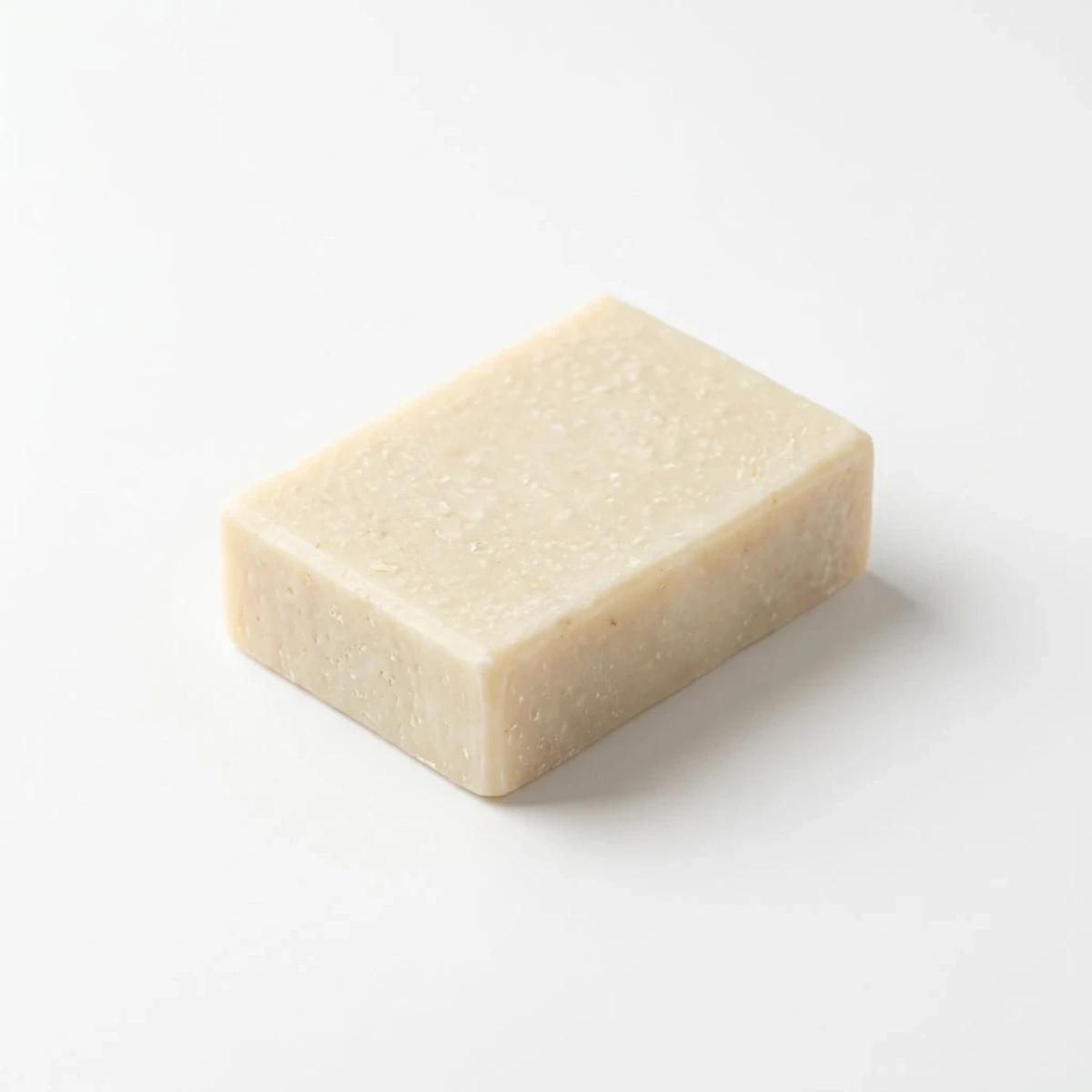
Cold process soap is made by reacting oils with an alkali (saponification) and curing the bar. Plant oils such as olive, coconut or shea butter shift hardness, lather size and conditioning feel. Handmade-style cold process bars often keep their natural glycerin, which is part of why they are marketed as skin-friendly. Formulas vary widely, so the oil blend matters more than the label.
What Essential Oils Add
Essential oils are concentrated volatile extracts from plants, usually obtained by steam distillation or cold pressing citrus peels. In soap they give a recognisable scent character: lavender, eucalyptus, citrus, mint, cedar.
That is the basis of the aromatherapy soap bar position. The bar offers a sensory ritual, a scent you associate with winding down or waking up. It stops there. Saying a scent calms, relieves or treats anything moves into health claims, which the soap formula and the dose cannot support.
Essential Oils vs Fragrance Oils: Where the Two Routes Split
Essential oils and fragrance oils both scent a bar, but they trade off differently. Essential oils are plant-derived and support a natural-leaning story. Fragrance oils are compounded blends, often with synthetic components, that give a more repeatable scent and a wider palette. Neither route is better in every case.
Scent Profile and Stability
Essential oils vary with crop, harvest and distillation. A lavender lot from one season can smell different from the next, so batch matching takes work.
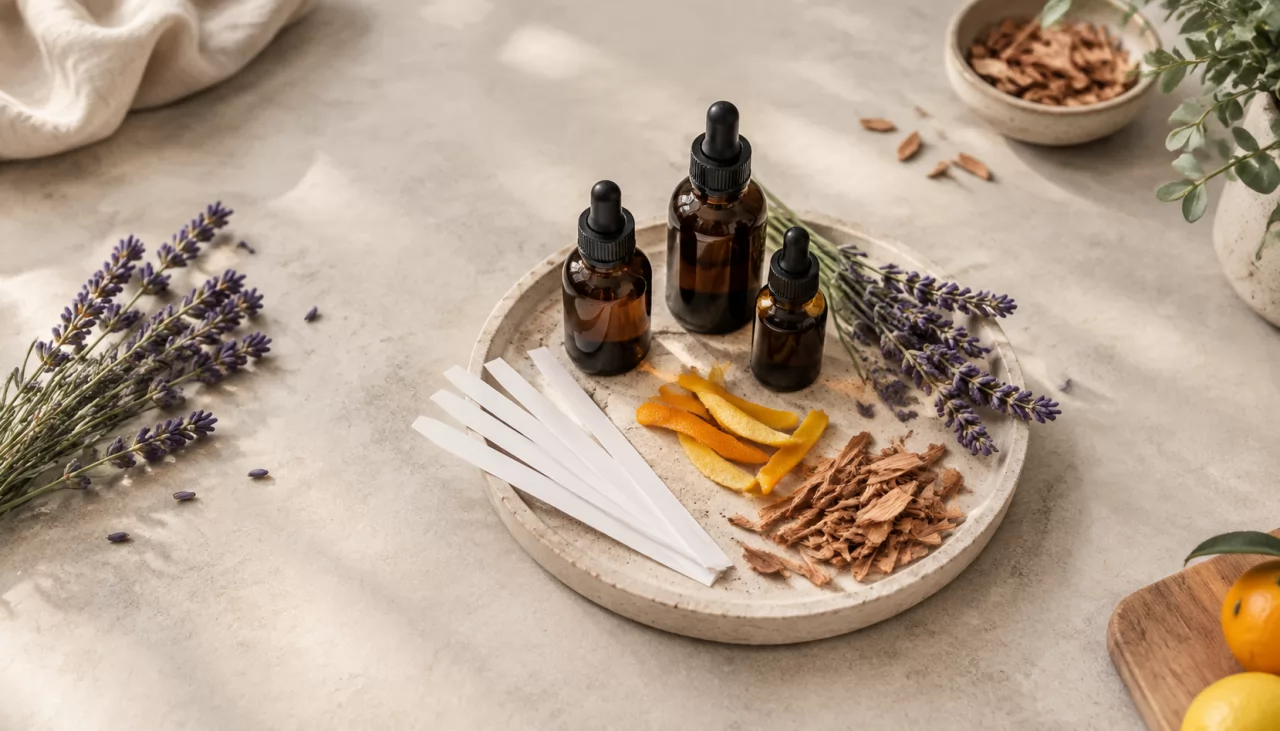
Scent also fades. Many citrus and top-note oils are volatile and weaken in finished bars, particularly through long storage or warm shipping. Some oils can darken a pale base over time, and that is a risk to check on a sample, not to assume away.
Fragrance oils, designed for use in soap, usually give a more stable and repeatable result. They also reach scents, such as fruit or ocean notes, that plants do not distil.
Skin Tolerance and Allergen Labelling
"Natural" does not mean free of sensitisation risk. Many essential oils contain components that are recognised fragrance allergens, and some markets require those to be declared on the label above a set concentration. Fragrance oils carry the same type of obligation.
So neither route removes the need for patch testing on the finished product. And neither supports a "safe for sensitive skin" line unless testing backs it.
Cost and Supply Consistency
Essential oil prices move with harvests, weather and demand, and some oils are costly relative to fragrance oils. Cost per bar depends on the oil chosen and the dosage needed to make the scent noticeable after curing. Higher dosage also raises the chance of texture and colour effects.
Fragrance oils tend to be steadier in price and supply, and matching a scent across reorders is easier. If you plan repeat runs over several years, that consistency has real value.
The Benefits Are Real but Narrower Than the Marketing Suggests
A natural fragrance bar soap for skin can reasonably claim a pleasant scent, a small daily ritual and a natural-leaning positioning, provided the formula supports it. That is what the benefits amount to: sensory and positional, with cleansing from the soap itself.
Whether a "natural formula" line is justified depends on the ingredient list as a whole, not only the essential oil. A bar scented with essential oils on a base containing synthetic additives is a mixed story, and copy should not overreach.
Avoid wording that treats, cures, relieves, heals or prevents conditions, such as eczema, acne, anxiety, insomnia or infections. Avoid "hypoallergenic" and "dermatologist-approved" without documentation. Rules differ by market, and a cosmetic that makes drug-type claims can be reclassified by regulators.
Tip: Describe the scent experience and the base, and leave health outcomes out. "Lavender and cedarwood scent on a goat milk base" is safe ground; "calms irritated skin" is not.
Base and Formula Choices That Carry the Benefit
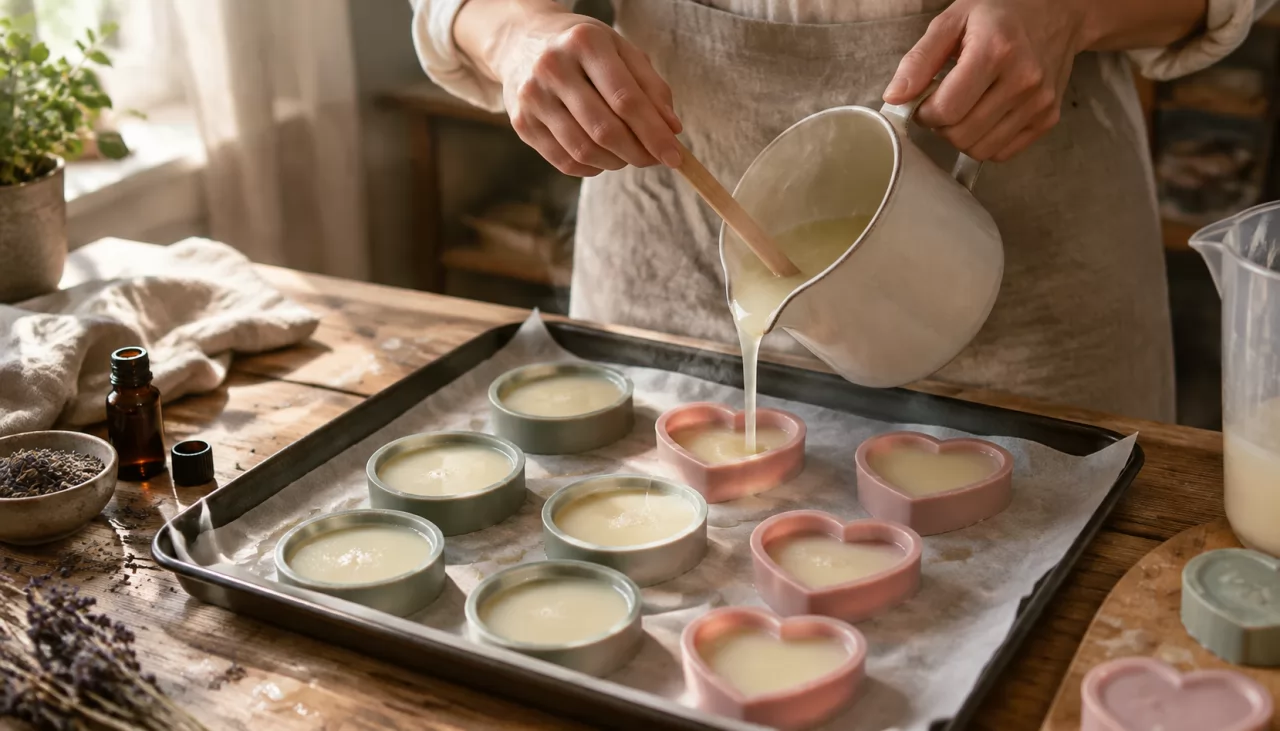
The base choice sets the feel; the scent route sets the character. Glycerin base suits clear or colourful bars and detailed shapes. Goat milk suits an opaque, creamy look. Cold process suits handmade, rustic positioning, though it needs curing time and varies more from batch to batch.
Shape and size change more than looks. A round bar and a heart bar of the same weight lather and wear differently, and a thicker bar dries and hardens more slowly. Colour matters because skin-safe pigments and some essential oils can interact; certain oils shift tone, and light exposure speeds that up.
Fragrance dose affects texture and appearance. Too much can soften a bar, cause sweating on the surface or leave oily spots. Too little leaves a scent that disappears after curing. Dose is set by testing in the actual base, not copied from another formula.
Poleview offers goat milk and glycerin bases, custom scents and essential oil blends, vegan and sulfate-free options, and custom label branding.
How Do You Choose Between Essential Oil and Fragrance Oil Soap for Your Line?
Choose the scenting route by working through the constraints of your line, starting with positioning and ending with shelf life. These rules cover most cases:
- If your shelf position is natural or aromatherapy-style, then essential oils fit the story best.
- If you price for a mass or promotional tier, then fragrance oils keep cost steadier.
- If you need the same scent across many reorders, then fragrance oils make matching easier.
- If you want to limit the allergen labelling workload, then check both routes, since each carries declarable components.
- If a destination market restricts certain ingredients, then confirm the scent materials against its rules first.
- If you expect long storage or warm transit, then test scent fade on aged samples.
A blend of both makes sense when you want a natural-leaning scent with better hold: essential oils for the lead character, a soap-safe fragrance oil to anchor it. State the composition honestly in the ingredient list.
Compliance, Testing and Documents Before Launch
Ingredients are listed by INCI name, the International Nomenclature of Cosmetic Ingredients, which gives each material a standard label name. Labelling rules, allergen declarations and claim limits differ by market, so check each destination separately. No manufacturer can promise regulatory approval for you.
Patch testing on the finished bar, and stability checks on scent, colour and texture over time, belong before launch. Ask a private label essential oil soap manufacturer for the COA (certificate of analysis), the MSDS and a stability report, plus the fragrance supplier's documentation.
Quality systems matter here as well. Boymay Cosmetics holds ISO 22716 and GMPC, the cosmetic good manufacturing practice standards, and SMETA/Sedex audit certification, with an audit report available.
FAQ
What are the benefits of essential oil scented soap?
Mainly a pleasant scent and a natural-leaning positioning, on top of the cleansing the base provides. Skin feel depends on the base, not the oil.
Is essential oil soap safer for sensitive skin than fragrance oil soap?
Not automatically. Both can contain allergens that need declaring, and either can irritate some people. Patch testing on the finished product is the sensible check, and it does not replace advice from a clinician for people with skin conditions.
Will the scent last through shelf life and shipping?
Essential oil scents, especially citrus, tend to fade faster than fragrance oils. Wrapping, storage temperature and dose all affect it. Test aged samples before committing to a run.
Can I start with a small first run to test a scent?
Often, yes. Standard MOQ is 1,000 units and can be flexible depending on customisation, and free samples are available. Honest answer: a small run tells you about scent and look, but not much about how the scent holds over a full shelf life.