
"Just put a masculine scent on a standard bar" is how many men's soap briefs begin, and it overlooks what actually brings a customer back: the formula, the feel in the shower and the claims on the wrapper. Scent gets the first sale. If you plan to develop custom men's natural bar soap, the decisions on process, specs, MOQ and compliance come before the fragrance.
Custom Men's Natural Bar Soap: What You Are Actually Specifying
A men's natural bar is a set of linked choices: the process route, the oil and surfactant system, the scent, the texture and the format. Changing one moves the others, so each has to be fixed in the brief before sampling starts. Treating the product as a scent swap on an existing base usually produces a bar that smells right and performs ordinarily.
Where men's grooming soap differs from a generic bar
Men's grooming soap is a bar positioned around shower use: stronger scent presence, a firmer bar, a cleaner rinse and often some texture. None of these is a performance claim. They are design targets you can write down and check on a sample.
Scent strength is the one that surprises people. A fragrance that smells assertive in the sample jar can fade in a cured bar, or turn sharp once it meets a particular oil blend. Hardness matters because a bar that softens in a wet dish gets a bad review within a fortnight. Feel on the skin and rinse behaviour depend on the oils and, for non-cold-process bars, the base. Ask for those to be described, not just promised.
What "natural" can and cannot mean on your label
"Natural" has no single legal definition across markets. In some places it is a loosely policed marketing word; in others regulators and retailers read it strictly, and some marketplaces ask for proof. So you define it yourself, through the ingredient list (INCI, the International Nomenclature of Cosmetic Ingredients, the standard naming system for cosmetic ingredients) and a written claim policy.
The practical test: could you defend the word against the INCI list printed on the back? If the bar contains synthetic fragrance or colorants, say so honestly and consider whether "natural" is the right headline, or whether "made with natural ingredients" or a specific ingredient claim is safer. Claims such as paraben free or cruelty free need paperwork behind them, not just a line on the pack.
Writing the brief that removes rework
Most rework traces back to missing inputs. A maker needs a target weight per bar, a scent direction (woody, citrus, herbal, a reference product), a texture target (smooth, gritty, firm), the claims you want to make, the packaging format, and the destination market. That last item changes what documents and labels you need, so it belongs on page one.
Add what you do not want: no palm derivatives, no sulfates, no visible specks, no strong colour transfer. Exclusions are cheaper to state now than to discover at sampling.
Cold Process, Melt-and-Pour or Soap Base: Which Route Fits Your Line?
Cold process is true saponification of oils, giving the most formulation freedom but more batch variation. Melt-and-pour uses a ready-made soap base that is melted, scented, coloured and moulded, which is quicker and more uniform but less flexible. The route shapes the bar's look, your timeline and how consistent reorders will be.
Handmade cold process soap
Cold process soap is made by mixing oils with an alkali so they saponify (convert to soap and glycerin) in the mould, then cutting and curing the bars. Curing is a rest period during which water leaves the bar and it hardens, typically a matter of weeks. That time sits inside your lead time.
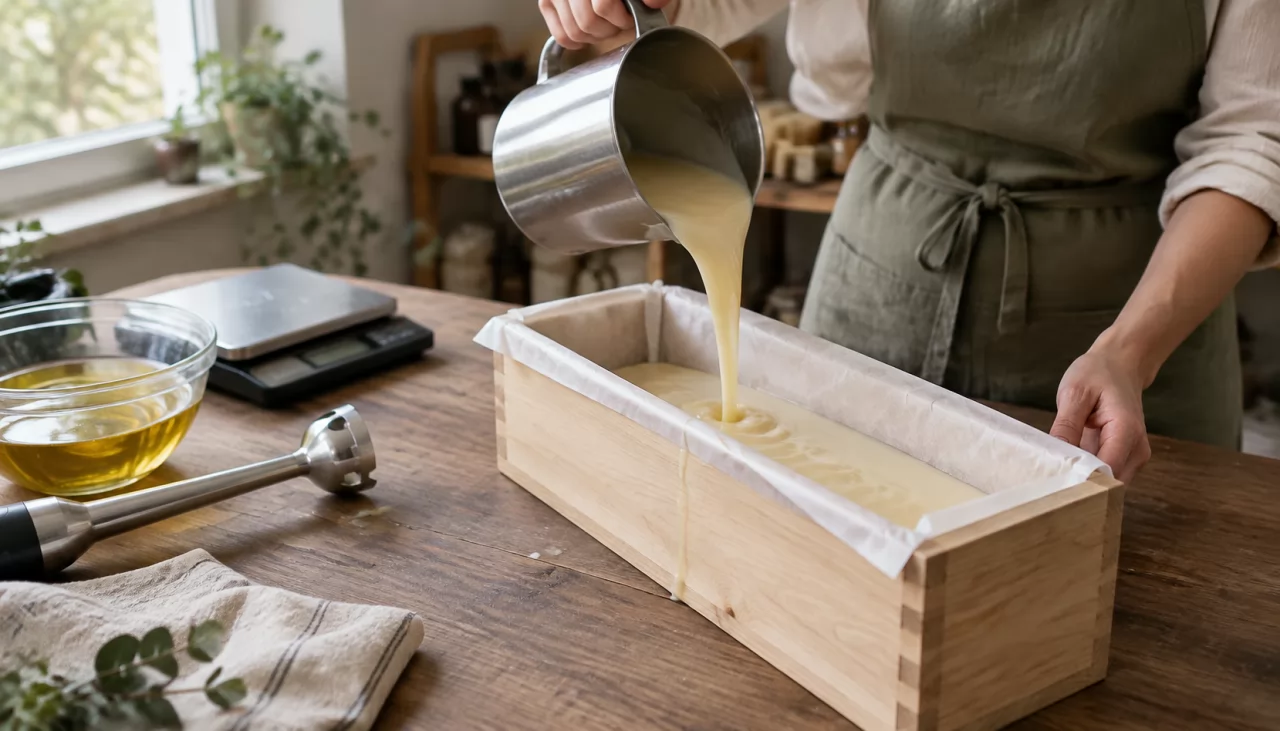
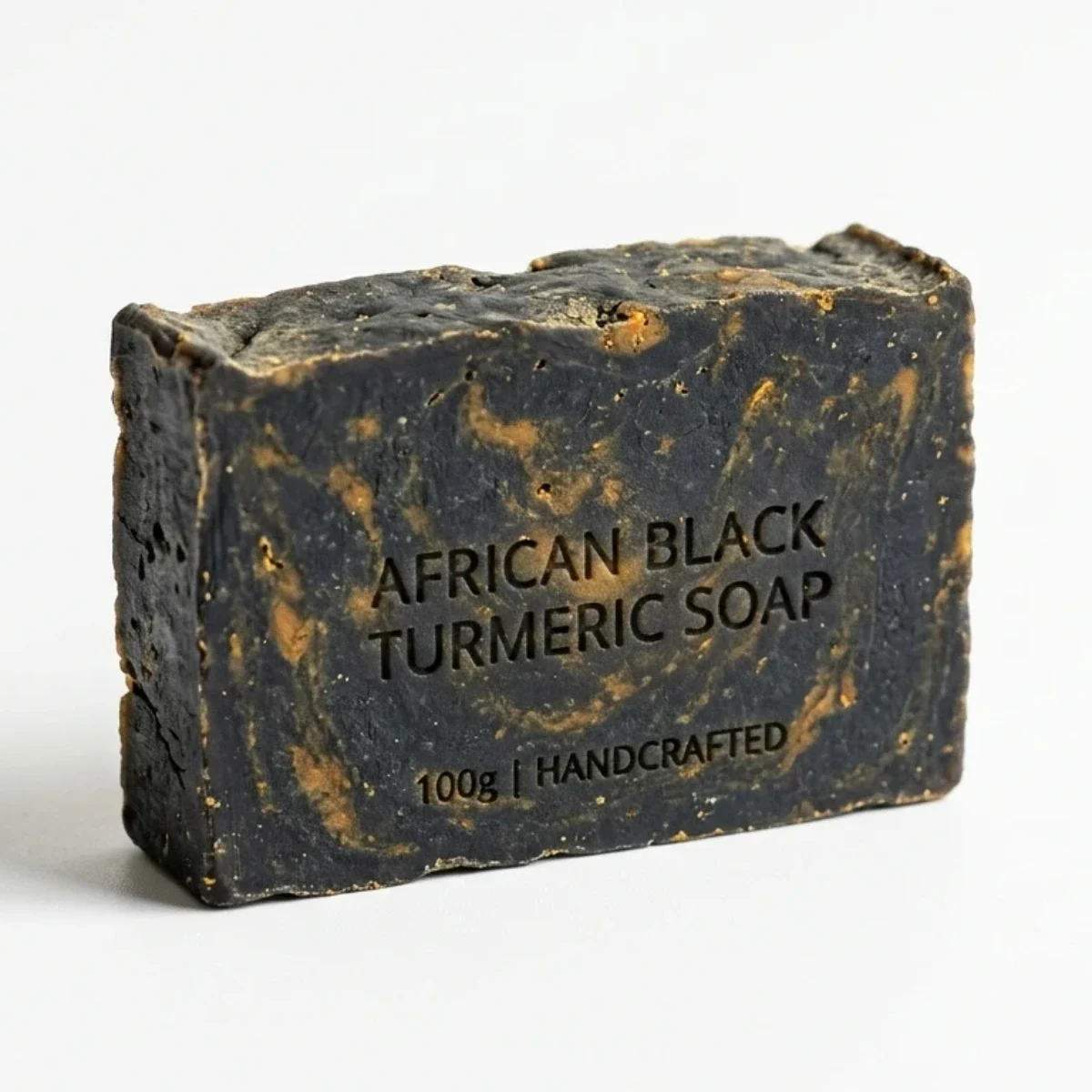
The look is rustic: slight colour shifts, visible cut edges, swirls that differ bar to bar. Some brands sell exactly that. Others find it clashes with a clean retail shelf. Plan for batch variation in shade and scent behaviour, and agree acceptable limits in writing, ideally with a reference bar.
Melt-and-pour and ready-made soap base
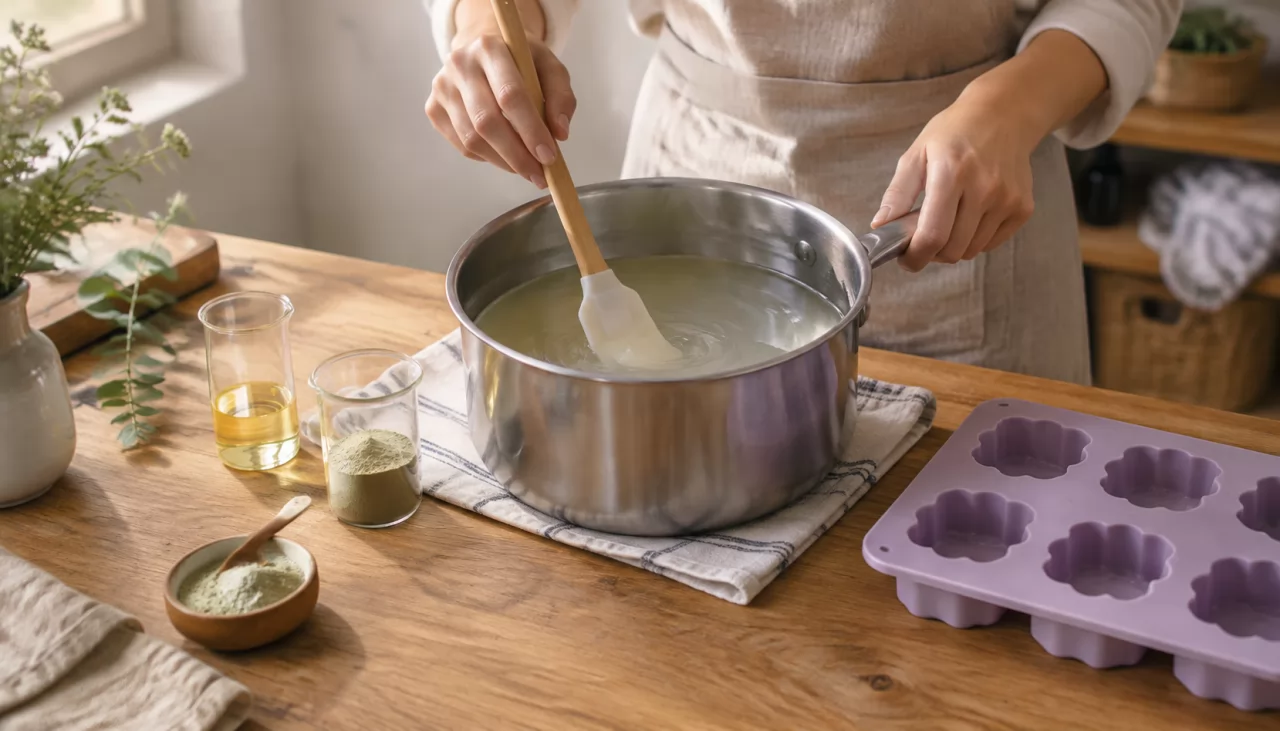
Soap base, whether glycerin or goat milk, arrives already saponified. The maker melts it, adds scent, colour and any exfoliant, then pours it into moulds, where it sets in a short time. Results are uniform, shapes are crisp and there is no cure wait. The trade-off is that the base fixes much of the oil profile and feel, so your formulation freedom is narrower, and you inherit the base's ingredient list.
Side-by-side comparison
The table below sets the two routes against the attributes that usually decide a launch. Cold process suits a signature product where character matters; melt-and-pour suits a first launch where speed and consistency matter.
| Attribute | Cold process | Melt-and-pour / soap base |
|---|---|---|
| Texture and hardness | Adjustable through the oil blend; firm after cure | Set largely by the base |
| Appearance | Rustic, natural variation | Smooth, uniform, crisp edges |
| Cure or setting time | Longer, includes curing | Shorter |
| Batch consistency | Lower, needs agreed tolerances | Higher |
| Formulation freedom | Higher | Lower |
| Shape options | Block-cut or moulded | Wide range of moulded shapes |
Formula, Scent, Shape and Pack: The Levers You Control
Customization covers shape and size, fragrance, colour, formula and packaging. Each lever carries a consequence for stability, shelf life or cost, so none should be chosen in isolation.
Fragrance and ingredient choices
You can choose an essential oil blend or a custom scent. Essential oils support a natural positioning but can be weaker, more variable between harvests and costlier; custom fragrances give stronger, more repeatable profiles but change what the label can honestly say. Some essential oils and fragrance components are also subject to allergen labelling rules in certain markets, so the scent decision and the INCI list must be settled together.
Ingredient options include natural, vegan, cruelty-free and sulfate-free routes. Goat milk is not vegan, which sounds obvious until a brief asks for both.
Exfoliating body bar options and colorants
An exfoliating body bar adds particles for a scrubbing feel. The catch is that texture and appearance pull against each other: coarse particles feel more distinct but can leave a gritty residue in the dish, and particles can show as specks. Pigments should be skin-safe and checked against the rules of your destination market, and strong colours may stain washcloths or fade under light on a retail shelf. Ask for a used-bar photo as well as a fresh one.
Shape, weight and wrapping
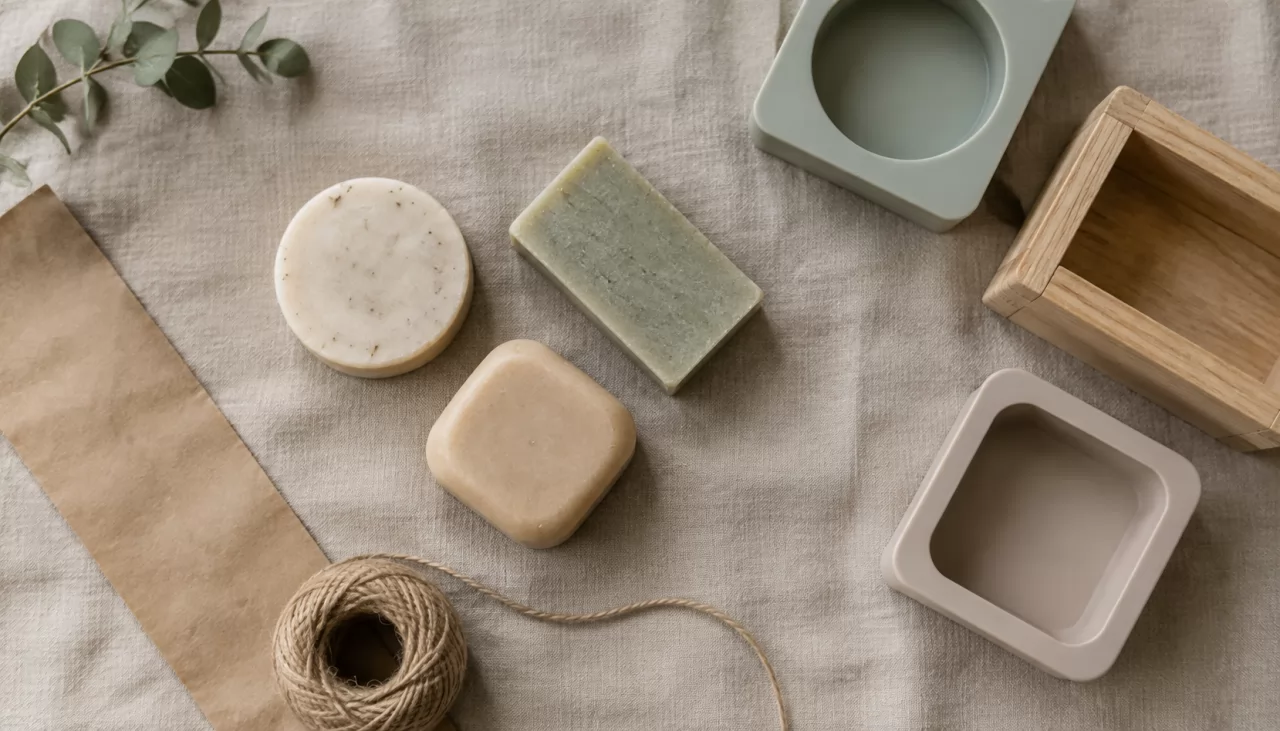
Round, square, heart, tablet or custom moulds are all available, with standard or custom sizes. A custom mould is a one-off cost, and its tooling affects whether small runs make sense. Wrapping options include shrink wrap, foil or biodegradable film, with multi-pack options such as boxes, jars or resealable pouches. Printed labels can be matte, glossy or metallic. Shrink wrap protects scent and hardness better than a bare paper band, so match the wrap to the route you chose.
Custom Men's Soap Bars MOQ, Lead Time and Cost Drivers
The standard MOQ is 1,000 units, and it flexes with the depth of customization: a colour or scent change on an existing base sits at one end, a new mould plus new packaging at the other. Production lead time runs 15-30 days depending on order quantity and customization.
Cost moves with four things: custom moulds, the scent system, the packaging format and curing time for cold process bars. Of those, custom moulds and printed packaging are the ones people underestimate when comparing quotes.
The sequence usually runs through six steps: inquiry, design (drafts and 3D renders for approval), sampling (physical samples), production with in-process quality checks, 100% final inspection before packaging, and delivery with global shipping. Free samples are available, so test the bar before you commit to a tooling spend.
Standards, Documents and Claims You Can Defend
ISO 22716 is the international guideline for good manufacturing practice (GMP) in cosmetics, covering premises, personnel, production, quality control and records. GMPC is a cosmetics GMP audit scheme in the same spirit. SMETA, run through the Sedex platform, is a social-responsibility audit covering labour standards, health and safety, environment and business ethics, so it says nothing about the formula. Poleview holds ISO 22716, GMPC and SMETA/Sedex certification, which is worth checking against the certificate itself and its validity dates.
Ask for the paperwork that supports your claims: an MSDS (safety data sheet), a COA (certificate of analysis for the batch), a stability report and an audit report. Rules on labelling, safety assessment and product registration differ by destination, and some markets require a responsible person or notification before sale. Patch testing and the exact wording of your claims stay your responsibility, whoever makes the bar.
How Do You Choose a Private Label Men's Bar Soap Manufacturer?
Choose on fit and evidence: a maker who runs your chosen process, can show formulation depth, and hands over documents without delay. Six checks cover most of the risk.
- Process fit: cold process, melt-and-pour or both, matching your brief.
- Formulation depth: whether they can adjust an existing formula or only recolour one.
- Audit and document readiness: certificates, MSDS, COA, stability and audit reports on request.
- Sample turnaround and how many revision rounds are normal.
- Packing and shipping: FOB, CIF, airport delivery, FBA prep.
- Handling of changes after sampling: what triggers a re-sample or a price change.
Rule of thumb: if a supplier cannot tell you what happens when you change the scent after sample approval, expect the answer to be expensive.
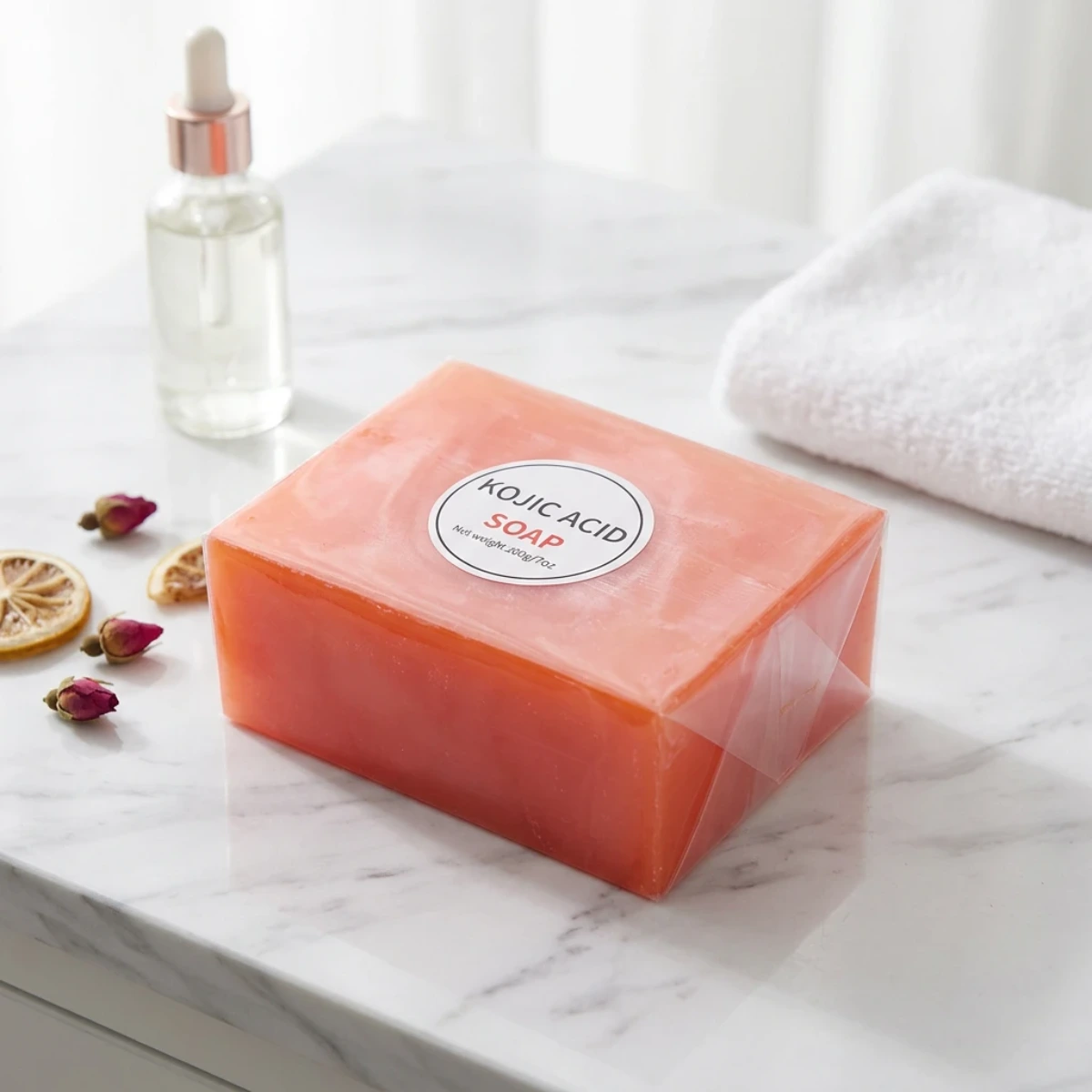
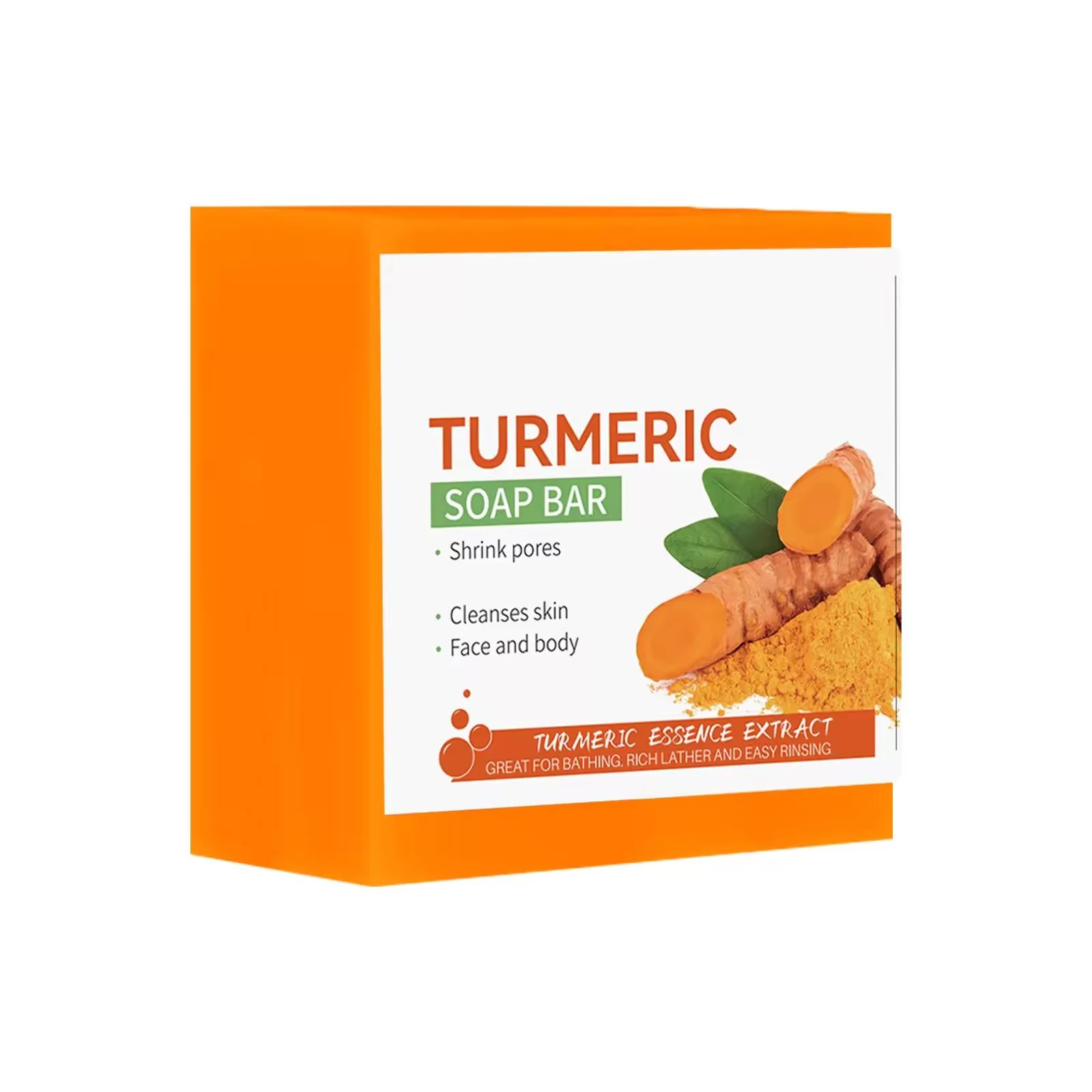
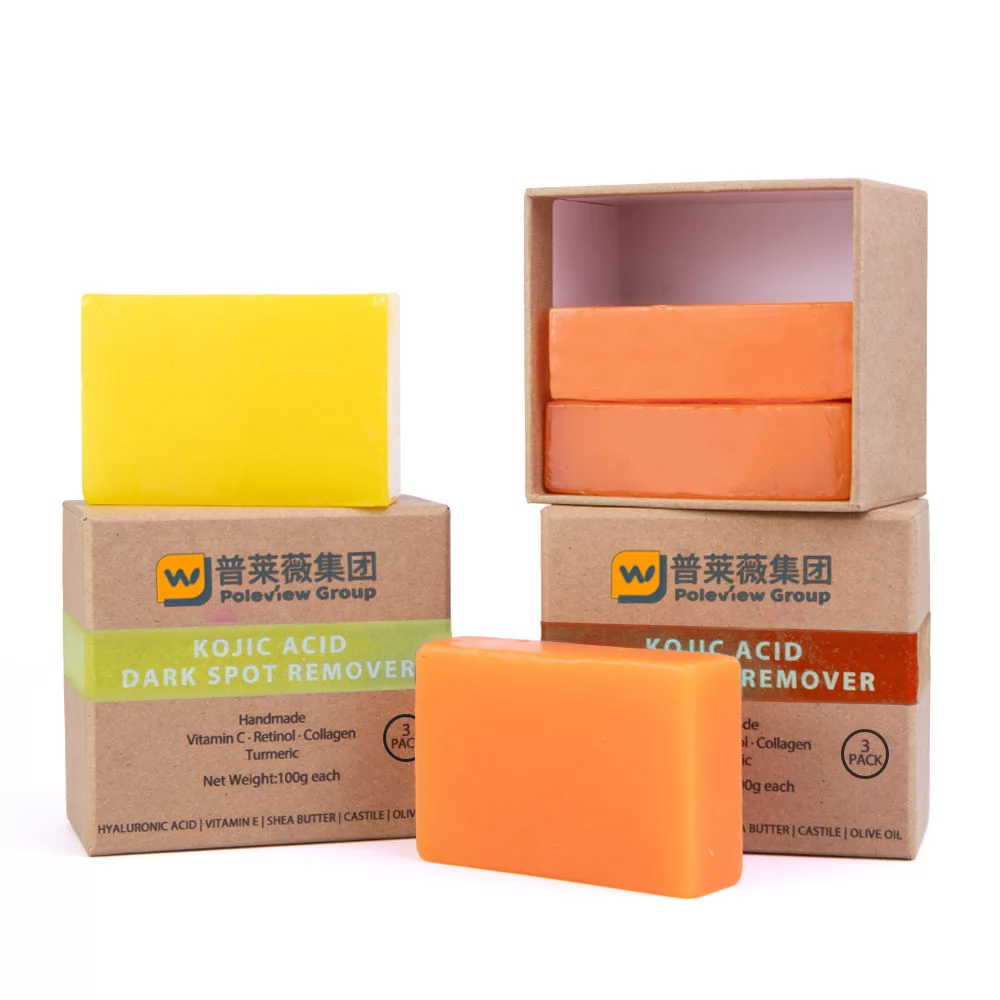
Match the supplier to the work. An OEM bar soap supplier builds to your formula; ODM means choosing from and adapting the maker's existing formulations, which is faster and cheaper for a first line. Poleview's bar soap range includes handmade, cold process, goat milk, exfoliating, antibacterial, kojic acid and turmeric styles, plus soap base.
FAQ
How do I start a men's natural soap brand with a private label bar?
Start with a written brief. Fix weight, scent direction, texture, claims and destination market, request samples, then confirm labelling and documents before ordering.
Can I run a small first order below the standard MOQ?
Sometimes. The standard MOQ is 1,000 units but it is flexible depending on customization, so a simpler change to an existing base may allow a lower quantity.
Do I need to test the bar on skin before launch?
Yes, in general. Patch testing and any safety assessment your market requires are your responsibility, and the claims you print should match what was actually tested.
Can the bar be sold on Amazon, and can it ship straight to an FBA warehouse?
Yes to shipping: large orders can go directly to Amazon FBA warehouses. Whether the bar can be listed depends on Amazon's category rules and your labelling and documents.