
A bar that cracks in the carton or turns to mush in a soap dish is a bad enough result. It gets worse when you also hold a pH or mildness claim you can't document, and a reformulation lands after your packaging is printed. The relaunch then misses the retail window. Choosing a private label syndet soap manufacturer is mostly about avoiding that chain. This guide covers what a syndet bar is, how to spec one, how to vet a Chinese factory, and what to do next.
A syndet bar is a solid cleanser made from synthetic surfactants instead of saponified fats. It can be formulated closer to skin pH and without sulfates. For private label, the safest path is to fix the spec first, then check the factory's formulation depth, documents and sampling before you commit to bulk.
- Spec first: Send a written brief covering surfactant system, pH target, weight, shape and packaging before you ask for a quote.
- Surfactant system drives quality and cost: It sets mildness, lather and bar hardness more than any other choice.
- Documents matter: Request ISO 22716 evidence, audit report, COA, MSDS and stability report.
- Sample and stability before commitment: Approve a sample, then confirm stability data, not the other way round.
- Confirmed Poleview process: Six steps, standard MOQ of 1,000 units, 15-30 days production lead time, free samples.
What Is a Syndet Soap Bar, and Why Do Brands Choose It Over Traditional Soap?
A syndet bar (short for synthetic detergent bar) is a solid cleanser whose cleansing base is synthetic surfactants rather than soap made by saponifying oils or fats. This allows formulators to aim for a pH nearer to skin and to avoid sulfates if the brief asks for it. Cold process, goat milk and melt-and-pour bars work differently.
Syndet vs. true soap vs. melt-and-pour base
True soap, including cold process and handmade bars, is the salt of fatty acids and is typically alkaline. Syndet bars can be built at a lower, more skin-oriented pH, though the exact value depends on the formula. Soap generally reacts with hard water minerals and can leave a film; syndets are usually less affected by this.
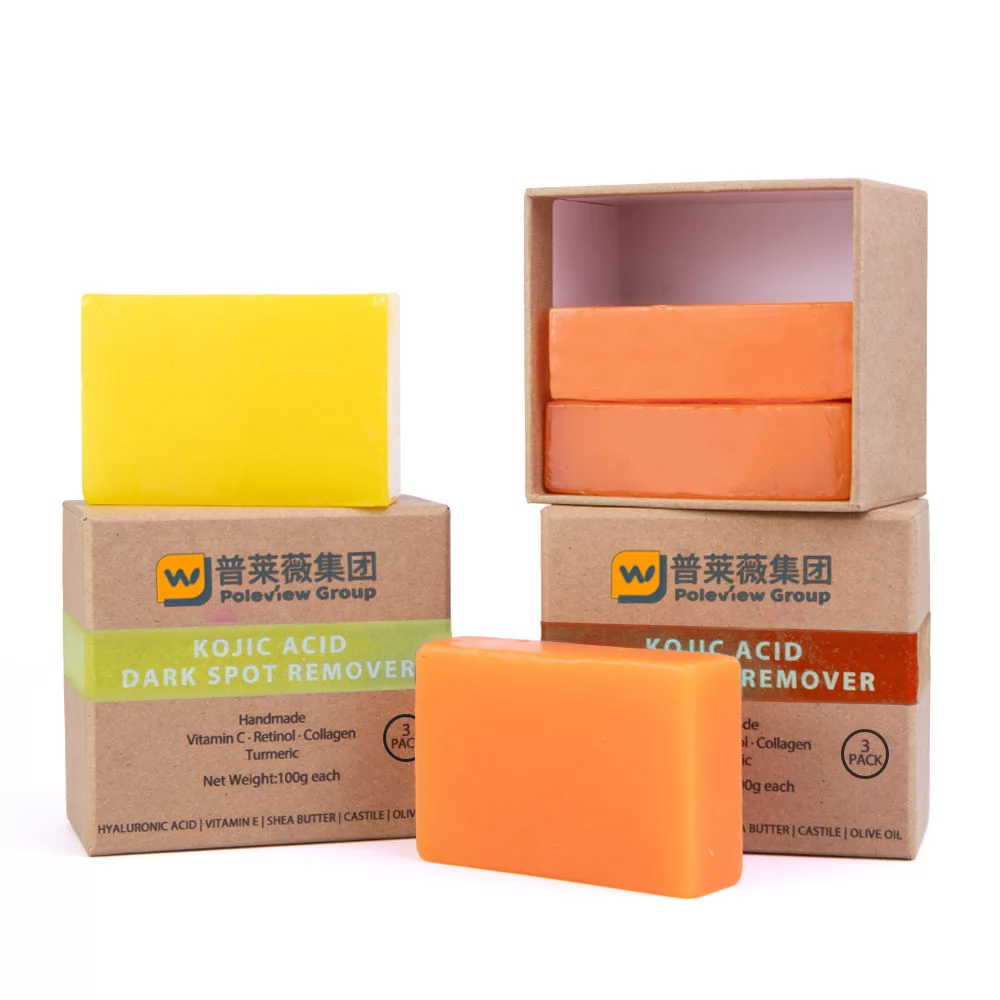
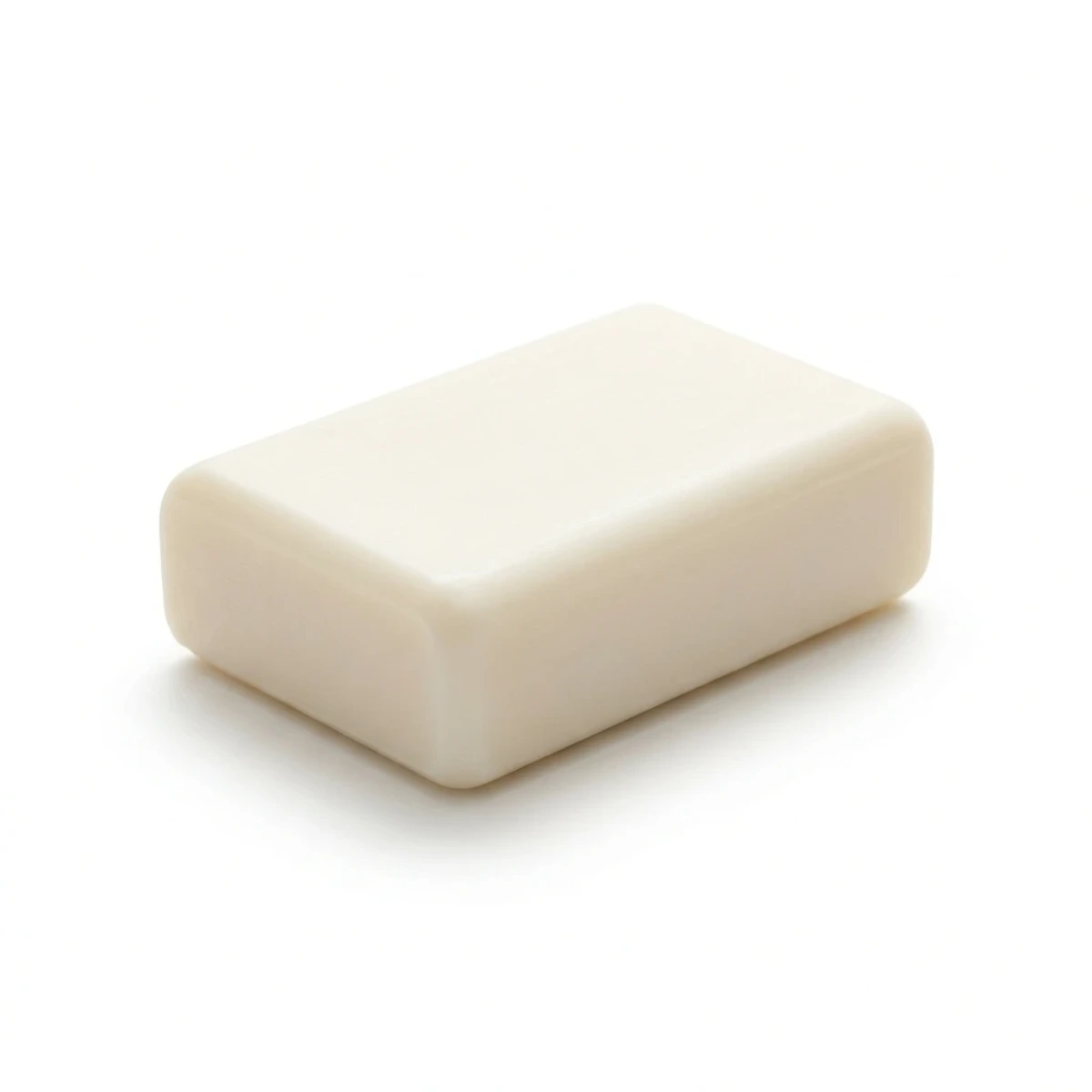
Melt-and-pour base is a pre-made, remeltable soap or glycerin block that is poured into molds. It is quick to work with but gives you less control over the cleansing system. Pressed syndet bars are usually formed under pressure, which affects density and how the bar behaves in water.
Labeling follows the chemistry. A syndet bar is often described as "soap-free", while a cold process bar is not. Check the local rules in your market before you choose wording.
Where syndet bars fit in a private label range
Brands tend to use syndet bars for sensitive-skin-oriented lines, facial and body beauty bars, and travel formats. They also pair well with shampoo bars and body care in a set. Position them on texture, scent and format. Avoid efficacy promises unless you have testing behind them.
How Do You Specify a Syndet Bar Before Sending an RFQ?
A good RFQ for a syndet bar names the surfactant system, target pH range, skin positioning, bar weight and shape, fragrance, color and packaging. Factories quote more accurately and sample faster when these are fixed. Vague briefs usually produce vague samples and a second round of changes.
Formula brief: surfactants, binders and sulfate-free options
Surfactants are the cleansing agents in a formula. Syndet bars commonly use anionic types such as sodium cocoyl isethionate (SCI) or sodium lauroyl methyl isethionate, and sometimes amphoteric co-surfactants such as cocamidopropyl betaine. Sulfate-based surfactants like sodium lauryl sulfate exist but are what a sulfate-free brief excludes.
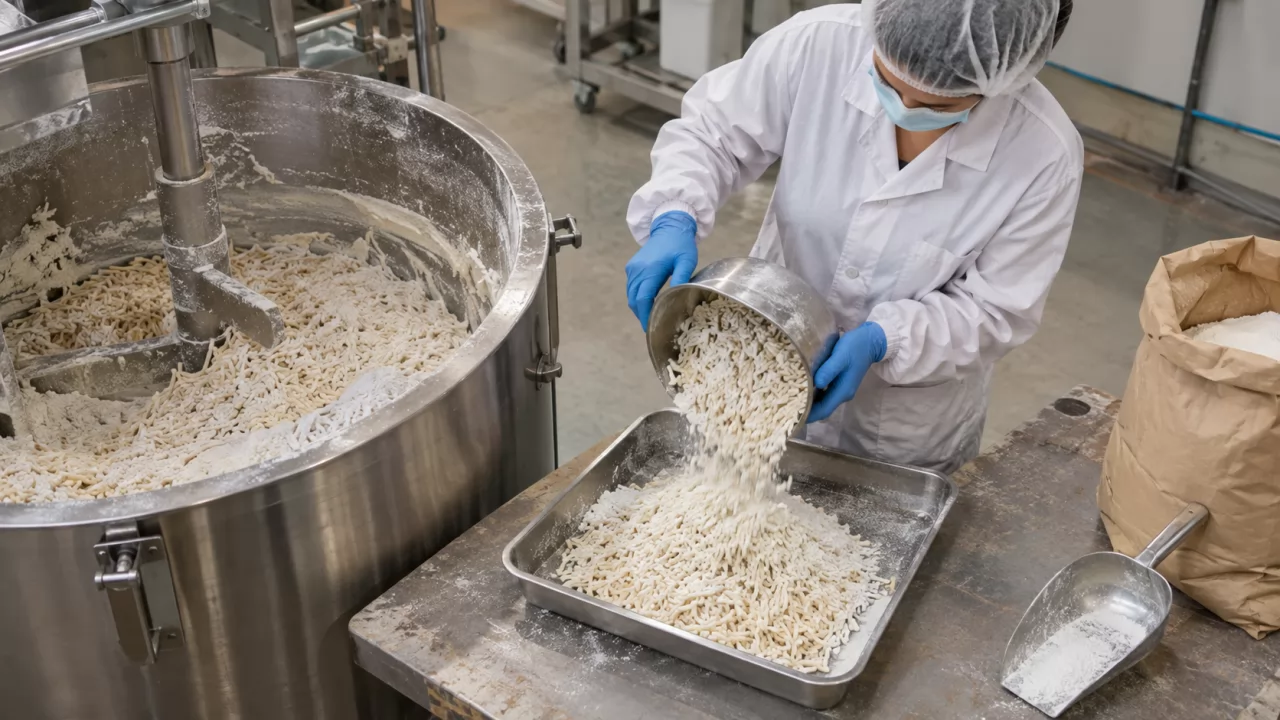
Binders and fillers give the bar its shape and plasticity. Typical examples include stearic acid, fatty alcohols, starches and waxes. Expect a trade-off: a milder system often lathers less or presses less firmly, and a harder bar can feel drier. Ask the factory to explain where your target sits.
The materials confirm that sulfate-free, vegan, cruelty-free and natural ingredient options are available, along with regular, extra-strength, menthol-infused, organic or custom formulas. Confirm the exact INCI list at the formula stage.
Shape, size, scent, color and finish
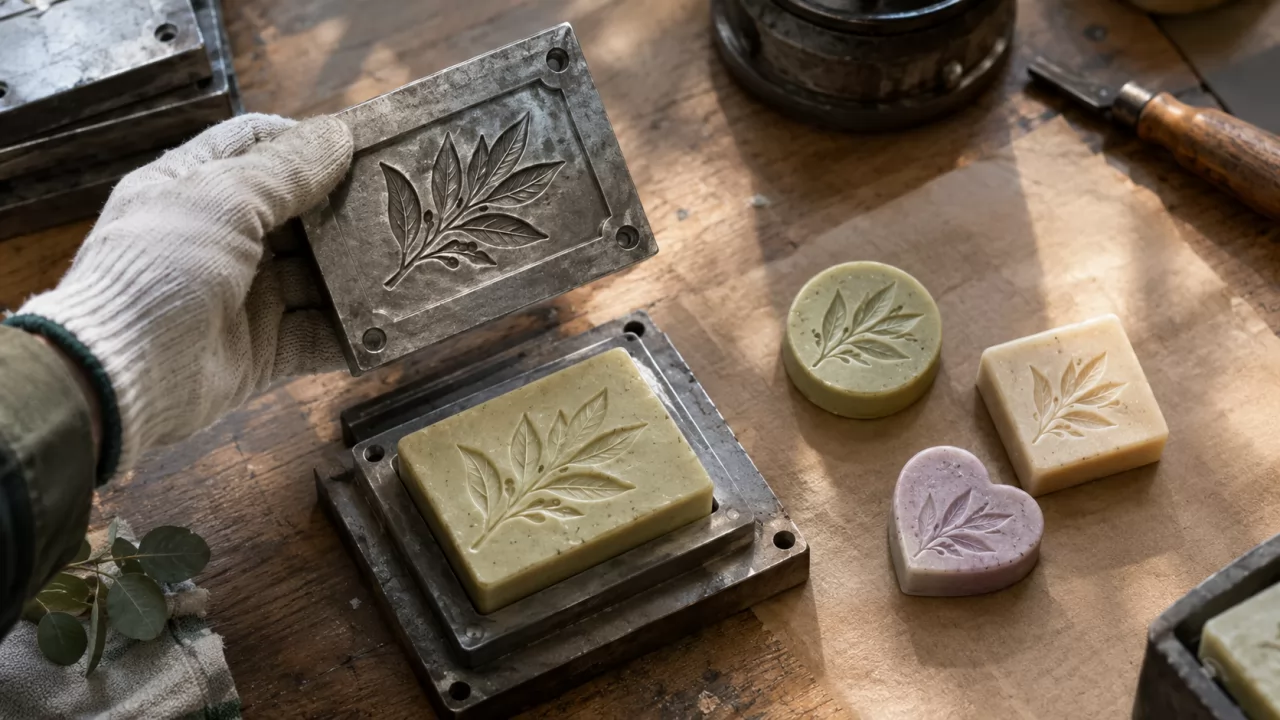
Confirmed customization covers round, square, heart, tablet or custom shapes, in standard or custom sizes. Scent can be an essential oil blend or a custom fragrance. Color can be single, multi-color or custom, using skin-safe pigments.
Custom shapes need a mold or stamping die, so decide early. Fragrance and color also interact with stability, which is why they belong in the first brief rather than a late change.
Packaging and labeling
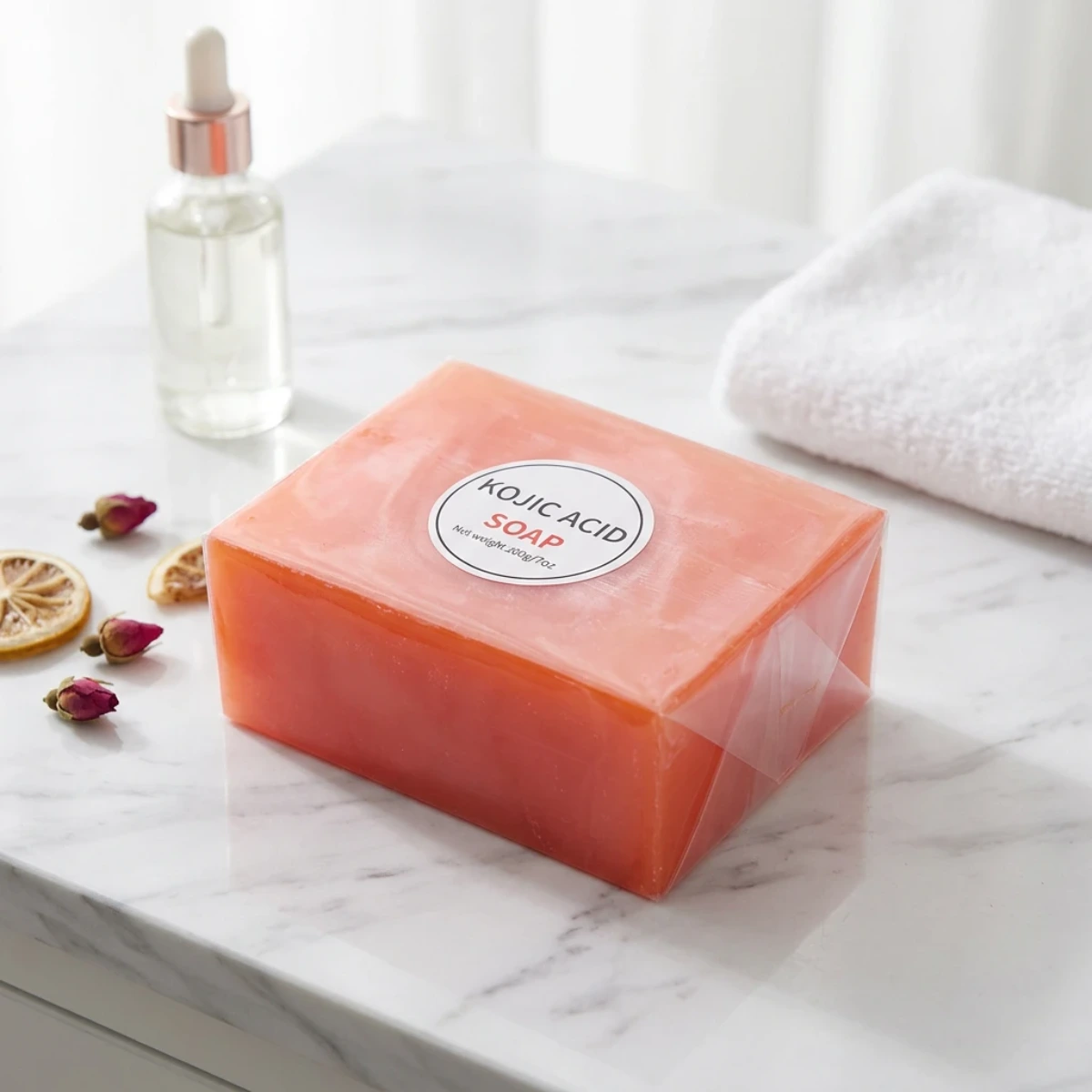
Individual wrapping can be shrink wrap, foil or biodegradable film. Multi-pack options include box, jar or resealable pouch, and custom palletization is available. Custom label printing is offered in matte, glossy or metallic finishes with your logo, designs and colors.
How to Find a Syndet Soap Bar Manufacturer That Can Actually Make Your Product
To find a syndet soap bar manufacturer, screen for syndet-specific capability first, because many soap factories only run cold process or melt-and-pour. Then check forming equipment, formulation depth, certificate scope and sample handling. Use the list below as a quick screen.
- Syndet capability: Ask for syndet or pressed beauty bars they have made, not only cold process or melt-and-pour.
- Forming and stamping equipment: Pressed bars need suitable stamping machines and dies; ask what is automated.
- Formulation depth: Check whether chemists can adjust the surfactant system, not just swap fragrance.
- Certification scope: Confirm which site and product categories each certificate covers.
- Sample turnaround: Ask how long a first sample takes and how revisions are handled.
- Communication and testing support: Look for clear answers on technical questions and help with documentation.
Red flags on supplier pages
- Generic catalogs: Long product lists with no formulation detail.
- No formulation discussion: Every question is answered with a price, not a spec.
- Vague certificates: Logos with no scope, number or issue body.
- Document refusal: Reluctance to share a COA, MSDS or audit report.
Where Poleview fits against these criteria
Poleview Group was established in 1995 and operates a 40,000 square meter factory with over 200 employees. It runs over 20 production lines and holds more than 3000 formulations. The dust-free workshop uses automatic stamping, filling, labeling and packing machines, and the group says it is trusted by more than 500 brands.
Its listed range includes bar soap, soap base, shampoo and conditioner bars and body care. Ask directly for syndet bar examples and the exact formulation approach as part of your RFQ.
Which Certifications and Documents Should You Request From a Syndet Bar Supplier?
Request GMP-type evidence such as ISO 22716, plus audit and social compliance reports, COA, MSDS and stability data. Then check your target market's own cosmetic rules, because a factory certificate does not replace market compliance. Ask for scope and validity on every document.
What the factory holds and can provide
Poleview lists ISO 22716 (also shown as ISO 22716-2007), GMPC/GMP, SMETA/Sedex audit certification, SGS and ISO 9001-2008. It also lists TRA and FSC. Available documents are the Audit Report, MSDS, COA and Stability Report.
FDA is listed on the website, but registered or tested status is not specified. Confirm what it means for your product in the RFQ before you rely on it.
Market compliance is your responsibility to plan
The EU, UK and US each regulate cosmetics differently. In general terms, expect requirements around a responsible person or registration, a product safety assessment and labeling rules. Requirements change, so check current rules for your market.
Check claims such as "pH-balanced" and "sulfate-free" against the formula and the test documents. Keep skin-safety wording cautious, and avoid medical or treatment language.
What Does the Private Label Process Look Like, and How Long Does It Take?
Poleview's customization runs in six steps: inquiry, design, sampling, production, inspection and delivery. Standard MOQ is 1,000 units, flexible depending on customization, and production lead time is 15-30 days depending on order quantity and customization.
- Inquiry: You share requirements and specifications.
- Design: The team prepares drafts and 3D renders for approval.
- Sampling: Physical samples are made for you to check.
- Production: Mass production with in-process quality checks.
- Inspection: 100% final inspection before packaging.
- Delivery: Safe packaging and global shipping.
Sampling, stability and patch-test planning
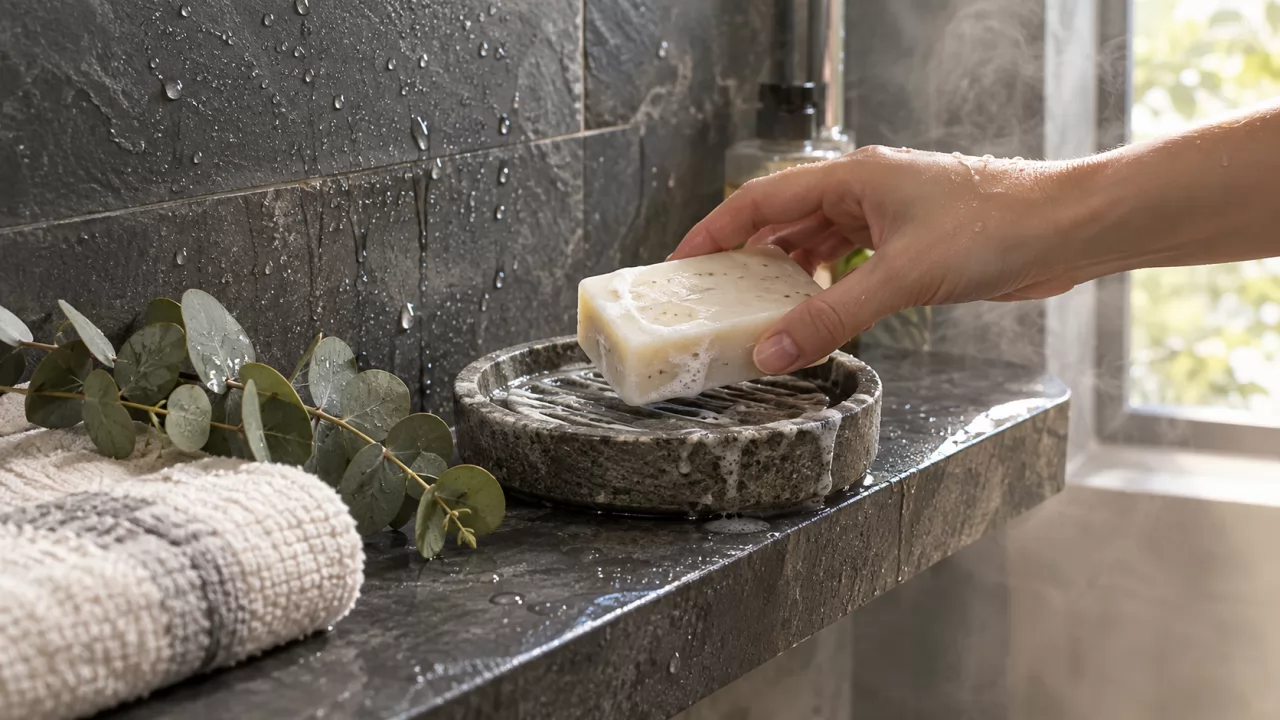
Free samples are available. When one arrives, check hardness, cracking, mush after sitting in a wet soap dish, scent stability and color bleed. Test it in your own conditions, including water type.
Ask for the stability report and plan your own safety assessment and patch testing through qualified labs for your target market. This article makes no safety claims about any specific bar.
Cost drivers and shipping terms
Cost moves with surfactant grade, fragrance, custom molds, packaging and order size. Custom shapes and complex packaging add more than a simple round bar in a plain wrap.
Shipping can be FOB, CIF or direct airport delivery, with worldwide shipping. Large orders can ship directly to Amazon FBA warehouses.
Common Pitfalls in Syndet Bar Sourcing and How to Avoid Them
- Treating a syndet like cold process soap: The two behave differently in water and storage. Brief the factory on the actual product type.
- Approving a sample but not a production batch: Ask for a pre-shipment check and clear inspection terms.
- Unsupported claims: Match every claim to a formula or document before printing.
- Ignoring mold lead time: Custom shapes need tooling, so build it into your schedule.
- Skipping stability: Request the stability report before committing to volume.
- Reformulating after packaging is final: Freeze the INCI list before artwork goes to print.
Pre-Order Checklist for Your Syndet Bar Supplier
- Confirm the written spec sheet with the factory.
- Review the full INCI list.
- Agree the pH target and how it is measured.
- Collect the COA, MSDS, audit report and certificates.
- Approve a physical sample.
- Obtain the stability report.
- Sign off the packaging proof.
- Define inspection terms for the production batch.
- Confirm the Incoterm and delivery route.
- Check market compliance and claim wording for your target country.
Short Glossary: Syndet Terms You'll See in Quotes and Specs
- Syndet — a cleansing product based on synthetic surfactants instead of saponified fats.
- Surfactant — an ingredient that lowers surface tension so oil and dirt can be rinsed away.
- INCI — the International Nomenclature of Cosmetic Ingredients, the standard naming system for ingredient lists.
- pH — a scale of acidity and alkalinity, where lower values are more acidic.
- Sulfate-free — a formula that excludes sulfate surfactants such as sodium lauryl sulfate.
- Melt-and-pour base — a remeltable soap or glycerin block poured into molds.
FAQ
Is a syndet bar the same as a soap-free cleansing bar?
Usually yes, though usage varies. "Soap-free" generally describes a bar without saponified fats, which is what a syndet is. Check the INCI list rather than relying on the name.
Can a syndet bar OEM supplier make a sulfate-free beauty bar?
Yes, in general, depending on the surfactant system. Sulfate-free options are available in the materials. Confirm the spec and the lather and hardness trade-offs at the formula stage.
What MOQ should I expect for a private label syndet bar?
Standard MOQ is 1,000 units. It is flexible depending on the level of customization.
Do I need to patch-test before launch?
Plan on safety assessment and testing through qualified labs, following the rules of your target market. Requirements differ by country, so confirm them before launch.
Start Your Syndet Bar Project
Send your spec, target quantity and target market to [email protected] or WhatsApp +8615819872310 (Grace), and ask for a free sample. The factory is at 3-5F, Building A, No. 3-1, Xinhu Road, Ma 'an Town, Huicheng District, Huizhou City, Guangdong Province, China. Technical support, plus product efficacy and design support, is available.