
An antibacterial claim printed on a soap bar can cost a brand its marketplace listing or its access to a market if the formula and the paperwork do not back it up. Choosing a custom antibacterial soap manufacturer is therefore as much a claims and documentation decision as a formula decision. What follows covers formulas, claim wording, documents, supplier selection and the ordering sequence.
What Does a Custom Antibacterial Soap Manufacturer Do Beyond Pouring the Base?
A custom manufacturer's scope runs from formula development through to a finished, labelled and packed bar. Your responsibility starts at the claim: the factory can make a bar to a specification, but deciding what the label says and whether it is permitted in the destination market stays with the brand.
In practice the work covers formula selection or adjustment, scent and colour matching, shaping or cutting, stamping, wrapping, labelling, carton packing and final inspection. A good supplier will also tell you when a requested combination is unstable, for example a fragrance load that sweats on the surface or a colourant that migrates into the wrapper.
OEM, ODM and private label: where the formula comes from
Under OEM, you supply the formula or a detailed specification and the factory produces to it. Under ODM, the factory offers an existing formula from its library, and you adjust scent, colour, shape and packaging. Private label is the commercial result of either route: the bar carries your brand.
Ask in writing who owns a bespoke formula afterwards and whether the factory may sell the same base to others. With ODM, the answer is usually that the base is shared and only your fragrance, design and packaging are exclusive. That is acceptable for most brands, but you should know it before you build a positioning around "our formula".
Bar formats: cold process, melt-and-pour, and milled
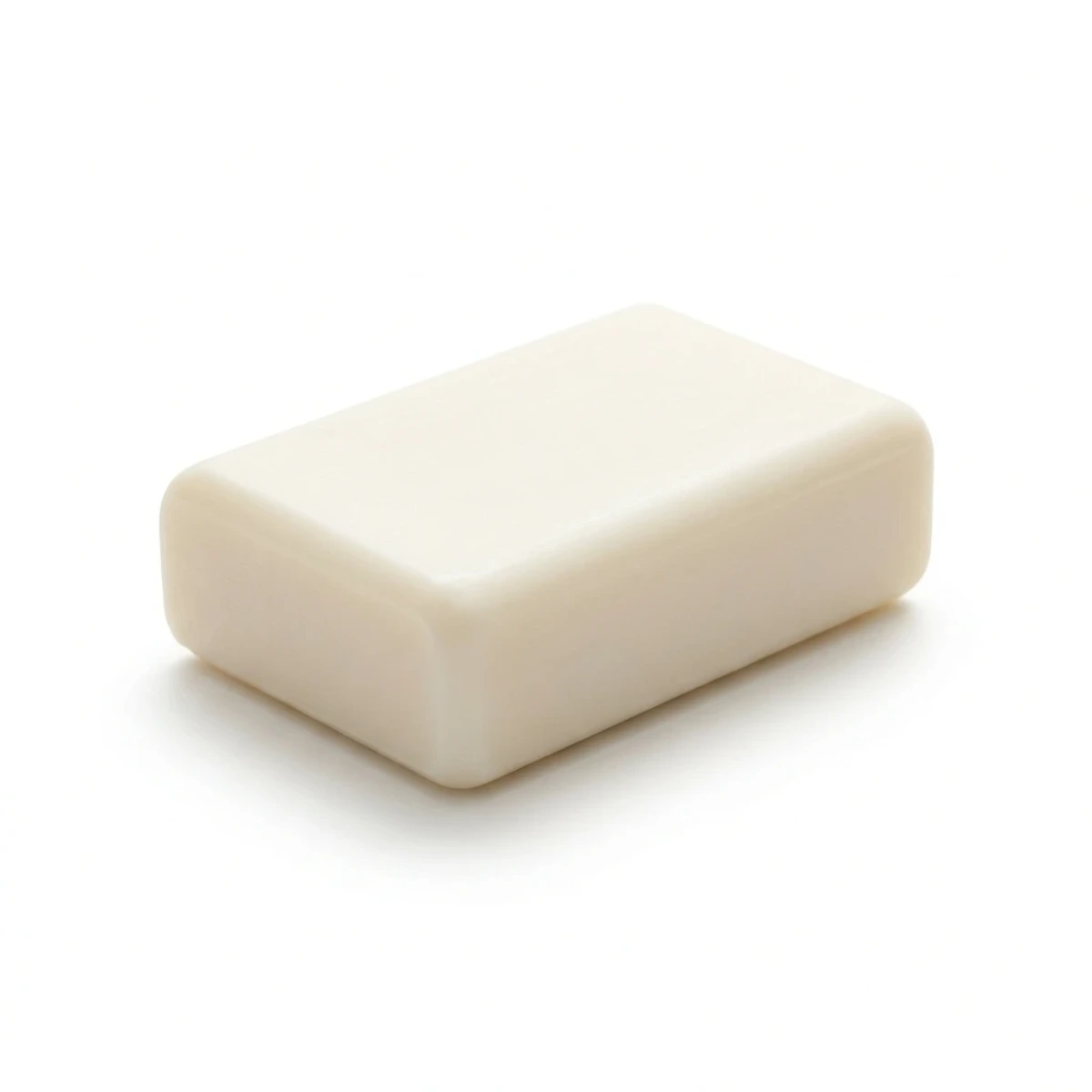
Cold process soap is made by saponification: oils react with lye, then the mass is poured, cut and cured for several weeks. The result is a handmade look, but curing adds time and batch-to-batch variation in colour and texture is greater. Melt-and-pour starts from a ready soap base, such as glycerin or goat milk base, which is melted, scented, coloured and moulded. It is quick, flexible for shapes and easy to customise, though the bars are often softer and can sweat in humid conditions.
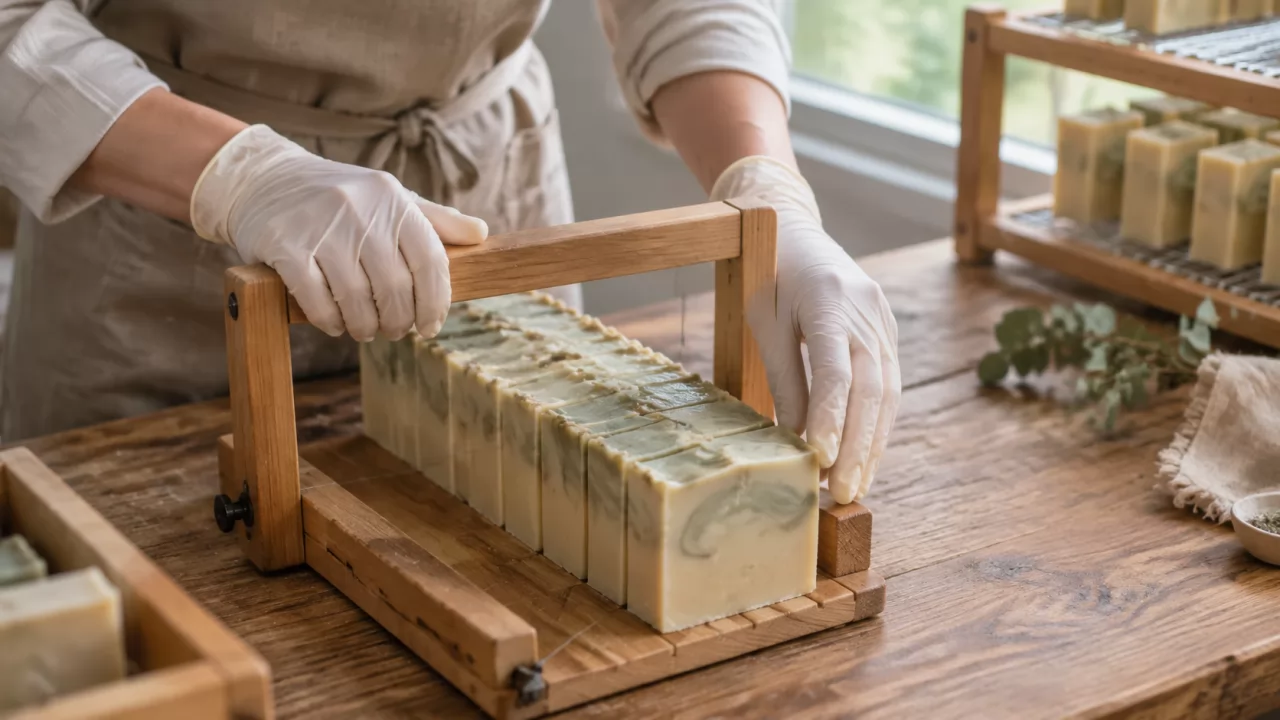
Milled soap is processed through mills and plodders and then stamped, which gives a dense, uniform bar and tidy embossing. Tooling for custom stamps costs time and money up front. Choose the route first, because it fixes curing time, shape freedom and which actives can survive the process.
"Antibacterial" is a claim, not an ingredient
The word on the label decides which rules apply, more than any single ingredient in the formula. A bar with a conventional active and no claim can sit under cosmetic rules, while a plain bar that says "kills germs" may be treated as a different product category altogether. Settle the claim first and let the formula follow.
Active ingredients versus natural-positioned formulas
Conventional antibacterial soaps rely on a dedicated antimicrobial active. The permitted list differs by market and has changed over time, and some actives once common in consumer soaps have been restricted or removed in some jurisdictions. Do not assume an active that was acceptable in a competitor's older product is acceptable now.
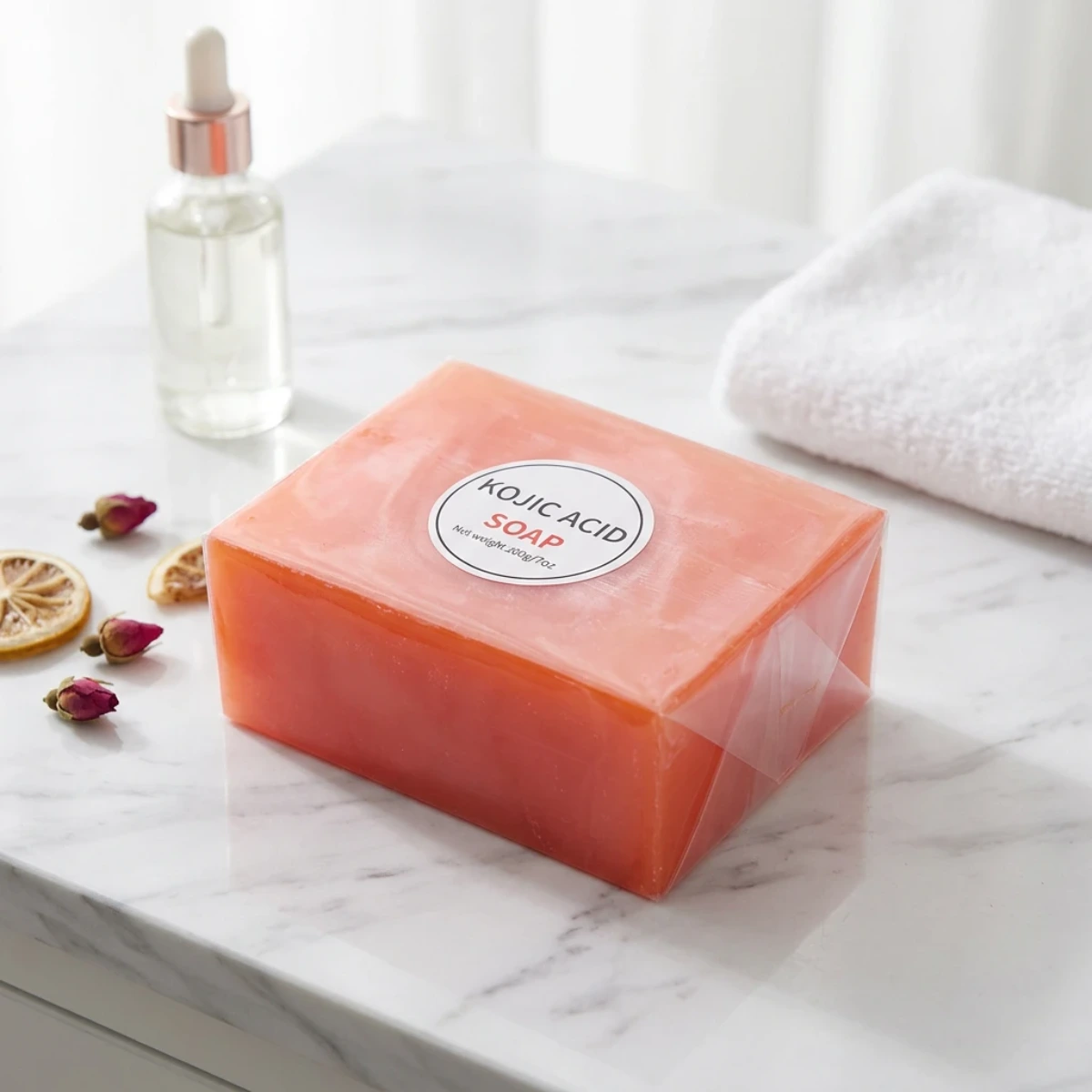
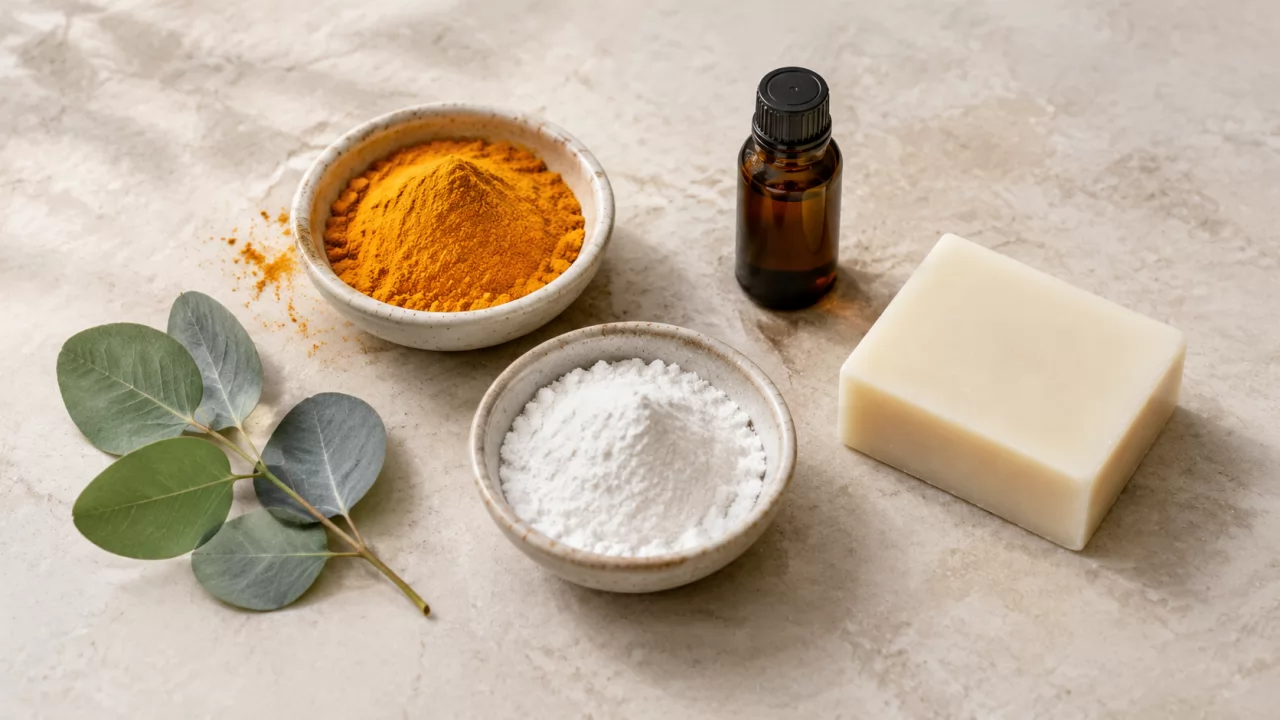
Natural-positioned formulas lean on ingredients such as essential oils, turmeric or kojic acid. These are generally treated as supporting or skin-care ingredients, not as proven germ-killing agents, and a supplier should not present them as equivalent to a recognised active. Some buyers still want them for positioning, and that is fine, provided the wording on the pack stays within what the ingredients can be documented to do. Essential oils also raise a tolerance question: fragrance allergens must be listed under many cosmetic regimes once above set thresholds, so ask for the full INCI (International Nomenclature of Cosmetic Ingredients) list early.
How claim wording changes the regulatory route
Depending on the market, an antibacterial claim can move a soap out of ordinary cosmetic regulation and into drug, over-the-counter or biocidal-product rules, each with its own approval, testing and labelling demands. Milder wording such as "cleanses" or "for fresh, clean skin" usually stays on the cosmetic side, though even that depends on the authority. Rules differ between the EU, the UK, the US, Gulf states and Southeast Asia, and they are revised, so confirm against the destination market's current rules or with a regulatory adviser before you commit to artwork.
One trap: a claim that appears on the listing page, in a video or in a bullet point counts as a claim too. Regulators and marketplaces read the whole presentation, not just the front of the wrapper.
Skin tolerance and patch testing
A stronger positioning invites more scrutiny of skin compatibility, because soaps for frequent use contact skin repeatedly. Ask the supplier what safety assessment sits behind the formula, whether a human patch test or dermatological evaluation has been run on the finished bar or a close analogue, and who ran it. If testing is on a similar formula, ask what differs from yours, since changing the fragrance or adding an extract can change the result.
Patch testing indicates tolerance in the group tested. It does not prove a bar is suitable for every skin type, and your label should not imply that. Agree the claim wording before the formula is locked, not after the packaging is printed, because reworking a claim after printing means new artwork, new cartons and sometimes a retest.
Standards, test reports and paperwork to request
Ask for two groups of documents and keep them apart. The first group shows the factory's process is controlled; the second shows the product supports the claim. A certificate for the first does not substitute for evidence for the second.
For process, the relevant standard is ISO 22716, the international guideline on Good Manufacturing Practices (GMP) for cosmetics, covering premises, personnel, raw materials, production, labelling and complaint handling. Social-compliance audits such as SMETA (Sedex Members Ethical Trade Audit) cover labour and ethical practice rather than product safety, and an audit report is worth reading rather than just filing. For the product, request the MSDS (material safety data sheet), the COA (certificate of analysis) for the batch or reference lot, and a stability report showing how the bar holds up over time in its pack. For any actual antibacterial claim, request efficacy evidence appropriate to the market, and check who issued it, when and on which formula.
Check every document against your destination market. Some markets expect a product information file and a responsible person, and a document that suits one authority may not satisfy another. Check dates too: a stability report on a superseded formula is of little use.
How do you choose an OEM antibacterial soap supplier?
Choose a supplier by the depth of its formulation work and the evidence it can show for your claim, then by how it controls quality, handles samples and fits your volume. A low unit price rarely makes up for a formula that cannot support your wording or a factory that cannot document it.
Weigh the criteria roughly in this order. Formulation depth decides most outcomes: a larger formula library means less development from scratch and more chance of a close match. Claim-support documents come next, because they determine whether you can sell at all. In-process QC and final inspection follow, since variation in weight, colour and fragrance is what generates complaints. Sample discipline matters more than it seems: a supplier whose approved sample and production bulk differ will cost you reviews. Packaging options, communication speed and fit for your volume come after those. Rule of thumb: if a supplier cannot show documents for the claim you want, treat the formula as unproven, whatever the sample smells like.
The table below sets out what to check and what a good answer looks like.
| Item | What to look for |
|---|---|
| Formula library | Several base options with full INCI lists, and a clear statement of which are ODM and which can be adjusted |
| Documentation | MSDS, COA, stability report and audit report supplied on request, matching your formula |
| QC and inspection | Checks during production and a final inspection step, with records you can ask to see |
| Customization range | Shape, size, scent, colour and wrapping options stated, including what needs new tooling |
| MOQ flexibility | A stated standard minimum and an honest account of how customization moves it |
| Shipping terms | Clear FOB, CIF or airport options and experience with your delivery destination |
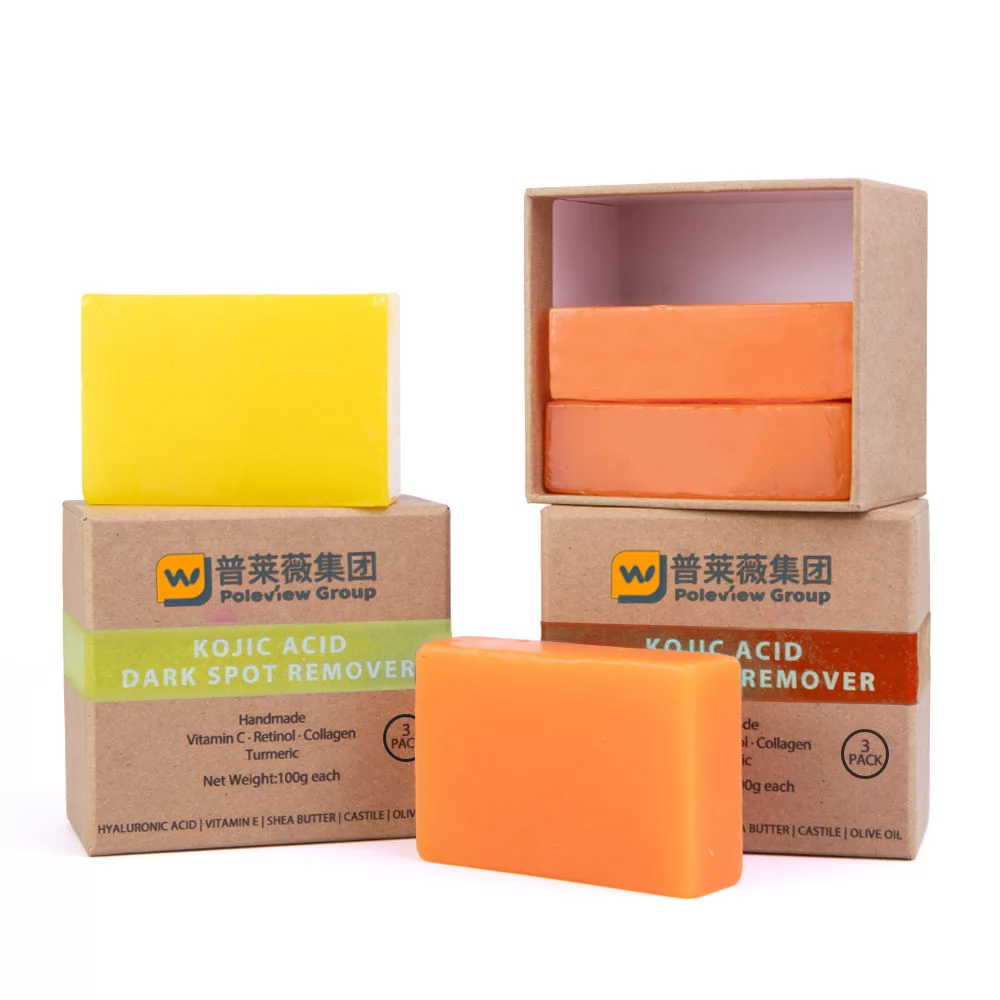
On the formula-library row: Poleview lists antibacterial bar soap among its products and works from more than 3,000 formulations, which gives an ODM brief a starting point to adjust rather than a blank page.
From brief to delivery: process, MOQ and lead time
Customization at Poleview runs in six steps: inquiry, design, sampling, production, inspection and delivery. In the inquiry you share requirements and specifications. In design, drafts and 3D renders go to you for approval. Sampling produces physical samples to check. Production is mass manufacturing with in-process quality checks, followed by 100% final inspection before packaging, and then safe packaging and global shipping.
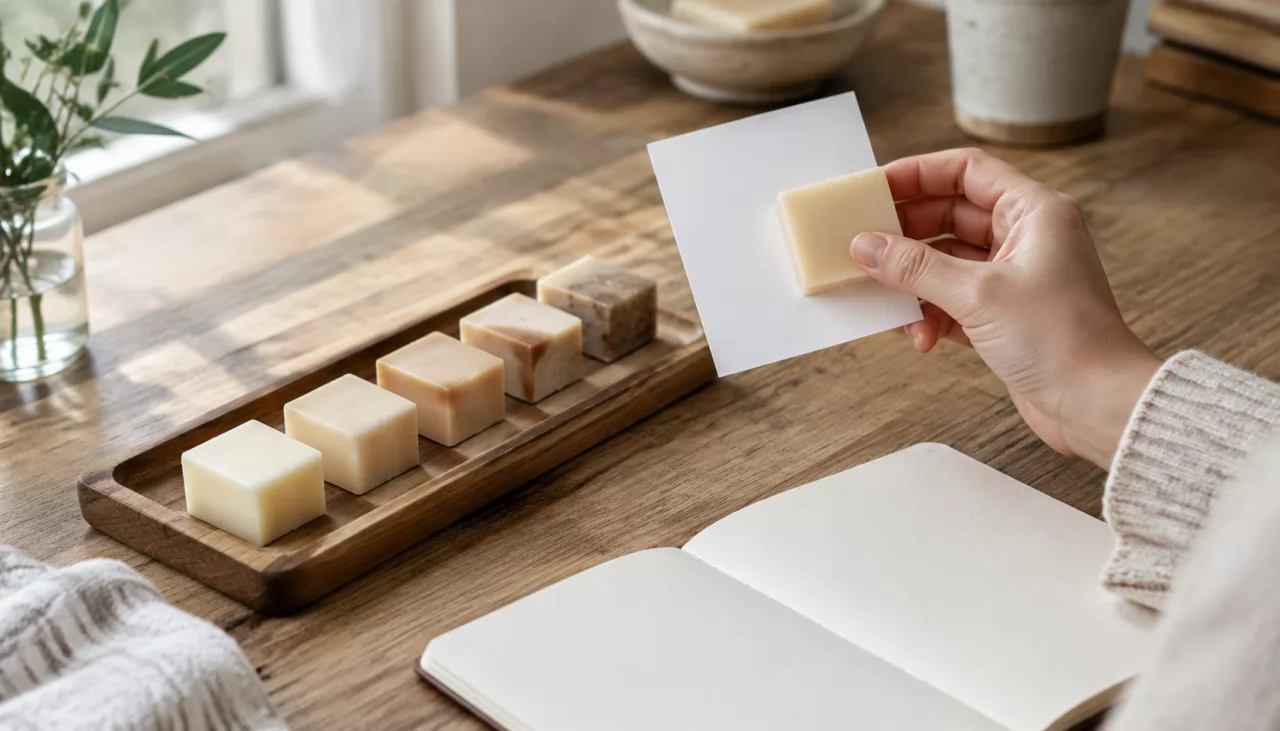
Time is usually lost in two places. One is sampling, where each round of scent or colour changes adds days, and the other is approval of artwork when the claim wording is still being argued. Hold claim and artwork decisions before the first sample ships, and rounds stay short.
How to start an antibacterial soap brand with a manufacturer
A first-time brand can follow a short sequence: write the brief, decide the claim, run sample rounds, finalise pack design, then place the first run. The standard MOQ is 1,000 units, and it can flex with the level of customization, so a simple scent change on an existing base sits differently from a new mould. Production lead time is 15 to 30 days depending on quantity and customization, and that figure excludes sampling and shipping.
Before sending an RFQ, check that you can answer these questions:
- Which market will the bar be sold in first?
- What exact claim wording do you intend to use?
- What bar weight and shape do you want?
- Which fragrance, colour and ingredient restrictions apply?
- Which packaging format and which documents do you need?
- What order quantity and Incoterm are you planning for?
Amazon listings add their own packaging and paperwork rules
Sellers of wholesale antibacterial soap bars for Amazon need to settle four things before the first run. The first is claim wording that passes marketplace review, since marketplaces apply their own policies on top of national law and may ask for documents on products with germ-related claims. The second is barcode and label requirements: each unit and carton generally needs a scannable code that matches the listing, and outer cartons need readable labels.
The third is carton and pallet preparation, including carton strength, weight limits and how bars are protected from moisture and scuffing in transit. The fourth is delivery: large orders can be shipped directly to Amazon FBA warehouses, which saves a handling step but means labelling must be right before the cartons leave the factory. Marketplace category policies change, so check the current rules for soap and personal care before you finalise packaging.
FAQ
Can a natural antibacterial soap carry an antibacterial claim?
Only if the evidence and the market's rules support it. Essential oils, turmeric and kojic acid are generally treated as supporting ingredients, so natural-positioned wording is safer than a germ-killing claim.
What is the usual MOQ and lead time for a private label body soap?
The standard MOQ is 1,000 units, flexible with the level of customization. Production lead time is 15 to 30 days, depending on order quantity and customization.
Can I get a sample before committing?
Yes, free samples are available. Approve the sample against your claim and artwork, and confirm in writing that bulk production will match it.
Which documents come with an order?
Available documents are the audit report, MSDS, COA and stability report. Ask which of them match your specific formula, and note that none of them replaces claim-specific evidence for your destination market.
For sample options, send your answers to the pre-RFQ questions to [email protected] or WhatsApp +8615819872310 (Grace), and our team will reply with what can be matched from existing formulas. Your next question will probably be how the first sample compares with the claim you want to make, so bring that wording with you.