
No industry body publishes one standard for handmade soap, so "standard" really means a set of ranges you fix in your own spec sheet. Two suppliers can both quote a "100 g natural bar" and ship products that feel nothing alike. The decisions below run in the order that limits the next one: process, size, ingredients, curing, documents, packaging, and finally the order terms.
Which Soap Process Fits Your Line
Cold process soap is made by mixing oils with an alkali solution and letting the mixture saponify in the mold. Melt-and-pour starts from a ready-made base that is melted, scented, colored and poured. Your choice sets the limits for shape, cure time, texture and what the label can say.
Cold process versus melt-and-pour
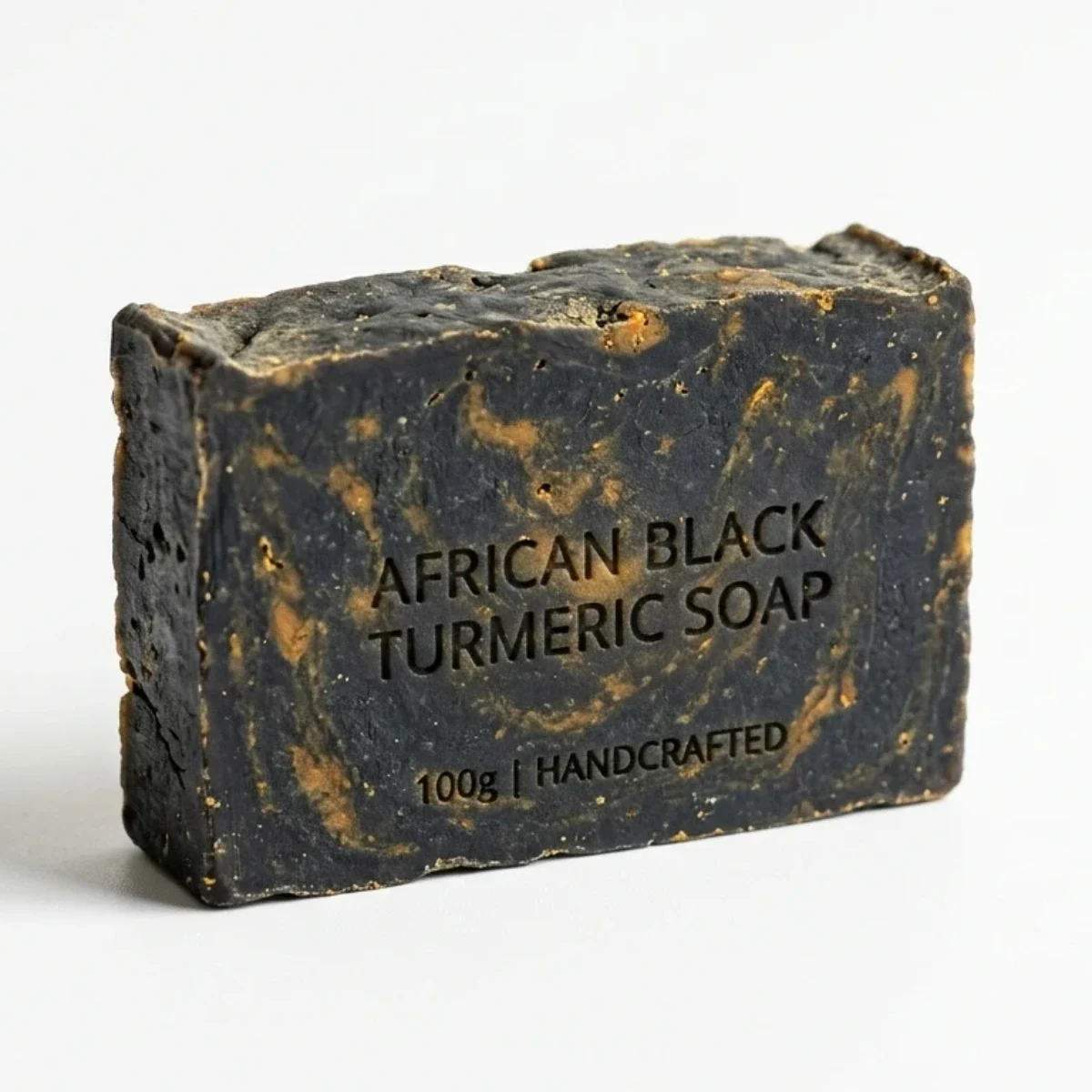
Cold process bars usually look denser and more rustic, with natural variation in surface and color. They are cut from a loaf or poured into individual molds, which limits shape freedom but suits the classic rectangular bar. Expect weeks of curing.
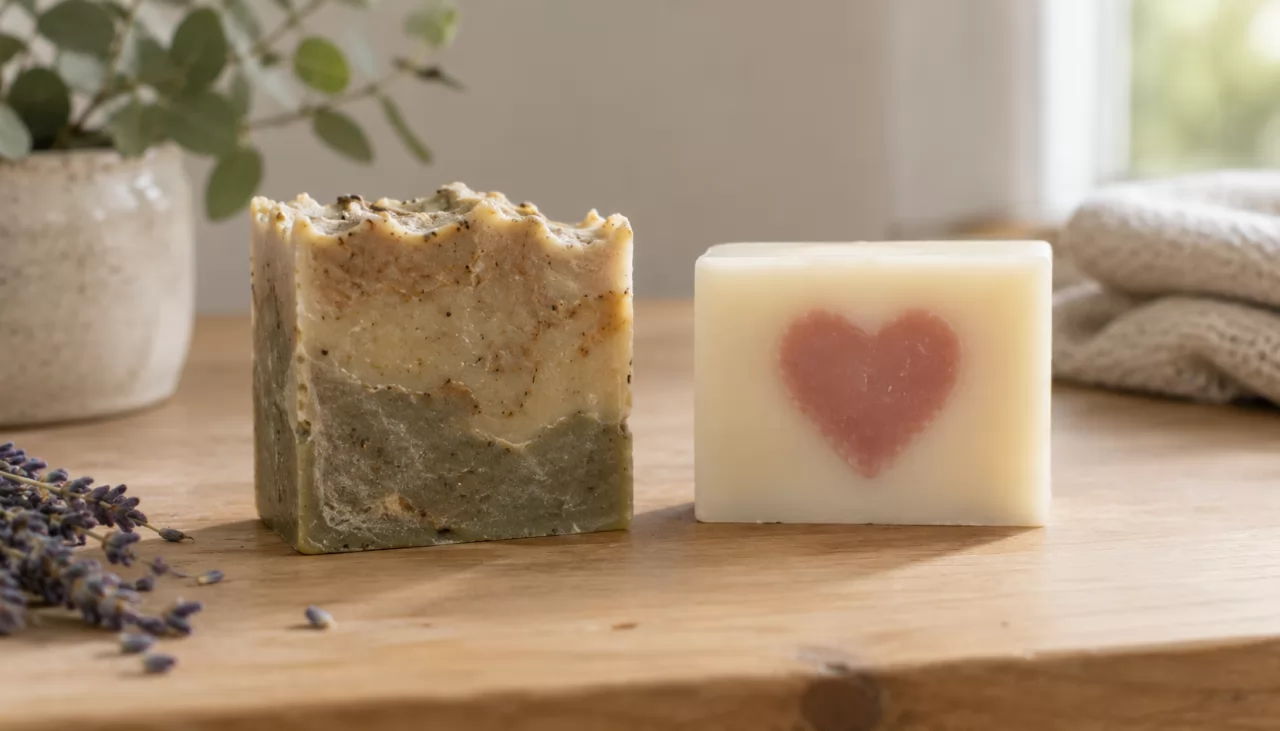
Melt-and-pour is faster and allows sharper detail: hearts, embedded objects, clear or layered colors. The trade-off is that the base is already processed, so your formula has less room to differ from competitors. Some bases also sweat in humid conditions, which matters on long sea freight.
Scent hold varies in both. Fragrance type and load matter more than the method, so write the fragrance into the spec instead of assuming one process holds it better.
Natural and specialty bars
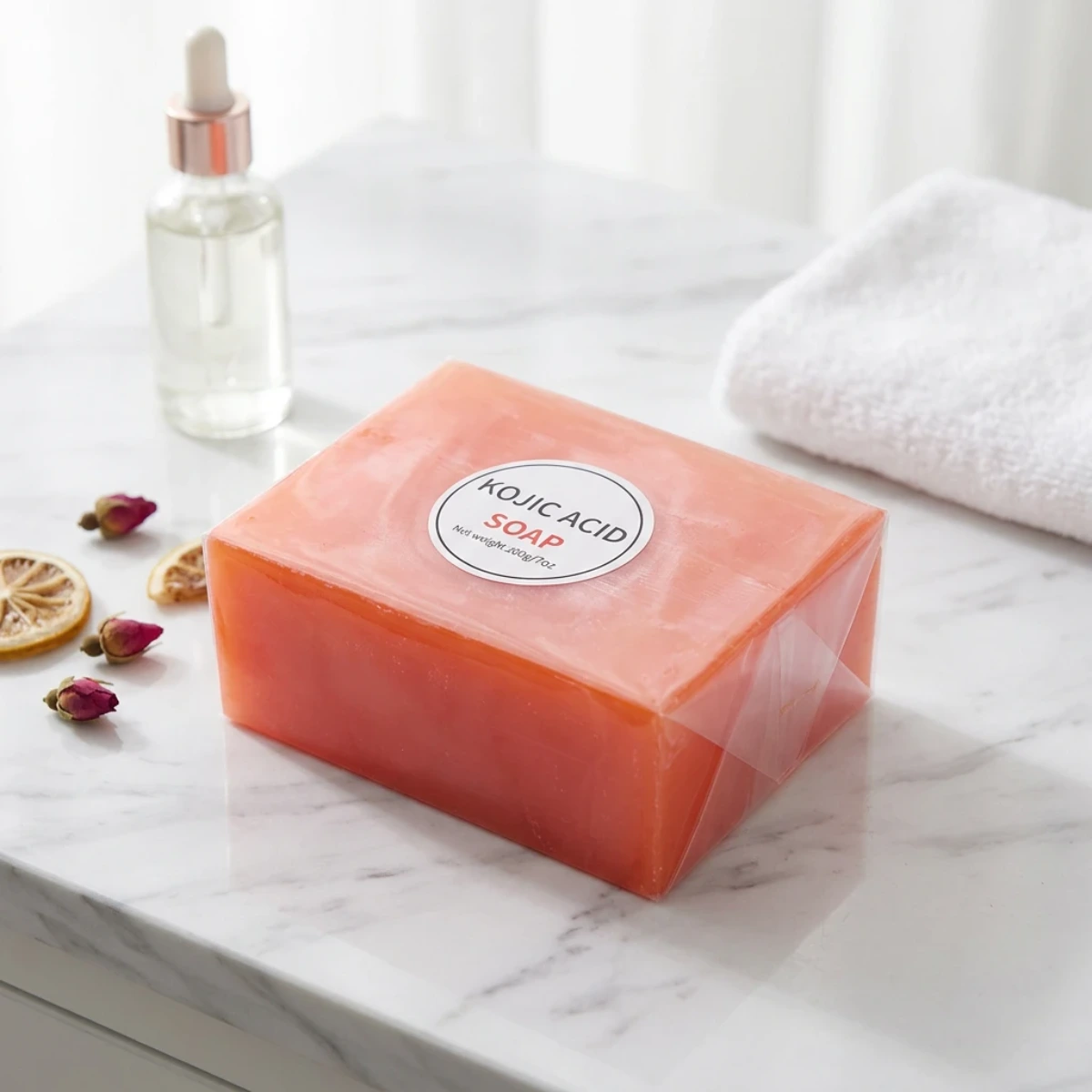
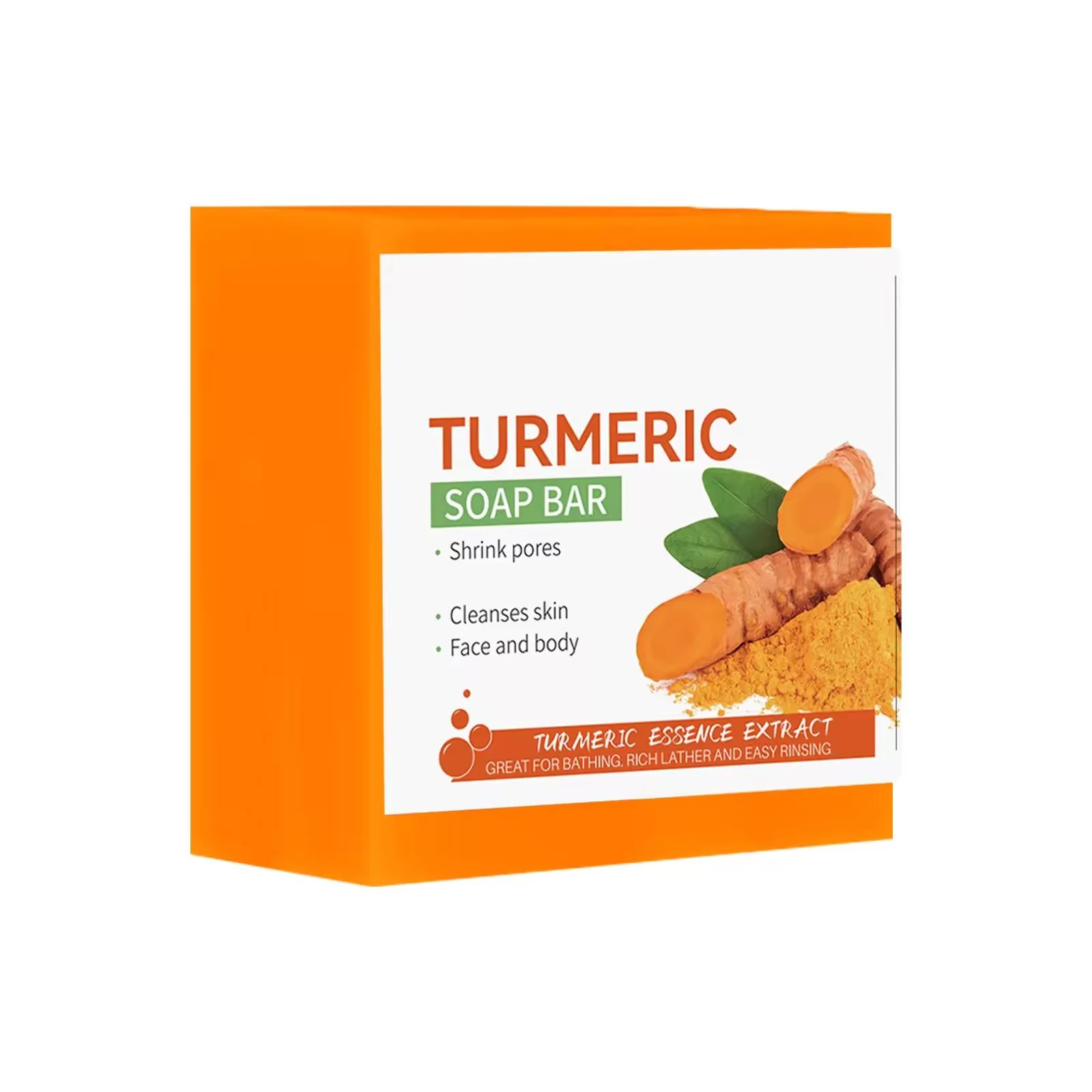
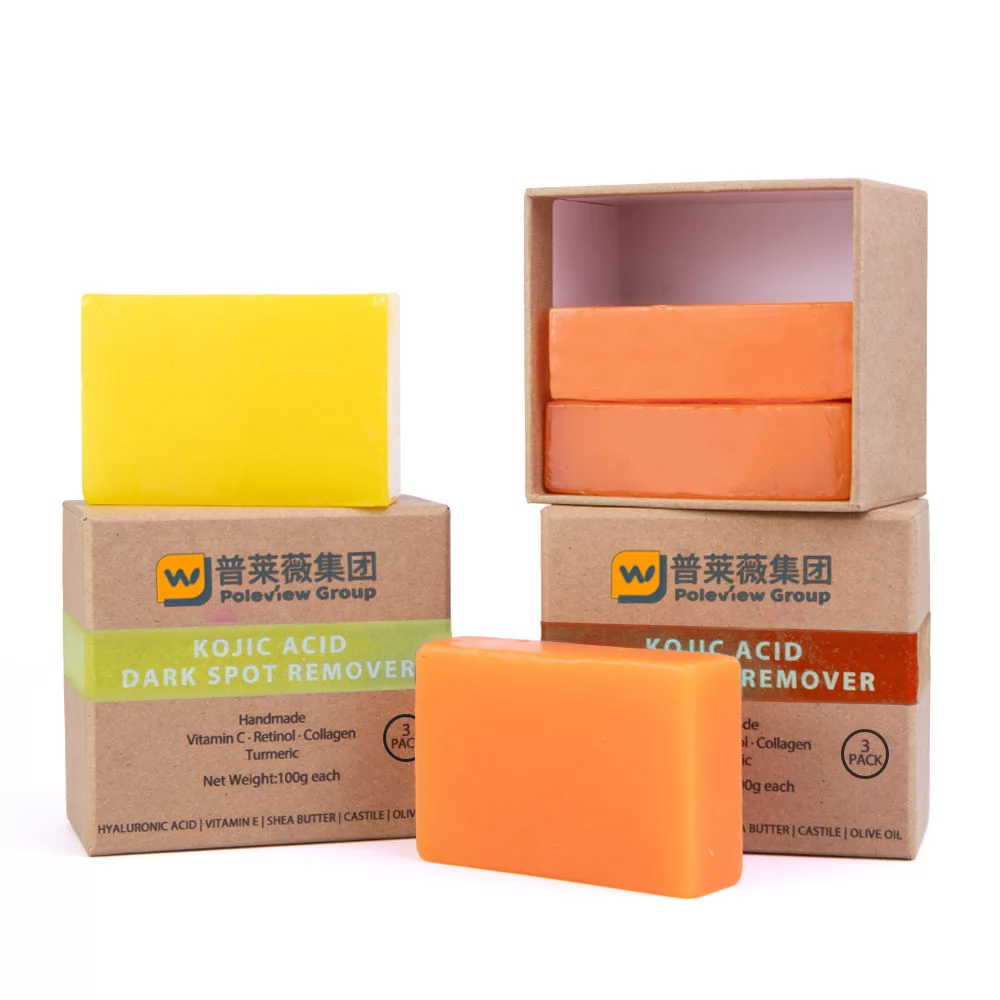
Goat milk, turmeric, kojic acid, exfoliating and antibacterial bars all start from one of those two processes, and each additive changes something. Goat milk can darken a bar and affects the heat during saponification. Turmeric can stain washcloths and shift color between batches. Ground botanical exfoliants alter surface texture, and they can make cutting uneven.
Kojic acid and antibacterial bars are the sensitive ones. Labeling depends on how the destination market classifies the claim, and some markets treat an antibacterial claim as a drug or biocide matter rather than a plain cosmetic. Settle the claim before you settle the formula.
What Are Typical Handmade Soap Dimensions and Weight?
Handmade soap bars typically weigh roughly 80 g to 150 g, with 100 g to 120 g a common retail middle. Dimensions follow the mold, so there is no fixed size. What you control is a target weight, a mold footprint and an allowed tolerance.
Weight bands and retail positioning
Smaller bars of around 60 g to 90 g suit hotel-style, gift-set and sampler formats. Mid-range bars sit in the standard retail position, and anything heavier reads as a value or "large format" line.
Weight drives freight more than most people expect, since soap is dense. A heavier bar raises cost per carton and can push a parcel into a higher courier band. Work out landed cost per bar, not just ex-works price per bar.
Tolerance and cut variation
Handmade bars lose water as they cure, so weight at cutting is higher than weight at shipping. Loaf-cut bars vary in thickness with the blade and the operator. Individually molded bars vary less but still shrink slightly.
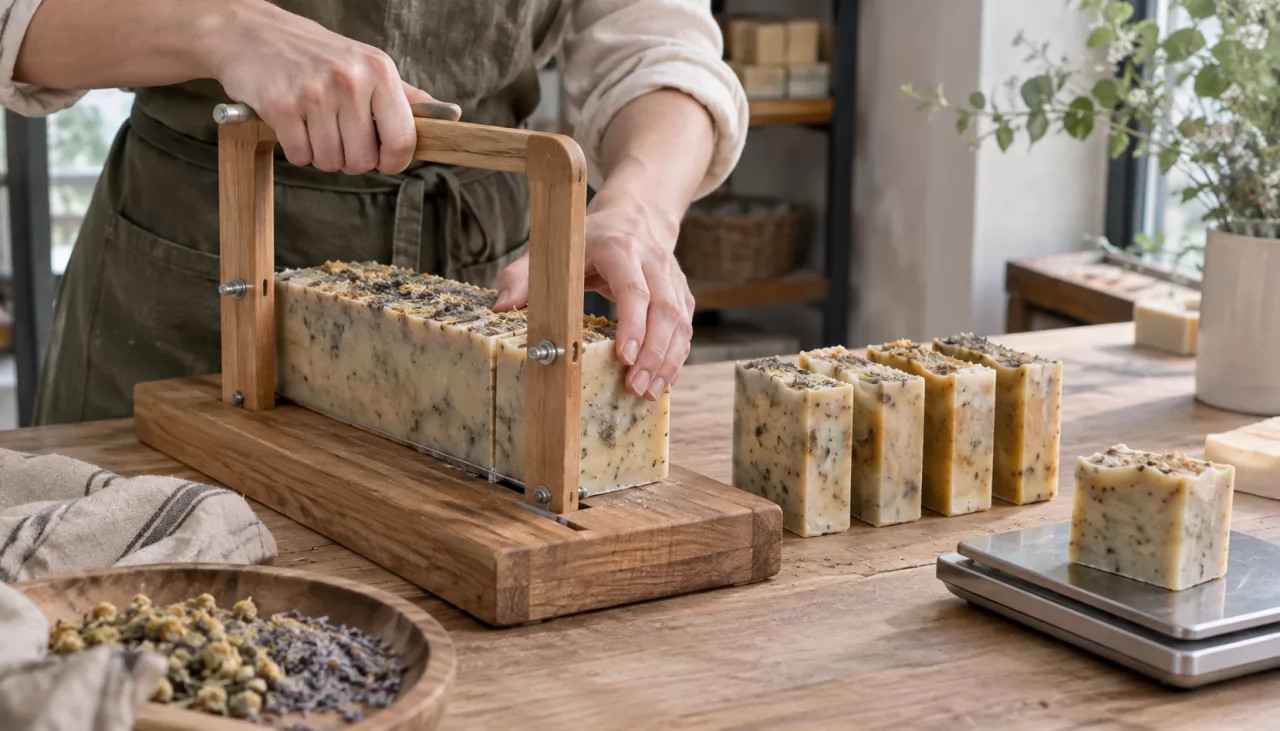
Write the weight as a net target at a defined point, such as "net weight after curing", with a plus-or-minus tolerance. A tighter tolerance usually means more rejects or more trimming, and that shows up in the price. Ask what the supplier actually achieves before demanding a figure.
State the label weight against the true minimum, too. Your destination market may have rules on declared net quantity, so set the label below the lowest acceptable bar, not at the average.
Soap bar size and shape options
Round, square, rectangular and heart shapes are common, and custom molds are possible. Rectangular and square bars pack tightly and waste little carton space. Round bars leave gaps and need more filler or larger boxes.
Heart and other custom shapes look good on a shelf, but their thin edges chip in transit. Custom molds also add tooling cost and a minimum run. If the bar will be shrink-wrapped or boxed, check that the film suits the shape, since sharp corners tear thin film.
Which Ingredients Belong on the Spec Sheet
Consistency across batches comes from naming ingredients by function and allowed substitution, not from a marketing description. "Natural soap" tells a factory nothing it can test against.
Start with the base oils. List them (olive, coconut, palm-derived or palm-free fats) and state whether substitutions need your approval. The oil blend sets hardness, lather and mildness, so a quiet swap can change the bar. If you sell as palm-free or vegan, put that in the spec and ask how the supplier controls it, since fat sources like tallow are common in conventional soap.
Additives come next. Name each one, whether goat milk powder, turmeric, kojic acid or a botanical exfoliant, and set a fixed amount or a range. Natural additives vary by harvest, so ask how incoming lots are checked.
Fragrance needs three lines: essential oil blend or fragrance oil, the declared allergens, and the dosage range. Allergen declaration rules differ by market, so ask for the allergen breakdown from the fragrance supplier. Essential oils bring their own allergens and can fade or discolor a bar.
Colorants should be skin-safe and permitted for soap in your destination market. Natural colorants such as clays and botanicals shift over time and with light. If color match matters, agree an acceptable range against a reference bar rather than a name like "sage green".
Ask for the full ingredient list in INCI naming (the International Nomenclature of Cosmetic Ingredients), because your label will need it. Agree in writing how formula changes are notified.
How Long Should Soap Cure?
Cold process soap typically cures for around four to six weeks, so excess water evaporates and the bar hardens. A well-cured bar lasts longer in the shower, feels milder and holds its shape in packaging.
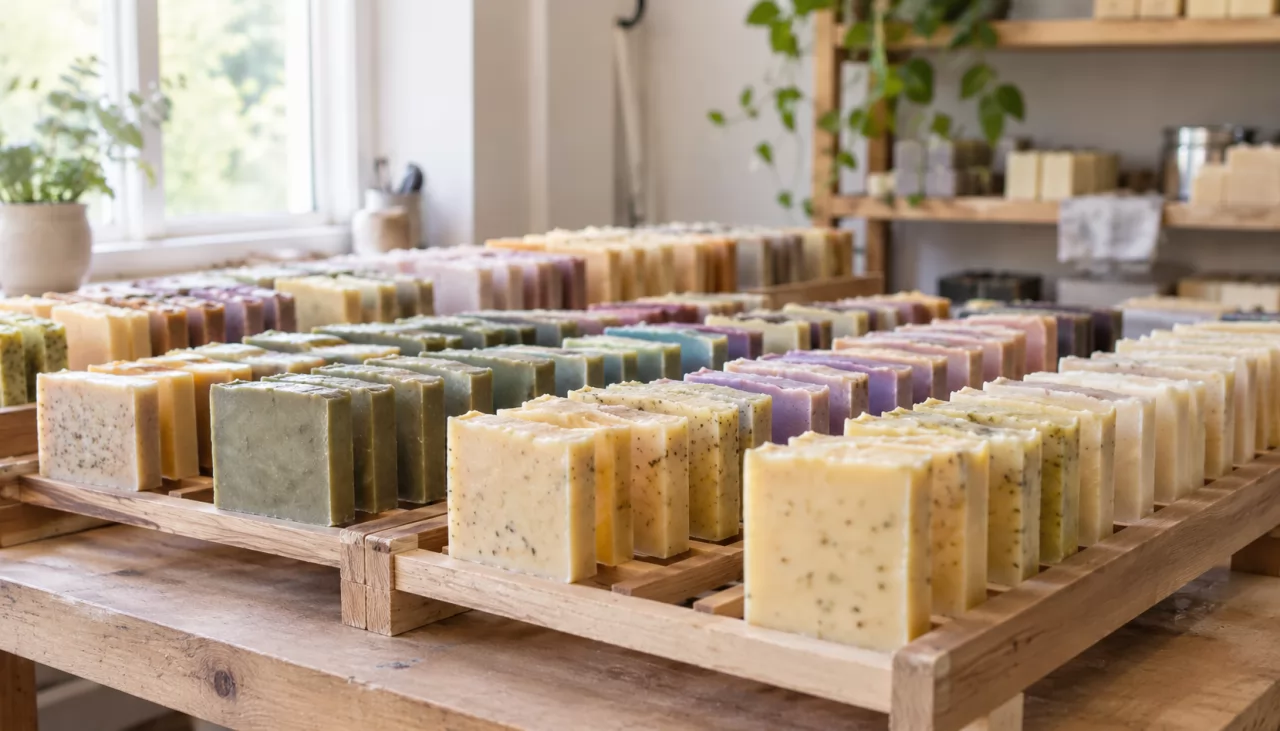
Curing time feeds directly into lead time. A supplier shipping cold process soap after a very short cure may be offering speed at the cost of a soft, sweating bar. Ask for the curing period and the storage conditions, and whether weight is checked after curing. Melt-and-pour needs little or no cure, which is part of why it delivers sooner.
What Quality Checks and Documents Should You Request?
You will want a factory quality system standard, batch-level documents and the compliance paperwork of your destination market. For cosmetics the usual reference points are the EU Cosmetics Regulation (EC) No 1223/2009, the US FDA's cosmetics framework, and local rules elsewhere. Which applies depends on where you sell, and the rules on what counts as soap versus cosmetic differ.
ISO 22716 is the international guideline for good manufacturing practice in cosmetics, covering production, storage, hygiene and traceability. ISO 9001 is a general quality management standard. Ask for the certificate, check its scope and validity date, and see whether the certified site is the one making your product.
Worth requesting: a COA (certificate of analysis) for the batch, an MSDS or safety data sheet, and a stability report. Stability data matters for soaps with natural oils and fragrance, since they can go rancid or discolor. For marketplaces you may also need a safety assessment of the finished product.
Batch records and sampling
Approve a pre-production sample against a written spec, then keep the signed sample as the reference. The spec should record weight, dimensions, color, scent, hardness and wrap condition. Ask that production batches carry a batch code you can trace to the records. If you inspect before shipment, agree an AQL (acceptable quality limit) level and the defects counted, such as cracks, discoloration and wrap damage.
Claims you can make
"Natural", "paraben-free" and "cruelty-free" are only as good as the evidence behind them. "Natural" has no single legal definition in many markets, so tie it to an ingredient rule you can defend. Paraben-free can be supported by ingredient declarations from the supplier. Cruelty-free needs a statement that the finished product and its ingredients are not tested on animals, and some markets expect certification before you print a logo.
Ask what documents back each claim, and leave off any the supplier cannot support.
Packaging and Labeling Choices
Packaging has to protect the surface, hold scent and meet label rules. The options are shrink film, paper wraps, foil, biodegradable film, folding cartons, jars and resealable pouches for multi-packs.
Shrink film protects against moisture and fingerprints and suits smooth shapes. Paper bands and wraps look more artisanal but protect less, and unwrapped cold process soap can pick up moisture or lose scent. Biodegradable film is possible, though some films handle humidity less well, so ask about barrier properties and shelf life.
Label stock comes in matte, glossy or metallic. Soap is oily and humid, so confirm the label material and adhesive resist moisture and do not stain. Check the printed color against your brand reference on the actual stock.
The label must carry the product name, net quantity, ingredient list, usage cautions and the responsible company details for your market. Some markets require a local responsible person or a specific language.
Amazon FBA has strict labeling and prep rules. Units generally need scannable barcodes, and multi-packs sold as one item may need to be marked as a set. Check the marketplace's current prep requirements, then ask whether cartons can be packed and labeled to go direct to the warehouse. Carton weight and size limits matter for something as dense as soap.
Ordering and Lead Time Decisions
Customization depth moves both minimums and timing. A stock shape with your label is the lightest option. A new mold, a custom fragrance and new packaging push up the minimum run and stretch lead time through design, sampling and approval.
To compare quotes fairly, send every supplier the same RFQ: process, target weight with tolerance, ingredient rules, fragrance and color references, cure time, packaging, required documents, Incoterm and destination. Quotes that differ on those lines are not comparable.
If a spec line is not written down, assume the supplier will fill it with the cheapest option.