
Whether a bomb is sized and wrapped for a bath tub, a gift box or a kids' shelf quietly decides which of the types of bath bombs for private label suits your line. Fizzy classics, kids' and novelty bombs, and gift sets each fit a different retail channel. Pick by shelf first, scent second.
Bath bombs are compressed blocks of an acid (usually citric acid) and a base (usually sodium bicarbonate) that fizz when they hit water. Most private label lines use one of three formats: plain fizzy classics for core ranges, kids' or novelty bombs for family and gift shelves, and layered or set formats for seasonal and premium lines. Skip kids' bombs if you cannot handle extra safety checks. Skip multi-color sets if unit cost is your main lever.
Match the Type to the Shelf Before the Scent
Channel and price tier narrow the field faster than fragrance or color do. A marketplace listing, a spa counter and a toy-adjacent gift shelf each reward a different format. Settle that first, and the scent brief gets much shorter.
Classic fizzy bombs: who they suit
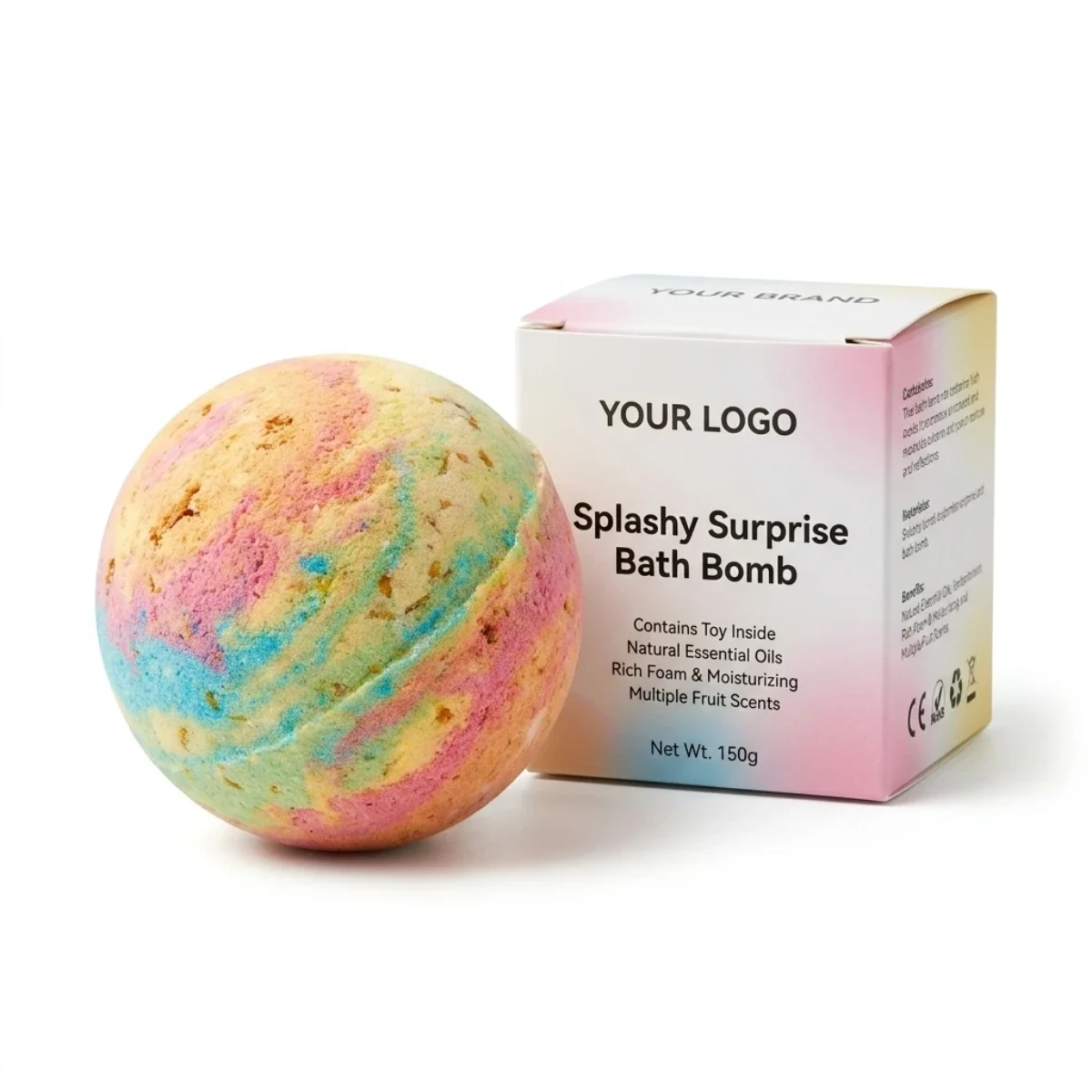
Classic bombs are single-color, round or similar simple shapes, wrapped individually or sold in a small box. They suit core bath ranges and Amazon listings, where the photo, the scent name and the price do most of the selling.
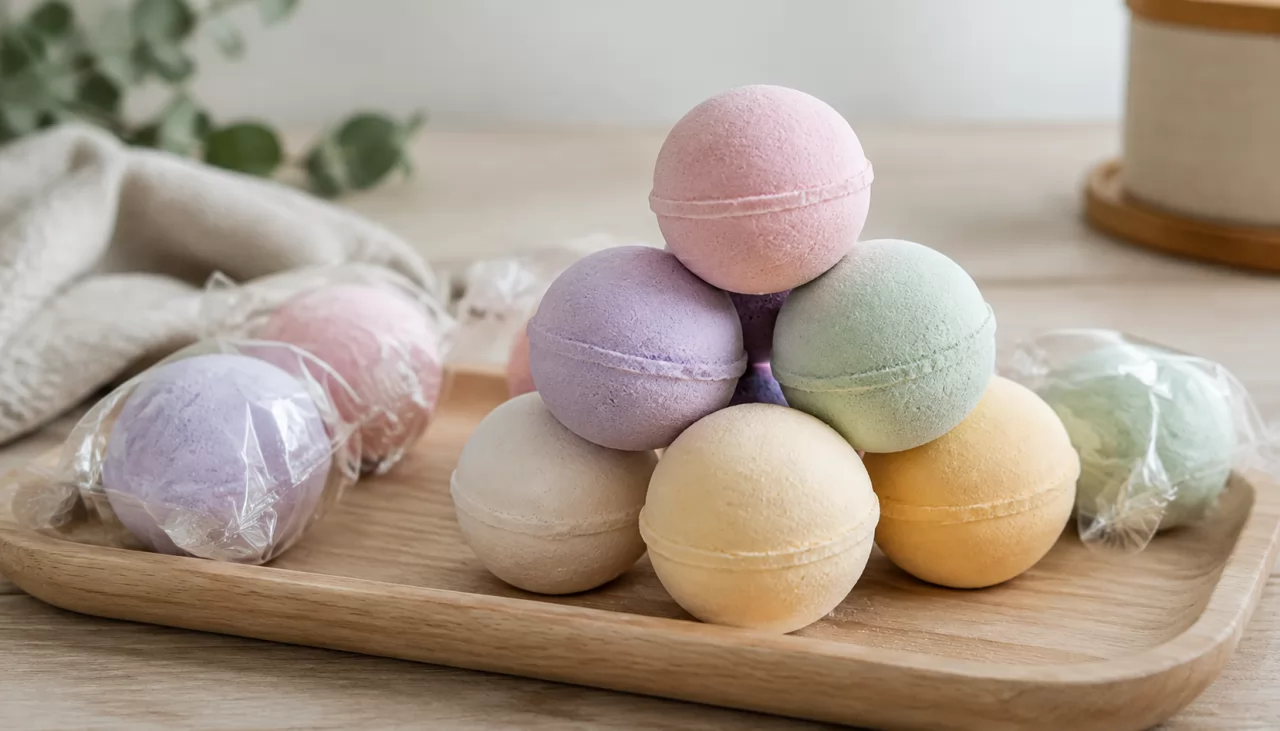
Skip them if you need a visual story. On a crowded shelf, a plain sphere has little to say.
Kids' and novelty bombs: who they suit
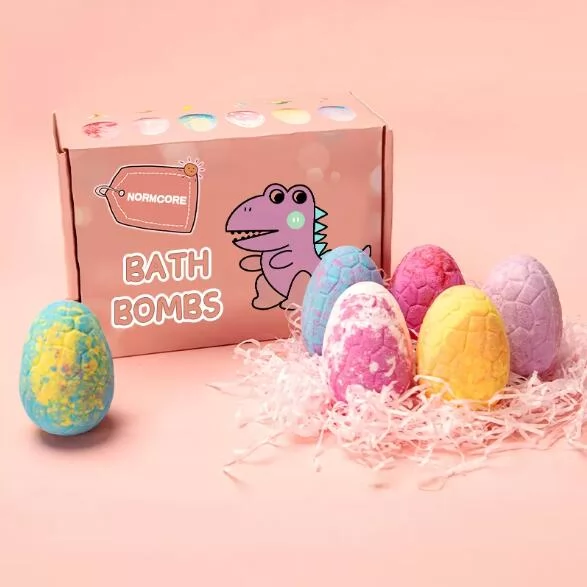
Kids' bombs lean on bright colors, character or animal shapes and sometimes a small surprise inside. They suit family brands and gifting ranges, where the shape sells before the label is read.
Skip them if your brand has no capacity for extra safety checks and market-specific labeling. The appeal is easy to copy. The paperwork is not.
Layered, rainbow and gift-set formats: who they suit
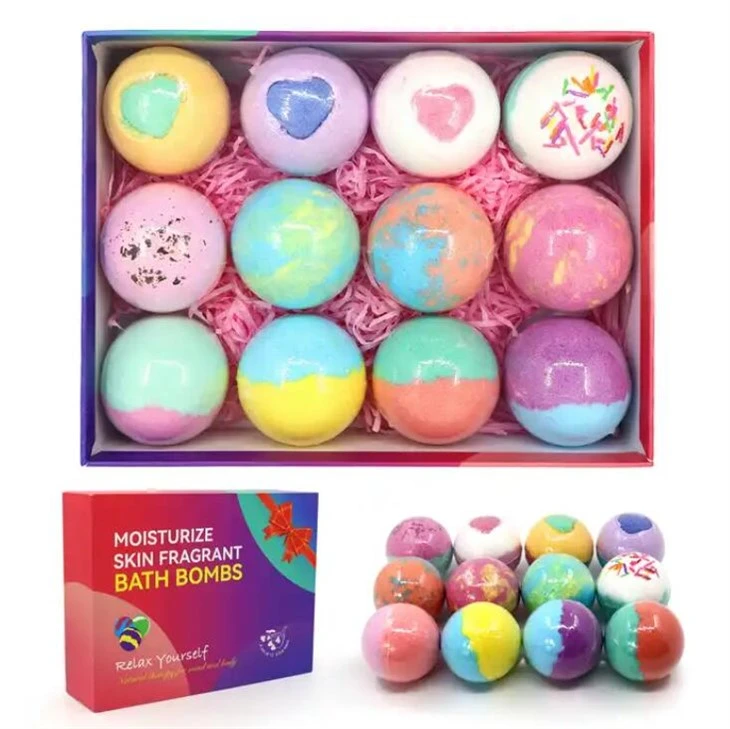
These are multi-color or layered bombs, plus sets that bundle several bombs in a box or jar. They suit seasonal and premium-leaning lines, where a higher shelf price can carry more production steps and more packaging.
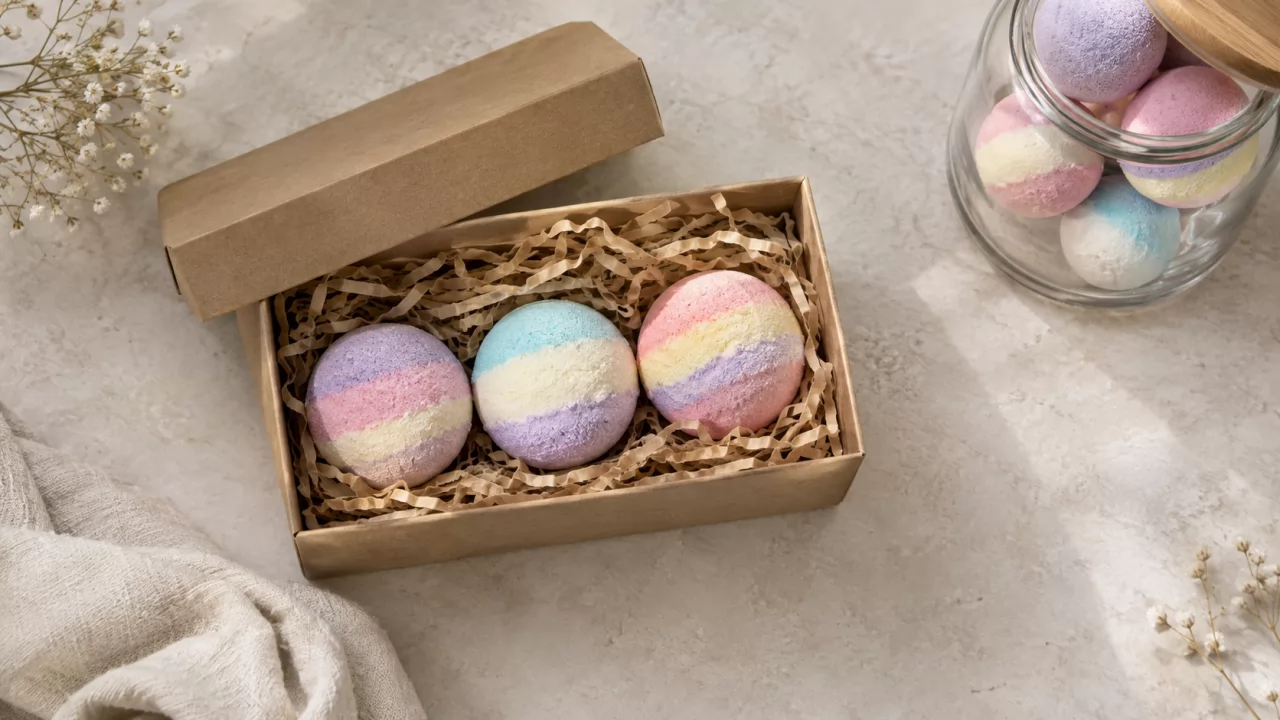
Skip them if you want a low unit cost. Every extra layer is another fill step and another place for color to go wrong.
Six Criteria That Change the Verdict
Many spec-sheet lines do not move the decision. These six do. Use them as a decision path when comparing types.
- If your buyers have sensitive skin or you sell to families, then keep fragrance load low and skin-safe colorants simple, and favor the classic or a restrained kids' format.
- If your range depends on bold color, then ask how the colorants are chosen and how they behave in water, since some can stain a tub or skin.
- If the bomb is large or heavy, then expect more breakage in transit and plan thicker wrapping or inner trays.
- If you ship by parcel, then favor rounder, sturdier shapes over thin or detailed ones.
- If you sell as a gift, then choose a box, jar or resealable pouch that survives handling and looks right on arrival.
The sixth criterion is documentation. Ask early for the ingredient list in INCI form, plus COA and MSDS, because your market may require a safety assessment and a responsible person before launch.
Bath Bomb Types Compared Side by Side
The table compares five common formats on the points that usually decide a first order. The comparison is qualitative and based on how these formats are generally made.
| Item | What to look for |
|---|---|
| Classic fizzy bomb | Lowest complexity and breakage risk. Fragrance can be one essential oil blend or a custom scent. Individual wrap or small box. The easiest format to start with at a standard minimum. |
| Kids' bomb | Moderate complexity. Milder fragrance and simple colorants. Often shrink wrap or a box with clear markings. Minimums may rise with custom molds or inserts. |
| Rainbow or multi-color bomb | Higher complexity from layering. Medium breakage risk at the seams. Fragrance is usually one blend across all colors. Often sold boxed or in jars. |
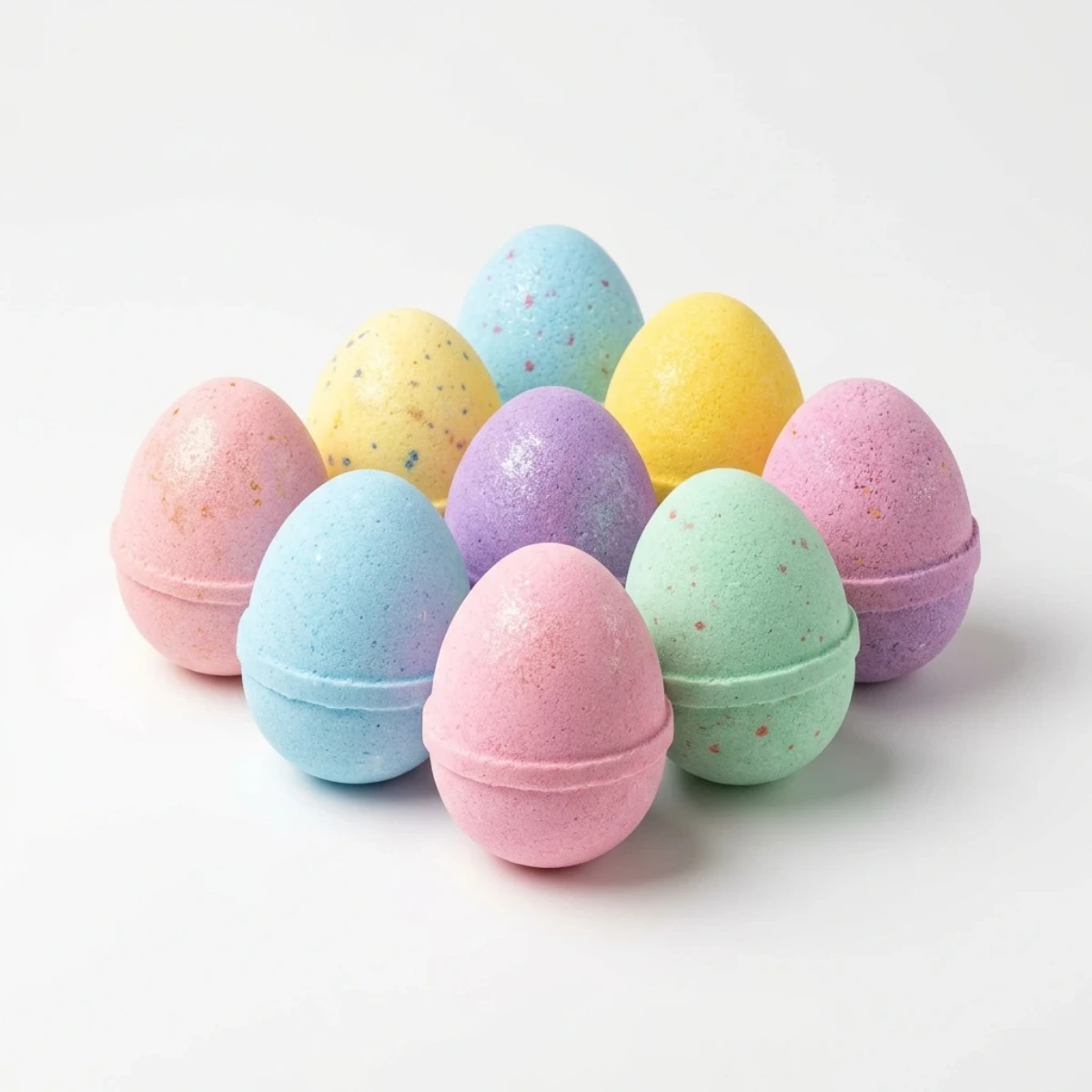
| Unicorn or novelty-shaped bomb | High complexity, because shapes and details need tooling. Fragile details raise breakage risk. Fragrance is usually playful and light. Needs protective packaging and often a higher minimum. |
| Set format | Complexity sits in packaging and assembly, not the bomb. Breakage depends on inner trays. Mixed scents are common. Minimums depend on how many bomb types go in the set. |
Are Kids' Bath Bombs Worth Adding?
Kids' bath bombs can be worth adding if your brand serves families and can absorb the extra scrutiny. They sell on color and shape, but they draw closer attention on fragrance, colorants, small parts and labeling. Weigh kids bath bombs wholesale against that workload, not only against margin.
Formula and fragrance restraint
Milder fragrance and fewer additives are the usual route for children's lines. Children's skin is generally treated as more delicate, so brands tend to avoid heavy perfume loads and extra actives. Ask the manufacturer for a lighter fragrance option and a short, readable ingredient list.
No bath bomb is guaranteed to suit every child. Advise parents to patch test and to stop use if irritation appears.
Novelty shapes and inserts
A shape that looks like a toy can invite toy-style scrutiny. A small figure or charm inside the bomb is where this usually bites, because small parts and children's product rules may apply in some markets. A bomb with no insert is simpler to place.
If you want a surprise inside, check the rules for your destination market before you design the mold, not after.
Markings and warnings
Labels for cosmetic products usually need the product name, ingredient list, net content, usage directions, warnings, batch information and the details of the responsible company. The exact list differs by market. Children's products often carry extra warnings, such as adult supervision.
Do not copy the label of a competitor's kids' bomb from another country. Labeling rules differ by market, and a label that is fine in one place can be non-compliant in another. Check the rules for your destination first.
What Does Customization Change in Cost and Lead Time?
Customization changes cost mainly through tooling, steps and materials. Four drivers matter most.
Mold tooling is the first. A custom shape needs a new mold, which is a one-off cost that you spread across the order. Standard shapes avoid it.
Multi-color layering is second. Each color is another fill and pressing step, and it slows the line and raises reject risk.
Wrapping is third. Shrink wrap, foil and biodegradable film differ in price and in how they protect the bomb. Boxes, jars and resealable pouches add cost on top, and custom palletization matters for larger shipments.
Fragrance sourcing is fourth. A custom scent costs more to develop and source than a stock essential oil blend.
For a bath bomb manufacturer for private label, the usual path runs from inquiry to design drafts and 3D renders, then physical samples, then production with in-process checks, final inspection and shipping. Approve the sample before anything else. Changes after approval cost time.
The standard MOQ of 1,000 units suits a new line better than it first appears, since it lets you test a single format without a large stock commitment. Flexibility exists depending on how much you customize. Production lead time is 15-30 days, depending on quantity and customization, and free samples are available.
For readers looking at this range, Poleview makes classic, kids', rainbow and unicorn bath bombs and bath bomb sets, which maps onto each type discussed here.
Which Type for Which Business?
These four scenarios show how the types usually match. Each says what to start with and what to leave out.
A new Amazon seller testing one SKU
Start with a classic fizzy bomb in a simple box, with one clear scent story. Leave out custom shapes and inserts. You are testing demand, not tooling.
A spa or gift retailer building a seasonal range
Start with a boxed set of two or three scents, or a rainbow format in a gift box. Leave out anything fragile that cannot survive handling in a shop. Check inner trays and outer cartons.
A family-focused brand
Start with a restrained kids' bomb: mild fragrance, simple colorants, no insert. Leave out toy-like extras until you have checked your market's rules. Plan a patch-test note on the pack.
An established brand adding a premium tier
Start with layered or multi-color bombs in jars or gift sets, with matte or metallic label finishes. Leave out cost-cutting on wrapping. The tier only works if it looks and arrives right.
Testing a Range Before You Commit
Order samples of two or three types, not one. Compare them on the same bench.
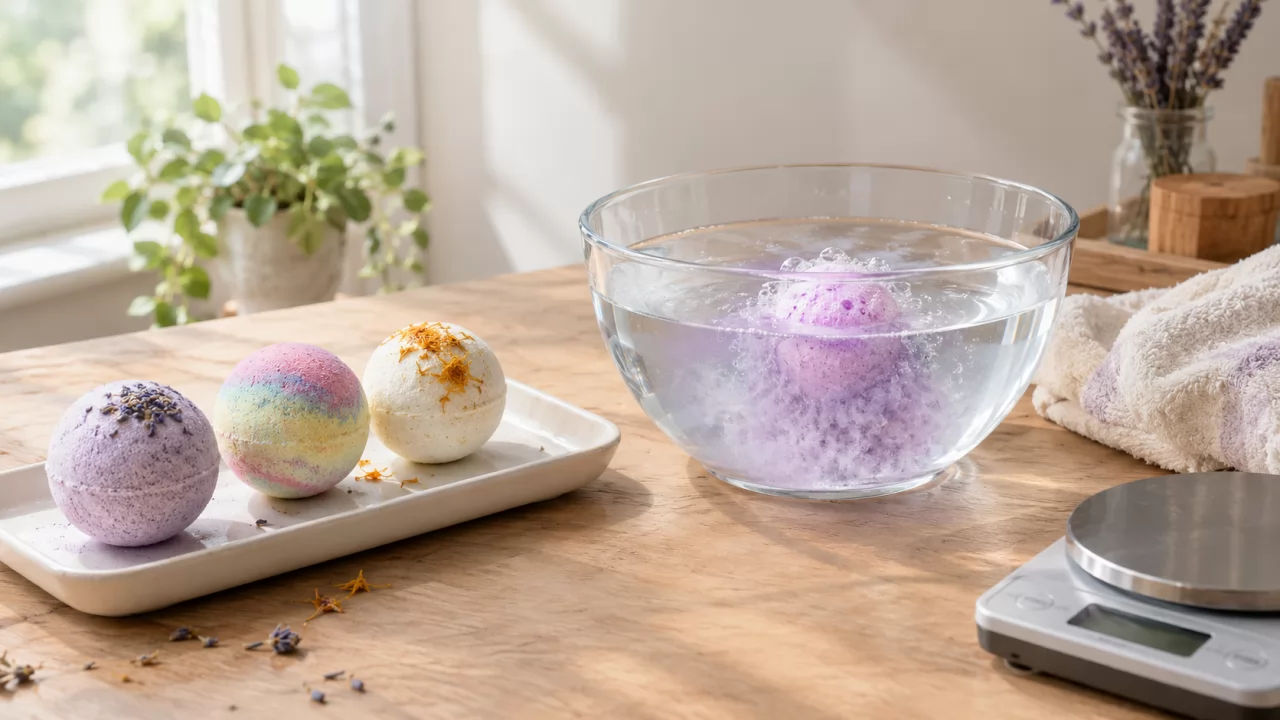
Check fizz time, residue in the tub, color bleed on skin and towel, and breakage after a drop test and a short parcel trip. Then run a patch test on volunteers before launch. A sample that looks perfect on the table can still fail in the post.
FAQ
How do I choose a bath bomb type for my brand?
Start from channel and price tier, then match the type. Classics suit core and marketplace lines, kids' bombs suit family ranges, and layered or set formats suit seasonal and premium lines.
Can one range mix kids' and adult bombs?
Yes, but keep them separate. Separate formulas, labeling and packaging are usually wise, because kids' lines draw different checks and different expectations on fragrance.
What documents should I ask a bath bomb manufacturer for?
Typically a COA, MSDS, stability report and audit report, plus the ingredient list for your market. Ask what your destination market needs on top of these.
Do custom shapes raise the minimum order?
Often, because of tooling. Confirm per project, since the standard minimum is 1,000 units and flexibility depends on the level of customization.
Your next question is probably packaging: which wrap holds up in parcel shipping, and which box format fits your channel. Ask for sample pairs in two wraps before you settle.