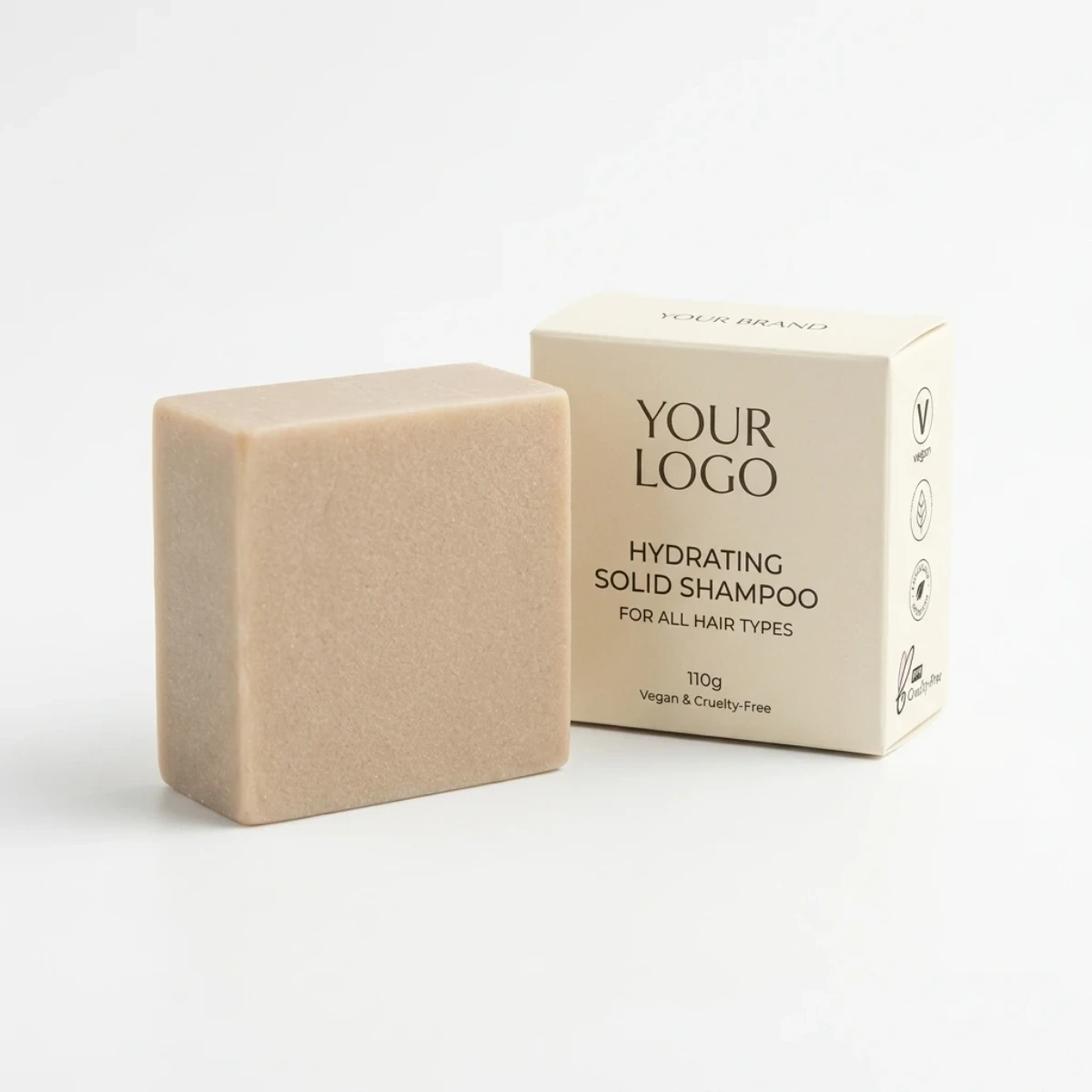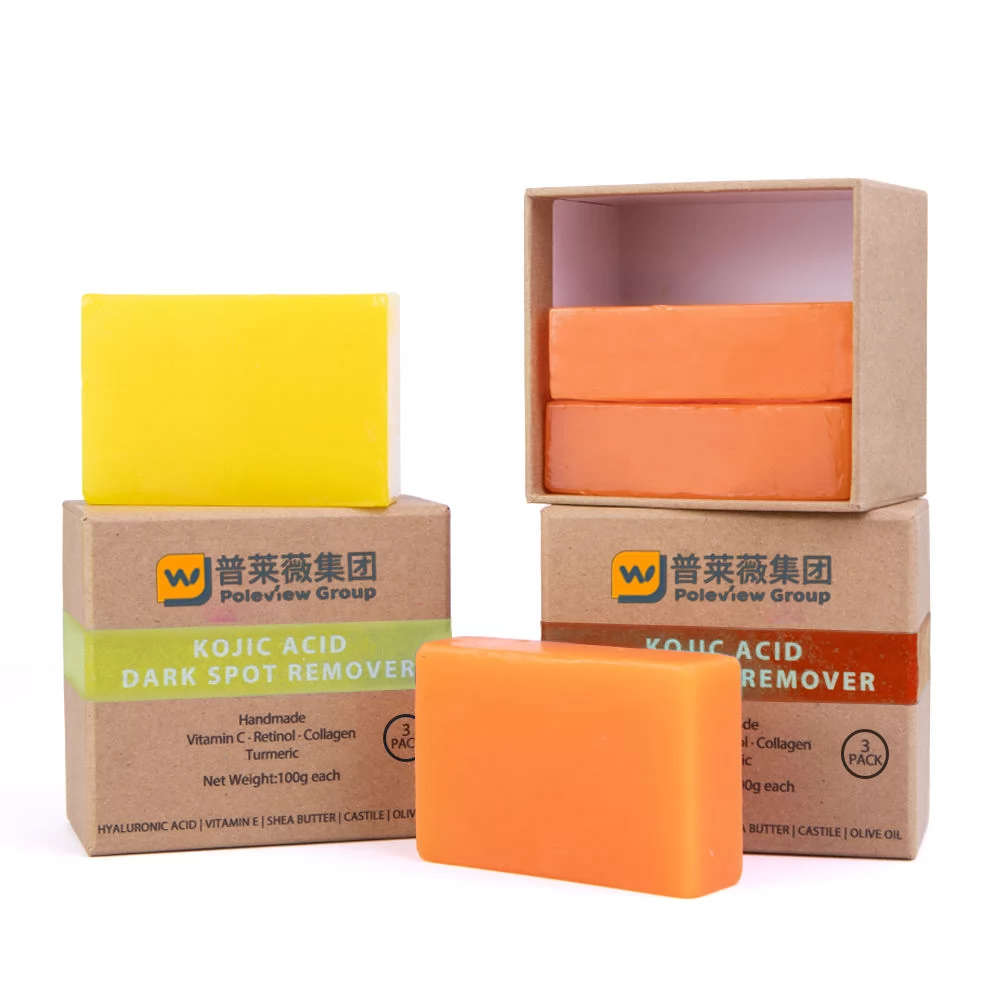

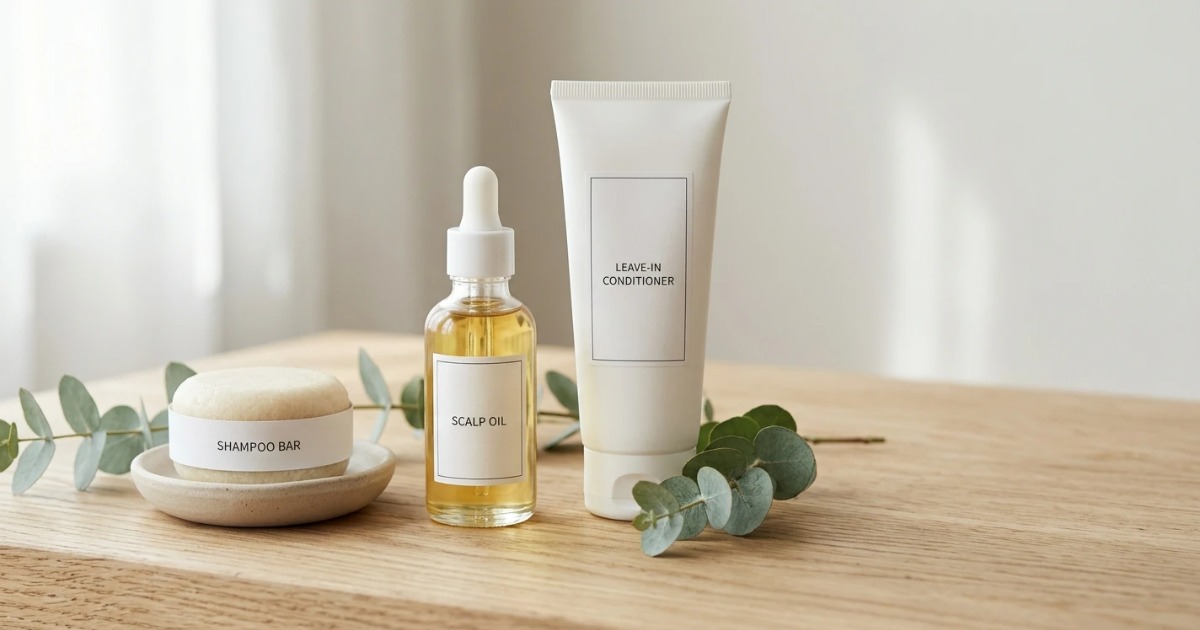
Picture this: a salon owner in Cleveland closes her shop at 9pm, ships her fifteenth order of the week, and deposits a margin that is almost double what she earns behind the chair. She does not own a lab. She has never touched a centrifuge. Her entire product line — a shampoo bar, a scalp oil, and a leave-in conditioner — came from a certified OEM factory overseas, packaged under her own name, with her logo on every unit.
That is the quiet reality of private label hair care in 2025. It is not a shortcut. It is a legitimate business model that lets brand builders focus on marketing, community, and customer experience while a vetted manufacturer handles formulation, compliance, and production. By the end of this guide, you will know exactly how to select a manufacturer, build a compliant product line, and get your first private label hair products to market — with far less capital than you assume.
Key Takeaways
- Private label lets small businesses sell branded hair products without building or owning a factory.
- MOQ, certifications, and formulation rights are the three variables that make or break supplier selection.
- Compliant documentation — COA, MSDS, Stability Report — is non-negotiable for North American and EU markets.
- Free sampling and design support from the right manufacturer dramatically reduce your upfront risk.
- Poleview Biotechnology Co., Ltd. offers full OEM/ODM services with flexible MOQ, GMP-certified production, free label design, and complete documentation packages for brands entering North American and European markets.
What Is Private Label Hair Care — and Is It Right for Your Business?
Private label hair care means sourcing finished or semi-finished hair products from a third-party manufacturer, applying your own brand name and packaging, and selling them as your own line. You own the brand; the factory owns the production infrastructure. Most small businesses start here, then migrate toward deeper customization as volume grows.
It is distinct from simply reselling someone else's brand. With private label, the product is yours — your name, your positioning, your customer relationship. That distinction matters enormously for margins, brand equity, and long-term business value.
Private Label vs. White Label vs. OEM vs. ODM
| Model | Formula Control | Packaging Control | MOQ Flexibility | Best For |
|---|---|---|---|---|
| White Label | None | Label only | High | Speed-to-market, low budget |
| Private Label | Partial | Full | Medium | Growing brands, differentiation |
| OEM | Yes | Full | Medium | Custom formulas, brand exclusivity |
| ODM | Full R&D | Full | Lower | Premium, IP-owned product lines |
Most founders start with private label for speed and cost efficiency, then shift to OEM or ODM once they understand their customer's preferences and want proprietary formulas. Manufacturers like Poleview Biotechnology support all four models under one roof, which means you can grow without switching suppliers.
Why Hair Care Is One of the Most Accessible Categories for New Brands
- Hair products — especially shampoo bars, scalp treatment oils, and hair soap bars — face lower regulatory barriers than many skincare categories.
- Repeat purchase cycles create predictable, compounding revenue from a loyal customer base.
- Consumer demand for natural, sulfate-free, paraben-free, and cruelty-free formulations gives new brands a clear positioning lane without competing on price alone.
The Market Opportunity — Why Now Is a Smart Time to Enter Private Label Hair
The global hair care market has seen consistent growth fueled by ingredient-conscious buyers, the explosion of direct-to-consumer beauty brands, and a wave of salon professionals stepping into retail. Trend data from multiple industry analysts consistently points upward, particularly in the natural and clean beauty segments, which have outpaced conventional hair care for several consecutive years.
Key Market Trends Driving Demand in 2025–2026
- INCI transparency: Buyers are reading labels. Brands that can clearly explain what is in their product — and what is not — earn trust faster.
- DTC channel growth: Shopify and Amazon have lowered the barrier to launch; the challenge is now differentiation, not distribution.
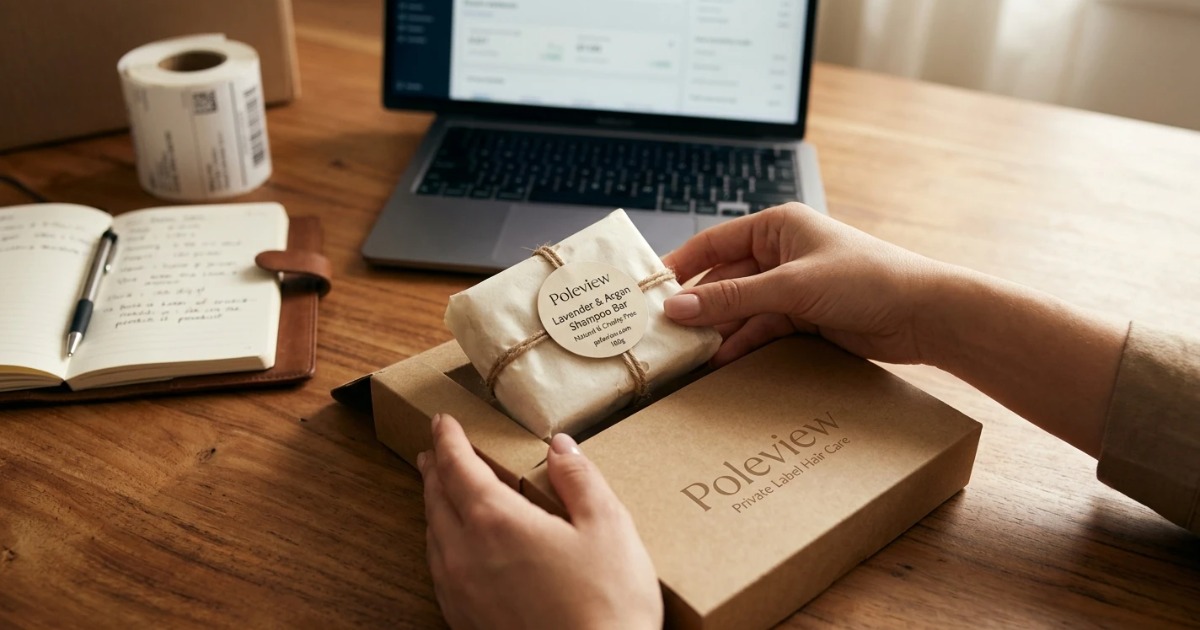
- Salon-to-retail crossover: Independent stylists and salon owners are the fastest-growing segment of private label hair care buyers, using their existing client trust as a built-in launch audience.
- Clean beauty certification as a purchase driver: Cruelty-free, No GMO, and no parabens are no longer optional signals — they are baseline expectations in North America and much of Europe.
Most In-Demand Private Label Hair Product Categories for Small Brands
| Product Category | Consumer Demand Signal | Notes for Small Brands |
|---|---|---|
| Hair soap bars | Very high | Sustainable, travel-friendly, low shipping weight — strong differentiator |
| Scalp treatment oils | High | High perceived value; easy to differentiate by scent and key actives |
| Leave-in conditioners | High | High reorder rate; pairs well with a hero shampoo bar |
| Hair growth serums | High — YMYL caution | Claims must stay cosmetic, not medical. Say "supports scalp condition," not "reverses hair loss" |
| Custom shampoo/conditioner sets | Medium-High | Strong for salons and subscription boxes; bundle pricing increases average order value |
| Bath & body bundles (hair + body oil) | Growing | Cross-sell opportunity; works well for gifting and holiday launches |
How to Find and Vet a Private Label Hair Products Manufacturer
This is where most new brands either win or waste six months. A great manufacturer is a long-term business partner, not just a supplier. Getting this decision right is worth more than any marketing budget you will spend in year one.
The Five Criteria That Separate Good Manufacturers from Risky Ones
- Verified certifications — Not self-reported. Audit reports, ISO certificates, and FDA compliance documentation should be available on request.
- In-house production — A factory that owns its equipment and runs its own clean room has accountability that a broker does not.
- Transparent sampling process — You should receive a physical sample before committing to any minimum order quantity.
- MOQ structure and flexibility — Low minimum order quantities for cosmetics are essential for brand testing. If a supplier's floor is 10,000 units on a first order, they are not built for small brands.
- Regulatory support — Your manufacturer should be able to provide all documentation needed for your target market, not just hand you a product and wish you luck.
Certifications That Matter for North American and European Markets
| Certification | What It Covers | Required For |
|---|---|---|
| GMP / GMPc | Manufacturing hygiene and process control | All markets — baseline trust signal |
| ISO 22716 | Cosmetics GMP international standard | EU, professional retail channels |
| FDA Registration | US market readiness | Selling in the United States |
| Cruelty-Free | No animal testing at any production stage | UK, EU, and conscious consumer segments globally |
| COA (Certificate of Analysis) | Batch-specific quality confirmation | Every shipment |
| MSDS (Safety Data Sheet) | Safety data for transport and retail | Regulatory and logistics compliance |
| Stability Report | Shelf-life under real storage conditions | Retailer listings, platform compliance, and consumer safety |
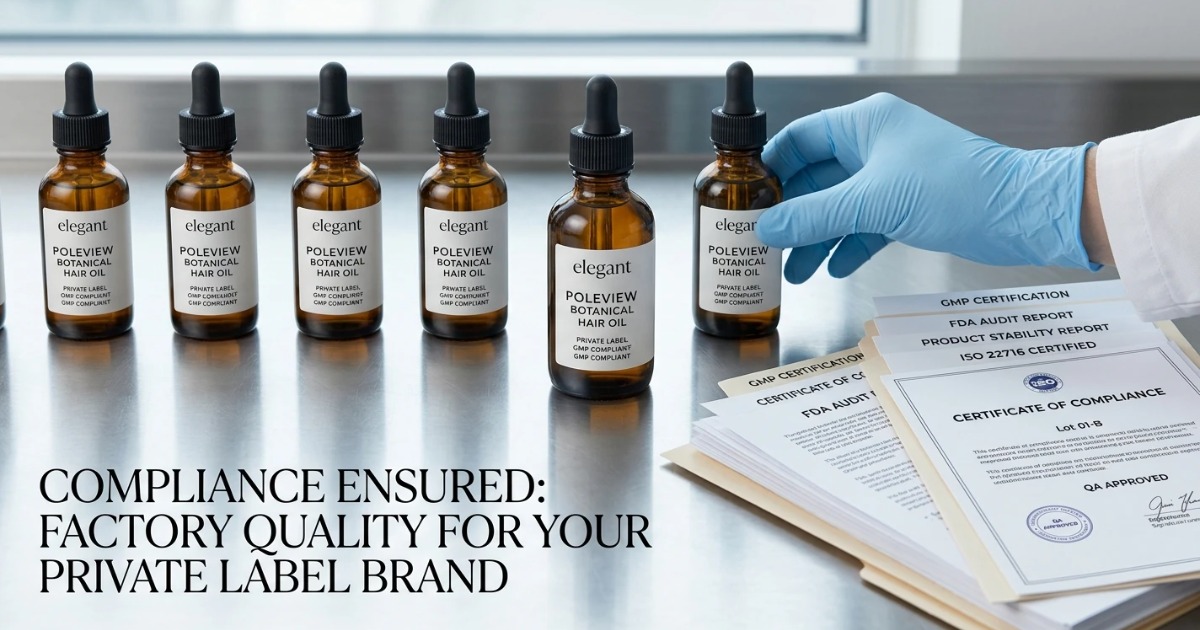
Poleview Biotechnology holds GMPc and ISO 22716 certification, maintains FDA compliance, and supplies a complete documentation package — including Audit Report, MSDS, COA, and Stability Report — with every production run. For brands entering North American and European retail, that paper trail is not a nice-to-have; it is the price of entry.
China-Based Manufacturers vs. Domestic Suppliers — Pros & Cons
| Factor | China-Based (e.g., Poleview) | Domestic (US/EU) |
|---|---|---|
| Unit cost | Lower at comparable MOQ | Higher |
| MOQ flexibility | Flexible, especially for OEM/ODM | Often higher minimums |
| Formulation range | Broad — bath bombs to hair oils and bars | More limited categories |
| Certification compliance | Yes, when properly vetted | Generally strong |
| Sampling speed | Fast with a structured process | Varies widely |
| Lead time | Longer shipping; offset by planning ahead | Shorter |
| Free design support | Often included for new brand partners | Usually charged separately |
Red Flags to Watch For When Shortlisting Suppliers
- No physical factory address or verifiable audit trail
- Inability to provide COA or Stability Reports on request
- No dedicated regulatory contact for export documentation
- Reluctance to offer a sample before minimum order commitment
- Vague answers about ingredient sourcing or INCI compliance
Questions to Ask Every Manufacturer Before Committing
- Who owns the formulation after production — you or the factory?
- Can you provide a full INCI list for every product?
- What is your standard sampling timeline, and how many revision rounds are included?
- Do you have active GMPc and ISO 22716 certification, and can I see the audit documents?
- What is your minimum order quantity per SKU, and does it change for repeat orders?
- What documentation comes standard with every shipment (COA, MSDS, Stability Report)?
- Do you provide label printing and design support, and is that included in your quote?
- What is your production lead time after sample approval?
- Do you have experience exporting to the US and EU specifically?
- Can you connect me with an existing brand partner as a reference?
Building Your Product Line — Formula, Ingredients, and Packaging
Choosing Your First Three Products (Don't Launch With Fifteen)
The brands that gain traction fastest are not the ones with the biggest catalogs. Start with one hero product — the item that anchors your brand story. Add one companion product that solves a related problem for the same customer. Then consider one seasonal or gift-set bundle that increases average order value without requiring a new product development cycle.
A scalp oil as a hero, a hair soap bar as the companion, and a bundled kit for gifting is a clean, testable first range. You can validate demand at low MOQ before committing to anything wider.
Custom Formulation — What You Can and Cannot Control
With OEM customization through a manufacturer like Poleview, you typically control scent profile, color, key active ingredients, and viscosity. What you cannot unilaterally change is a base formula's fundamental chemistry — but that is rarely necessary for a first product line.
A critical note on claims: language like "supports scalp condition" and "leaves hair visibly smoother" is cosmetic-benefit framing and is appropriate. Language like "reverses hair loss" or "regulates DHT production" is a medical claim. Using medical language on a cosmetic product creates serious regulatory exposure in both the US and EU, regardless of what your manufacturer tells you. Work with a regulatory consultant to review your label copy before printing.
When a manufacturer says a product is "Parabens Free," "No GMO," or "No Chemicals," confirm these claims are documented — ideally in the COA or an ingredient disclosure sheet — not just marketing language on a slide deck.
Packaging Design — From Label to Unboxing
Salon-ready packaging and DTC-ready packaging follow different visual rules. Salon brands tend toward clean, clinical aesthetics — minimal color, legible type, professional finish. DTC brands targeting younger consumers often lead with texture, illustration, and storytelling on the secondary packaging.
Sustainability signals matter, particularly in North America and Europe. Recyclable materials, refillable formats, and minimal secondary packaging all read as purchase signals to ingredient-conscious buyers. Free label design — which Poleview includes for new brand partners — is a meaningful cost lever for startups, but confirm exactly what is included: full design-from-scratch, or template customization? Lead times on custom versus stock packaging molds can differ by several weeks, which matters when you are planning a launch date.
The Sampling Process — What to Expect Step by Step
- Submit your brief: scent direction, key claims, packaging preference, target customer profile.
- The manufacturer produces a prototype batch based on your brief.
- Evaluate formula, scent, texture, color, and stability against your brief.
- Request revisions — a standard process typically includes one to two rounds.
- Approve the sample and move to a production quote and timeline.
Poleview's structured sampling process is built for speed, which matters for small brands that need to move quickly without sacrificing product quality. Having a clear brief before you initiate sampling saves weeks.
MOQ, Pricing, and Cash Flow Planning for Small Brands
Understanding Minimum Order Quantities in Hair Care
MOQ exists because batch production has fixed costs — equipment setup, ingredient sourcing, quality testing — that spread across units. The higher the run, the lower the per-unit cost. For small brands, finding a manufacturer with a low MOQ for cosmetics is essential for testing before scaling. Committing to 5,000 units of an unproven product is a cash flow risk that kills brands before they find their audience.
Typical Pricing Tiers for Private Label Hair Products
| MOQ Range | Estimated Per-Unit Cost | Typical Use Case |
|---|---|---|
| 100–500 units | Higher per unit | Market testing, influencer seeding, proof of concept |
| 500–2,000 units | Mid-range | Initial retail launch, first DTC campaign |
| 2,000–5,000 units | Lower per unit | Scaling after validated demand, wholesale channels |
| 5,000+ units | Bulk pricing | Established brand, retail chain listings |
Note: these are illustrative ranges. Request a specific quote from your manufacturer for accurate figures based on your product type, formulation complexity, and packaging specifications.
Hidden Costs to Budget For
- Import duties and freight forwarding fees (US and EU tariff classifications vary by product)
- Label printing — short-run label costs per batch can be significant for early orders
- Amazon FBA fees, platform commissions, and fulfillment costs if selling through third-party channels
- Regulatory consultant fees for label copy review before market entry
Regulatory Compliance — Selling in the US and EU
US Market: FDA Cosmetics Requirements Post-MoCRA
The Modernization of Cosmetics Regulation Act (MoCRA), signed into law in late 2022, introduced the most significant changes to US cosmetics regulation in decades. Key requirements for small brands include facility registration for manufacturers and repackers, safety substantiation documentation for each product, and an adverse event reporting obligation. Cosmetics still do not require pre-market FDA approval — but the documentation you need before selling has grown materially. Work with a regulatory consultant familiar with MoCRA if you are entering the US market for the first time.
EU Market: Cosmetics Regulation (EC) No 1223/2009 Basics
- Responsible Person: Every cosmetic product sold in the EU requires a Responsible Person established in the EU who takes legal responsibility for compliance.
- CPNP notification: Products must be notified through the Cosmetic Products Notification Portal before placing them on the EU market.
- Banned and restricted ingredient lists: The EU maintains one of the most comprehensive banned substance lists globally. Your manufacturer's formulation must be cross-checked against Annexes II, III, and IV of the Regulation.
- Claims substantiation: Any claim on your label or marketing must be substantiated and must comply with the EU's common criteria for cosmetic product claims.
Documentation Checklist Before You Ship
- Certificate of Analysis (COA) — batch-specific
- Material Safety Data Sheet (MSDS)
- Stability Report confirming shelf life under real storage conditions
- Audit Report from the manufacturing facility
- Cruelty-Free certification (for EU and UK markets)
- Full INCI ingredient list verified against target market restrictions
- Label reviewed by a qualified regulatory contact for each market
Positioning and Marketing Your Private Label Hair Brand
Finding Your Brand Angle in a Crowded Market
The most durable private label hair brands are not built on price. They are built on a story that resonates with a specific audience. Three angles tend to work for small brands: an ingredient story (cold-pressed, ayurvedic, plant-derived), an audience-specific angle (4C curl patterns, post-color care, sensitive scalp), or a channel-specific approach (salon-exclusive, subscription, gifting). Pick one and commit before you design a single label.
Pricing Strategy — Margin Math for Retail and Wholesale
A simple framework: if your landed cost per unit (manufacturing + shipping + duties + packaging) is $4, a DTC retail price of $18–$24 delivers a workable margin after platform fees and marketing. For wholesale to salons or boutiques, a keystone markup (roughly 2x your wholesale price) means your wholesale price lands around $9–$12, and retailers sell at $18–$24. Custom hair care formulation with branded packaging commands stronger retail pricing than generic stock-formula products — which is the core commercial argument for investing in OEM customization as you scale.
Where to Sell Private Label Hair Products
| Channel | Barrier to Entry | Margin | Best For |
|---|---|---|---|
| Own Shopify store | Low | High | Brand building, full customer data ownership |
| Amazon FBA | Medium | Medium | Volume and discoverability; competitive category |
| Salons and barbershops | Low | Medium-High | Repeat local orders; warm referral channel |
| Faire and wholesale platforms | Medium | Lower | Boutique retail expansion |
| TikTok Shop and social commerce | Low | Medium | Trend-driven and visually compelling launches |
Common Mistakes Small Businesses Make With Private Label Hair Products
| Mistake | Why It Happens | What to Do Instead |
|---|---|---|
| Choosing supplier on price alone | Budget pressure during setup | Verify certifications first, then compare price |
| Overcomplicating the first product line | Excitement and fear of missing segments | Launch 2–3 SKUs; expand only with real demand data |
| Ignoring shelf-life documentation | Oversight; not seen as urgent pre-launch | Always request a Stability Report before you ship |
| Making health claims on packaging | Unawareness of cosmetic vs. drug claim rules | Stick to cosmetic benefit language; consult a regulatory expert |
| Ordering too large on the first run | Fear of stockouts; perceived cost savings | Test at low MOQ first, validate demand, then scale |
| DIY label design without compliance check | Cost saving; design-first thinking | Confirm label format requirements per market with your manufacturer before finalizing artwork |
Frequently Asked Questions
What is the minimum order quantity for private label hair products?
MOQ varies by manufacturer and product type. Specialist OEM factories serving small brands often start as low as 100–500 units per SKU, while larger factories may require several thousand. Flexible minimum order quantity is one of the most important criteria to confirm upfront — it determines whether you can test a product before committing significant capital.
How long does it take to get private label hair products manufactured?
As a general guide, sampling typically takes one to three weeks, and a production run after sample approval typically takes three to six weeks. For international orders, add shipping and customs clearance time. Planning your launch calendar backward from these timelines prevents costly delays.
Do I need FDA approval to sell hair care products in the US?
Cosmetics do not require pre-market FDA approval. However, they must comply with labeling regulations and, following the Modernization of Cosmetics Regulation Act (MoCRA), facility registration and safety substantiation requirements. Verify your specific obligations with a regulatory consultant before selling.
Can I get custom formulas or only stock formulas?
Both options exist. OEM manufacturers like Poleview offer full custom formulation — controlling ingredients, scent, key actives, and texture — as well as proven stock bases that you brand under your own private label. Most small businesses begin with a lightly customized stock base and move toward full custom hair care formulation as they scale.
What certifications should my manufacturer have?
At minimum, look for GMP/GMPc, ISO 22716, FDA registration, and cruelty-free certification. Beyond facility certifications, always request a batch-specific Certificate of Analysis (COA) and a Stability Report for every product you order.
Is private label hair care profitable for small businesses?
Margins depend on product type, sales channel, and order volume. Hair soap bars and scalp oils typically carry high perceived value relative to their manufacturing cost, which supports healthy margins. The safest path is to test at low MOQ, confirm demand, and then scale into lower per-unit pricing.
What's the difference between OEM and private label?
Private label means branding an existing or lightly modified formula as your own. OEM means the manufacturer produces a custom formula built to your specifications, giving you deeper control and greater brand exclusivity. Many brands start with private label and graduate to OEM as they grow — a manufacturer that supports both makes that transition seamless.
Your Next Step — Launch Faster With the Right Manufacturing Partner
Building a private label hair brand is a legitimate business strategy, not a gimmick. The brands that succeed do two things right: they vet their manufacturer thoroughly before committing a single dollar, and they start lean with a focused product line before expanding on the strength of real customer data.
You now have the framework — the models, the certifications, the MOQ math, the regulatory checklists, and the common mistakes to avoid. The remaining variable is choosing a partner who can execute alongside you.
If you are ready to move from idea to product, Poleview Biotechnology Co., Ltd. is a China-based OEM/ODM manufacturer with a dust-free production facility, GMP-certified operations, and certifications accepted across North American and European markets. Poleview supports private label for hair soap bars, hair oils, shampoos, conditioners, scalp treatments, and more — with flexible MOQ designed for growing brands, free label design for new partners, and a fast sampling process so you can evaluate quality before you commit.
Request a free sample or a custom quote today — and take the first concrete step toward launching your own hair care line.