
The global hair care category is in the middle of a structural reset. Vague "anti-hair fall" claims no longer move product — buyers want clinically validated actives, transparent formulations, and proof of performance. For brand owners, formulators, salon distributors, and procurement specialists, this shift is the single largest white-space opportunity in personal care today.
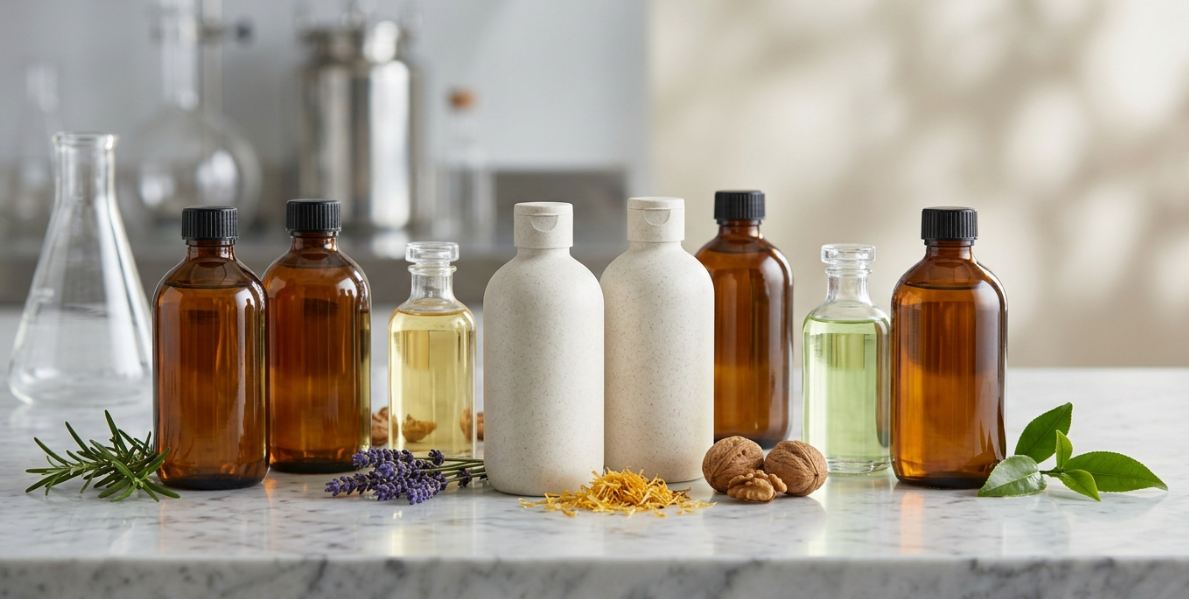
This guide ranks the seven most effective hair growth and thickening shampoo systems available, lays out side-by-side data tables built for procurement decisions, and breaks down the formulation, regulatory, and manufacturing considerations every private label brand needs to understand before launch.
Why Hair Growth & Thickening Shampoo Is the Fastest-Growing Personal Care Segment
Across DTC, salon, and mass retail, hair growth and density-targeted shampoos consistently beat general-purpose cleansers on both unit velocity and average selling price. The category pairs high consumer urgency with strong willingness to pay — a rare margin profile in mature personal care.
Market Size and Growth Projections
The global hair loss treatment market reached roughly USD 3.7 billion in 2024 and is projected to grow at an 8–9% CAGR through 2030, according to multiple industry trackers. Topical formats — led by shampoos and scalp serums — make up the fastest-growing sub-segment.
Regional demand clusters in four hotspots: North America (premium DTC and clean-beauty), the European Union (clinically positioned scalp care), MENA (high per-capita spend on hair density products), and APAC (rapid growth across Japan, Korea, and Southeast Asia, driven by anti-aging and male grooming).
Consumer Pain Points Driving Demand
Industry studies consistently report that around 50% of men experience noticeable hair thinning by age 50, and roughly 40% of women see visible hair loss by age 40. Postpartum shedding, perimenopausal thinning, and stress-related telogen effluvium have expanded the female demographic considerably.
The decisive shift in shopper behavior is toward science-backed actives. Consumers now read INCI decks, compare concentration percentages, and gravitate toward brands that cite clinical references — a direct result of social-media-driven dermatology education.
Why Industry Professionals Need a Reliable Manufacturing Partner
Entering this category takes more than a stock formula. Brands need a manufacturing partner with proprietary active bases, regulatory expertise, and the flexibility to scale from pilot runs to container-load production. Poleview Biotechnology Co., Ltd., a professional personal care OEM/ODM manufacturer based in Huizhou, Guangdong Province, China, has positioned itself as that strategic partner — supplying private label brands worldwide with high-performance, highly customizable shampoo formulations.
The 7 Best Shampoo Formulations for Hair Growth and Thickness
The ranking below reflects clinical evidence strength, formulation versatility, and current consumer demand across professional and retail channels.
1. Biotin Shampoo for Hair Growth
Biotin (Vitamin B7) is a cofactor in keratin biosynthesis, reinforcing the protein scaffolding of the hair shaft. Topical absorption is limited, yet biotin shampoo for hair growth remains a high-converting claim — especially when paired with panthenol (D-Pro-Vitamin B5) and zinc PCA.
Recommended usage: 0.1–0.5% biotin, paired with 1–2% panthenol and 0.1–0.3% zinc PCA. Best suited to entry-tier and mid-tier SKUs aimed at general thinning.
2. Caffeine Shampoo for Hair Regrowth
Caffeine carries the strongest in-vitro evidence base of any topical hair growth active. Studies show caffeine penetrates the follicle within two minutes, counteracts testosterone-induced miniaturization, and extends the anagen (growth) phase.
A caffeine shampoo for hair regrowth typically runs 0.2–1.0% caffeine, optionally co-formulated with taurine and niacinamide. This system performs exceptionally well in male-targeted SKUs and unisex anti-thinning lines.
3. Keratin Shampoo for Thicker, Fuller Hair
Hydrolyzed keratin delivers low-molecular-weight peptides that bind to damaged cuticle sites, increasing apparent hair diameter and tensile strength. A well-built keratin shampoo for thicker fuller hair delivers visible "thickening" results from the first wash — a powerful retail demo.
Ideal pH range: 4.5–5.5. Recommended use level: 1–3% hydrolyzed keratin, typically paired with quaternized conditioning agents for substantivity.
4. Saw Palmetto & DHT-Blocking Shampoo
Saw palmetto (Serenoa repens) extract works as a botanical 5-alpha-reductase inhibitor, lowering local DHT formation in the scalp. This category supports premium positioning and forms the backbone of most clinical-grade male hair loss shampoo lines.
Typical inclusion: 0.5–2% saw palmetto extract, often paired with pumpkin seed oil and beta-sitosterol to round out a complete DHT-management claim set.
5. Peptide & Procapil Advanced Formulas
Biomimetic peptides — Procapil, Capixyl, AnaGain, and copper tripeptide-1 — sit at the leading edge of trichology-grade actives. They give brands a credible reason to hold premium retail at USD 30 and up, with multi-mechanism claims covering anagen extension, reduced perifollicular inflammation, and dermal papilla stimulation.
6. Rosemary & Botanical Hair Loss Shampoo for Men and Women
Rosemary oil broke through after a 2015 clinical trial showed efficacy comparable to 2% minoxidil at six months. That evidence base, amplified by social-media virality, has turned rosemary into a cornerstone of clean-beauty hair loss shampoos for both men and women.
Common complementary actives include ginseng, pumpkin seed extract, ginger root, and pea sprout extract — all a good fit for unisex, natural, and vegan brand positioning.
7. Niacinamide & Scalp-Microbiome Shampoo
The newest frontier in trichology is the scalp microbiome. Niacinamide (Vitamin B3) regulates sebum, strengthens the scalp barrier, and reduces inflammation — creating the right environment for long-term hair density. Prebiotics such as inulin and alpha-glucan oligosaccharide are increasingly co-formulated to support microbiome balance.
Comparative Data Table — Active Ingredients, Efficacy & Cost
Procurement decisions demand apples-to-apples comparisons. The tables below consolidate the most important decision criteria for private label sourcing.
Table 1: Active Ingredient Efficacy Comparison
| Active Ingredient | Primary Mechanism | Clinical Evidence Level | Recommended % in Formula | Approx. Raw Material Cost (USD/kg) |
|---|---|---|---|---|
| Caffeine | Extends anagen phase; blocks DHT pathway | High (multiple in-vitro & clinical) | 0.2 – 1.0% | 40 – 80 |
| Biotin (Vitamin B7) | Supports keratin biosynthesis | Moderate (topical), High (oral) | 0.1 – 0.5% | 120 – 200 |
| Hydrolyzed Keratin | Cuticle reinforcement, diameter increase | High (instrumental) | 1.0 – 3.0% | 25 – 60 |
| Saw Palmetto Extract | 5-alpha-reductase inhibition | Moderate to High | 0.5 – 2.0% | 80 – 180 |
| Procapil / Capixyl | Multi-pathway peptide complex | High (sponsor-backed clinical) | 2.0 – 4.0% | 350 – 700 |
| Rosemary Oil | Microcirculation; antioxidant | Moderate (RCT vs. minoxidil) | 0.2 – 1.0% | 60 – 150 |
| Niacinamide | Barrier repair, sebum regulation | High (dermatological) | 1.0 – 4.0% | 15 – 30 |
Table 2: Target Demographic & Retail Positioning Matrix
| Formulation Type | Primary Demographic | Suggested Retail Tier (USD) | Best Channel |
|---|---|---|---|
| Biotin Shampoo | Women 25–55, postpartum | 12 – 22 | Mass retail, Amazon, DTC |
| Caffeine Shampoo | Men 25–55, unisex | 15 – 28 | DTC, pharmacy, e-commerce |
| Keratin Shampoo | Women 30–60, color-treated | 18 – 35 | Salon, premium retail |
| Saw Palmetto / DHT | Men 30–60, androgenic alopecia | 25 – 45 | DTC clinical, pharmacy |
| Peptide / Procapil | Premium aging consumers | 35 – 70 | Luxury DTC, dermatology |
| Rosemary & Botanical | Clean-beauty, unisex 20–45 | 16 – 30 | Clean-beauty retail, DTC |
| Niacinamide / Microbiome | Scalp-care enthusiasts | 20 – 40 | Skintellectual DTC, prestige |
Table 3: Formulation Format Comparison — Liquid vs. Shampoo Bar
| Criterion | Liquid Shampoo | Shampoo Bar |
|---|---|---|
| Typical Shelf Life | 24 – 36 months | 24 – 36 months (lower water activity) |
| Shipping Weight | High (water-based) | Low (waterless, ~80g) |
| Sustainability Appeal | Moderate (PCR bottle) | High (plastic-free) |
| Active Loading Capacity | Excellent | Good (limited by surfactant matrix) |
| Typical OEM MOQ | 3,000 – 5,000 units | 1,000 – 3,000 units |
| Retail Price Tolerance | USD 12 – 40 | USD 10 – 28 |
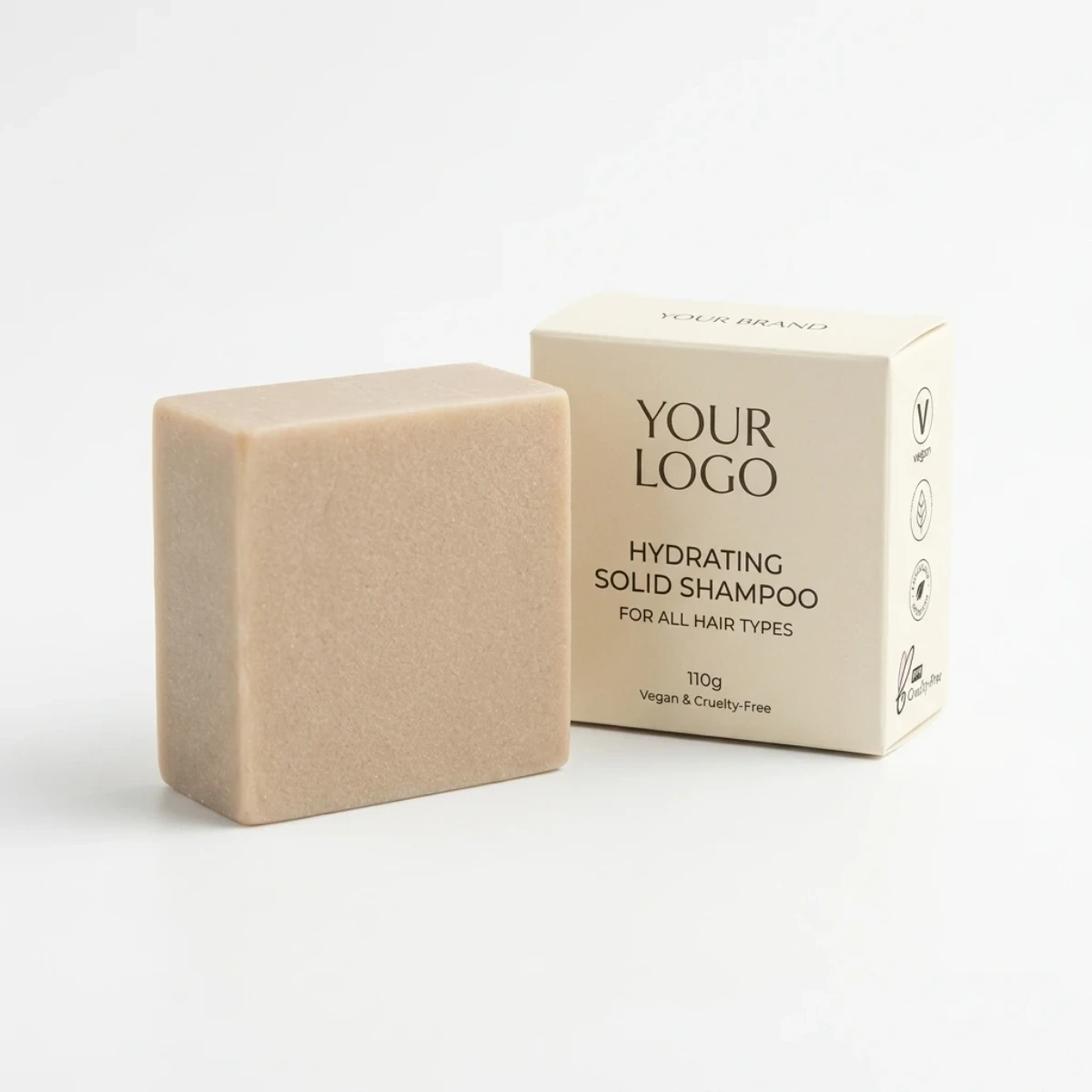
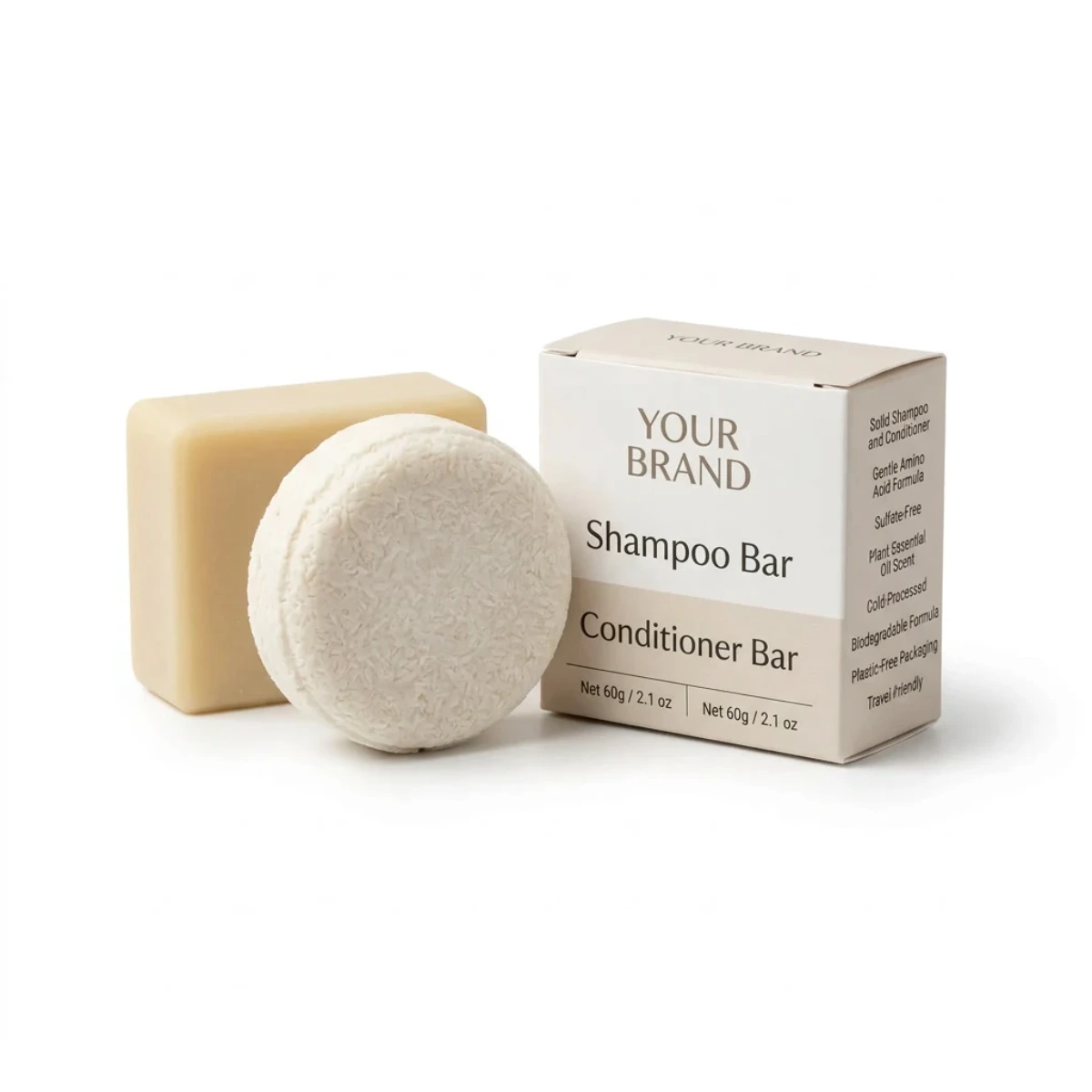
For brands assessing a shampoo bar manufacturer, the solid format brings two of the strongest differentiators in current retail buying meetings: a compelling sustainability story and meaningfully lower freight costs.
Key Formulation Considerations for Private Label Brands
The active is only part of the equation. The base system drives sensory performance, regulatory compliance, and — ultimately — repeat purchase rate.
Surfactant Systems — Sulfate-Free vs. Mild Sulfates
SLES-based systems remain cost-efficient and deliver the familiar lather consumers expect, but sentiment is moving toward milder, sulfate-free alternatives. Common sulfate-free anchors include sodium cocoyl isethionate, decyl glucoside, and cocamidopropyl betaine.
Hair growth shampoos in particular call for gentler surfactant systems. Aggressive cleansing damages the scalp barrier and works against the trichology actives you're paying to include.
pH, Viscosity & Sensory Profile Targets
Recommended targets for scalp-care shampoos: pH 4.5–5.5 (close to physiological scalp pH), viscosity 4,000–8,000 cps, clear or pearlized appearance, and a fragrance load matched to brand positioning. Premium SKUs are increasingly going minimal or unscented.
Stability, Preservation & Regulatory Compliance
Export-ready formulations have to clear accelerated stability testing (typically 12 weeks at 45°C) and freeze-thaw cycling. Regulatory pathways vary by region — FDA notification in the U.S. (under MoCRA), CPNP registration in the EU, SFDA filing in Saudi Arabia, and ANVISA registration in Brazil. Halal, vegan, and cruelty-free certifications open up additional markets.
Packaging & Sustainability Trends
Major retailers' sustainability commitments increasingly require post-consumer recycled (PCR) plastic bottles, aluminum tubes, refill pouches, and waterless solid formats. Brands that pair packaging innovation with formulation efficacy build defensible long-term positioning.
Why Poleview Biotechnology Is a Trusted OEM/ODM Partner for Hair Growth Shampoo
Choosing the right manufacturing partner is the single highest-leverage decision a private label brand will make. Poleview Biotechnology Co., Ltd. has earned its reputation by combining technical depth, manufacturing scale, and the commercial flexibility B2B buyers actually need.
Manufacturing Capabilities at a Glance
Poleview's production base sits in Huizhou, Guangdong Province — a regional hub for China's personal care supply chain, with close access to leading raw material suppliers, packaging vendors, and the Port of Shenzhen for export logistics.
The facility operates under GMPC standards. In-process quality control, microbiological testing, and finished-product release protocols are aligned with major export market requirements.
Full-Service OEM & ODM Solutions
Poleview delivers full-service OEM and ODM capabilities, including in-house R&D and proprietary biotin, caffeine, keratin, and botanical shampoo bases ready for private label customization. Formulation, fragrance, color, viscosity, packaging, and label design are all highly customizable to fit each brand's positioning and target market.
Competitive Pricing & Quality Assurance
Poleview pairs high product quality with adjustable, negotiable pricing structures — suited to startups testing the market, established brands scaling up, and bulk distributors serving multiple retail channels. This balance of quality and commercial flexibility is rare in today's OEM landscape.
Shampoo Bar Manufacturing Expertise
As a capable shampoo bar manufacturer, Poleview supports brands entering the sustainable solid-format category with proprietary bar bases built on syndet (synthetic detergent) chemistry, optimized lather, and active ingredient loading sufficient for hair growth and scalp-care claims.
Sample Testing & Factory Visits
Industry buyers are warmly invited to request free samples for performance testing and to schedule an on-site audit at the Huizhou factory. Direct evaluation of formulations and manufacturing infrastructure remains the most reliable due-diligence step before placing a production order.
How to Evaluate a Hair Growth Shampoo Before Launching Your Brand
Procurement and product development teams should run a structured QA protocol before committing to a production run. The checklist below reflects industry best practice.
In-Vivo and Consumer Panel Testing Protocols
Standard claim-support trials run for 8 or 12 weeks with panels of 30–60 subjects. Endpoints typically include hair density (hairs/cm²), breakage reduction, tensile strength, and self-perceived improvement on validated questionnaires.
Third-Party Lab Verification
For premium and clinical positioning, third-party assays such as TrichoScan analysis, phototrichogram imaging, and standardized pull tests deliver the substantiation needed for legally defensible marketing claims and high-trust retail listings.
Claim Substantiation & Marketing Compliance
Claim language must match the supporting evidence and the regulatory category of the product. In most markets, shampoos are cosmetics, which permits structural and aesthetic claims ("thickens hair," "reduces breakage," "supports a healthy scalp") but restricts therapeutic claims that would reclassify the product as a drug. Always align claim copy with documented in-vivo or instrumental data.
FAQ — Hair Growth & Thickening Shampoo for Private Label Brands
Which shampoo ingredient is scientifically proven most effective for hair growth?
Caffeine has the strongest mechanistic and in-vitro evidence among topical actives, followed by saw palmetto for DHT-driven thinning and biomimetic peptides such as Procapil and Capixyl for premium clinical positioning. Biotin remains commercially powerful but shows modest direct topical efficacy — it works best as part of a multi-active blend.
What is the typical MOQ for OEM hair growth shampoo?
Industry-standard MOQs run from 3,000 to 10,000 units depending on packaging complexity. Poleview offers flexible MOQ options designed for new brand launches, pilot SKUs, and bulk distribution orders, with lower entry tiers available for stock-base private label projects.
How long does it take to develop a custom hair growth shampoo formula?
Typical timelines are 15–30 days for OEM customization of an existing base (fragrance, color, label adjustments) and 30–60 days for full ODM development of a new formulation, including stability testing and pilot batching prior to bulk production.
Can I combine multiple actives like biotin, caffeine, and keratin in one formula?
Yes — multi-active "hero blend" shampoos are among the highest-converting SKUs in the category. Compatibility, pH window, and preservation must be carefully managed, particularly when combining cationic peptides with anionic surfactants. Poleview's R&D team routinely formulates stable multi-active systems featuring biotin, caffeine, keratin, and botanical extracts in a single SKU.
Is a shampoo bar as effective as a liquid shampoo for hair growth?
A well-formulated shampoo bar can match the active performance of a liquid format — provided the surfactant matrix carries enough active loading and the pH is properly buffered. Consumer studies point to strong acceptance among sustainability-driven buyers, though liquids still hold the lead in mass-retail repeat purchase rates.
Does Poleview offer free samples and factory tours?
Yes. Poleview welcomes qualified B2B buyers to request free samples for in-market performance testing, and to schedule on-site audits at the Huizhou, Guangdong production base. Both are core steps in our partnership onboarding process.
Conclusion & Call to Action — Partner With Poleview for Your Next Hair Growth Shampoo Launch
Hair growth and thickening shampoos offer the strongest margin profile in personal care today. But the upside belongs only to brands that pair scientifically validated actives with compliant formulations — and a manufacturing partner that can hit quality targets at commercially viable pricing.
Whether your roadmap calls for a caffeine shampoo for hair regrowth, a biotin shampoo for hair growth, a keratin shampoo for thicker fuller hair, a premium peptide system, or a sustainable shampoo bar, Poleview Biotechnology Co., Ltd. is built to deliver — proprietary bases, full OEM/ODM customization, flexible MOQs, competitive and negotiable pricing, and export-ready quality systems.
Take the next step today:
Request free samples of our biotin, caffeine, keratin, and botanical shampoo bases for in-house performance testing.
Submit your custom brief for ODM development — fragrance, actives, viscosity, packaging, and label fully tailored to your brand.
Schedule an on-site factory visit at our Huizhou, Guangdong production base to audit our GMPC facility, R&D laboratory, and quality control systems firsthand.
Contact Poleview Biotechnology Co., Ltd. today to launch your private label hair growth shampoo project — and partner with a trusted Chinese OEM/ODM manufacturer built to scale with your brand.