
Stop quoting a fixed number of weeks for whitening soap. Many in the trade treat a fast-fade story as the selling point, but a bar that touches skin for under a minute before rinsing cannot support a date. How long for whitening soap to show results depends on the user's skin, the formula and the routine, which is why the claim has to be built around gradual, consistent use.
How Long Does Whitening Soap Take to Show Results?
No timeline is guaranteed. Whitening soap, also called brightening soap, is a rinse-off cleansing bar marketed for a more even-looking skin tone. Any visible change tends to be gradual, and it varies with skin type, starting concern, formula and how regularly the bar is used. Some users may notice little. You cannot promise a date.
For a brand owner, "results" needs a definition before it goes on a label. Most credible claims describe an appearance of evenness or radiance after regular use, not a change in natural skin colour. The distinction shapes every decision later in this guide: copy, testing, documents and sampling.
Why Soap Is a Slow Format
Rinse-off contact versus leave-on
A serum or cream stays on skin for hours. A bar is lathered, held there briefly and washed away. Whatever active ingredient is in the formula has a short window to act, and part of it goes down the drain.
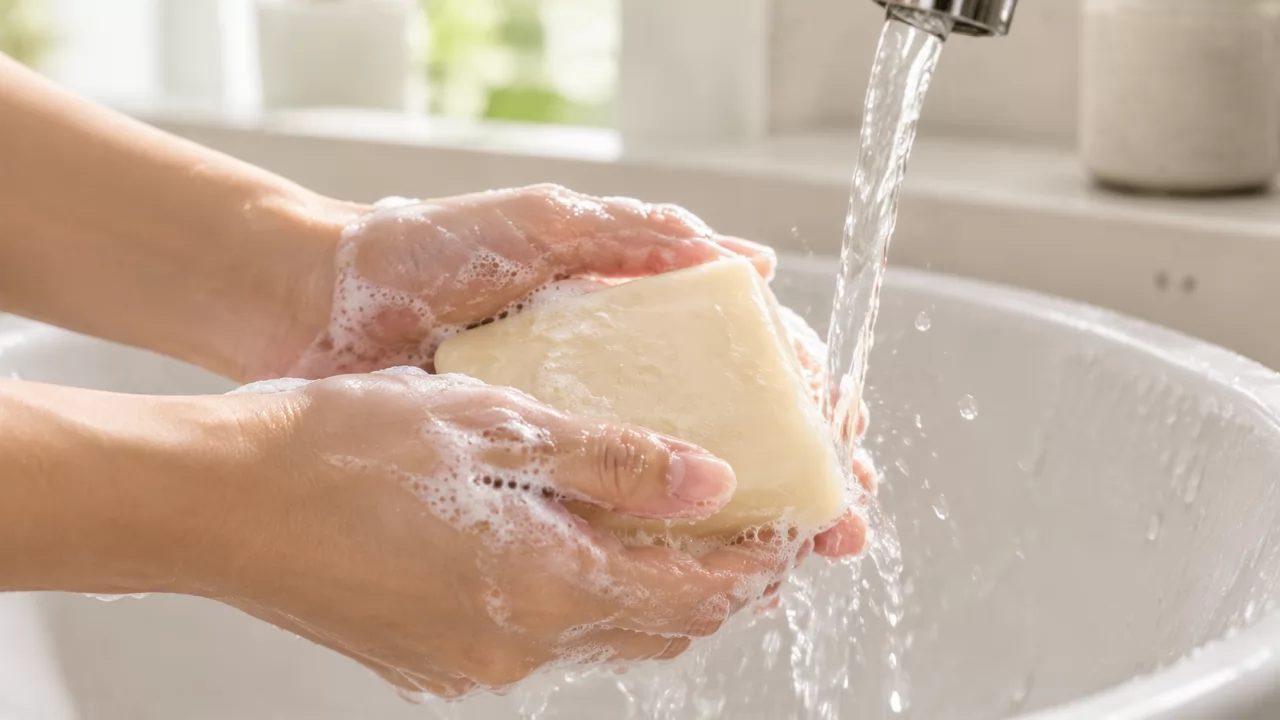
Skin renewal adds to the wait. The outer layer sheds and replaces itself over weeks, not days, and the rate differs between people and changes with age. That is general knowledge, not a figure to print. It does explain why a change in tone, if it occurs, cannot be expected within a few washes.
Evenness of tone versus "whiter" skin
Two different outcomes get confused. Evenness means a patchy or dull look appears more uniform. "Whiter" implies the baseline skin colour has lightened. A cleansing bar is better positioned for the first than the second, and regulators in many markets are more comfortable with the first wording.
Gentle exfoliation and cleansing can also make skin look brighter simply by removing surface dullness. That is a different effect from pigment change, and your copy should not blur the two.
What the Active Ingredients Can and Cannot Promise
Whitening bars usually rely on a small group of ingredients, listed on labels by INCI name (the International Nomenclature of Cosmetic Ingredients, the standard naming system for cosmetic ingredients). Positioning should stay hedged, because the effect of any one ingredient in a rinse-off bar is limited by contact time.
Kojic acid and the timeline question
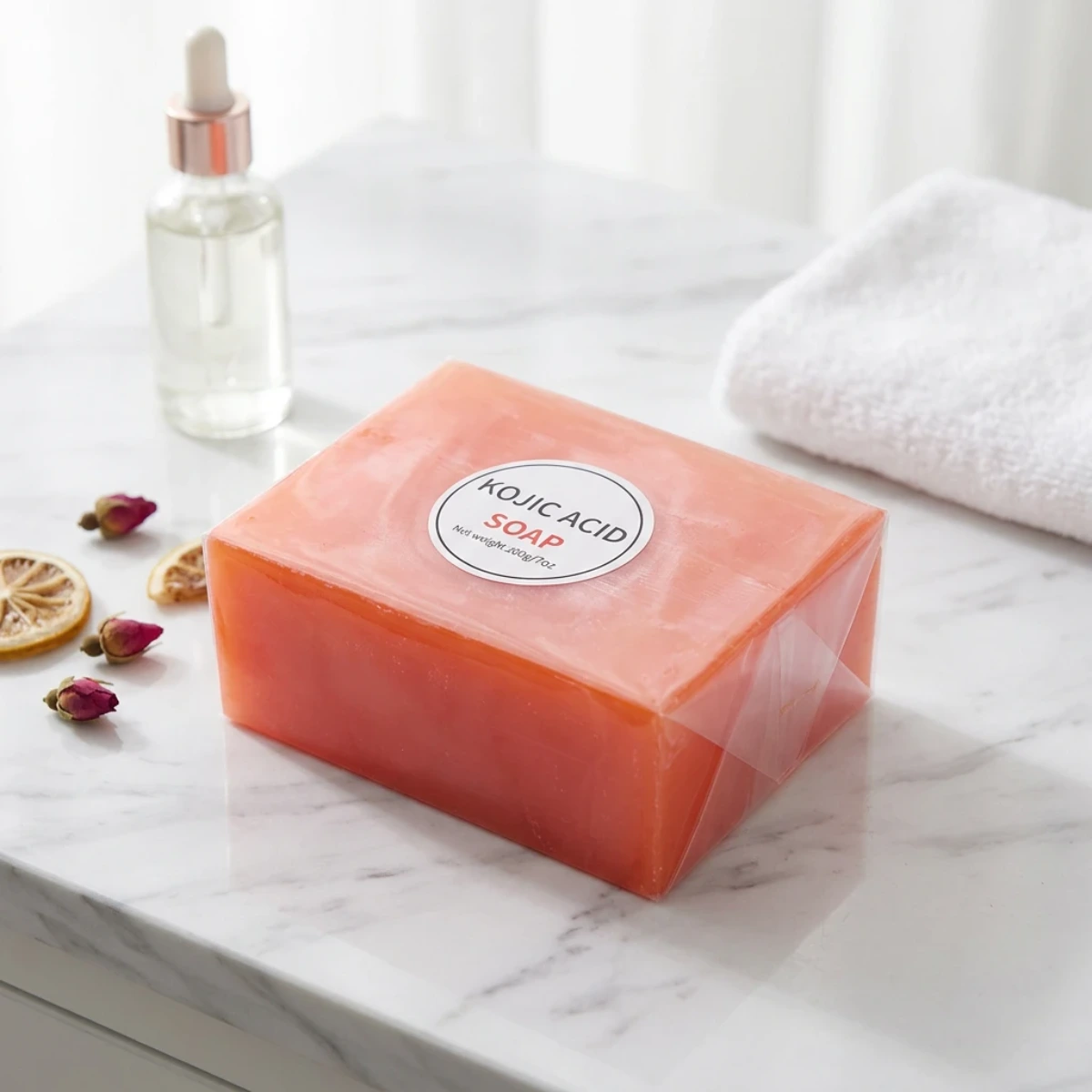
Kojic acid (INCI: Kojic Acid) is widely used in brightening products and is commonly associated with the appearance of uneven tone. People searching how long kojic acid soap takes to work are usually looking for a number. The honest answer is that none can be given: it is gradual and individual, and a wash-off format dilutes the exposure further. Some users find it irritating, particularly on sensitive skin.
Turmeric, goat milk and gentler positioning
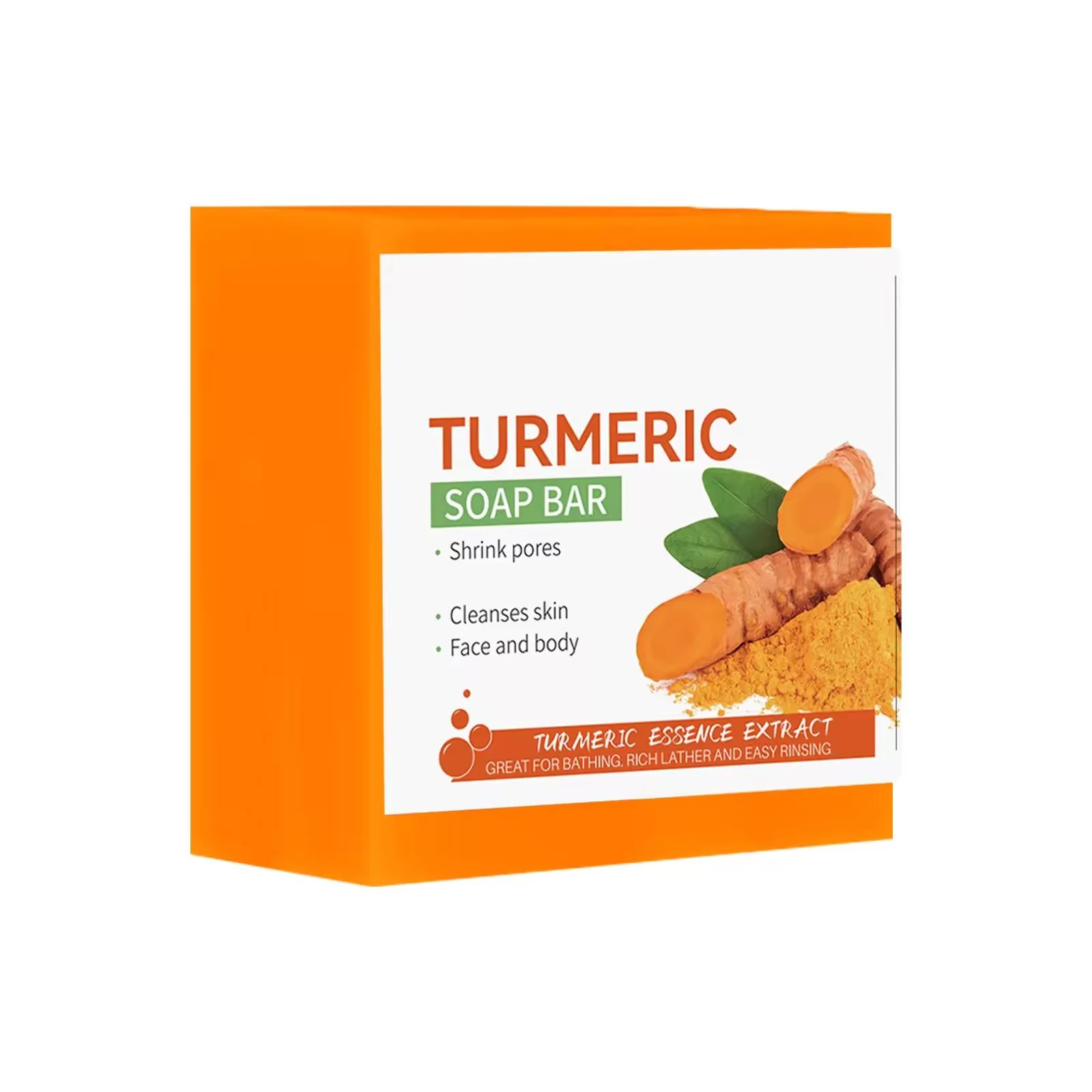
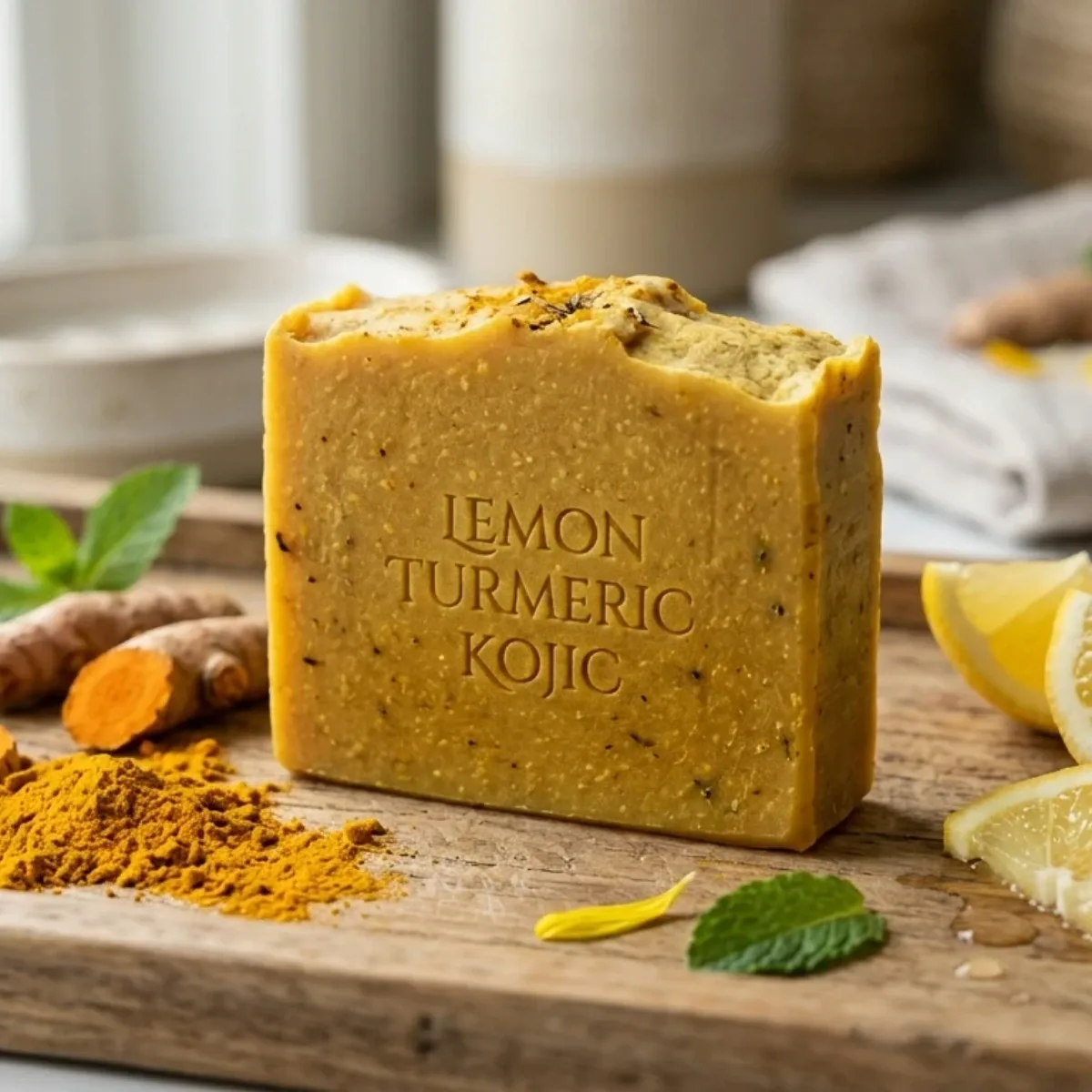
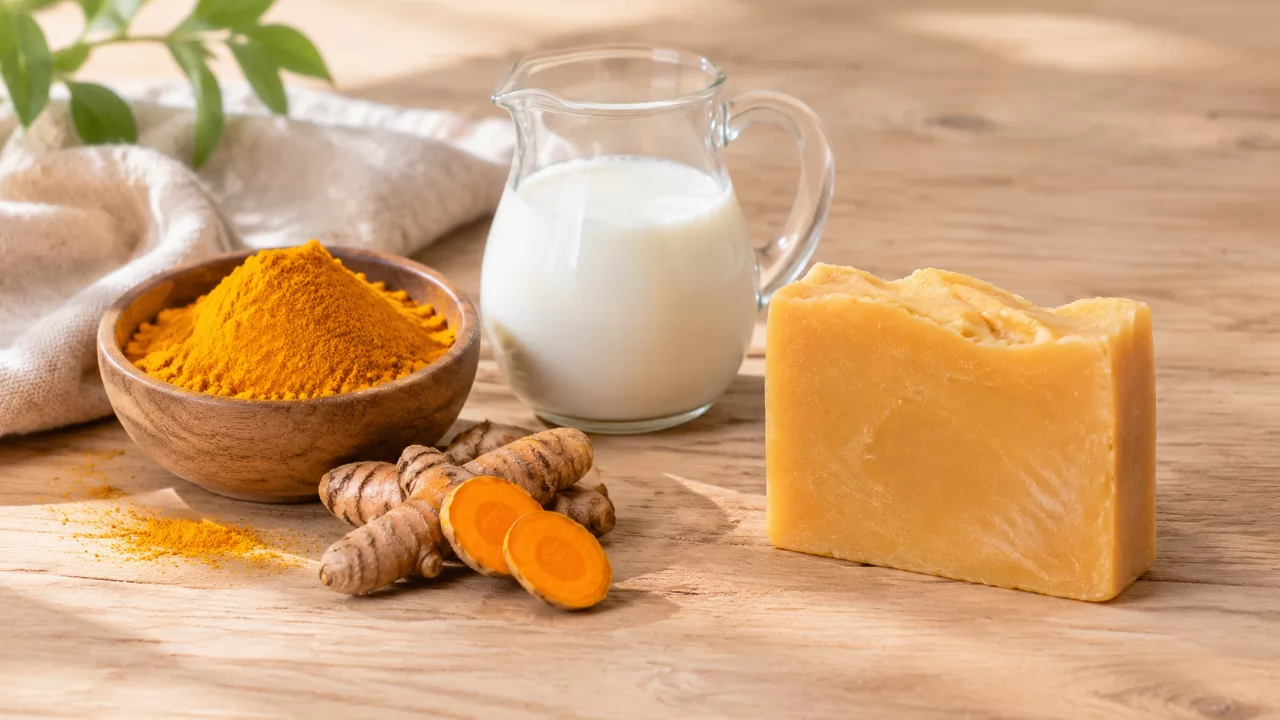
Turmeric (INCI: Curcuma Longa Root Extract or Curcuma Longa Root Powder, depending on the form) and goat milk are often chosen for a softer story built around cleansing and skin feel, not rapid change. Natural origin is not a promise of tolerance, and plant extracts can irritate or sensitise some people. Keep the language to what the bar is: a cleansing soap with certain ingredients.
Concentration limits and market rules
Rules on kojic acid and related ingredients differ by market. Some jurisdictions restrict the permitted level or the product type, and a few treat certain lightening claims as outside cosmetics altogether. Check the current regulation in each destination country before fixing the formula, and ask your manufacturer for the full INCI list so a regulatory adviser can review it.
Variables That Stretch or Shorten the Wait
Because several factors move perceived timing, one date is not defensible. The table below sets out the main variables and how each might shape what a user reports.
| Variable | Effect on perceived timing | What to tell end users |
|---|---|---|
| Skin type | Sensitive skin may need gentler use | Start slowly, watch for reactions |
| Starting concern | Mild dullness differs from marked uneven tone | Expect individual results |
| Sun exposure | Can offset any visible improvement | Use daily sun protection |
| Usage frequency | Irregular use gives less consistent outcome | Follow the label directions |
| Formula and active level | Different actives, limited by rinse-off time | Do not assume stronger means faster |
| Lather and contact time | Brief wash limits exposure | Follow the usage directions given |
The takeaway: sun exposure and inconsistent use are the variables most likely to cancel out a good bar, and both sit outside your formula.
Sun matters more than most listings admit. Ultraviolet exposure can darken skin again, so a brightening claim without sun-protection advice invites complaints.
Myths That Cause Returns and Complaints
Most disputes trace back to expectations set by the listing, not by the bar. Four beliefs recur. "Visible in a week" sets a date the product cannot reliably meet, so the first unhappy review arrives early. "Stronger means faster" pushes brands toward higher active levels, which may raise irritation risk and regulatory exposure without any assurance of speed. "Natural means no irritation" is false, since plant ingredients can sensitise skin. And "before and after photos prove it" is the belief with the most legal weight.
Before-and-after imagery and advertising rules
Photos vary with lighting, camera, angle, editing and tanning, and they are not evidence of a product effect. Marketplaces and advertising regulators in many countries scrutinise such images, and unsubstantiated comparison photos can lead to removed listings or enforcement. If you use imagery at all, check the platform's policy and the local advertising rules first, and be sure you can substantiate it.
Irritation, patch testing and when to stop
A patch test means applying a small amount of product to a limited area of skin and watching for a reaction before wider use. Put this in the directions. Users who feel stinging, redness or burning should stop, and anyone with a skin condition or pigmentation they are concerned about should consult a doctor or dermatologist. A whitening bar is a cosmetic, not a treatment for a skin disorder.
Writing Timeline Claims That Hold Up
The safest wording describes use, not outcome: "use regularly as part of your cleansing routine" instead of "see results in two weeks". Label and listing copy should say the bar helps skin look more even or radiant, state that results vary, and give clear directions on frequency, rinsing and sun protection.
Regulation differs by market. In general terms, cosmetic claims cover cleansing, appearance and the look of skin, while claims to change skin physiology or treat a condition can move a product into drug or medicinal territory in some countries. A claim like "lightens skin permanently" is the typical trigger. Check the cosmetic versus drug boundary for each destination, and keep a responsible person or adviser involved where the market requires one.
How to choose claim language, active level and test support comes down to five checks:
- Does the target market allow the active, and at what level, in a rinse-off soap?
- Can the wording be supported by tests or documents you actually hold?
- Does the claim describe appearance, not a change to skin biology or a medical outcome?
- Do the directions include patch testing, frequency and sun protection?
- Is the same wording used on the pack, the listing and the advertising?
As a rule of thumb, if you would not be comfortable showing a regulator the evidence behind a sentence, take the sentence out.
Specifying a Private Label Whitening Soap with a Manufacturer
Settle the claim wording and market list before sampling, because they decide the formula. Then fix the formula type (cold process, melt-and-pour or another base), the full ingredient list, bar shape and weight, fragrance, pigments and packaging. Ask which documents are available: a COA (certificate of analysis for a batch), an MSDS (safety data sheet), a stability report and an audit report. Whether any of them satisfies a given market's requirements is for you or your adviser to confirm.
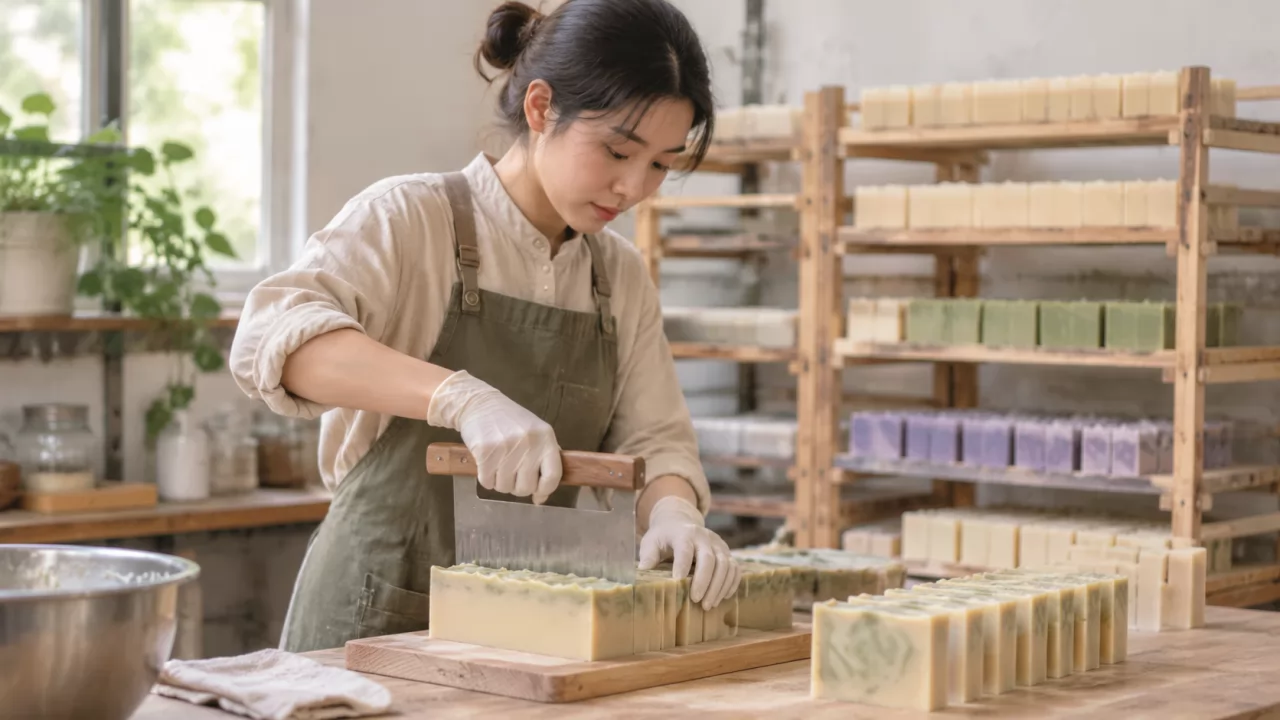
The customization sequence at a manufacturer such as Poleview runs through six steps, and each is a point to confirm something specific.
| Stage | What you confirm | Typical time |
|---|---|---|
| Inquiry | Requirements, specifications, target markets | Start of project |
| Design | Drafts and 3D renders for approval | Before sampling |
| Sampling | Physical sample: lather, scent, colour, shape | Before production |
| Production | In-process quality checks | 15-30 days, by quantity and customization |
| Inspection | 100% final inspection before packaging | End of production |
| Delivery | Packaging, FOB, CIF or airport shipping | By route and mode |
Most of the 15-30 day window is production, so approvals made late in design or sampling are what push dates out. Standard MOQ is 1,000 units, flexible with customization, and free samples are available.
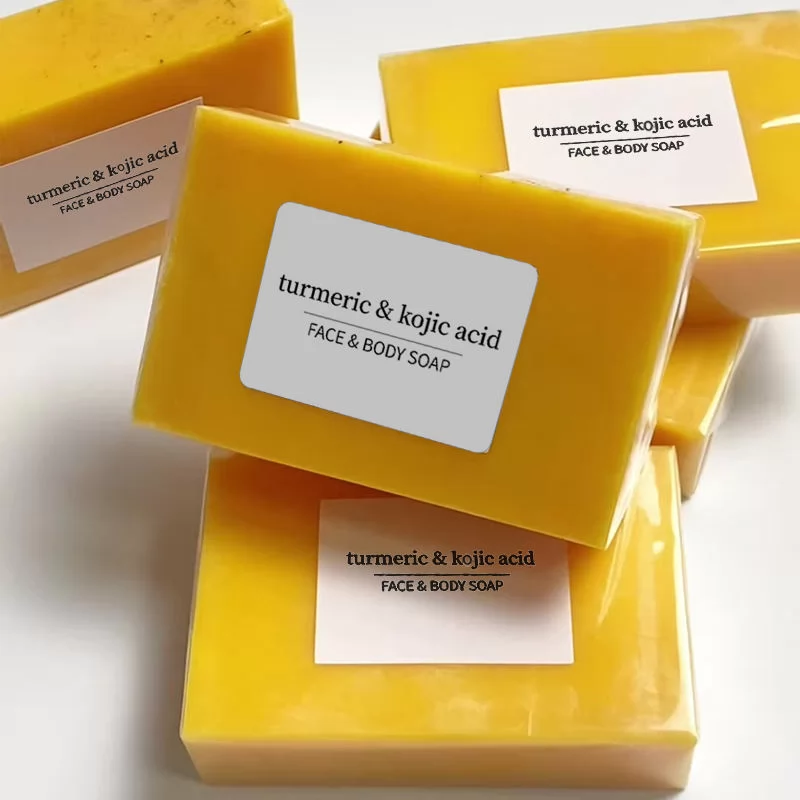
Poleview offers kojic acid and turmeric bar soaps for private label, and works under ISO 22716, the international guideline for good manufacturing practice in cosmetics. That standard covers how a product is made and documented, not whether a claim is permitted in your market.
FAQ
How long does kojic acid soap take to work?
There is no fixed date. Any change is gradual and varies between users, and a rinse-off bar has limited contact time.
Does whitening soap really work?
It may help skin look more even or radiant with regular use, mostly through cleansing and the actives in the formula. It does not change natural skin colour, and results differ from person to person.
How often should brightening soap be used?
Follow the directions on the label. Stop use if irritation occurs.
Can a private label brand state a result timeline on the label?
It depends on the market. Many regulators treat time-bound results as claims that need substantiation, and some classify strong lightening claims outside cosmetics. Check local regulation first and keep the wording within the evidence you hold. In practice, "results vary" with usage directions is far safer than a number of days.