

The global handmade soap market is projected to surpass $10 billion by 2027, fueled by a massive consumer shift away from synthetic, mass-produced bath products toward artisan soap making and organic bath products. Every year, millions of new buyers actively seek out brands that prioritize transparency, sustainability, and skin-friendly formulations.
For entrepreneurs and small business owners, this trend represents a golden opportunity. But here's the question that matters most: What if you could tap into this booming market without building a factory from scratch?
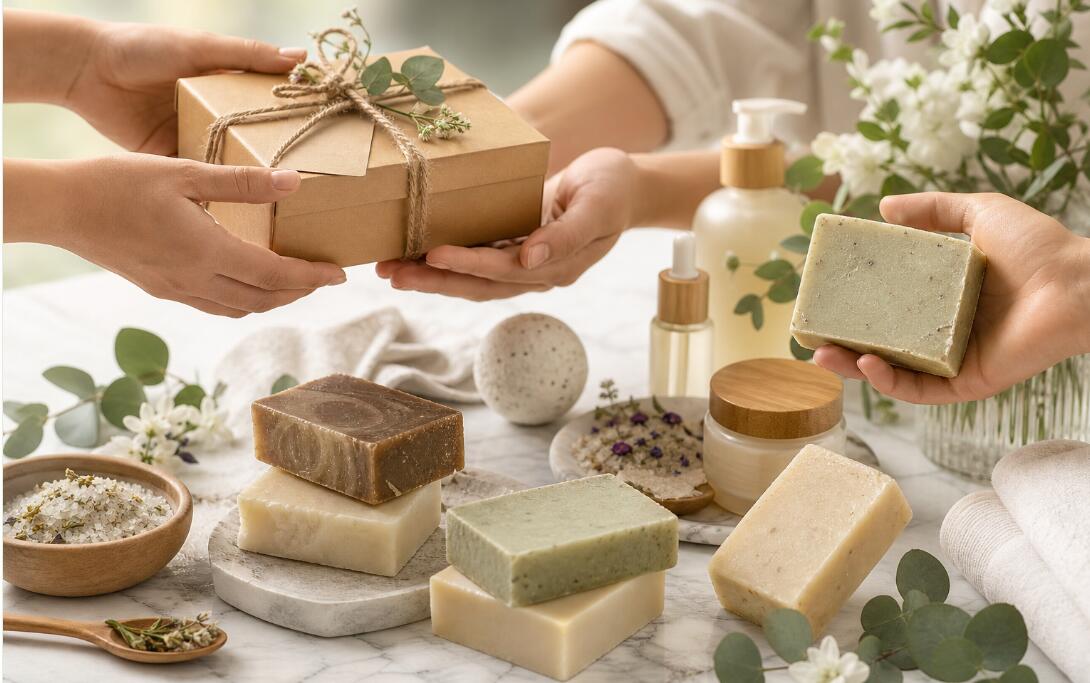
In this article, we'll explore why handmade soap has captured global demand, spotlight five world-renowned brands leading the industry, and reveal the smartest path to launching your own private label handmade soap brand — including a top-tier manufacturing partner ready to bring your vision to life.
Why Handmade Soap Has Captured the Global Market
The Clean Beauty Movement and Conscious Consumers
Consumer awareness of harmful chemicals — parabens, sulfates (SLS), synthetic fragrances, and artificial colorants — has skyrocketed. According to recent consumer surveys, over 73% of beauty buyers now actively check ingredient labels before purchasing skincare and bath products.
Social media has amplified this shift dramatically. Platforms like TikTok and Instagram have turned cold process soap making into a visual art form, with creators showcasing mesmerizing swirl techniques, small-batch storytelling, and transparent ingredient sourcing. This cultural momentum has made handcrafted skincare not just a preference — but a lifestyle statement.
Superior Quality Over Mass-Produced Alternatives
Most commercial "soap" bars are technically synthetic detergent bars. During industrial manufacturing, naturally occurring glycerin — a powerful humectant — is stripped out and sold separately for higher profit. The result? Bars that clean but also dry and irritate the skin.
Handmade soap, especially cold process soap, retains all of its natural glycerin. The method preserves plant-based oils, botanical extracts, and essential oils, delivering a bar that genuinely nourishes the skin. Add to that the sensory experience — rich textures, artful designs, and complex natural fragrances — and you understand why consumers willingly pay a premium.
Sustainability and Eco-Friendly Appeal
Handmade soap aligns perfectly with the zero-waste movement. Formulas are biodegradable. Packaging is minimal or compostable. Production is often cruelty-free and free from petrochemicals.
Eco-conscious millennials and Gen Z consumers are the fastest-growing buyer demographics for organic bath products, and they reward brands that demonstrate genuine environmental responsibility with fierce loyalty — and repeat purchases.
| Factor | Handmade Soap | Commercial Soap |
|---|---|---|
| Ingredients | Natural, plant-based, transparent | Synthetic detergents, artificial additives |
| Glycerin Content | Naturally retained | Often stripped and sold separately |
| Customization | High (scent, shape, ingredients) | Standardized, mass-produced |
| Environmental Impact | Biodegradable, minimal packaging | Plastic packaging, chemical runoff |
| Skin Benefits | Moisturizing, gentle, nourishing | Often drying, may cause irritation |
| Brand Story Potential | Rich, artisanal narrative | Generic, corporate |
5 World-Renowned Handmade Soap Companies Leading the Industry
These global brands have built empires on artisan soap making. Each one offers valuable lessons for aspiring entrepreneurs and small business owners looking to carve out their own space in handcrafted skincare.
1. Dr. Bronner's (USA)
Founded in 1948, Dr. Bronner's is now the #1 selling natural soap brand in the United States, generating over $200 million in annual revenue. Their commitment to organic, fair-trade natural soap ingredients and their iconic "All-One" philosophy have created a cult following that spans generations.
Lesson for entrepreneurs: Mission-driven branding creates deep emotional connections and unshakable customer loyalty.
2. Lush (UK)
Known for fresh, handmade cosmetics and pioneering "naked" (packaging-free) products, Lush operates over 900 stores worldwide. Their transparent supply chain, immersive in-store experience, and vocal ethical stance have made them a global powerhouse.
Lesson: Experiential retail combined with ethical sourcing equals massive brand loyalty — even in the age of e-commerce.
3. L'Occitane en Provence (France)
This premium brand has built its identity on Provençal heritage and regionally sourced natural soap ingredients — shea butter from Burkina Faso, lavender from Haute-Provence, and verbena from the south of France. Their storytelling transforms simple bars into luxury experiences.
Lesson: Heritage and provenance storytelling command premium pricing and attract discerning consumers worldwide.
4. The Handmade Soap Company (Ireland)
A smaller but rapidly growing artisan brand, this Irish company is celebrated for its cold process soap bars featuring native botanical ingredients. Their award-winning packaging design has earned them shelf space alongside much larger competitors.
Lesson: Niche positioning and design excellence can absolutely compete against industry giants.
5. Claus Porto (Portugal)
Crafting luxury handmade soap since 1887, Claus Porto is famous for vintage-inspired wrapping and exquisite fragrances. Positioned in high-end department stores like Liberty London and Bergdorf Goodman, they prove that artisan heritage commands extraordinary margins.
Lesson: Artisan heritage combined with luxury positioning creates timeless appeal and premium profitability.
| Brand | Country | Founded | Key Differentiator | Market Position |
|---|---|---|---|---|
| Dr. Bronner's | USA | 1948 | Organic, fair-trade, multi-use | Mass-premium, mission-driven |
| Lush | UK | 1995 | Fresh, naked (packaging-free) products | Experiential retail, global |
| L'Occitane | France | 1976 | Provençal heritage, natural ingredients | Premium/luxury |
| The Handmade Soap Co. | Ireland | 2010 | Irish botanicals, award-winning design | Artisan niche, fast-growing |
| Claus Porto | Portugal | 1887 | Luxury fragrances, vintage aesthetic | Ultra-premium, heritage luxury |
What Entrepreneurs Can Learn — And How to Enter the Market Without a Factory
The Private Label Handmade Soap Business Model
Here's the reality: you don't need to invest in equipment, lease a production facility, or master artisan soap making yourself. The private label model allows a specialized manufacturer to produce high-quality handmade soap, which you then brand and sell as your own.
This is the smartest entry point for entrepreneurs and small business owners. It dramatically reduces capital risk, accelerates time-to-market, and eliminates the steep learning curve of manufacturing. Two common arrangements exist: OEM (you provide the formula, they produce it) and ODM (they develop the formula based on your specifications).
Key Factors When Choosing a Private Label Soap Manufacturing Partner
Choosing the right manufacturing partner is the single most important decision you'll make when building a handcrafted skincare brand. Here's what to evaluate:
- Product quality and relevant certifications
- Ingredient customization capabilities (formulas, scents, botanicals)
- Minimum order quantities (MOQs) that match your startup stage
- Pricing competitiveness to protect your margins
- Sample availability so you can test before committing
- Communication responsiveness and international trade experience
Get this decision right, and everything else — branding, marketing, sales — becomes dramatically easier.
Poleview Biotech — Your Ideal Private Label Handmade Soap Manufacturing Partner
If you've been evaluating manufacturers against the criteria above, Poleview Biotech Co., Ltd. deserves your serious attention. Based in China, Poleview is a top-tier body care manufacturer that checks every box for entrepreneurs seeking quality, customization, and cost-competitiveness.
Deep Industry Expertise in Body Care Products
Poleview Biotech has spent years deeply immersed in the body care and personal care product industry. They specialize in artisan soap making at scale — combining the handcrafted quality consumers demand with the manufacturing efficiency businesses need to stay profitable.
Their full-service OEM and ODM capabilities mean whether you arrive with a complete formula or just a concept, Poleview can bring it to life as a shelf-ready product.
Why Entrepreneurs Choose Poleview Biotech
Premium Product Quality: Poleview maintains rigorous quality control at every production stage. They use premium natural soap ingredients and comply with international quality standards, ensuring your brand delivers on its promises to customers.
Competitive Pricing: China-based manufacturing provides a significant cost advantage — without sacrificing quality. For entrepreneurs building margin-friendly product lines, this pricing edge can be the difference between a struggling startup and a thriving brand.
Highly Customizable Service: From formulation method (cold process soap, hot process, melt-and-pour) to shape, color, fragrance, packaging design, and labeling — Poleview offers true ODM/OEM flexibility. Your product, your way.
Sample Testing Available: Poleview welcomes potential partners to request samples before committing to bulk orders. This risk-reducing step lets you evaluate quality firsthand — a confidence-building practice that separates serious manufacturers from the rest.
Scalable Partnership: Whether you're ordering 500 bars or 50,000, Poleview scales seamlessly with your business growth. Start small, prove your concept, then ramp up as demand increases.
From Your Vision to a Shelf-Ready Product
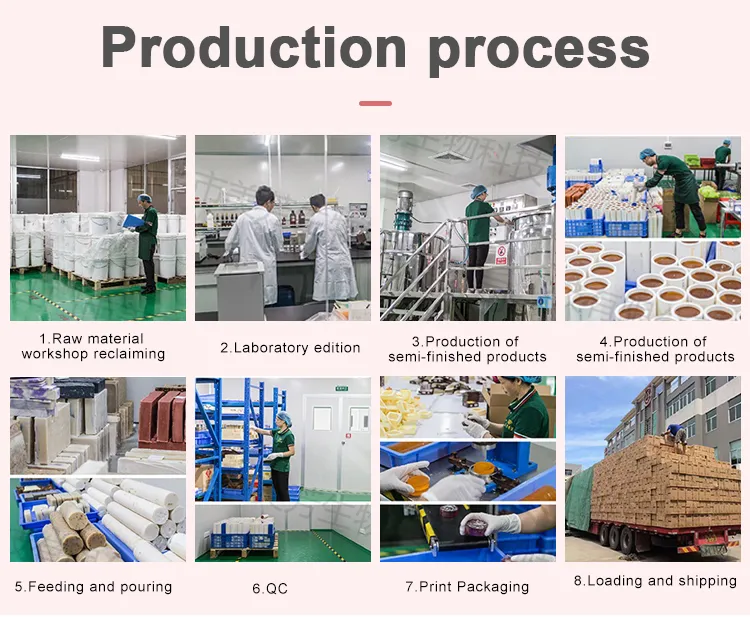
Working with Poleview follows a streamlined collaboration process:
- Initial Consultation — Share your vision, target market, and product concept
- Concept Development — Poleview's team refines your idea into a feasible product plan
- Formulation Customization — Ingredients, scent profiles, and soap-making methods are tailored
- Sample Production & Testing — You receive and evaluate samples before approving
- Bulk Manufacturing — Full-scale production with consistent quality control
- Quality Inspection & Shipping — Final QC checks and logistics coordination
They handle the manufacturing complexity so you can focus entirely on branding, marketing, and sales.
| Capability | Details |
|---|---|
| Service Models | OEM & ODM |
| Product Focus | Handmade soap, body care, organic bath products |
| Customization Level | Full (formulation, shape, scent, color, packaging) |
| Quality Standards | International compliance, rigorous QC |
| Pricing | Highly competitive, margin-friendly for SMBs |
| Sample Policy | Samples available upon request for testing |
| Ideal For | Entrepreneurs, small brands, private label startups |
| Experience | Years of deep expertise in body care manufacturing |
How to Launch Your Private Label Handmade Soap Brand — A Quick Roadmap
Step 1 — Define Your Niche and Brand Story
Identify a specific market angle: luxury spa-quality bars, eco-friendly zero-waste soap, medicinal/therapeutic formulations, or artisanal gifting collections. In the handcrafted skincare space, brand story is everything. Consumers don't just buy soap — they buy the narrative behind it.
Step 2 — Research Your Target Market and Competitors
Conduct competitive analysis of existing brands in your target geography. Understand pricing tiers, packaging trends, and positioning gaps. Where are competitors falling short? That's your opportunity.
Step 3 — Partner with a Trusted Manufacturer Like Poleview Biotech
Choose a manufacturer that offers genuine customization, proven quality, and competitive pricing. Poleview Biotech's combination of deep expertise, flexible ODM/OEM services, and welcoming sample policy makes them an ideal partner for first-time brand builders and established businesses alike.
Step 4 — Develop, Test, and Iterate
Request samples, test them with a focus group or beta customers, and refine your formulation and packaging before committing to scale. This iterative approach minimizes risk and maximizes product-market fit.
Step 5 — Launch, Market, and Scale
Launch on e-commerce platforms like Shopify, Etsy, or Amazon. Leverage social media marketing — especially visual platforms — to showcase your organic bath products and artisan story. As demand grows, scale your orders seamlessly with your manufacturing partner.
Frequently Asked Questions (FAQ)
What is private label handmade soap?
Private label handmade soap is soap manufactured by a third-party company — like Poleview Biotech — but branded, packaged, and sold under your own brand name. Under an OEM arrangement, you provide the formula; under an ODM arrangement, the manufacturer develops the formula based on your specifications. Either way, the final product carries your brand identity.
How much does it cost to start a private label soap business?
Startup costs vary depending on minimum order quantities, customization level, and packaging complexity. Realistically, many entrepreneurs launch with an initial investment of $2,000–$10,000 for their first production run. Partnering with a cost-competitive manufacturer like Poleview Biotech keeps these costs manageable while preserving healthy margins.
What's the difference between cold process soap and other methods?
Cold process soap is made by combining oils and lye at low temperatures, then curing for 4–6 weeks. It preserves the most natural benefits from oils and botanicals. Hot process uses heat to accelerate saponification, producing a more rustic texture. Melt-and-pour uses a pre-made soap base that's melted, customized, and molded. Poleview Biotech offers customization across all three methods.
Can I fully customize my soap (ingredients, shape, scent, packaging)?
Absolutely. A full-service ODM partner like Poleview Biotech offers complete customization — from the base formulation and natural soap ingredients to the bar's shape, color, fragrance profile, packaging design, and labeling. Your product will be uniquely yours.
How do I request samples from Poleview Biotech?
Simply contact Poleview Biotech directly to request product samples for testing. Their team will work with you to understand your requirements and send relevant samples so you can evaluate quality, texture, scent, and overall product experience before placing any bulk order. It's a no-risk first step.
Is handmade soap a profitable business?
Yes — handmade soap typically commands profit margins of 50–70% or higher for well-positioned artisan brands. The growing market demand, combined with premium pricing potential and relatively low cost of goods (especially with a competitive manufacturer), makes this one of the most accessible and profitable product categories in personal care.
Why choose a China-based manufacturer for handmade soap?
China-based manufacturers offer exceptional cost-competitiveness, massive manufacturing scale, and increasingly sophisticated customization capabilities. Quality standards among top-tier Chinese manufacturers have risen dramatically. Poleview Biotech represents the premium tier of China's manufacturing landscape — delivering international-grade quality at prices that give your brand a genuine competitive edge.
Ready to Build Your Handmade Soap Brand? Start Here.
The opportunity is clear: the handmade soap market is booming, consumers are actively seeking natural, artisan-quality products, and the private label business model makes market entry accessible to entrepreneurs of all sizes — without the burden of factory investment.
What separates those who dream from those who launch is one decision: choosing the right manufacturing partner.
Poleview Biotech Co., Ltd. is ready to be that partner. With years of deep expertise in body care manufacturing, premium product quality, highly competitive pricing, full OEM/ODM customization, and a welcoming sample policy — they make it remarkably easy to go from concept to shelf-ready product.
Contact Poleview Biotech today to request your free samples and discover how easy it is to launch your own private label handmade soap brand. Your customers are waiting.
Don't let this opportunity pass. The brands dominating tomorrow's market are being built today. Bookmark this guide, share it with fellow entrepreneurs, and take the first step toward building a handcrafted skincare brand that stands out — and sells out.