Bevezetés: Miért aranybánya a sminkipar a vállalkozók számára?
A globális szépségipar a világ egyik legellenállóbb fogyasztói ágazata. A gazdasági bizonytalanság időszakaiban is folyamatosan vásárolunk rúzst, alapozót és szempillaspirált — ezt a jelenséget a közgazdászok híresen "rúzshatásnak" nevezik.
A vállalkozók számára ez ritka kombinációt jelent: hatalmas potenciális piacot, egészséges árrést és állandó keresletet. A modern gyártásnak köszönhetően pedig saját termékcsaládja elindításához többé nincs szüksége kémiai laboratóriumra vagy milliós tőkére.
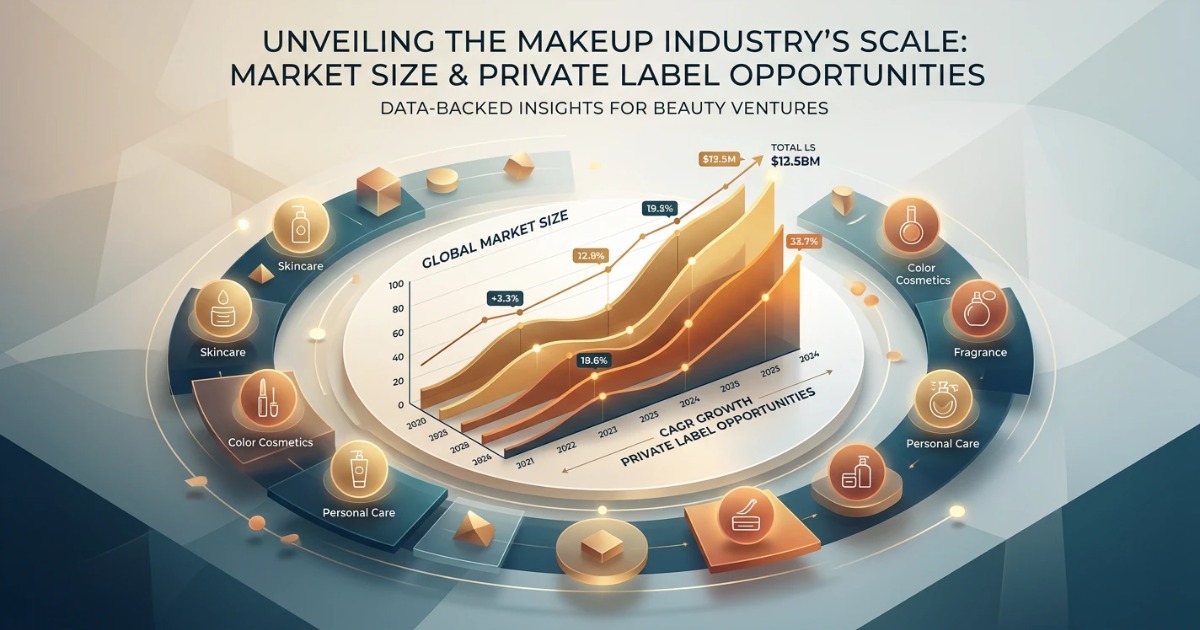
Ez az útmutató bemutatja a sminkipar mérete mögött rejlő valós számokat, megvizsgálja a kozmetikai piac növekedési trendjeit, és pontosan bemutatja, hogyan kínálnak a saját márkás kozmetikumok alacsony belépési küszöbű lehetőséget egy nyereséges márka felépítésére.
Mekkora a sminkipar? A globális piac méretének magyarázata
Válaszoljunk közvetlenül a legfontosabb kérdésre. A globális kozmetikai piac — amely magában foglalja a smink-, bőrápolási, hajápolási és illatanyag-termékeket — értéke 2025-ben meghaladja az US$570 milliárdot, miközben a színes kozmetikumok (smink) szegmense önmagában hozzávetőlegesen US$95–100 milliárd értéket képvisel.
A globális kozmetikai piac mérete egy pillantás alatt
A teljes címezhető piac évről évre tovább bővül, amit az ázsiai középosztály növekvő kiadásai, a digitális kiskereskedelem és az új termékbevezetések folyamatos áradata hajt. Az alábbiakban bemutatjuk azokat a főbb adatokat, amelyeket minden alapítónak ismernie kell.
| Év | Globális kozmetikai piac (USD) | Sminkszegmens (USD) |
|---|---|---|
| 2023 | ~$510 milliárd | ~$82 milliárd |
| 2024 | ~$540 milliárd | ~$88 milliárd |
| 2025 | ~$570 milliárd | ~$96 milliárd |
| 2026 (előrejelzés) | ~$600 milliárd | ~$103 billion |
| 2030 (előrejelzés) | ~$760 billion | ~$135 billion |
Smink a tágabb kozmetikai és szépségápolási piachoz képest
A lehetőség felmérésekor fontos a fogalmak meghatározása. A smink (vagy színes kozmetikumok) kifejezetten olyan termékeket jelent, mint az alapozó, a rúzs, a szemhéjfesték és a szempillaspirál.
A kozmetikumok kategóriája tágabb, és gyakran magában foglalja a bőrápolási és testápolási termékeket is. Az átfogó szépségápolási piac ennél is szélesebb, mivel magában foglalja az illatszereket, a hajápolást és a professzionális szolgáltatásokat is. Ha tisztában van azzal, hogy márkája hol helyezkedik el, reális sminkpiaci statisztikákra összpontosíthat a túlbecsült összesített adatok helyett.
A legfontosabb regionális piacok bevétel alapján
Az ázsiai és csendes-óceáni térség méretét és növekedési lendületét tekintve egyaránt világelső, amit Kína, Dél-Korea, valamint a gyorsan fejlődő piacok, például India és Indonézia hajtanak. Észak-Amerika továbbra is az egy főre jutó legmagasabb értékű régió.
| Régió | A sminkpiac hozzávetőleges értéke (2025) | Globális részesedés |
|---|---|---|
| Ázsia–Csendes-óceáni térség | ~$40 billion | ~42% |
| Észak-Amerika | ~$24 billion | ~25% |
| Európa | ~$21 billion | ~22% |
| Latin-Amerika, MEA & egyéb régiók | ~$11 billion | ~11% |
A szépségipar növekedési üteme & jövőbeli piaci trendek
A piac mérete a léptéket mutatja; a növekedési ütem az időzítésről árulkodik. Az új belépők számára jó hír, hogy a lendület szinte minden kategóriában továbbra is erős.
A várható CAGR 2030-ig
A globális kozmetikai piac várhatóan hozzávetőlegesen 5–6% összetett éves növekedési ütemmel (CAGR) bővül 2030-ig, míg a dekorkozmetikai szegmens várhatóan valamivel gyorsabban, 6–7% ütemben növekszik. Ez a fogyasztói kategóriák között a szépségipar egyik legegészségesebb növekedési ütemét jelzi.
Kategóriák növekedési éllovasai
Nem minden szegmens növekszik azonos ütemben. Az arcszíntermékek (alapozók, korrektorok, színezett szérumok) és az ajaktermékek jelenleg meghaladják az átfogó átlagos növekedést, amit a bőrápolást és sminket ötvöző formulák támogatnak.
| Szegmens | Piaci részesedés | Becsült CAGR (2025–2030) |
|---|---|---|
| Arc / arcszín | ~38% | ~7.2% |
| Ajak | ~22% | ~6.8% |
| Szem | ~26% | ~5.9% |
| Köröm & egyéb | ~14% | ~5.1% |
E-kereskedelem & közvetlen értékesítés felgyorsulása
Az online értékesítés jelenleg a szépségápolási termékek értékesítésének egyre nagyobb részét adja, és egyes piacokon a digitális értékesítés sminktermékek esetében már meghaladja a fizikai kiskereskedelmet. Ez a változás jelentősen csökkenti az új márkák piacra lépésének akadályait.
Többé nincs szükség áruházi polchelyre. Egy erős weboldal, meggyőző történet és aktív közösségi médiás követőtábor már az első naptól kezdve jelentős bevételt generálhat.
A szépségipari piac legfontosabb trendjei, amelyek átalakítják a fogyasztói keresletet
A kozmetikai iparág trendjeinek megértése alapvető fontosságú, mivel feltárják azokat a piaci réseket, ahol az új és saját márkás termékekkel megjelenő márkák sikeresek lehetnek.
Tiszta, vegán & fenntartható szépségápolás
A fogyasztók egyre inkább elvárják az összetevők átláthatóságát, az állatkísérlet-mentességet igazoló tanúsítványokat és a környezettudatos csomagolást. A "tiszta" pozicionálásra épülő márkák magasabb árat érvényesíthetnek, és hűséges vásárlói kört alakíthatnak ki.
Személyre szabás & niche pozicionálás
A mikromárkák azáltal prosperálnak, hogy meghatározott célcsoportokat szolgálnak ki — például érett bőrre készült sminket, sportolóknak szánt izzadásálló formulákat vagy bizonyos etnikumokhoz igazított árnyalatokat kínálnak. A szűk fókusz gyakran többet ér, mint az átfogó ambíció.
Közösségi kereskedelem & influencerek által vezetett márkák
Az olyan platformok, mint a TikTok és az Instagram, megszüntették a termékfelfedezés és a vásárlás közötti távolságot. A tartalomkészítők által alapított márkák hónapok alatt, nem pedig évek alatt növekedhetnek jelentős méretűvé, ezáltal átalakítva a hagyományos szépségipari piaci trendeket.
Inkluzivitás & kibővített árnyalatválaszték
A változatos, kibővített árnyalatválasztékok már nem opcionálisak — elvárásnak számítanak. A kiszolgálatlan fogyasztói szegmensek továbbra is az egyik legkézenfekvőbb, kiaknázatlan lehetőséget jelentik a rugalmasan működő új piaci szereplők számára.
A saját márkás lehetőség: saját sminkmárka felépítése
Most alakítsuk át a piaci adatokat egy konkrét üzleti modellé. A legtöbb vállalkozó számára a saját márkás modell jelenti a legokosabb belépési lehetőséget.
Mi a saját márkás kozmetikum?
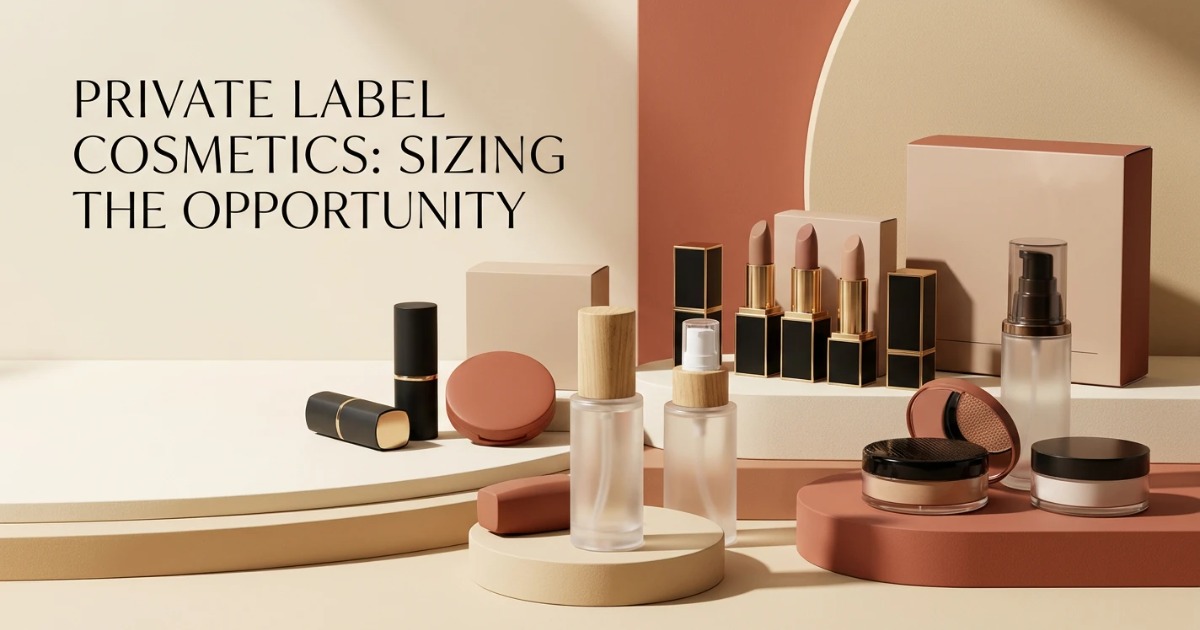
A saját márkás kozmetikumok olyan termékek, amelyeket a gyártó előállít, Ön pedig saját márkaneve alatt értékesít. Ez különbözik az alábbiaktól:
- White label: Általános, késztermék, amelyet több márka értékesít minimális módosításokkal.
- OEM/ODM: Egyedi fejlesztés, amelynek során a gyártó az Ön specifikációi alapján fejleszti ki a formulákat és a dizájnt.
A saját márkás modell ideális megoldást kínál — bevált formulák az Ön márkaelemeivel, színeivel és csomagolásával személyre szabva.
Miért előnyösebb a saját márkás modell a nulláról történő fejlesztésnél?
Egy formula nulláról történő kifejlesztéséhez laboratóriumokra, vegyészekre, szabályozási szakértelemre és jelentős tőkére van szükség. A saját márkás modell megszünteti ezt a terhet.
Tesztelt, piacra kész formulákhoz, gyorsabb piacra lépéshez és jelentősen alacsonyabb kezdeti befektetéshez jut — így energiáját a márkaépítésre és az értékesítésre összpontosíthatja.
Haszonkulcsok & növekedési lehetőségek
A sminktermékek a fogyasztási cikkek között az egyik legegészségesebb haszonkulccsal rendelkeznek. Egy néhány dollárba kerülő termék gyakran ennek az összegnek a négyszereséért vagy ötszöröséért kerül kiskereskedelmi forgalomba.
| Költségösszetevő | Jellemző tartomány (egységenként) |
|---|---|
| Gyártás (formula + csomagolás) | $1.50 – $4.00 |
| Szállítás & vámok (felosztott) | $0.30 – $1.00 |
| Marketing & teljesítés (felosztott) | $2.00 – $5.00 |
| Jellemző kiskereskedelmi ár | $14 – $30 |
| Bruttó árrés | 60% – 80% |
Miért dominál a "Made in China" a kozmetikai ellátási láncban?
A saját márkás kozmetikai gyártók beszerzését illetően Kína a világ' motorjává vált — és jó okkal.
Költséghatékonyság a minőség kompromisszuma nélkül
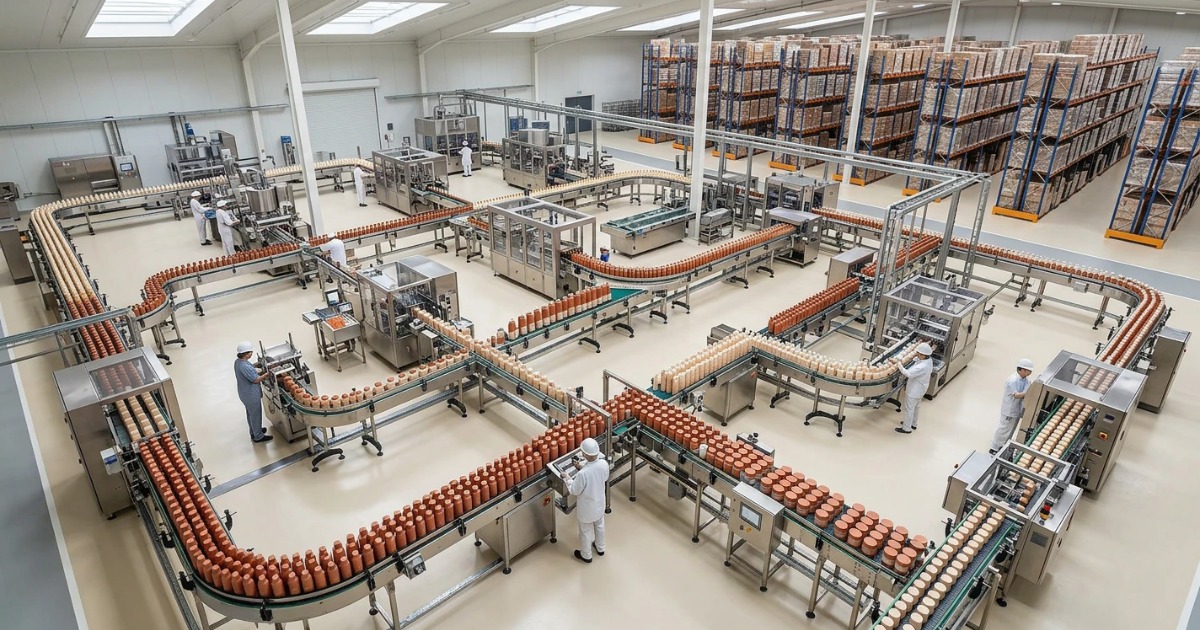
A fejlett gyártási infrastruktúra és a méretgazdaságosság lehetővé teszi, hogy a kínai gyárak prémium minőségű termékeket kínáljanak olyan árakon, amelyekkel csak kevés régió tud versenyezni. A modern létesítmények felveszik a versenyt a nemzetközi szabványokkal, miközben alacsonyan tartják az egységköltségeket.
Teljes körű formulázási & K&F-képességek
A vezető gyártók fejlett laboratóriumokat, globális összetevő-beszerzést és biotechnológia által vezérelt innovációt kínálnak. Ez hozzáférést biztosít a felkapott formulákhoz — például a hibrid bőrápoló-sminktermékekhez, a hosszan tartó arcbőrkészítményekhez és a tiszta, vegán termékcsaládokhoz — anélkül, hogy saját K&F-csapatot kellene felépítenie.
Alacsony MOQ-k & rugalmas testreszabás
A számos, nagy mennyiséget megkövetelő nyugati beszállítóval ellentétben a kínai partnerek gyakran alacsony minimális rendelési mennyiségeket is lehetővé tesznek. Ez a rugalmasság ideális a piacot tesztelő startupok és kis- és középvállalkozások számára.
Megfelelőség & globális exporttapasztalat
A jó hírű gyárak olyan tanúsítványokkal rendelkeznek, mint a GMPC, az ISO 22716 és az FDA-regisztráció, emellett jelentős tapasztalattal bírnak az Egyesült Államokba, az EU-ba és más régiókba irányuló exportra vonatkozó követelmények teljesítésében — megkönnyítve az utat a globális piacok felé.
| Beszerzési régió | Egységköltség | Jellemző MOQ | K&F mélysége | Átfutási idő |
|---|---|---|---|---|
| Kína | Alacsony | Alacsony–közepes | Magas | Gyors |
| Dél-Korea | Közepes | Közepes | Magas | Közepes |
| USA \/ EU | Magas | Magas | Közepes–magas | Lassú–közepes |
Hogyan indítsd el saját márkás sminkmárkádat: lépésről lépésre
Íme egy praktikus útmutató, amely segít az ötlettől a polcra kész márkáig eljutni.
1. lépés — Határozd meg a piaci rést & a célközönséget
Válassz egy konkrét célközönséget és pozicionálást. Egy fókuszált "tiszta összetevőkre épülő vegán ajakápoló- és rúzsvonal a Z generáció számára" jobb választás, mint egy homályos "mindenki számára készült sminkmárka."
2. lépés — Válaszd ki a termékkategóriákat
Kezdj szűk termékkínálattal, egy vagy két kiemelt termékkel — például egy jellegzetes rúzzsal és egy sokoldalú alapozóval — majd bővíts, amint már piaci lendületet értél el.
3. lépés — Válassz megbízható saját márkás gyártót
A partnereket tanúsítványaik, az MOQ rugalmassága, K&F-kapacitásuk és kommunikációjuk alapján értékeld. A végleges elköteleződés előtt kérj mintákat.
4. lépés — Formula, csomagolás és márkaépítés testreszabása
Finomítsa az árnyalatokat, textúrákat és felületeket, majd tervezzen olyan csomagolást, amely tükrözi márkatörténetét, és kiemelkedik a képernyőn és a polcon egyaránt.
5. lépés — Megfelelőség és tesztelés kezelése
Gondoskodjon arról, hogy termékei megfeleljenek a célpiacok előírásainak — beleértve az összetevők címkézését, a biztonsági értékeléseket és a szükséges regisztrációkat.
6. lépés — Bevezetés és növekedés digitális csatornákon keresztül
Használja ki webhelyét, az online piactereket és a közösségi kereskedelmi csatornákat. Működjön együtt tartalomkészítőkkel, és használjon tartalmakat a közösségépítéshez, valamint a visszatérő értékesítés ösztönzéséhez.
Válassza a Poleview Biotechnology Co., Ltd. vállalatot saját márkás projektjéhez
A piaci lehetőség valódi márkává alakításához megfelelő gyártópartnerre van szükség — és pontosan ebben tudunk segíteni.
Rólunk
A Poleview Biotechnology Co., Ltd. kínai székhelyű kozmetikai gyártó, amely a biotechnológia-alapú formulafejlesztést modern, tanúsított gyártással ötvözi. Segítünk a vállalkozóknak és a növekvő márkáknak abban, hogy kiváló minőségű sminktermékeket vezessenek piacra a hagyományos költségek és összetettség nélkül.
Saját márkás megoldásaink előnyei
- Egyablakos OEM/ODM-szolgáltatás — a formulától a kész, márkázott termékig.
- Belső K+F és formulázás — trendekhez igazodó, innovatív formulákhoz biztosítunk hozzáférést.
- Rugalmas MOQ-k induló vállalkozások számára — indítson és teszteljen anélkül, hogy túl nagy tőkét kötne le.
- Megfelelő szabályozásnak megfelelő, exportra kész termékek — GMPC/ISO-szabványok és globális piaci tapasztalat.
Sikerre kész termékkínálat
Széles portfóliót kínálunk, amely készen áll az Ön márkájához való igazításra, beleértve az arcbőrtermékeket (alapozó, korrektor, cushion alapozó), ajaktermékeket (rúzsok, szájfények, ajakkontúrceruzák), szemtermékeket (szempillaspirál, szemhéjpúder, szemkontúrceruza), valamint a mai kozmetikai iparági trendekhez igazodó tiszta, vegán és fenntartható formulákat.
Gyakran ismételt kérdések (GYIK)
Mennyi pénzre van szükségem egy saját márkás sminkmárka elindításához?
Sok alapító szerény költségvetéssel indul, fokozatosan építkezve. Az alacsony MOQ-k révén a kezdeti készlet néhány ezer dollárból elindítható, a további költségvetést pedig a márkaépítésre és marketingre lehet fordítani.
Mennyi a saját márkás kozmetikumok minimális rendelési mennyisége?
A MOQ-k termékenként és gyártónként eltérnek. Az olyan rugalmas partnerek, mint a Poleview, induló vállalkozások számára is kedvező minimumokat kínálnak, így a mennyiség növelése előtt validálhatja a keresletet.
Megbízhatók és biztonságosak a kínai kozmetikai gyártók?
A jó hírű gyárak szigorú nemzetközi szabványok, például az ISO 22716 és a GMPC szerint működnek, FDA-regisztrációval és exportmegfelelőséggel rendelkeznek. Mindig ellenőrizze a tanúsítványokat, és kérjen mintákat — a bevált partnerek örömmel biztosítják a kellő körültekintés lehetőségét.
Mennyi időbe telik egy saját márkás termék piacra dobása?
Meglévő formulák esetén egy saját márkás termék akár néhány hét és néhány hónap alatt is elkészülhet, a testreszabás, a csomagolás és a tesztelési követelmények függvényében.
Összegzés & cselekvésre ösztönzés
A számok önmagukért beszélnek: a globális kozmetikai piac közel hatszázmilliárd dolláros értéke, a szépségipar ellenálló növekedési üteme és a változó fogyasztói trendek által teremtett egyértelmű lehetőségek mind ezt támasztják alá. A vállalkozók számára kevés olyan lehetőség kínál ekkora léptéket ilyen vonzó árrésekkel.
A saját márkás modell a legokosabb, legalacsonyabb kockázatú út a piacra lépéshez — lehetővé teszi, hogy bevált formulákra és világszínvonalú gyártásra építve valódi márkát hozzon létre, a nulláról való indulás helyett.
Készen áll saját sminkmárkája piacra dobására? Vegye fel még ma a kapcsolatot a Poleview Biotechnology Co., Ltd. vállalattal egy ingyenes konzultációért, termékkatalógusért és személyre szabott árajánlatért.