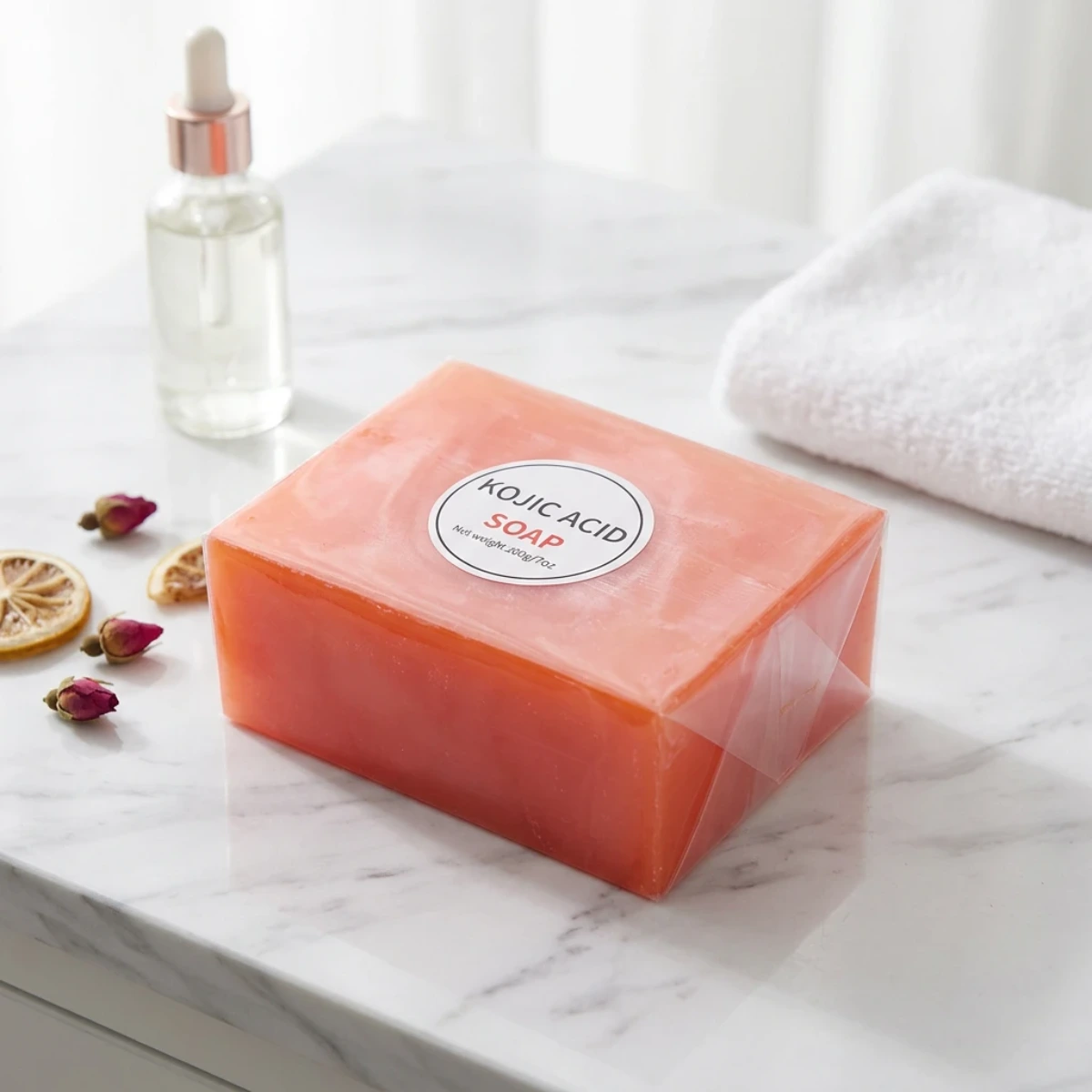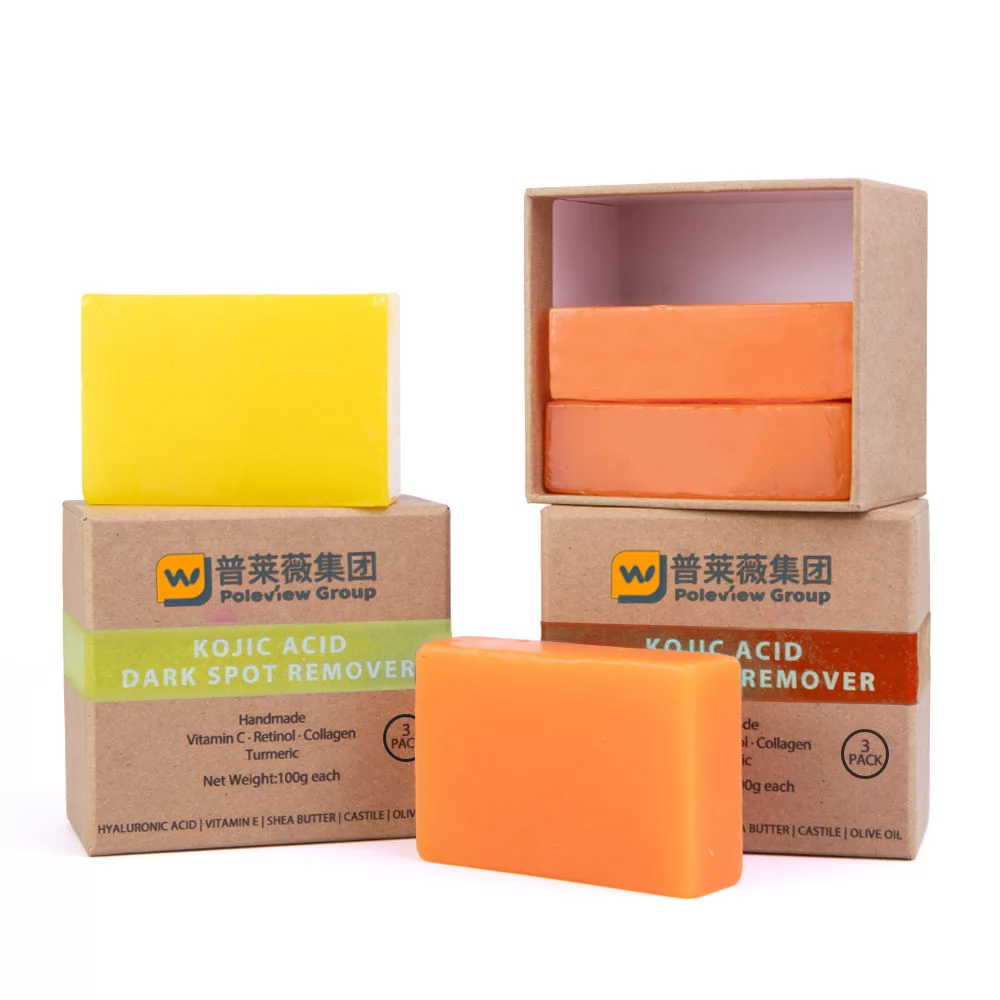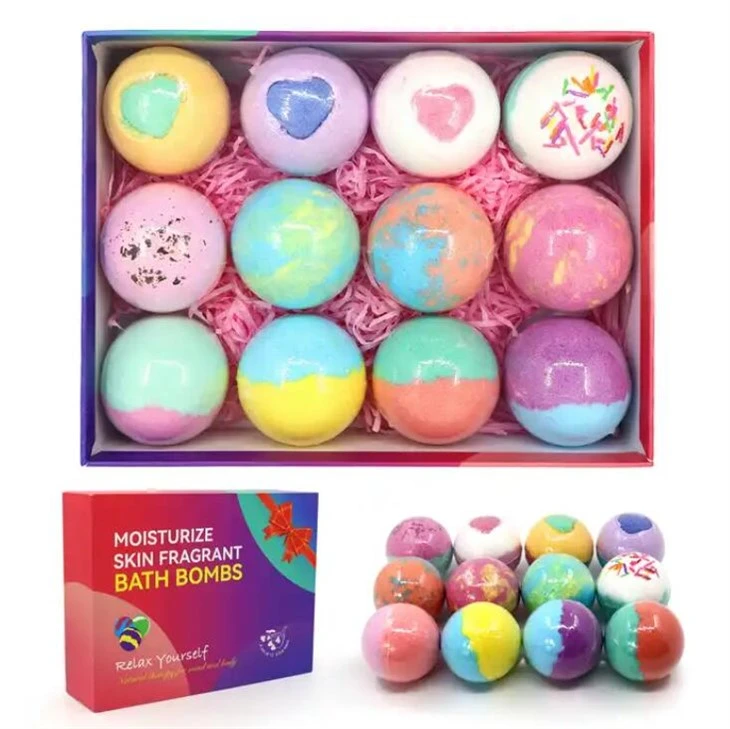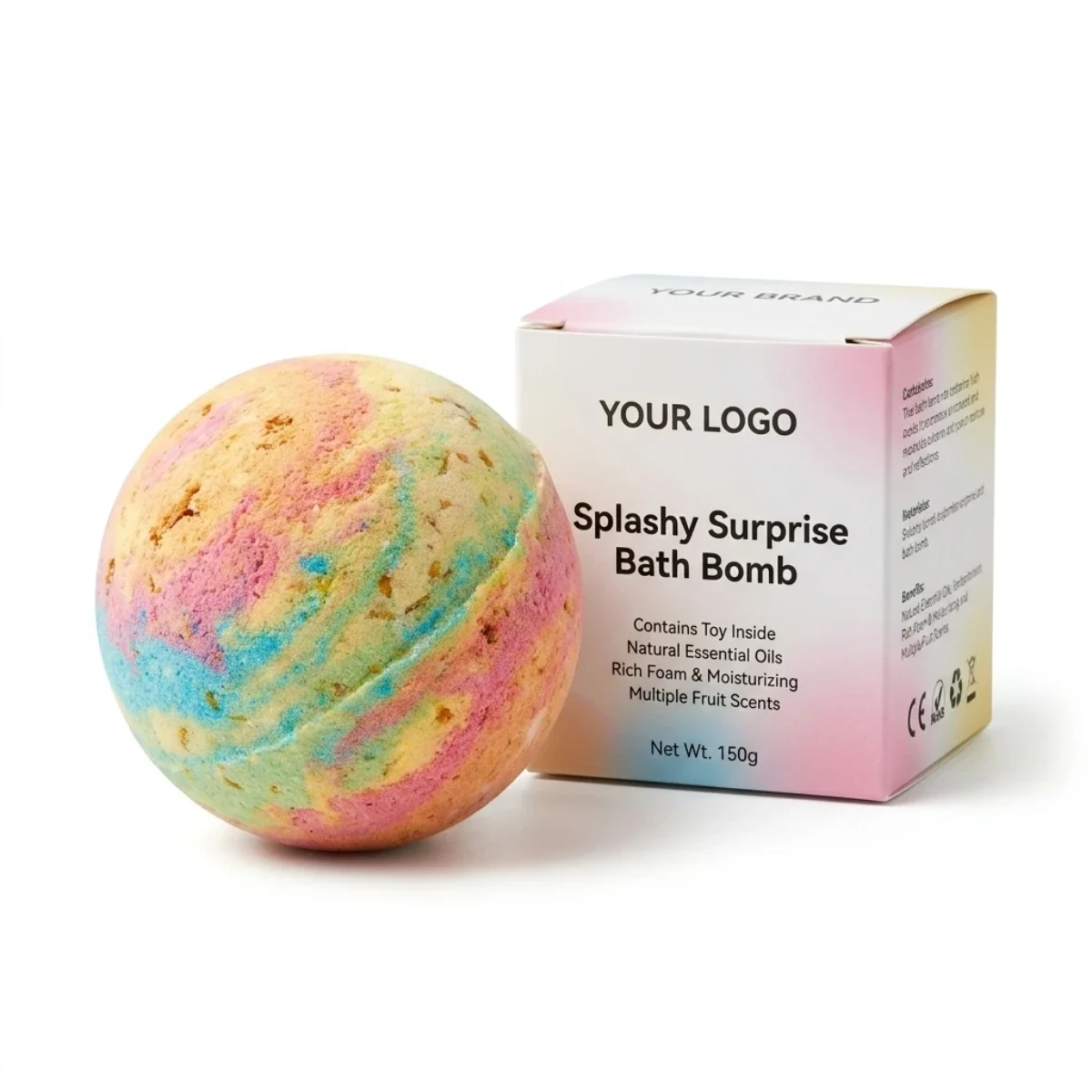

A competitor's shower steamer sits on the desk next to a list of changes: a different scent, a softer color, a smaller tablet, a matte label. Some of those requests are routine for a private label skincare manufacturer. Others quietly raise the minimum order or add weeks. The sections below sort customization options by how much they move cost, risk and timeline.
Customization runs from label-only changes to a new formula, and every step up adds sampling rounds, documents and lead time. Fragrance, color and packaging are the usual cost drivers, and compliance depends on the destination market. Ask for the spec sheet and document list before you approve a sample.
What Can You Actually Customize?
Nearly every visible and functional attribute of a bath and body product can be changed. The changes fall into four layers: formula, sensory profile (scent and color), form and size, and packaging and branding. Effort rises as you go down that list, and so does the amount of testing and approval that follows.
The four layers at a glance
Packaging and branding is the lightest change: your logo, label artwork and wrap on an existing product. Form and size comes next, since it may need a new mold or a different fill weight. Scent and color sit in the middle. They look simple, but they interact with the base. Formula is the heaviest layer, because any change has to be re-tested for stability and re-checked against the ingredient list.
Where the options differ by product type
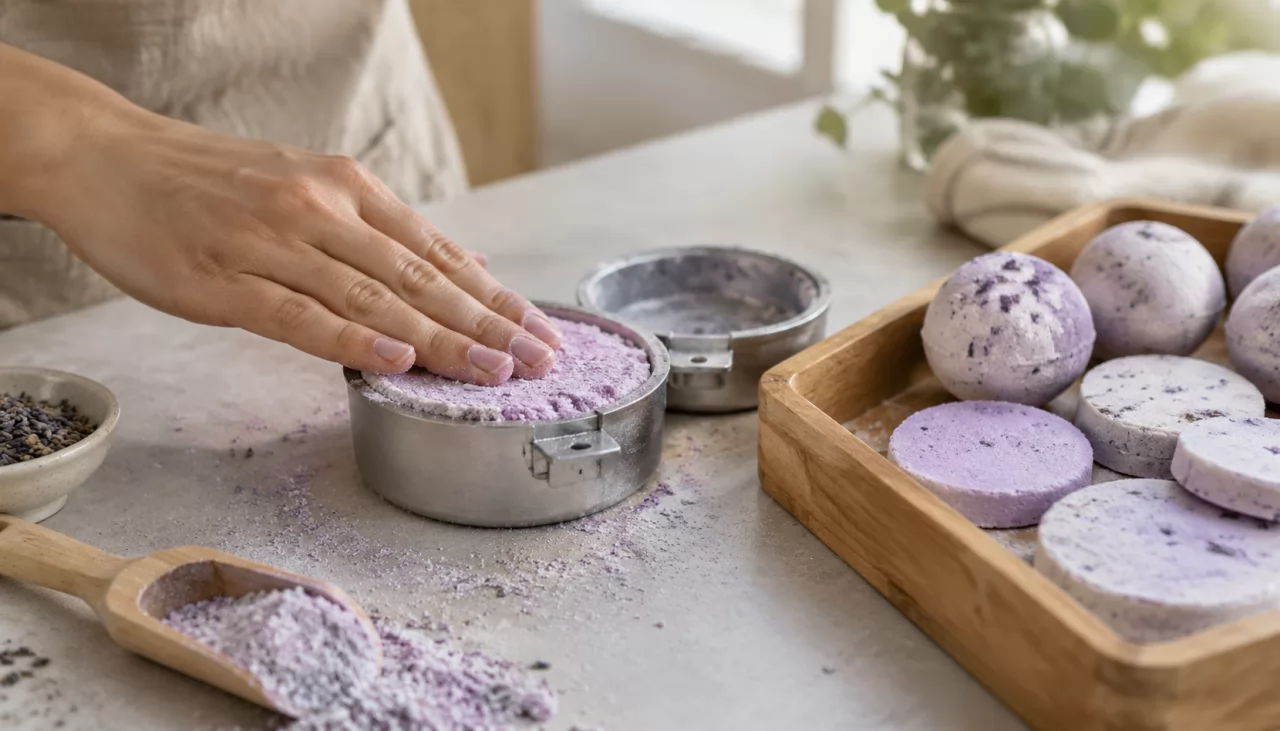
Bath bombs and shower steamers are pressed or molded tablets, so shape, size, scent, color and the effervescent base are the main levers. Bar soap and solid hair bars (shampoo and conditioner) add a choice of base, such as glycerin or goat milk, plus exfoliants and added actives. Lotions, creams and body oils are emulsions or oil blends, so texture, viscosity and preservation matter most. Cleaning tablets follow tablet logic, but the concern is functional performance, not skin contact.
OEM, ODM or Private Label: Which Route Fits Your Brief?
OEM means the manufacturer produces to your specification. ODM means you choose from products the manufacturer has already developed and adapt them. Private label means selling an existing product under your brand. The terms overlap in practice and suppliers use them loosely, so confirm what each one means in the quote.
| Route | Design input from you | Formula ownership | Sampling effort | Minimums |
|---|---|---|---|---|
| OEM | High: you supply the spec or formula | Typically yours, agreed in writing | Higher, matched to your reference | Depends on the specification |
| ODM | Medium: you adapt an existing development | Typically stays with the manufacturer unless agreed otherwise | Moderate | Often lower than a full custom build |
| Private label | Low: branding and packaging | Manufacturer's standard base | Lower | Usually the most flexible |
The more of the formula you own, the more sampling and documentation you carry. Ask early who holds exclusivity over a developed formula.
Formula, Fragrance and Color: The Choices That Change the Product
Formula customization
You can adjust an existing base, supply your own formula, or commission a new one. Adjusting a base is the fastest, since the supplier already holds stability history for it. If you supply your own formula, raw material sourcing and compliance review become a shared responsibility, so ask who verifies each ingredient's supplier documents.
Positioning such as vegan, sulfate-free or organic is an ingredient decision, not a label decision. "Organic" in particular depends on the certification scheme of the target market, so settle the claim before the formula is fixed. The ingredient list under the International Nomenclature of Cosmetic Ingredients (INCI), the standard naming system for cosmetic ingredients, must match the final formula. It should not match the sample you liked three revisions ago.
Custom fragrance and color
Fragrance can be an essential oil blend or a fragrance oil, and the two behave differently. Essential oils are natural mixtures that vary by batch and can be sensitive to heat. Fragrance oils are more uniform but carry allergen declaration rules in some markets, such as the EU. Menthol and eucalyptus profiles in shower steamers are strong, so dosage affects both scent throw and skin comfort.
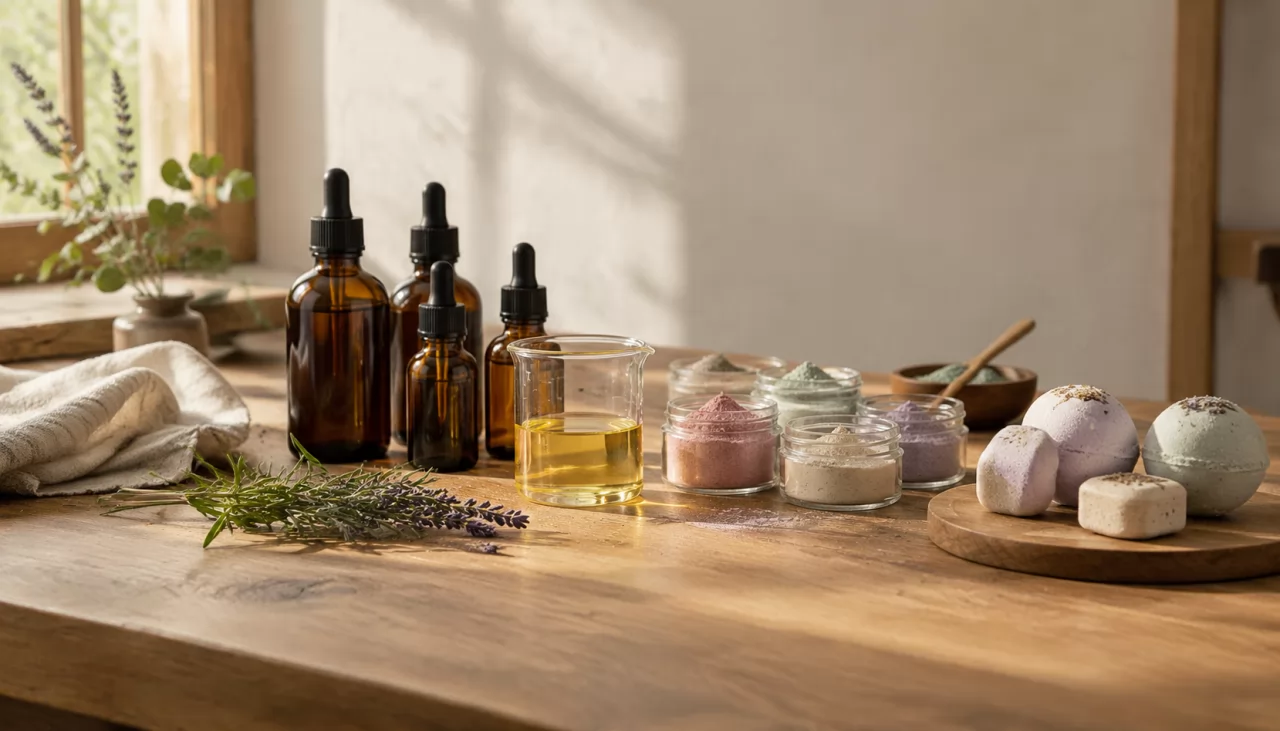
Colorants should be skin-safe and permitted for the product type and market. Some pigments fade in light, bleed into bath water or stain a tub, and some scents shift a base's color over weeks. Ask for an accelerated aging sample in the final packaging, not just a fresh one.
Stability and skin-compatibility checks
A stability report generally records how a product holds its appearance, scent and texture under set storage conditions over time, plus pH and microbial status where relevant. A COA (certificate of analysis) lists results for a specific batch against the specification. Patch testing and other skin-compatibility evaluations are a separate study, and what is appropriate depends on the product and market.
Do not treat a sample that looks and smells right as an approved product. A fragrance or color swap after the stability test means the test no longer describes what you are selling.
Which Shape, Size and Format Suit Your Channel?
In custom bath bomb and shower steamer private label work, shape comes from a mold, and a new shape normally means new tooling. Standard round, square, heart and tablet formats avoid that cost, which makes them the realistic choice for a first order. A custom shape pays off only when the shape is the brand.
Weight and size tolerances matter more than most briefs admit. Pressed tablets vary a little in weight from piece to piece, so agree an acceptable range and the measuring method. Thin edges, deep relief and fine detail break more often in transit. A heavier, rounder piece usually survives a carton better than a delicate one.
Channel changes the answer. Marketplace sellers ship single units through parcel carriers and need pieces that survive drops. Retail shelves reward visual shape, and gift sets reward a consistent set of sizes. Match the format to how the product travels before you match it to how it looks.
Packaging and Label Design: Where Most Timelines Slip
Private label packaging and label design options are wide, but artwork approval, not production, is usually what delays a launch.
Primary packaging and wrap
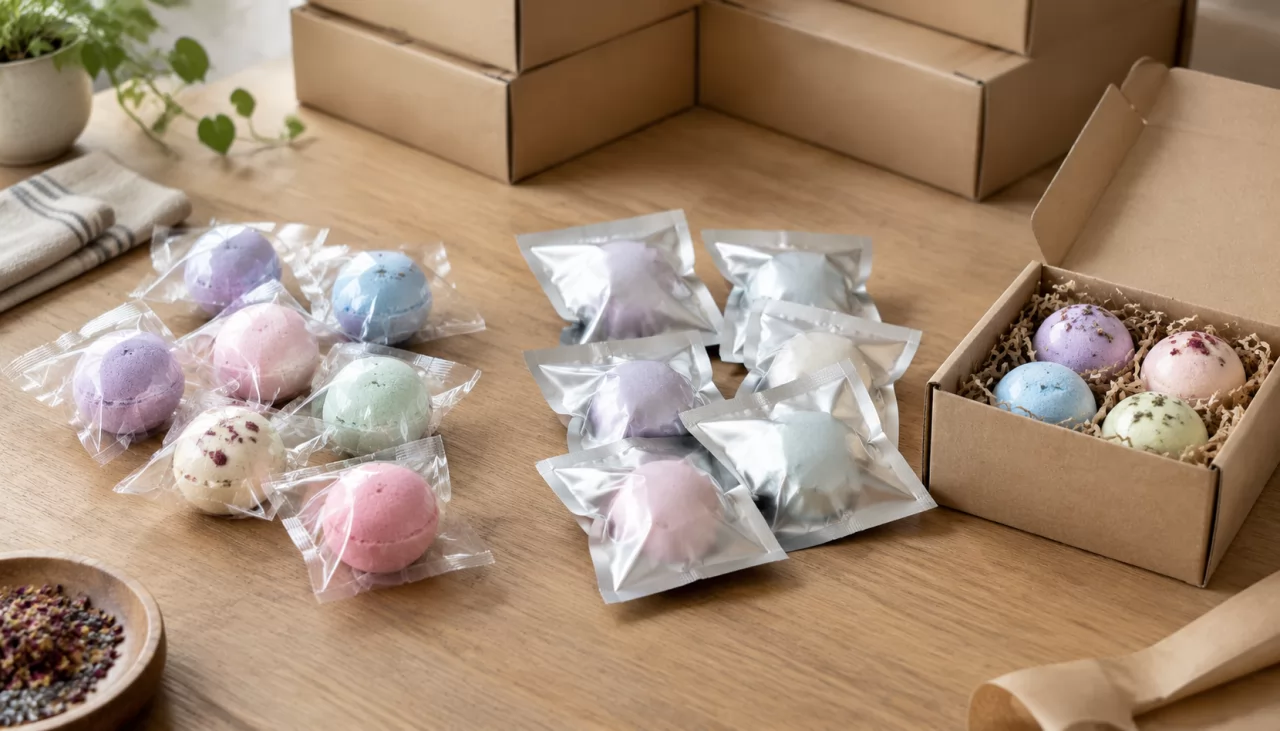
Shrink wrap is inexpensive and protects against dust. Foil gives a better moisture barrier for effervescent products. Biodegradable film suits sustainability claims but may protect less against humidity. Multi-pack formats (boxes, jars, resealable pouches) add cost and assembly steps. Because effervescent tablets react to moisture, test the barrier performance.
Label content and artwork
Labels typically need the product name, net content, INCI ingredient list, batch or date coding, responsible party details and market-specific warnings. Claims wording is the usual reason artwork rounds repeat, since a phrase approved for one market can be restricted in another. Matte, glossy and metallic finishes affect cost and proofing. Test barcodes for scanning before printing.
Palletization and FBA prep
Fix carton dimensions, units per carton and pallet configuration before the first run, because they drive freight cost. For Amazon FBA, cartons and units need the correct scannable labels. Large orders can be shipped directly to FBA warehouses, so confirm the labeling requirements with your account before printing.
How to Choose What to Customize First
Start with the destination market. It decides which claims, ingredients and label content are allowed, and everything else has to fit inside that. Then look at the launch window: label and packaging changes fit a short timeline, while a new formula or mold does not. Budget and minimums come third, since custom fragrance, custom colors and custom shapes each tend to raise the minimum or add set-up cost. Last, decide how much differentiation you need from the product itself rather than its presentation.
As a rule of thumb, change the packaging and scent first, the shape second, and the formula only when no existing base can meet the claim you need.
Before you send an RFQ, include:
- Product type and target format
- Scent direction and any reference sample
- Color reference and finish
- Packaging specification and pack size
- Destination market and required claims
- Documents needed, such as MSDS, COA or stability report
When the goods are ready for approval, check:
- Ingredient list on the label matches the final formula
- Sample weight and size fall within the agreed tolerance
- Wrap seals intact after a simple transit and humidity test
From Brief to Delivery: The Order Path
The path runs through inquiry, design drafts and 3D renders, physical sampling, mass production with in-process checks, final inspection and shipping. Changes are cheap at the design stage, where a render can be redrawn. After sampling they get costly, because a change means new tooling, new tests or reprinted packaging. Poleview Group follows these six steps and offers free samples. MOQ and lead time depend on the level of customization, and a quote can follow once the brief is defined.
FAQ
Can I supply my own formula for a private label order?
Usually yes, under an OEM-style arrangement. Expect the supplier to review each raw material and test stability before production, which adds time.
Do custom fragrance and color change the minimum order quantity?
Often, yes. Custom scents and colors usually need separate blending and equipment cleaning, so minimums tend to rise compared with stock options. The exact effect depends on the product and the level of customization.
Which documents should I request before approving a sample?
Ask for the specification sheet, ingredient list, MSDS, COA and stability report, plus the audit report if you need one. Check that each document refers to the formula you are approving.
How much can I change after the sample is approved?
Very little without cost. Label wording or print color may be adjustable, but changes to fragrance, color, formula or shape normally send you back to sampling and may invalidate earlier test results. Treat approval as a lock, and put every open question on the table before you sign off.
Next, compare two quotes for the same product where one includes tooling and testing and the other does not. Ask each supplier to itemize both before you judge the price.