
"We just need a factory to make our formula." It's a reasonable thing to say, and it skips three questions. Does the formula exist yet? Who owns it? Who carries the development risk if it fails stability? OEM vs ODM is a decision about formula ownership and speed, not about quality. A compact comparison table, three brand scenarios and a decision checklist follow.
What Separates OEM From ODM?
OEM (original equipment manufacturing) means the factory makes a product to your specification, using your formula or your detailed brief. ODM (original design manufacturing) means the factory supplies or adapts a formula and design it already has, and you put your brand on the result. What differs in practice is who did the development work before the first sample.
Formula and Spec Ownership
Under OEM, you usually write or commission the INCI list (the International Nomenclature of Cosmetic Ingredients, the standard ingredient naming system printed on labels). You hold the formula, and the contract should say so. The factory sees it, which is why a non-disclosure agreement normally covers the formula, process notes and packaging artwork.
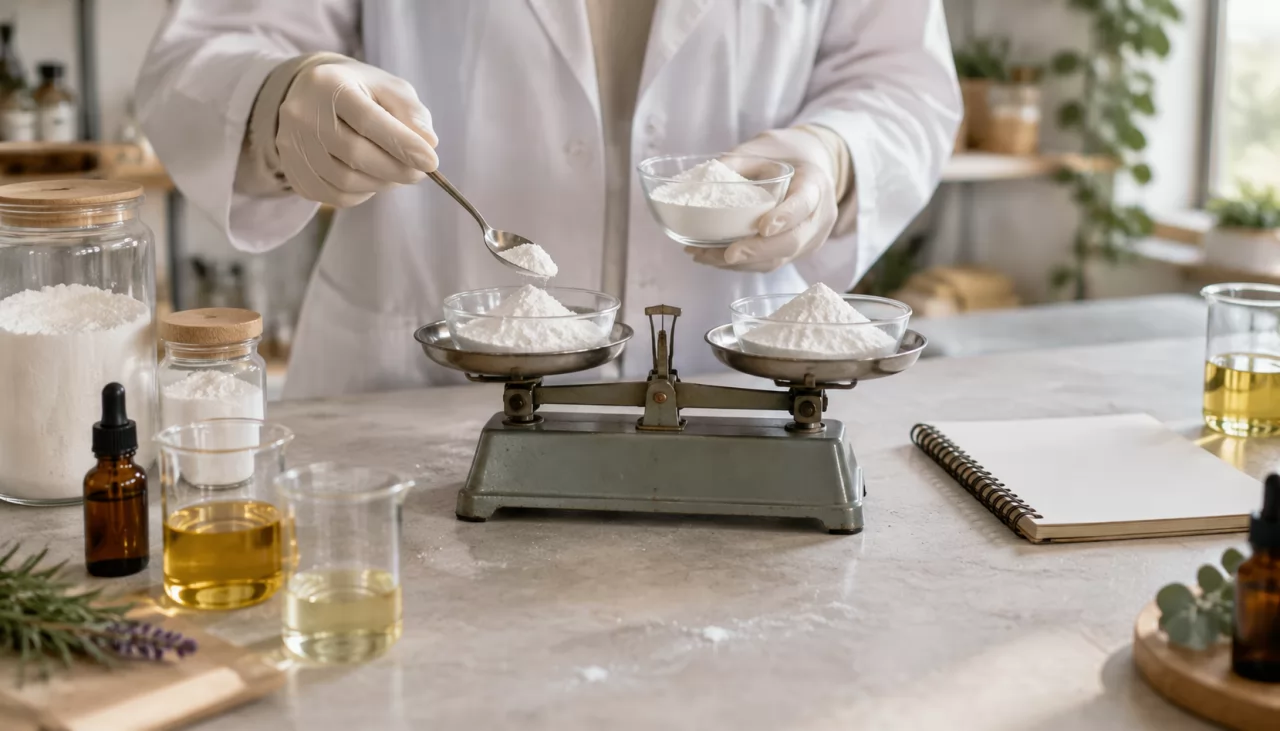
Under ODM, the base formula belongs to the manufacturer. You typically receive the ingredient declaration you need for labeling, and you may be able to change fragrance, colour and some actives. The full formula with percentages normally stays with the manufacturer, and exclusivity shouldn't be assumed without a written clause. Ask what you are buying: a licence to sell, a period of exclusivity, or full transfer?
Development Risk and Responsibility
Someone has to plan stability testing, check ingredient compatibility with the packaging, and arrange whatever patch-test or safety assessment your market requires. In an OEM project with an outside formula, much of that planning lands on you or on the formulator you hired. A factory will usually run the tests you request, but "ran the test" and "took responsibility for the result" are different statements.
A base already produced in volume carries a production history, so with ODM the manufacturer can often share existing stability or test records. That reduces uncertainty without removing it. Change the fragrance load, colour or packaging and the earlier records may no longer describe your product. In most markets the brand owner stays responsible for what is sold under its name.
Where Each Model Starts
An OEM project starts from your brief, and the first weeks go to feasibility. Can the factory reproduce your formula at scale? Are the raw materials available? Does the process suit their equipment? Expect revisions between the lab sample and the production-scale sample, because mixing, pressing or filling behaves differently in large batches.
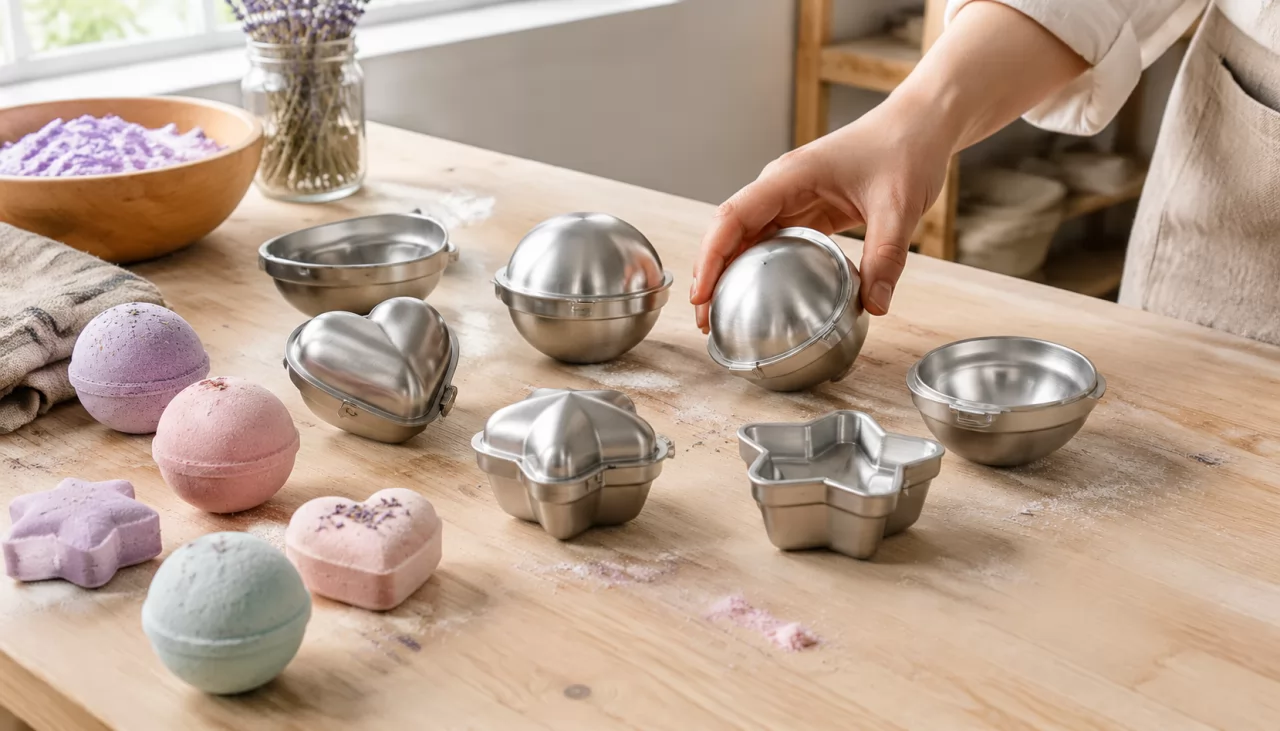
An ODM project starts from the manufacturer's existing base formulas, moulds and shapes. The first month is spent choosing and adjusting rather than inventing: pick a base, a shape and a scent, then approve a sample. Fewer unknowns make for a shorter path. They also leave fewer places to differ from competitors who looked at the same catalogue.
OEM vs ODM Side by Side
This table covers the points that usually decide a quotation. Read the entries as typical patterns, not guarantees, because each factory sets its own terms.
| Item | What to look for |
|---|---|
| Formula source | OEM: your formula or brief. ODM: the manufacturer's existing base, adjusted for you. |
| Development time | OEM usually takes longer because of formulation, trial batches and revisions. ODM is usually shorter because the base is already proven. |
| MOQ flexibility | ODM minimums are often lower, since materials and moulds exist. OEM minimums depend on raw material sourcing and any new tooling. |
| Customization depth | OEM allows deep changes. ODM allows changes within the base: scent, colour, shape, packaging, sometimes actives. |
| IP position | OEM: you own the formula if the contract says so. ODM: the manufacturer owns the base; check exclusivity terms in writing. |
| Documentation and cost drivers | COA, MSDS and stability report are available in both, but ODM records may predate your changes. Cost follows raw materials, tooling, development hours, packaging and order size. |
The two models blur in practice. Many ODM projects become semi-OEM once you ask for a modified ingredient list, and many OEM projects borrow the factory's existing moulds or packing lines to save cost. Ask the supplier which parts of your project they treat as theirs and which as yours.
OEM vs ODM vs Private Label
Private label describes how you sell: your brand name on a product someone else makes. OEM and ODM describe how that product is developed. "OEM or ODM for private label skincare" is therefore not an either-or, since private label sits on top of either route.
Take one private-label body care line. Built through OEM, you bring a formula, perhaps from an independent cosmetic chemist, and the factory makes it to that spec. Built through ODM, you choose a lotion or bar base from the factory's range and brand it. Either way it ends up on the shelf as your line; what differs is who owns the formula and how long it took.
The hybrid is common and often the sensible middle: a stock base with custom fragrance, colour, shape and packaging. The timeline is shorter, development costs less, and the product still looks different from the next one. The catch is that the base stays shared territory unless you negotiate otherwise, so your differentiation lives only in the parts you changed.
Brand Scenarios
- A new Amazon seller who needs a fast launch. ODM or the hybrid route fits best: pick an existing base, customize scent and packaging, and keep the MOQ manageable while you test demand.
- An established brand with a proprietary formula. OEM is the natural route, backed by a written ownership clause, confidentiality terms, and a production-scale sample before any volume order.
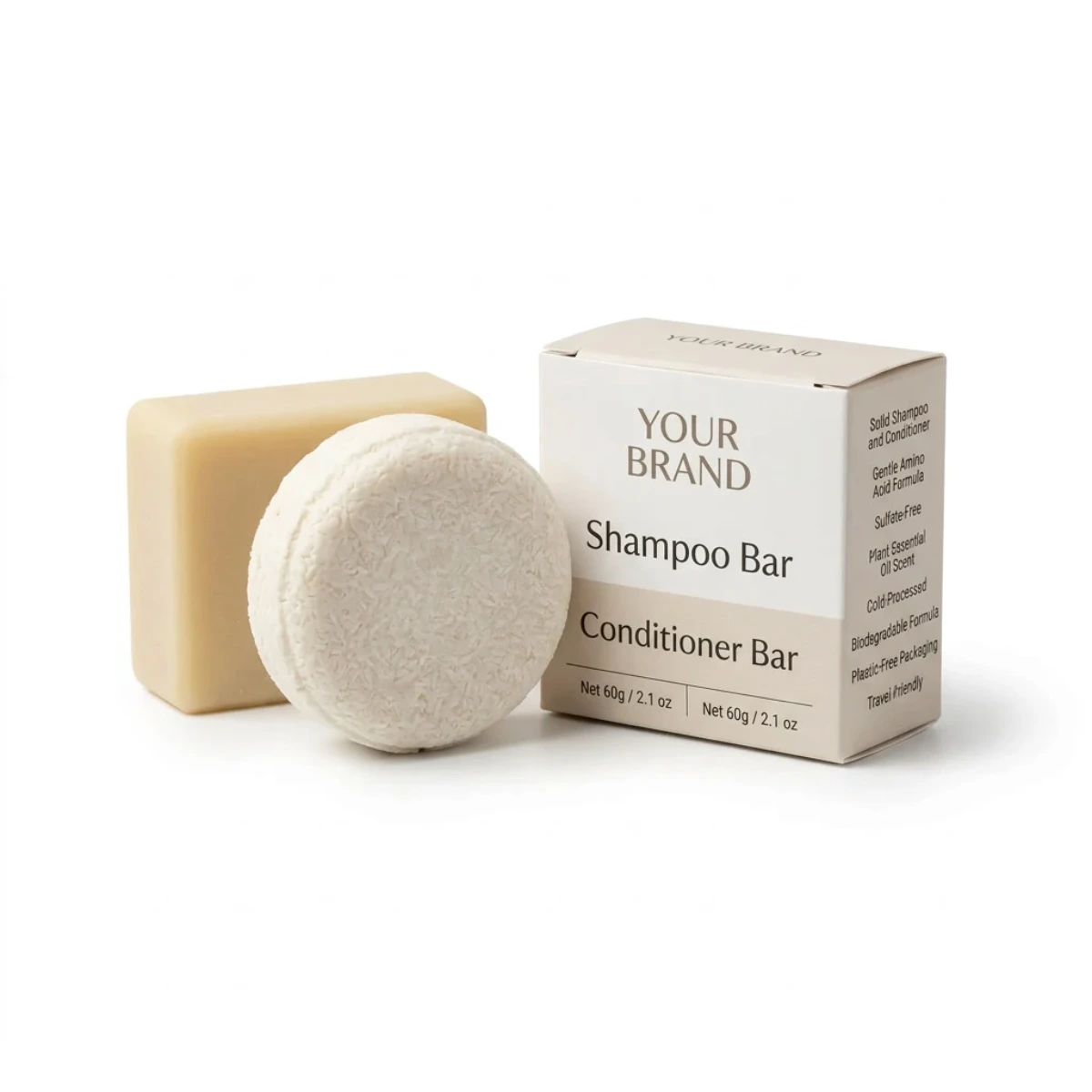
- A brand extending a line, such as bar soap into shampoo bars. Often a hybrid: reuse your brand's scent and colour language on an ODM shampoo bar base, then move to OEM if the new product needs a distinct formula.
Should I Choose OEM or ODM for My Brand?
Six checks settle most cases. Formula maturity: if a tested formula already exists, OEM; if not, ODM saves the development stage. Differentiation goals: if the formula itself is your selling point, you need to own it. Budget and MOQ tolerance: development costs and higher minimums hit OEM harder. Timeline: ODM reaches a sample faster. Regulatory market: the destination decides which documents and safety assessments you need, and who must hold them. In-house technical capacity: OEM needs someone who can judge stability data and specifications, and without that person, ODM's existing records help.
Poleview handles both routes, drawing on a library of more than 3000 formulations. As a rule of thumb, if you can hand over a tested formula and defend the spec, go OEM. If you can't, start from an ODM base and customize the parts customers see.
Costly Mistakes
"ODM means a generic product." Not necessarily. Scent, colour, shape, packaging and sometimes ingredients can change, so ask what is adjustable before dismissing it.
"OEM guarantees exclusivity." It only does if your formula is truly yours and the contract stops the factory from reusing it. Get that clause written.
Skipping sample approval. Bulk production on an unchecked sample locks in colour drift, scent strength or texture problems. Approve a physical sample, ideally a production-scale one, before paying for volume.
Assuming compliance documents transfer between markets. A document prepared for one market may not satisfy another's rules. Confirm what your destination requires before you print labels.
Comparing quotes without matching specs. Two prices mean little if one assumes a cheaper fragrance, thinner packaging or fewer tests. Send every supplier the same written spec.
FAQ
Can I start with ODM and move to OEM later?
Yes, and many brands do. Once sales justify it, you can commission a custom formula. Re-test stability and re-approve samples, because the new formula is a different product.
Does ODM mean other brands sell the same formula?
Possibly. A base the manufacturer owns can be offered to others unless you agree on exclusivity in writing, so ask for it before you commit.
Is the MOQ different for OEM and ODM?
Often, yes. ODM tends to allow lower minimums because materials and tooling already exist; OEM depends on raw materials and any new moulds or packaging.
Which documents should I request before approving a formula?
The COA, MSDS and stability report, plus the ingredient list in INCI form and any audit report or certificate your market expects. Check that each one matches the exact formula and packaging you are approving.
Next step: write a one-page spec covering formula source, ownership terms, MOQ, packaging and required documents, and send the same page to every supplier you are comparing.