
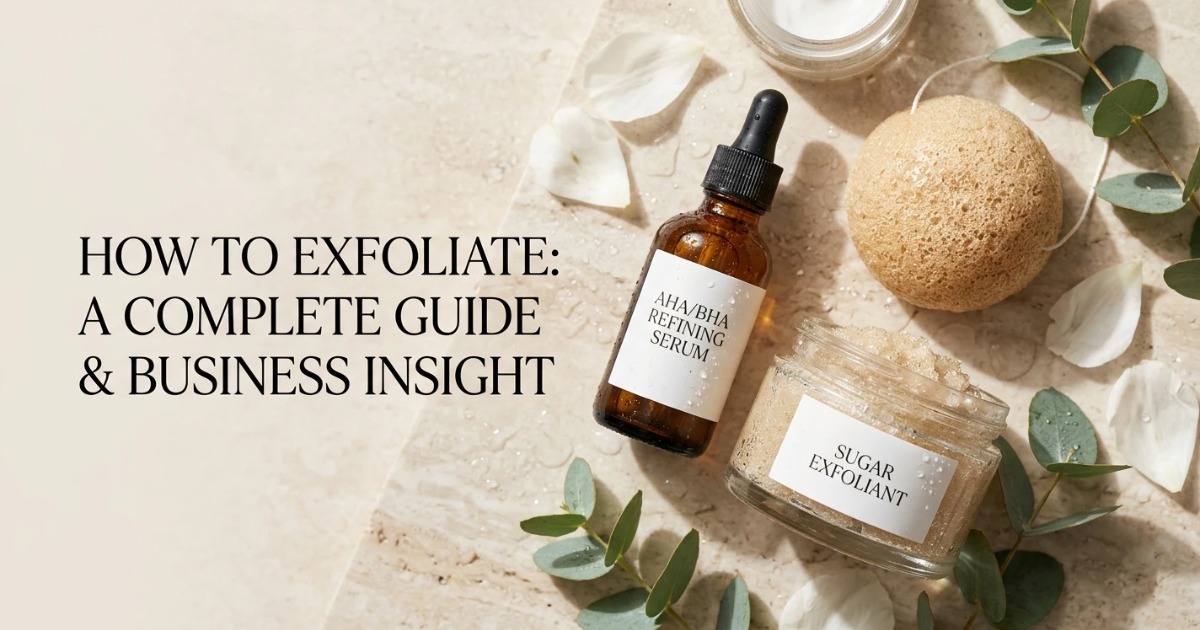
Ten przewodnik służy dwóm celom. Po pierwsze, wyjaśnia—w jasny i naukowy sposób—jak złuszczać skórę każdego typu. Po drugie, przedstawia obraz rynku, klasyfikuje najlepiej sprzedające się produkty i ujawnia potencjał zysków z produktów private label, który czeka na wykorzystanie.
Zrozumienie złuszczania: podstawa
Złuszczanie to proces usuwania martwych komórek z najbardziej zewnętrznej warstwy skóry, czyli warstwy rogowej naskórka. Gdy komórki te się gromadzą, skóra wygląda na matową, staje się szorstka i łatwiej dochodzi do zatykania porów.
Regularne i prawidłowe złuszczanie odsłania świeższą skórę znajdującą się pod spodem oraz poprawia wchłanianie serum i kremów nawilżających. To jeden z najbardziej skutecznych, a zarazem najmniej zrozumiałych etapów każdej rutyny pielęgnacyjnej.
Co dzieje się po usunięciu martwych komórek skóry
Skóra naturalnie złuszcza się i regeneruje w cyklu trwającym około 28 to 40 dni u zdrowych dorosłych. Z wiekiem cykl ten ulega spowolnieniu, czasami wydłużając się do 45–60 dni u osób powyżej 50. roku życia.
Usuwając martwe komórki skóry, wspierasz ten proces odnowy w sposób kontrolowany. Rezultatem jest gładsza powierzchnia, bardziej jednolity koloryt i młodzieńczy blask.
Bez złuszczania martwe komórki pozostają na skórze dłużej, przyczyniając się do zatykania porów, łuszczenia i poszarzałej cery. Celem jest wspieranie—a nie zakłócanie—naturalnego rytmu skóry.
Najważniejsze korzyści potwierdzone badaniami dermatologicznymi
Badania dermatologiczne konsekwentnie wskazują na mierzalną poprawę kondycji skóry w wyniku eksfoliacji. Zrozumienie tych korzyści pomaga zarówno konsumentom, jak i twórcom marek komunikować rzeczywistą wartość.
- Poprawa tekstury: Regularna eksfoliacja wygładza szorstkie miejsca i udoskonala powierzchnię skóry.
- Odblokowane pory: Usuwanie zanieczyszczeń zmniejsza widoczność rozszerzonych porów i pomaga zapobiegać powstawaniu wyprysków.
- Lepsze wchłanianie produktów: Oczyszczona skóra wchłania składniki aktywne nawet znacznie skuteczniej.
- Większy blask: Odsłonięcie świeżych komórek nadaje skórze pożądany efekt "glow", którego konsumenci aktywnie poszukują.
- Ujednolicony koloryt: Eksfolianty chemiczne mogą z czasem rozjaśniać przebarwienia i ślady potrądzikowe.
Eksfoliacja chemiczna a fizyczna: która jest odpowiednia?
Obie podstawowe metody różnią się mechanizmem działania. Eksfoliacja fizyczna wykorzystuje tarcie—peelingi, szczotki lub narzędzia—aby ręcznie usuwać martwe komórki. Eksfoliacja chemiczna wykorzystuje kwasy lub enzymy do rozpuszczania wiązań łączących te komórki.
Żadna z tych metod nie jest uniwersalnie lepsza. Właściwy wybór zależy od rodzaju skóry, jej wrażliwości oraz osobistych preferencji. Wiele osób odnosi korzyści z łączenia obu metod w ramach kontrolowanej rutyny pielęgnacyjnej.
Tabela porównawcza: eksfoliacja chemiczna a fizyczna
| Metoda | Składniki aktywne | Najlepsze zastosowanie | Ryzyko podrażnienia skóry | Częstotliwość |
|---|---|---|---|---|
| Chemiczny | AHA (glikolowy, mlekowy), BHA (salicylowy), PHA, enzymy | Nierównomierny koloryt, trądzik, oznaki starzenia, precyzyjna kontrola | Niskie do umiarkowanego (zależne od dawki) | 2–4x w tygodniu |
| Fizyczny | Cukier, kulki jojoba, krzemionka, włókna naturalne | Natychmiastowa gładkość, skóra ciała, skóra normalna | Umiarkowane do wysokiego (ryzyko nadmiernego złuszczania) | 1–3x w tygodniu |
Najlepszy sposób na złuszczanie skóry twarzy: metody krok po kroku
Znalezienie najlepszego sposobu na złuszczanie skóry twarzy zaczyna się od dopasowania techniki do rodzaju skóry. Poniżej przedstawiamy praktyczne metody, które można bezpiecznie stosować w domu.
Jak naturalnie złuszczać skórę
Wielu konsumentów chce wiedzieć, jak naturalnie złuszczać skórę, unikając syntetycznych składników. Produkty dostępne w kuchni stanowią delikatne i niedrogie alternatywy.
- Płatki owsiane: Drobno zmielone płatki owsiane zapewniają łagodne złuszczanie mechaniczne oraz kojące działanie przeciwzapalne—idealne dla skóry reaktywnej.
- Cukier: Klasyczna baza peelingu; drobne kryształki wygładzają powierzchnię, jednak lepiej sprawdzają się na skórze ciała niż na delikatnych obszarach twarzy.
- Enzymy owocowe: Papaja (papaina) i ananas (bromelaina) delikatnie rozpuszczają martwe komórki bez intensywnego szorowania.
Główną zaletą naturalnego złuszczania jest kontrola i przejrzystość składników. Wadą jest brak spójności—mieszanki DIY nie zawierają precyzyjnie określonych stężeń, charakterystycznych dla profesjonalnie opracowanych produktów.
Bezpieczne stosowanie peelingu złuszczającego do twarzy
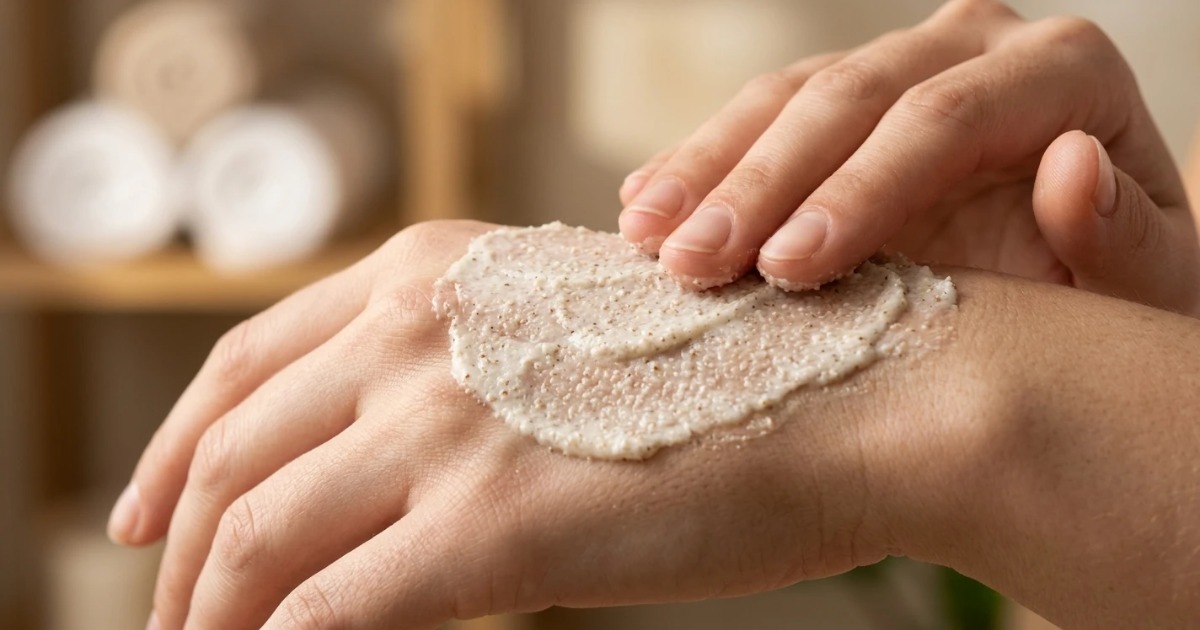
Peeling złuszczający do twarzy zapewnia natychmiastową gładkość, ale technika ma większe znaczenie, niż większość osób zdaje sobie sprawę. Intensywne szorowanie powoduje mikrouszkodzenia i podrażnienia.
Nakładaj peeling na wilgotną skórę, wykonując lekkie, okrężne ruchy przez nie więcej niż 30 sekund. Pozwól, aby drobinki wykonały swoją pracę—nigdy nie naciskaj mocno ani nie pocieraj skóry.
Do najczęstszych błędów należą zbyt częste złuszczanie, stosowanie zbyt gruboziarnistych cząsteczek oraz pomijanie kremu nawilżającego po zabiegu. Zawsze pamiętaj o nawilżeniu, a w ciągu dnia także o SPF.
Chemiczne złuszczanie za pomocą AHA, BHA & PHA
Chemiczne środki złuszczające zapewniają precyzję i powtarzalność. Każda rodzina kwasów ma określone zastosowanie.
- Kwas glikolowy (AHA): Najmniejsza cząsteczka, najgłębsza penetracja; doskonały do poprawy tekstury i kolorytu skóry oraz przeciwdziałania oznakom starzenia.
- Kwas mlekowy (AHA): Większy, łagodniejszy i nawilżający—doskonale sprawdza się w przypadku skóry suchej.
- Kwas salicylowy (BHA): Rozpuszczalny w tłuszczach, wnika w pory i usuwa zanieczyszczenia; idealny do skóry tłustej i skłonnej do trądziku.
- Kwasy polihydroksylowe (PHA): Najłagodniejsza opcja, zapewniająca złuszczanie przy minimalnym ryzyku podrażnień, odpowiednia do skóry wrażliwej.
Zacznij od niższych stężeń i stopniowo przyzwyczajaj skórę. Nadmierne stosowanie kwasów jest jedną z najczęstszych przyczyn uszkodzenia bariery skórnej.
Złuszczanie w przypadku różnych typów skóry i problemów skórnych &
Nie ma jednej rutyny odpowiedniej dla każdego. Dostosowanie pielęgnacji do rodzaju skóry zapewnia lepsze rezultaty i pozwala uniknąć większej liczby niepowodzeń.
Jak złuszczać suchą skórę bez podrażnień
Nauka prawidłowego złuszczania suchej skóry polega na zachowaniu równowagi—usuwaniu suchych skórek bez naruszania niezbędnego poziomu nawilżenia. Suchej skórze brakuje solidnej bariery lipidowej, przez co jest podatna na podrażnienia.
Wybieraj delikatne kwasy, takie jak kwas mlekowy lub PHA, które złuszczają skórę, jednocześnie przyciągając do niej wodę. Ogranicz częstotliwość do jednego lub dwóch razy w tygodniu.
Zawsze łącz złuszczanie z bogatym, zawierającym substancje nawilżające kremem. Składniki takie jak kwas hialuronowy, ceramidy i gliceryna natychmiast po zabiegu przywracają nawilżenie i chronią barierę skóry.
Jak złuszczać skórę wrażliwą
Skóra wrażliwa wymaga najdelikatniejszej strategii. Zastanawiając się, jak złuszczać skórę wrażliwą, wybieraj przede wszystkim peelingi enzymatyczne i PHA zamiast peelingów mechanicznych lub silnych kwasów.
Najlepsze produkty złuszczające do skóry wrażliwej działają powoli i przewidywalnie, minimalizując ryzyko zaczerwienienia. Maseczki enzymatyczne i formuły PHA o niskim stężeniu to doskonały punkt wyjścia.
Zawsze najpierw wykonaj próbę płatkową. Niewielką ilość produktu nałóż na wewnętrzną stronę przedramienia lub za uchem, odczekaj 24 godziny i obserwuj reakcję przed zastosowaniem produktu na twarzy.
Złuszczanie skóry tłustej i skłonnej do trądziku
Skóra tłusta i skłonna do trądziku najbardziej korzysta ze złuszczania za pomocą BHA. Ponieważ kwas salicylowy rozpuszcza się w tłuszczach, wnika głęboko w pory, rozpuszczając nagromadzone sebum i zanieczyszczenia.
Regularne stosowanie BHA zmniejsza liczbę zaskórników, ogranicza niedoskonałości i kontroluje świecenie się skóry. Połącz je z lekkim, niekomedogennym kremem nawilżającym, aby uniknąć nadmiernej produkcji sebum.
Nie ulegaj pokusie nadmiernego złuszczania. Zbyt intensywne oczyszczanie skóry tłustej często wywołuje zwiększoną produkcję sebum, pogarszając problem.
Tabela częstotliwości stosowania według rodzaju skóry
| Typ skóry | Zalecana metoda | Jak często wykonywać peeling | Produkty, których należy unikać |
|---|---|---|---|
| Sucha | Kwas mlekowy, PHA | 1–2x w tygodniu | Gruboziarniste peelingi, kwas glikolowy o wysokim stężeniu |
| Wrażliwa | Enzymy, PHA | 1x w tygodniu | Peelingi mechaniczne, silne AHA/BHA |
| Tłusta / Skłonna do trądziku | Kwas salicylowy (BHA) | 2–4x w tygodniu | Intensywne peelingi na bazie olejów |
| Mieszana | BHA (strefa T), łagodny AHA | 2–3x w tygodniu | Uniwersalne peelingi ścierne |
| Normalna | AHA lub łagodny peeling mechaniczny | 2–3x w tygodniu | Codziennie stosowane silne kwasy |
Jak często wykonywać peeling skóry: kwestia częstotliwości
Jednym z najczęściej wyszukiwanych pytań jest to, jak często wykonywać peeling skóry. Szczera odpowiedź: zależy to od rodzaju skóry, mocy produktu oraz reakcji skóry.
Dla większości osób bezpieczną i skuteczną podstawą jest wykonywanie peelingu dwa do trzech razy w tygodniu. W przypadku skóry wrażliwej należy pozostać przy dolnej granicy, natomiast odporna, tłusta skóra może tolerować częstsze zabiegi.
Oznaki nadmiernego złuszczania
Nadmierne złuszczanie występuje częściej niż zbyt rzadkie złuszczanie i powoduje znacznie większe uszkodzenia. Wczesne rozpoznanie sygnałów ostrzegawczych pomaga zapobiec trwałym uszkodzeniom.
- Utrzymujące się zaczerwienienie lub rozgrzany, zaogniony wygląd skóry
- Uczucie napięcia, pieczenia lub "surowości" skóry
- Nasilone wypryski i
- Nasilone wypryski i nieoczekiwana wrażliwość na produkty, które zwykle są dobrze tolerowane
- Łuszczenie się skóry, które pojawia się pomimo regularnego nawilżania
- Błyszczący, woskowy wygląd wskazujący na uszkodzoną, nadmiernie cienką barierę ochronną
- Skóra, która wydaje się odwodniona niezależnie od ilości nakładanego kremu nawilżającego
Jeśli zauważysz te objawy, natychmiast przerwij wszelkie złuszczanie. Skoncentruj się na odbudowie bariery ochronnej, stosując łagodne środki myjące, nawilżacze bogate w ceramidy oraz dając skórze czas na regenerację. Większość osłabionych barier ochronnych skóry odbudowuje się w ciągu jednego do trzech tygodni odpoczynku.
Dostosowanie częstotliwości do pory roku
Potrzeby skóry zmieniają się w ciągu roku. Zimą zimne powietrze i ogrzewanie pomieszczeń powodują utratę wilgoci, dlatego większość osób powinna ograniczyć częstotliwość złuszczania i wybierać nawilżające kwasy, takie jak kwas mlekowy lub PHA.
Latem wyższa wilgotność powietrza i zwiększona produkcja sebum mogą pozwalać na nieco częstsze złuszczanie—jednak większa ekspozycja na promieniowanie UV sprawia, że codzienne stosowanie SPF jest absolutnie niezbędne, ponieważ świeżo złuszczona skóra jest bardziej podatna na uszkodzenia słoneczne.
Rynek produktów złuszczających: możliwości komercyjne
Poza naukowymi podstawami istnieje prężnie rozwijający się rynek. Globalna kategoria produktów złuszczających stale się rozszerza, ponieważ konsumenci przywiązują coraz większą wagę do poprawy tekstury skóry, jej blasku i zwężania porów w ramach codziennej pielęgnacji.
Dla przedsiębiorców produkty złuszczające stanowią atrakcyjny punkt wejścia: szeroki popyt konsumencki, zakupy powtarzalne oraz wysokie marże na produktach gotowych. Zrozumienie, które podsegmenty rozwijają się najszybciej, ma kluczowe znaczenie dla pozycjonowania konkurencyjnej marki.
Najszybciej rozwijające się segmenty produktów
- Chemiczne produkty złuszczające bez spłukiwania: Toniki i sera zawierające AHA i BHA osiągają ceny premium i cieszą się wysoką lojalnością klientów.
- Pudry enzymatyczne: Formuły aktywowane wodą odpowiadają na potrzeby segmentów związanych z kosmetykami clean beauty oraz produktami przyjaznymi w podróży.
- Łagodne linie PHA: Pozycjonowane z myślą o konsumentach o wrażliwej skórze, czyli grupie historycznie niedostatecznie obsługiwanej przez rynek.
- Produkty złuszczające do ciała: Peelingi do ciała ukierunkowane na KP oraz uzyskanie efektu promiennej skóry to szybko dojrzewająca kategoria.
Potencjał zysku w modelu private label
Produkty złuszczające w modelu private label zapewniają jedne z najwyższych marż w pielęgnacji skóry. Ponieważ stężenie składników aktywnych jest głównym czynnikiem kosztowym, odpowiednio pozyskiwane formuły mogą osiągać narzuty od trzykrotności do pięciokrotności kosztu produkcji, pozostając jednocześnie przystępne cenowo.
Skuteczna strategia łączy wyraźnie określoną niszę związaną z typem skóry z transparentną komunikacją na temat składników. Marki, które edukują—a nie tylko sprzedają—budują zaufanie przekształcające jednorazowych nabywców w lojalnych, powracających klientów w tej konkurencyjnej kategorii.
Aspekty związane z pozyskiwaniem surowców i produkcją
Przed wprowadzeniem linii private label przedsiębiorcy muszą dokładnie zweryfikować producentów. Jakość produktu złuszczającego zależy od stabilności formuły—szczególnie w przypadku składników aktywnych stosowanych w peelingach chemicznych, które mogą ulegać degradacji, jeśli pH nie jest odpowiednio kontrolowane lub jeśli opakowanie naraża produkt na działanie światła i powietrza.
W pierwszej kolejności wybieraj producentów oferujących testy stabilności, certyfikację kosmetycznego GMP oraz transparentne pozyskiwanie składników. Przed ostatecznym zatwierdzeniem dowolnej formuły poproś o próbki i przeprowadź testy użytkowe w rzeczywistych warunkach na różnych typach skóry. Produkt powodujący podrażnienia u osób o wrażliwej skórze będzie generował negatywne opinie, których nie zrekompensuje żaden budżet marketingowy.
Pozycjonowanie i wycena marki
Kategoria produktów złuszczających jest zatłoczona, dlatego wyróżnienie się ma kluczowe znaczenie. Zamiast konkurować wyłącznie ceną, oprzyj markę na konkretnym problemie konsumentów: rogowaceniu mieszkowym na ciele, przebarwieniach pozapalnych po trądziku lub delikatnym pobudzaniu odnowy skóry reaktywnej.
Pozycjonowanie premium jest uzasadnione, gdy formuła rozwiązuje rzeczywisty problem, a komunikacja wzmacnia wiarygodność. Konsumenci chętnie płacą więcej za produkty poparte jasnym ujawnieniem stężeń procentowych, opinią dermatologa i rzetelnymi wskazówkami dotyczącymi stosowania.
Budowanie skutecznej rutyny złuszczania
Niezależnie od tego, czy jesteś konsumentem udoskonalającym swoją rutynę, czy marką edukującą klientów, kolejność ma znaczenie. Złuszczanie powinno następować po oczyszczaniu i przed zastosowaniem cięższych produktów pielęgnacyjnych, zapewniając składnikom aktywnym czystą powierzchnię, na której mogą działać.
Przykładowa tygodniowa rutyna
- Poniedziałek i czwartek: Wieczorem zastosuj produkt BHA lub AHA bez spłukiwania, a następnie nałóż serum nawilżające i krem nawilżający.
- Środa: Zastosuj maskę enzymatyczną, aby delikatnie odnowić skórę bez stosowania metod ściernych.
- Pozostałe dni: Skup się na wsparciu bariery ochronnej—ceramidach, peptydach i intensywnym nawilżaniu, bez złuszczania.
- Każdego ranka: Bez wyjątku stosuj filtr przeciwsłoneczny o szerokim spektrum ochrony SPF 30 lub wyższym.
Systematyczność, a nie intensywność, zapewnia gładką i promienną skórę, do której dążą konsumenci. Nakładanie kilku silnych kwasów podczas jednej sesji rzadko przyspiesza efekty—zwykle przynosi odwrotny skutek, osłabiając barierę ochronną.
Podsumowanie: nauka spotyka się z szansą biznesową
Złuszczanie przynosi najlepsze efekty osobom, które szanują biologię skóry i jednocześnie rozumieją rynek. Konsumenci zyskują zdrowszą, bardziej promienną skórę dzięki cierpliwej, dopasowanej pielęgnacji, a nie agresywnemu i nadmiernemu stosowaniu produktów.
Dla przedsiębiorców kategoria produktów złuszczających oferuje rzadkie połączenie stabilnego popytu, atrakcyjnych marż i przestrzeni do znaczącego wyróżnienia się. Wygrają marki, które stawiają na edukację, uczciwość i formuły rzeczywiście zapewniające rezultaty—przekuwając naukę o gładszej skórze w trwałą przewagę biznesową.