
Why Switch to Shampoo and Conditioner Bars?
Making the move to shampoo and conditioner bars is more than a trend—it’s a smart choice for you and the planet. Here’s why switching is worth it:
Environmental Impact
Reduce Plastic Waste: Unlike traditional liquid bottles, solid bars come with minimal or zero plastic packaging. This simple change helps cut down on the massive plastic pollution in our oceans and landfills.
Lower Carbon Footprint: Shampoo bars are lighter and more compact, which means lower transportation emissions. Plus, they often use sustainably sourced ingredients, making them a plastic-free shampoo option that’s eco-friendly from production to use.
Performance Advantages
Concentrated Ingredients: Shampoo bars pack a punch with powerful, pure ingredients—no water fillers diluting the formula like in liquid shampoos. This means better cleansing and nourishment tailored to your hair’s natural balance.
Balanced Hair Care: Many bars are formulated without harsh sulfates, parabens, and silicones, helping maintain your scalp’s natural oils and promoting healthier, happier hair over time.
Cost Savings
One solid shampoo bar often lasts as long as 2-3 bottles of liquid shampoo. This makes bars a budget-friendly choice without compromising on quality or results. Plus, conditioner bars offer similar longevity.
Common Myths Debunked
Transition Period: It’s normal for your hair to adjust in the first few washes, but any initial changes mean your scalp and hair are rebalancing to a cleaner, healthier state.
Lather Concerns: Shampoo bars do produce a good lather, especially once you get used to them. The foam isn’t just about looks—it’s about effective cleansing. Most users find lather builds up well after a few uses.
Switching to shampoo and conditioner bars means choosing a sustainable, high-performance, and cost-effective hair care routine that’s better for you and the environment. It’s time to make the switch to eco-friendly shampoo bars that truly deliver.
Shampoo Bars vs. Liquid Shampoo: A Direct Comparison
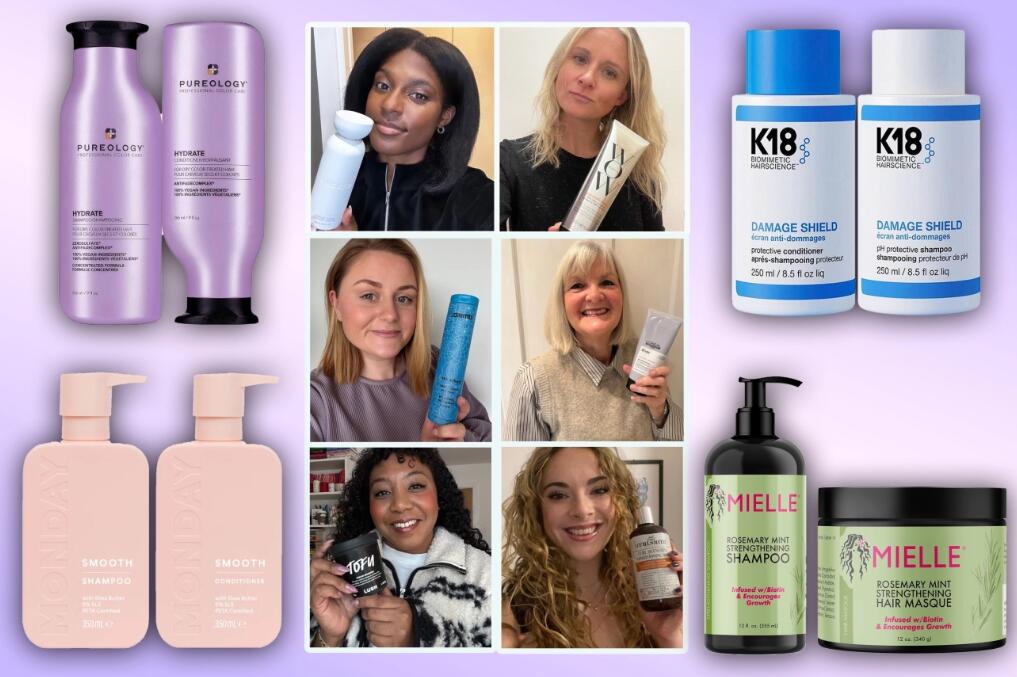
When deciding between shampoo bars vs bottled liquid shampoo, it helps to break down their differences clearly. Here’s a quick look at how they stack up on key points:
| Feature | Shampoo Bars | Liquid Shampoo |
|---|---|---|
| Cleansing Power | Often stronger due to concentrated surfactants, no water filler | Can vary; often diluted with water |
| Lather | Less bubbly but effective; some worry about foam but it cleans well | Rich foam that feels familiar |
| Hair Health | Usually nourishing, gentle, and less stripping | Some liquids strip oils, can dry out scalp |
| Packaging | Zero waste, plastic-free, compact | Plastic bottles, more waste |
| Portability | Travel-friendly, no spill risk | Bulkier, risk of leakage |
| Shelf Life | Long-lasting if stored dry | Shorter once opened |
When Liquid Shampoo Might Still Win
If you prefer a rich, familiar lather and quick application.
For very specific hair issues, where targeted formulas come in liquid form.
Those who find shampoo bars tricky during the initial transition.
When Shampoo Bars Are Superior
You want a more eco-friendly, plastic-free shampoo option.
Traveling or needing a compact, mess-free product.
Looking for long-lasting, cost-effective eco-friendly shampoo bars with gentle care.
Both types can work well but knowing your hair and lifestyle helps pick the best. For many, the sustainable conditioner bar and shampoo bar combo offers the best of care and convenience with less waste.
How to Choose the Right Shampoo and Conditioner Bar for Your Hair
Picking the best bar shampoo and conditioner starts with knowing your hair type and what it needs. Bars come with different formulas, so matching them right helps get the best results without drying or weighing your hair down.
Match Bars to Your Hair Type
| Hair Type | What to Look For | Avoid |
|---|---|---|
| Oily | Clarifying bars, tea tree, charcoal | Heavy oils or rich butters |
| Dry/Damaged | Hydrating bars, coconut oil, shea butter | Sulfates, harsh surfactants |
| Curly/Coily | Moisturizing, creamy bars with natural oils | Silicone-based conditioners |
| Fine/Fine-textured | Volumizing bars, lightweight formulas | Heavy conditioners, waxy bars |
| Color-treated | Color-safe, gentle bars, pH balanced | Parabens, sulfates, stripping |
| Sensitive Scalp | Fragrance-free, soothing bars with aloe vera | Strong fragrances, harsh detergents |
Key Ingredients to Seek and Avoid
Look for:
Rice water protein (strengthens hair)
Coconut oil (hydration)
Shea butter (softens and protects)
Aloe vera (calms scalp)
Natural surfactants (gentle cleansing)
Avoid:
Sulfates (can strip natural oils)
Parabens (potential irritants)
Silicones (can build up, especially in solid bars)
pH Balance & Surfactants
Choose bars with a balanced pH (around 5-6) to protect your scalp’s natural acidity. Mild surfactants help clean without stripping, making them ideal for daily use.
Shape, Size & Scent
Shape & size: Bars that fit well in your hands and travel bag are a plus. Some come in mini sizes for travel-friendly hair bars.
Scent: Pick subtle natural scents or fragrance-free versions if you’re sensitive.
Pairing Shampoo and Conditioner Bars
Using a matching natural solid conditioner with your shampoo bar keeps hair smooth, hydrated, and easy to detangle. Conditioners should focus on slip and nourishment, especially for curly or dry hair types. Avoid over-applying — focus conditioner mainly on the ends.
Choosing the right eco-friendly shampoo bars and sustainable conditioner bars is about knowing what your hair needs and checking ingredient lists carefully. This way, you get lasting benefits without plastic waste or harsh chemicals.
Top Shampoo Bars of 2026: Tested and Reviewed
Finding the best shampoo bar can feel overwhelming with so many options out there. To help, here’s a straightforward list of 2026’s top solid shampoo bar reviews, covering a range of hair types and needs.
Best Overall Shampoo Bar
Ethique Sweet & Spicy Bar
Pros: Works well on most hair types, eco-friendly packaging, great lather
Cons: Strong initial scent, which some may find overpowering
Key Ingredients: Cocoa butter, coconut oil, essential oils
User Feedback: Loved for cleaning power and leaving hair soft without stripping natural oils
Best for Volume and Fine Hair
HiBAR Volume Boost Shampoo Bar
Pros: Adds noticeable volume, lightweight feel, sulfate-free
Cons: Can be drying if used too often
Key Ingredients: Aloe vera, nettle extract, rice protein
User Feedback: Users with limp hair praise the volume and bounce after a few washes
Best for Curly or Coily Hair
Plaine Products Clarifying Shampoo Bar
Pros: Nourishes curls, enhances definition, gentle formula
Cons: Does not produce as much lather as liquid shampoos
Key Ingredients: Shea butter, coconut oil, jojoba oil
User Feedback: Many curly hair users report less frizz and better moisture retention
Best Moisturizing Shampoo Bar for Dry/Damaged Hair
Nature’s Gate Hydrating Shampoo Bar
Pros: Deeply moisturizing, softens damaged hair, sulfate-free
Cons: Slightly heavier texture
Key Ingredients: Aloe vera, argan oil, shea butter
User Feedback: Users with dry hair see improved softness and reduced breakage
Best Clarifying Shampoo Bar for Oily Scalps
Lush Jumping Juniper Shampoo Bar
Pros: Controls oil production, refreshing scent, plastic-free packaging
Cons: May feel too strong for sensitive scalps
Key Ingredients: Juniper berry oil, lemon oil, rosemary
User Feedback: Frequent users find their scalp less greasy and cleaner between washes
Best Budget-Friendly Shampoo Bar
Bamboo Natural Shampoo Bar
Pros: Affordable, effective cleansing, no harsh chemicals
Cons: Minimal scent options
Key Ingredients: Bamboo extract, coconut oil, glycerin
User Feedback: Good for first-time shampoo bar users and budget shoppers
Best Fragrance-Free Shampoo Bar
Haoma Essentials Unscented Shampoo Bar
Pros: Ideal for sensitive skin, minimal ingredients
Cons: No scent, which some miss
Key Ingredients: Olive oil, castor oil, coconut oil
User Feedback: Perfect for those sensitive to fragrances or with allergies
Each of these shampoo bars focuses on natural solid conditioner-friendly ingredients, avoiding sulfates, parabens, and silicones for a healthier hair routine. Whether you want volume, moisture, or a clarifying cleanse, these options stand out as the best shampoo bars of 2026. For optimal results, pairing with a matching conditioner bar is key—more on that next.
Top Conditioner Bars of 2026: Pairing Recommendations
Conditioner bars are essential to get the most out of your shampoo bar. While shampoo bars clean your hair without harsh chemicals, they often lack slip and hydration. That’s where conditioner bars come in—they smooth, detangle, and lock in moisture, leaving hair manageable and healthy.
Best Overall Conditioner Bar Pairings
Hydrating combo: For dry or damaged hair, pair a moisturizing shampoo bar with a shea butter or coconut oil-based conditioner bar to restore softness.
Volumizing combo: Use a lightweight conditioner bar with rice protein for fine or limp hair to add bounce without weighing it down.
Curly hair duo: Look for conditioner bars rich in natural oils like argan or jojoba for intense hydration and frizz control after a nourishing shampoo bar.
Standout Conditioner Bars for Specific Needs
Detangling: Bars containing slippery elm or aloe vera make combing through wet hair easier.
Shine: Conditioner bars with silk protein or vitamin E boost natural gloss.
Repair: Those with keratin or amino acids help rebuild damaged strands and reduce breakage.
Tips for Using Conditioner Bars
Less is more: Rub the bar between your hands or directly on hair ends—avoid the scalp to prevent greasiness.
Focus on ends: Concentrate application on mid-lengths and tips where hair is driest.
Rinse well: Thorough rinsing ensures no residue is left behind, which can weigh hair down.
Choosing the right conditioner bar to pair with your shampoo bar is key to a balanced, eco-friendly hair routine. With these combos and tips, you’ll get healthy, manageable hair while keeping things plastic-free and sustainable.
How to Use Shampoo and Conditioner Bars Effectively
Using shampoo and conditioner bars might feel new at first, but it’s simple once you get the hang of it. Here’s a step-by-step guide to make the switch smooth and effective.
Step-by-Step Washing Guide
Wet your hair thoroughly. Make sure your hair is soaking wet before you start.
Lather the shampoo bar. Rub the solid shampoo bar directly on your scalp and hair or between your hands to build a rich lather. Don’t worry—solid shampoo bars can produce plenty of foam even without traditional sulfates.
Massage your scalp well. Use your fingertips to work the lather through your hair, focusing on the roots and scalp to remove dirt and oils.
Rinse thoroughly. Make sure no residue is left behind to avoid buildup.
Apply conditioner bar. Rub the conditioner bar between your hands or directly on the mid-lengths and ends of your hair. Conditioner bars are usually richer, so a little goes a long way.
Leave it in for 1-2 minutes. Let the nourishing ingredients soak in before rinsing.
Rinse again with cool water. This helps seal the hair cuticles for shine and smoothness.
Handling the Transition Period
Switching from liquid shampoo to a solid shampoo bar can mean a short adjustment phase, especially if your hair is used to silicones or sulfates. You might notice a waxy feel or some dryness at first. This is normal and should pass in 1-3 washes as your scalp balances natural oils. Be patient and keep using the bars consistently.
Storage Tips to Maximize Longevity
Keep bars dry between uses. Use a draining soap dish or a container that doesn’t trap water.
Store in a cool, dry spot away from direct shower spray.
Avoid leaving bars sitting in pools of water—that softens them too fast and shortens their life.
Proper storage helps shampoo and conditioner bars last 2-3 times longer than bottled products.
Troubleshooting Common Issues
Waxy or sticky residue: Often due to hard water. Try using a vinegar rinse to clear buildup.
Hair feels dry or tangled: Use a more hydrating conditioner bar with ingredients like shea butter or coconut oil.
Not much lather: This doesn’t mean the shampoo bar isn’t working. Many sulfate-free shampoo bars foam less but still clean well.
By following these simple steps and tips, you’ll get the best results from eco-friendly shampoo bars and natural solid conditioners—helping your hair stay clean, healthy, and plastic-free.
Expert Insights from Poleview Group: Manufacturing Quality Bars
As a leading shampoo bar manufacturer in China, Poleview Group knows what it takes to create top-quality, eco-friendly shampoo bars and conditioner bars that meet global standards. Their approach focuses on sustainable sourcing of natural ingredients, ensuring that every bar is both effective and kind to the environment.
Poleview invests heavily in clinical testing to guarantee that their solid shampoo bars and natural solid conditioners deliver real results—whether you’re after a hydrating shampoo bar for dry hair or a volumizing conditioner bar for fine strands. This thorough testing helps avoid common issues like scalp irritation or product buildup, which is essential for bars that are sulfate-free and gentle.
What really sets high-quality bars apart is customization. Poleview offers custom OEM options, allowing brands worldwide to tailor shampoo and conditioner bars to specific hair types and preferences. This flexibility means you get products designed exactly for needs like oily scalp care, curly hair, or color-treated locks.
Overall, Poleview Group’s manufacturing combines eco-friendly practices with professional expertise, ensuring that their plastic-free shampoo and conditioner bars perform just as well—or better—than traditional liquid products found in salons. For anyone switching to zero waste hair care, choosing bars made by trusted manufacturers like Poleview means reliable quality and consistent results every time.
Custom Services
With our professional and considerate services, we will win your trust.
Create the product that fits your brand best with your own custom skincare formulation.
Custom Formulation
Choose from an assortment of bottles, lids, tubes, caps and box designs. We have everything you need when it come to skincare packaging for your brand.
Custom Packaging
Our unique sample program allows you to create samples of your custom formulation and packaging to test.
Samples
Customer service is our specialty. We want to do more than just manufacture your custom skincare, we want to help you build your brand and win-win cooperation for a long term.
Customer Satisfaction
Create the product that fits your brand best with your own custom skincare formulation.
Turnkey Solutions
Start fast with private label. We have an array of stock formulas you can choose from. Simply add your logo, label, and choose a custom box.
Private Labeling
GMPC, ISO 22716, BSCI, FDA, MSDS, COA, also can help to do CPNP, CPSR, PIF certificate, Certificate of Free Sale, Certificate of Origin, SASO, etc.
Relevant Certificates
No matter where you are in the world, we will manufacture cosmetics for you. Worldwide shipping is available, you can choose by sea, by train, by air.
Logistics & Shipping