
Understanding Hair Loss: Common Causes and Myths
Hair loss affects millions of people worldwide, and understanding its causes is the first step toward finding effective solutions. Common reasons for hair loss include genetics (like androgenetic alopecia), hormonal changes, stress, nutritional deficiencies, and certain medical conditions. Hair thinning can also result from improper hair care or harsh products that damage the scalp and hair follicles.
There’s a lot of confusion around shampoo bars and their impact on hair loss. One common myth is that shampoo bars cause thinning hair or accelerate hair fall. In reality, shampoo bars for thinning hair are formulated differently from traditional liquid shampoos and don’t inherently lead to hair loss. Many solid shampoo hair growth options use gentle, sulfate-free ingredients that support scalp health without stripping natural oils.
Understanding the types of hair loss and debunking myths about product use is crucial before trying any new treatment. So, if you’re worried about hair fall, know that natural shampoo bars hair loss do not cause damage when chosen wisely—they might actually help support your hair’s strength and vitality.
Shampoo Bars vs. Liquid Shampoos: Key Differences for Hair Health
When it comes to shampoo bars for thinning hair versus liquid shampoos, a few key differences matter for your hair health and the environment.
| Feature | Shampoo Bars | Liquid Shampoos |
|---|---|---|
| Formulation | Concentrated, often sulfate-free, fewer fillers | Diluted with water, may contain sulfates and more chemicals |
| pH Balance | Usually closer to scalp’s natural pH (around 5.5) | Can be more alkaline, which may irritate scalp or dry hair |
| Effect on Hair | Gentle cleansing, better for sensitive scalps | Can strip natural oils if too harsh |
| Environmental Impact | Eco-friendly: less plastic, biodegradable | Usually comes in plastic bottles, more waste |
| Shelf Life | Longer-lasting due to solid form | Shorter shelf life due to water content |
Why pH balance matters: Hair and scalp feel their best when products match their natural pH. Most shampoo bars maintain a balanced pH, which supports the scalp’s health and can reduce irritation that sometimes causes hair shedding.
Environmental bonus: Many natural shampoo bars are made by sustainable shampoo bar manufacturers using eco-friendly ingredients, making them a better pick for those wanting a greener routine.
In short, choosing a sulfate-free shampoo bar or a natural formula like a rosemary shampoo bar or a caffeine shampoo bar can be gentler on your scalp and support healthier hair growth, compared to some harsher liquid shampoos.
Do Shampoo Bars Cause Hair Loss?
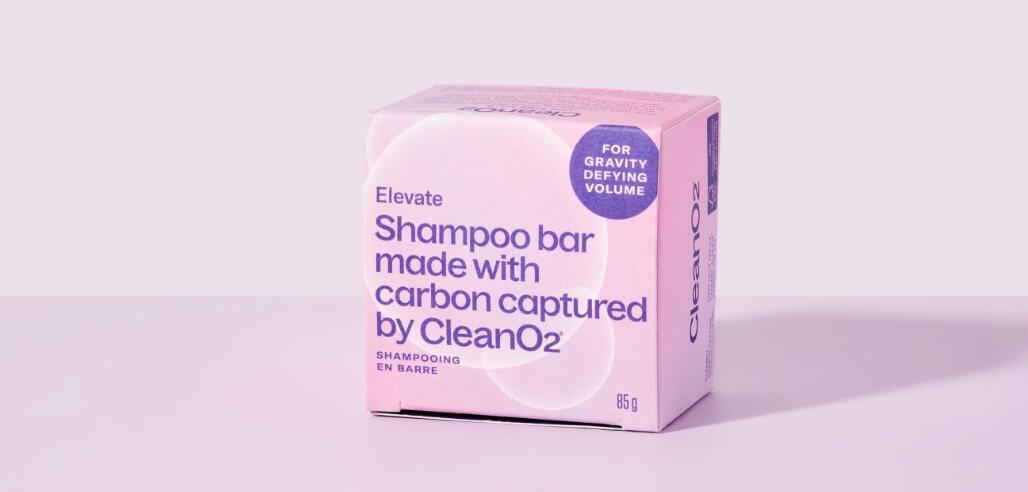
A common question I hear is whether shampoo bars cause hair loss. The short answer is: quality shampoo bars do not cause hair loss. In fact, many natural shampoo bars for hair loss can be gentle and supportive for thinning hair. However, the key is choosing the right bar.
Poorly made or low-quality shampoo bars, especially those with harsh ingredients or improper pH balance, can irritate the scalp and weaken hair strands. This might lead to temporary shedding or breakage, which can feel like hair loss. So, avoid bars with synthetic sulfates or heavy chemicals.
Another thing to keep in mind is the shampoo bar transition period. Switching from liquid shampoos to solid shampoos involves your scalp adjusting. This phase can last a few weeks, during which you might notice some extra shedding. This is normal and doesn’t mean the shampoo bar is causing actual hair loss—it’s just your scalp resetting its natural oils and microbiome.
To reduce concerns about hair loss when using shampoo bars, look for sulfate-free shampoo bars with nourishing, scalp-friendly ingredients like rosemary, biotin, or caffeine, which can actually support hair growth. Avoid formulas that leave residue or dry out the scalp.
In :
- Quality shampoo bars don’t cause hair loss
- Low-quality bars or harsh ingredients can harm hair health
- The transition period may cause temporary shedding—be patient
- Choose bars with gentle, stimulating ingredients for best results
This helps explain why many people find shampoo bars for thinning hair beneficial once they get past the adjustment phase.
Benefits of Shampoo Bars for Hair Loss and Thinning Hair
Shampoo bars can be a smart choice if you’re dealing with hair loss or thinning hair. Here’s why they stand out:
| Benefit | What It Means for Hair Loss & Thinning Hair |
|---|---|
| Gentle Cleansing | Shampoo bars often use milder, sulfate-free formulas that don’t strip natural oils. This helps keep your scalp healthy and reduces irritation, which is key when managing hair loss. |
| Supports Scalp Microbiome | A balanced scalp microbiome is crucial for strong hair growth. Many natural shampoo bars include ingredients like tea tree or peppermint oil that keep your scalp clean and balanced without harming good bacteria. |
| Eco-Friendly Advantages | Shampoo bars produce less plastic waste and use natural ingredients, appealing to those who want to reduce their environmental impact while caring for their hair. |
Many natural shampoo bars for hair loss include stimulating ingredients like rosemary shampoo bars or caffeine shampoo bars, which help encourage circulation and hair growth. Others might feature biotin or peppermint oil shampoo bars to nourish and soothe the scalp.
Switching to a shampoo bar can support your hair health gently and sustainably, making it a great option if you want to address thinning hair without harsh chemicals.
Key Ingredients in Shampoo Bars That Help with Hair Loss
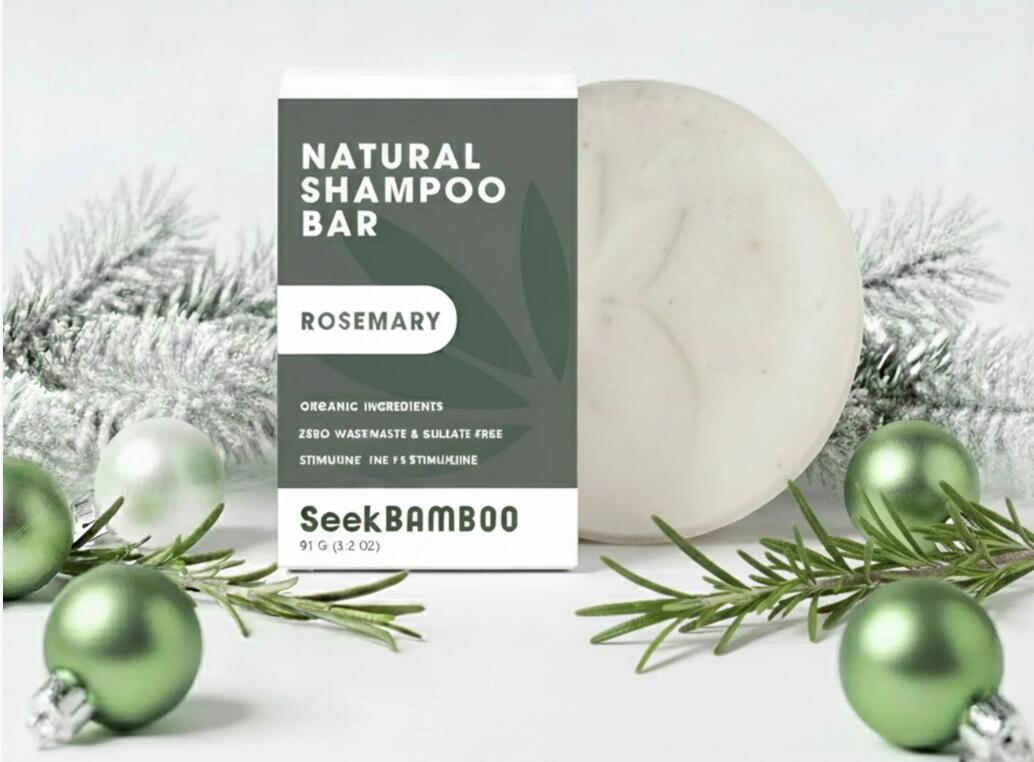
When choosing shampoo bars for thinning hair or hair loss, the ingredients matter a lot. Certain natural components can stimulate hair growth, nourish your scalp, and soothe irritation, while others might do more harm than good.
Look for these key ingredients:
Biotin: Known for strengthening hair and promoting growth, biotin helps improve hair thickness over time.
Caffeine: Found in many caffeine shampoo bars, it stimulates blood flow to the scalp, encouraging hair follicles to stay active.
Rosemary oil: This is a popular natural ingredient in shampoo bars for hair fall because it can boost circulation and reduce scalp inflammation.
Peppermint oil: It provides a refreshing tingle, improves scalp health, and may help increase hair growth by stimulating follicles.
Rice water: Often used in natural shampoo bars hair loss blends, rice water contains amino acids and vitamins that strengthen hair shafts and add shine.
Other nourishing oils: Ingredients like argan oil, jojoba oil, and coconut oil hydrate the scalp and hair, preventing breakage and dryness.
What to avoid:
Sulfates: Even though sulfate-free shampoo bars are common, some cheaper bars still have harsh sulfates that strip natural oils and can worsen hair fall.
Silicones: These can weigh hair down and clog follicles if used regularly.
Artificial fragrances and parabens: These chemicals can irritate sensitive scalps, worsening hair loss symptoms.
Choosing a sulfate-free shampoo bar or a customized shampoo bar with these nourishing and stimulating ingredients can make a real difference in managing hair fall. Always check the ingredient list and stick to trusted manufacturers, whether you’re buying private label shampoo bars or eco-friendly options.
How to Choose the Best Shampoo Bar for Hair Loss Concerns
Picking the right shampoo bar for hair loss can make a big difference. Here’s what to look for, how to use it, and when it’s time to ask a pro:
| Criteria | What to Check |
|---|---|
| Hair Type | Match bars to your hair: oily, dry, or sensitive scalp. |
| Ingredients | Look for natural, sulfate-free shampoo bars with growth boosters like rosemary, caffeine, biotin, or peppermint oil. Avoid harsh chemicals. |
| pH Balance | Choose bars with a gentle, balanced pH to protect hair and scalp health. |
| Eco-friendly | Consider eco-friendly shampoo bars for sustainability and scalp benefits. |
| Brand Transparency | Go for reputable bars or private label shampoo bars with clear ingredient lists and good reviews. |
Usage Tips for Shampoo Bars and Hair Loss
Transition Slowly: Your scalp might take 2-4 weeks to adjust during the shampoo bar transition period. Be patient.
Lather Properly: Rub the bar between hands or directly on wet hair for an even, gentle cleanse.
Don’t Overwash: 2-3 times a week is enough to avoid stripping natural oils.
Store Right: Keep your bar dry and away from water between uses to last longer.
When to Seek Professional Advice
If you notice consistent hair loss despite trying the best shampoo bars for thinning hair or see other scalp issues (itching, redness), it’s wise to:
Consult a dermatologist or trichologist
Get a proper diagnosis of underlying causes
Combine shampoo bars with professional treatments for best results
Choosing the right natural shampoo bars for hair loss tailored to your needs can support healthier hair and scalp. Just remember to check ingredients, be patient during the switch, and ask for help when needed.
Real Results and Tips for Success with Shampoo Bars for Hair Loss
Switching to shampoo bars for thinning hair can take some patience, but the payoff is worth it. Here’s what to expect and how to get the best results:
Transition Period Tips
Expect some adjustment: Your scalp might feel different for a few weeks. This shampoo bar transition period happens because your scalp is balancing natural oils without harsh detergents.
Be consistent: Use your sulfate-free shampoo bar regularly for at least 4-6 weeks to see noticeable changes.
Avoid over-washing: Washing too often can strip natural oils and worsen hair fall. Stick to 2-3 times a week, depending on your hair type.
Long-Term Benefits
Gentle care for thinning hair: Natural shampoo bars support the scalp microbiome, reducing irritation and buildup that can cause hair loss.
Stronger, healthier hair: Bars containing biotin, caffeine, or rosemary help stimulate hair growth and strengthen strands over time.
Eco-friendly and sustainable: Beyond hair health, choosing solid shampoo bars benefits the planet by reducing plastic waste.
Private Label Shampoo Bars Wholesale&Custom Manufacturer
We are a professional shampoo bar manufacturer based in Huizhou, Guangdong, China, specializing in natural personal care products since 2016. With our one-stop OEM & ODM solutions, we help brands create eco-friendly, high-performance shampoo bars that meet the growing demand for sustainable and plastic-free beauty.
Sustainable and effective, our private label solid shampoo bars deliver gentle cleansing without waste. These eco-friendly, waterless bars are sulfate-free and rich in natural oils, providing hydration and scalp nourishment. Ideal for brands seeking solid hair care solutions, including dry shampoo alternatives, these bars offer a travel-friendly, zero-waste approach to daily hair care.
Key Features & Benefits of Our Shampoo Bars
Eco-Friendly Alternative – Solid shampoo bars reduce plastic waste with zero-waste packaging.
Gentle & Natural Formula – Free from sulfates, parabens, and silicones; enriched with essential oils and plant extracts.
Targeted Solutions – Custom formulas available for dry, oily, damaged, colored, or sensitive scalp.
Compact & Travel-Friendly – Convenient for travel, gym, or everyday use.
Customizable Options – Wide choice of colors, scents, shapes, and embossed brand logos.
Shampoo Bars – Customization Details
| Item | Options |
|---|---|
| Formula | Moisturizing · Anti-dandruff · Volumizing · Color-protection · Sensitive scalp · Nourishing with oils (argan, coconut, jojoba, shea butter, etc.) |
| Shape & Size | Round · Square · Oval · Custom molds (with logo embossing) · 40g – 120g |
| Fragrance Options | Lavender · Tea tree · Peppermint · Citrus · Rose · Chamomile · Custom blends |
| Color | Natural · Herbal green · Pastel shades · Multi-color swirl · Custom |
| Logo Customization | Embossed logo on bar · Printed packaging · Label design support |
| Packaging | Kraft paper wrap · Biodegradable box · Tin case · Luxury gift box · Seasonal packaging |
| MOQ | 1000 pcs per formula |