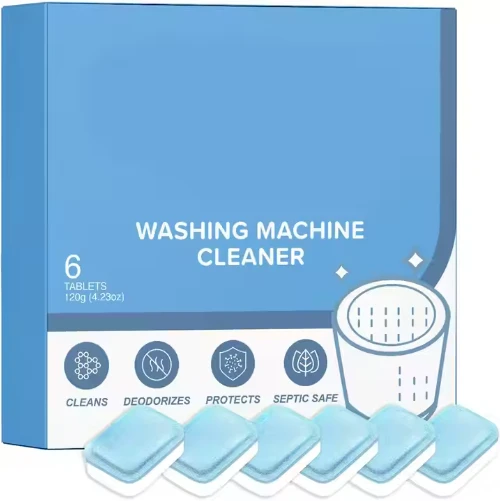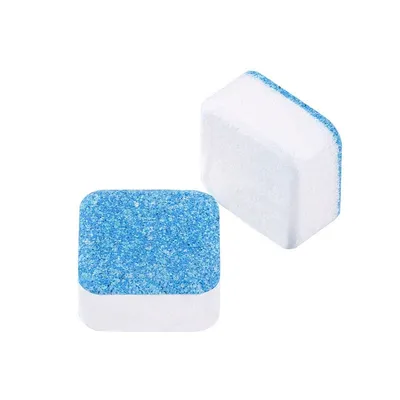

A musty drum or a grey residue ring at the waterline is what the end user sees before they ever read your label. Cleaning-tablet instructions are unglamorous and easy to get wrong, yet they decide whether the tablet works and whether the customer reorders. This article covers washing machine cleaning tablets front load vs top load, then what to build into your own product and pack copy.
Running a Tablet in a Front Load Washer: Steps That Work
In a front load washer, a cleaning tablet goes into the empty drum and runs through the hottest or dedicated cleaning cycle the manual recommends. The condition that changes this is the machine brand: some route the tablet through the detergent drawer instead, so the manual wins.
Step sequence for the drum and gasket
- Empty the drum completely, including socks lodged in the door seal.
- Place one tablet at the back of the drum, or in the drawer if the manual says so.
- Close the door and start the tub-clean, sanitary or hottest available cycle, with no laundry and no detergent.
- Wipe the door gasket and glass with a dry cloth once the cycle ends.
- Leave the door and detergent drawer slightly ajar so the drum can dry.
One caution belongs on the pack: never combine the tablet with bleach or another cleaning product in the same cycle. Mixing acidic and chlorine-based chemistry can release hazardous gas, and the wording should say so plainly.
Why the gasket and detergent drawer decide the result
High-efficiency (HE) front loaders use little water per cycle, so detergent residue, lint and skin oils settle in the rubber door seal and the dispenser instead of rinsing out. That film feeds mold and mildew, and it is where most front load odor comes from. A tablet dissolves in the drum water and reaches the tub and outer drum surfaces. It does not scrub the folds of the gasket or the back of the drawer housing.
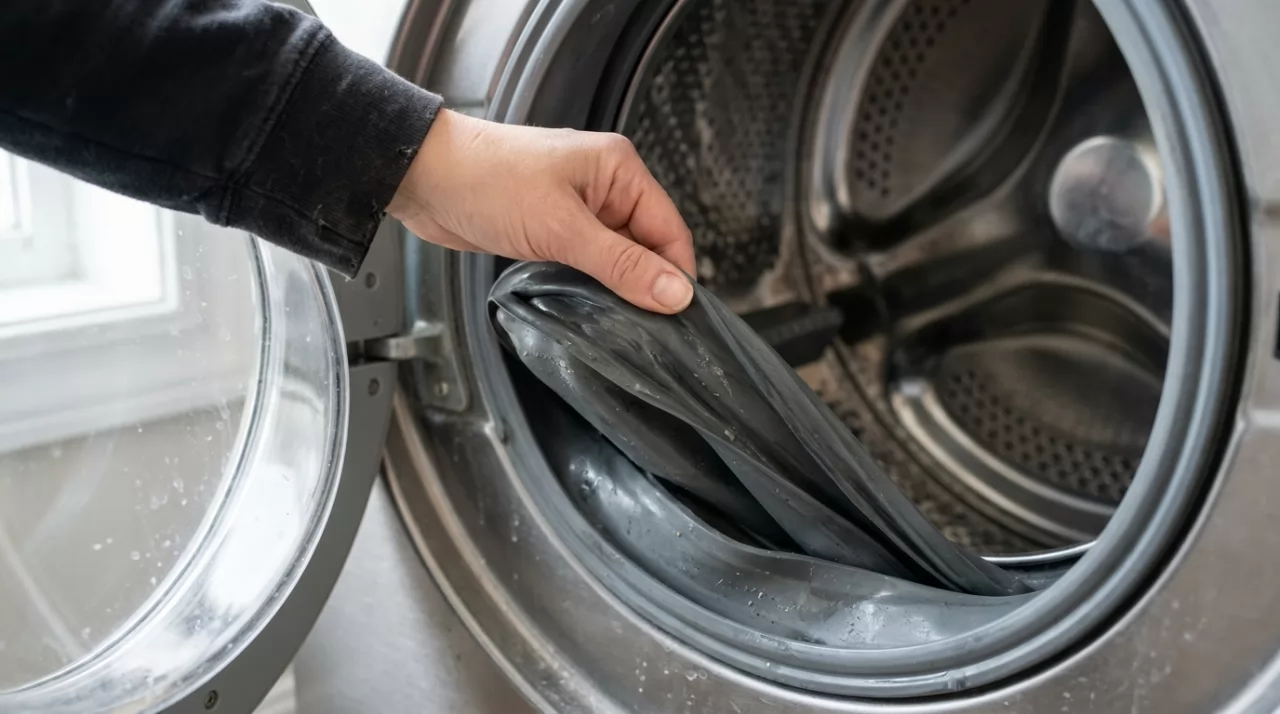
So set expectations accordingly: front load washer odor removal is a tablet plus a wipe. The wipe-down after the cycle is worth printing as its own instruction line, because a customer who skips it will blame the tablet.
Top Load Washer Cleaning Tablet Usage Tips
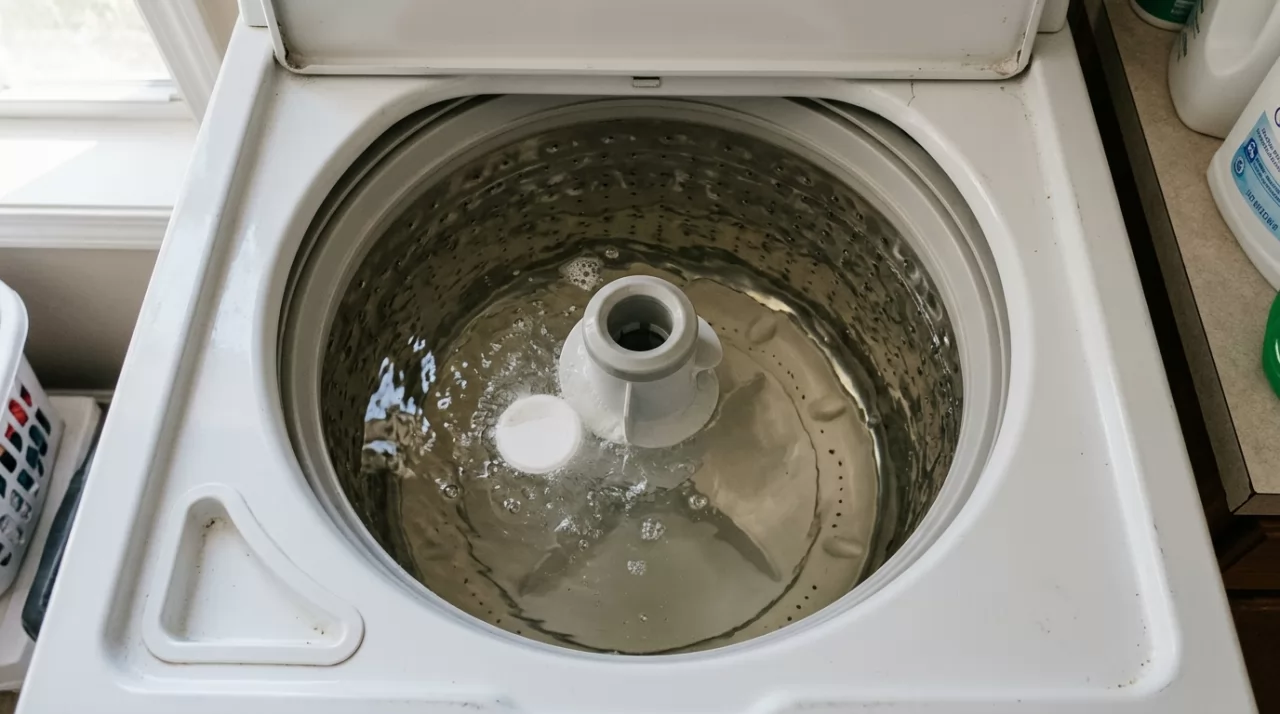
Top loaders fill the tub deep with water, which changes both dosing and timing. An agitator or impeller sits in the middle, and the tub's upper rim stays above the waterline, so it often misses contact with the cleaning solution altogether.
Dosing and timing in a high-fill tub
- Empty the tub and start the largest water level on the hottest setting the manual allows.
- Drop the tablet into the water as it fills, or into the basket if the instructions direct that.
- Let the machine agitate briefly, then pause the cycle and let the solution soak.
- Resume and finish the cycle, then run a rinse if residue remains.
- Wipe the rim, lid underside and the top of the tub.
Soak length varies by product and by machine, so give a soak time only if you have tested it on the machines you name. Otherwise tell the user to follow the appliance manual.
Scale and residue in top loaders
A top load washing machine descaler does a different job from an odor cleaner. Scale comes from hard water and shows as chalky deposits, while odor comes from organic buildup, and a formula tuned for one will not necessarily do the other. Citric or other organic acids are commonly used against mineral scale, while surfactants and oxygen-based agents tackle oily residue. Detergent overdosing adds to buildup either way, and the rim needs manual attention. Always defer to the appliance manual on cleaning agents, since some manufacturers restrict certain acids.
Side-by-Side: Front Load vs Top Load Compared
Your instructions need to cover a handful of practical differences, and a table makes them easy to turn into a dual-instruction panel.
| Factor | Front load | Top load |
|---|---|---|
| Water level | Low, HE cycles | High, deep fill |
| Main problem area | Gasket, drawer, odor | Scale, rim, residue |
| Tablet placement | Drum or drawer | Water or basket |
| Cycle type | Tub-clean or hot cycle | Largest fill, hot, with soak |
| Post-cycle step | Wipe seal, leave door ajar | Wipe rim and lid |
The takeaway: one tablet can serve both machines if the pack carries two instruction sets, but the placement and post-cycle lines cannot be shared.
How Often Should You Use Washing Machine Cleaning Tablets?
Once a month is the usual maintenance rhythm for a household washer. Heavy use, hard water, cold-wash habits and liquid detergent in generous doses push the interval shorter, while light use stretches it.
On the pack, print a hedged range such as "about once a month, or as your machine manual advises" instead of a fixed promise. More frequent use is not automatically better: repeated acidic cycles add no benefit once the drum is clean, and some manuals discourage frequent descaling. Pointing to the manual protects both the user and your brand.
What to Specify in a Private Label Washing Machine Cleaning Tablet
The usage differences above translate directly into product decisions.
Formulation and dosing choices
Most tablets are effervescent: an acid and carbonate system fizzes on contact with water while surfactants lift residue. You will choose between a descaling-focused variant and an odor-focused one, plus fragrance level, and between one tablet per cycle and a split dose for larger tubs. Keep eco wording to claims you can document, such as a specific biodegradable-packaging material or an ingredient declaration, rather than a general "eco-friendly".
Packaging, instructions and documents
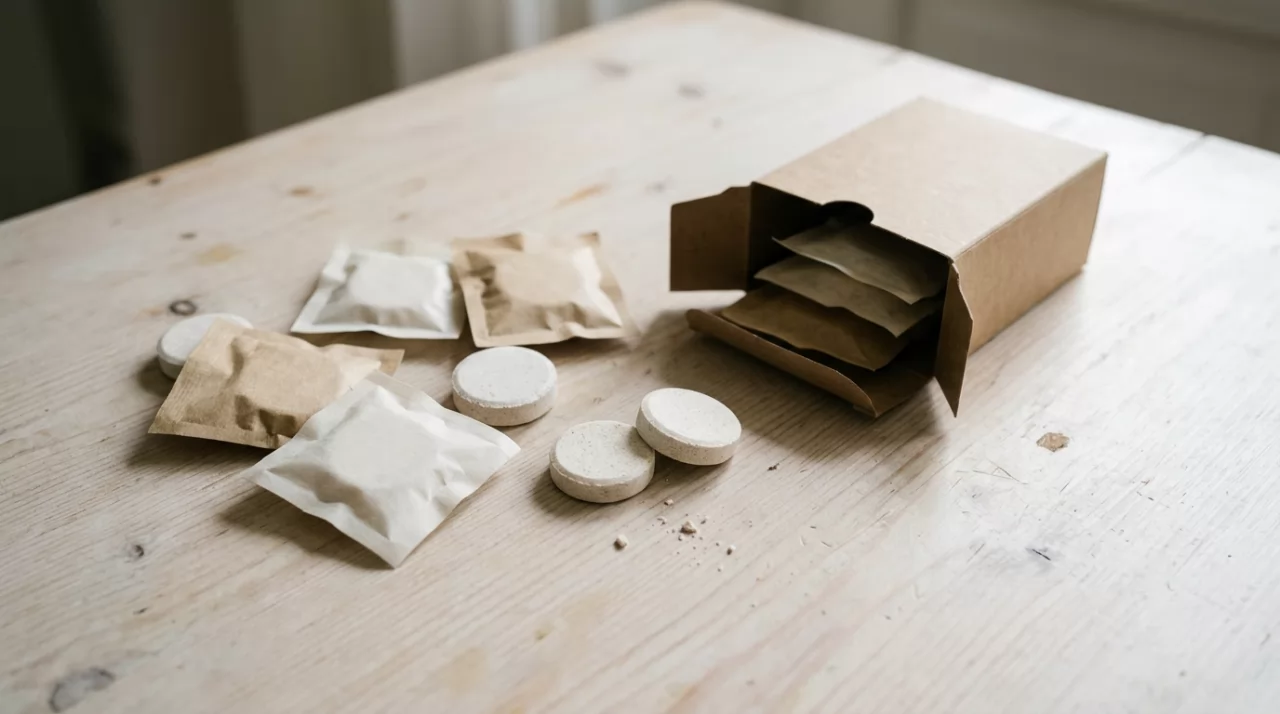
Individual wrappers protect tablets from moisture, which matters because an effervescent tablet that absorbs humidity loses fizz. Pair that with a front and top load instruction panel and clear warning text. Ask the manufacturer for the MSDS, COA and stability report, since these are the documents available for review before you commit.
| Option | What it affects | Confirm at sampling |
|---|---|---|
| Wrapper type | Moisture protection, shelf life | Seal integrity, tablet condition |
| Dual instruction panel | Correct use by washer type | Wording against test cycles |
| Tablet size and dose | Cleaning per cycle | Dissolution in both machines |
| Fragrance | Drum smell after cycle | Strength after rinse |
Treat sampling as the point where the wording is checked against real machines, not only the tablet.
Sampling and ordering path
Poleview makes washing machine cleaning tablets in custom shapes, scents, colors, branded labels and packaging, with free samples available. MOQ and lead time depend on the customization and quantity, and the process runs in six steps: inquiry, design, sampling, production, inspection and delivery.
FAQ
Can the same tablet be used in both washer types?
Usually yes. The chemistry is similar, but placement, water level and post-cycle steps differ, so the pack should carry separate instructions for each.
Should the tablet go in the drum or the dispenser drawer?
The drum is the common answer. Some front load models specify the drawer, so the machine manual decides.
Is a hot cycle always required?
No. Many manuals recommend a hot or dedicated tub-clean cycle, but follow the setting the appliance maker names.
Can the tablet replace regular drum and gasket cleaning?
No. The tablet treats the tub, but the gasket folds, drawer and rim still need wiping by hand.
Next Step: Brief Your Sample Request
Send the washer types covered, tablet format, fragrance direction, pack format and destination market to [email protected] or WhatsApp +8615819872310 (Grace), and the sample brief can start from your instruction panel.