
Two boxes of menthol shower tablets can look nearly identical on a shelf and behave very differently in the shower. Neither is a bath bomb, and neither is a medicine. This comparison of vicks shower steamers vs body restore shower steamers works from public positioning and general formulation knowledge, not hands-on testing, and ends with a verdict by use case. In short: Vicks leans on brand recognition and a congestion-relief association, Body Restore on spa-style aromatherapy and gifting, and the right pick depends on what you plan to sell.
Shower steamers are not bath bombs, and not decongestants
A shower steamer is a compressed, effervescent tablet that sits on the shower floor, fizzes slowly as water and steam reach it, and releases fragrance and essential oils into the air. A bath bomb is made for a filled tub, dissolves fully in standing water, and often carries colorants, butters and glitter aimed at the water itself. A steamer is built for aroma in the air, so it usually omits the skin-feel additives that a bath bomb relies on, and it can be smaller and denser because the water only splashes it.
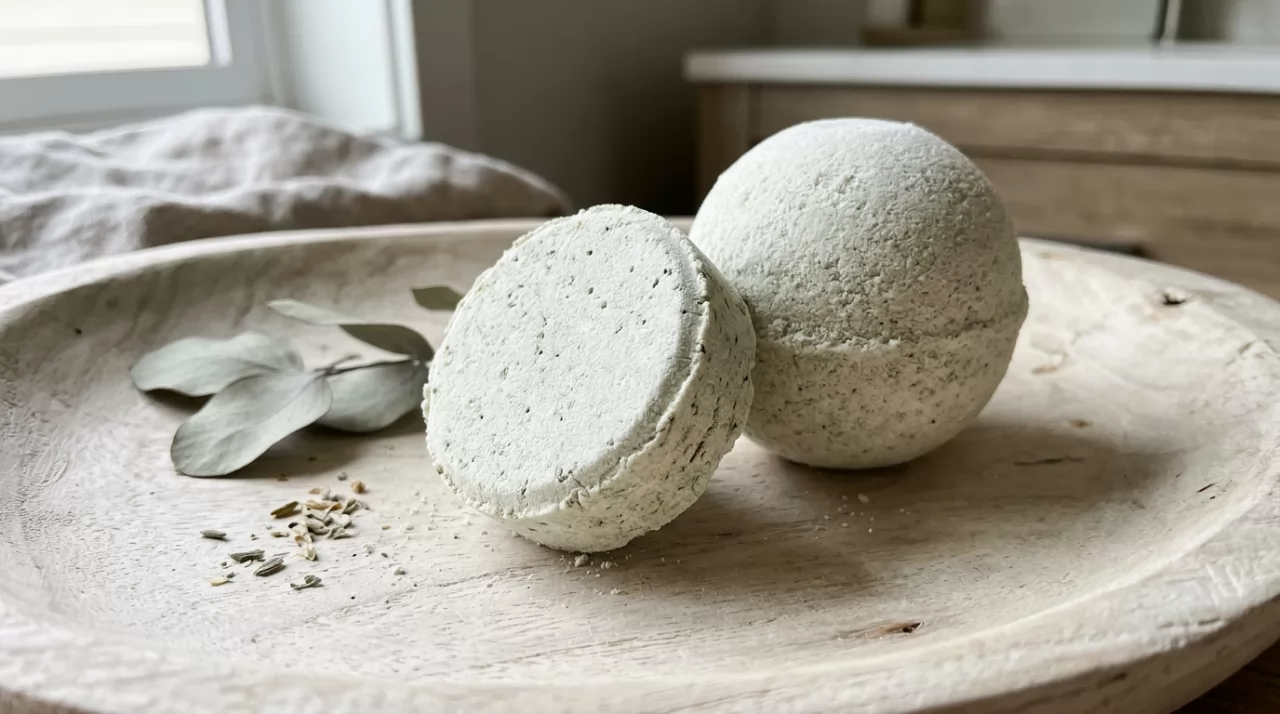
Neither product is a decongestant. A tablet that smells of menthol and eucalyptus gives a sensory impression of cool, open airways. It does not treat a cold, a sinus infection or an allergy, and nothing in public product information supports saying otherwise.
Why the difference changes how you position and label the product
Claim wording is handled differently from market to market, and a line that implies relief of a symptom can move a cosmetic-style product toward drug territory. Packaging expectations, ingredient listing and fragrance allergen declarations also vary by destination, so settle the category before you design the box.
How do menthol shower steamers work, and where do the limits sit?
Menthol shower steamers work through two simple mechanisms: effervescence and volatile aroma release. The tablet typically combines an acid (often citric acid) with a carbonate such as sodium bicarbonate, which react in contact with water and produce carbon dioxide bubbles. The fizzing helps disperse the fragrance oils, and warm steam carries the volatile molecules into the air you breathe.
Menthol and eucalyptus-type aroma materials are known for a cooling, fresh sensation. That sensation is sensory. A person may say the air feels clearer, but "feels clearer" describes perception, not a measured effect on the nasal passages, and you should not turn it into a treatment statement. Intensity also falls quickly: the aroma peaks while the tablet is actively fizzing and fades as it dissolves, so tablet weight and compaction affect how long the effect lasts.
Where buyers slip: copying a competitor's "sinus relief" or "congestion" wording onto your own box because it is already on the shelf. Another brand's claim style is not evidence that the wording is acceptable in your market, so have your regulatory adviser review every claim before artwork is locked.
Vicks vs Body Restore: a side-by-side on what is publicly visible
The comparison below uses only broad, public-facing characteristics, stated with hedges. Specific formulas, prices and current pack counts change over time, so verify them on the live listings before you rely on them.
| Criterion | Vicks | Body Restore |
|---|---|---|
| Core positioning | Cold-season, congestion association | Spa-style, wellness and gifting |
| Scent direction | Menthol and eucalyptus-forward | Broader aromatherapy range |
| Claim style | Brand-led, symptom-adjacent | Mood and relaxation language |
| Price tier | Typically mid-range | Typically mid-range |
| Typical channels | Mass retail, pharmacy, online | Online marketplaces, gift retail |
| Best for | Seasonal, recognition-driven shelves | Gift sets and variety packs |
The takeaway: these two do not compete head-on. One sells a familiar name tied to a seasonal need, the other sells an experience, and your own line will usually resemble one more than the other.
Brand and claim positioning
Vicks carries decades of association with cold and congestion products, and that association does most of the selling. The risk for a brand without that heritage is obvious: you cannot borrow the association, and imitating its language invites regulatory and trademark trouble. Body Restore speaks in the vocabulary of relaxation, self-care and gifting, which is easier to support for a cosmetic-type product because the promise is about mood and ritual.
Scent profile and format
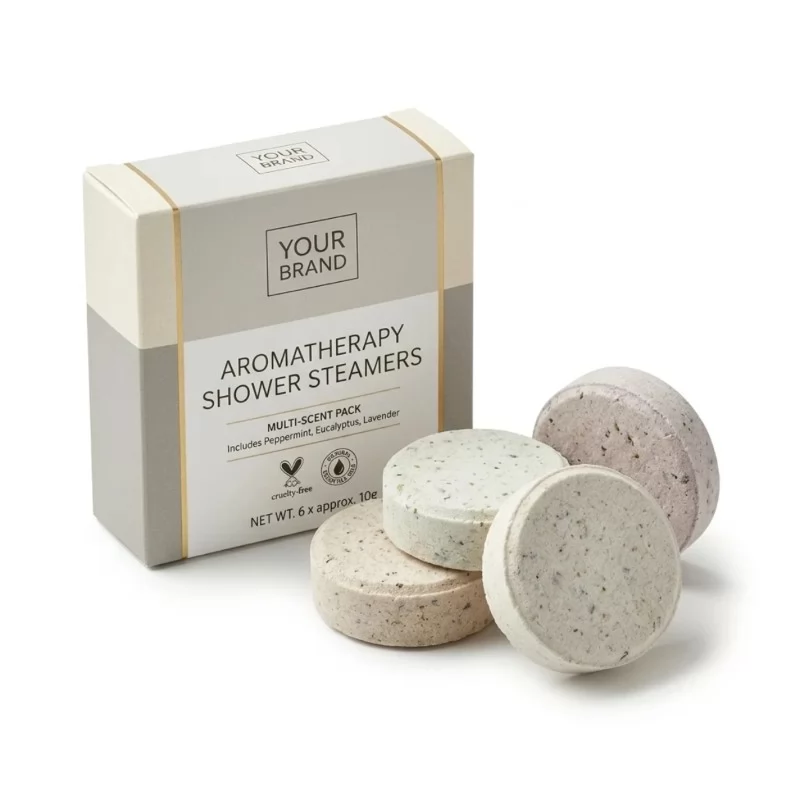
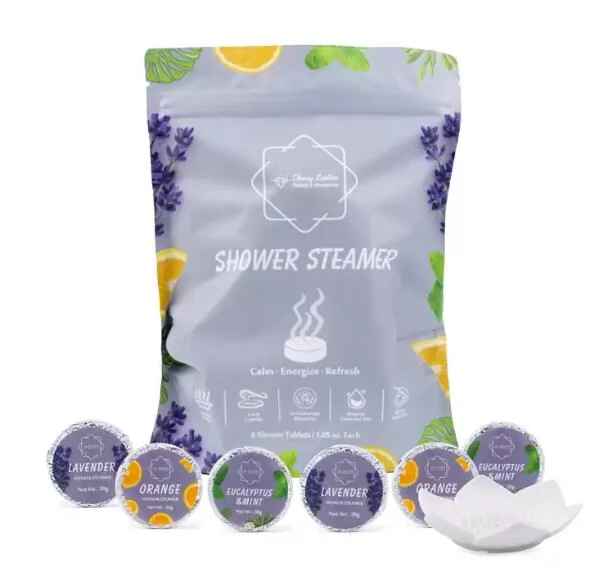
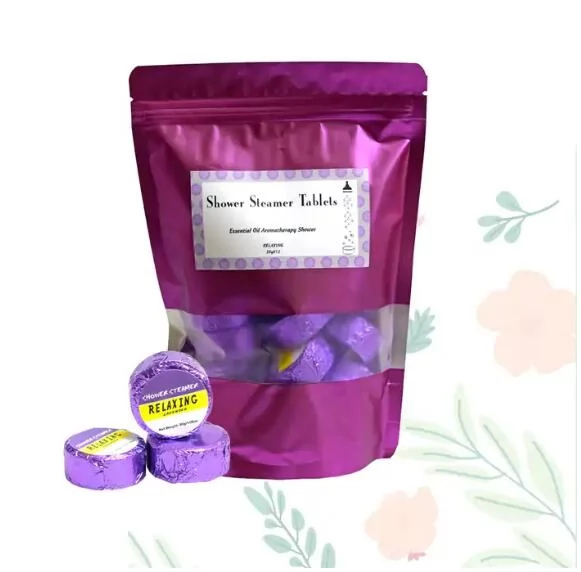
Vicks-type products are generally menthol and eucalyptus-forward, with a narrow scent identity. Body Restore-type products usually spread across a wider aromatherapy range, such as lavender, citrus and eucalyptus blends, often sold as multi-packs of individually wrapped tablets. Exact counts and wrapping differ by listing, so check the current pack before benchmarking yours.
Where each one is weaker
| Advantages | Limitations |
|---|---|
| Vicks: instant recognition at the shelf | Vicks: depends on a brand association you cannot copy |
| Vicks: clear seasonal purchase reason | Vicks: symptom-adjacent wording carries claim risk |
| Body Restore: wide scent range suits sets | Body Restore: crowded category with limited differentiation |
| Body Restore: gift positioning is easy to support | Body Restore: weaker pull for congestion-minded shoppers |
Which one fits which use case: a verdict for each
Match the model to the sales context first, then pick scent and spec. Each case below gets a short verdict.
Congestion-style seasonal line. Follow the Vicks pattern in scent only: menthol and eucalyptus, launched ahead of the cold season, with wording kept to aroma and sensation. Which shower steamers are better for congestion relief is a question no cosmetic-type product can answer medically, so the honest framing is "a cooling, fresh aroma."
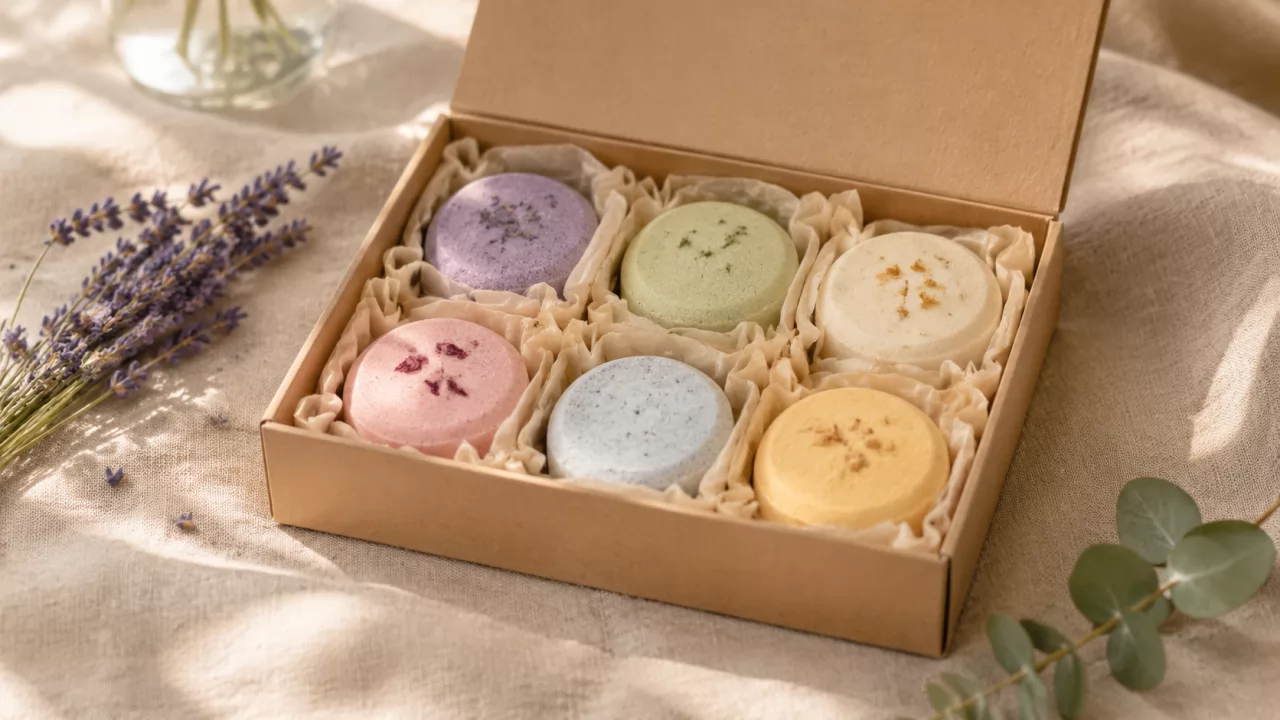
Spa and gift set. Follow Body Restore. A varied scent assortment in a presentable box carries more perceived value than any single scent.
Men's or unisex range. Lean on eucalyptus, mint, cedar or citrus-woody notes, darker packaging, and plain language. The format is the same; the scent and design do the repositioning.
Amazon-first listing. Individually wrapped tablets in a clearly counted multi-pack photograph well and ship predictably. Check marketplace rules on claims and on fragrance products before listing.
Retail-shelf launch. Shelf buyers look for a clean label, consistent weight across the pack and a barcode-ready carton. Differentiate through scent story or a gifting angle, since you will not out-recognize an established name.
How to choose
- Decide the claim ceiling first: sensory and aromatherapy wording only, unless your regulatory adviser says more is allowed in your market.
- Pick the sales channel, because it sets pack count, wrapping and carton size.
- Set the scent family and check each fragrance material against allergen declaration rules in the destination market.
- Choose tablet weight against the intended duration of aroma, accepting that heavier tablets cost more to ship.
- Ask for stability and compliance documents before approving a formula, not after.
Rule of thumb: choose your claim wording before your scent, because a scent can be changed in sampling but a claim that fails review means reprinting everything.
Building your own version: what the formula and spec decisions cost you
Most of the cost in a private-label steamer sits in a handful of decisions. Tablet weight and diameter set raw material use, press tooling and freight volume. Menthol and essential oil loading is a trade-off: stronger loading makes a stronger first impression, but it raises the risk of eye and skin discomfort in a steamy, enclosed space, and some oils soften the tablet and affect pressing. Hold the loading to what your safety assessment supports.

| Decision | What it affects | Watch for |
|---|---|---|
| Tablet weight and size | Aroma duration, freight cost | Weight variation across the batch |
| Menthol and oil loading | Scent strength, comfort | Irritation, tablet softening |
| Colorant choice | Appearance, floor staining | Skin-safe pigments only |
| Fragrance allergens | Label content | Market-specific declaration rules |
| Moisture control | Shelf life, fizz quality | Humidity during pressing and packing |
| Wrapping type | Aroma retention, cost | Seal quality at the edges |
The takeaway: moisture and wrapping decide whether the product still fizzes when the customer opens it, so they deserve as much attention as scent. Effervescent tablets start reacting with any moisture, which is why a poor seal can leave you with a swollen, weak tablet. Patch testing and stability testing are general good practice before launch, and your regulatory adviser can say what your market requires.
What a private label shower steamers manufacturer should be able to show you
A supplier worth shortlisting can produce paperwork on request rather than promise it later. Ask for the following, and read each document instead of just confirming it exists:
- COA (certificate of analysis) for the batch or formula
- MSDS (safety data sheet) for the product and key materials
- Stability report covering your formula and pack
- Factory audit report, such as SMETA/Sedex
- GMP-style certification, for example ISO 22716 for cosmetics
- A sample approval step before mass production, and final inspection before packing
Certificates show a system is in place; they do not show your batch passed. That is why the COA and stability report matter more than the logo on a brochure. Poleview offers these documents, along with shape, scent, color, formula, packaging and label customization, free samples, a standard MOQ of 1,000 units (flexible with the level of customization) and a 15-30 day production lead time.
FAQ
Are shower steamers safe for sensitive skin or children?
Not automatically. Patch test first, read the ingredient list for fragrance and essential oils you react to, and follow the label directions; for children, check with a pediatric professional before use.
Can I say my shower steamer relieves congestion?
Probably not. Rules differ by market, so keep the wording to sensory and aromatherapy language and confirm every claim with a regulatory adviser.
How long do shower steamers keep?
It depends on formula and packaging. Moisture is the main enemy, so confirm shelf life through a stability report rather than a verbal estimate.
Can samples be made before committing to a full run?
Yes. Free samples are available, and sampling comes before production, so you can approve scent, color and fizz first.
Before you request a quote, write down your scent, tablet size, wrapping type and destination-market claim rules, and ask for a sample against that exact brief.