
Don't toss a half-used bottle just because the date has passed, and don't trust it forever either. So, does hand sanitizer expire? Yes, but gradually, not overnight. Below is a plain comparison of a bottle that is still fine and one that has quietly lost strength.
- Hand sanitizer does expire, mostly because its alcohol slowly escapes.
- Look, smell and feel tell you a lot about a bottle's condition.
- Cool, shaded storage and a tight cap slow the decline.
- When you are unsure, replace the bottle; it costs little.
Expired vs. Still Good
A bottle that is past its date is not automatically useless, but it is less dependable than a fresh one. The printed date is a cautious guide: the maker's point up to which it stands behind the product's strength and stability. A bottle that was sealed well and stored cool may still be fine soon after that date, while one left in a hot car may be weak before it.
What the Date Means
An expiration date is the maker's promise about performance, not a switch that flips on that day. Some sanitizers carry no date at all, and that depends on how the product is labeled and regulated where it is sold. If yours has none, the batch or purchase date becomes your reference.
Why Strength Fades
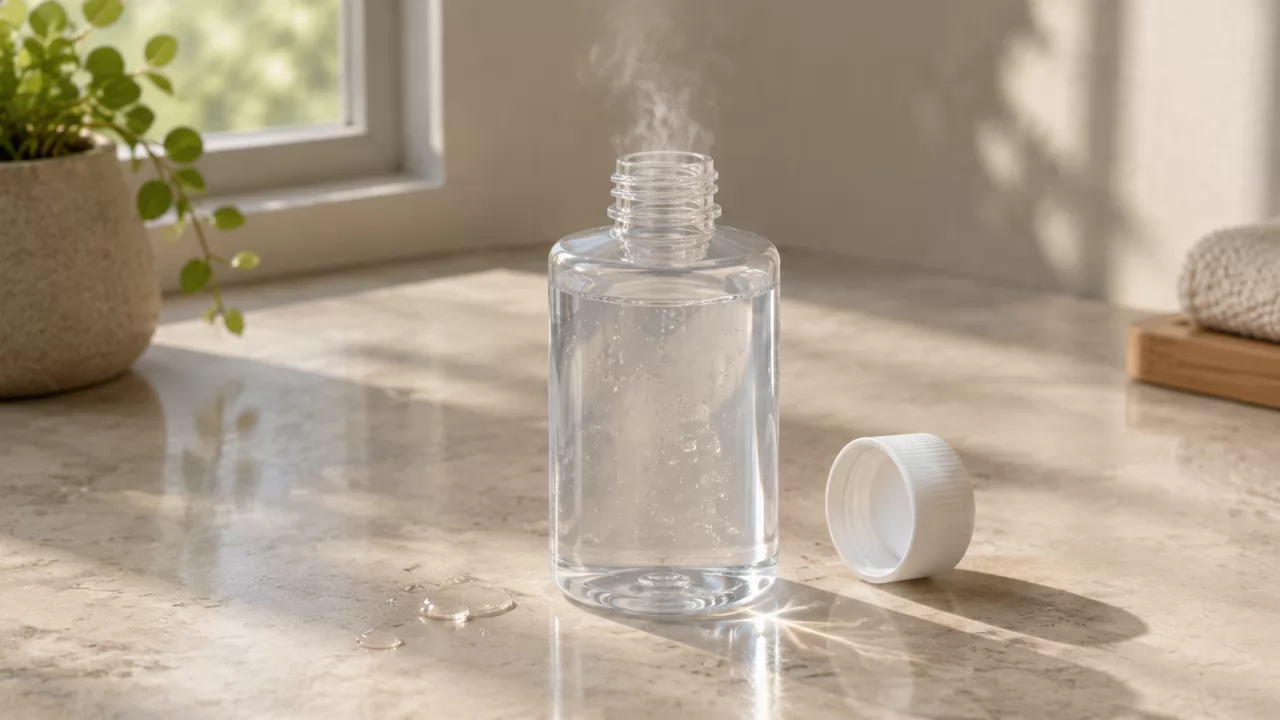
Alcohol content is the share of the liquid that is alcohol, and it is the part that kills germs. Alcohol evaporates easily, so some of it slips out through caps, pumps and seals over time. Less alcohol means weaker germ-killing power. The change is slow, and every opening of the bottle speeds it up a little.
How Long Does Hand Sanitizer Last?
Hand sanitizer typically lasts roughly two or so years unopened, though the exact figure depends on the maker and the formula. Once opened, it tends to age faster, because air gets in and alcohol gets out. Follow the date printed on your bottle over any general rule.
Formula and container change the picture. Thicker gels and foams may hold up differently from thin liquids, and the closure matters as much as the contents.
| Type | Alcohol loss | What to watch for |
|---|---|---|
| Gel | Usually moderate | Runny texture, stickiness |
| Liquid or spray | Often faster | Weak smell, quick evaporation |
| Foam | Varies by pump | Thin, watery foam |
| Pump bottle | Usually slower | Clogged or leaking pump |
| Flip cap | Moderate | Worn seal, loose lid |
| Pocket bottle | Often faster | Heat exposure, frequent opening |
In short, a tightly sealed pump bottle kept at home tends to age best, and a small bottle carried around tends to age worst.
Fresh Bottle vs. Aged Bottle
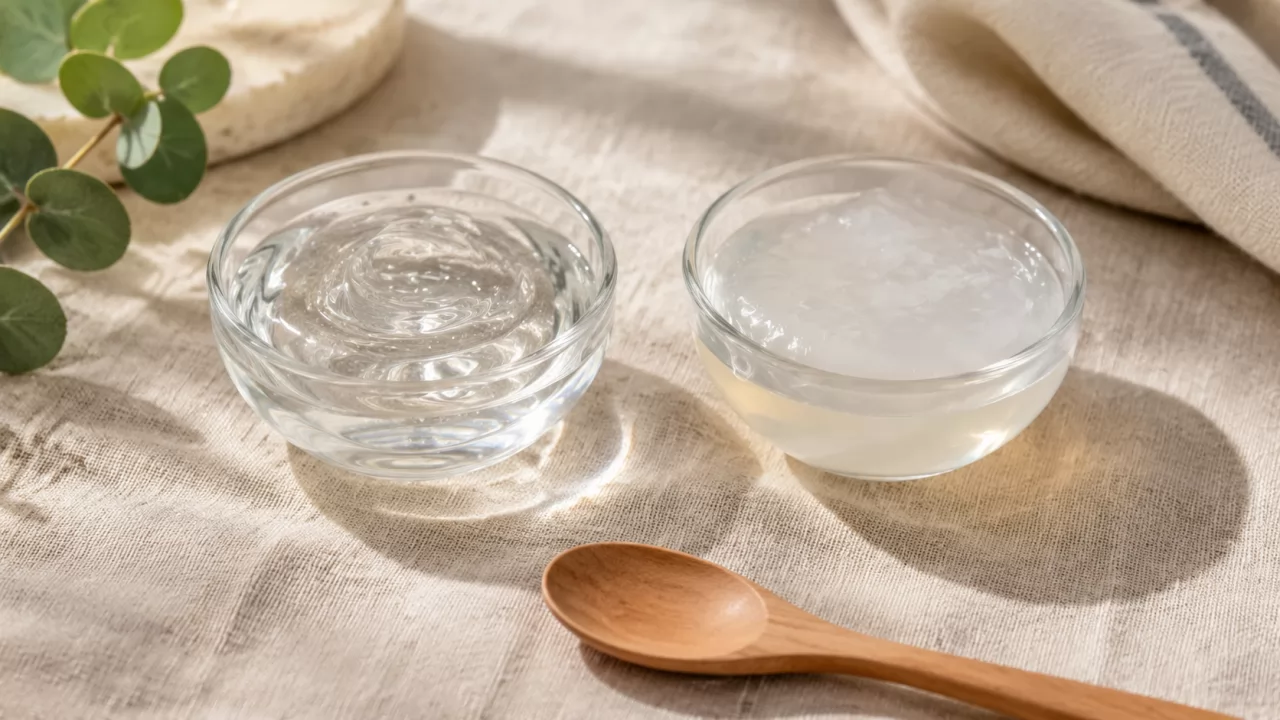
Knowing how to tell if hand sanitizer has expired comes down to three senses and a little common sense. A fresh bottle looks uniform, smells clearly of alcohol and dries quickly. An aged one often breaks at least one of those rules.
Look and Smell
Check the color first. Cloudiness, separation into layers, or a shift in color are all warning signs. Then smell it: a faint or flat alcohol scent suggests some has evaporated. Fragrance can fool you, though, since a strong perfume smell says nothing about alcohol strength.
Feel and Performance
Rub a small amount on your hands. Good sanitizer spreads easily and dries in a short time without leaving a tacky film. Slow drying, sticky residue or a gel that has gone runny points to change. A bottle that feels lighter or emptier than it should may have lost liquid to evaporation.
| Sign | What it may suggest | What to do |
|---|---|---|
| Cloudy or separated | Formula has changed | Replace it |
| Weak alcohol smell | Alcohol has evaporated | Replace for hand use |
| Sticky residue | Ingredients have shifted | Stop using on hands |
| Slow drying | Lower alcohol level | Switch to a new bottle |
| Runny gel | Thickener breakdown | Replace it |
One sign alone is a hint; two or more is a good reason to retire the bottle.
Quick Check Routine
- Read the date and note how the bottle has been stored.
- Look and sniff for cloudiness, separation or a faded smell.
- Rub a small amount on your hands and watch how it feels and dries.
If any step raises doubt, replace it. That is the simplest rule, and it never lets you down.
Can You Use Expired Hand Sanitizer?
You can, but expect less from it. Expired hand sanitizer effectiveness is hard to judge by eye, because the loss of alcohol cannot be seen. An older bottle may still help in a pinch, yet it is less dependable, and it should never stand in for washing when your hands are visibly dirty or greasy.
Good Uses, Bad Uses
A slightly past-date bottle that looks, smells and dries normally is reasonable for quick use when no soap is around. A weakened one can be handy for wiping a hard surface such as a phone case or a door handle in a pinch, with care, since alcohol can damage some finishes and plastics. Test a hidden corner first.
Choose soap and water, or a fresh bottle, before meals, after using the toilet, after handling raw food, and whenever you are caring for someone vulnerable. Skin matters too: old product with odd residue can irritate, so stop if your skin stings or reddens, and see a professional if it persists.
Safe Disposal
Sanitizer is flammable, so keep it away from heat and open flames. Follow your local household-waste guidance for the bottle and any leftover liquid. Before pouring a large amount down the drain, check local rules rather than assuming it is fine.
Myths About Old Sanitizer
Myth: alcohol never goes bad. Fact: alcohol itself keeps, but it evaporates, so the bottle gets weaker.
Myth: the date means it turns toxic overnight. Fact: the date marks the maker's confidence, and the change is usually gradual.
Myth: a stronger smell means a stronger bottle. Fact: fragrance can be strong even when alcohol is low.
Myth: heat and freezing don't matter. Fact: temperature extremes can speed up loss or change the texture, so avoid both.
Storing It Right
How to store hand sanitizer is mostly about slowing evaporation and avoiding heat. A cool cupboard beats a windowsill, and a closed cap beats an open one. These habits can stretch a bottle's useful life, though none of them stops aging completely.
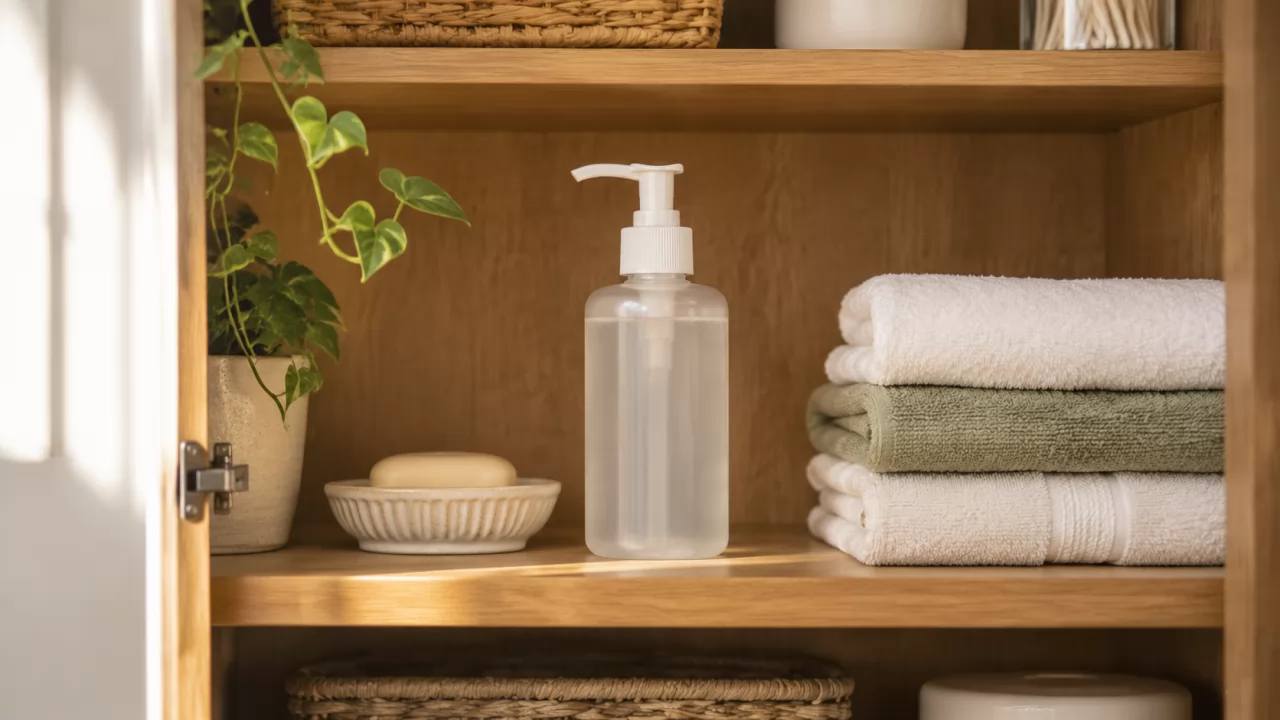
- Close the cap or pump tightly after every use.
- Keep it away from heat, direct sun and flames.
- Never leave it in a hot car.
- Buy sizes you will actually finish.
- Keep it out of reach of children.
The last point matters more than it seems: swallowing sanitizer can be harmful, especially for small children, so store it high and capped.
FAQ
Does unopened hand sanitizer last longer than opened?
Yes, usually. A sealed bottle loses alcohol far more slowly, while opening lets air in and alcohol out.
What if there is no expiration date on the bottle?
Use your purchase date as a guide. If it is more than a couple of years old, or you can't remember, run the quick check and replace it if unsure.
Is homemade or refilled sanitizer different?
Yes, it can be. Homemade or refilled mixes have no tested date and their strength is uncertain, so treat them with extra caution and replace them sooner.
Can heat in a car ruin a bottle?
Yes, it can. Heat speeds alcohol loss and may change the texture, so a bottle left in a hot car is better replaced.
Quick Wrap-Up
Check the date, trust your eyes and nose, store the bottle cool and capped, and replace it when something seems off. If you only remember one rule: when in doubt, a fresh bottle is cheaper than a guess.