
Epsom salt is a mineral, so it does not spoil the way food does. That does not mean a bag lasts forever. So, does Epsom salt expire? The salt itself barely changes, but the finished product around it (scent, color, additives, packaging) does, and that is what a label date has to cover.
- Stable base: pure magnesium sulfate is chemically stable under normal storage.
- Moisture is the usual culprit: clumping and caking come from humidity and loose seals.
- Add-ins age faster: scented, colored or oil-enriched blends change sooner than plain salt.
- Packaging sets appearance: the container decides how the product looks after months on a shelf.
- Dates need evidence: a label date should come from stability testing and market rules, not from the raw material alone.
Epsom Salt Isn't Food, and It Isn't Immortal Either
"Never expires" and "never changes" are two different statements. Epsom salt is magnesium sulfate, a crystalline mineral salt. It does not rot, but it can absorb water, clump, lose fragrance and shift in color.
Why the pure mineral barely degrades
Pure magnesium sulfate has no biological shelf life in the way food does. It is an inorganic salt with nothing for microbes to feed on in dry form, so it does not go off by itself. What shifts is its physical state, mostly through contact with air and moisture.
What actually changes over time
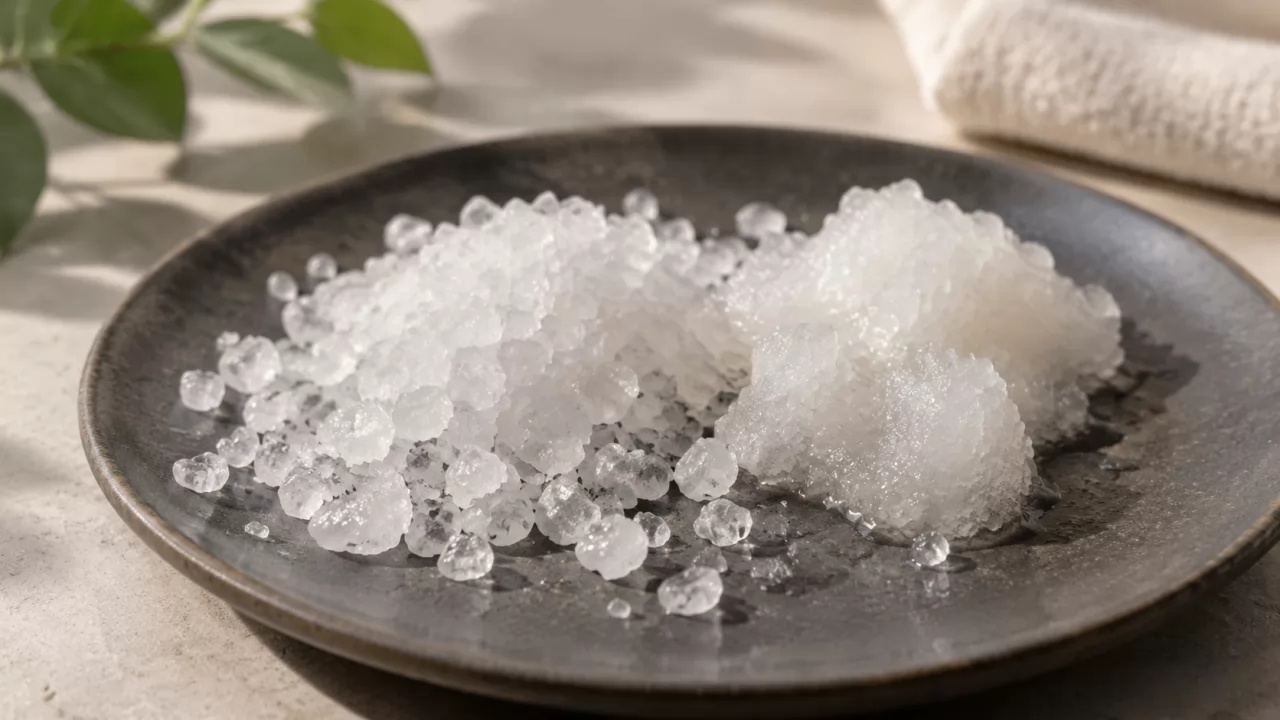
Magnesium sulfate is hygroscopic to a degree, meaning it can take up moisture from humid air. Crystals then bind together, and a free-flowing salt turns into lumps or a solid block. Fragrance oils evaporate or oxidize, colorants can fade or bleed, and some containers or liners interact with the contents. These are physical and sensory changes, not spoilage in the food sense.
Why "expiration date" is the wrong frame for a brand
A bare mineral and a finished cosmetic are treated differently. Once you add fragrance, pigment, oils or botanicals and sell it as a bath product, you are labeling a formulated product. The question shifts from "how stable is magnesium sulfate" to "how long does this particular blend stay within its specification in this particular pack."
How Long Does Epsom Salt Last in a Finished Product?
Shelf life of a finished bath salt depends on the formulation and packaging, not on the salt alone. Plain salt in a sealed pack is the most forgiving format. Every add-in introduces its own aging route, and the weakest ingredient sets the practical limit.
The table compares common formats by their main risk and the lever that controls it. No durations are given because they depend on testing.
| Product format | Main aging risk | Noticed first | Main control lever |
|---|---|---|---|
| Plain bulk salt | Moisture uptake | Clumping | Sealed, lined packaging |
| Scented, colored bath salts | Fragrance loss, color drift | Weaker scent, fading | Stable pigments, barrier pack |
| Salt with botanicals or oils | Oxidation, moisture from botanicals | Off odor, damp spots | Dry ingredients, antioxidants |
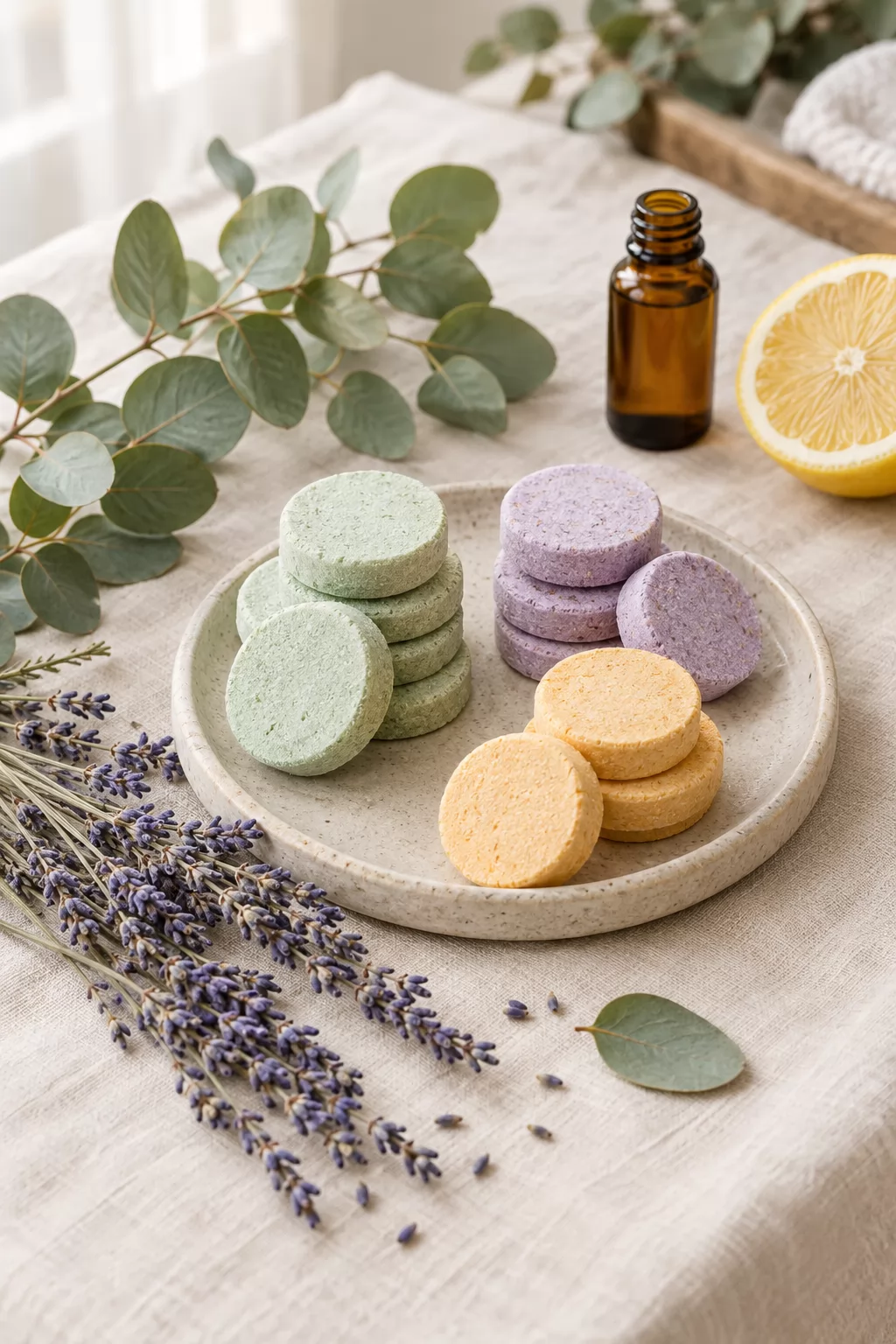
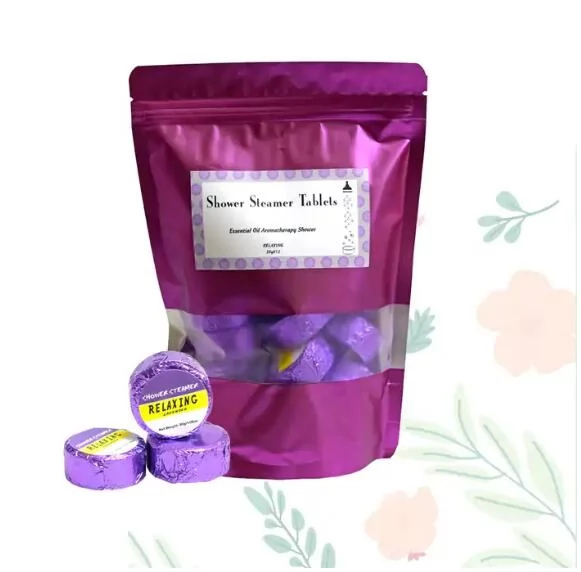
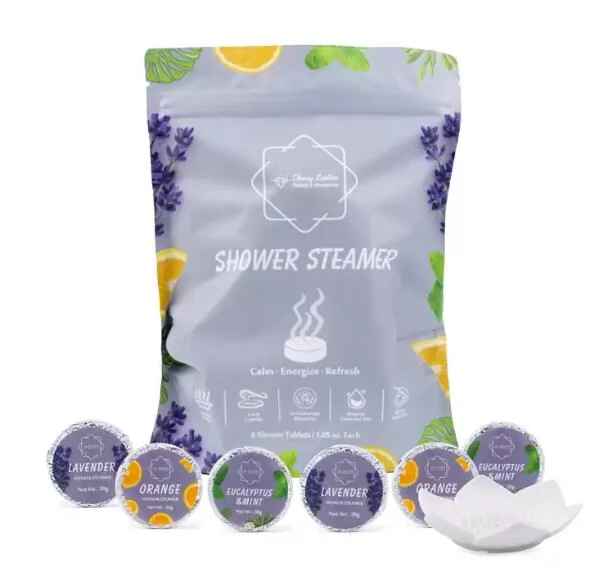
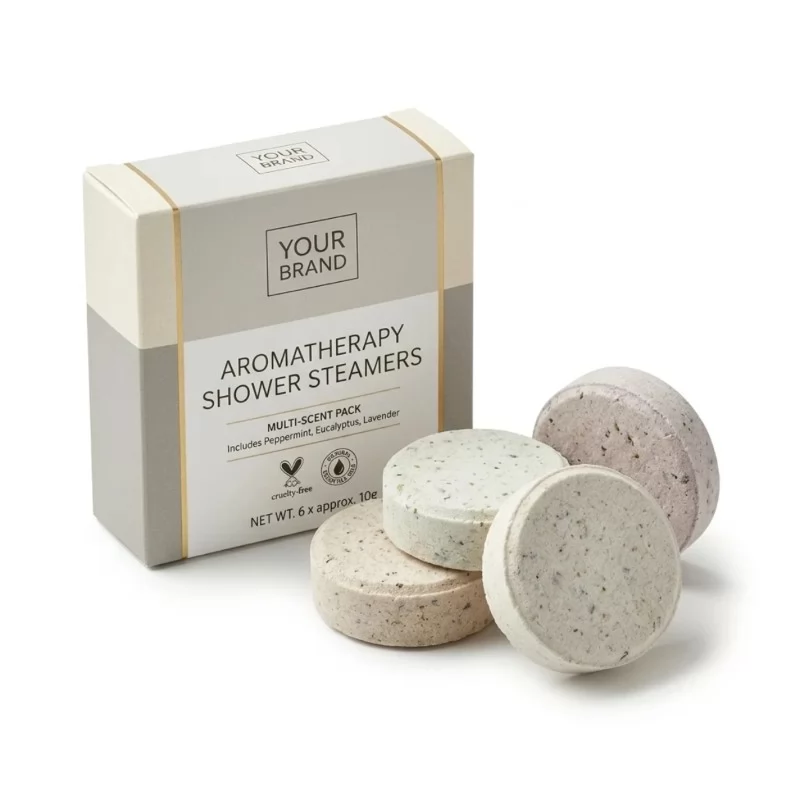
| Salt blends in soaking tablets or shower steamers | Reaction with moisture | Softening, cracking | Individual wrapping |
The more components in the blend, the more the packaging and the formula, rather than the salt, decide how the product holds up.
A "best before" date or a period-after-opening symbol is a decision for your regulatory and testing process, and it varies by market. Ask your manufacturer which stability data and documents, such as a stability report and a COA (certificate of analysis), they can provide before you commit to a date.
Signs Epsom Salt Has Gone Bad
For sample checks and returned goods, a few visual and sensory tests cover most cases.
Clumping and hard caking
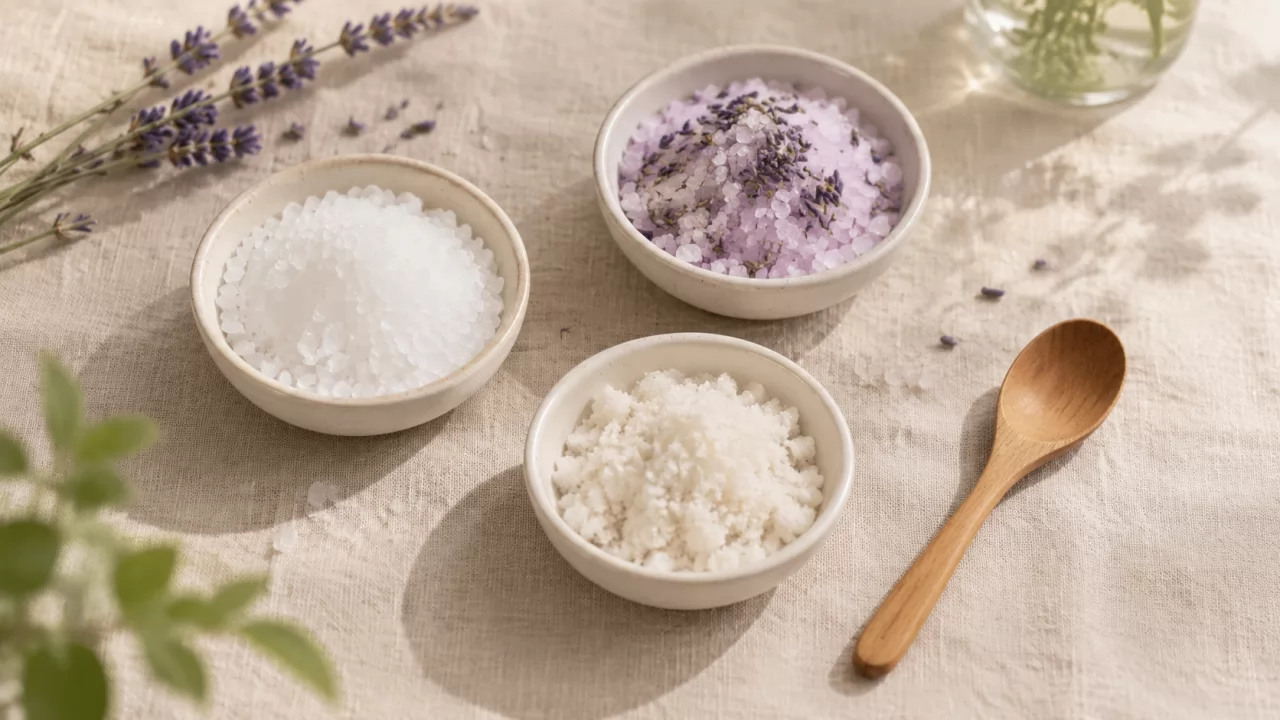
Humidity and loose seals cause it. Clumping is usually cosmetic, not a safety signal, though it does hurt how the product pours and looks on a retail shelf. A lump that breaks apart easily points to mild moisture exposure; a solid block points to a failed seal.
Odor, color and contamination
Reject a lot for a faded or off scent, discoloration, foreign matter or damp spots. Those point to ingredient breakdown, pack failure or contamination, and they matter more than clumping.
Common Mistakes
The first is assuming that because the mineral never expires, no date is needed. A formulated, scented product sold under cosmetic rules is a different matter, and many markets expect either a date or a stated period after opening.
The second is treating every clump as a ruined batch. Caking alone is mostly a storage issue. But repeated caking across a lot suggests the packaging or the fill environment needs review.
The third is assuming scented salt keeps as long as plain salt. Fragrance and color are the first things to move, so the blend ages on their schedule.
The fourth is accepting any container. A thin bag with a weak seal can undo a good formula in a humid warehouse or a shipping container.
Can You Use Expired Epsom Salt in a Bath?
Plain Epsom salt past a nominal date that looks and smells normal is generally not treated as a hazard. A finished cosmetic product, though, should follow its labeled date and the rules of the market where it is sold. When in doubt, discard it.
Check the salt before use: look for contamination, odd smells or dampness. This is general guidance, not health advice, and anyone with skin concerns should follow the instructions on the product label.
How to Store Epsom Salt and Specify Packaging
Store it cool, dry and sealed, away from steam and direct sun. A bathroom shelf next to the shower is the worst spot. For production and warehousing, the same logic applies to pallets: keep them off the floor and away from damp walls.
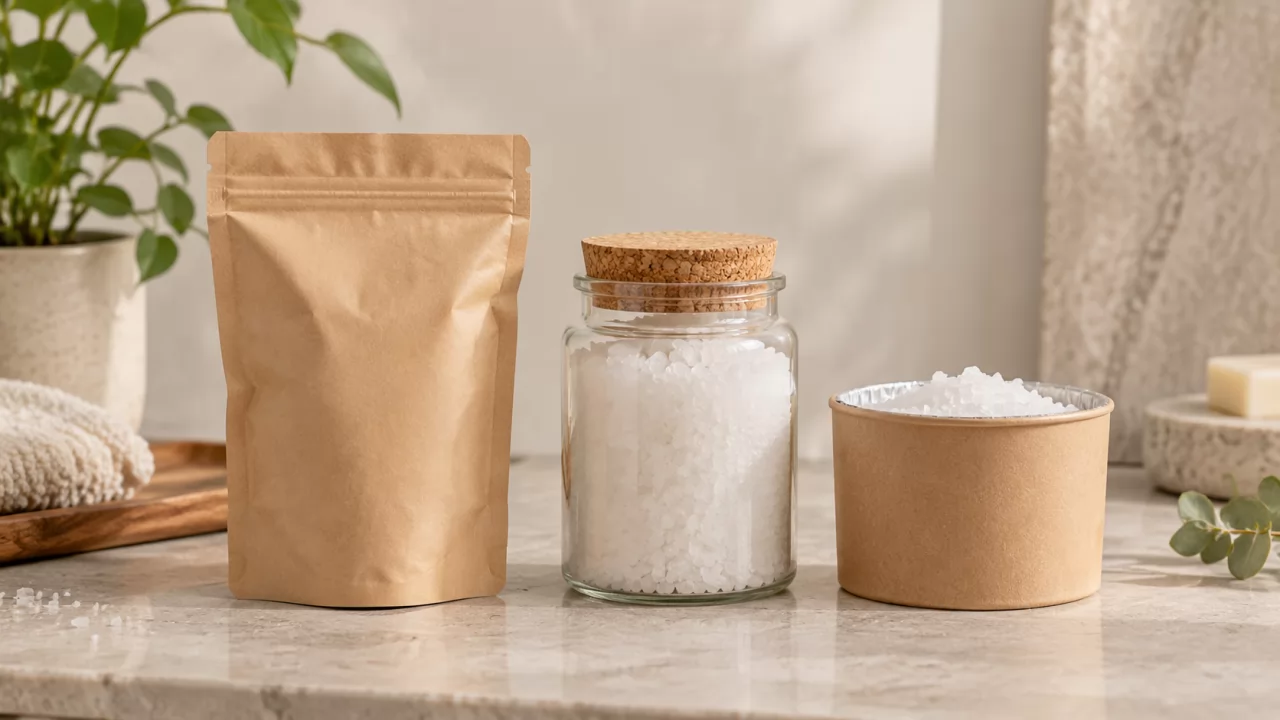
For packaging, the choice sets how much moisture protection the product gets.
| Packaging option | Moisture protection | Best for |
|---|---|---|
| Sealed pouch | Moderate to good | Retail bags, refills |
| Jar with tight lid | Good | Gift and display products |
| Box with inner liner | Moderate | Multi-pack sets |
| Shrink wrap or foil wrap | Moderate to good | Tablets and single-use pieces |
Pouches and foil suit most mass-market bath salts, while jars suit products where presentation matters.
Poleview can produce custom bath salts and other bath formats with private-label packaging, and a stability report, COA and MSDS are among the documents available on request.
FAQ
Does Epsom salt have an expiration date?
Pure Epsom salt has no true expiration, but finished bath products with fragrance or additives may carry a date depending on the market and stability testing.
How long does Epsom salt last when stored properly?
Plain salt kept dry and sealed can last for many years without meaningful change. Blends vary with their ingredients and pack, so testing gives the real answer.
Is clumped Epsom salt still usable?
Usually yes if it looks and smells normal. Clumping is typically moisture-related and cosmetic.
What shelf life should a private-label bath salt carry?
It depends on formula, packaging and the rules where you sell. Base it on stability data from your manufacturer and your regulatory review, not a guess.
The next question is usually how to run a stability study on your own blend: which conditions, which checkpoints, and how long before a date can be printed.