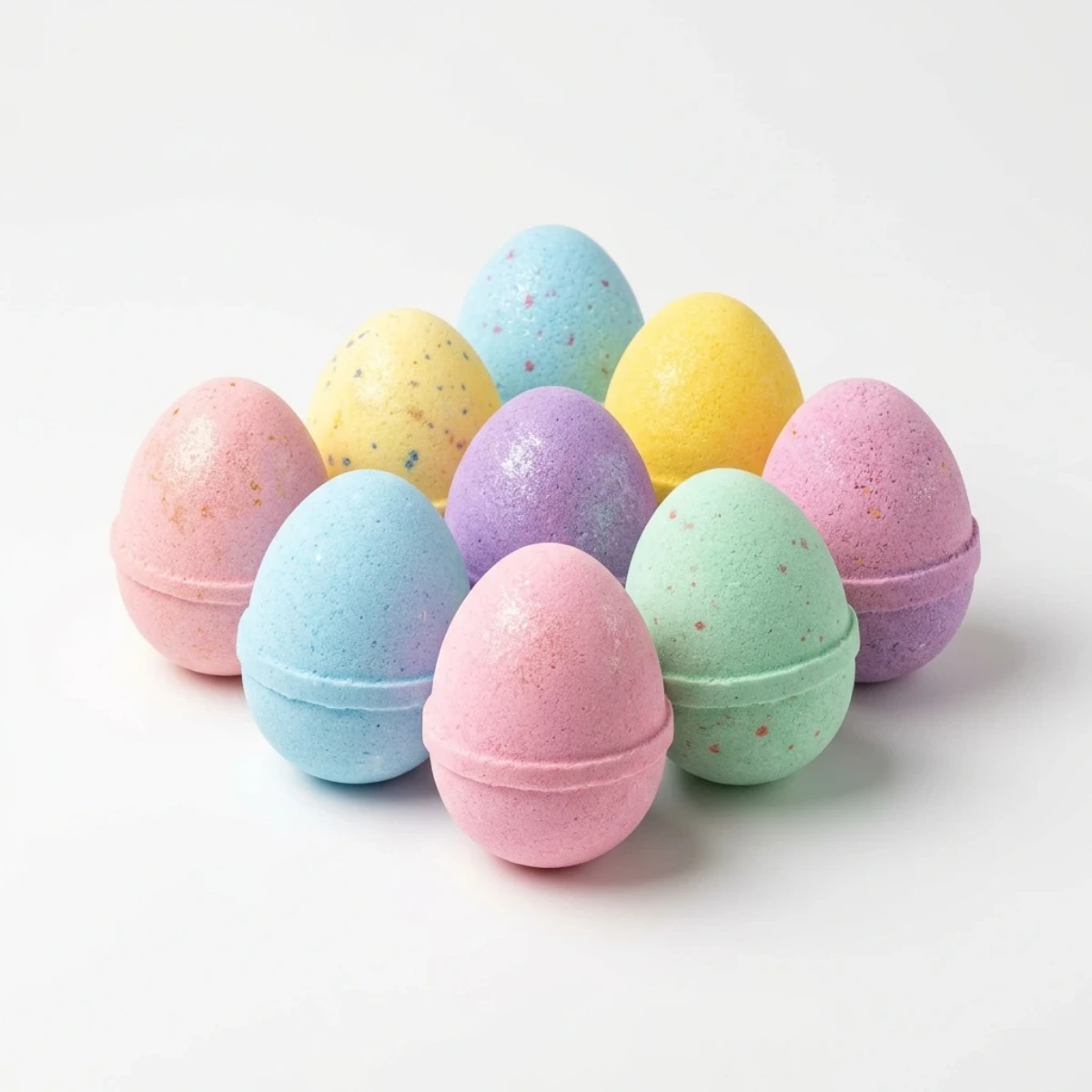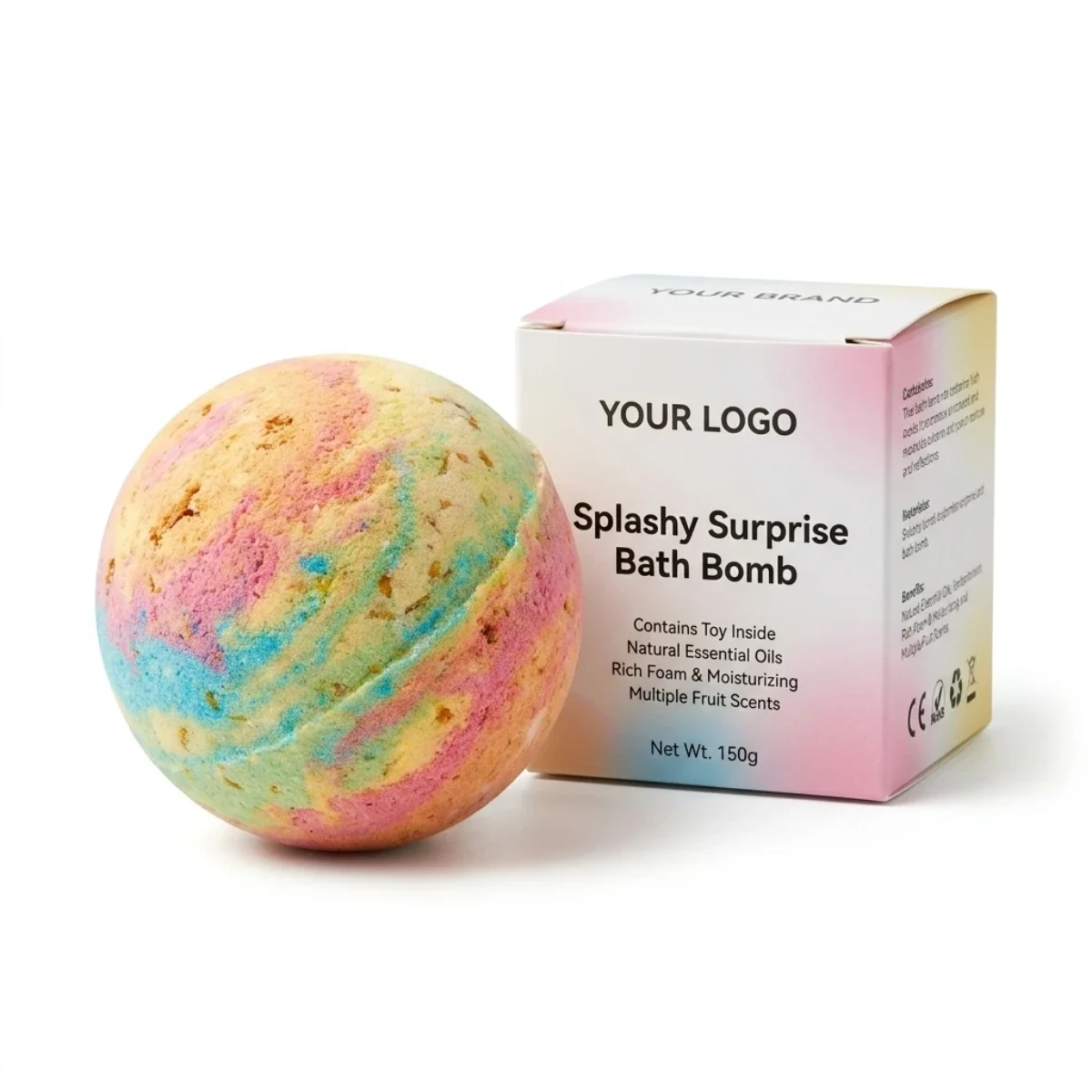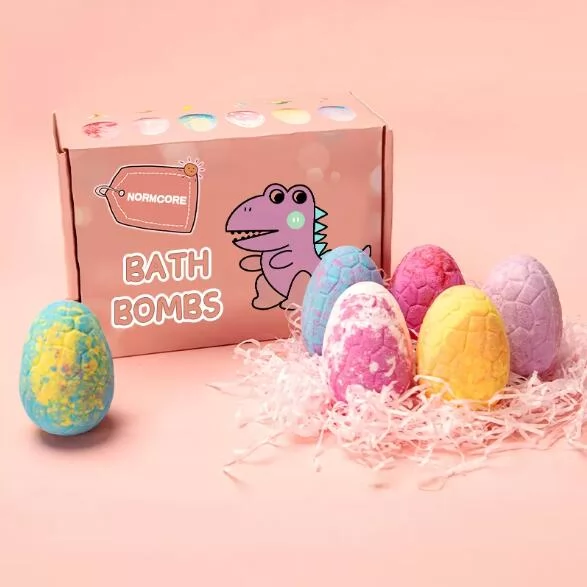

"It just fizzes and smells nice" is how a first brief often describes a bath bomb, and it overlooks how much the formula and the claims decide. You can treat the product as a fizz-and-fragrance novelty, specified by shape and scent alone. Or you can treat it as a defined bath product with a stated purpose, where every ingredient and every sentence on the label has a job. What follows covers what bath bombs do, what you can reasonably say about them, and what that means for your spec.
Key Takeaways
- The fizz comes from an acid-base reaction in water. It creates the show, not a skin outcome.
- Realistic functions are effervescence, fragrance, colour and a softer-feeling soak. Nothing medical belongs on the list.
- Skin-benefit wording, "natural" claims and fragrance load are where regulatory and platform trouble starts.
- Fragrance level, colorant choice, oils and packaging drive most of the cost, shelf life and complaint risk.
What Do Bath Bombs Do: The Direct Answer
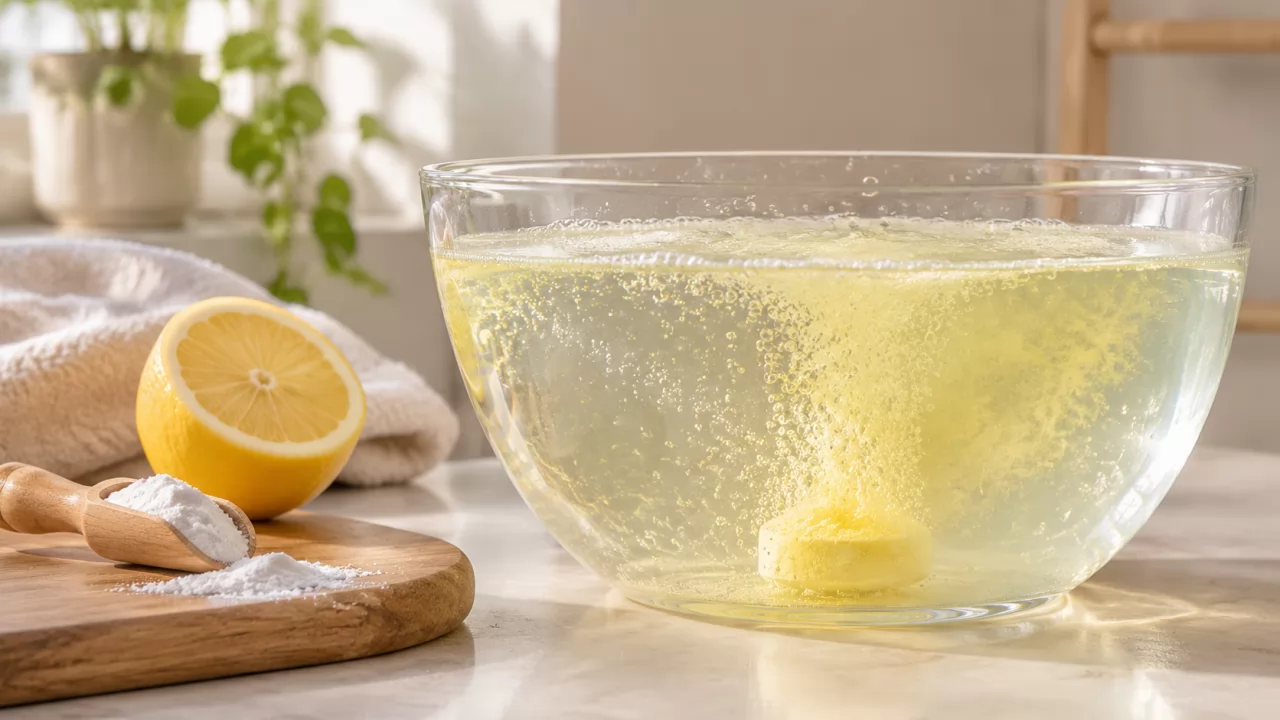
A bath bomb is a compressed, dry block of an acid and a carbonate. It dissolves in bath water, releasing carbon dioxide bubbles while dispersing fragrance, colour and, in many formulas, oils or butters. What you get is a sensory experience: visible fizzing, scent, tinted water, and a soak that can feel softer on the skin. It does not treat skin conditions, and your brief should not imply that it does.
Fizz, scent and colour: the visible functions
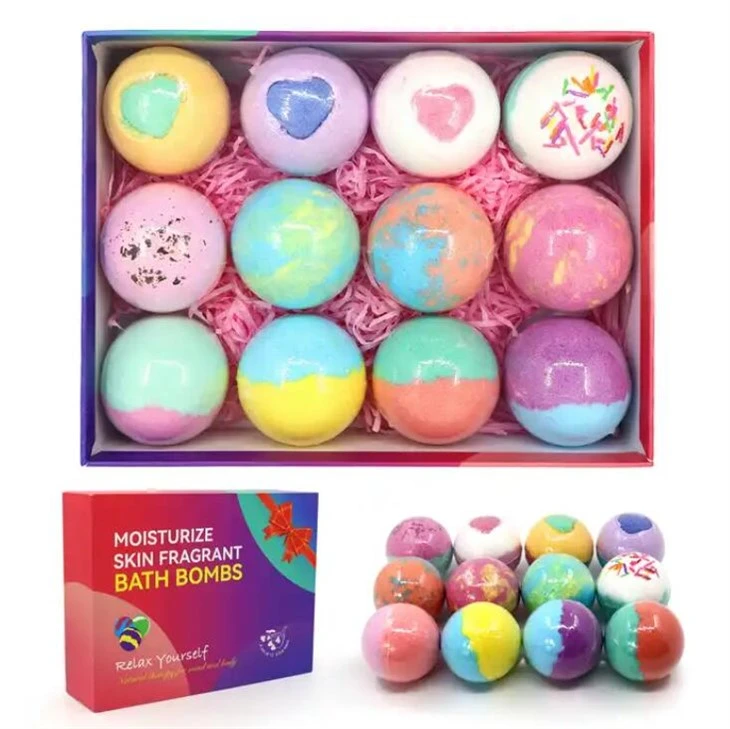
Customers notice these first, and they are what a product page photograph or video sells. The fizz gives the product its theatre. Fragrance sets the mood of the bath, lavender for the evening or citrus for a gift, say. Colour turns the water into part of the experience, which is why rainbow and layered designs sell well in kids' and gift ranges. All of this is easy to verify in a sample, so you can judge it yourself before committing to production.
Skin feel and soak experience: the less visible functions
Formulas with emollients such as plant oils or butters can leave the water feeling slicker and the skin softer after a soak. Treat that as a texture effect and describe it in hedged terms; it is not a moisturising claim. How noticeable it is depends on the oil level, the water hardness and how long the user stays in the tub. A heavier oil load also has a cost: more residue on the tub surface.
How Bath Bombs Work: Reaction and Formula
When the block meets water, the acid and the carbonate dissolve and react, producing carbon dioxide gas. The bubbles carry fragrance to the surface and break the block apart. Each ingredient group tunes that behaviour. The acid-to-carbonate balance and the binder control fizz speed; oils and surfactants control skin feel and foam; the fragrance and colour system control scent and appearance. The table lists the main groups.
| Ingredient group | Typical example | Main job | Main risk |
|---|---|---|---|
| Acid | Citric acid | Reacts with carbonate | Premature reaction if damp |
| Carbonate | Sodium bicarbonate | Releases carbon dioxide | Weak fizz if ratio is off |
| Binder and filler | Starch, salts | Holds shape, slows dissolving | Crumbling or dullness |
| Oils and butters | Plant oils, shea butter | Softer skin feel | Tub ring, slower fizz |
| Surfactant | Mild foaming agent | Adds foam | Irritation for some users |
| Fragrance and colour | Essential oil blend, pigment | Scent and tinted water | Sensitivity, staining |
Performance is a balance. Push one property, whether more oil or more foam, and another usually pays for it.
The effervescent base
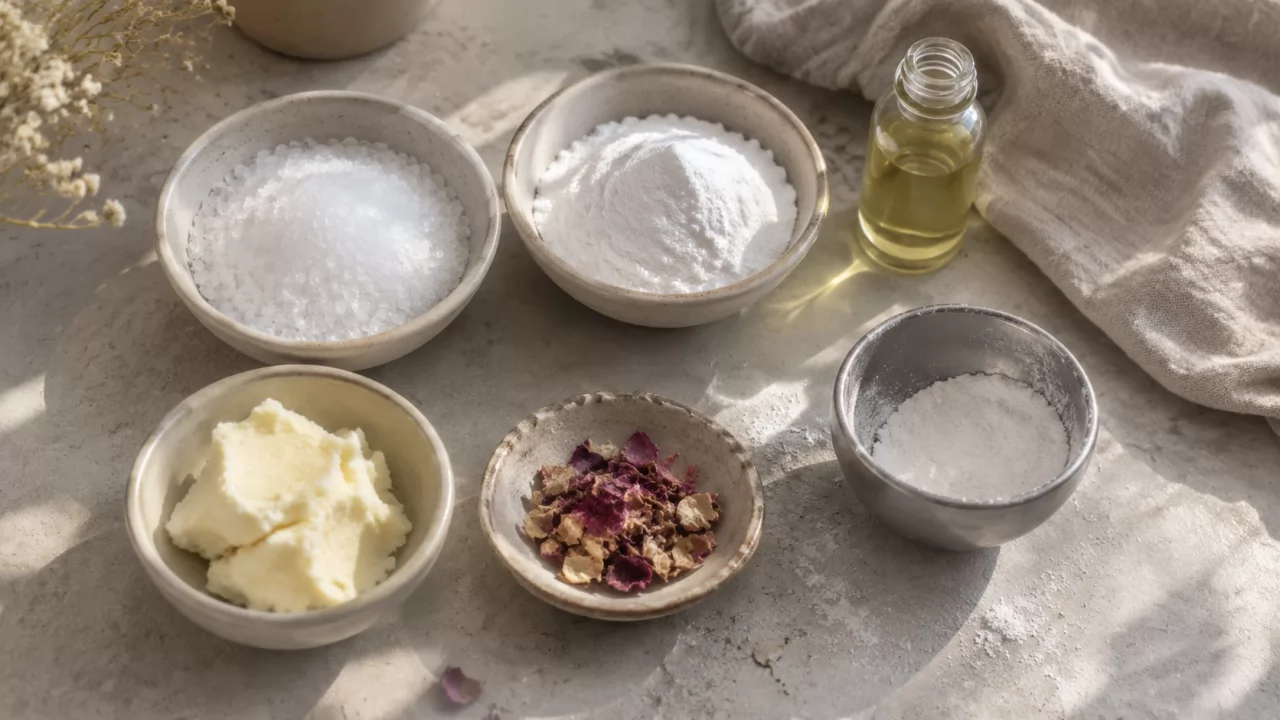
Citric acid and sodium bicarbonate make up most of the block. They react on contact with moisture, so production humidity matters. A damp mixing room or too much liquid binder can start the reaction early and leave a soft, weak or cracked product. Makers commonly bind with a small amount of liquid, often an oil or a witch-hazel-type mix, just enough to press the powder without triggering fizz. Pressing force and mould design then set the density, and density sets how long the bomb takes to dissolve.
Oils, butters and surfactants
Oils and butters soften the feel of the water and help bind the mix, but too much slows the fizz and leaves a film on the tub. Some formulas add a surfactant, a cleansing and foaming ingredient, to get bubbles. Foam looks appealing in a children's range, yet surfactants can irritate sensitive users, and a "bubbling" product raises different expectations than a "fizzing" one. Decide early which you want. The two behave differently in the tub and on the label.
Fragrance and colour systems
Fragrance can come from essential oil blends or from fragrance compounds. Essential oils are the usual choice for aromatherapy positioning, while compounds offer more stable and varied scents. Either way, the INCI list (the standard ingredient naming system for cosmetics) must name them correctly, and some fragrance components need individual declaration depending on the market. Colour comes from skin-safe pigments or dyes, and the choice affects whether the water, the tub or the user's skin picks up a tint. Bright, saturated shades are the usual culprits for staining, especially in light acrylic tubs.
Benefits of Bath Bombs for Skin: What You Can Say and What You Cannot
Do bath bombs actually work? They do what they are built to do: fizz, scent, tint the water and make for a pleasant soak. Whether they deliver a skin benefit depends on the formula and is hard to prove, so keep your wording on sensory experience and comfort.
Defensible wording versus risky wording
Phrases like "relaxing bath soak", "fizzing bath experience", "scented with essential oils" and "leaves skin feeling soft" describe what a user senses. "Heals dry skin", "detoxifies", "relieves eczema", "cures congestion" and "treats anxiety" move into therapeutic territory. Regulators in many markets treat those as drug or medical claims, and Amazon and other marketplaces can remove listings that make them. Even "moisturising" can need substantiation, depending on the market.
Tip: Write the label and listing copy from the formula up. If an ingredient is not in the formula, or you cannot support what it does, the claim stays off the page.
Sensitive skin, fragrance and patch testing
Fragrance is among the more common causes of reactions to bath products, and warm water and longer contact can make sensitivity more noticeable. Colorants and surfactants add to the picture. For sensitive-skin or children's lines, it makes sense to lower the fragrance load, use fewer colorants and offer a fragrance-free version. A patch test, where a small amount of product is applied to a limited skin area and observed, is a common safety step for new formulas. Your supplier or an independent lab can advise on the protocol suited to your market. Label warnings, such as discontinuing use if irritation occurs, belong on the pack. None of this guarantees that no one will react.
Myths and Mistakes in Bath Bomb Briefs
More fizz means a better bomb. A violent, short fizz often means a loose, low-density block that dissolves too fast and may crack in transit. Specify a fizz duration you can verify in a sample rather than simply "strong".
"Natural" means gentle. Essential oils and plant extracts can sensitise skin, and the word "natural" has no single legal definition across markets. Build the claim on a documented ingredient list, and avoid implying safety.
Colour is only cosmetic. Pigments decide tub staining and water tint, and for some users they decide skin reactions too. Ask for the colorant names and test a sample in a light-coloured tub.
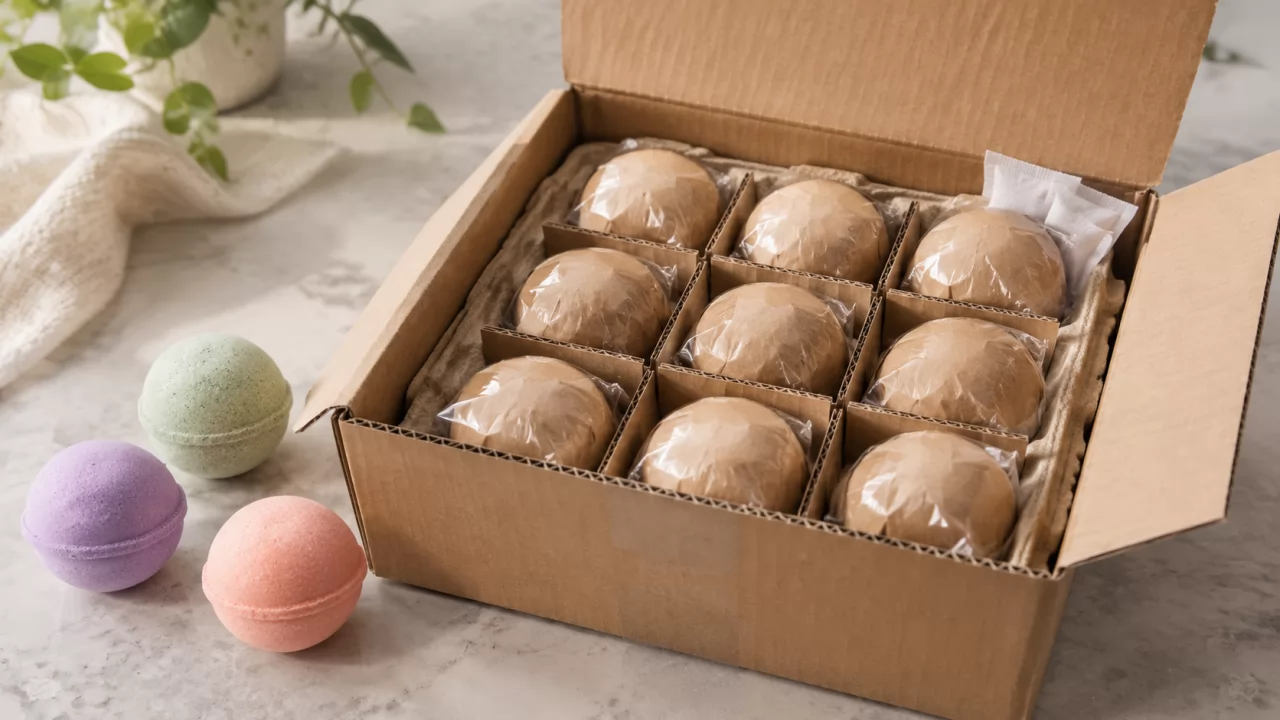
All bombs store the same. They don't. Humidity, loose wraps and heavy oil loads shorten shelf life, and a bomb that has absorbed moisture arrives swollen or soft. Choose wrapping to match your shipping and storage conditions.
Matching Function to Customer: Use-Case Scenarios
Relaxation and aromatherapy. A brand selling to adults who want an evening soak needs a pleasant, steady fragrance, a moderate fizz and a restrained colour. Look for essential oil blends or well-declared fragrances with clear INCI labelling, and keep the claim to scent and relaxation as an experience.
Kids' sets. Parents expect colour, shapes and surprise. Your priorities are lower fragrance and mild colorants, no unnecessary surfactant, clear age and supervision warnings, and compliance with the children's cosmetic or product rules of the destination market. Check those rules before the design is final.
Gift sets. Presentation carries the product, so assortment, box format and fragrance variety matter. Look for consistent colour across batches, protective inserts and individual wraps that survive handling. Seasonal gift timing also affects how you plan lead time.
Amazon-sold multi-packs. Breakage, moisture and returns eat the margin. You need drop-tested outer cartons and sealed individual wraps, plus listing copy that avoids medical wording and labelling that meets the marketplace's rules. Direct delivery to FBA warehouses needs carton labels set up in advance.
Comparing the briefs on spec
The four briefs pull the spec in different directions. Gift and multi-pack briefs lean on packaging; kids' and relaxation briefs lean on the formula.
| Spec point | Relaxation | Kids' sets | Gift sets | Amazon multi-packs |
|---|---|---|---|---|
| Shape and size | Round, standard | Fun, custom shapes | Mixed shapes | Uniform, stackable |
| Fragrance level | Moderate to noticeable | Light | Varied by scent | Moderate |
| Packaging | Foil or shrink wrap | Shrink wrap, box | Box with insert | Sealed wrap, strong carton |
| Shelf-life concern | Scent fade | Colour bleed | Moisture in box | Transit humidity |
Specifying and Ordering Your Bath Bomb
Begin with the function you want and the claims you plan to make, then work backwards into the formula. Most projects run the same path: a written brief, then design, sampling, production, inspection and shipping.
| Stage | What happens | What to check |
|---|---|---|
| Brief | Function, claims, market defined | Wording you plan to use |
| Design | Drafts and renders prepared | Shape, colour, pack format |
| Sample | Physical sample made | Fizz, scent, tub residue |
| Production | Mass run with in-process checks | Batch consistency |
| Inspection | Final check before packing | Cracks, wraps, labels |
| Shipping | Packed and shipped | Carton strength, humidity |
Ask for the INCI list, an MSDS, a COA for the batch and a stability report. Then confirm the compliance points for each destination in general terms: ingredient restrictions, fragrance allergen declaration, labelling language, responsible-person or notification requirements where they exist, and any extra rules for children's products. Your market advisor or a test lab should confirm the specifics.
On customisation, Poleview offers shapes and sizes, essential oil or custom scents, single or multi-colour with skin-safe pigments, and wrapping and label printing options for bath bombs, including kids', rainbow and unicorn designs.
FAQ
What are bath bombs good for?
A sensory soak: fizz, fragrance, colour and a softer-feeling bath. They are not a treatment for any skin or health condition.
Do bath bombs actually work for dry skin?
Not reliably as a treatment. Formulas with oils or butters may leave skin feeling softer, but the effect varies and should not be marketed as a remedy.
Why do some bath bombs leave a ring or stain in the tub?
Usually oils, butters or saturated pigments. Lowering the oil load, choosing lighter colorants and testing in a light tub reduces the problem.
How long do bath bombs last on the shelf?
Typically several months to about a year, depending on formula, wrapping and humidity. A stability report for your formula gives the better answer.