
Soap seems simple. You lather up, rinse off, and go about your day. But behind that humble bar sits a fascinating blend of chemistry, engineering, and craftsmanship that has been refined over thousands of years.
This guide walks you through exactly how soap is made, from the core chemical reaction to the full-scale factory line. Whether you run a beauty brand, source private label products, or simply want to understand the trade, you will find practical detail here.
We will cover the science, the raw materials, the main production methods, the industrial workflow, quality control, and how to choose the right manufacturing partner. Let's get started.
The Chemistry Behind How Soap Is Made
Before we talk about factories and curing racks, it helps to understand one reaction. Get this, and every method that follows makes sense.
What Is Saponification?
Saponification is the chemical reaction at the heart of all soap production. In plain terms, it happens when fats or oils meet an alkali and transform into soap and glycerin.
That transformation is what turns liquid oils into a solid, cleansing bar. No saponification, no soap. It really is that fundamental.
Every method we discuss later, from artisan batches to massive continuous lines, relies on this same reaction. The differences come down to temperature, timing, and scale.
The Role of Sodium Hydroxide Lye
The alkali that drives the reaction is usually sodium hydroxide lye. For solid bars, sodium hydroxide is the standard. For liquid soaps, manufacturers reach for potassium hydroxide instead, since it produces a softer, more soluble result.
Lye is caustic and demands respect. Proper handling means protective gear, controlled mixing, and careful measurement, because too much or too little changes the entire batch.
Concentration matters a great deal. The right lye-to-oil ratio ensures complete saponification with no harsh excess left behind. Skilled formulators calculate this precisely so the finished soap is gentle rather than irritating.
Fats, Oils, and the Glycerin Byproduct
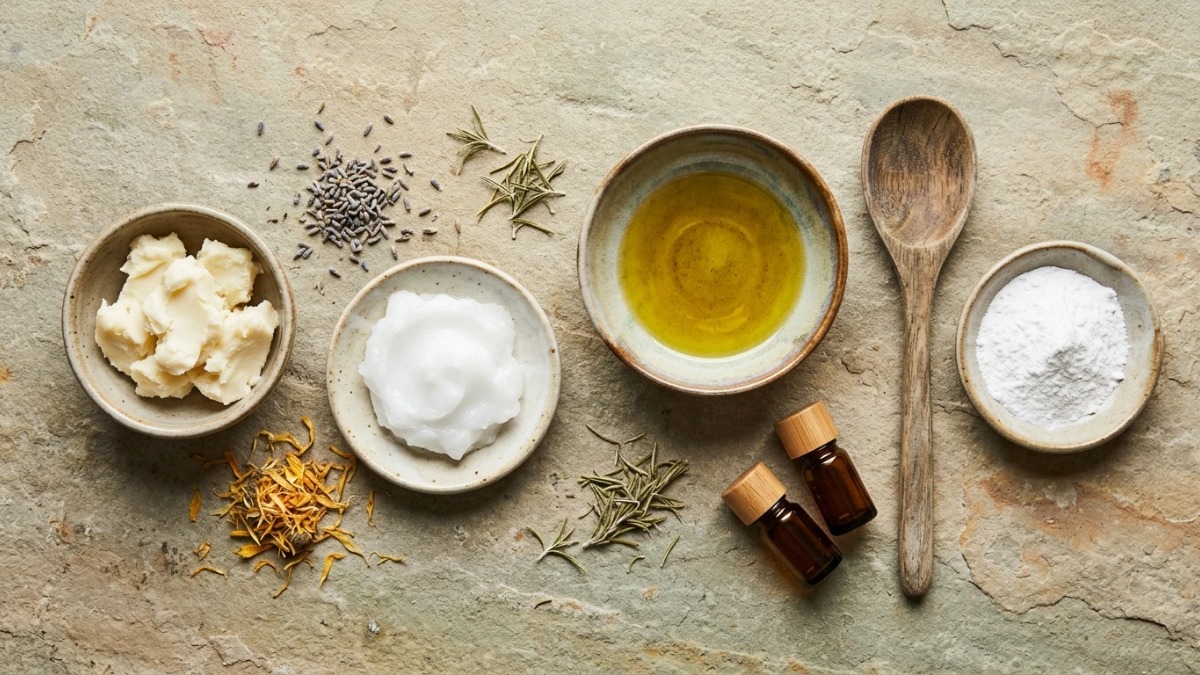
Fats and oils are the other half of the equation. Coconut, palm, olive, and shea are common choices, and each brings its own character to the finished bar.
Some oils create a hard bar with big bubbles. Others deliver a mild, conditioning feel. The blend a maker chooses defines how the soap performs in your hands.
Saponification also produces glycerin as a natural byproduct. This glycerin is a wonderful humectant that draws moisture to the skin. Artisan and premium soaps often keep it in, while some large industrial processes extract it for sale to other industries.
Key Raw Materials Used in Soap Production
Great soap starts with great ingredients. Here we break down the main categories and what each contributes.
Base Oils and Their Properties
Base oils form the backbone of any recipe. The art of formulation lies in balancing them so the bar is hard enough, lathers well, and stays kind to the skin.
| Oil/Fat | Contributes | Typical Use Level |
|---|---|---|
| Coconut oil | Hard bar, big lather | 20–30% |
| Palm oil | Hardness, stable lather | 25–40% |
| Olive oil | Mild, conditioning | 15–30% |
| Shea butter | Moisturizing, creamy feel | 5–15% |
Notice how no single oil does everything. Coconut brings the bubbles but can be drying on its own, so it gets paired with gentler oils like olive to balance the feel.
Additives, Fragrances, and Colorants
Beyond the base oils, additives shape the final product. Superfatting agents leave a small amount of unreacted oil in the bar for extra moisture and a silkier lather.
Fragrances, whether essential oils or skin-safe fragrance oils, give soap its signature scent. Colorants such as micas, clays, and pigments create visual appeal, from soft pastels to bold swirls.
Here is where formula stability becomes critical. Some fragrances can accelerate the reaction or fade over time, so experienced makers test every addition to guarantee consistent, repeatable batches. A stable formula is what separates a hobby recipe from a market-ready product.
The Main Soap Manufacturing Methods
So how are soaps manufactured in practice? There are four main approaches, each suited to different goals and volumes.
Cold Process Soap Making
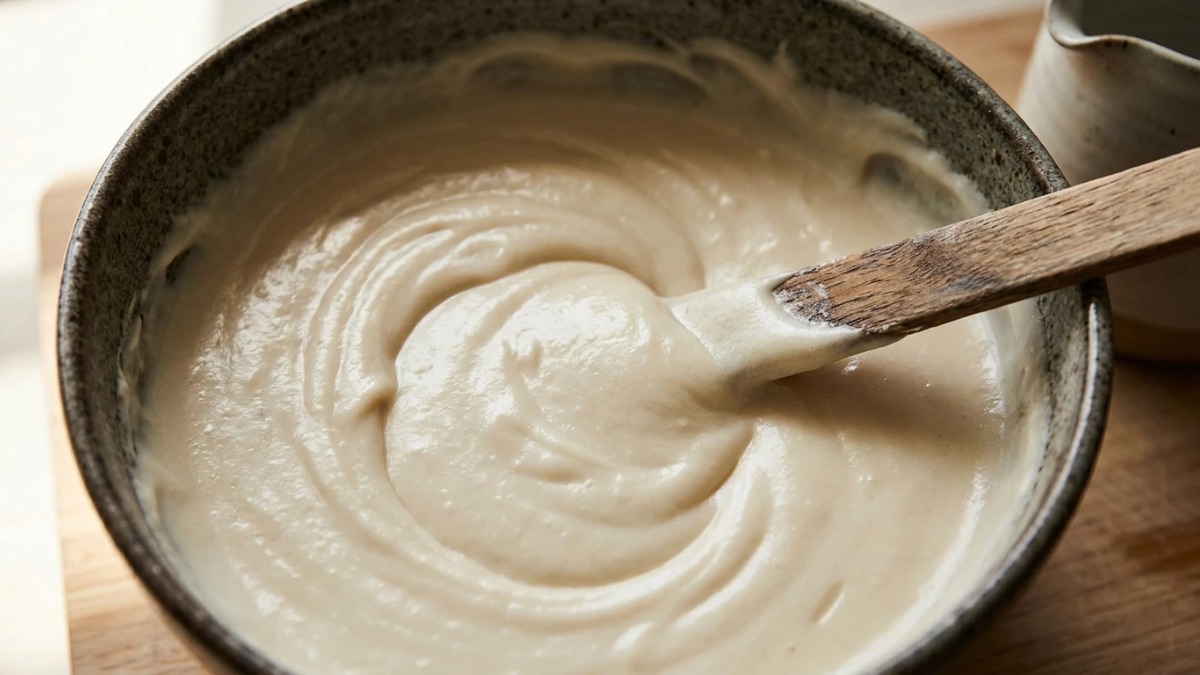
Cold process soap making is the darling of artisan and premium brands. Oils and lye are combined at relatively low temperatures, poured into molds, and left to saponify on their own.
The catch is patience. Cold process bars need a curing period of four to six weeks so excess water evaporates and the bar hardens fully.
The reward is quality. This method preserves the natural glycerin, allows beautiful designs, and produces a gentle, long-lasting bar that discerning customers love.
Hot Process Method
The hot process method speeds things up by adding external heat. Cooking the soap batter drives saponification to completion in hours rather than days.
Because the reaction finishes during cooking, cure times shrink to about one to two weeks, mostly to firm up the bar. The trade-off is a more rustic, textured finish that many customers actually prefer.
This method suits small to medium producers who want faster turnaround without sacrificing the natural, handmade feel.
Continuous Process (Industrial Scale)
When you need thousands of bars a day, continuous saponification takes over. Oils and lye flow through a closed system where they react, get washed, and separate at high speed.
This industrial approach delivers enormous throughput and tight consistency. It is the engine behind most commodity soap on supermarket shelves.
The upside is scale and efficiency. The bars tend to be more standardized, which is exactly what high-volume brands want.
Melt and Pour Method
The melt and pour method skips lye handling entirely. Makers start with a pre-made soap base, melt it down, add color and scent, then pour into molds.
It is fast, flexible, and forgiving, making it ideal for custom shapes, novelty items, and quick small-batch runs. The bar is ready to use as soon as it sets.
| Method | Cure Time | Best For | Scale |
|---|---|---|---|
| Cold process | 4–6 weeks | Premium, natural bars | Small–medium |
| Hot process | 1–2 weeks | Rustic, fast turnaround | Small–medium |
| Continuous | Hours | Commodity bars | Large |
| Melt and pour | Immediate | Custom shapes, novelty | Small |
Step-by-Step: The Industrial Soap Production Process
Let's walk a full-scale line from raw material to packaged bar. This is where the soap manufacturing process becomes a true production system.
Blending and Saponifying
It starts with precision metering. Oils and lye are pumped in exact ratios into a reactor, where they blend and react under controlled temperature and pressure.
Automated controls keep the reaction consistent batch after batch. This tight control is what lets a factory produce identical bars at volume.
Washing, Neutralizing, and Drying
Once saponification is complete, the raw soap is washed to remove excess lye and, in many industrial setups, to separate out the glycerin. Neutralizing ensures no harsh alkali remains.
Next comes drying. The soap is reduced to the right moisture level and formed into small pellets or noodles, the raw material for the finishing stages ahead.
Mixing, Milling, and Extruding
Now the soap gets its personality. The noodles are mixed with fragrance, color, and any additives, then passed through mills that refine the texture to a smooth, uniform consistency.
After milling, the soap is extruded into long continuous logs, dense and ready for shaping. This milling step is what gives commercial bars their signature smooth finish.
Cutting, Stamping, and Packaging
The logs are cut into individual bars, then stamped with a logo or design and given their final shape. Each bar passes quality checks along the way.
Finally, the bars are wrapped, boxed, and prepared for shipment. From raw oil to finished product, every stage feeds the next in a smooth, controlled flow.
Quality Control and Regulatory Standards
Consistent soap is not luck. It comes from rigorous testing and adherence to standards, especially when products cross borders.
Common Quality Tests
Manufacturers run several routine checks to keep every batch on spec:
pH testing confirms the soap is balanced and gentle rather than harshly alkaline.
Moisture analysis ensures the bar is neither too soft nor prone to cracking.
Stability testing verifies color, scent, and texture hold up over the product's shelf life.
Free alkali checks make sure no excess lye remains in the finished bar.
Meeting International Compliance
Exporting soap means navigating regional rules. Labeling requirements, ingredient disclosures, and safety documentation vary between markets like the EU, the US, and Asia.
Professionals should track things like INCI ingredient naming, Safety Data Sheets, and any required product safety assessments. A manufacturer with export experience handles much of this heavy lifting, saving brands from costly compliance mistakes.
Choosing an OEM/ODM Soap Manufacturing Partner
Understanding how soap is made is one thing. Bringing your own branded product to market is another. For most brands, the smart move is partnering with a specialist factory.
What to Look for in a Private Label Factory
Not all manufacturers are equal. When evaluating a private label partner, weigh these criteria:
Formulation expertise to turn your concept into a stable, effective recipe.
Customization range covering scent, shape, color, ingredients, and packaging.
MOQ flexibility so you can start at a scale that fits your budget.
Quality consistency across every order, not just the first sample.
Export experience to smooth international shipping and compliance.
Why Manufacturing Partnerships Matter for Your Brand
The right partner does more than fill orders. They protect your reputation by delivering reliable, market-ready products every single time.
This is where a company like Poleview Biotechnology Co., Ltd. earns its place. As a professional China-based soap manufacturer, Poleview offers full OEM and ODM services, high customization, mature craftsmanship, and stable formulas that translate into dependable batches.
Add competitive pricing and deep international trade experience, and Poleview helps brands go from idea to shelf with confidence. It is the kind of trusted private label factory that lets you focus on selling while the production side stays in expert hands.
Frequently Asked Questions
How long does the soap manufacturing process take?
It depends entirely on the method. Continuous industrial production can turn out finished bars in hours, while cold process soap needs four to six weeks of curing. Hot process sits in between at roughly one to two weeks, and melt and pour is ready almost immediately.
Is cold process or hot process soap better?
Neither is objectively better. They serve different goals. Cold process produces smoother bars with more design flexibility and a longer cure, which is why premium brands favor it. Hot process is faster with a rustic finish, ideal when you want quicker turnaround. Your choice comes down to aesthetics, timeline, and volume.
What happens to the glycerin during soap production?
Glycerin forms naturally as a byproduct of saponification. Artisan and premium soaps usually keep it because it moisturizes the skin. Some large-scale industrial processes extract the glycerin to sell separately, which is why certain commodity bars feel less conditioning.
Can I create a fully custom soap formula for my brand?
Yes. With an experienced ODM partner, you can customize oils, additives, fragrance, color, shape, and packaging to match your brand vision. Skilled formulators fine-tune the recipe for stability and performance, so every batch stays consistent.
What is the typical minimum order for OEM soap production?
Minimum order quantities vary by manufacturer and product complexity. Many factories offer flexible MOQs to support both emerging brands and established lines. The best approach is to discuss your specific needs directly with the manufacturer and find terms that fit your launch plan.
Start Your Soap Manufacturing Project
Now that you understand the full journey, from saponification to a finished, branded bar, you are ready to bring your own product to life. The difference between a good idea and a great product often comes down to the manufacturing partner you choose.
Poleview Biotechnology Co., Ltd. is ready to help. As a trusted China-based soap manufacturer specializing in OEM, ODM, and private label production, we deliver high product quality, competitive pricing, and deep customization backed by mature craftsmanship and stable formulas.
Whether you are launching a premium natural line or scaling a commercial range, our international trade experience keeps your project smooth from formulation to delivery. Reach out to Poleview today to discuss your soap manufacturing needs and explore how we can build a lasting partnership together.