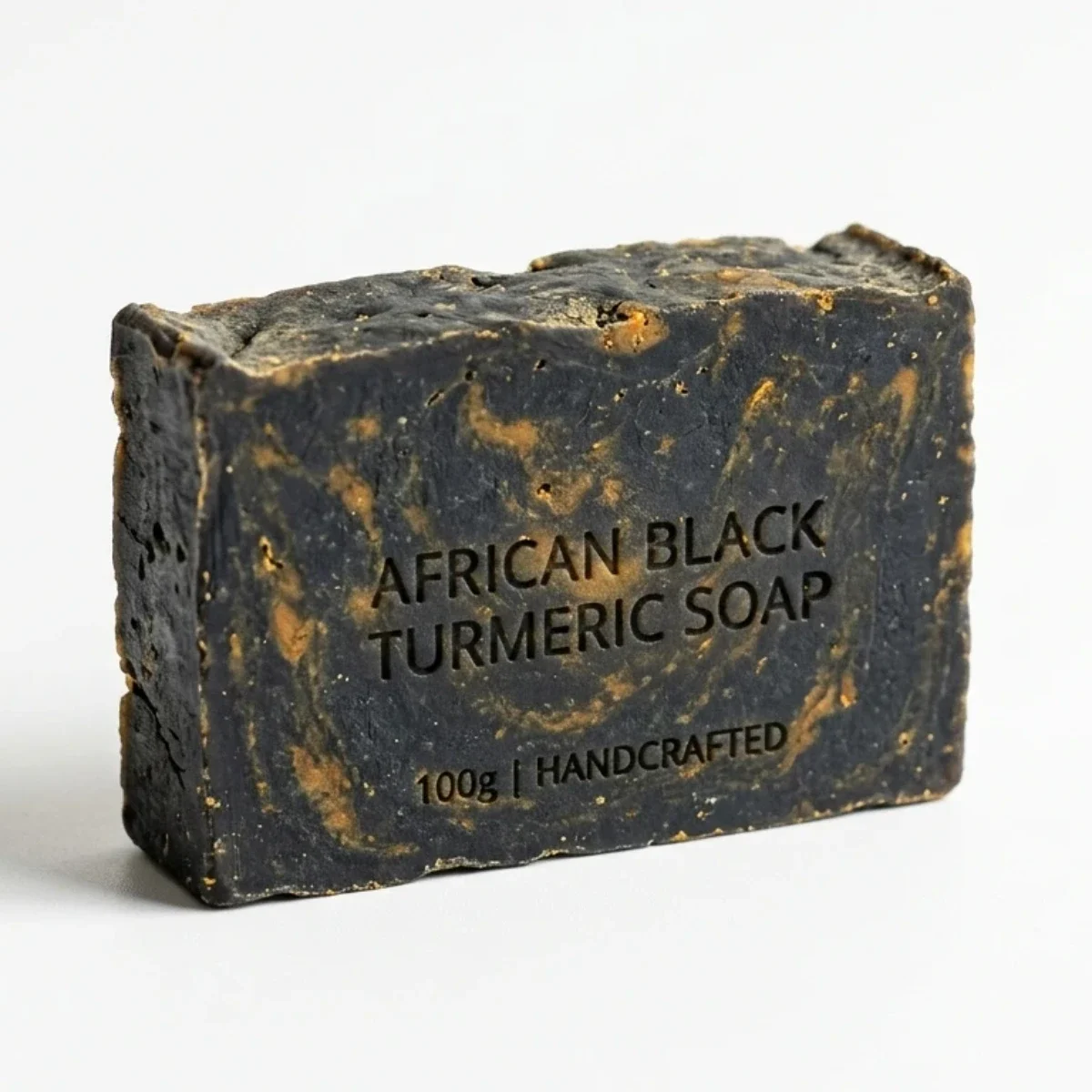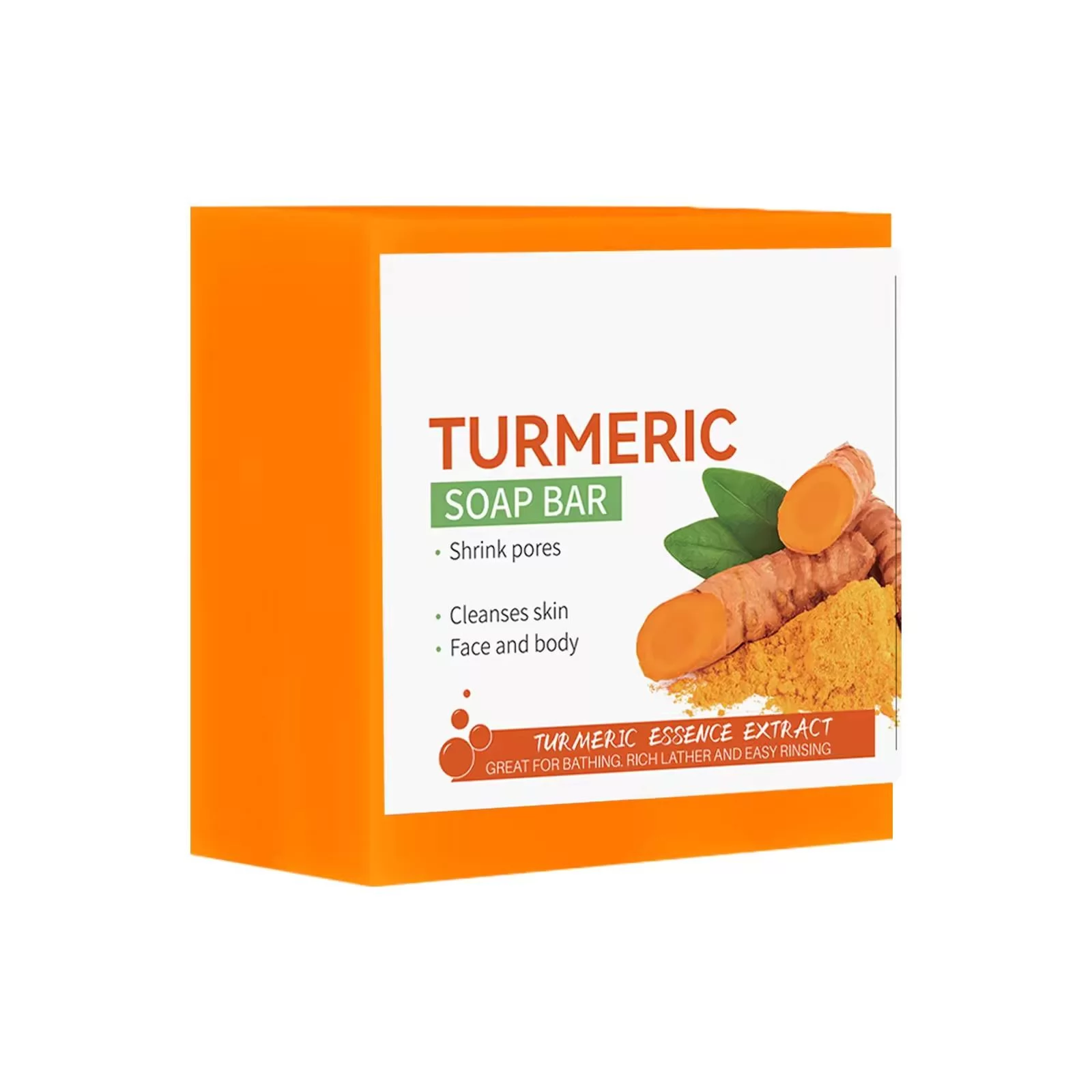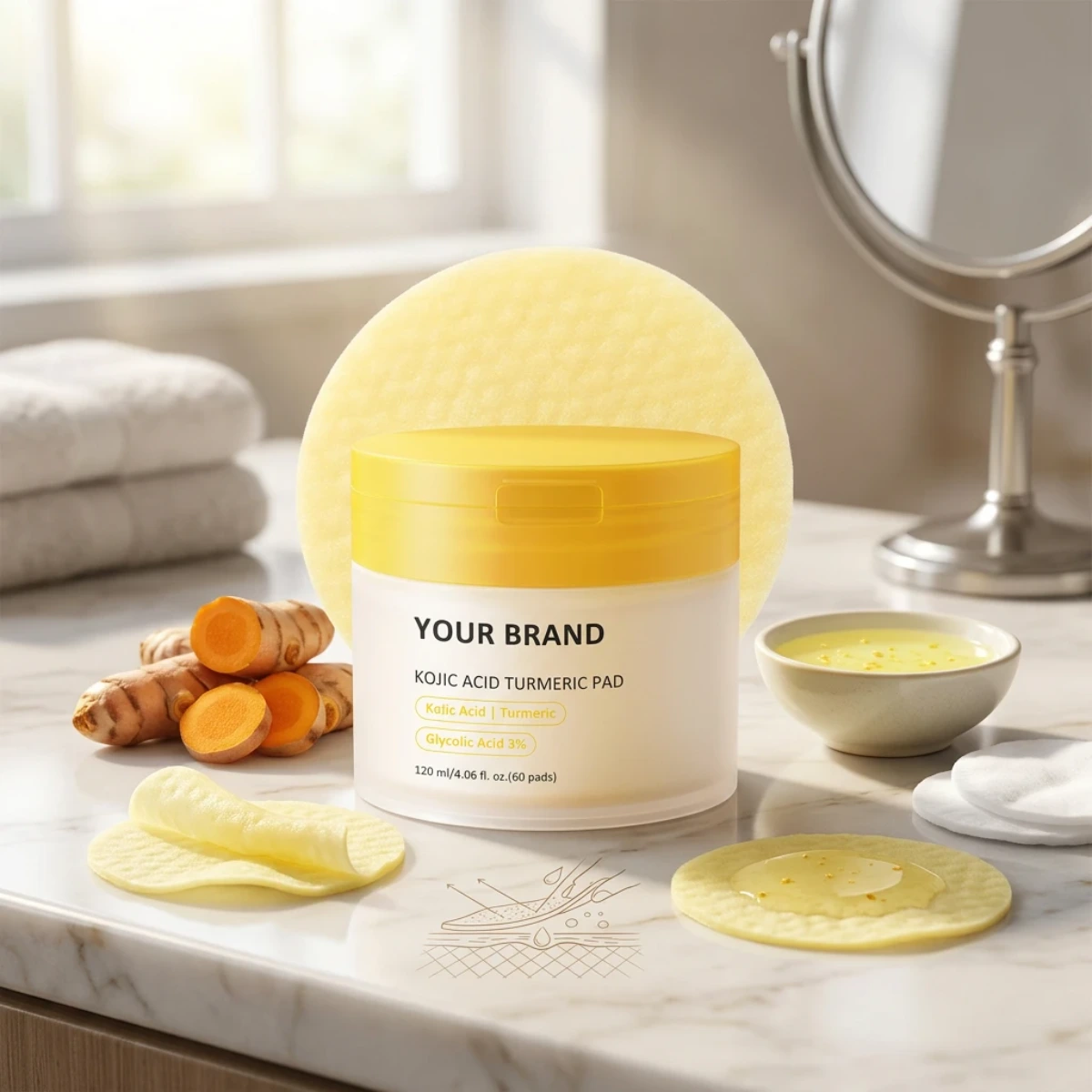

If you've been browsing skincare aisles or scrolling through beauty recommendations, you've probably seen kojic acid soap promoted for brighter, more even-toned skin. It's become a go-to for fading dark spots and stubborn discoloration—but one big question keeps coming up: is kojic acid soap safe?
The short answer is yes, for most people, when used correctly. But there's plenty of nuance worth understanding. In this guide, we'll break down the science, the real benefits, the potential side effects, and exactly how to use it wisely.
What Is Kojic Acid Soap?
Kojic acid soap is a cleansing bar (or liquid wash) that contains kojic acid as its active brightening ingredient. It's designed to gently lighten the skin, fade hyperpigmentation, and build a more even complexion over time.
Unlike harsh chemical bleaches, kojic acid works gradually. That's part of why it's popular—it delivers noticeable results without the aggressive reputation of some skin-lightening products.
Where Does Kojic Acid Come From?
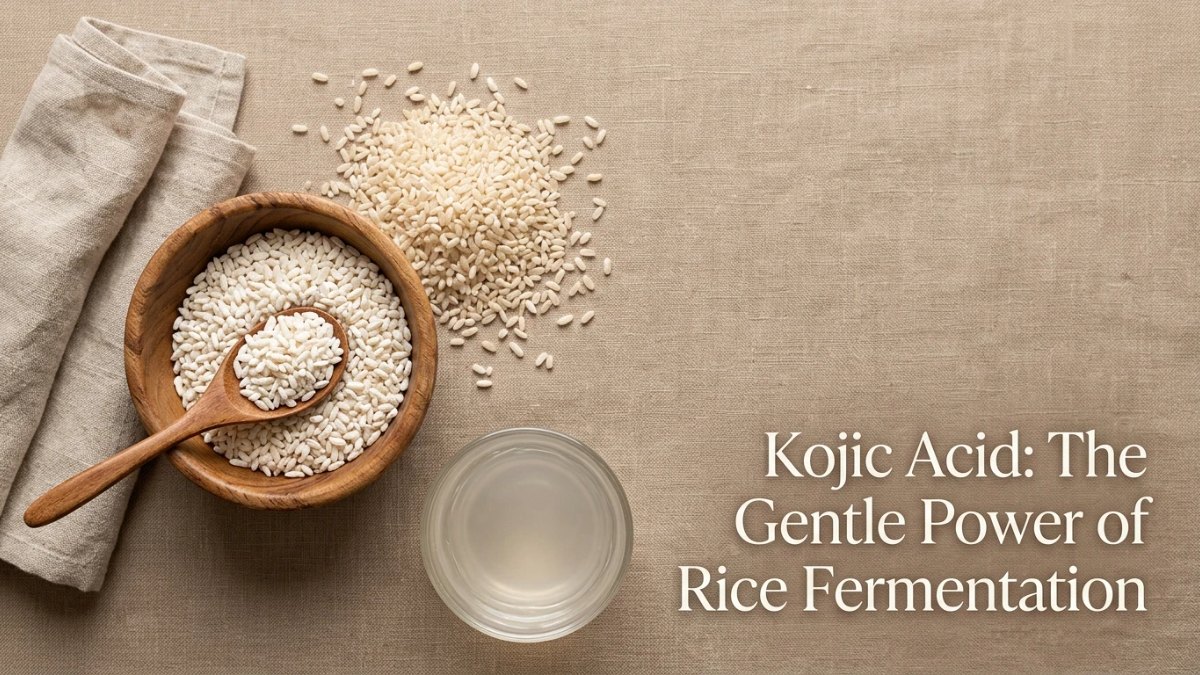
Kojic acid is a naturally derived compound. It forms during the fermentation of certain foods, most notably the rice used to make sake (Japanese rice wine), as well as soy sauce and miso.
It comes from specific fungi, particularly Aspergillus oryzae, sometimes called "koji." Because of those natural origins, many people feel more comfortable using it than fully synthetic lightening agents.
How Kojic Acid Works on the Skin
Your skin's color comes from melanin, a pigment made by cells called melanocytes. When melanin overproduces in certain areas, you get dark spots and uneven tone.
Kojic acid works by inhibiting an enzyme called tyrosinase, which is essential for melanin production. By slowing that process, it helps existing dark spots fade and keeps new ones from deepening.
The Short Answer: Is Kojic Acid Soap Safe?
For the vast majority of people, kojic acid soap is safe when used at proper concentrations and with reasonable frequency. It has a long track record in skincare, especially in Asian beauty routines.
That said, safety depends on your skin type, how often you use it, and whether you follow up with sun protection. People with sensitive or reactive skin need to be more careful.
What Health & Regulatory Bodies Say
Most dermatology guidance considers kojic acid safe at concentrations of around 1–2%, which is the typical range in over-the-counter soaps. At these levels, it's generally well tolerated.
Regulatory attitudes vary by region. In the European Union, kojic acid is permitted in cosmetics up to 1% in leave-on and rinse-off products. In the U.S., it's widely available without prescription. Concerns mostly relate to overuse or products with undisclosed, unsafe ingredients—not kojic acid itself at standard doses.
Kojic Acid Soap Benefits
People reach for kojic acid soap because it targets several common skin concerns at once. It's affordable, easy to add to a routine, and works as both a cleanser and a treatment.
Table: Key Kojic Acid Soap Benefits at a Glance
| Benefit | How It Helps |
|---|---|
| Dark spot removal | Fades sun spots and age spots by slowing melanin production |
| Evening skin tone | Reduces patchiness for a more uniform complexion |
| Reducing hyperpigmentation | Targets melasma and discoloration over time |
| Mild antibacterial effect | May help keep skin cleaner and reduce breakouts |
| Acne mark fading | Lightens post-acne dark marks left behind after blemishes heal |
Kojic Acid for Skin Lightening and Dark Spots
The most popular use of kojic acid is skin lightening for targeted concerns. It's frequently used to soften hyperpigmentation, melasma (hormonal dark patches), and lingering acne scars.
It's also effective on sun-induced spots. Because kojic acid for skin lightening works gradually, results look natural rather than abrupt—but patience is key, and consistent use matters more than intensity.
Kojic Acid Soap Side Effects & Risks
No skincare active is completely risk-free, and kojic acid soap side effects do exist. Most are mild and manageable, but knowing them helps you use the product responsibly.
Table: Common vs. Rare Side Effects
| Common (Usually Mild) | Rare (Seek Advice) |
|---|---|
| Dryness | Contact dermatitis |
| Redness | Increased sun sensitivity leading to burns |
| Mild irritation | Severe allergic reactions |
| Tingling or stinging | Persistent inflammation or worsening discoloration |
Who Should Be Cautious?
If you have sensitive skin, eczema, or a history of easy irritation, introduce kojic acid slowly and watch closely. Overuse can strip the skin's barrier and cause redness.
Pregnant or breastfeeding individuals should consult a doctor before using it, simply because research on this group is limited. Those already using other active ingredients should also be cautious to avoid stacking irritants.
Sun Sensitivity: Why Sunscreen Is Non-Negotiable
When kojic acid reduces melanin, it also reduces some of your skin's natural UV defense. That leaves freshly treated skin more vulnerable to sun damage and burns.
That's why daily sunscreen (SPF 30 or higher) is essential while using kojic acid soap. Skip it and you can undo your progress—or even make dark spots worse.
Is Kojic Acid Safe for Your Face vs. Body?
Facial skin is thinner and more delicate than the skin on your body, so it reacts more easily. Kojic acid soap for the face calls for a gentler approach than body use.
On the body, you can usually tolerate slightly longer contact and more frequent use. On the face, keep contact time short, rinse thoroughly, and always moisturize afterward to protect the barrier.
How to Use Kojic Acid Soap Safely
The key to enjoying the benefits without the drawbacks is moderation. A slow, steady routine beats aggressive daily scrubbing every time.
Recommended Frequency and Contact Time
Before your first full use, do a patch test on your inner arm and wait 24 hours to check for reactions. If your skin stays calm, you're clear to proceed.
Start with just a few times a week. Lather the soap, leave it on the skin for only 20–30 seconds, then rinse. Don't let it sit for minutes at a time—longer contact raises the risk of irritation.
Table: Beginner's Weekly Usage Plan
| Week | Frequency | Contact Time | Pairing |
|---|---|---|---|
| Week 1 | 2 times | 15–20 seconds | Gentle moisturizer + daily SPF |
| Week 2 | 3 times | 20–30 seconds | Moisturizer + SPF |
| Week 3+ | 3–4 times | 30 seconds | Hydrating serum + SPF |
Ingredients and Actives to Avoid Combining
Piling on too many strong ingredients can overwhelm your skin. Be careful mixing kojic acid with retinoids, strong AHAs/BHAs, or other potent brighteners on the same day.
If you use these actives, alternate them on different days. Overlapping them raises the risk of redness, peeling, and a damaged skin barrier.
How to Choose a Quality Kojic Acid Soap
Not all kojic acid soaps are created equal. A quality product delivers results safely, while a poorly formulated one can irritate or even harm your skin.
Reading the Label: Concentration and Additives
Look for a clearly stated kojic acid concentration in the 1–2% range. Bonus points for soothing additions like glycerin, vitamin E, or moisturizers that offset dryness.
Red flags include vague "whitening" claims with no ingredient list, undisclosed lightening agents, or aggressive bleaching promises. Avoid entirely any product containing mercury or high-dose hydroquinone without oversight.
Frequently Asked Questions (FAQ)
Can I use kojic acid soap every day?
Some people can, but it's not recommended when you're starting out. Begin with 2–3 times a week and increase gradually only if your skin tolerates it well, without dryness or irritation.
How long does it take to see results?
Most users notice visible improvement in dark spots and tone within 4 to 8 weeks of consistent use. Deeper pigmentation like melasma may take longer.
Does kojic acid soap permanently lighten skin?
No. The effects are gradual and reversible. If you stop using it and don't protect against sun exposure, pigmentation can return over time.
Can it cause skin cancer or long-term harm?
There's no credible evidence that kojic acid soap causes skin cancer at standard cosmetic concentrations. The main long-term risk is sun damage if you skip sunscreen, so daily SPF is essential.
Is kojic acid soap safe during pregnancy?
Research is limited, so it's best to consult your doctor before using it while pregnant or breastfeeding. Many people choose to pause active skincare ingredients during this time to be safe.
What should I do if my skin reacts badly?
Stop using the soap immediately, rinse gently, and apply a soothing, fragrance-free moisturizer. If redness, swelling, or irritation persists, consult a dermatologist.
Final Verdict: Safe When Used Wisely
So, is kojic acid soap safe? For most people, yes. It's a well-established, effective option for fading dark spots and evening out skin tone when used correctly.
The keys to success are simple: patch test first, start slowly, keep contact time short, moisturize, and never skip sunscreen. Choose a reputable product with a clear concentration and skip anything that makes extreme bleaching claims.
If you have sensitive skin, a medical condition, or you're pregnant, check in with a dermatologist before starting. Used thoughtfully, kojic acid soap can be a safe and rewarding addition to your skincare routine.