
A strategic sourcing guide for procurement leaders, private label brands, and skincare business decision makers.
Sourcing body scrubs at scale isn't a simple purchasing decision anymore. It's a strategic lever that shapes your margin structure, product quality, and brand credibility. For decision makers entering or expanding within the clean beauty category, the choice of manufacturing partner determines whether you launch a resilient product line or inherit a supply chain riddled with compliance gaps and quality inconsistencies.
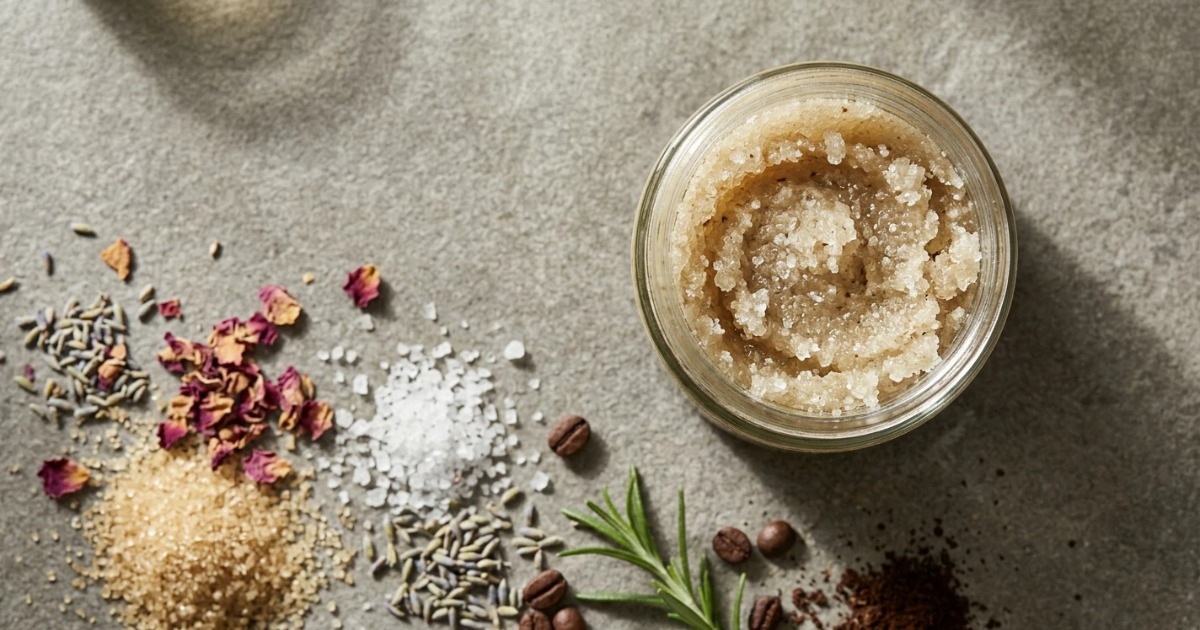
This guide gives you a rigorous framework for identifying, vetting, and retaining dependable partners — from raw material vendors to full-service producers.
Understanding the Bulk Natural Body Scrub Market Landscape
The natural exfoliant category sits at the intersection of two durable consumer trends: demand for clean, transparent formulations and the growth of at-home self-care rituals. Your sourcing decisions directly influence retail positioning, gross margin, and your ability to substantiate the "natural" claims that justify premium pricing.
Market Growth and Demand Drivers
The global clean beauty market continues to outpace conventional skincare, with industry analyses projecting the segment to expand at a compound annual growth rate in the high single digits through the latter half of the decade. Body care benefits in particular as consumers trade up to spa-quality formulations for home use.
Three drivers dominate: rising ingredient literacy among shoppers, a preference for eco-friendly and biodegradable exfoliants over microplastics, and the premiumization of everyday personal care. These forces reward brands that can prove authenticity — not just claim it.
Why "Natural" and "Certified" Command a Premium
Certified organic body scrub ingredients typically carry a 15–40% wholesale premium over conventional equivalents. That premium is defensible. Certification reduces regulatory risk, signals quality to retailers, and unlocks placement in premium and specialty channels.
Buyers who work with certified organic skincare ingredient vendors gain marketing assets — seals, traceability documentation, and audit trails — that translate into higher shelf pricing and stronger consumer trust.
Key Buyer Segments and Their Sourcing Priorities
Sourcing priorities differ meaningfully by business model. Understanding where you fit clarifies which supplier type deserves your attention.
- Retailers: Prioritize ready-to-sell finished goods, consistent restocking, and competitive per-unit cost.
- Spa and wellness chains: Value bulk formats, professional-grade textures, and reliable batch consistency across locations.
- Private label brands: Focus on customization, low-to-moderate MOQs, and partners who can scale with launch momentum.
Types of Natural Body Scrub Suppliers
When sourcing at volume, you'll encounter three distinct partner categories. Choosing the wrong type inflates cost and complexity, so align supplier structure with your operational capabilities.
Bulk Natural Exfoliant Suppliers (Raw Materials)
These vendors supply the foundational exfoliating agents — cane sugar, sea and Himalayan salt, roasted coffee grounds, pumice, and botanical particles. They suit brands with in-house formulation and blending capacity that want maximum control over recipes.
Working directly with bulk natural exfoliant suppliers lowers per-unit ingredient cost, but it requires internal expertise in formulation, preservation, and compliance.
Wholesale Organic Body Scrub Manufacturers (Finished Goods)
Full-service wholesale organic body scrub manufacturers deliver ready-to-sell products in bulk quantities. They handle formulation, filling, and often packaging — ideal for retailers and brands that want speed to market without production infrastructure.
Private Label Sugar Scrub Distributors
Private label sugar scrub distributors bridge the gap: they produce established formulations and apply your custom branding. This model enables brand differentiation without manufacturing overhead, and it typically offers the fastest path from concept to launch.
Supplier Type vs. MOQ, Lead Time, and Customization Level
| Supplier Type | Typical MOQ | Lead Time | Customization Level |
|---|---|---|---|
| Raw Material / Exfoliant Suppliers | 25–500 kg per ingredient | 1–4 weeks | Full (you formulate) |
| Finished Goods Manufacturers | 500–5,000 units | 4–10 weeks | Low to moderate |
| Private Label Distributors | 250–2,000 units | 3–8 weeks | Moderate to high (branding + tweaks) |
Core Criteria for Evaluating Reputable Suppliers
A disciplined vetting framework separates dependable partners from opportunistic vendors. Apply the following criteria before committing to any agreement.
Certifications and Regulatory Compliance
Certification is your first filter. For organic and natural claims, look for COSMOS Organic, USDA Organic, and Ecocert. For manufacturing integrity, ISO 22716 (Good Manufacturing Practice for cosmetics) is essential, and FDA facility registration is non-negotiable for products entering the U.S. market.
Reputable certified organic skincare ingredient vendors will provide certificate numbers you can independently verify with the issuing body.
Ingredient Traceability and Sourcing Transparency
Ask for complete supply chain documentation on eco-friendly body scrub raw materials — country of origin, harvest practices, and chain-of-custody records. Transparent suppliers offer this freely; evasive ones treat it as proprietary.
Quality Control and Batch Consistency
Request evidence of third-party testing, microbial and stability testing, and standardized batch documentation. Consistent particle size, oil ratio, and preservative efficacy across batches mark a mature operation.
Financial Stability and Production Capacity
A partner that cannot scale becomes a bottleneck. Assess production headroom, staffing, and financial health so your supplier grows with your demand rather than capping it.
Supplier Evaluation Scorecard
| Evaluation Criterion | Weight |
|---|---|
| Certifications & Compliance | 25% |
| Quality Control & Consistency | 25% |
| Pricing Competitiveness | 20% |
| Production Capacity | 15% |
| Communication & Responsiveness | 15% |
Score each shortlisted supplier and set a minimum threshold — say, 4.0 out of 5 weighted — before moving to sampling.
Key Natural Ingredients and What to Verify
Knowing the ingredient quality benchmarks lets you question suppliers with precision and avoid overpaying for commodity-grade inputs sold as premium.
Popular Exfoliant Bases
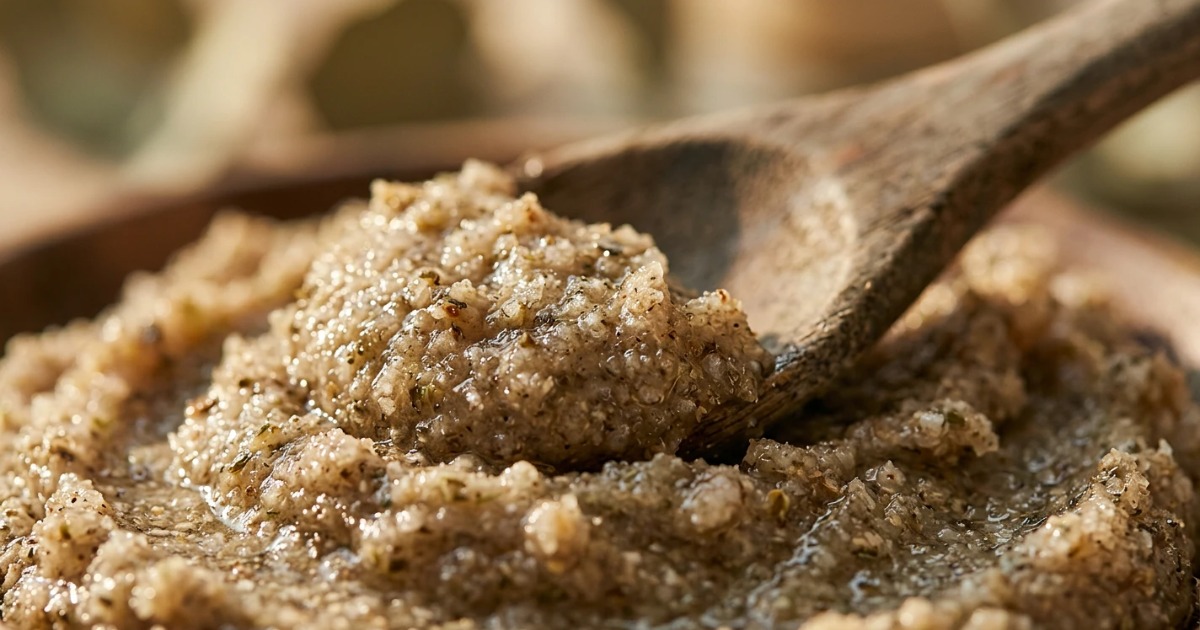
Sugar offers gentle, dissolvable exfoliation; sea and Himalayan salt provide firmer, mineral-rich texture; coffee grounds add caffeine and antioxidant appeal; pumice delivers heavy-duty buffing. Verify grade, granule consistency, and moisture content, since these affect texture and shelf stability.
Carrier Oils and Emollients
Coconut, jojoba, sweet almond oil, and shea butter are the workhorse emollients. Look for cold-pressed or unrefined grades where the natural positioning depends on it, and confirm peroxide values and free fatty acid levels to ensure freshness.
Botanical Extracts and Essential Oils
Essential oils and botanical extracts must arrive with purity certificates (GC/MS reports for essential oils) and complete allergen documentation. This protects you against mislabeling risk and supports EU and other regulatory labeling requirements.
Ingredient Cost Ranges and Quality Indicators
| Ingredient | Bulk Price Range (USD/kg) | Key Quality Indicator |
|---|---|---|
| Organic Cane Sugar | $1.50–$4.00 | Uniform granule size, low moisture |
| Himalayan Pink Salt | $2.00–$6.00 | Mineral content, consistent grind |
| Coffee Grounds (spent/roasted) | $3.00–$8.00 | Freshness, caffeine retention |
| Cold-Pressed Coconut Oil | $3.00–$7.00 | Low peroxide value, aroma |
| Jojoba Oil | $25.00–$60.00 | Purity, oxidative stability |
| Shea Butter (unrefined) | $5.00–$12.00 | Color, texture, FFA level |
Prices shift with harvest cycles and freight conditions; treat these as directional benchmarks for 2026, not fixed quotes.
Pricing, MOQs, and Negotiation Strategy
Cost structures reward volume, but the headline per-unit price rarely tells the whole story. Model total landed cost before you commit.
Understanding Bulk Pricing Tiers
Bulk body scrub manufacturers price in volume tiers, with meaningful per-unit reductions as order size climbs. Moving from a 500-unit to a 5,000-unit order can cut per-unit cost by 20–35%, so forecast demand realistically to unlock better tiers without overstocking.
Hidden Costs to Factor In
- Freight and duties: Ocean and air freight plus applicable tariffs on imported goods.
- Sampling and tooling: Pre-production samples and custom mold or fill charges.
- Compliance testing: Stability, microbial, and preservative efficacy testing.
- Packaging and labeling: Custom jars, seals, and regulatory-compliant labels.
Negotiation Levers for Volume Buyers
Your leverage goes beyond price. Negotiate payment terms (net 30–60), long-term supply contracts that guarantee capacity, and — for differentiated formulations — exclusivity clauses that keep your signature blend off competitors' shelves. Consistent, forecastable ordering is your strongest bargaining chip.
Where to Find and Vet Wholesale Body Scrub Suppliers
Identifying candidates is only the first step; structured due diligence decides who earns your business.
Sourcing Channels
- Trade shows: Cosmoprof, in-cosmetics, and regional beauty expos for face-to-face vetting.
- B2B marketplaces: Verified-supplier platforms with audit and transaction history.
- Industry directories: Certification body member lists and contract-manufacturing associations.
- Referrals: Peer recommendations often surface the most reliable natural body scrub suppliers.
Domestic vs. Overseas Sourcing Considerations
Domestic partners usually offer shorter lead times, easier communication, and lower regulatory friction, while overseas manufacturers can deliver significant cost advantages at scale. The right choice depends on your margin targets, launch timeline, and tolerance for supply chain complexity.
Domestic vs. Overseas Supplier Comparison
| Factor | Domestic Suppliers | Overseas Suppliers |
|---|---|---|
| Unit Cost | Higher | Lower at volume |
| Lead Time | Shorter (1–5 weeks) | Longer (6–14 weeks) |
| Quality Control Access | Easier on-site audits | Requires third-party inspection |
| Regulatory Risk | Lower | Higher (import compliance) |
| Communication | Aligned time zones | Potential language/time gaps |
Requesting and Assessing Samples
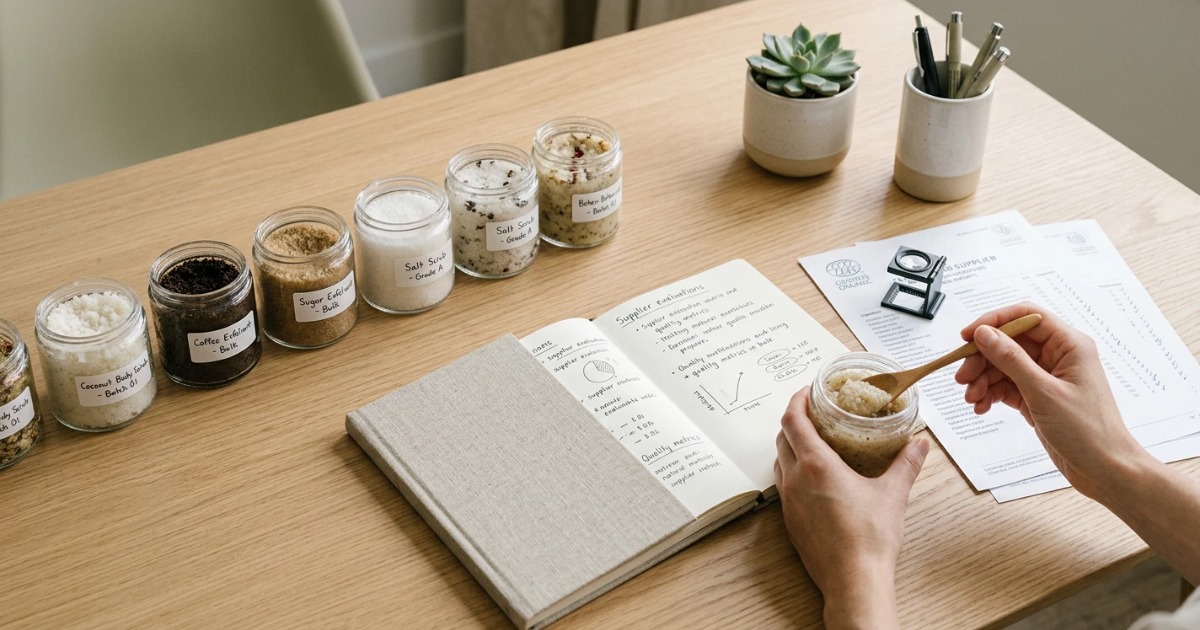
Never scale without sampling. Request pre-production samples, then evaluate texture, aroma, spreadability, and rinse-off performance. Run informal stability checks over several weeks. Compare each sample against your specification sheet and document every observation, so you can hold suppliers accountable at production scale.
Building a Reliable Long-Term Supplier Relationship
Onboarding is the beginning, not the end. Sustained quality depends on clear contracts and proactive risk management.
Contract and SLA Essentials
Your agreement should codify quality standards with defined tolerances, delivery guarantees with penalty clauses for late or non-conforming shipments, and clear ownership of custom formulations. A well-drafted service level agreement turns verbal assurances into enforceable obligations.
Risk Mitigation and Supply Chain Redundancy
For any private label body scrub program of meaningful scale, dual-sourcing protects continuity. Qualify a secondary supplier before you need one. Keep buffer inventory of critical inputs. Contingency planning shields your brand from single-supplier disruptions.
Frequently Asked Questions
What is a typical minimum order quantity for bulk natural body scrubs?
MOQs vary by supplier type. Raw material vendors often start at 25–500 kg per ingredient, finished-goods manufacturers commonly require 500–5,000 units, and private label distributors may accept 250–2,000 units — making them the most accessible option for emerging brands.
How do I verify a supplier's organic certifications are legitimate?
Request the certificate number and issuing body, then verify it directly through the certifier's public database — such as USDA Organic Integrity, COSMOS, or Ecocert. Confirm the certificate is current and covers the specific ingredients or facility in question, not just the parent company.
What is the average lead time for private label body scrub orders?
Expect 3–8 weeks for private label orders once formulation and artwork are approved. First-time orders trend longer because of sampling and setup, while repeat orders with established specifications often ship faster.
Are domestic or overseas suppliers better for natural body scrubs?
Neither is universally superior. Domestic suppliers favor speed, communication, and lower regulatory risk, making them ideal for fast launches and premium positioning. Overseas suppliers can win on unit cost at high volume. Align the decision with your margin goals and timeline.
How much can I expect to pay per unit at wholesale volumes?
Per-unit costs depend on formulation, packaging, and volume tier. As a directional guide, standard natural scrubs may run $2–$5 per unit at higher volumes and $5–$12 for premium certified-organic formulations in smaller runs. Always model total landed cost, including freight, duties, and testing.
Reputable sourcing is a repeatable process, not a stroke of luck. Combine rigorous certification checks, structured sampling, disciplined negotiation, and supply chain redundancy, and you build a partner network that protects both your margins and your brand's promise.