China has become the engine room of the global hair care industry, turning out everything from mass-market shampoos to advanced scalp serums for brands across North America, Europe, the Middle East, and Southeast Asia. For procurement managers, indie founders, and established beauty groups, knowing which Chinese factories actually deliver on quality, compliance, and innovation is now a strategic priority.
This guide profiles ten leading hair care manufacturers in China, breaks down how they stack up, and flags an emerging partner worth knowing: Poleview Biotechnology Co., Ltd., a private label hair care manufacturer based in Huizhou, Guangdong.
Introduction: China's Position in the Global Hair Care Manufacturing Landscape
China is still the world's largest exporter of personal care goods, and hair care ranks among its fastest-growing sub-categories. Mature supply chains for surfactants, polymers, fragrances, and packaging components sit within a few hours of the major factories, which translates into shorter lead times than most alternative sourcing regions can offer.
International brands keep moving production to Chinese manufacturers because of the mix of vertical integration, formulation depth, and price competitiveness. The country's top facilities now run automated filling lines, in-house microbiology labs, and dedicated R&D teams that go head-to-head with European contract manufacturers.
Market Size and Growth Trajectory
China's hair care market was valued at over USD 10 billion at retail in recent years, with double-digit growth in premium and scalp-focused segments. Export volumes of shampoos, conditioners, and treatments have continued to expand, driven by demand from cross-border e-commerce brands and global private label clients.
Three production clusters dominate the landscape:
- Guangdong (Guangzhou, Shenzhen, Huizhou, Shantou): the densest concentration of OEM/ODM factories, ingredient suppliers, and packaging vendors.
- Zhejiang (Hangzhou, Yiwu): strong in mid-tier and value brands, with efficient export logistics.
- Shanghai: home to legacy domestic groups, multinational R&D centers, and premium formulation expertise.
What Defines a Top-Tier Hair Product Manufacturer
The top suppliers share a handful of traits: certified manufacturing environments, deep formulation libraries, transparent quality control, and the ability to scale a SKU from a few thousand units to millions without losing consistency.
Core evaluation criteria for this list include production capacity, R&D investment, certifications such as ISO 22716, GMPC, FDA registration, and EU CPNP support, OEM/ODM flexibility, and verified global client portfolios.
Methodology: How We Ranked These Manufacturers
This ranking draws on publicly available company disclosures, customs export records, B2B platform verifications, industry trade reports, and direct sourcing intelligence. The goal is to give industry professionals a balanced view rather than a pure revenue ranking.
Evaluation Criteria
- Annual production output and facility footprint
- Certification standards (ISO 22716, GMPC, FDA, MSDS, Halal where applicable)
- R&D and formulation strength, including patents and proprietary actives
- Client base, brand portfolio, and export reach
- OEM/ODM service flexibility, including MOQ structures
Data Sources
Primary sources include customs export data, listed-company financial filings where applicable, verification reports from Alibaba and Made-in-China, industry association publications, and cross-checked factory disclosures. Where private companies don't publish numbers, the entry stays qualitative rather than carrying speculative figures.
Top 10 Hair Product Manufacturers in China
1. Shanghai Jahwa United Co., Ltd.
Founded in 1898, Shanghai Jahwa is one of China's oldest cosmetic groups and a Shanghai-listed personal care powerhouse. The hair care portfolio runs through the heritage Maxam brand and a series of consumer-recognized lines, moving through hypermarkets, specialty retail, and e-commerce.
Core Capabilities
Jahwa runs large-scale production bases with automated filling lines, in-house testing labs, and a dedicated R&D center that collaborates with international ingredient suppliers. The group has built a name for pairing traditional Chinese botanicals with modern cosmetic chemistry.
2. Guangzhou Bawang International Group
Bawang is the most internationally recognized Chinese hair care brand built on traditional Chinese medicine (TCM) formulations, particularly its anti-hair-loss shampoos featuring herbal extracts. The Hong Kong-listed group manufactures for its in-house brands and for selected partners.
Notable Brands and Export Markets
Flagship brands include Bawang, Royal Wind, and Litao, with distribution reaching Southeast Asia, North America, Australia, and parts of Europe. Formulation expertise in herbal scalp care is still the group's defining differentiator.
3. Shanghai Inoherb Cosmetics Co., Ltd.
Inoherb is a botanical-driven Chinese beauty brand putting more weight behind hair and scalp care. The Shanghai operation emphasizes plant-based actives, clean formulation philosophies, and dermatology-aligned product development.
Inoherb's push into shampoos and scalp serums tracks the wider industry pivot toward skinification of hair care, where scalp products borrow heavily from skincare science.
4. Guangzhou Pantheon Enterprises Co., Ltd.
Pantheon is a long-established OEM/ODM specialist in Guangzhou, serving global private label clients across hair care, skincare, and body care. The factory is known for end-to-end project management, regulatory support, and stable export relationships.
OEM/ODM Service Scope
Service capabilities span formulation customization, fragrance development, packaging sourcing, regulatory documentation for FDA, EU CPNP, and GCC, and scalable production runs. MOQs are set to accommodate both emerging brands and large retail accounts.
5. Hangzhou Bossin Cosmetics Co., Ltd.
Based in Zhejiang, Bossin focuses on cost-efficient export production with a strong record in shampoos, conditioners, and hair masks. It's a frequent partner for value-tier and mid-market private label brands across Southeast Asia and the Middle East.
6. Guangzhou Caiyi Cosmetics Co., Ltd.
Caiyi specializes in salon-grade and professional hair care lines, including keratin treatments, color-protect systems, and bonding products. The formulation team caters specifically to professional and semi-professional channels, where performance claims have to hold up under stylist scrutiny.
7. Shantou Mefapo Cosmetics Co., Ltd.
Based in Shantou, Guangdong, Mefapo runs serious capacity across shampoo, conditioner, and treatment lines. The plant has a reputation for quick turnaround on standard formulations, and its stock-formula library is deep enough that most brands can land on a base they like, then tweak fragrance, color, and packaging from there.
8. Guangzhou Cantik Cosmetics Co., Ltd.
Cantik specializes in color-safe shampoos, sulfate-free systems, and treatment-oriented hair products. They've built a clear niche around brands that speak to color-treated, damaged, or chemically processed hair.
9. Yangzhou Lifeng Cosmetics Co., Ltd.
Yangzhou Lifeng runs a sizable Jiangsu facility covering a broad sweep of hair care SKUs. Shampoos, conditioners, hair oils, styling products. Compliance is documented for several major export markets.
10. Guangzhou Tinci Materials Technology Co., Ltd.
Tinci is publicly listed on the Shenzhen Stock Exchange, with roots in surfactant and personal care raw materials. That vertical integration into finished hair care is the real story: many of the actives feeding the downstream lines come out of Tinci's own plants, which helps on both cost control and traceability.
Comparative Overview: Top 10 Manufacturers at a Glance
The table below condenses the core attributes of each manufacturer for quick reference. Treat it as a shortlisting tool, not a final pick. Direct factory engagement is non-negotiable before you commit.
Comparison Table
| Company | Headquarters | Founded | Specialization | OEM/ODM | Key Certifications | Export Markets |
|---|---|---|---|---|---|---|
| Shanghai Jahwa | Shanghai | 1898 | Heritage personal care, hair care | Limited OEM | ISO 22716, GMPC | Asia, partial global |
| Bawang Group | Guangzhou | 1989 | TCM herbal hair care | Yes | ISO, GMPC | SEA, NA, EU, AU |
| Inoherb | Shanghai | 2001 | Botanical hair and skin | Limited | ISO 22716 | China, Asia |
| Pantheon | Guangzhou | 1999 | OEM/ODM personal care | Yes | ISO, GMPC, FDA | Global |
| Hangzhou Bossin | Hangzhou | 2005 | Export hair care OEM | Yes | ISO 22716 | SEA, MEA |
| Caiyi | Guangzhou | 2007 | Salon-grade hair care | Yes | ISO, GMPC | EU, NA, SEA |
| Mefapo | Shantou | 2003 | Shampoo and conditioner | Yes | ISO 22716 | Asia, Africa |
| Cantik | Guangzhou | 2010 | Color-safe and treatment | Yes | ISO, GMPC | EU, NA, SEA |
| Yangzhou Lifeng | Yangzhou | 2002 | Broad hair care range | Yes | ISO 22716 | Asia, MEA |
| Tinci | Guangzhou | 2000 | Materials and finished goods | Yes | ISO, GMPC, FDA | Global |
Production Capacity Breakdown
| Company | Approx. Facility Size | Indicative Annual Output |
|---|---|---|
| Shanghai Jahwa | Multi-site, 100,000+ sqm | Hundreds of millions of units across categories |
| Bawang Group | 50,000+ sqm | Tens of millions of units (hair care focus) |
| Pantheon | 40,000+ sqm | Tens of millions of units |
| Tinci | Multi-site, 200,000+ sqm | Major finished-goods and raw material output |
| Other listed factories | 10,000–30,000 sqm typical | Millions to tens of millions of units |
Spotlight: Poleview Biotechnology Co., Ltd. — A Rising Private Label Hair Care Manufacturer
Beyond the established names, buyers should keep an eye on specialized partners that pair boutique flexibility with industrial-grade quality. Poleview Biotechnology Co., Ltd. fits that profile and has become a go-to option for international brands looking for responsive OEM and ODM partnerships.
Company Overview
Poleview Biotechnology is headquartered in Huizhou, Guangdong Province, sitting inside one of China's most efficient personal care manufacturing corridors. The company concentrates on personal care production with a strong specialization in hair care OEM and ODM work: shampoos, conditioners, hair masks, scalp serums, and styling products.
Why Brands Choose Poleview
- Flexible MOQs tailored to both emerging indie brands and established retail accounts
- High product quality backed by rigorous in-process and finished-goods QC
- Competitive pricing made possible by a regional supply chain network
- Comprehensive private label hair care manufacturer services, from concept to delivery
Service Offerings
Poleview runs the full development cycle with clients: brief intake, formulation development or selection from existing libraries, fragrance and texture customization, packaging sourcing, regulatory documentation, stability and compatibility testing, and scalable production. The team handles brands bringing their own formulas (OEM) just as comfortably as those leaning on Poleview's R&D for fully customized products (ODM).
Sample Testing and Factory Visits
Prospective clients are welcome to request product samples for in-market testing and to book on-site visits to the Huizhou facility. Factory tours give buyers a firsthand look at compounding workshops, filling lines, QC labs, and warehousing — a step no serious sourcing decision should skip.
Key Trends Shaping Chinese Hair Care Manufacturing
The competitive landscape is shifting fast. Buyers vetting partners should look for factories actively investing along these vectors rather than coasting on legacy capacity.
Clean Beauty and Sulfate-Free Formulations
Demand for mild surfactant systems, silicone-free conditioners, and natural actives keeps climbing. Leading factories now maintain dedicated clean beauty formula libraries built around amino acid surfactants, plant-derived conditioning agents, and preservative systems compatible with global clean standards.
Scalp Care as a Premium Category
Scalp serums, microbiome-balancing tonics, and dermatologist-aligned anti-itch and anti-dandruff formulations rank among the fastest-growing premium segments. This category demands tighter formulation control, clinical substantiation, and packaging built for targeted application.
Sustainability and Refillable Packaging
Top manufacturers are putting capital into PCR plastics, mono-material packaging, refillable systems, and concentrated or solid formats that cut water content and shipping weight. Brands with sustainability commitments should screen partners on documented progress, not marketing claims alone.
AI-Driven Formulation and Personalization
Several leading Chinese factories are integrating data-driven R&D platforms that accelerate formula screening, predict stability, and tailor products to specific consumer segments. It is reshaping how quickly a brief moves from concept to a viable bench sample.
How to Choose the Right Hair Product Manufacturer in China
Choosing a factory is closer to choosing a long-term operating partner than placing a one-off order. The framework below helps procurement teams and brand founders make a structured decision.
Verify Certifications and Compliance
Confirm certifications relevant to your target markets. A working checklist usually includes:
- ISO 22716 — global cosmetic GMP baseline
- GMPC — cosmetic good manufacturing practice
- FDA registration for US market entry
- EU CPNP support with PIF and Responsible Person coordination
- Halal, MSDS, and country-specific filings as applicable
Evaluate MOQ and Pricing Structures
For indie brands, flexible MOQs often matter more than the absolute lowest unit price. Mass-market players, on the other hand, should pressure-test price stability across multi-year volume scenarios and raw material swings.
Assess R&D and Customization Depth
A real ODM partner takes your positioning brief, comes back with differentiated formulations, runs iterations, and backs up the claims with substantiation. Basic contract fillers just ladle a stock formula into your packaging and call it a day. Knowing which one you're dealing with protects your brand equity.
Conduct Factory Audits
On-site visits still matter. Walk the raw material storage, weighing rooms, compounding tanks, filling lines, micro lab, and finished-goods warehouse. Watch how operators handle changeovers and cleaning between SKUs, and pull a few batch records to check traceability.
Frequently Asked Questions
What is the difference between OEM and ODM in hair care manufacturing?
OEM (Original Equipment Manufacturing) means the brand brings the formula, packaging, and specifications, and the factory produces to spec. ODM (Original Design Manufacturing) means the factory contributes formulation, design, and sometimes packaging, so the brand can launch faster with less in-house R&D. Pick OEM when you own proprietary IP. Pick ODM when speed-to-market and innovation support matter more.
What is the typical MOQ for private label hair care production in China?
Typical MOQs land between 1,000 and 5,000 units per SKU at flexible factories, and 10,000 to 30,000 units at larger industrial-scale plants. The number moves with packaging type (stock vs. custom), formula complexity, and whether the factory keeps the raw materials on the shelf.
How long does it take to develop a custom hair care product?
Plan on 60 to 120 days from approved brief to finished goods. That usually breaks down into 2 to 6 weeks of formulation and benchmark sampling, 4 to 8 weeks of stability and compatibility testing, regulatory documentation running in parallel, and 3 to 5 weeks of mass production once components arrive.
Which Chinese province is best for sourcing hair care products?
Guangdong is the strongest all-round cluster, with the deepest OEM/ODM ecosystem, ingredient supply, and packaging vendors. Zhejiang gives you cost-efficient mid-tier production with strong export logistics. Shanghai leads on premium formulation expertise and multinational R&D collaboration. Most international brands still gravitate to Guangdong for the breadth and flexibility.
How do I verify a Chinese hair care manufacturer's credibility?
Cross-check the business license, request certification copies and verify them with the issuing bodies, ask for client references in your region, pull export records on customs data platforms, and run or commission an on-site audit. Where possible, place a small trial order before committing to large volumes.
Can Chinese manufacturers meet US and EU regulatory standards?
Yes. Top-tier Chinese hair care manufacturers routinely produce under FDA, EU CPNP, MoCRA, and GCC requirements. They typically have regulatory teams that prepare PIFs, INCI alignment, claims substantiation, and labeling reviews. Confirm that capability during initial scoping by asking for sample dossiers from past projects rather than taking verbal assurances at face value.
Conclusion: Selecting Your Strategic Manufacturing Partner
China's hair care manufacturing base offers an unmatched combination of scale, formulation depth, and supply chain efficiency. The ten companies profiled above each occupy distinct positions, from heritage domestic brand owners to vertically integrated material-to-finished-goods players and specialized OEM/ODM houses.
The right partner for your brand hinges less on absolute size and more on fit: category specialization, MOQ flexibility, regulatory readiness for your target markets, and willingness to grow with your roadmap. Shortlist three to five candidates, pull samples, audit the facilities, and validate references before you sign.
For brands that prize flexibility, transparent communication, and quality-led private label production, smaller specialized partners often outperform larger generalists, especially during early scaling.
Partner With Poleview for Your Next Hair Care Line
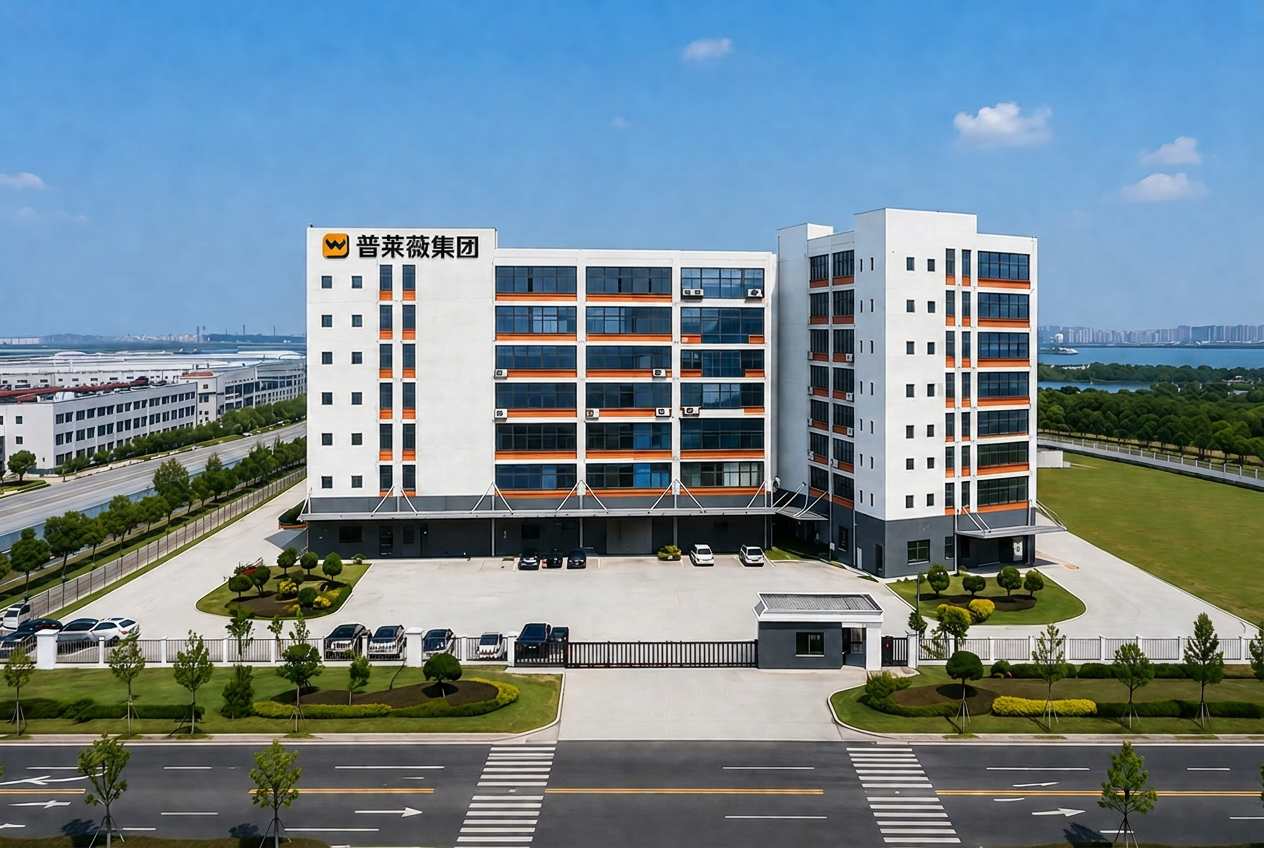
If you're vetting a private label hair care manufacturer in China, Poleview Biotechnology Co., Ltd. is ready to support your next launch from the Huizhou facility in Guangdong Province. The team offers flexible MOQs, competitive pricing, disciplined quality control, and end-to-end OEM and ODM services tailored to both emerging and established brands.
- Request samples for performance and market testing
- Get a custom quotation matched to your formulation, packaging, and volume targets
- Schedule a factory visit in Huizhou to inspect production lines, QC labs, and warehousing firsthand
Reach out to Poleview Biotechnology today to start the conversation. Whether you're launching a single hero shampoo or building out a full hair care system, the team is ready to turn your brief into a market-ready product with the quality, compliance, and speed your brand deserves.