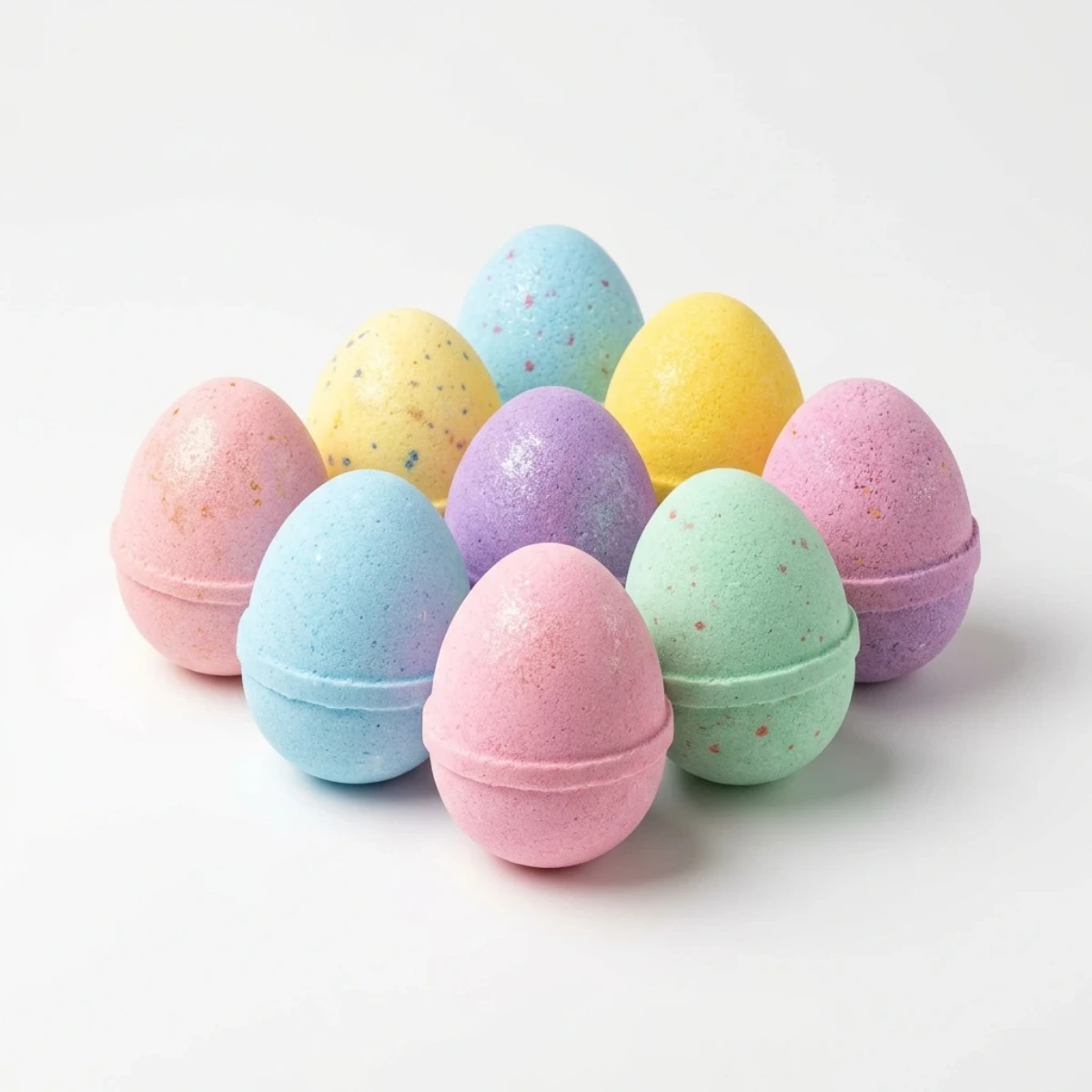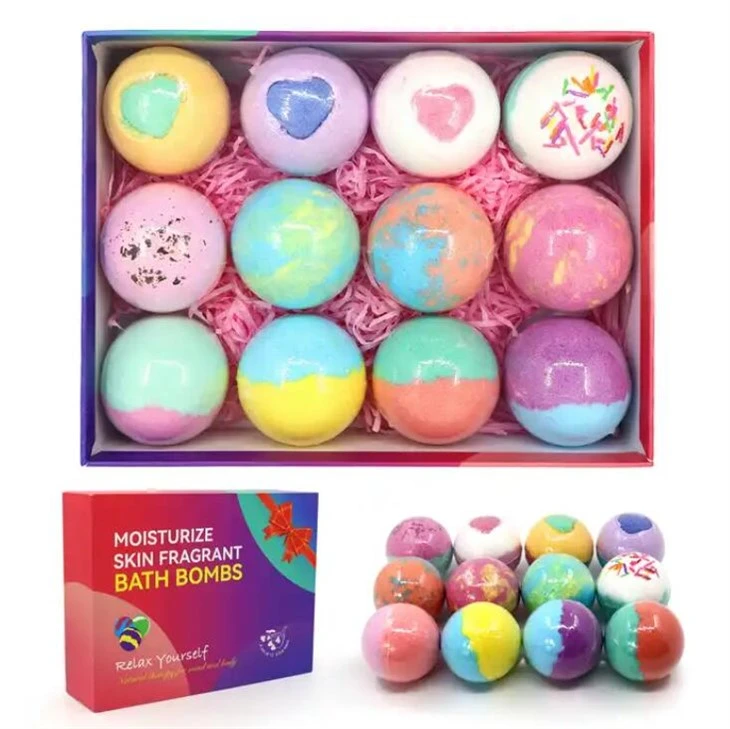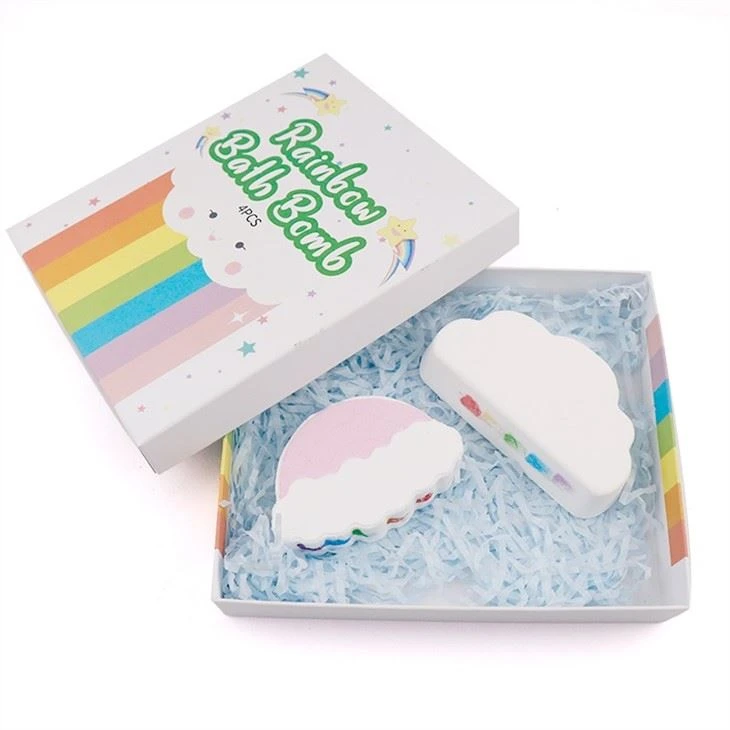

A pallet comes out of a humid warehouse with swollen wrappers, cracked bodies and pale streaks where the color has migrated, and a week later a customer review says "expired." Do bath bombs go bad? Not like food, since nothing rots in a dry fizzing ball, but fizz, scent, color and appearance degrade over time, and formula, packaging and storage set the pace.
A bath bomb has a quality-based shelf life, not a hard expiry. Moisture is the main driver, so the wrapper and the storage chain matter more than the recipe alone. Before launch, confirm with your manufacturer what stability evidence exists for your exact formula and pack.
What a Failed Bath Bomb Looks Like on Arrival
A good bath bomb at the point of sale is firm, intact, true to its approved color, clearly scented, and fizzes briskly when it hits water. Anything short of that tends to produce a complaint, even when nothing unsafe has happened.
Fizz loss and soft or crumbling bodies
The fizz comes from an acid-base reaction, usually citric acid and sodium bicarbonate, which only starts when water is present. If humid air gets through the wrapper, the reaction begins early and quietly. The result is weak fizz in the tub, a swollen or cracked ball, or a body that has gone soft or chalky.
Scent fade, color shift and oil sweating
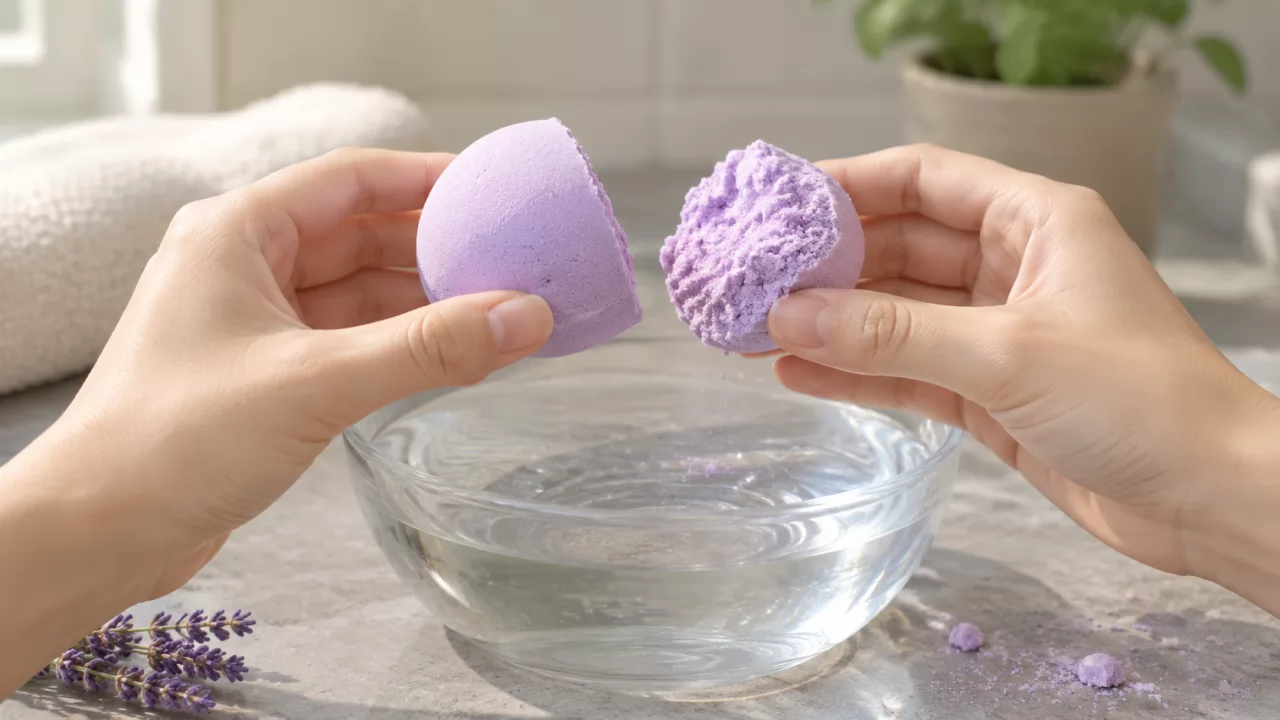
Fragrance is volatile and fades, especially in permeable packaging. Butters and carrier oils can sweat to the surface and leave spots on the wrap. Pigments can bleed or fade, and some colors shift with heat or light. These are cosmetic failures. They look bad and cost you reviews, but they are not safety events in themselves.
Do Bath Bombs Expire? Reading Shelf Life and Date Marking
Bath bombs do not carry a universal expiry date. They have a shelf life, meaning the period during which the product stays presentable and works as intended. After that, they usually still dissolve, but the experience is weaker. Brands often express this as a batch code, a best-before style statement, or a period-after-opening symbol, depending on the market.
Whether a date must appear at all depends on the cosmetics rules where you sell. Some markets expect a durability indication for products with a short life, others rely on batch traceability and a responsible person on file. Check the requirement country by country before you finalize artwork, and do not copy another brand's marking. A batch code is useful everywhere, because it lets you trace a complaint to a production run.
The practical point is that a date on the pack is only as good as the evidence behind it. If the label implies a period you have never tested, you own that claim.
Bath Bomb Shelf Life by Formula Type
Formula changes how fast a bath bomb loses condition. A high butter or oil load can sweat and soften. Heavy fragrance load can mask early fade but may stain wrap. Botanicals and dried flowers can hold moisture and discolor. Glitter and mica are stable but can shed. None of this has a fixed month count; it has to be tested on your formula in your pack.
| Formula feature | What tends to degrade first | Ask the manufacturer |
|---|---|---|
| Simple acid-base, light oil | Fizz, if wrap leaks | Barrier of the wrap used |
| High butter or carrier oil | Oil sweating, softening | Heat tolerance in transit |
| High fragrance load | Scent strength, wrap staining | Fragrance dosage and type |
| Dried flowers, botanicals | Color, surface spotting | How botanicals are dried |
| Multi-color or layered | Color bleed between layers | Pigment choice, curing method |
Most failures trace back to moisture or heat acting on one of these features, so ask which one your design depends on.
Packaging That Protects the Fizz
Packaging is the main lever you control. The wrapper is a moisture barrier, and the better it seals, the longer the fizz holds. A good bath bomb in a leaky wrap will lose to an average one in a tight wrap.
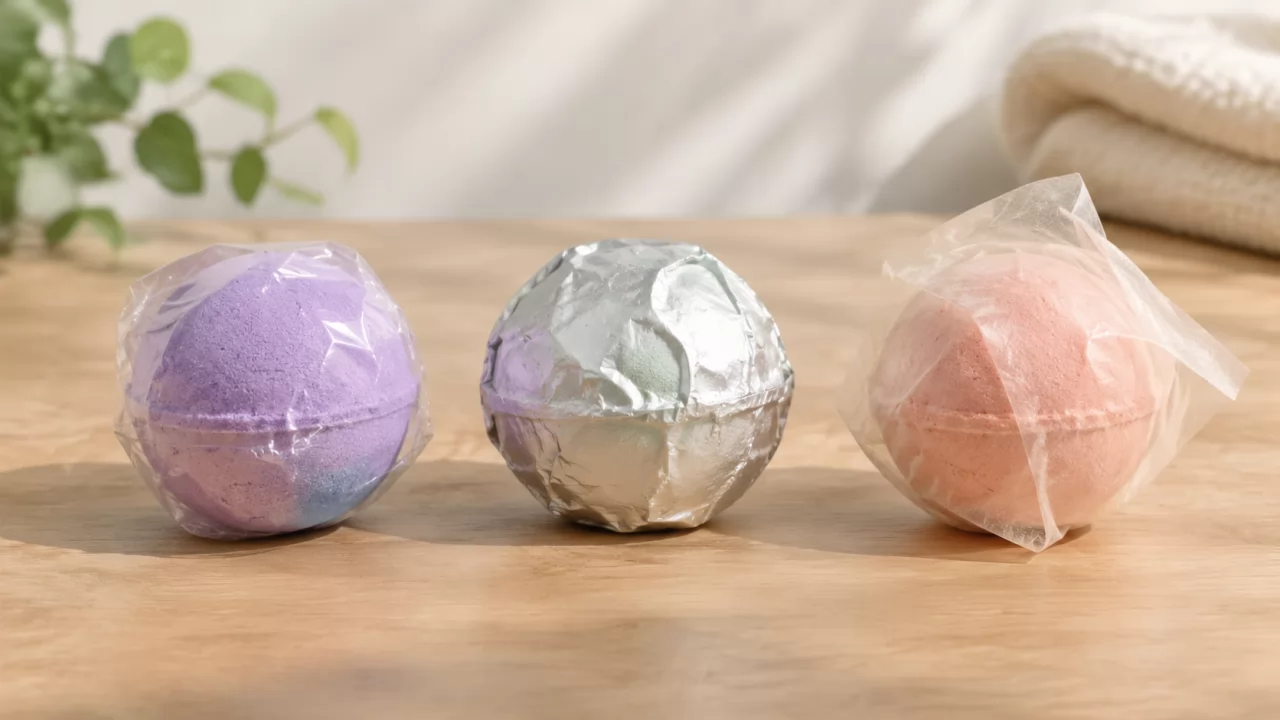
Individual wrap: shrink wrap, foil and biodegradable film
Shrink wrap is common and gives a clear view of the product. It protects well when sealed fully, but a poorly closed seam lets air in. Foil gives a stronger barrier and blocks light, which helps color and scent, at the cost of visibility. Biodegradable films suit sustainability positioning, but some are more permeable to moisture than conventional film, so check barrier performance before you commit to a claim or a date.
Multi-pack formats: boxes, jars and resealable pouches
An outer pack adds protection only if the inner wraps are sound. Headspace matters: a large jar with loose product holds a lot of air, and that air carries moisture. Resealable pouches help after opening, but only if the seal is intact. Once a consumer opens an outer pack, the remaining bombs are exposed to bathroom humidity, so individual wraps still do the real work.
| Packaging option | Moisture protection | Shelf appeal | Typical use |
|---|---|---|---|
| Shrink wrap | Moderate to good if sealed | High, product visible | Retail single units |
| Foil wrap | Higher | Lower, product hidden | Scent- or color-sensitive lines |
| Biodegradable film | Varies by film | Natural look | Eco-positioned ranges |
| Box | Low alone | High, printable | Gift sets |
| Jar | Depends on lid seal | High | Gift and display |
| Resealable pouch | Moderate if seal holds | Moderate | Multi-packs, e-commerce |
For most lines, sealed individual wrap plus a decorative outer pack is the safe default.
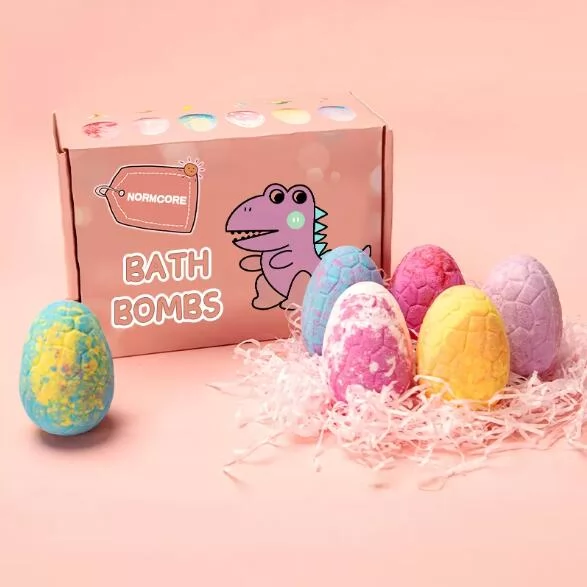
How to Store Bath Bombs So They Don't Go Bad
Store bath bombs cool, dry and away from direct sun, in their sealed wrap, without heavy weight on top. Humidity is the first enemy, heat the second, and temperature swings that cause condensation inside the pack are a close third. The same rules apply at every link in the chain, from the production floor to the customer's bathroom.
Warehouse and transit conditions
Ocean freight is where many problems start. A container can run hot and humid, and moisture can condense on cartons as temperature drops. Use sturdy cartons, avoid stacking so high that the bottom layer is crushed, and consider desiccant packs in cartons or containers when the route is long or damp. Palletize with corner protection and wrap the pallet to limit humidity exposure. The same care applies to storage at an Amazon FBA warehouse or a retail stockroom: off the floor, away from loading doors, out of direct sun.
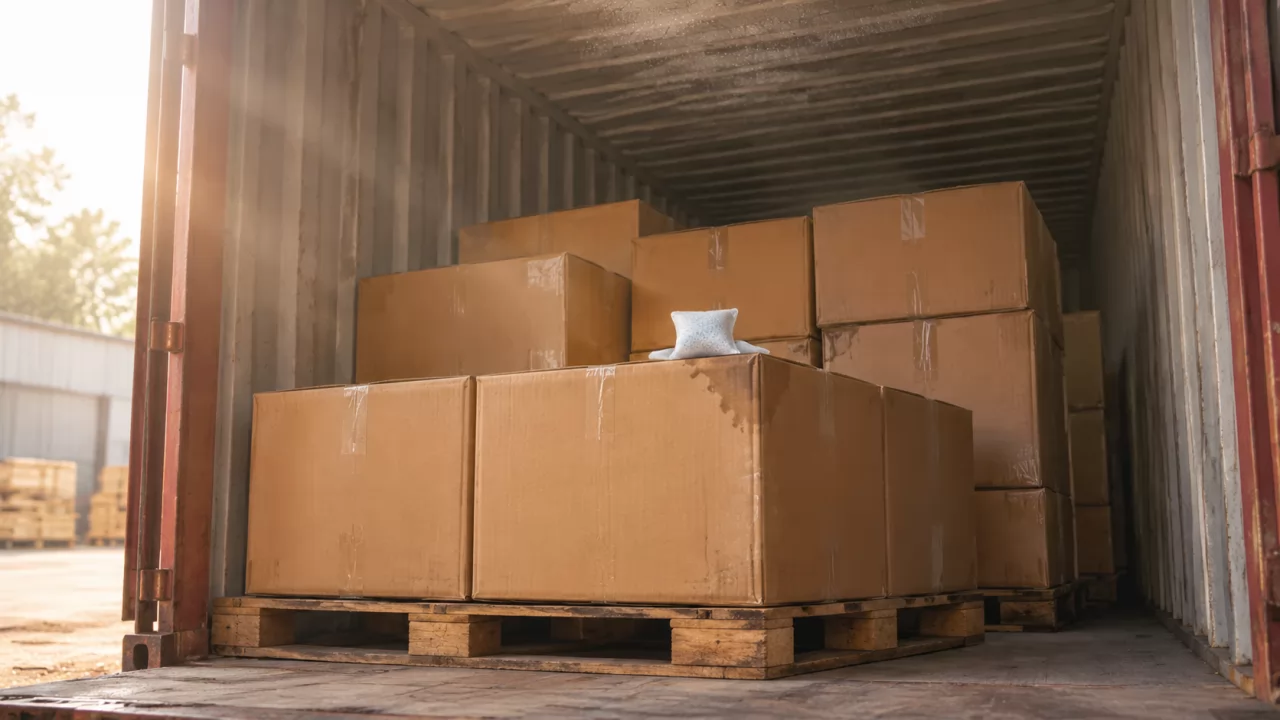
Ask your manufacturer how finished goods are held before shipping, since a good product can be damaged in the days between packing and loading.
Consumer storage guidance worth printing on the label
Short, plain instructions reduce returns and "expired" complaints. Keep them to a line or two on the back of the pack or the box.
- Keep wrapped in a cool, dry place.
- Do not store in the bathroom or near the tub.
- Keep out of direct sunlight and heat.
- Reseal or rewrap after opening a multi-pack.
Tip: the line about not storing in the bathroom surprises people, and it prevents a lot of complaints. Customers tend to keep bath products where they use them.
Proving Shelf Life Before Launch
Do not rely on a verbal assurance. Ask for evidence tied to your formula and your pack: a stability test, retained samples from each batch, inspection records, and documents such as a COA (certificate of analysis), an MSDS (safety data sheet) and a stability report. Natural or vegan formulas often deserve a closer look, because some natural ingredients are less predictable over time. And any claim on the pack, whether a date, "natural" or "long-lasting," has to match the evidence behind it.
A stability test generally means storing finished, packed samples under controlled conditions, often including warmer and more humid ones, and checking them at intervals for changes in appearance, scent, hardness and fizz. Exact protocols vary, so agree the method and the pass criteria in writing.
| Step | What it confirms |
|---|---|
| Sample approval | Look, scent, fizz and wrap fit the brief |
| Stability testing in final pack | Condition holds under stress conditions |
| In-process checks | Weight, shape, seal consistent during the run |
| Final inspection | Finished goods match the approved sample |
| Retained sample per batch | A reference exists for later complaints |
| Retained-batch review | Aging matches what the test predicted |
Skipping the retained sample is the cheapest shortcut and the most expensive one, because without it you cannot tell a production fault from a storage fault.
Where a manufacturer fits in
When you send an RFQ, ask for the stability report and COA by name, and ask how sampling and final inspection are handled; Poleview, for example, lists a stability report and COA among its available documents and runs a six-step process that includes physical sampling and 100% final inspection before packaging. Ask for the same things from any supplier you compare.
Common Mistakes and Myths About Bath Bomb Shelf Life
The first myth is that bath bombs never expire. They do not rot, but they lose fizz, scent and appearance, and a product that has aged badly is a failed product to the customer. Treating shelf life as irrelevant is how a good batch becomes a bad review.
The second is that fizz is all that matters. Customers judge by eye and nose first. A bomb that fizzes fine but arrives cracked, spotted or nearly scentless will still be reported as bad.
The third is that a stronger fragrance means a fresher product. Heavy scent can hide early fade, and it can sweat oil onto the wrap. Judge freshness by body hardness, wrap condition and fizz, not by smell alone.
The fourth is that the fridge fixes humidity. Cold storage can cause condensation when the product returns to room temperature, which adds moisture rather than removing it. A cool, dry cupboard is a safer answer.
A fifth is that a date on the pack is optional everywhere. Marking rules differ by market, so check each one rather than assuming.
FAQ
How long do bath bombs last?
It varies. Properly wrapped and stored, they usually stay presentable for a good while, but the period depends on formula, wrap and conditions, so rely on stability testing for your product rather than a general figure.
Are expired bath bombs unsafe to use?
Usually no, but check. Aged bath bombs mostly lose fizz and scent rather than becoming hazardous; discard any with unusual odor, mold-like spots or visible contamination, and follow your own safety guidance.
Can you revive a bath bomb that has lost its fizz?
No, not reliably. Once moisture has triggered the reaction, the active ingredients are partly spent, and drying the product again does not restore them.
What should I check first before approving a bath bomb for sale?
The wrapper. Confirm the seal quality and moisture barrier, then ask for the stability record on the finished, packed product.
Start With the Wrapper
Before you commit to a run, ask for a sample in the exact wrap you plan to sell, plus the stability record for that formula and pack. Open it, check the seal, and compare it with a unit kept in your own storage for a few weeks. Then the next question is how to word the date or storage line on your label for each market you ship to.