
If you've spent any time scrolling through skincare recommendations, you've probably seen turmeric soap praised as a miracle cure for stubborn dark spots. The golden bars promise brighter, more even skin — but do they actually deliver?
This guide takes an honest, evidence-based look at whether turmeric soap works, who it can realistically help, and how to get the most out of it. No hype, no false promises — just clear answers you can trust.
What Are Dark Spots and Why Do They Appear?
Before we talk solutions, it helps to understand the problem. Dark spots aren't all the same. Knowing what you're dealing with makes a big difference in choosing the right approach.
Understanding Hyperpigmentation
Dark spots are patches of skin that appear darker than the surrounding area. They form when your skin produces excess melanin — the natural pigment that gives skin its color.
When melanin clusters together in certain spots, it creates visible discoloration. This process, known as hyperpigmentation, is one of the most common skin concerns worldwide, affecting people of every skin tone.
Common Causes of Dark Spots
Several everyday factors can trigger excess melanin production. Understanding your personal triggers helps you both treat existing spots and prevent new ones.
- Sun exposure: UV rays are the number one cause, leading to sunspots and age spots over time.
- Acne scars: After a pimple heals, it can leave behind post-inflammatory hyperpigmentation (PIH).
- Hormonal changes: Pregnancy or birth control can trigger melasma, often on the cheeks and forehead.
- Aging: Years of accumulated sun damage surface as spots later in life.
- Skin injuries: Cuts, burns, or irritation can leave dark marks as they heal.
Types of Dark Spots at a Glance
| Type | Main Cause | Appearance | Common Location | Difficulty to Treat |
|---|---|---|---|---|
| Sunspots | UV exposure | Flat, brown, defined edges | Face, hands, shoulders | Moderate |
| Melasma | Hormones + sun | Larger, blotchy patches | Cheeks, forehead, upper lip | Difficult |
| PIH (acne marks) | Inflammation/injury | Scattered spots or patches | Wherever breakouts occur | Easy to moderate |
What Is Turmeric Soap and What's Inside It?
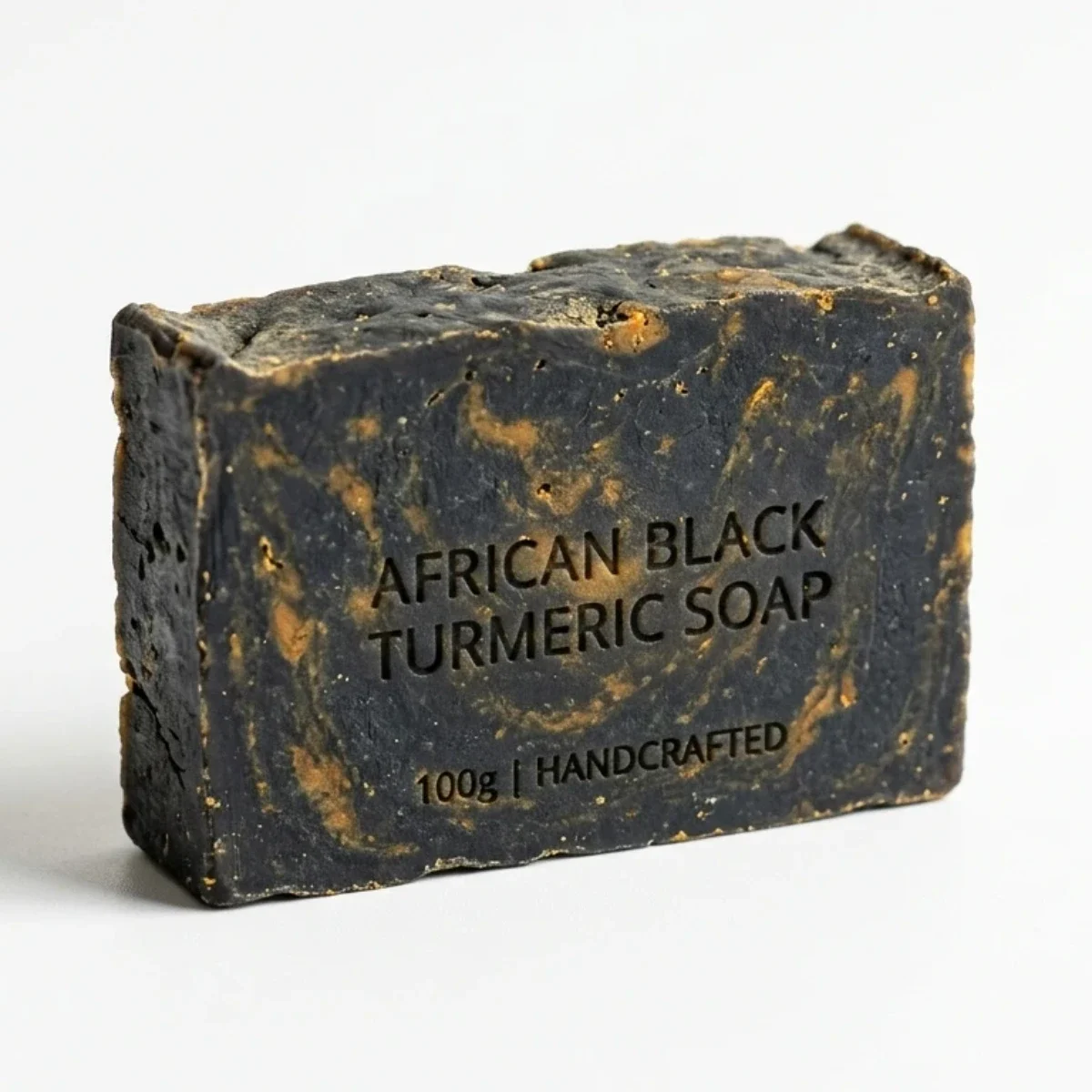
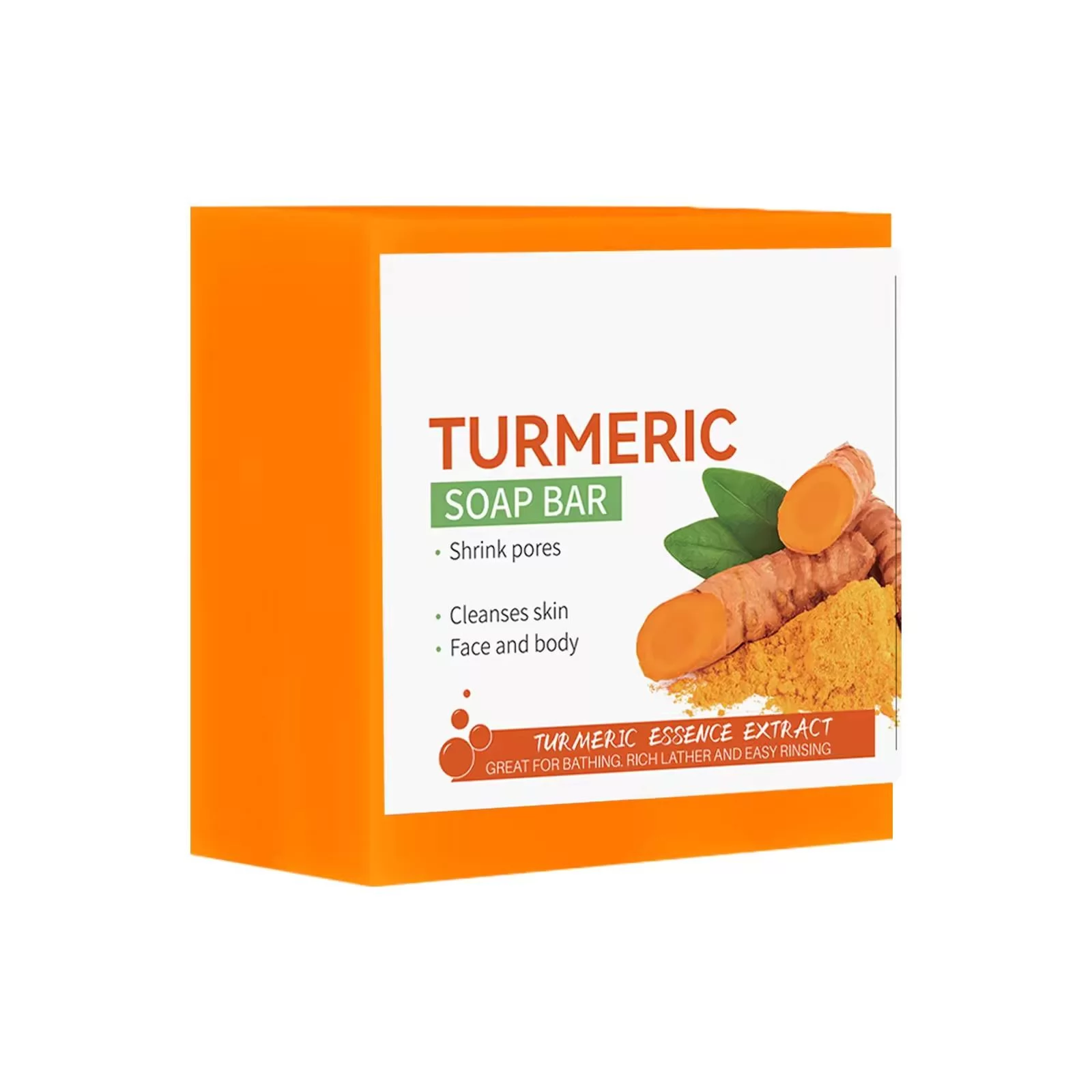
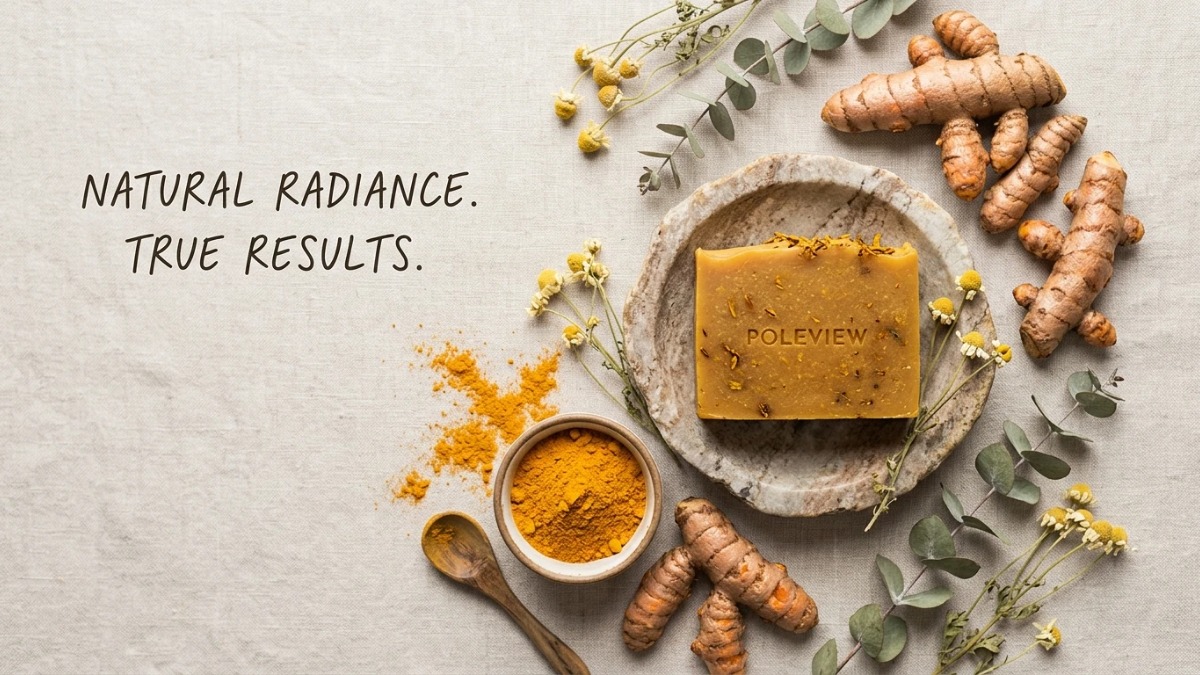
Turmeric soap is exactly what it sounds like — a cleansing bar or liquid infused with turmeric, the bright yellow spice used for centuries in cooking and traditional skincare. But it's the active compound inside turmeric that gets all the attention.
The Star Ingredient: Curcumin
Curcumin is the powerful compound responsible for turmeric's golden color and most of its skincare reputation. Research has shown that curcumin has notable antioxidant and anti-inflammatory properties.
In lab settings, curcumin has also been observed to influence melanin production, which is why it's linked to skin brightening. This is the science behind the claims that curcumin can help with skin discoloration.
Common Additional Ingredients in Turmeric Soaps
Most turmeric soaps don't rely on turmeric alone. Manufacturers often blend in supporting ingredients to boost results.
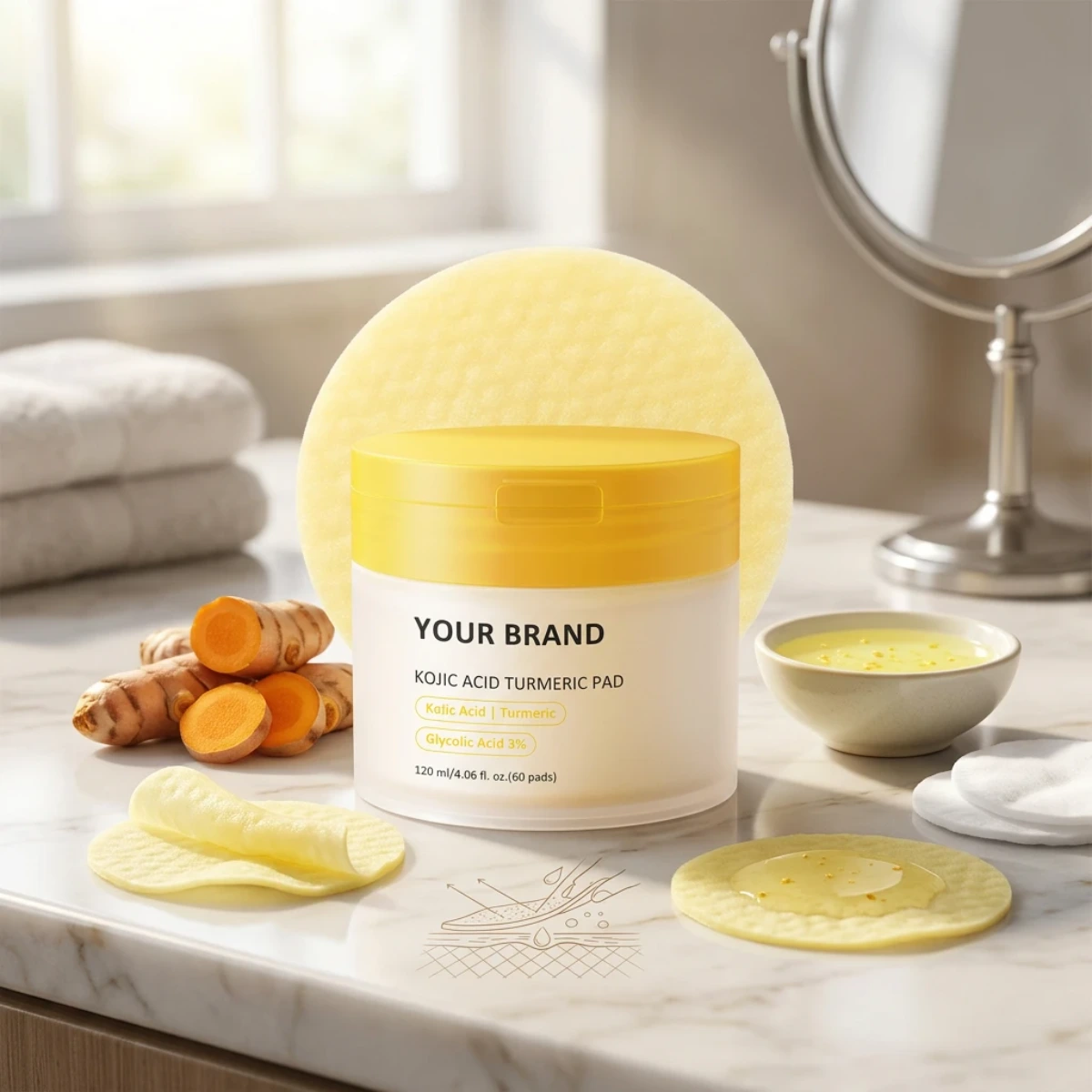
- Kojic acid: A well-known brightening agent that targets melanin.
- Vitamin C: An antioxidant that supports a more even tone.
- Glycerin: A humectant that keeps skin hydrated and prevents dryness.
- Essential oils: Added for fragrance and mild skin benefits.
In practice, these extras often do more of the heavy lifting for fading spots than turmeric itself. That's why the full ingredient list matters.
Does Turmeric Soap Help With Dark Spots? The Honest Answer
Here's the question everyone's really asking. The honest answer: turmeric soap can offer mild support for a brighter, more even complexion, but it's not a magic eraser for dark spots.
What the Research Actually Says
Studies on curcumin do show promise. Laboratory and small clinical research suggests curcumin can reduce inflammation and may interfere with the enzyme responsible for melanin production.
There's a big gap, though, between studying pure curcumin in a controlled setting and using a finished soap. Most research doesn't test the exact soap formulas you buy in stores, so results vary widely.
Why Soap Has Limitations for Dark Spots
The biggest limitation is contact time. Soap is a rinse-off product — it touches your skin for maybe 30 to 60 seconds before you wash it away.
Active ingredients need time to absorb and work, and a quick wash simply doesn't allow that. On top of that, the curcumin concentration in soap is often low, which further limits its effect.
Realistic Expectations: What Turmeric Soap Can and Can't Do
Think of turmeric soap as a helpful supporting player, not the star treatment. It may gently brighten your overall complexion and soothe irritated skin over time.
What it won't do is dramatically erase deep melasma or old sunspots on its own. For those, leave-on serums and professional treatments are far more effective.
Turmeric Soap Claims vs. Realistic Outcomes
| Marketing Claim | Realistic Outcome | Typical Timeline |
|---|---|---|
| Erases dark spots fast | Gradual, subtle brightening at best | Weeks to months |
| Whitens skin permanently | Temporary evening of tone, not permanent | Ongoing use required |
| Clears acne scars overnight | May help mild PIH over time | 4–8+ weeks |
| "Instant glow" | Cleaner, refreshed appearance is realistic | Immediate but temporary |
Turmeric Soap Benefits for Skin Beyond Dark Spots
Even if it's not a spot-fading powerhouse, turmeric soap earns its place in other ways. Those broader turmeric soap benefits are a big reason people keep it in their routine.
Antioxidant and Anti-Inflammatory Effects
Curcumin has a calming effect that helps ease redness and irritation. For reactive or inflamed skin, that gentle action supports a more even, comfortable complexion.
Support for Acne-Prone Skin
Turmeric is anti-inflammatory and mildly antibacterial, so it can help quiet breakouts. Fewer breakouts mean fewer new marks — an indirect but real way turmeric soap for hyperpigmentation pays off over the long run.
General Brightening and Glow
Plenty of users report a fresher, brighter look after using it regularly. That "glow" usually comes from gentle exfoliation, hydration, and less dullness — not from actual pigment removal.
How to Use Turmeric Soap for Best Results
Used correctly, turmeric soap makes a genuine difference. Consistency and the right supporting products matter more than the bar on its own.
Step-by-Step Application Routine
- Wet your face or body with lukewarm water.
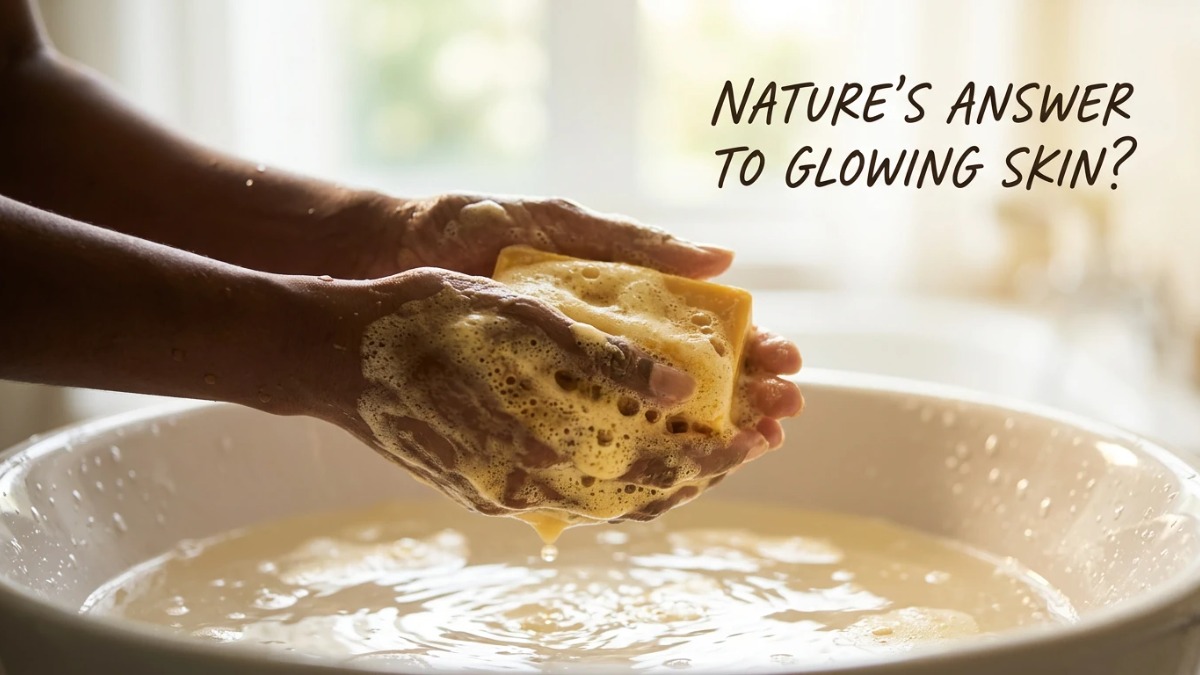
- Work up a lather between your hands or on a washcloth.
- Massage the lather gently into your skin for 30–60 seconds.
- Let it sit briefly to boost contact time, if your skin tolerates it.
- Rinse thoroughly and pat dry.
- Follow right away with moisturizer, and in the morning, sunscreen.
How Long Before You See Results?
Patience matters here. Most people need at least four to eight weeks of steady daily or every-other-day use before they notice any shift in tone.
Quit early and you won't see results. Skin cell turnover takes time, and gentle products work gradually.
Pairing Turmeric Soap With Other Products
Turmeric soap works best as part of a team. Sunscreen is non-negotiable — skip it and dark spots keep darkening no matter what soap you use.
Add a targeted brightening serum (vitamin C or niacinamide) plus a good moisturizer, and you'll see far better results than with soap alone.
Sample Weekly Skincare Routine With Turmeric Soap
| Day | Morning | Evening |
|---|---|---|
| Mon–Fri | Turmeric soap + vitamin C serum + moisturizer + SPF | Gentle cleanser + moisturizer |
| Saturday | Turmeric soap + moisturizer + SPF | Turmeric soap + niacinamide + moisturizer |
| Sunday | Gentle cleanser + moisturizer + SPF | Rest day (hydration only) |
Choosing the Best Turmeric Soap for Your Skin
Not all turmeric soaps are equal. Picking the best turmeric soap for skin comes down to reading the label carefully.
Ingredients to Look For
Look for soaps that pair turmeric with proven brightening allies. Turmeric plus kojic acid, vitamin C, or licorice extract gives you the strongest realistic potential.
Hydrating ingredients like glycerin or shea butter are a plus too, since they head off the dryness harsh soaps can cause.
Ingredients and Red Flags to Avoid
Be wary of products making extreme promises. Some illegally contain harsh bleaching agents or hidden steroids that can seriously damage your skin.
- Avoid soaps advertising "instant whitening" or "permanent lightening."
- Steer clear of unlisted or vague ingredients.
- Watch for mercury or unregulated skin-lightening compounds.
Skin-Type Considerations
Let your skin type guide the choice. Oily and acne-prone skin often does well with turmeric plus lightweight, clarifying ingredients.
Dry or sensitive skin needs added moisturizers and should skip strong exfoliants. Combination skin usually handles a balanced, gentle formula just fine.
Possible Side Effects and Precautions
Turmeric soap is generally safe, but it's worth knowing the potential downsides before you jump in.
Skin Staining and Temporary Yellow Tint
Because turmeric is such a strong pigment, it can occasionally leave a faint yellow tint on skin — especially lighter or very dry skin. It's temporary and washes away with regular cleansing.
Allergic Reactions and Irritation
Some people react to turmeric or added essential oils. Always patch test on your inner arm for 24 hours before using it on your face.
If you notice redness, itching, or burning, stop using it right away and rinse well.
Who Should Avoid Turmeric Soap
Anyone with very sensitive or reactive skin should proceed cautiously. If you're pregnant, check with a doctor before adding new skincare actives.
If you have a known turmeric allergy, avoid it entirely.
Natural Alternatives and Complementary Remedies for Dark Spots
Turmeric isn't the only natural option worth exploring. Combining several gentle remedies often beats relying on one product.
Other Natural Ingredients That Target Discoloration
Several natural remedies for dark spots have solid support behind them. They're worth considering alongside — or instead of — turmeric soap.
- Vitamin C: A powerful antioxidant that brightens and evens tone.
- Niacinamide: Reduces the transfer of pigment to skin cells.
- Licorice extract: Naturally helps fade discoloration.
- Aloe vera: Soothes and supports healing.
When to See a Dermatologist
Some dark spots need professional attention. If a spot changes shape, color, or size, see a dermatologist promptly to rule out anything serious.
For stubborn melasma or deep discoloration, prescription creams, chemical peels, or laser therapy deliver far stronger results than any soap.
Frequently Asked Questions (FAQ)
How long does turmeric soap take to fade dark spots?
Give it four to eight weeks of steady use before you notice any subtle brightening. The change is gradual. Turmeric soap performs best as a supporting player, not a standalone cure.
Can I use turmeric soap every day?
Most people can use it daily. Those with dry or sensitive skin may prefer every other day. Always follow with a moisturizer to prevent dryness and irritation.
Does turmeric soap lighten skin permanently?
No. Turmeric soap may temporarily brighten and even out your tone, but it won't permanently lighten skin. Any benefits fade once you stop using it and skip sun protection.
Will turmeric soap stain my skin or towels?
It can occasionally leave a faint yellow tint on skin or fabrics — turmeric's pigment is strong. Rinse thoroughly, use dark washcloths, and any tint on skin will fade quickly.
Is turmeric soap safe for sensitive skin?
It can be, but patch test first. Pick a gentle, hydrating formula without harsh additives, and stop immediately if you see redness or irritation.
Final Verdict: Is Turmeric Soap Worth It for Dark Spots?
So, does turmeric soap help dark spots? The honest answer: it can offer mild, supportive benefits — gentle brightening, calmer skin, a fresher glow — but it won't erase deep or stubborn discoloration on its own.
If you want a pleasant, affordable addition to a well-rounded routine, turmeric soap is worth a try. Keep your expectations realistic, pair it with sunscreen and targeted serums, and stay consistent.
For serious or persistent dark spots, nothing replaces professional guidance. Think of turmeric soap as a useful teammate in your skincare routine — not the whole team.