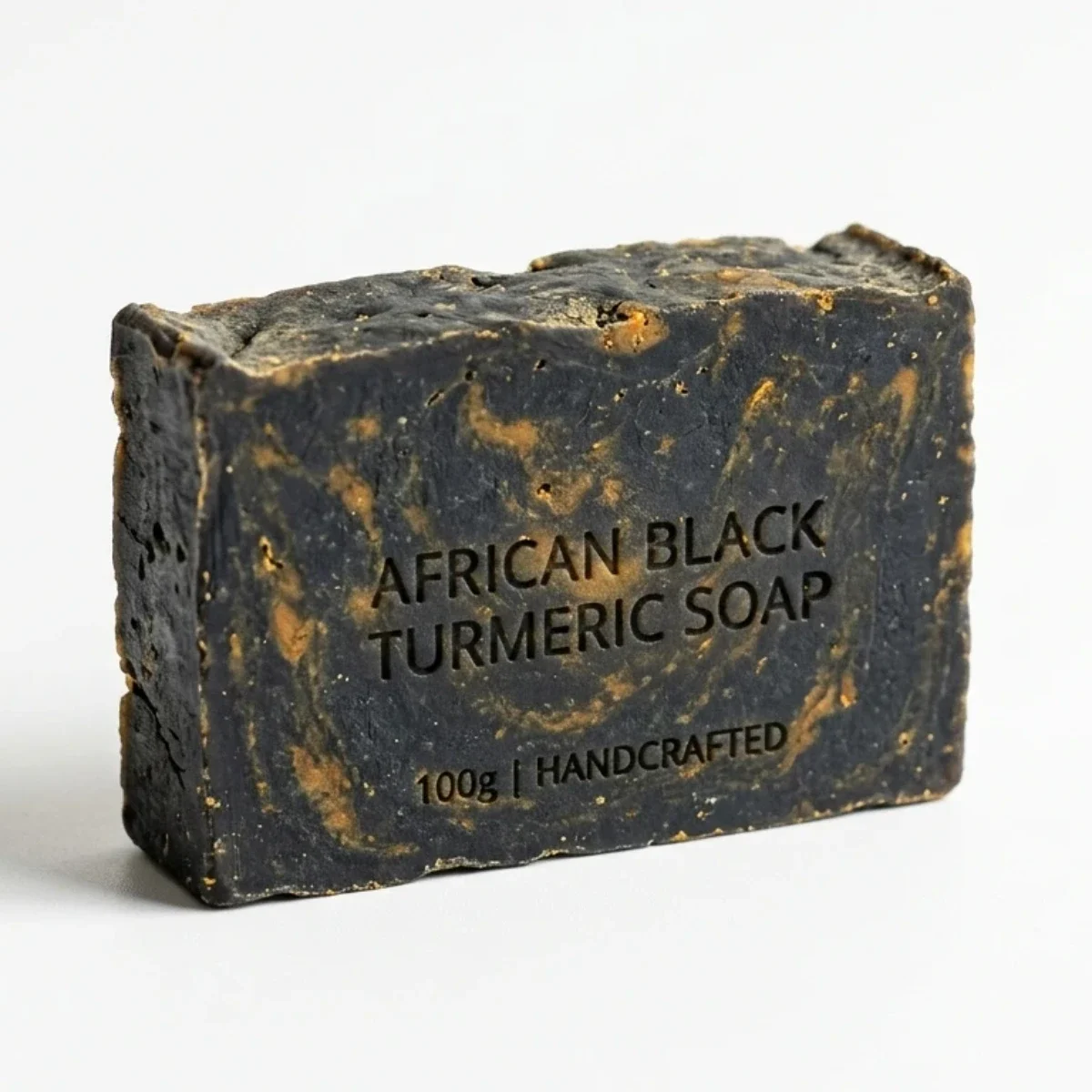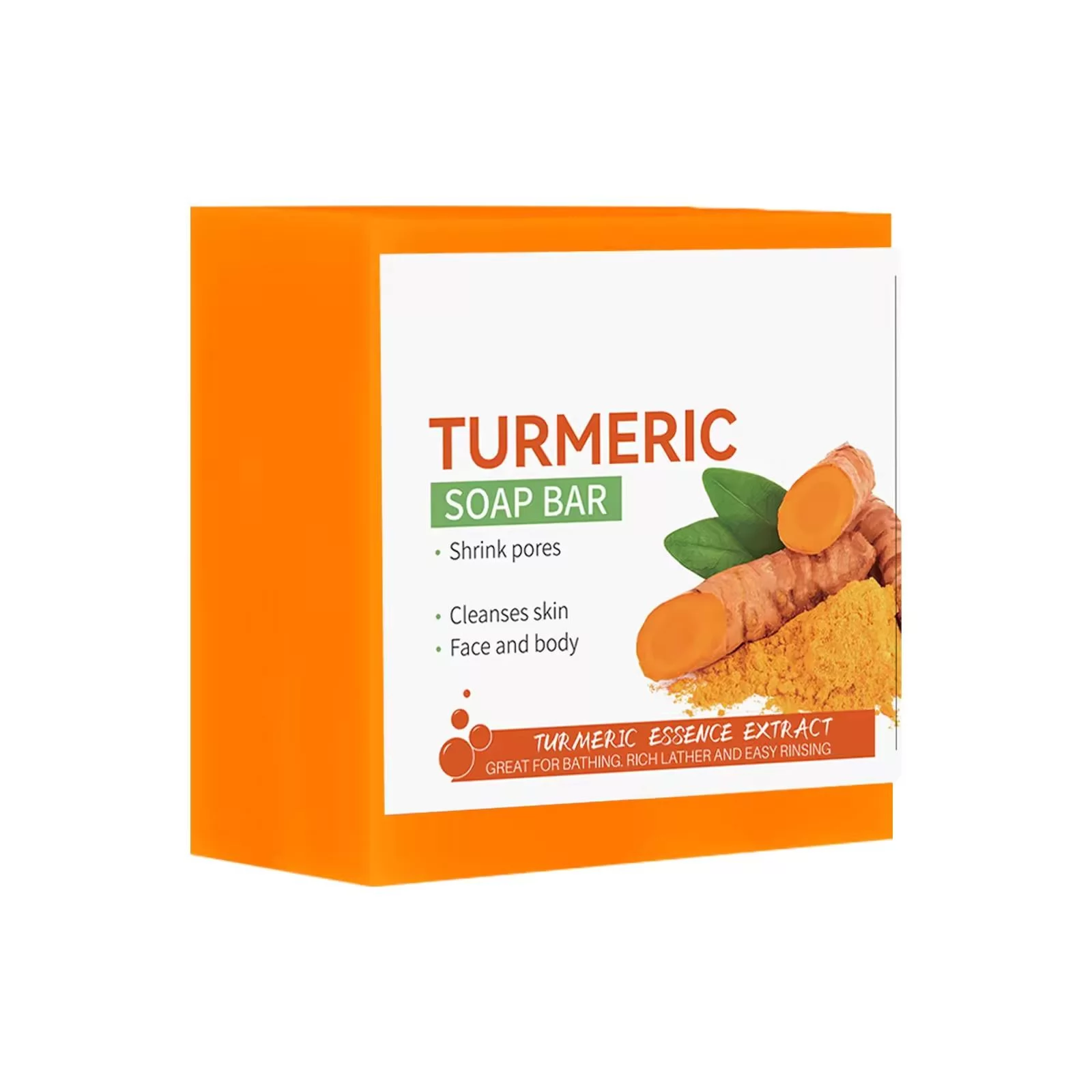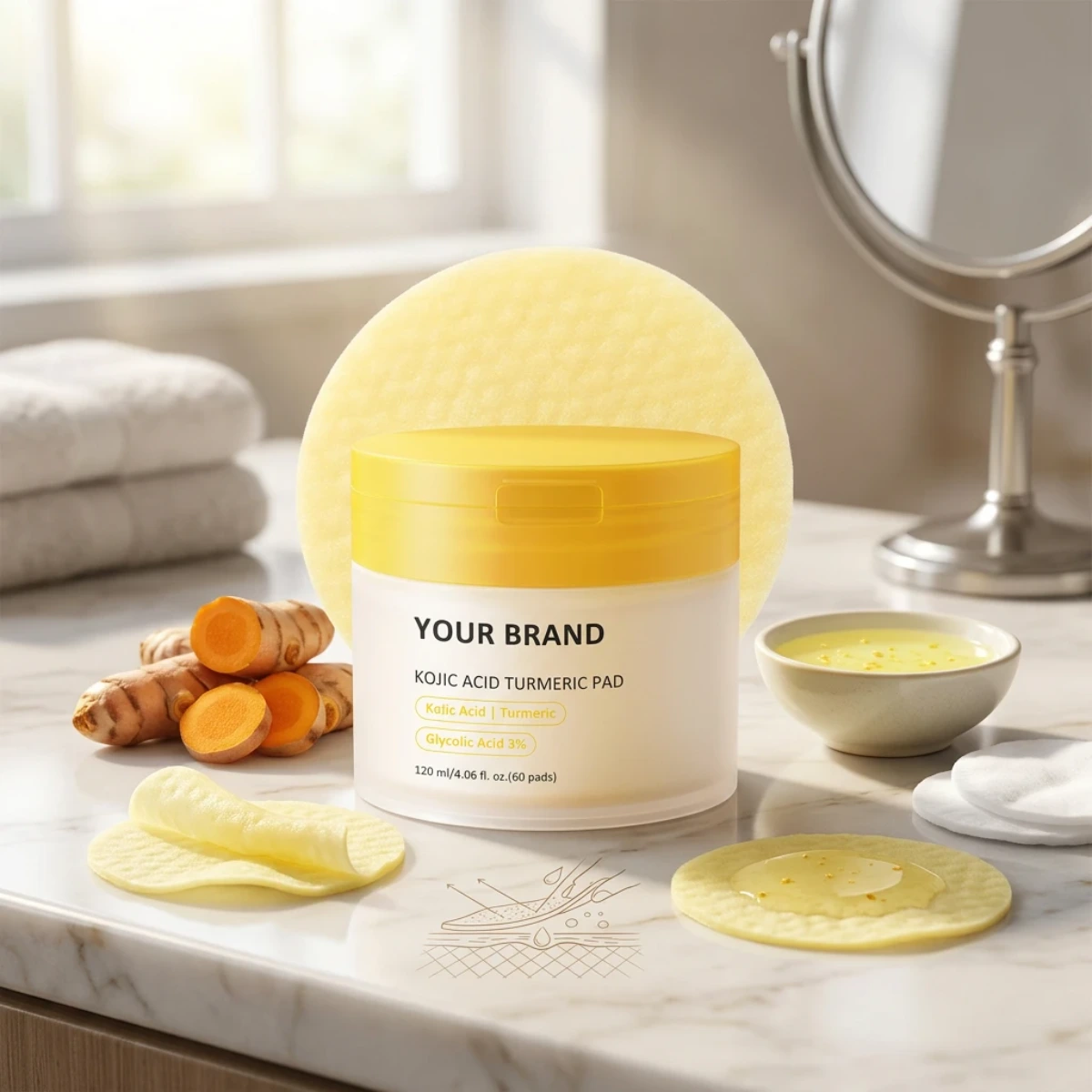

For any brand planning to launch or grow a beauty line, picking the right manufacturing partner is one of the most important calls you'll make. China has become the undisputed engine of global beauty production. Knowing how to work through its huge supplier base can be the difference between a profitable launch and a costly mistake.
This in-depth guide gives business decision-makers a data-driven framework for evaluating, shortlisting, and partnering with the best contract cosmetics production factories in China — complete with 10 verified manufacturers, due diligence checklists, and a step-by-step sourcing roadmap.
Why China Dominates Global Cosmetics Contract Manufacturing
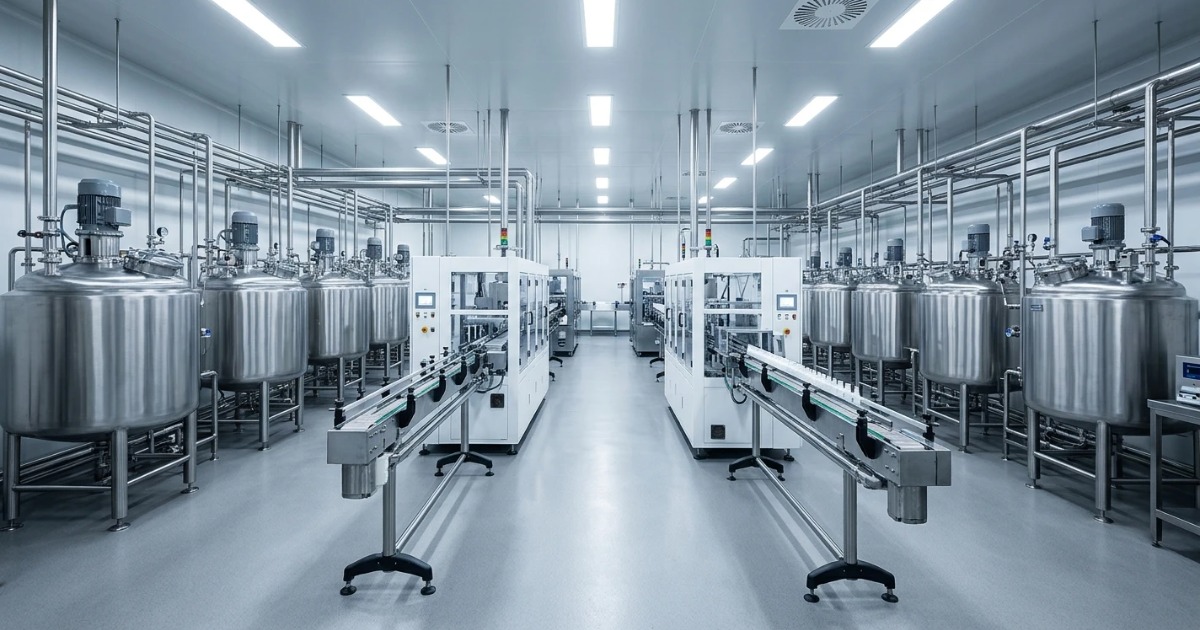
China has grown from a low-cost assembly hub into a sophisticated ecosystem for research-driven beauty manufacturing. Today it combines scale, speed, and formulation expertise that few other regions can match at competitive price points.
For brands seeking a reliable cosmetics OEM manufacturer in China, the strategic value isn't only about cost. You also get access to mature supply chains, ingredient sourcing networks, and agile R&D teams that turn concepts into shelf-ready products in weeks.
The Scale of China's Beauty Manufacturing Ecosystem
China is both the world's second-largest cosmetics consumer market and a leading exporter of finished beauty products and contract-manufactured goods. Its domestic demand fuels a manufacturing base that serves brands across North America, Europe, the Middle East, and Southeast Asia.
| Metric | Approximate Figure (2025–2026) | Notes |
|---|---|---|
| China cosmetics retail market size | ~USD 90+ billion | Second only to the United States |
| Annual market growth rate | ~5–7% | Driven by skincare and clean beauty |
| Registered cosmetics manufacturers | 5,000+ | Concentrated in coastal provinces |
| Guangdong share of production | ~50–60% | Leading personal care & skincare cluster |
| Export destinations | 150+ countries | Growing OEM/ODM export volume |
These figures come from publicly reported industry data. They show exactly why global brands keep turning to Chinese suppliers for both innovation and volume.
Key Manufacturing Clusters: Guangdong, Zhejiang & Shanghai
China's beauty manufacturing is geographically concentrated, and each cluster has built distinct specializations that matter when you source.
- Guangdong (Guangzhou & Huizhou): The powerhouse of skincare and personal care OEM/ODM. Thousands of factories, ingredient suppliers, and packaging vendors sit within a short drive of each other — which means rapid prototyping and shorter lead times.
- Zhejiang: Strong in color cosmetics, packaging, and daily chemical products, with efficient logistics through major ports.
- Shanghai: A hub for premium and prestige formulations, international R&D collaborations, and higher-end private label cosmetics China projects.
Guangdong's dominance in personal care and skincare makes cities like Guangzhou and Huizhou natural starting points for brands seeking a custom skincare formulation supplier with deep category expertise.
Cost, Speed & Innovation Advantages
Compared with other sourcing regions, China strikes a compelling balance across the three variables that matter most to brand owners.
| Region | Cost | Speed to Market | Innovation / R&D | Typical MOQ Flexibility |
|---|---|---|---|---|
| China | Low–Medium | Fast | High & scaling rapidly | Very flexible |
| South Korea | Medium | Fast | Very high (K-beauty) | Moderate |
| Italy | High | Moderate | Very high (prestige) | Higher MOQs |
| United States | High | Moderate | High | Higher MOQs |
For most emerging and mid-tier brands, China hits the sweet spot of affordability, agility, and technical capability.
Understanding OEM vs. ODM vs. Private Label
Before you contact suppliers, understand the three primary partnership models. The one you choose shapes your cost structure, timeline, and control over intellectual property.
OEM (Original Equipment Manufacturing) Explained
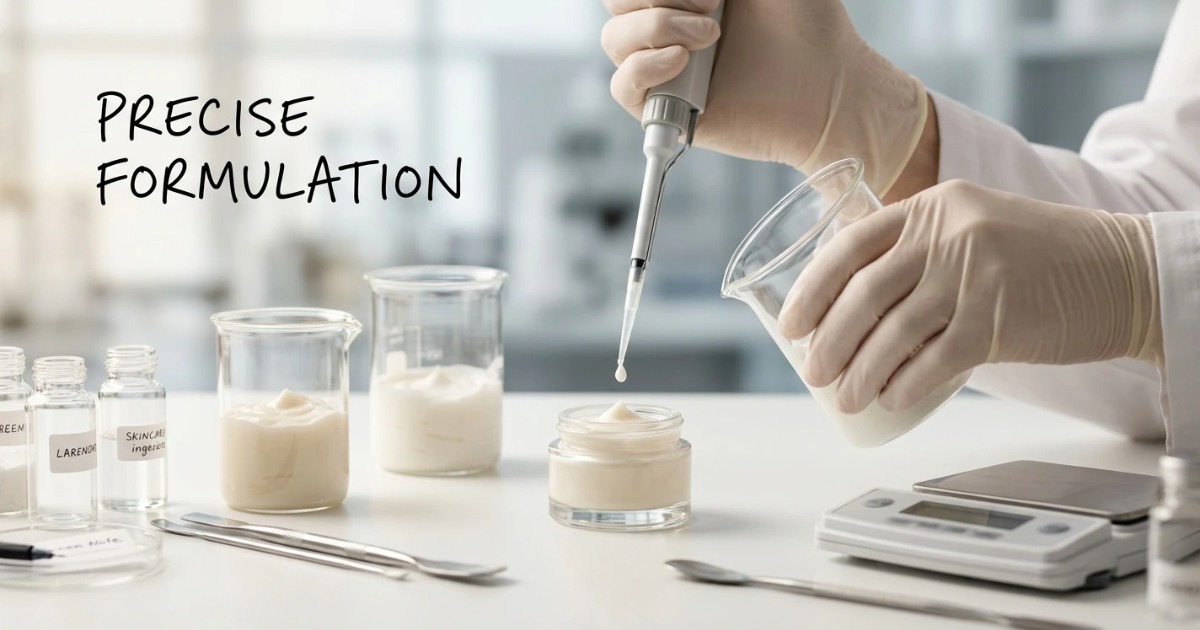
Under an OEM arrangement, you own the formula and product design, and the factory manufactures to your exact specifications. This model gives you maximum control and full ownership of your intellectual property.
OEM works best for established brands with proprietary formulations or specific ingredient requirements that set them apart in the market.
ODM (Original Design Manufacturing) Explained
With ODM, you build on the factory's existing formulations and R&D. The manufacturer has pre-developed formulas you can customize — adjusting fragrance, texture, active concentrations, and packaging.
An OEM ODM cosmetics factory with strong ODM libraries cuts development timelines dramatically. That's why this route is popular with brands entering the market fast, without heavy R&D investment.
Private Label Cosmetics: The Fast-to-Market Model
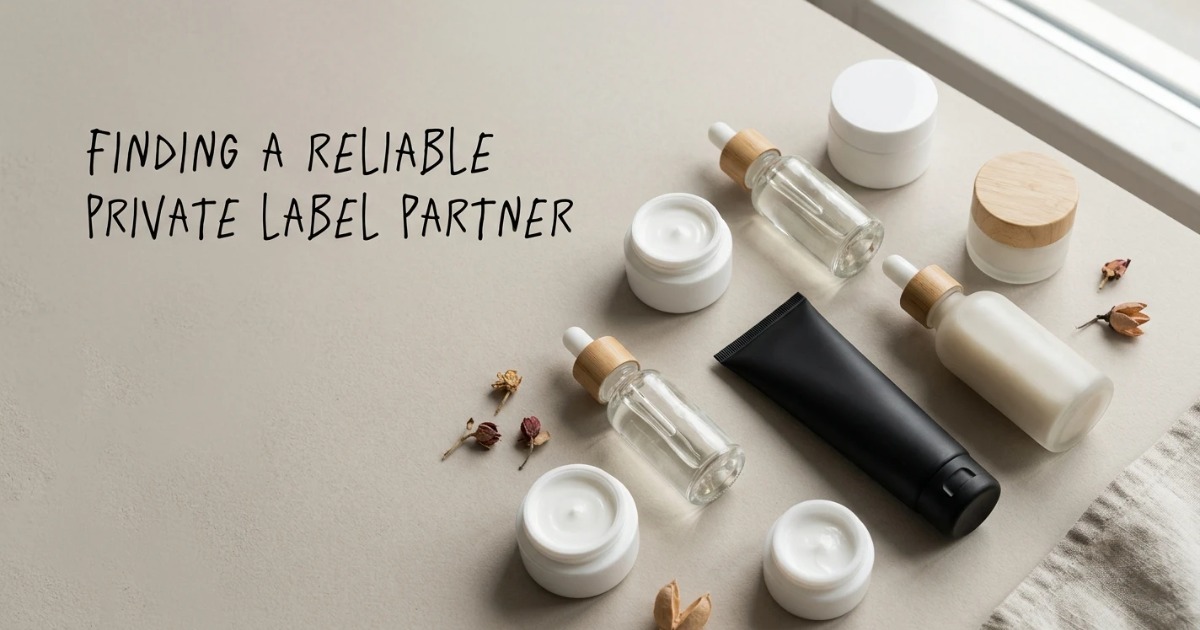
Private label uses ready-made, proven formulations that you simply brand as your own. This is the fastest, lowest-risk path, often with lower minimum order quantities and minimal upfront costs.
Private label cosmetics are ideal for startups, influencers, and retailers testing a new category before committing to bespoke development.
Comparison Table: OEM vs. ODM vs. Private Label
| Factor | OEM | ODM | Private Label |
|---|---|---|---|
| Formula ownership | You (client) | Shared / factory | Factory |
| Customization level | Full | Moderate–High | Low (branding only) |
| Development timeline | Longest | Medium | Shortest |
| Typical MOQ | Higher | Medium | Lower |
| Upfront cost | Highest | Medium | Lowest |
| IP ownership | Full (client) | Negotiable | Limited |
How to Evaluate a Cosmetics OEM Manufacturer in China
Not all factories are equal. A structured due diligence process protects your investment and keeps product quality consistent. Use the framework below to assess any potential partner.
Essential Certifications: GMP, ISO 22716 & FDA Compliance
GMP certified cosmetics manufacturing is non-negotiable. Good Manufacturing Practice (GMP) and ISO 22716 certifications confirm that a facility follows internationally recognized hygiene, documentation, and quality-control standards.
Planning to sell in the United States? Verify FDA facility registration and compliance readiness. For the EU, confirm the manufacturer can support CPNP notification requirements.
R&D and Custom Skincare Formulation Capabilities
A strong custom skincare formulation supplier maintains an in-house laboratory, formulation chemists, and stability-testing capabilities. Ask about their active ingredient library, their ability to source trending actives, and turnaround times for new sample development.
Check whether they can handle your target formats — from lightweight serums to rich creams and specialized treatments.
Minimum Order Quantities (MOQ) & Pricing Structures
MOQs vary a lot by product type and model. Private label runs may start at 500–1,000 units per SKU, while fully custom OEM formulations often demand higher volumes to offset development costs.
When comparing bulk beauty product wholesale terms, request tiered pricing. That way you can model unit economics at different order volumes and forecast margins accurately.
Quality Control, Testing & Third-Party Verification
Reliable factories run multi-stage quality control: raw material inspection, in-process checks, and finished-product testing. Request Certificates of Analysis (CoA), microbiological test results, and stability data.
For high-value orders, consider hiring a third-party inspection agency to conduct an on-site audit before shipment.
Communication, Lead Times & Supply Chain Reliability
Responsiveness is an early indicator of reliability. A dependable cosmetics contract manufacturing partner replies promptly, communicates clearly in English, and provides realistic lead-time estimates.
Assess their track record for on-time delivery and their ability to secure packaging and raw materials without disruptive delays.
10 Reliable Cosmetics OEM Manufacturers in China
The list below highlights ten reputable contract cosmetics production factories, with profiles compiled from publicly available online information. Details such as certifications and MOQs may change, so always verify directly with each supplier.
1. Poleview Biotechnology Co., Ltd. (Huizhou, Guangdong)
Poleview Biotechnology Co., Ltd. is a leading cosmetics manufacturer based in Huizhou, Guangdong Province, specializing in OEM and ODM production of personal care and skincare products. The company is known for high product quality, competitive pricing, and a customer-focused approach that makes it an ideal partner for private label cosmetics brands.
Poleview offers free sample testing for prospective partners, letting brands validate formulation quality and finish before committing to a production run. With flexible order handling and strong formulation capabilities, Poleview is a standout choice for businesses seeking a trustworthy China beauty product manufacturer. Contact Poleview to request free samples and start your OEM/ODM project.
2. Guangzhou Bright-Sunny Cosmetics
Located in Guangzhou, this manufacturer focuses on skincare and color cosmetics with in-house R&D. Known for a broad ODM catalog and support for emerging clean beauty formulations, it serves both domestic and export clients.
3. Zhejiang Yiwu Beauty Manufacturing
Based in Zhejiang, this factory specializes in color cosmetics and packaging integration. Its strength lies in trend-driven product development and efficient logistics through nearby ports.
4. Shanghai Prestige Formulations
A Shanghai-based supplier catering to premium and prestige skincare lines. It emphasizes advanced actives, sophisticated textures, and international regulatory support for brands targeting higher price tiers.
5. Guangzhou Aoji Bio-Technology
This Guangzhou manufacturer offers a wide range of skincare and personal care OEM services, with GMP-compliant facilities and flexible MOQs suited to growing brands.
6. Shenzhen Nox Bellcow Cosmetics
Well known for mask and wipe production, this Guangdong-based company runs large-scale facilities with strong quality systems and export experience across multiple continents.
7. Guangzhou Meidong Cosmetics
Specializing in skincare serums, creams, and cleansers, this factory provides both OEM and ODM services with an emphasis on stability testing and consistent batch quality.
8. Huizhou Boymay Cosmetics
Another Huizhou-based manufacturer offering personal care and skincare production. It focuses on cost-effective solutions and reliable turnaround for private label clients.
9. Jiangsu Xindeco Beauty
Located in Jiangsu, this supplier handles bath, body, and hair care products with integrated packaging services and export-ready documentation.
10. Guangdong Marvoco Cosmetic
A Guangdong-based factory making a full range of skincare and cosmetic products, with the certifications needed for international market entry and the capacity to scale production.
Quick-Comparison Table of the 10 Manufacturers
| Company | Location | Specialty | Certifications | OEM/ODM | Notable Strength |
|---|---|---|---|---|---|
| Poleview Biotechnology | Huizhou, Guangdong | Skincare & personal care | GMP / ISO | Both | High quality, competitive pricing, free samples |
| Bright-Sunny | Guangzhou | Skincare & color | GMP / ISO | Both | Broad ODM catalog |
| Yiwu Beauty | Zhejiang | Color cosmetics | ISO | ODM | Trend-driven products |
| Shanghai Prestige | Shanghai | Premium skincare | GMP / ISO | Both | High-end formulations |
| Aoji Bio-Technology | Guangzhou | Skincare & personal care | GMP | Both | Flexible MOQ |
| Nox Bellcow | Shenzhen | Masks & wipes | GMP / ISO | Both | Large-scale capacity |
| Meidong | Guangzhou | Serums & creams | GMP | Both | Stability testing focus |
| Boymay | Huizhou | Personal care & skincare | GMP | Both | Cost-effective runs |
| Xindeco Beauty | Jiangsu | Bath, body & hair | ISO | Both | Integrated packaging |
| Marvoco Cosmetic | Guangdong | Skincare & cosmetics | GMP / ISO | Both | Scalable production |
Product Categories You Can Manufacture in China
Chinese factories cover a wide product range, so brands can build a full portfolio through a single reliable partner.
Skincare: Serums, Creams, Masks & Cleansers
Skincare is the most in-demand OEM category. Popular custom formulation projects include vitamin C serums, hyaluronic acid moisturizers, sheet masks, exfoliating cleansers, and targeted treatments built around trending actives.
Personal Care: Body, Hair & Bath Products
Beyond facial care, manufacturers make body lotions, shampoos, conditioners, shower gels, hand creams, and bath products. These personal care lines pair well with a skincare range and lift basket size for retailers.
Color Cosmetics & Emerging Trend Products
Color cosmetics — foundations, lip products, and eye makeup — stay strong. Through 2026, demand is picking up for clean beauty formulas, high-performance actives, waterless products, and sustainable packaging. Leading factories are increasingly ready to deliver all of them.
Step-by-Step Process: From Concept to Delivery
Launching a private label line follows a predictable path. Knowing each stage helps you set realistic timelines and budgets.
Step 1: Define Your Product Brief & Target Market
Start with a clear brief: target customer, positioning, desired formats, hero ingredients, and price point. A detailed brief lets manufacturers recommend the right formulations and avoids costly revisions down the line.
Step 2: Request Samples & Free Testing
Before you commit to production, request samples to check texture, scent, efficacy, and packaging quality. Suppliers like Poleview Biotechnology offer free samples, giving you a low-risk way to confirm quality firsthand.
Step 3: Finalize Formulation, Packaging & Labeling
Once you approve a sample, lock in the final formulation, packaging components, and compliant labeling. Make sure the ingredient lists (INCI), claims, and warnings meet the rules of your destination market.
Step 4: Production, QC & Shipping
The factory schedules your production run, runs in-process and finished-goods quality control, and prepares export documentation. Confirm inspection results and CoAs before you authorize shipment to your warehouse.
Navigating Regulations & Import Compliance
Regulatory compliance is critical. Non-compliant products can be held at customs or forced into costly recalls, so plan for it early.
Compliance for the US, EU & Other Key Markets
For the United States, MoCRA (the Modernization of Cosmetics Regulation Act) requires facility registration and product listing. For the EU, products must be notified through the CPNP portal and backed by a Product Information File and a Responsible Person within the EU.
Other markets — the UK, Canada, and Gulf countries among them — each have their own registration and labeling requirements you should confirm before launch.
Documentation, Testing & Labeling Requirements
Request the following from your manufacturer: Certificates of Analysis, Material Safety Data Sheets, GMP/ISO certificates, ingredient breakdowns, stability and challenge test data, and Safety Assessment support where applicable.
Accurate, compliant labeling — net weight, INCI list, batch codes, and required warnings — should be finalized before production.
Common Pitfalls & How to Avoid Them
First-time importers often run into avoidable problems. Awareness and preparation cut your risk sharply.
Red Flags When Vetting Suppliers
- Reluctance to provide certifications or CoAs.
- Unusually vague or slow communication.
- Pricing that seems too good to be true, which may point to quality shortcuts.
- No willingness to provide samples or arrange facility audits.
- Inability to explain their quality-control process clearly.
Protecting Your Formula & Intellectual Property
Sign a Non-Disclosure Agreement (NDA) before you share proprietary formulas, and use a manufacturing agreement that spells out ownership of custom formulations. For distinctive branding, register your trademarks in your key markets and, where relevant, in China.
Frequently Asked Questions (FAQ)
What is the difference between OEM and ODM cosmetics manufacturing?
OEM means the factory produces a product based on your own formula and design, giving you full IP ownership. ODM means the factory provides existing formulations that you customize and brand, which speeds up development while sharing formula ownership.
What is the typical MOQ for private label cosmetics in China?
MOQs vary by product and model. Private label runs usually start around 500–1,000 units per SKU, while fully custom OEM formulations call for higher volumes to cover development costs. Always confirm the current minimums directly with the manufacturer.
How long does cosmetics contract manufacturing take?
Timelines depend on complexity. Private label projects can ship within a few weeks. Custom OEM development — formulation, sampling, and stability testing — usually takes 8–16 weeks before the first production run.
Can I get free samples before placing an order?
Yes. Many reputable factories, including Poleview Biotechnology Co., Ltd., offer free samples so you can test quality before committing. Requesting samples is the best way to check texture, performance, and packaging firsthand.
How do I verify a manufacturer is GMP certified?
Ask for a copy of the GMP or ISO 22716 certificate, then verify the certificate number with the issuing body. For extra peace of mind, arrange a third-party audit or on-site inspection to confirm the facility meets the stated standards.
What are the average costs for OEM cosmetics production?
Unit costs depend on formulation complexity, ingredient grade, packaging, order volume, and testing requirements. Higher volumes and simpler formulas bring the per-unit cost down; premium actives and custom packaging push it up. Request tiered quotes so you can model your margins accurately.
Conclusion & Next Steps: Choosing Your Ideal OEM Partner
Choosing the right cosmetics OEM manufacturer in China comes down to verified certifications, formulation capability, transparent pricing, solid quality control, and reliable communication. Use the frameworks and comparison tables in this guide to shortlist partners with confidence.
The best way to move forward is to test quality directly — request samples, evaluate performance, and confirm compliance before you scale your order.
Ready to Launch Your Private Label Line?
If you're ready to bring your beauty brand to life, contact Poleview Biotechnology Co., Ltd. in Huizhou, Guangdong. As a trusted China beauty product manufacturer offering high-quality OEM and ODM production, competitive pricing, and free sample testing, Poleview is ready to help you develop skincare and personal care products that stand out.
Reach out today to request your free samples and start your OEM/ODM cosmetics project with a reliable private label partner.