
Choosing how you source and brand your products is one of the highest-leverage decisions a leadership team makes. It shapes your margins, your speed to market, and whether competitors can copy your best sellers overnight.
This comparison breaks down the three dominant product sourcing strategies with the level of detail executives actually need. The goal is simple: help you match a model to your capital position, growth stage, and appetite for building defensible products.
Understanding the Three Sourcing Models at a Glance
The terminology in this space gets muddled constantly, even inside experienced procurement teams. The debate over private label vs white label alone causes more confusion than almost any other sourcing question.
Part of the problem is that vendors use these terms loosely to sell whatever they offer. Getting the definitions right is the foundation for every downstream decision on cost, control, and risk.
What Is Private Label Manufacturing?
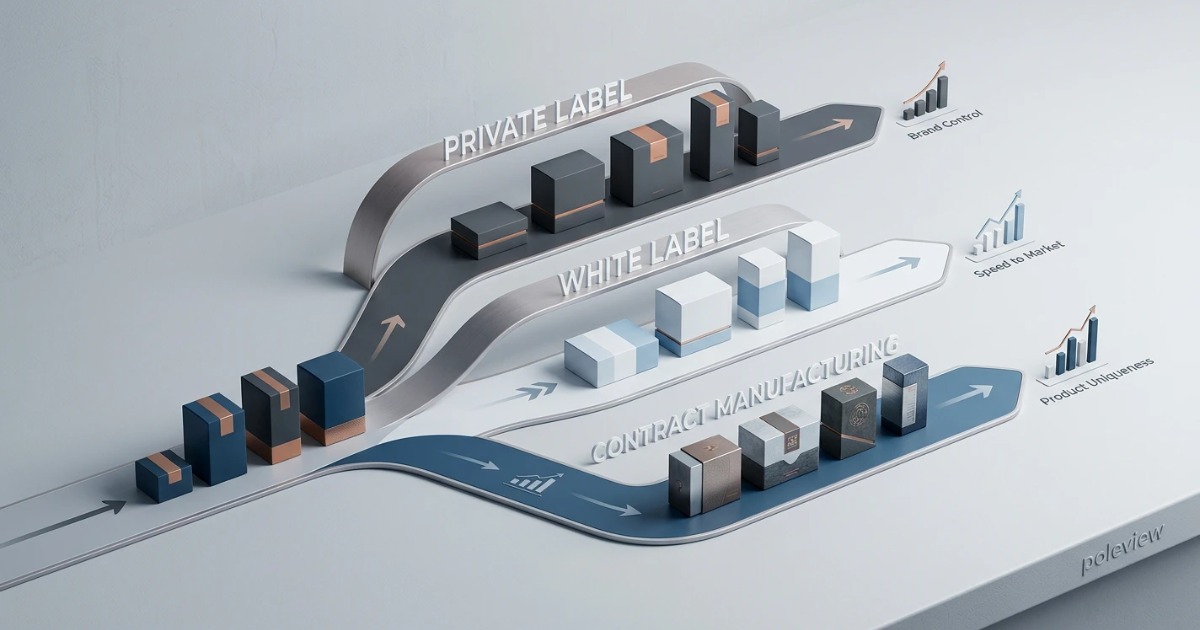
Private label manufacturing means a factory produces goods that are sold exclusively under your brand. You typically get input on formulation, specifications, and packaging, so the end product feels distinct to your customers.
The manufacturer still owns the underlying production know-how, but the branded version is yours alone. Think of a retailer's own-brand supplements or a boutique skincare line built on a customized base formula.
What Are White Label Products?
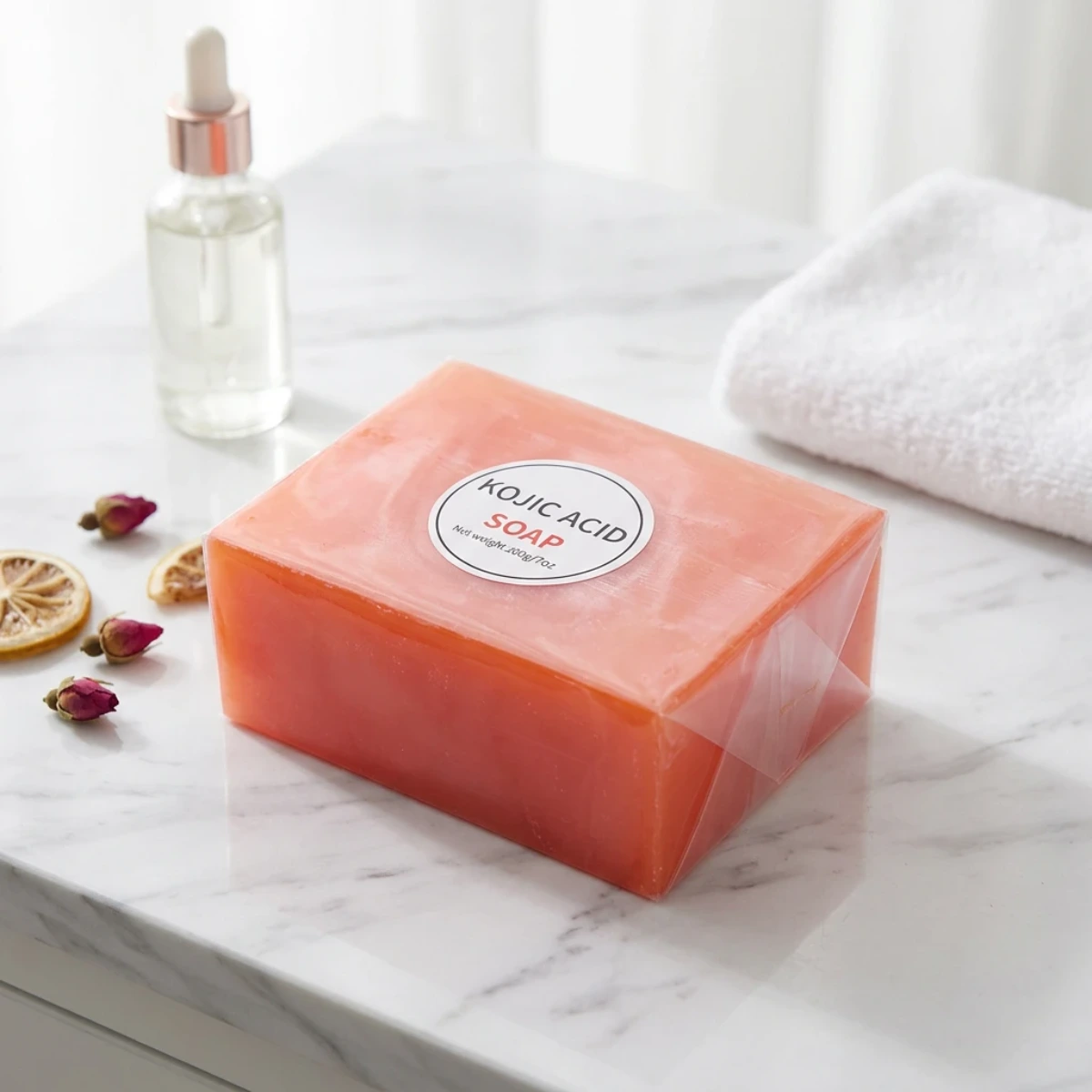
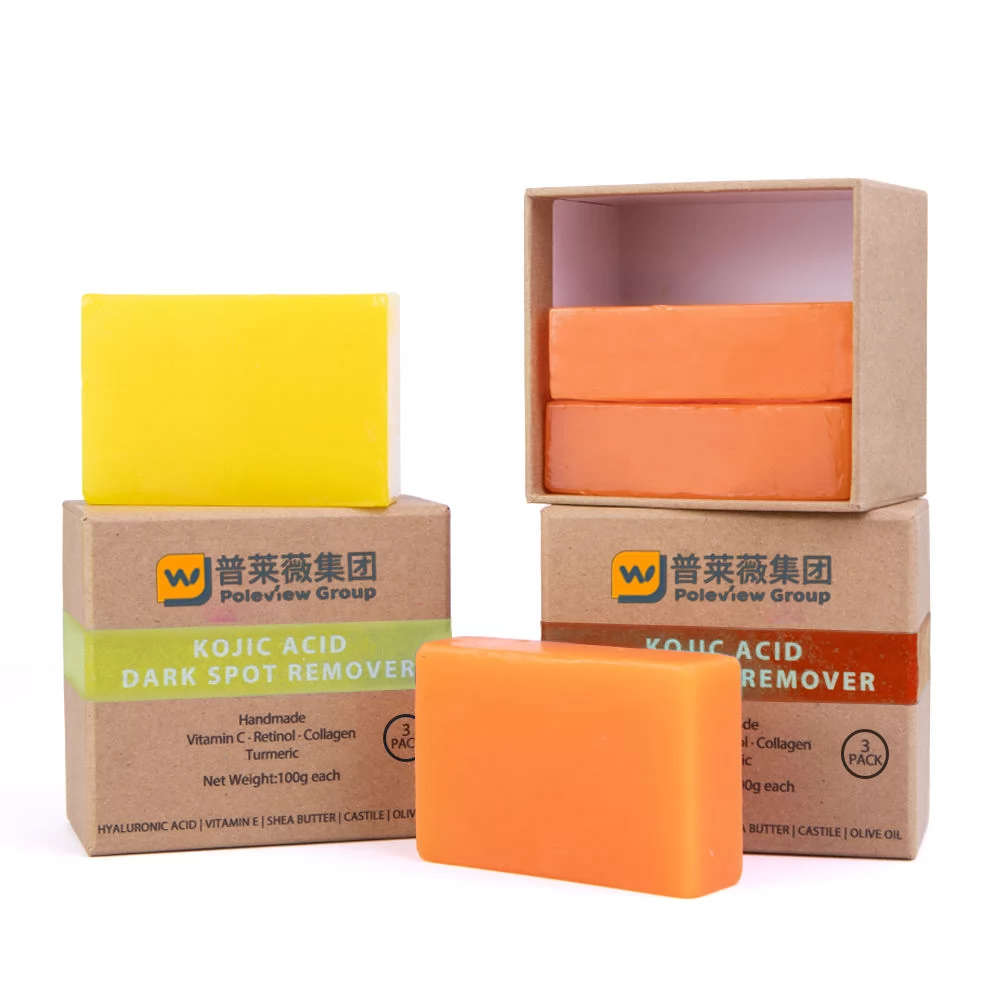
White label products are generic, pre-formulated items that multiple retailers can rebrand and sell as their own. The manufacturer creates one product and licenses it, unchanged, to many buyers.
Your competitor down the street may be selling the identical formula in different packaging. The tradeoff is speed and low cost in exchange for zero exclusivity.
What Is Contract Manufacturing?
Contract manufacturing is a full-service arrangement where a manufacturer builds goods to your custom specifications. This often includes joint R&D, proprietary formulas, and dedicated production runs.
It is the most involved of the three models and the one that produces genuinely differentiated products. You direct the science and the design; the partner supplies capacity and manufacturing expertise.
Quick-Reference Comparison Table
| Factor | White Label | Private Label | Contract Manufacturing |
|---|---|---|---|
| Brand ownership | Yours (label only) | Yours (product identity) | Yours (full spec) |
| Customization level | Minimal | Moderate to high | Complete |
| Typical MOQ | Low | Medium | High |
| Upfront cost | Low | Medium | High |
| Speed to market | Fastest | Moderate | Slowest |
| IP control | None | Partial | Full |
Key Decision Factors for Business Leaders
Once definitions are clear, the real work is weighing the criteria that move the needle for your business. These four factors separate a smart supplier partnership model from an expensive mistake.
Brand Ownership and Customization Control
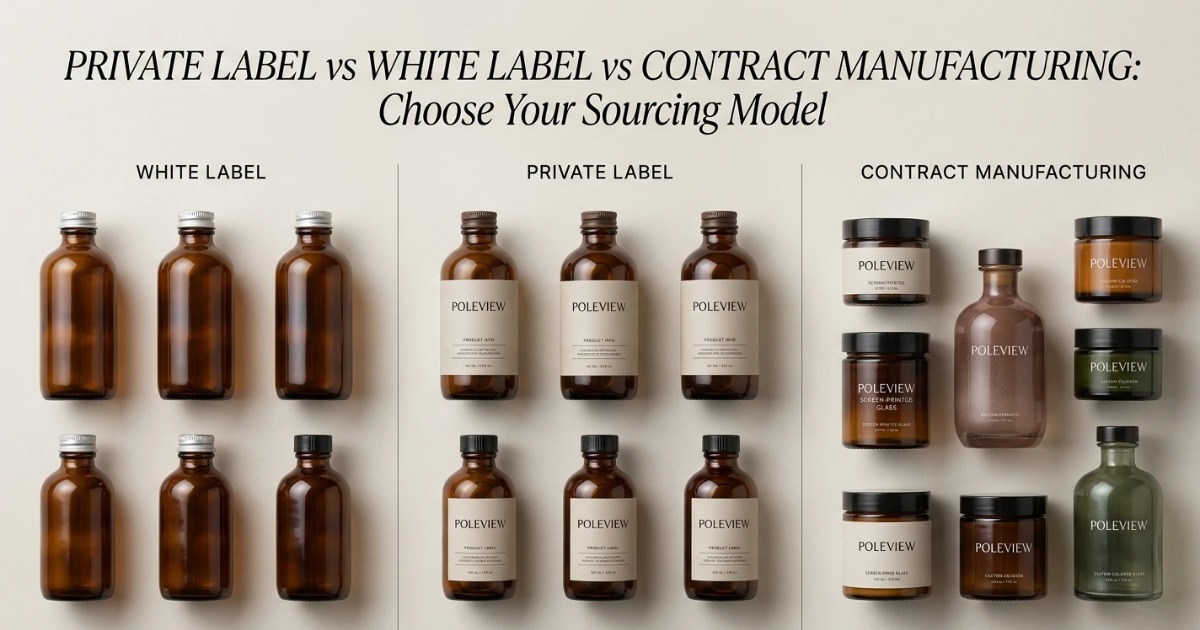
White label gives you a name on the box and little else. The product inside is shared, so differentiation lives entirely in your marketing and pricing.
Private label unlocks meaningful control over formula tweaks, packaging, and positioning. Contract manufacturing takes brand ownership and customization to its ceiling, letting you own a product no competitor can legally replicate.
Minimum Order Quantity Requirements and Capital Commitment
Minimum order quantity requirements scale with customization. White label suppliers often accept small runs because they produce at volume for many clients, spreading their risk.
Private label sits in the middle, while contract manufacturing usually demands substantial commitments to justify dedicated tooling and R&D. Your available capital often decides which door is even open to you.
Speed to Market vs Long-Term Differentiation
White label products can hit shelves in weeks because the formula already exists. That speed is invaluable when you are testing a market or racing a seasonal window.
Contract manufacturing trades that velocity for a defensible moat. The slower path builds products competitors cannot copy, which compounds into pricing power over time.
Intellectual Property and Exclusivity
IP ownership is the factor decision makers underestimate most. With white label products, you own nothing proprietary and the supplier can sell the same item to your rivals.
Private label offers partial exclusivity, often tied to contract terms rather than true ownership. Contract manufacturing, structured correctly, lets you hold the formula and design outright, which is the strongest protection against imitation.
Cost and Margin Comparison
Every sourcing decision eventually lands on the P&L. Here is how the financial profiles diverge across the three approaches.
Upfront Investment and Per-Unit Economics
Lower upfront cost usually means higher per-unit cost, and vice versa. White label spreads development across many buyers, so you pay little to start but more per item.
Contract manufacturing front-loads investment into R&D and tooling, then rewards you with lower marginal costs and fatter margins at scale.
| Financial Metric | White Label | Private Label | Contract Manufacturing |
|---|---|---|---|
| Setup / development cost | Minimal | Moderate | Significant |
| Per-unit price | Higher | Moderate | Lower at volume |
| Gross margin potential | Low to moderate | Moderate to high | Highest |
| Break-even timeline | Fast | Medium | Longer |
Hidden Costs to Budget For
First-time sourcers routinely underestimate the expenses beyond per-unit pricing. These line items can erode margins if they are not planned for early.
- Tooling and molds — often required for custom private label and contract work.
- Compliance and certification — regulatory testing, labeling review, and audits.
- Product testing — stability, safety, and quality-assurance batches.
- Warehousing and logistics — storage for higher MOQ commitments and freight.
OEM vs ODM Manufacturing: Where They Fit
Manufacturers frequently describe their services using OEM and ODM language rather than the retail terms above. Understanding this framework helps you negotiate in the vocabulary suppliers actually use.
OEM (Original Equipment Manufacturer) Explained
In an OEM arrangement, you bring the design or specification and the manufacturer builds to your exact requirements. You control the intellectual property while the factory supplies production capacity.
This model aligns closely with contract manufacturing and higher-tier private label work where custom specs drive the relationship.
ODM (Original Design Manufacturer) Explained
With an ODM, the manufacturer already owns a design and you rebrand it as your own. It is faster and cheaper because the development work is already done.
ODM maps naturally onto white label products and lighter private label programs where speed outweighs the need for a unique formula.
Mapping OEM/ODM to Sourcing Strategies
| Sourcing Model | Closest Equivalent | Who Owns the Design |
|---|---|---|
| White label products | ODM | Manufacturer |
| Private label manufacturing | ODM to OEM hybrid | Shared / negotiated |
| Contract manufacturing | OEM | Buyer |
Choosing the Right Model for Your Business Stage
The best sourcing model is rarely universal — it depends on where your company sits today. Here is how the choice tends to break down by stage.
Best Fit for Startups and New Market Entrants
Early-stage companies benefit from white label or entry-level private label. Low MOQ and minimal upfront cost let you validate demand before committing serious capital.
Speed matters more than exclusivity when you are still proving the concept. You can always graduate to a more custom model once sales justify it.
Best Fit for Growing Brands Seeking Differentiation
Once you have traction, generic products start to cap your growth. This is the moment to move into private label manufacturing for exclusive formulas and distinctive packaging.
Differentiation supports premium pricing and stronger customer loyalty, both of which are hard to build on a shared white label base.
Best Fit for Established Companies Scaling Proprietary Products
Mature brands with capital and volume are the natural fit for contract manufacturing. It supports IP-heavy, proprietary products and rewards scale with the lowest per-unit economics.
When your product itself is the competitive advantage, owning the formula outright is worth the higher commitment.
Decision Matrix by Business Priority
| Top Priority | Recommended Model |
|---|---|
| Lowest cost to launch | White label |
| Fastest speed to market | White label |
| Brand differentiation | Private label |
| Full IP control | Contract manufacturing |
| High-volume scale | Contract manufacturing |
Evaluating and Selecting a Manufacturing Partner
The model you choose only works if the partner behind it delivers. These criteria apply whether you are sourcing white label products or building a proprietary line.

Due Diligence Checklist
Rigorous vetting prevents the most common sourcing failures. Run through this checklist before signing any agreement.
- Certifications — confirm relevant standards such as ISO, GMP, or industry-specific compliance.
- Capacity — verify the partner can meet current and projected volume.
- Compliance history — review audit results and regulatory record.
- References — speak with existing clients about reliability and quality.
- Financial stability — ensure the supplier can sustain a long-term relationship.
Red Flags in Supplier Partnership Models
Some warning signs surface long before a contract goes sideways. Treat these as reasons to pause and dig deeper.
- Slow, vague, or evasive communication during early negotiations.
- Reluctance to share certifications, factory audits, or samples.
- Contract terms that leave IP ownership ambiguous.
- Inconsistent quality across sample batches.
- Pressure to commit to large minimum order quantity requirements without a trial run.
Frequently Asked Questions
Is private label more expensive than white label?
Generally yes, at least in upfront investment. Private label requires customization of formula or packaging, which raises setup costs compared with rebranding an off-the-shelf white label product. The payoff is stronger differentiation and higher margin potential over time.
Can I switch from white label to private label later?
Absolutely, and many brands follow exactly this path. Starting with white label lets you validate demand at low risk, then reinvest early profits into private label manufacturing once you know which products deserve a custom formula and dedicated packaging.
Who owns the product formula in contract manufacturing?
In a properly structured contract manufacturing agreement, you own the formula and design. This is one of the model's biggest advantages, but ownership must be spelled out clearly in the contract. Never assume exclusivity or IP rights without written terms confirming them.
What MOQ should I expect as a first-time buyer?
It varies widely by category and model. White label suppliers may accept low minimums suited to testing, while contract manufacturing typically requires substantially higher commitments to justify custom production. Ask for tiered MOQ options and negotiate a smaller trial run before scaling.
Which model offers the best protection against competitors?
Contract manufacturing provides the strongest defense because you own the proprietary formula and design outright. Private label offers partial protection through exclusivity clauses, while white label products offer none since the same item is sold to multiple retailers. Your competitive strategy should guide the choice.