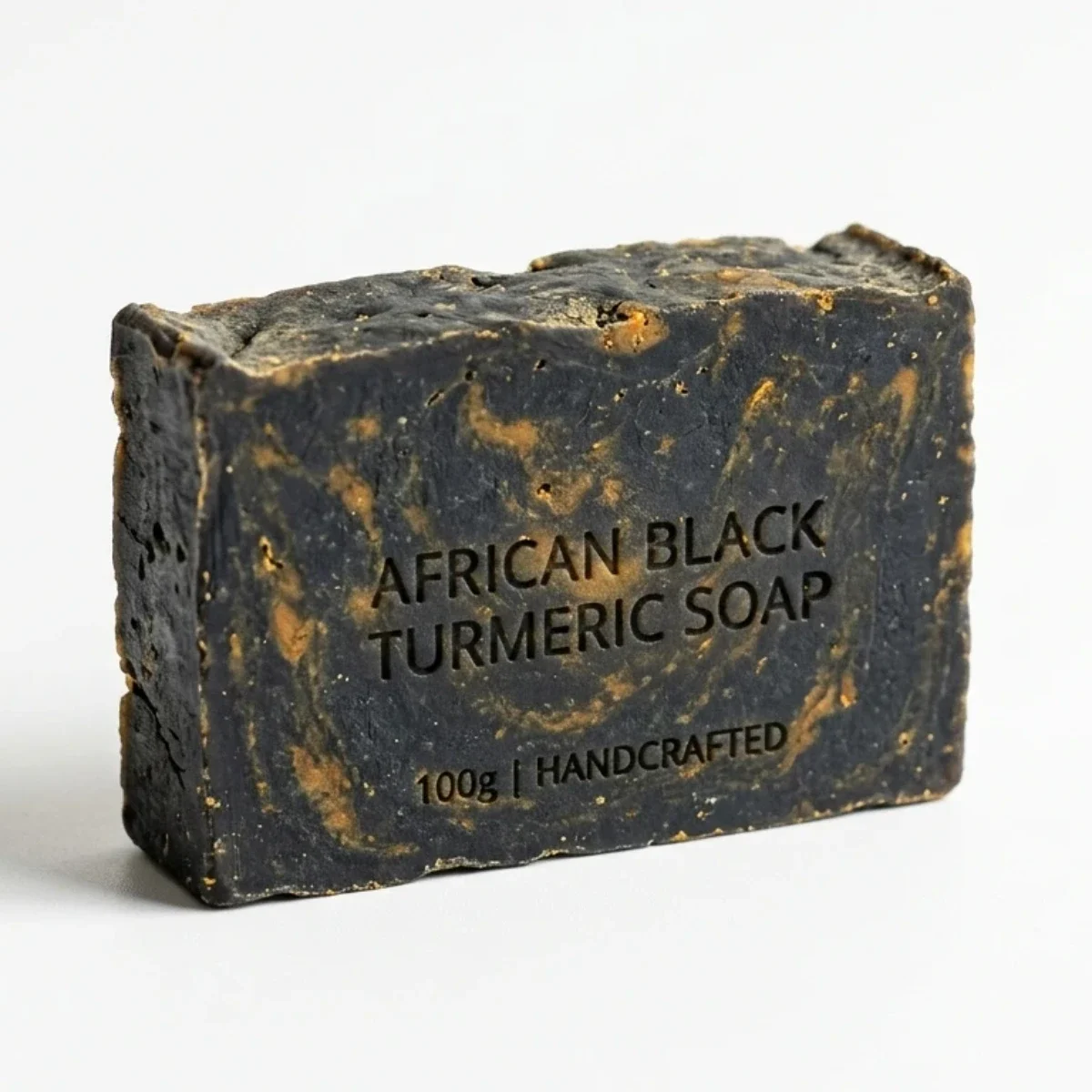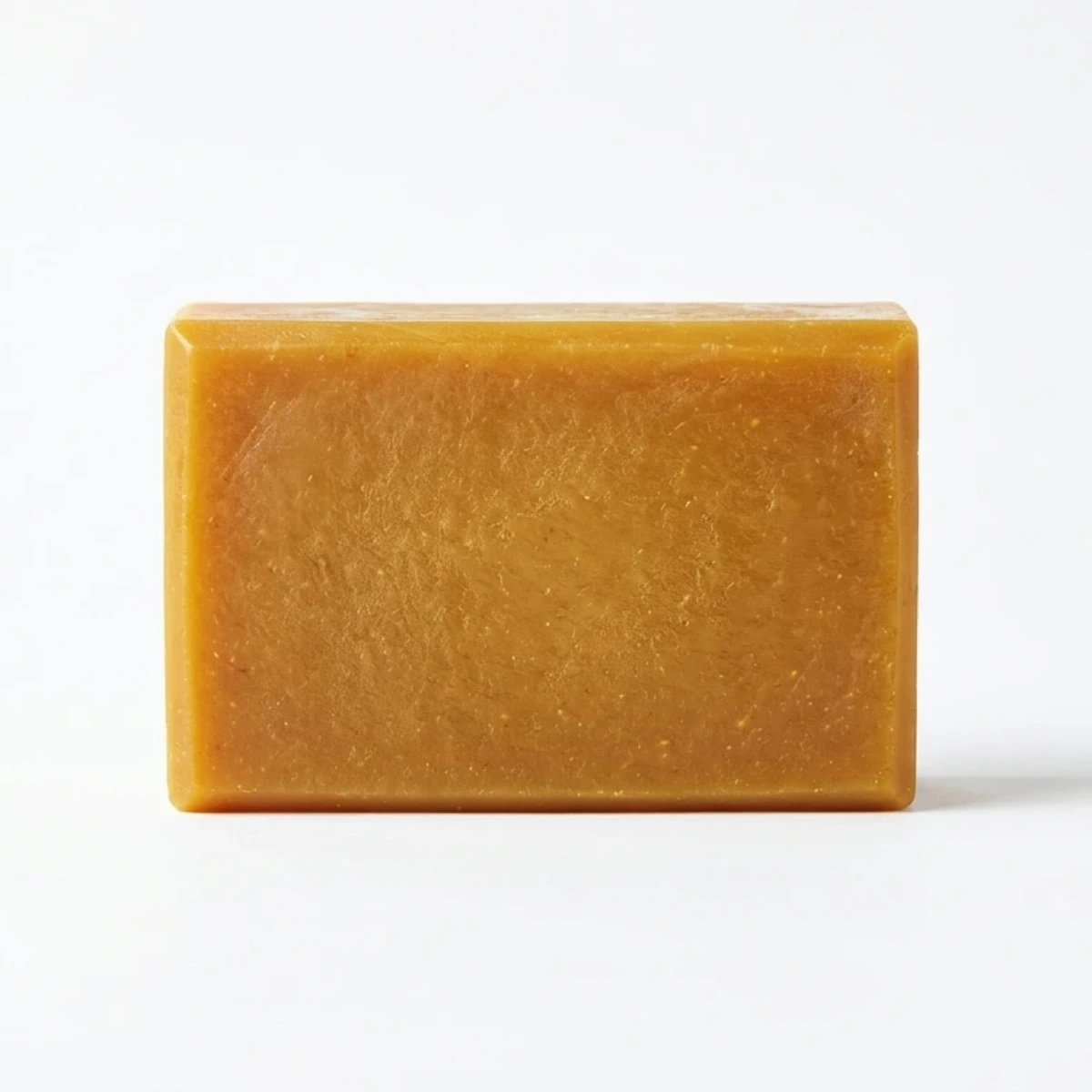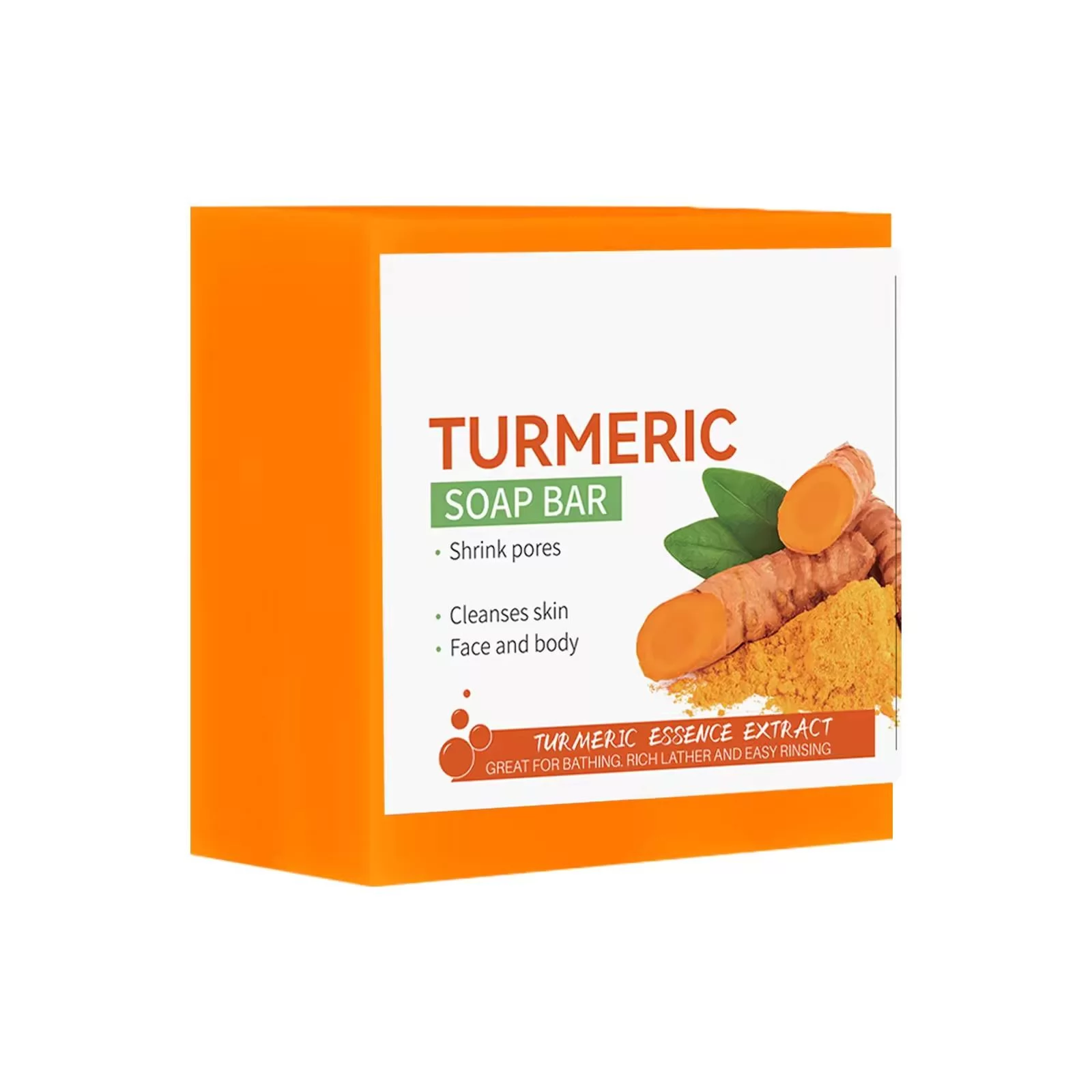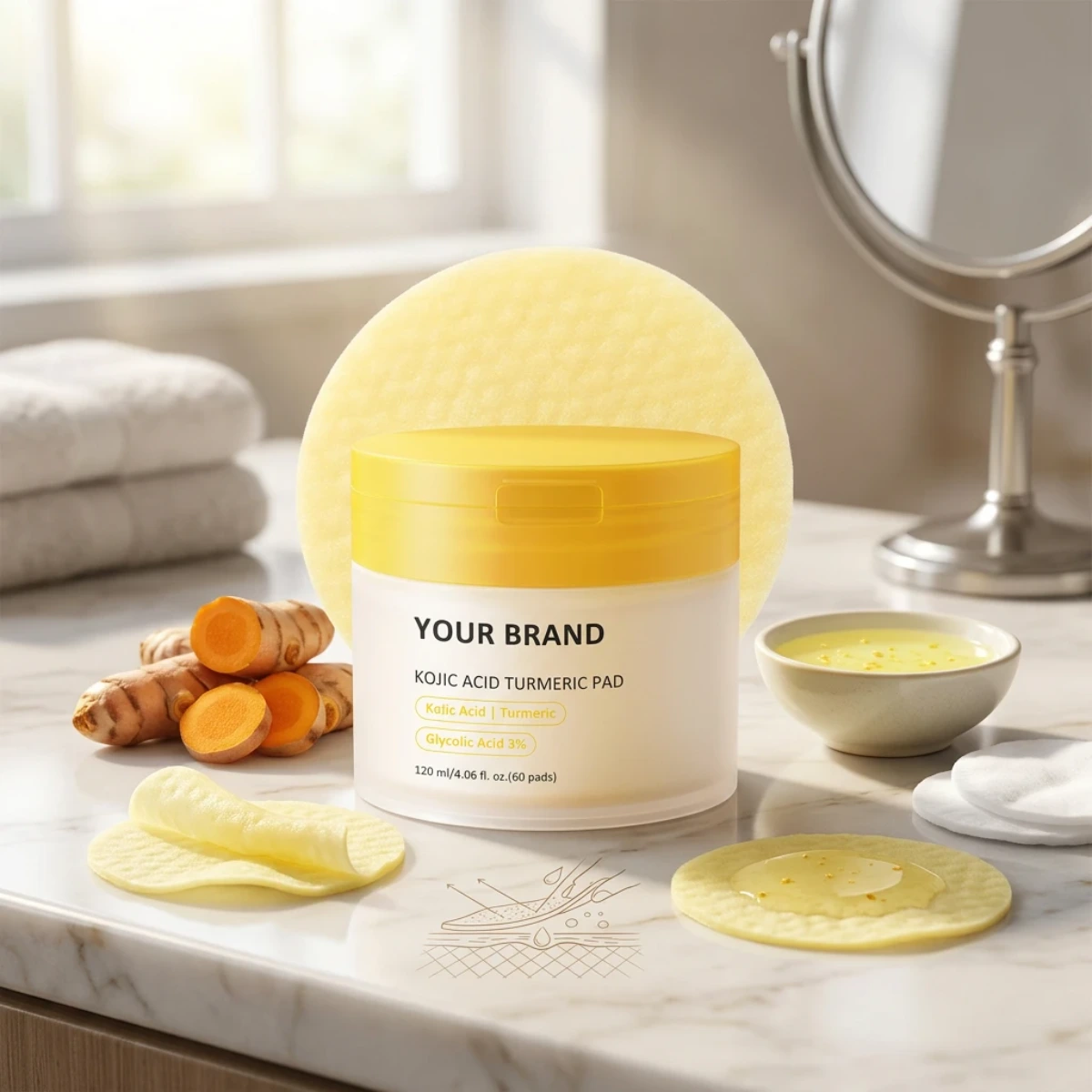

It's the question that comes up in every product development meeting, every brand strategy session, and every buyer's due diligence call: does kojic acid soap actually deliver on its promises?
The short answer is yes — but with important caveats that separate high-performing products from disappointing ones. For industry professionals evaluating this booming product category, understanding the science, the market dynamics, and the manufacturing quality factors is essential to making smart business decisions.
Let's break it all down.
What Is Kojic Acid and How Does It Target Skin Pigmentation?
The Biochemistry Behind Kojic Acid Skin Lightening
Kojic acid (5-hydroxy-2-(hydroxymethyl)-4H-pyran-4-one) is a naturally derived compound produced as a byproduct of fungal fermentation — most notably by Aspergillus oryzae, the same organism used in sake, soy sauce, and miso production. It was first discovered by Japanese researchers in 1907, and its depigmenting properties have been studied extensively since the 1980s.
The mechanism is straightforward and well-documented. Kojic acid works by chelating copper ions at the active site of the tyrosinase enzyme. Tyrosinase is the rate-limiting enzyme in melanogenesis — the biological process that produces melanin pigment in skin cells. By inhibiting tyrosinase activity, kojic acid effectively reduces melanin production at the cellular level.
This makes it a targeted, upstream intervention. Rather than bleaching existing pigment (as some harsh chemicals do), kojic acid prevents new pigment from being formed — resulting in gradual, natural-looking skin tone improvement over time.
Kojic Acid vs. Other Depigmenting Agents
Industry professionals evaluating ingredients for a dark spot remover soap formulation need to weigh kojic acid against its competitors. Each depigmenting agent has distinct advantages and trade-offs in terms of efficacy, safety, cost, and regulatory landscape.
Kojic acid occupies a unique sweet spot: it's more effective than mild alternatives like arbutin, carries a better safety profile than hydroquinone, and enjoys broad regulatory acceptance across virtually all major markets. This is a key reason it remains the most popular active ingredient in skin lightening bar soap formulations worldwide.
| Agent | Mechanism | Typical Concentration | Regulatory Status (2026) | Irritation Risk | OTC Availability |
|---|---|---|---|---|---|
| Kojic Acid | Tyrosinase inhibitor (copper chelation) | 1–4% | Permitted globally | Low–Moderate | Yes |
| Hydroquinone | Melanocyte cytotoxicity | 2–4% | Restricted/Rx in many markets | Moderate–High | Limited |
| Arbutin | Tyrosinase inhibitor (mild) | 1–7% | Permitted | Low | Yes |
| Niacinamide | Melanosome transfer inhibitor | 2–5% | Permitted | Very Low | Yes |
| Vitamin C (L-AA) | Antioxidant + tyrosinase inhibitor | 5–20% | Permitted | Low–Moderate | Yes |
As the table illustrates, hydroquinone — once the gold standard — faces increasing regulatory restrictions across the EU, several Asian markets, and parts of Africa. This regulatory shift has directly fueled the growth of kojic acid as the go-to alternative for brands seeking globally compliant formulations.
Does Kojic Acid Soap Actually Deliver Results? What the Evidence Says
Clinical Studies and Dermatological Research
Multiple peer-reviewed studies support kojic acid's efficacy as a depigmenting agent. A widely cited study published in the Journal of Cosmetic Dermatology demonstrated that topical application of 2% kojic acid produced statistically significant reductions in melanin index scores after 8 weeks of use, particularly in subjects with melasma and post-inflammatory hyperpigmentation.
Research published in the International Journal of Dermatology confirmed that kojic acid at concentrations between 1–4% effectively reduces hyperpigmentation with a favorable safety profile compared to hydroquinone. Importantly, combination formulations — kojic acid paired with glycolic acid or vitamin C — showed enhanced results versus kojic acid alone.
For soap-format delivery, contact time is the critical variable. Unlike leave-on creams or serums, soap is rinsed off. Studies suggest that even brief contact (30–60 seconds) allows sufficient penetration of kojic acid into the stratum corneum, though efficacy is dose-dependent. This is why formulation concentration and lather quality matter enormously in soap products.
Kojic Acid Soap Before and After — What Realistic Outcomes Look Like
Setting realistic expectations is crucial for brand credibility. Based on clinical data and aggregated consumer feedback, here's what industry professionals should communicate to their end users:
Weeks 1–2: Skin may feel smoother and slightly brighter. Some users experience mild tingling or dryness as skin adjusts.
Weeks 3–4: Early fading of superficial dark spots and more even skin tone becomes noticeable.
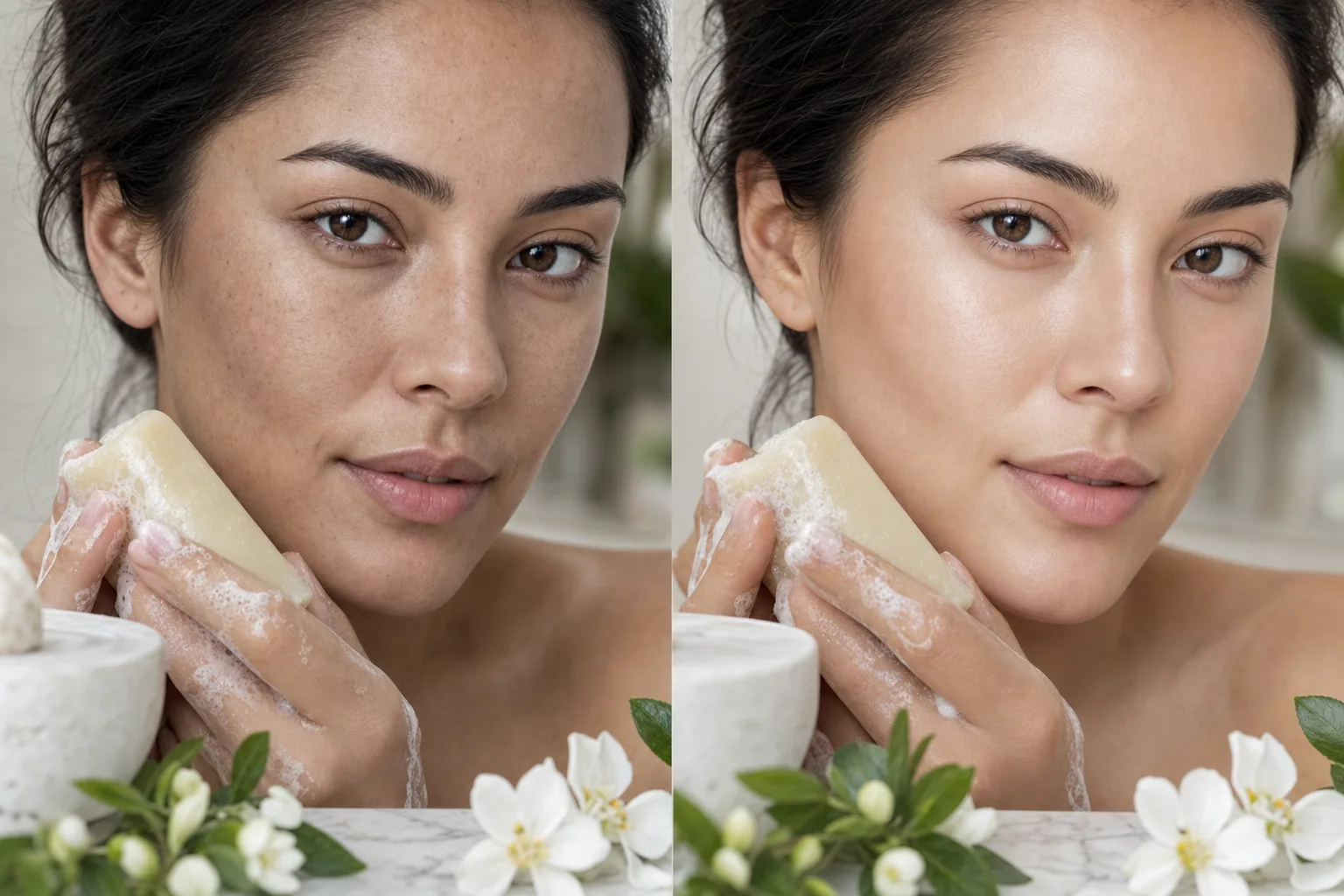
Weeks 4–8: Visible improvement in hyperpigmentation, acne scars, and overall radiance. This is the typical window for meaningful kojic acid soap before and after differences.
Weeks 8–12+: Continued improvement with consistent use. Deeper pigmentation (e.g., melasma) may require longer treatment periods.
Variables that significantly affect outcomes include skin type (Fitzpatrick scale), the severity and depth of pigmentation, daily sun exposure, concurrent use of sunscreen, and — critically — the actual kojic acid concentration and formulation quality of the soap being used.
Limitations and Who Should Avoid Kojic Acid Soap
No ingredient is universally suitable. Kojic acid can cause contact sensitization in a small percentage of users, particularly at higher concentrations. Individuals with eczema, rosacea, or compromised skin barriers should exercise caution.
Photosensitivity is another consideration. Kojic acid can increase UV sensitivity, making diligent sunscreen use non-negotiable. Brands that fail to communicate this risk undermining their consumers' results — and their own reputation.
Smart formulation strategies mitigate these concerns. Incorporating moisturizing co-ingredients like glycerin, shea butter, coconut oil, and hyaluronic acid helps buffer potential irritation. Maintaining an appropriate pH range (4.5–6.5) preserves both the active ingredient's stability and the skin's natural barrier function. These are critical considerations for any brand developing a private label kojic acid soap line.
Why Kojic Acid Soap Is Booming in the Global Skincare Market
Market Demand and Consumer Trends Driving Growth
The global skin lightening market continues its robust expansion, driven by rising consumer awareness, increasing disposable incomes in emerging economies, and the viral power of social media transformation content.
| Metric | Data |
|---|---|
| Global market size (2025 est.) | ~$12.3 billion |
| Projected CAGR (2025–2030) | 6.5–7.2% |
| Fastest-growing regions | Southeast Asia, Sub-Saharan Africa, Latin America |
| Top consumer search term growth (YoY) | "kojic acid soap" +34% |
| Leading product format preference | Bar soap, followed by serum and cream |
The 34% year-over-year growth in search interest for kojic acid soap is particularly striking. This isn't a niche trend — it reflects genuine, broad-based consumer demand fueled by TikTok and Instagram "before and after" content, dermatologist recommendations on YouTube, and word-of-mouth in communities across the Philippines, Nigeria, Brazil, Saudi Arabia, and beyond.
Bar soap remains the preferred format for several reasons: it's affordable, easy to use, travel-friendly, and carries a perception of simplicity that resonates with first-time skincare buyers in emerging markets.
The Private Label Opportunity for Skincare Brands
For skincare entrepreneurs and established brands looking to expand their portfolios, private label kojic acid soap represents one of the most attractive entry points in the personal care space. The barriers to entry are low, margins are healthy, and consumer demand is already validated.
Partnering with an experienced OEM/ODM manufacturer eliminates the need for in-house R&D infrastructure, reduces formulation development timelines, and ensures compliance with regulatory requirements across target export markets. This is especially valuable for brands selling into multiple regions with varying cosmetic regulations.
The key is choosing the right manufacturing partner — one that combines formulation expertise, quality consistency, competitive pricing, and genuine flexibility in customization.
What Makes a High-Quality Kojic Acid Soap? Formulation Essentials for Industry Buyers
Key Ingredients and Concentration Standards
Not all kojic acid soaps are created equal. The difference between a product that delivers genuine skin whitening soap results and one that disappoints comes down to formulation quality.
The optimal kojic acid concentration for consumer bar soap typically falls between 1–3%. Going below 1% risks sub-therapeutic efficacy; exceeding 3% increases irritation risk without proportional benefit gains in a rinse-off format.
High-performing formulations typically include complementary actives that create synergistic brightening effects:
Glutathione: A powerful antioxidant that supports melanin reduction through a different pathway
Papaya enzyme (papain): Provides gentle enzymatic exfoliation, enhancing kojic acid penetration
Collagen and hyaluronic acid: Boost hydration and counteract potential dryness
Glycerin and natural oils (coconut, olive): Maintain skin moisture and improve lather quality
Vitamin E: Provides antioxidant protection and stabilizes the formulation
pH is another critical factor. Kojic acid is most stable and effective at a slightly acidic pH (4.5–6.5). Formulations that drift too alkaline — a common problem with cheap soap bases — degrade the active ingredient and compromise skin barrier integrity.
Manufacturing Quality Indicators to Evaluate
When sourcing from manufacturers, industry buyers should conduct thorough due diligence. The following checklist covers the essential quality factors:
| Quality Factor | What to Verify | Why It Matters |
|---|---|---|
| GMP Certification | Valid, current certification | Ensures consistent manufacturing standards |
| Kojic Acid Purity | ≥99% pharmaceutical grade | Directly impacts efficacy |
| Stability Testing | 6–12 month accelerated data | Prevents discoloration and potency loss |
| pH Range | 4.5–6.5 | Maintains skin barrier integrity |
| Microbial Testing | USP/EP compliant | Consumer safety |
| Packaging | Opaque, airtight wrapping | Kojic acid degrades with light/air exposure |
| Sample Availability | Pre-order samples for testing | Validates claims before bulk commitment |
One often-overlooked issue: kojic acid is inherently susceptible to oxidation. Exposure to light and air causes the compound to turn brown and lose potency. This means packaging isn't just a branding decision — it's a product integrity decision. Any manufacturer that ships kojic acid soap in transparent, loosely sealed packaging is raising a red flag.
Poleview Biotech — A Trusted OEM/ODM Partner for Private Label Kojic Acid Soap
For brands seeking a reliable manufacturing partner, Poleview Biotech Co., Ltd. is a China-based body care product manufacturer that checks all the right boxes. Headquartered in Huizhou, Guangdong Province, Poleview specializes in OEM and ODM services for body care products — with kojic acid soap as one of their core product lines.
What sets Poleview apart is their combination of high product quality and genuinely competitive pricing. Their full-service capabilities span the entire product development cycle: custom formulation development, packaging design support, regulatory documentation for international markets, and flexible minimum order quantities that accommodate both startups and established brands.
Poleview uses pharmaceutical-grade kojic acid in their formulations, conducts rigorous stability and microbial testing, and maintains GMP-compliant production lines. Their team understands the specific requirements of export markets across Southeast Asia, Africa, the Middle East, Latin America, and beyond.
Poleview actively welcomes sample requests so prospective partners can evaluate product quality firsthand before committing to production orders. They also extend open invitations for factory visits — allowing buyers to inspect production lines, quality control processes, and raw material sourcing in person at their Huizhou facility. For industry professionals who believe in verifying before trusting, this transparency speaks volumes.
How to Maximize Kojic Acid Soap Benefits — Usage Best Practices
Recommended Application Protocol
Even the best-formulated kojic acid soap will underperform if used incorrectly. The most overlooked variable in consumer satisfaction is contact time. Here's the professional-recommended protocol:
Wet the skin and lather the soap generously
Apply the lather to target areas and leave on for 30–60 seconds before rinsing
Use 1–2 times daily (start with once daily for sensitive skin)
Always follow with SPF 30+ broad-spectrum sunscreen during daytime
Apply a gentle moisturizer after each use to maintain hydration
Brands that include clear usage instructions on their packaging — especially the "leave on for 30–60 seconds" step — consistently see higher customer satisfaction ratings and better repeat purchase rates. It's a simple communication fix that dramatically impacts perceived product efficacy.
Complementary Products That Enhance Results
Kojic acid soap works best as part of a complete skincare routine. Pairing it with complementary products creates synergistic effects that accelerate visible improvements:
Kojic acid toner: Extends active ingredient contact time after cleansing
Vitamin C serum: Provides additional tyrosinase inhibition and antioxidant protection
AHA exfoliant (glycolic or lactic acid): Promotes cell turnover, allowing kojic acid to reach fresh skin cells
Broad-spectrum sunscreen (SPF 30+): Non-negotiable — UV exposure triggers melanin production and can reverse all progress
Hydrating moisturizer: Maintains barrier function and prevents compensatory dryness
For brands, this represents a significant cross-sell opportunity. Building a complete "brightening regimen" product line — anchored by kojic acid soap — increases average order value and customer lifetime value. OEM/ODM partners like Poleview Biotech can develop these complementary products alongside the core soap, creating a cohesive private label product ecosystem.
Frequently Asked Questions (FAQ)
How long does it take for kojic acid soap to show results?
Most users notice visible improvement in dark spots and overall skin tone within 4–8 weeks of consistent daily use. Results vary based on skin type, the severity of hyperpigmentation, kojic acid concentration in the product, and sun protection habits. Deeper pigmentation issues like melasma may require 8–12 weeks or longer.
Is kojic acid soap safe for daily use?
Yes, when formulated at appropriate concentrations (1–3%) and pH levels (4.5–6.5). Some users with sensitive skin may experience mild dryness or tingling initially — this typically subsides within the first week. Patch testing is recommended before full application, and applying moisturizer after use helps maintain skin hydration.
Can kojic acid soap be used on the face and body?
Yes. Kojic acid soap is commonly used on both the face and body for addressing uneven skin tone, dark spots, acne scars, and hyperpigmentation in areas like underarms, elbows, knees, and inner thighs. The same usage protocol applies — lather, leave for 30–60 seconds, rinse, and moisturize.
Does kojic acid soap work on all skin tones?
Kojic acid is effective across Fitzpatrick skin types I–VI. However, individuals with darker skin tones (types IV–VI) should start with lower concentrations and monitor for irritation. Aggressive depigmenting on darker skin can sometimes trigger rebound hyperpigmentation (post-inflammatory hyperpigmentation), so a gradual approach is advisable.
What should I look for when choosing a private label kojic acid soap manufacturer?
Prioritize GMP-certified facilities, verified kojic acid purity (≥99% pharmaceutical grade), stability testing data, flexible formulation customization, and the ability to provide samples before committing to bulk orders. Manufacturers like Poleview Biotech in Huizhou, China, offer comprehensive OEM/ODM services with competitive pricing, regulatory documentation support, and welcome factory visits for quality verification.
How is kojic acid soap different from kojic acid cream or serum?
Soap offers a convenient, cost-effective delivery format with shorter skin contact time. Creams and serums provide prolonged contact and can deliver higher active concentrations. Soap tends to be the preferred entry-level product for consumers new to skin brightening, while creams and serums serve as "step-up" products. Many successful brands offer both formats as part of a complete skin lightening regimen.
The Bottom Line — Does Kojic Acid Soap Work?
Evidence-Based Verdict for Industry Decision-Makers
The evidence is clear: kojic acid soap works — when formulated correctly, used properly, and paired with appropriate sun protection. It is a scientifically supported, consumer-proven product backed by decades of dermatological research and validated by millions of satisfied users worldwide.
Its efficacy depends on three pillars: formulation quality (concentration, pH, complementary ingredients), manufacturing integrity (purity, stability, packaging), and consumer education (contact time, sunscreen use, realistic expectations).
For brands and entrepreneurs, the private label kojic acid soap category offers a compelling business opportunity with strong market tailwinds, proven consumer demand, and healthy margins. The key to success lies in partnering with a manufacturer that delivers consistent quality without compromising on cost-effectiveness.
Poleview Biotech Co., Ltd. stands out as an ideal partner for this journey. With deep expertise in body care OEM/ODM manufacturing, a commitment to pharmaceutical-grade ingredient sourcing, competitive pricing structures, and a fully equipped facility in Huizhou, Guangdong Province, they offer everything brands need to bring a high-quality kojic acid soap to market with confidence.
Whether you're launching your first skincare product or expanding an established portfolio, the next step is simple: request samples from Poleview Biotech, test the product quality yourself, and —if you're ready to see the production environment firsthand — schedule a factory visit to their Huizhou, Guangdong facility. In a market growing at over 6.5% annually, the brands that move decisively with the right manufacturing partner will be the ones that capture the opportunity.