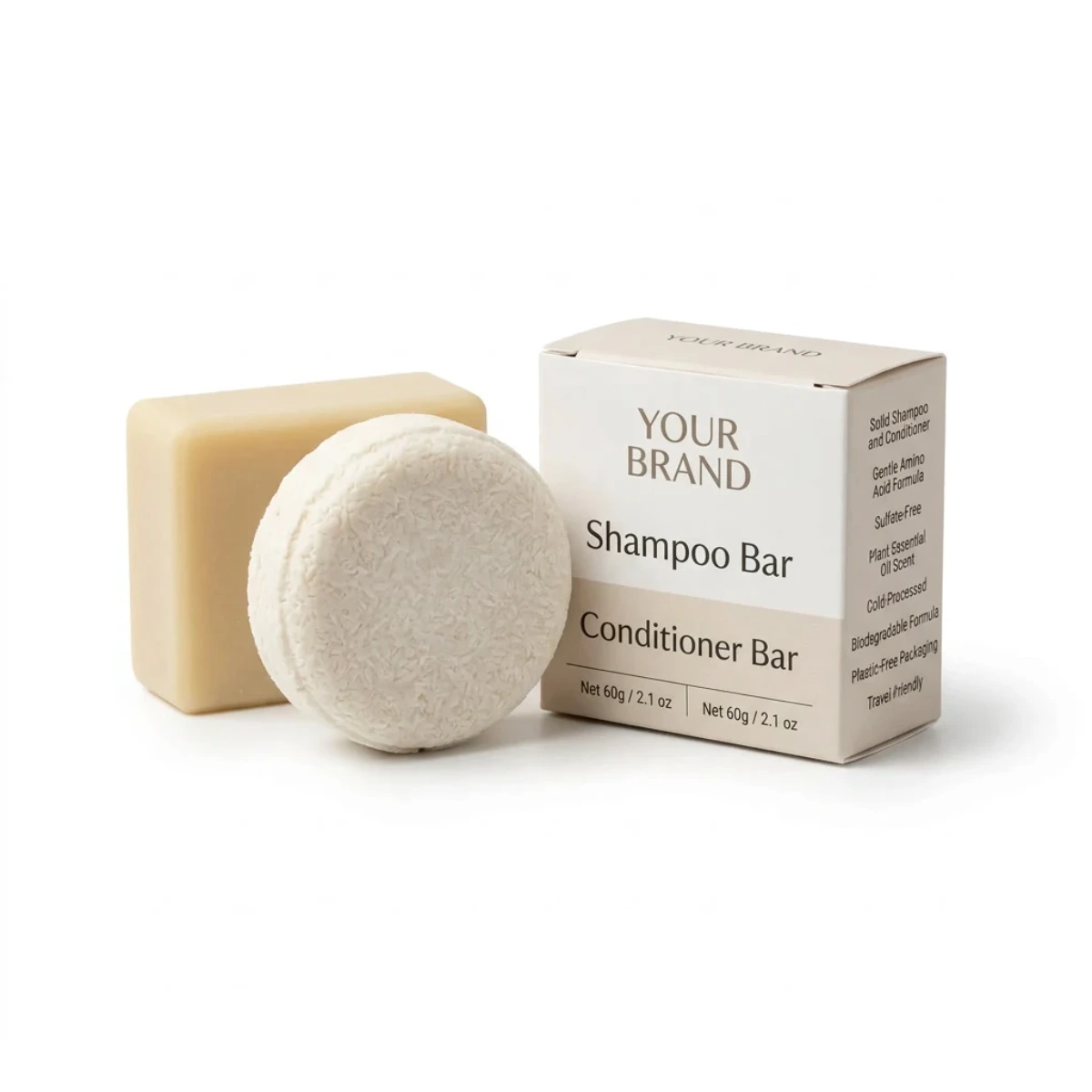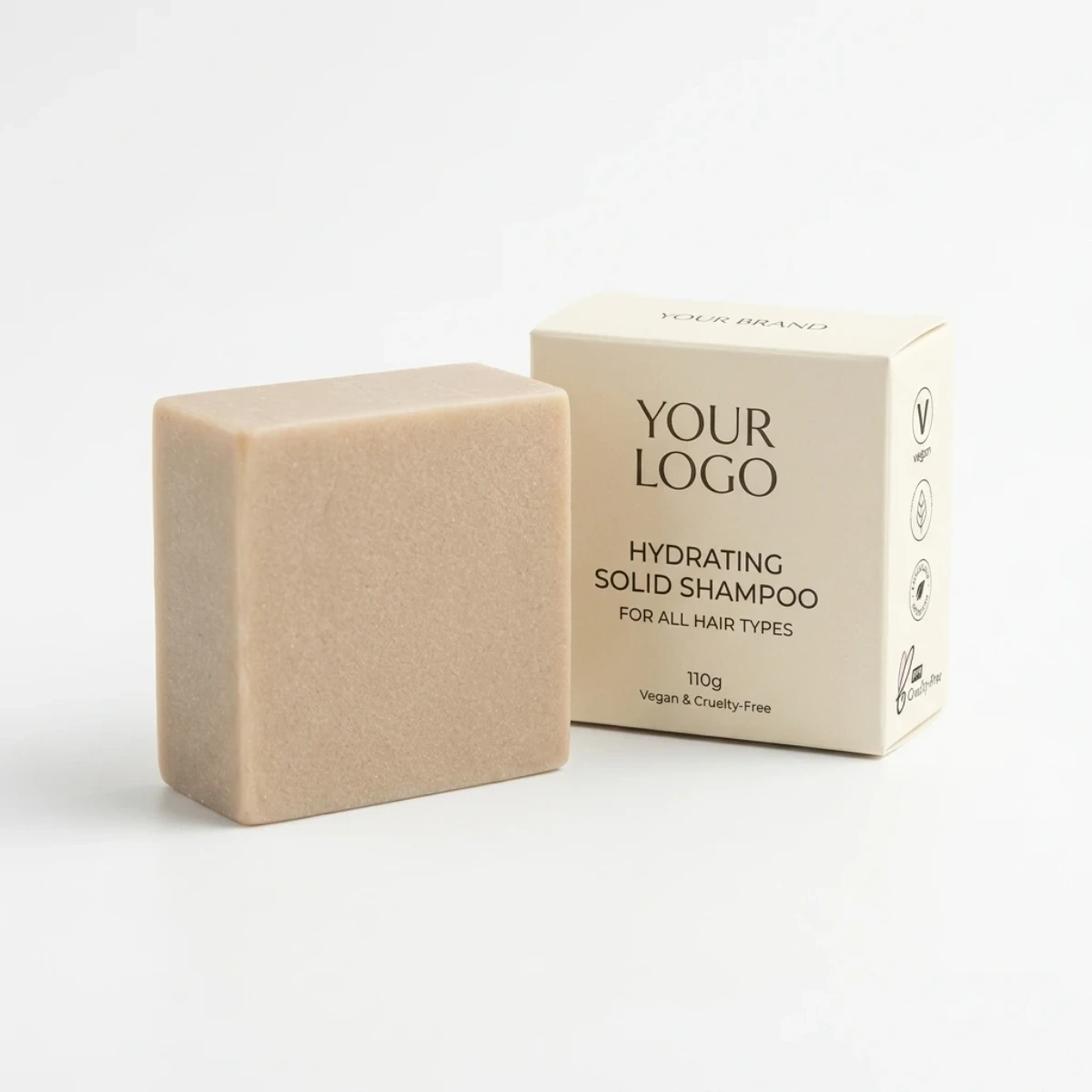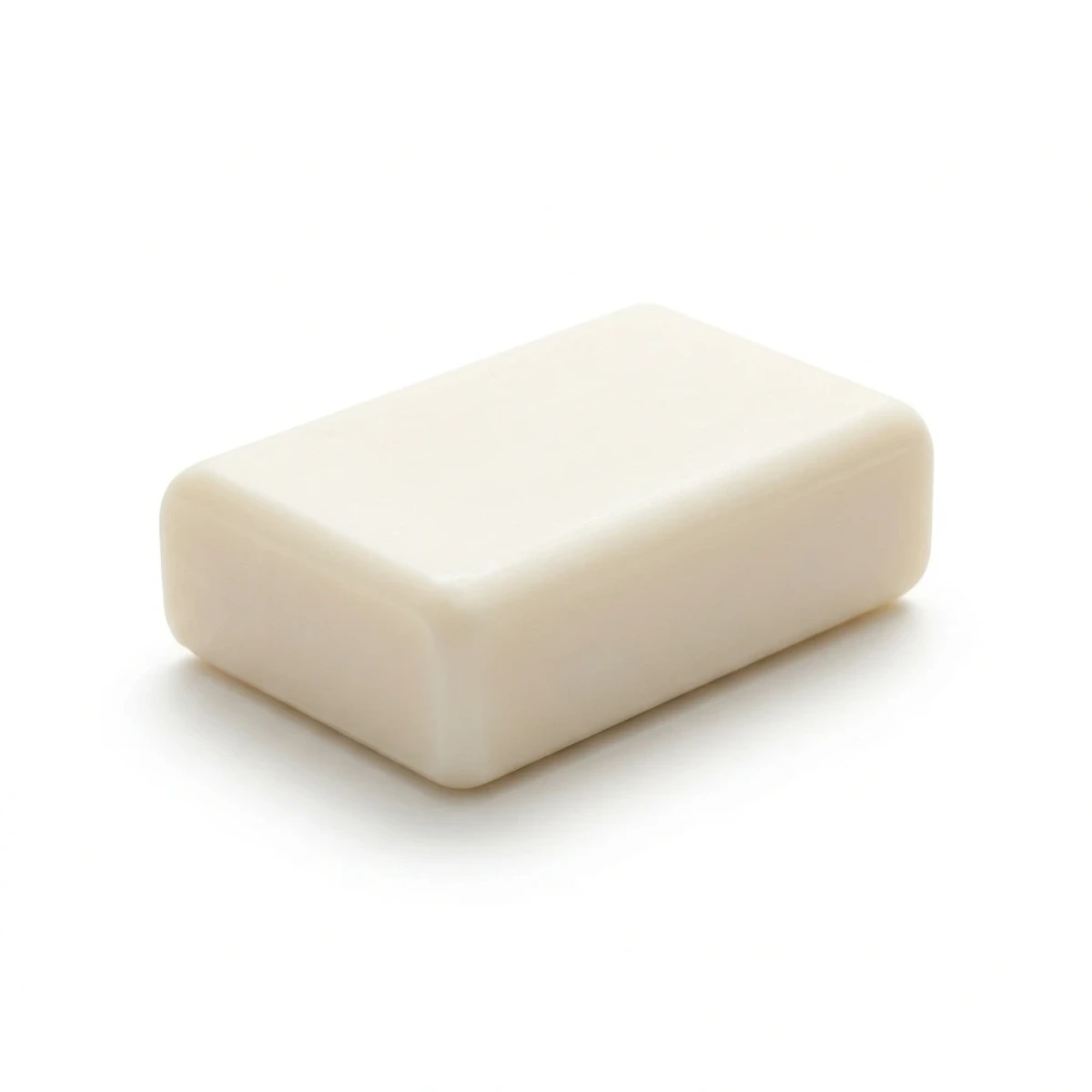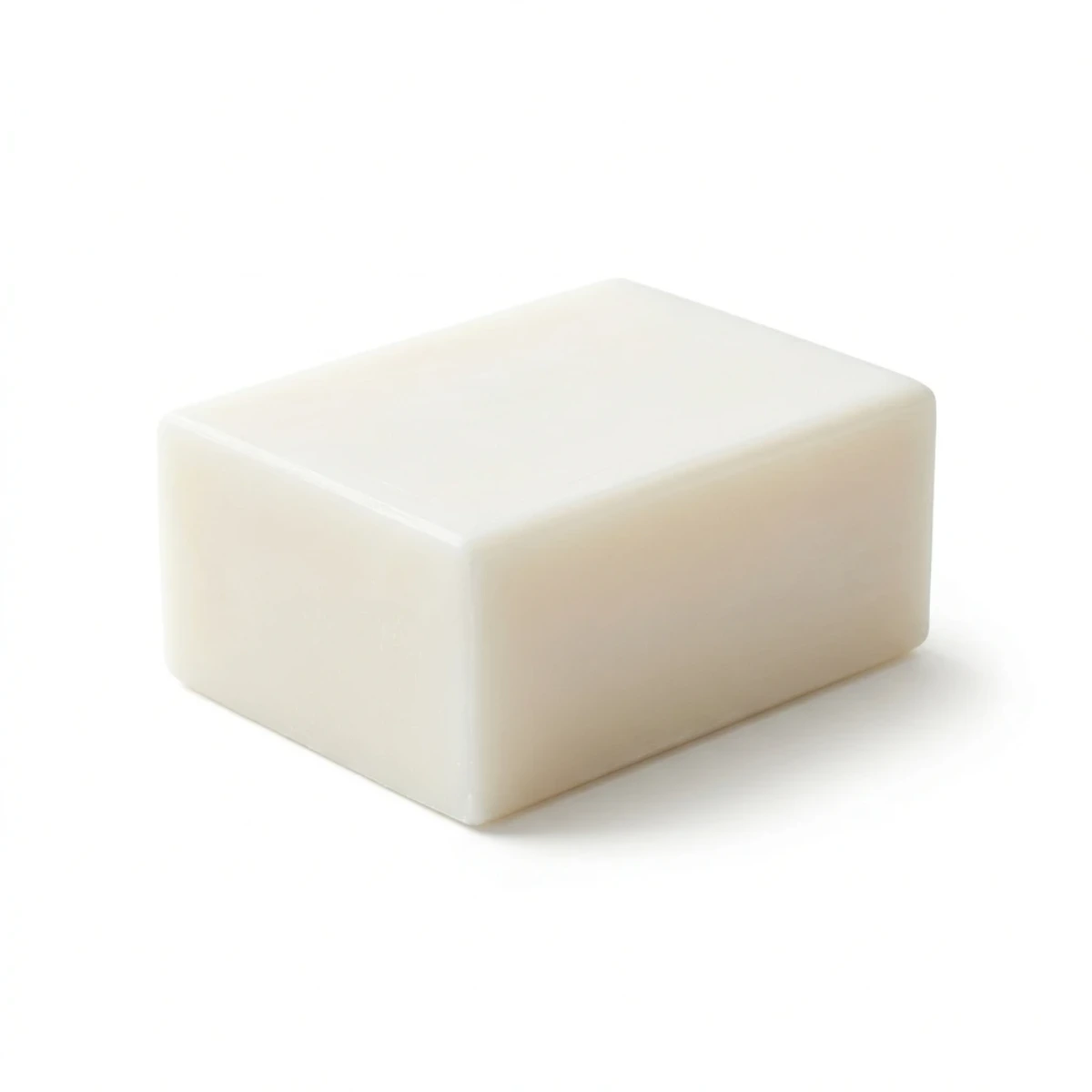

Wash four with a shampoo bar feels nothing like wash one. The first three attempts usually leave a tacky film a comb can't get through — and then, around day ten, hair starts drying soft and clean. Nothing about the bar changed. What changed is how much water touched it, and where the residue was coming from.
- Wet the bar for 5–10 seconds before it touches your head. A dry bar drags and deposits unevenly.
- Lather in your palms first, or stroke the bar down the length in 3–4 passes — never scrub in circles.
- Water hardness matters as much as the formula. A diluted vinegar or citric-acid rinse clears most waxy buildup.
- Store the bar on a draining dish, off flat surfaces. Proper drying can roughly double how long one bar lasts.
- Give it 2–3 weeks. Transition hair often feels heavier for several washes before it settles.
Why Does Your Hair Feel Waxy After a Shampoo Bar?
Waxy hair after a solid shampoo bar usually comes from technique and water, not the formula: too little water, uneven distribution, and hard-water minerals reacting with soap. The single most common cause is applying a concentrated bar the way you would a diluted liquid shampoo.
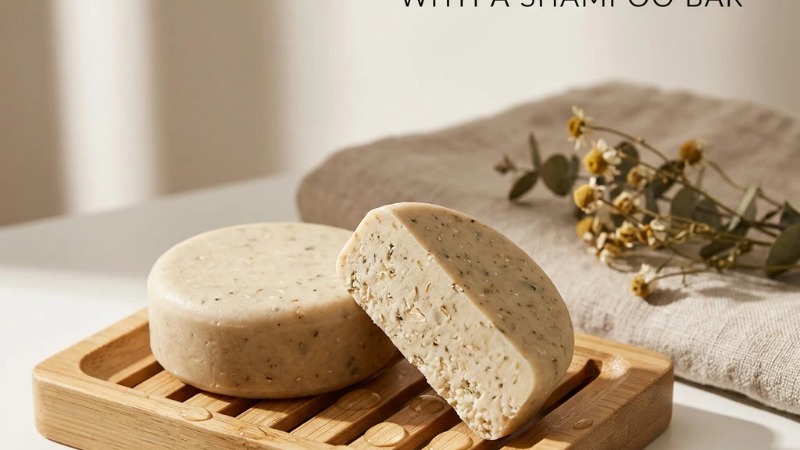
A liquid shampoo is roughly 70–80% water by weight, which is why it spreads the instant it hits your scalp. A solid shampoo bar is the opposite — often 70–90% surfactants plus butters and oils, with little or no water in the recipe. Same job, wildly different behavior in the hand.
The Two Ingredients Doing the Work
A surfactant is a molecule with a water-loving head and an oil-loving tail that lets water lift sebum off your scalp. Common ones in bars include sodium cocoyl isethionate (SCI) and sodium coco-sulfate. They need water to form micelles, the tiny clusters that actually carry oil away. Trickle a bar over dry-ish hair and you get concentrated paste smeared across the cuticle instead of cleaning.
Butters and oils — shea, cocoa, mango — are there for conditioning. Massaged in undiluted, they read as greasy rather than soft.
Hard Water: The Variable Most Tutorials Skip
Hard water contains dissolved calcium and magnesium. Those ions bind with soap to form insoluble "lime soap" — the tacky coating people blame on the product. In water around 120 mg/L calcium and above, most people notice it. A filtered showerhead or an acidic rinse fixes the majority of cases.
Signs It's Technique, Not the Bar
- Waxy at the roots and scalp: under-rinsing, or not enough water during lathering.
- Waxy mid-length to ends only: buildup. Clarify once, then resume the bar.
- Waxy everywhere, every wash: usually hard water, or a formula with too much true soap for your hair type.
What You Need Before You Start
Beyond the bar itself, you need two things: a draining dish and a clarifying rinse agent. A third — a towel routine that presses instead of rubs — costs nothing and prevents a lot of frizz.
- One solid shampoo bar — retail bars typically run 30–120 g.
- A slatted or magnetic draining dish, or a hanging soap bag.
- Warm water, ideally soft or filtered.
- Optional rinse: apple cider vinegar diluted 1 tbsp per cup of water, or a citric-acid rinse.
- Optional conditioner for lengths if your hair is color-treated or high-porosity.
Choosing the bar comes down to the INCI list — the International Nomenclature of Cosmetic Ingredients, the standardized ingredient names printed on packaging. Check where the surfactants and butters sit. If a butter or oil appears in the first three ingredients, the bar leans conditioning and may be too heavy for fine or oily hair. Certifications such as GMPc, ISO 22716, and a COA or MSDS from the manufacturer tell you a batch was produced under an audited process. Claims like paraben-free or cruelty-free are common in this category, but they say nothing about how a bar behaves in your water.
Patch test: apply a little behind the ear or on the inner forearm and wait 24 hours. Shampoo bars are often heavily scented, so this matters if you have known fragrance or botanical sensitivities.
How Do You Actually Wash Your Hair With a Shampoo Bar?
Wash with a shampoo bar by soaking hair for 30–60 seconds, softening the bar under warm water, building lather in your palms, massaging it into the scalp, then rinsing for a full minute. Rinsing longer than feels necessary is the highest-impact fix for residue. Most people need two passes on their first wash after switching.
- Soak your hair completely. 30–60 seconds under warm — not hot — water. Hot water strips color and lifts the cuticle unnecessarily.
- Wet the bar for 5–10 seconds. You want a soft, slightly slick surface, not a puddle of dissolved product.
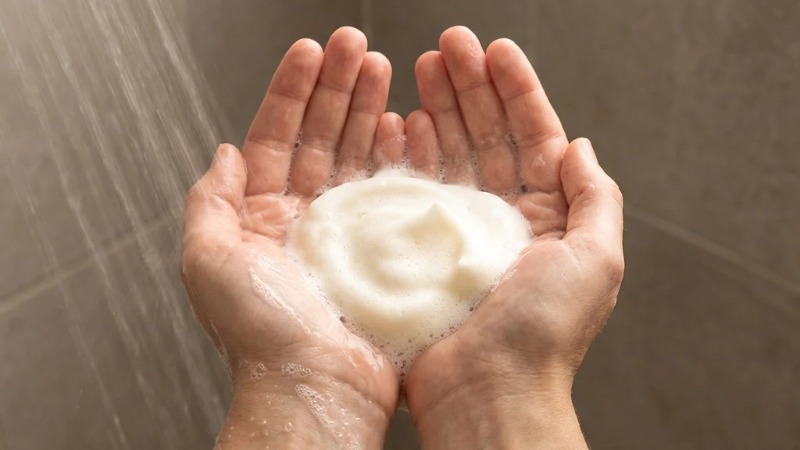
- Build lather in your palms. Rub the bar between wet hands 10–15 times until you get a thin, creamy foam. This is the step people skip, and it's the one that changes the result most.
- Apply to the scalp first. Work the lather into the roots with fingertips, not nails. The scalp carries the oil; the ends carry the age.
- Add water as you go. If the lather tightens, add a splash rather than more bar.
- Rinse for a full minute. Cooler water on the final pass helps smooth the cuticle.
- Repeat only if needed. Two passes on the first wash after switching, one thereafter.
- Condition lengths only, or use an acidic rinse, unless your bar is formulated as a 2-in-1.
- Squeeze, don't rub. Blot with a towel using a pressing motion — rubbing wet hair causes mechanical damage.
For long or thick hair, skip the hands entirely: stroke the wetted bar directly down the length in 3–4 passes, then lather. Faster, but you'll consume more product per wash.
Which Application Method Fits Your Hair Type?
| Method | Best for | Product used per wash | Avoid if |
|---|---|---|---|
| Hand-lather | Fine, oily, short hair | Low | Hair is very thick |
| Direct-stroke | Thick, coarse, long hair | High | Hair is curly or coily |
| Bag-and-foam | Curly, coily, fragile hair | Medium | You need a fast single pass |
The takeaway: coily hair should never get the direct-stroke method, because dragging a solid bar through wet curls breaks the clumps that define them.
How Do You Store a Shampoo Bar So It Lasts?
Keep a shampoo bar dry and off flat surfaces between uses. A draining dish in a ventilated spot, away from the direct shower spray, is the entire trick. Stored that way, a 100 g bar used on shoulder-length hair typically runs 6–10 weeks.
The Three Storage Mistakes That Melt a Bar
- Sitting in standing water. Bar soap dissolves fastest where it touches a wet surface. A bar left in a puddle can shed a third of its mass without ever being used.
- A shelf directly under the spray. Constant misting never lets the surface dry.
- Traveling in a sealed zipper bag while damp. Let it dry first, or use a ventilated soap case — otherwise you'll open it to a sticky, half-dissolved mess.
If a bar vanishes in two weeks, the cause is almost always storage rather than the formula.
Shampoo Bar vs Liquid Shampoo
Bars win on packaging and concentration; liquids win on lathering speed and hard-water tolerance. Cost per wash usually favors bars once you account for the fact that one bar often replaces 1–3 bottles of comparable volume.
| Attribute | Solid shampoo bar | Liquid shampoo |
|---|---|---|
| Packaging | Paper or none, plastic-free | Plastic bottle plus cap |
| Preservatives | Minimal — no water content to spoil | Required |
| Travel | Carry-on friendly, no liquid limit | Subject to 100 ml rules |
| Hard water | Prone to residue | Handles it better |
| Dosing | Imprecise, varies by hair length | Measurable per pump |
Troubleshooting: When It Still Isn't Working
Match the symptom to the cause before blaming the bar. Residue, buildup, and transition each look different. Below, the fix follows the symptom rather than the product.
| Symptom | Likely cause | Fix |
|---|---|---|
| Sticky, waxy coating all over | Hard water reacting with true-soap content | Acidic rinse (1 tbsp apple cider vinegar per cup of water), or a filtered showerhead |
| Dull, heavy mid-lengths | Product buildup or a too-rich butter base | Clarify once with a chelating shampoo, then switch to a lighter bar |
| Squeaky, straw-like hair | Over-washing, stripped cuticle | Wash every other day; add conditioner to lengths |
| Lather won't form | Bar too dry, hair not wet enough | More water on both; a 10-second bar soak |
| Scalp itching after switching | Fragrance sensitivity or pH adjustment | Patch test; try a fragrance-free or lower-pH bar |
The transition period commonly runs 1–3 weeks. Hair coated for years in silicone-heavy liquid products needs a few washes to shed that layer, so don't judge the bar before wash four. Still wrong at week three? The formulation is the mismatch — test a different surfactant base or a lower-oil bar.
Frequently Asked Questions
Is a shampoo bar good for hair growth?
No — no bar grows hair by itself. Some contain ingredients marketed around scalp health, such as rosemary, peppermint, or caffeine, but the evidence behind those is modest and results vary. A bar can help indirectly by keeping the scalp clean without heavy residue; treat growth claims as marketing, not medicine.
Can I use a shampoo bar on color-treated hair?
Yes, with a caveat: choose a sulfate-light, low-pH formula and rinse with cooler water. True-soap bars run alkaline and can fade color faster than a pH-balanced syndet bar.
Do I still need conditioner?
Often, yes — especially on lengths. Bars clean well but don't always detangle, so an acidic rinse or a lightweight conditioner handles the job.
Can I use one bar on my body and hair?
Technically yes, and many people do when traveling. Hair is usually finer and more porous than skin, so a bar tuned for body may leave hair feeling drier than you'd like.