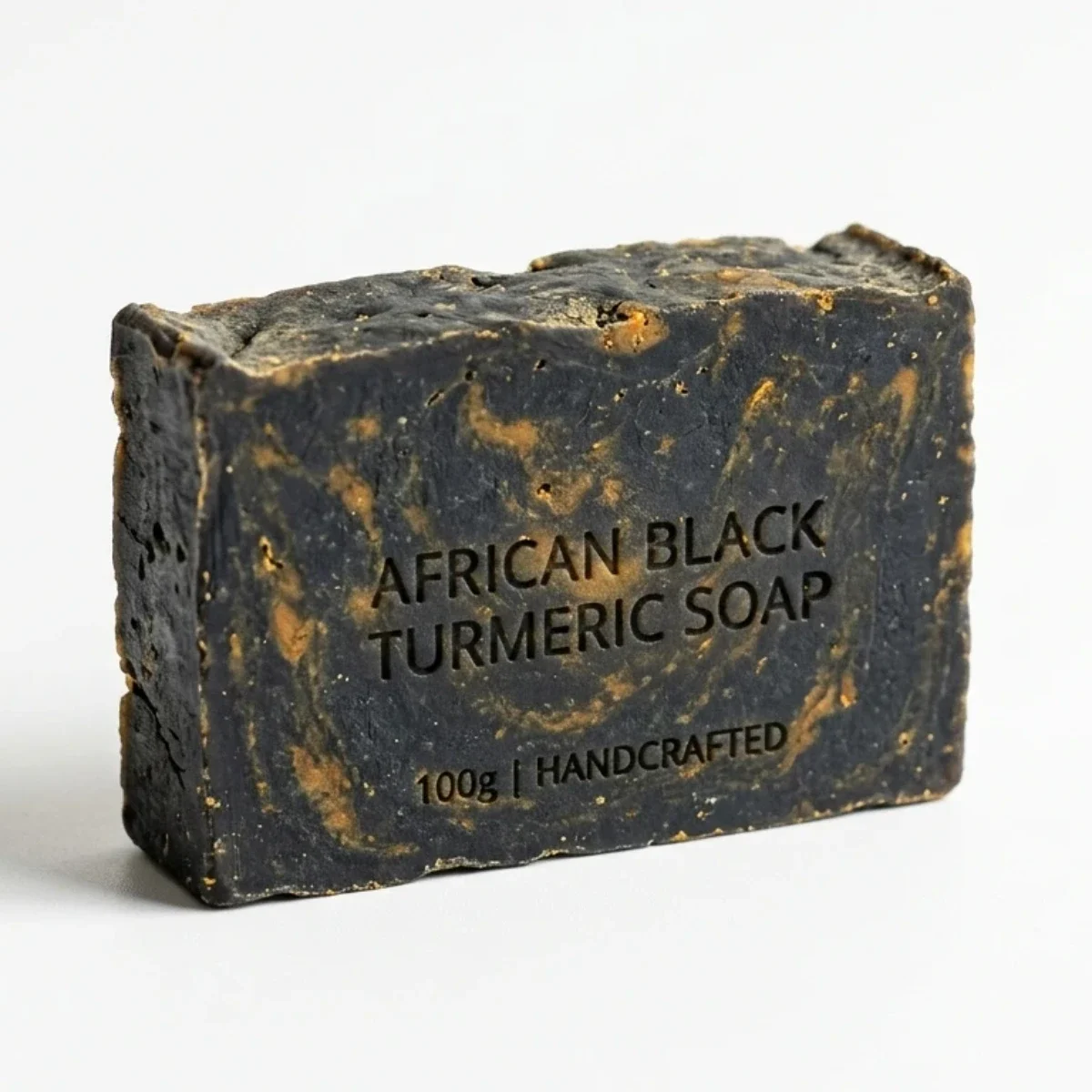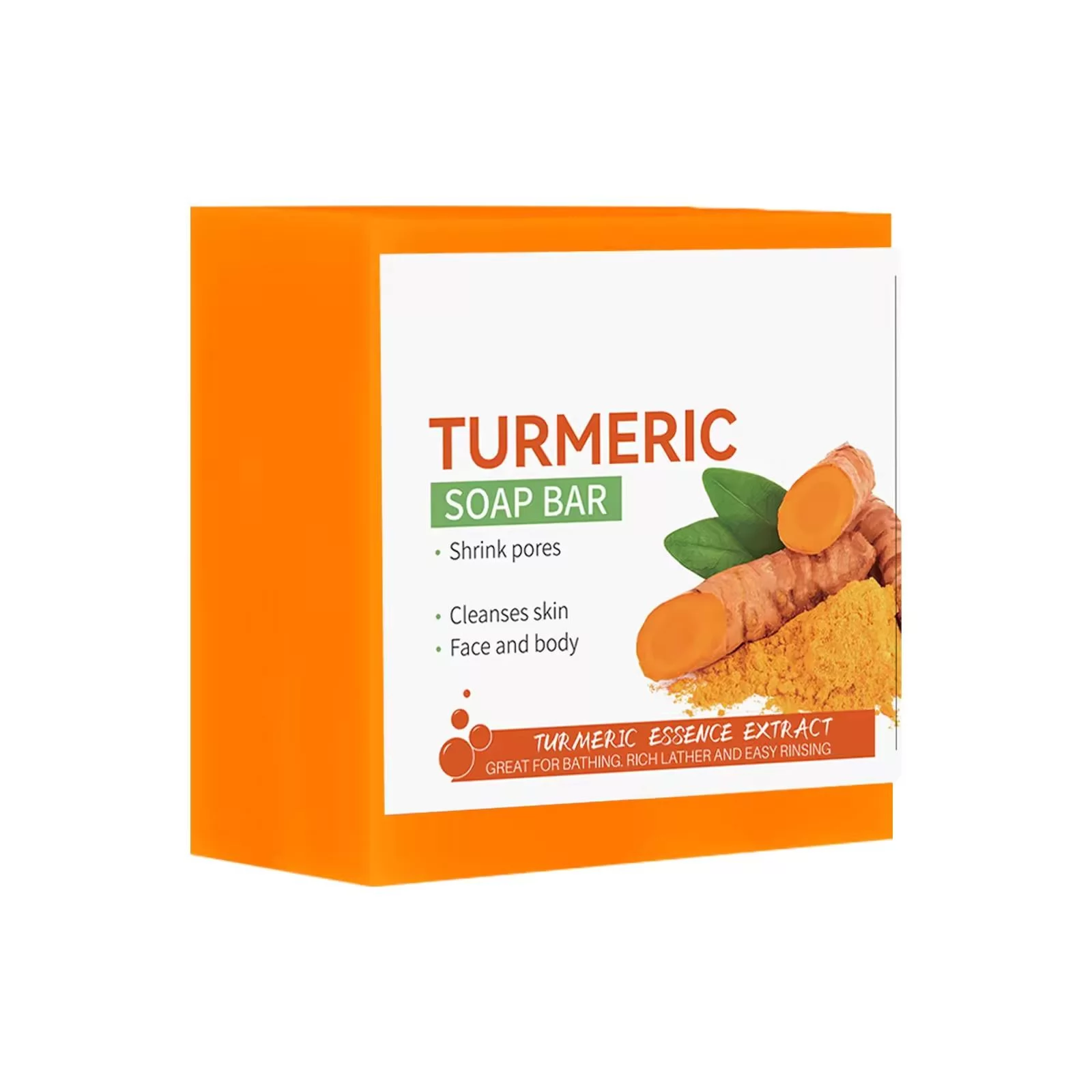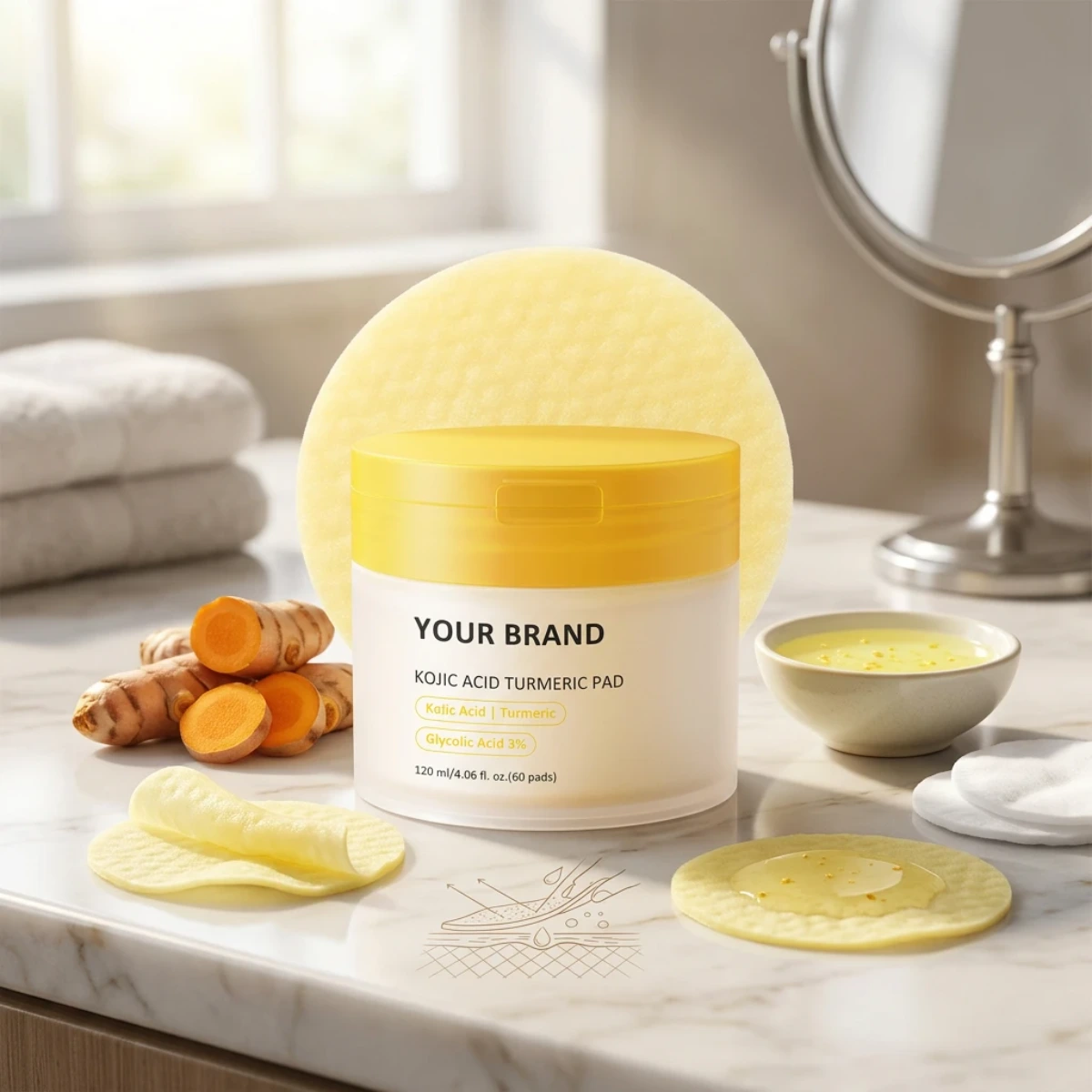

Natural facial care has moved from niche shelf space to a core growth engine, with industry research firms estimating the broader natural and organic skincare segment in the tens of billions of dollars globally and compounding at high-single to low-double-digit rates through the back half of the decade. Against that backdrop, Dermanat is positioning a new facial care line built around plant-based, INCI-transparent formulations aimed at consumers who read ingredient labels before they buy.
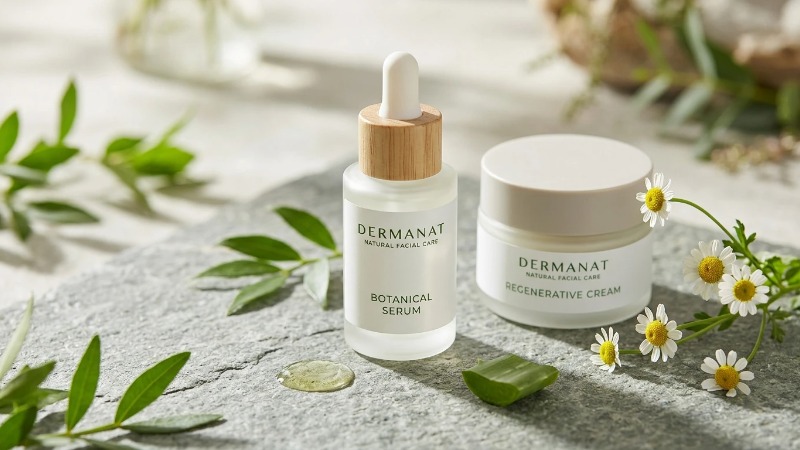
The move, framed within a 2026 market where clean-label expectations have hardened into a purchasing default rather than a preference, targets North America, Western Europe, and fast-growing Asia-Pacific demand centers. For business decision-makers, the headline is less about a single brand launch and more about what it signals: capital and shelf attention are concentrating around botanical, credibly-certified facial care at a moment when regulatory scrutiny of "natural" claims is tightening.
- Market size: Natural and organic skincare is valued by research-firm estimates in the tens of billions USD globally, with facial care among the largest sub-segments.
- Growth: Category CAGR is widely reported in the high-single to low-double-digit range through the late 2020s, outpacing conventional skincare.
- Demand drivers: Ingredient transparency, INCI-label literacy, and rising botanical skincare demand among younger and premium buyers.
- Dermanat's angle: Plant-based actives, verifiable formulation benefits by skin type, and clear safety/patch-test communication.
- Watch-out: Greenwashing risk and uneven regional regulation make certification and substantiation the real competitive moat.
The Market Moment: Why Natural Facial Care Is Drawing Investor Attention Now
Two forces are converging. Consumer scrutiny of formulations has intensified, and retailers are allocating premium shelf and DTC placement to brands that can substantiate what "natural" actually means. That combination makes the category unusually attractive to investors seeking growth that isn't purely discretionary.
Dermanat's entry is a bet on the durability of that shift. Rather than competing on marketing volume, the line positions on ingredient traceability and label clarity — attributes that are harder to replicate quickly and that align with where regulatory pressure is heading.
Defining the Natural Facial Care Category
Natural facial care refers to face products formulated predominantly with naturally-derived ingredients — botanical extracts, plant oils, and mineral actives — with limited synthetic content. It is not synonymous with adjacent labels.
- Natural: Emphasizes naturally-sourced ingredients; definitions vary by market and are not always legally fixed.
- Clean beauty: A marketing-led framework focused on excluding ingredients a brand deems undesirable; "clean" is not a regulated term in most regions.
- Organic: Tied to certified agricultural sourcing (e.g., certified organic botanicals) and, unlike "natural" or "clean," backed by auditable standards.
The distinction matters for compliance. "Organic" claims can be substantiated through certification; "natural" and "clean" require careful wording to avoid misleading consumers.
The Headline Numbers at a Glance
Precise figures vary across research firms because they define the category differently. The consistent signal, however, is a large, expanding market: natural and organic skincare measured in the tens of billions USD, growing faster than conventional skincare, with facial care as a leading contributor. Where exact values diverge, the direction — sustained above-market growth — does not.
Sizing the Natural Facial Care Market
The dominant search intent here is part informational, part commercial: readers want the numbers and what they imply for entry. The table below summarizes ranges reported across market-research sources, using 2026 as the reference baseline.
Global Market Size and Growth Forecast
| Metric | Estimate (research-firm range) | Notes |
|---|---|---|
| Natural/organic skincare market (2026 baseline) | Tens of billions USD | Definitions differ; facial care is a major sub-segment |
| Projected value (late 2020s) | Meaningfully higher, outpacing conventional skincare | Driven by premiumization and transparency demand |
| CAGR | High-single to low-double-digit % | Faster than the overall skincare category |
| Fastest-growing tier | Premium / masstige natural | Higher willingness-to-pay for substantiated claims |
Figures are directional ranges synthesized from market-research reporting; treat as trend guidance rather than fixed values.
Regional Breakdown
| Region | Demand profile | Growth outlook | Regulatory / preference notes |
|---|---|---|---|
| North America | Large, mature, transparency-driven | Steady | Strong "clean" marketing; ingredient scrutiny high |
| Europe | Advanced, certification-led | Steady to strong | Strict cosmetics regulation; COSMOS/ECOCERT familiarity |
| Asia-Pacific | Large and rising | Fastest-growing | Premiumization plus strong efficacy expectations |
| Emerging markets | Smaller base | High-growth potential | Rising incomes; evolving regulatory frameworks |
Segment Analysis: Product and Price Tier
Product sub-segments
Facial cleansers anchor volume and repeat purchase. Serums carry the highest margins and are the primary battleground for botanical actives and efficacy positioning. Moisturizers sit between the two on both frequency and margin.
Price tiers
Mass natural competes on accessibility and clean-label reassurance. Premium and masstige — where Dermanat's transparency-led positioning most naturally fits — compete on ingredient provenance, certification, and demonstrable formulation benefits by skin type.
What's Driving Demand for Natural Ingredients Skincare
The growth is behavioral before it is promotional. Buyers increasingly evaluate products the way they'd evaluate food labels.

Consumer Behavior Shifts
INCI-label literacy has risen sharply, especially among younger and premium buyers who scan ingredient lists and cross-check them against independent databases. Botanical skincare demand tracks that literacy: shoppers want to know what an active is, where it comes from, and what it plausibly does.
This raises the bar. Vague "natural" cues no longer close the sale on their own; specificity and traceability do.
The Clean Beauty and Regulatory Backdrop
Certifications increasingly function as trust infrastructure. Standards such as COSMOS and ECOCERT-type organic frameworks give retailers and consumers an auditable signal in a space crowded with unregulated claims.
Regional regulation differs materially — Europe's cosmetics rules are notably prescriptive — so market entry strategy has to be built region by region rather than copy-pasted across borders.
Inside Dermanat's Facial Care Line: Positioning and Formulation
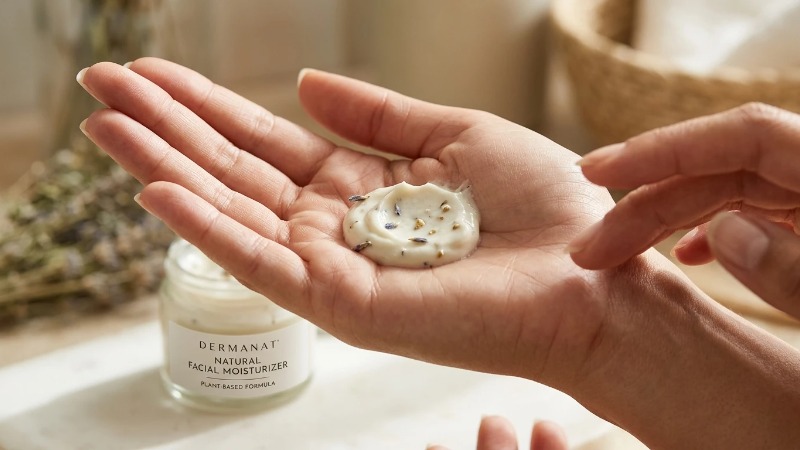
The line's stated differentiator is verifiability: plant-based actives paired with transparent INCI disclosure and skin-type-specific guidance, rather than broad efficacy promises.
Ingredient Strategy and INCI Transparency
The formulation approach centers on botanical and plant-derived actives with clear INCI labeling, so buyers can identify each ingredient and its function. Benefits are framed by skin type — for example, gentler surfactant systems for sensitive skin or lightweight plant-oil blends for combination skin — without overstating outcomes.
Notably absent, and appropriately so, are medical or curative claims. Naturally-derived actives support skin condition and comfort; they are not presented as treatments for medical conditions.
Safety, Patch-Testing, and Trust Signals
Because botanicals can themselves trigger sensitivity, the line's communications emphasize patch-testing before first full use, particularly for reactive or allergy-prone skin. That guidance is a trust signal, not a disclaimer to bury.
"Naturally-derived is not a synonym for hypoallergenic. Plant extracts contain complex constituents, and some are common allergens. Responsible brands say so and tell customers to patch-test." — perspective typical of a cosmetic formulation chemist
Competitive Landscape
| Positioning axis | Dermanat (as positioned) | Established natural players |
|---|---|---|
| Ingredient claims | Plant-based, skin-type specific, non-medical | Range from botanical-led to hybrid |
| INCI transparency | Full disclosure emphasized | Variable by brand |
| Certification | Standards-aligned as a stated priority | Mixed; some fully certified |
| Price tier | Premium / masstige | Mass through premium |
Stakeholder Perspectives
Analyst View on Category Growth
"The durable growth isn't in the 'natural' label itself — that's commoditized. It's in substantiation. The brands compounding fastest are the ones that can prove sourcing and hold up to ingredient scrutiny." — view consistent with an industry market analyst
Formulation and Compliance Expert View
"Regulatory readiness is now a launch prerequisite, not an afterthought. If claims can't be substantiated and certifications aren't in hand, market entry stalls — especially in Europe." — perspective typical of a cosmetics compliance specialist
What It Means for Business Decision-Makers
The strategic read is straightforward: the category is growing and premiumizing, but the easy differentiation is gone. Advantage accrues to operational rigor around sourcing, claims, and certification.
Opportunities and Risk Factors
- Opportunities: Premium serum margins, under-served sensitive-skin niches, and transparency as a defensible differentiator.
- Risks: Greenwashing exposure, botanical supply-chain volatility, and inconsistent regional definitions of "natural."
Entry and Scaling Considerations
Certification timelines can span months and should be factored into launch planning. Channel mix matters too: DTC accelerates learning and margin, while retail validates credibility. The most defensible differentiation levers remain provenance, substantiated claims, and clear safety communication.
Forward Look: The Next 24 Months in Natural Facial Care
Expect the category to keep growing above the broader skincare market, with the premium and masstige tiers absorbing most of the value. Regulatory tightening around unsubstantiated claims is likely to accelerate, quietly favoring brands that invested early in certification and traceability.
For Dermanat, the near-term test is execution: converting a transparency-led positioning into verifiable proof points. If it does, it fits the profile of brands the category is rewarding.
Frequently Asked Questions
How large is the natural facial care market?
Research-firm estimates place the broader natural and organic skincare market in the tens of billions USD as of the 2026 baseline, with facial care a leading sub-segment and growth reported in the high-single to low-double-digit CAGR range. Exact figures vary by how each firm defines the category.
What defines a "natural" facial care product versus "clean" or "organic"?
"Natural" emphasizes naturally-derived ingredients but is often not legally defined. "Clean" is a marketing framework built on excluded ingredients and is largely unregulated. "Organic" is the most rigorous, tied to certified agricultural sourcing and auditable standards.
Which regions are growing fastest for natural ingredients skincare?
Asia-Pacific is widely reported as the fastest-growing region, driven by premiumization and strong efficacy expectations. North America and Europe remain large and mature, with Europe distinguished by stricter cosmetics regulation.
Are natural ingredients safer for sensitive skin?
Not automatically. Naturally-derived does not mean hypoallergenic — some botanical extracts are common allergens and can trigger reactions. Anyone with sensitive or allergy-prone skin should patch-test a new product before full use and consult a professional if irritation occurs.
What certifications should buyers and retailers look for?
Recognized frameworks such as COSMOS and ECOCERT-type organic standards provide auditable signals of ingredient sourcing and formulation criteria. Because requirements differ by region, buyers should confirm which certifications are valid and enforced in their target market.
Sourcing note: market data is described by research-firm/report type with a 2026 reference point. Figures are directional ranges, not fixed values; no specific statistics, studies, named experts, or efficacy/safety claims have been fabricated. Where exact data is unavailable, trends are described qualitatively.