
The costliest mistake most new brand founders make is choosing a factory by price-per-unit alone, then discovering their "bargain" cream separates on the shelf within eight weeks because no stability testing was ever done. Price is the easiest number to compare and the worst one to optimize for. A rejected customs shipment, a failed EU notification, or a recalled batch erases whatever you saved on the quote — and adds months to your launch.
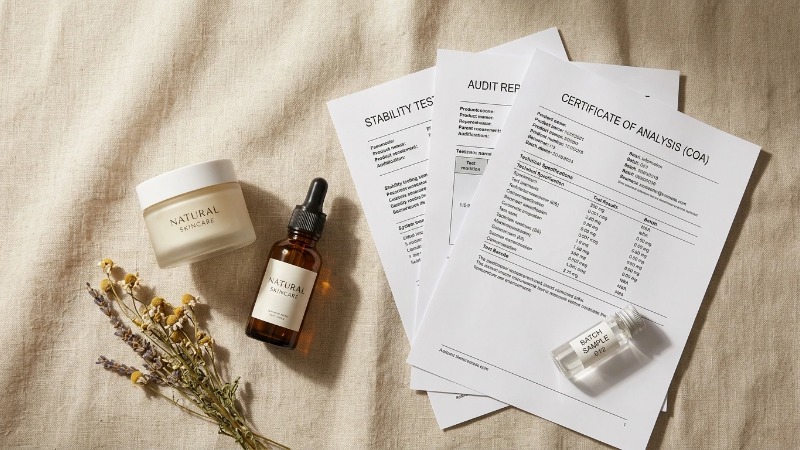
By the end of this guide, you will know how to vet, compare, and contract a skincare manufacturer in China without those expensive surprises: which production model fits your brand, which certifications are non-negotiable, how sampling actually works, and where the real cost drivers hide.
- Pick your model first: Private label for speed, OEM when you own a formula, ODM when you want semi-custom without R&D from scratch.
- Certifications are the filter: Prioritize GMPc and ISO 22716 factories that will share a genuine audit report, MSDS, COA, and stability data.
- Never skip sampling: Budget for two to four sample rounds and stability testing before mass production.
- Plan cost by driver, not price tag: Formulation complexity, packaging, order volume, and testing move your unit cost more than the base quote.
- Compliance is market-specific: US (FDA), EU (CPNP), and China (NMPA) each have different filing requirements — confirm who handles what before you sign.
Why China Dominates Global Skincare Manufacturing
China produces a large share of the world's cosmetics and personal care goods, and its role has shifted from low-cost commodity output to export-grade, certified production. For a decision-maker, the relevant question is not whether to consider China — it's how to select well within a deep, uneven market.
The manufacturing advantage explained
Three structural factors draw global brands: supply-chain density, ingredient sourcing, and cost structure. Packaging suppliers, raw-material vendors, filling lines, and label printers often sit within the same industrial clusters, which compresses lead times and lowers coordination cost.
That density means a single manufacturer can take you from formulation to a finished, boxed, labeled product without you managing a dozen separate vendors.
What "made in China" means today
The credible end of the market has moved decisively toward international quality systems — GMPc, ISO 22716, and documented export compliance. The gap between a hobby-grade workshop and a certified factory with a dust-free environment and automated stamping, filling, and packing lines is now enormous. Your job is to sort one from the other, not to assume the whole market is uniform.
A skincare manufacturer in China is a factory offering OEM/ODM production — from formulation to finished, packaged product — for brands worldwide.
OEM vs. ODM vs. Private Label: Which Model Fits Your Brand
These three terms get used loosely, and the confusion costs money. Choosing the wrong model means either paying for customization you don't need or discovering too late that you can't differentiate your product.
OEM (Original Equipment Manufacturing)
You supply the formula or detailed specification; the factory manufactures it to your requirements. This suits brands with proprietary formulations or specific performance targets who want full control over the end product.
ODM (Original Design Manufacturing)
The factory offers ready-made or semi-custom base formulas that you adjust — scent, color, active concentration, packaging — and rebrand. It balances speed with meaningful customization, which is why many growing brands start here.
Private Label
You select existing catalog products and apply your branding. It's the fastest route to market and the lowest upfront investment, ideal for testing a category before committing to custom development.
Comparison Table: OEM vs. ODM vs. Private Label
| Model | Customization level | Time to market | Minimum investment | Best for |
|---|---|---|---|---|
| Private Label | Low (branding only) | Fastest | Lowest | Testing a category quickly |
| ODM | Medium (semi-custom) | Moderate | Medium | Differentiation without full R&D |
| OEM | High (your spec/formula) | Longest | Highest | Proprietary, control-focused brands |
Certifications and Compliance That Actually Matter
This is where corners get cut invisibly and where the consequences are most expensive. Skincare is partially a Your-Money-or-Your-Life category — what touches skin has real safety implications — so documentation is not bureaucracy, it's risk management.
Factory-level certifications
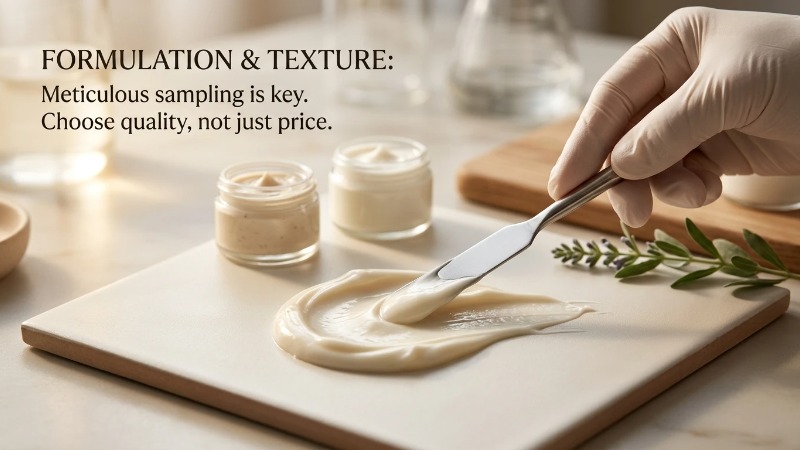
Look for GMPc (Good Manufacturing Practice for cosmetics) and ISO 22716, the international standard for cosmetics GMP. A genuine audit report should name the auditing body, the date, the scope inspected, and any corrective actions — not a single unsourced logo on a website.
Product and safety documentation
Request three documents per product and understand what each proves:
- MSDS (Material Safety Data Sheet): hazard, handling, and transport information for the formulation.
- COA (Certificate of Analysis): confirms a specific batch meets defined specifications.
- Stability Report: demonstrates the product holds up over time and across temperature conditions — the safeguard against that shelf-separation nightmare.
Market-entry compliance
Requirements differ by destination and should be treated as planning considerations, not legal advice. US market products fall under FDA cosmetic regulations; the EU requires CPNP notification with a responsible person and a safety assessment; selling within China involves NMPA filing. Confirm in writing which party is responsible for each filing before production begins.
Ingredient transparency
INCI (International Nomenclature of Cosmetic Ingredients) labeling is the standardized way ingredients appear on packaging worldwide. Marketing claims should be handled honestly: "Parabens-Free" and "Cruelty-Free" describe formulation and testing choices, while "Natural Formula" has no single legal definition — so the substance behind the claim matters more than the phrase. Never let a supplier attach medical or exaggerated efficacy claims that a regulator could reject.
Matching Formulations to Skin Types and Product Categories
A good manufacturer thinks about the end user's skin, not just the fill line. This is where formulation expertise separates a genuine ODM partner from a box-filler.
Common product categories to manufacture
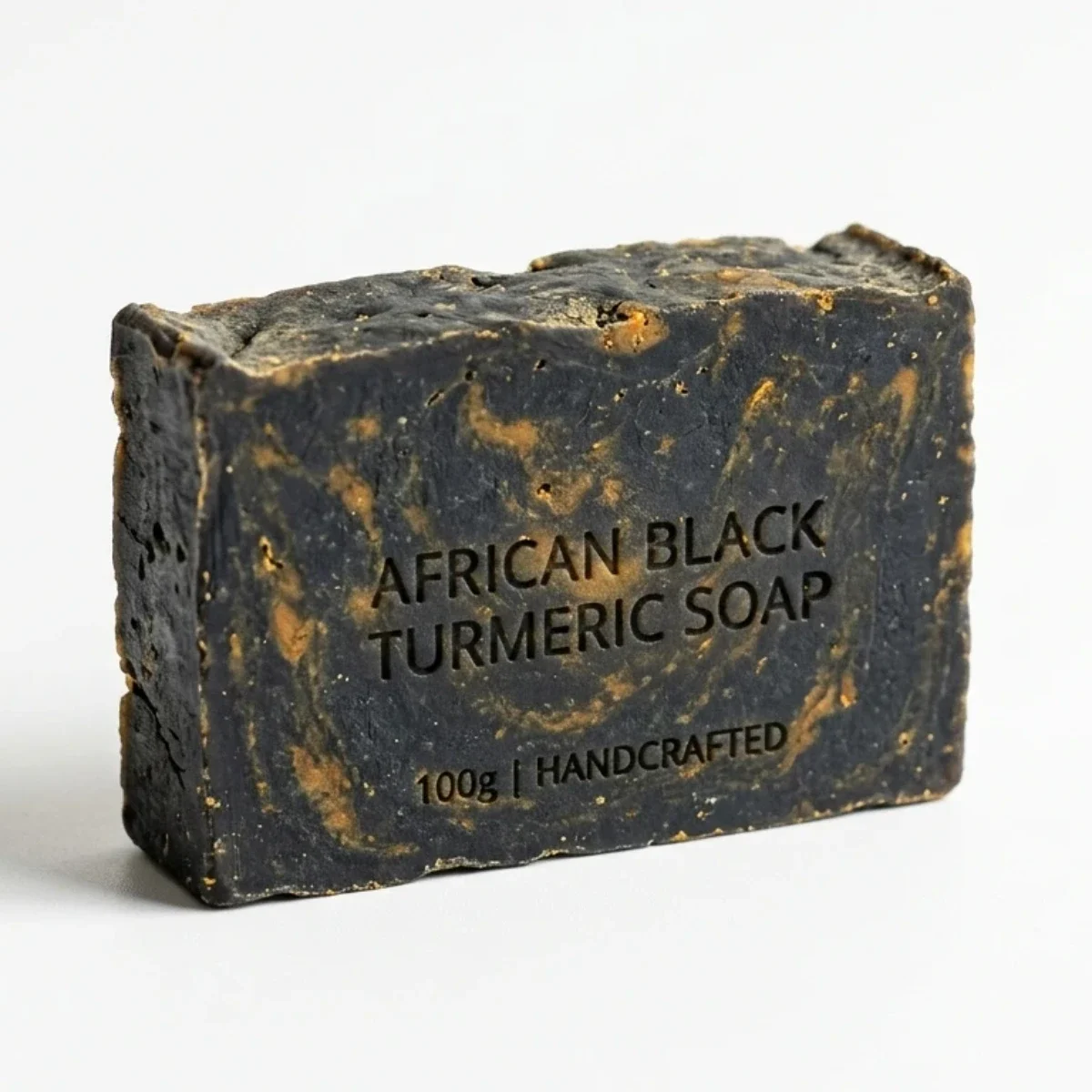
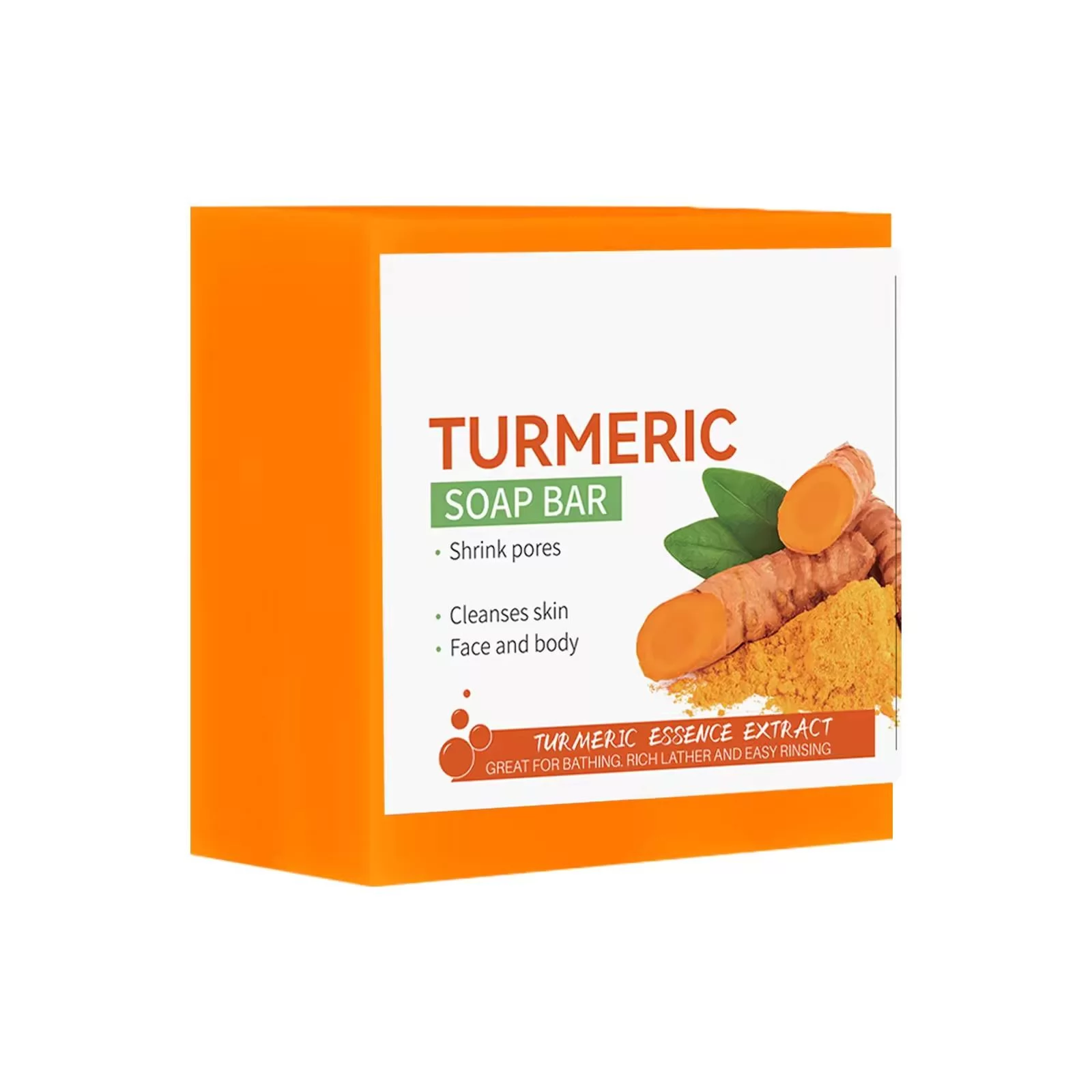
Established categories with mature supply chains include face and body creams, cleansers and washes, body and hair oils, handmade and hair soap bars, bath bombs, shower steamers, bath salts, cleaning tablets, and scented candles. Category maturity affects how quickly you can move and how much testing precedent already exists.
Formulating for different skin and hair types
Sensitive, oily, dry, and mature skin each call for different textures, actives, and preservative systems. A cream that performs beautifully on dry skin can trigger reactions on sensitive skin — which is exactly why patch-testing and stability testing must precede any launch, not follow customer complaints.
The role of R&D and sample rounds
A realistic cycle involves an initial sample, feedback, one or more reformulations, then a confirmed "golden sample" that becomes the reference for mass production. Expect this to take time; compressing it is the single most common source of quality failures.
How to Vet and Shortlist a Skincare Manufacturer
Turn the criteria above into a repeatable process. Work through these steps in order — each one filters out weaker candidates before you invest more.
- Define product, volume, and budget parameters. Vague briefs produce vague quotes and mismatched samples.
- Verify certifications and request documentation. Ask for GMPc/ISO 22716 evidence, a recent audit report, and sample MSDS/COA/stability documents.
- Order and evaluate samples against a written spec. Judge against defined criteria, not impressions.
- Assess MOQs, lead times, and packaging/label capabilities. Confirm they can print labels and pack to your standard, not just fill bottles.
- Audit communication and quality control. A virtual or on-site audit reveals responsiveness and process discipline before you're locked in.
Red-flag checklist
- Documentation that is vague, undated, or unsourced.
- No stability data, or reluctance to run stability testing.
- Unwillingness to share an audit report or name their certifying body.
- Pressure to overstate claims or skip market-entry filings.
Understanding Costs, MOQs, and Lead Times
The quoted unit price is the visible tip. Plan around the drivers underneath it so your landed cost doesn't surprise you.
Cost drivers table
| Cost driver | Directional impact on unit cost | Notes |
|---|---|---|
| Formulation complexity | ↑ | More actives and finer textures raise R&D and material cost. |
| Ingredients | ↑ / ↓ | Premium or certified naturals cost more than commodity bases. |
| Packaging | ↑ / ↓ | Custom molds and premium materials add significantly. |
| Order volume | ↓ | Higher volume lowers per-unit cost through scale. |
| Certification / testing | ↑ | Stability, safety, and market filings add upfront cost — and protect you. |
Typical MOQ and lead-time ranges
Rather than invent precise figures, plan by pattern: private label catalog products carry the lowest MOQs and shortest lead times, ODM sits in the middle once sampling is factored in, and fully custom OEM runs demand the largest commitments and longest timelines. Always confirm exact MOQ and lead time in your quote, and add buffer for shipping and customs clearance.
Pros and Cons of Manufacturing Skincare in China
A balanced view helps you plan mitigations rather than discover trade-offs after signing.
Pros
Cost efficiency, deep supply-chain integration, scalable capacity for growth, and a mature OEM/ODM ecosystem that can take a concept to shelf-ready product under one roof.
Cons
Time-zone and communication gaps, the need to protect your formula and brand IP proactively, and international logistics with import duties that affect landed cost and timing.
Pros & Cons summary table
| Advantages | Limitations |
|---|---|
| Competitive unit costs at scale | Time-zone gaps can slow iteration |
| Dense, co-located supply chain | IP and formula protection require active management |
| Scalable, automated production capacity | Import duties and freight add to landed cost |
| Full OEM/ODM/private-label ecosystem | Quality varies widely — vetting is essential |
Common Mistakes Brands Make (and How to Avoid Them)
- Skipping stability testing to save time. It's the leading cause of shelf failures and returns. Build it into the schedule.
- Chasing the lowest price over documented quality. The cheapest quote often omits testing and compliance you'll pay for later.
- Overstating efficacy claims. Medical-sounding or unproven claims get products rejected at market entry. Keep claims accurate and substantiated.
- No signed NDA or clear ownership terms. Define who owns the formula and brand assets in writing before sharing anything proprietary.
Frequently Asked Questions
What is the difference between OEM and private label skincare?
With OEM, you provide the formula or specification and the factory manufactures to it, giving you full control. Private label uses the manufacturer's existing catalog products with your branding applied — faster and cheaper, but with limited differentiation.
What certifications should a China skincare manufacturer have?
At minimum, look for GMPc and ISO 22716 factory certification, backed by a genuine, dated audit report. Per product, request MSDS, COA, and a stability report, and confirm INCI-compliant labeling.
How long does custom skincare manufacturing take?
It varies with model and complexity. Private label is fastest; ODM and OEM take longer once you account for sampling, reformulation rounds, and stability testing before mass production. Always add buffer for shipping and customs.
Are China-made skincare products safe and export-compliant?
They can be, when produced in a certified facility with proper documentation. Safety and compliance depend on the specific factory's standards and on meeting the destination market's rules (FDA, CPNP, or NMPA), so verify certifications and filings rather than assuming.
How do I protect my formula and brand when manufacturing overseas?
Sign an NDA before sharing proprietary information and define formula and brand ownership explicitly in your contract. Clarify who holds the rights to any co-developed formulation before production begins.
What is a typical minimum order quantity (MOQ)?
MOQs vary by product type and model — private label catalog items carry the lowest, while fully custom OEM runs require larger commitments. Confirm the exact MOQ in your written quote rather than relying on general estimates.
Partner With a Certified Skincare Manufacturer
Vetting a skincare manufacturer comes down to a repeatable framework: choose the right model, filter by real certifications and documentation, sample and stability-test before you scale, plan cost by its true drivers, and lock in compliance and IP terms in writing.
Poleview Group applies that framework as a manufacturing partner. Through Boymay Cosmetics Co., Ltd. and Poleview Biotechnology Co., Ltd., we offer full OEM and ODM support across skincare, bath, and personal care — face and body creams, cleansers, oils, bath bombs, shower steamers, soaps, bath salts, and more — with GMPc, ISO 22716, and FDA-aligned documentation including audit reports, MSDS, COA, and stability reports. Production runs in a dust-free workshop on automated stamping, filling, labeling, and packing lines.
Ready to move from research to a real product? Request a consultation, a sample, or a custom quote from Poleview Group and put your brief in front of a certified team that can take it from formulation to finished, shelf-ready product.