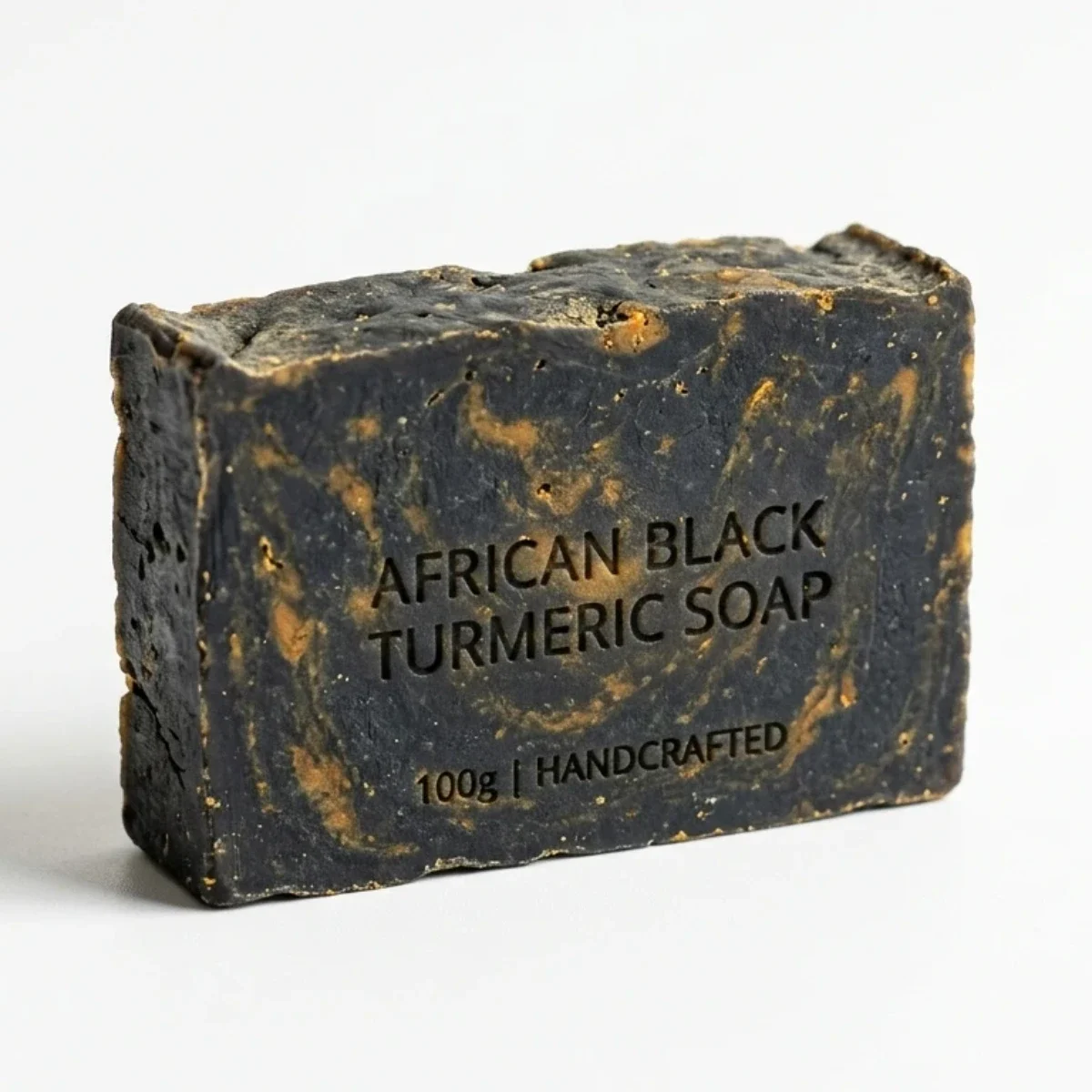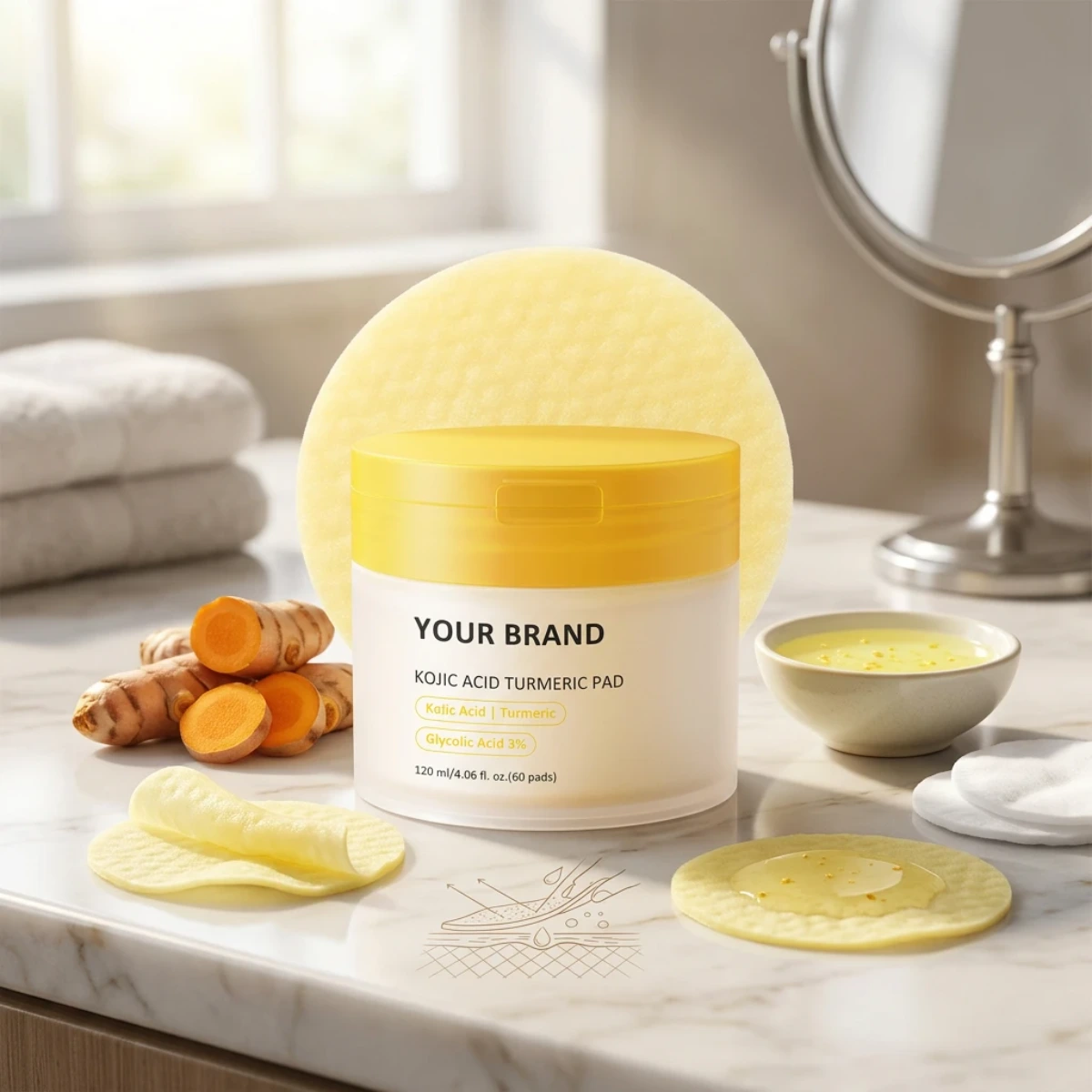

A skincare startup that rushes into a six-month custom formulation project can burn through its entire seed round on R&D and stability testing before a single unit ships—while a competitor rebrands a stock product and captures the same shelf space in three weeks. The wrong production model doesn't just cost money; it costs the market window.
Here is the verdict up front: the right choice hinges on four variables—speed-to-market, available capital, differentiation goals, and who owns the regulatory risk. Private labeling serves first-time sellers who need speed. Contract manufacturing serves brands with a proven spec that lack a factory. Custom formulation serves companies competing on unique intellectual property.
The Verdict: A Quick Answer for Decision Makers
Each model solves a different problem. Match the model to your business stage rather than chasing the "best" option in the abstract—there isn't one.
- Private labeling puts a proven product on the market fastest with the least capital, but you compete on brand, not formula.
- Contract manufacturing scales your own specification without factory overhead, trading MOQ commitments for control.
- Custom formulation builds a defensible moat through proprietary IP, at the cost of time and higher regulatory responsibility.
- Ownership is the pivot point: the deeper the customization, the more the formula—and its liability—becomes yours.
- No universal winner: weighting shifts with your capital, risk tolerance, and how differentiated your category already is.
Private Labeling — Best for Speed and Low Capital
Private labeling means applying your brand to an existing, ready-made stock product that a manufacturer already produces. You choose from a catalog, add your label, and sell. It is ideal for first-time sellers validating demand and for retailers expanding a catalog quickly without R&D.

Contract Manufacturing — Best for Scaling a Proven Concept
Contract manufacturing is the outsourced production of a product built to your specification. You supply the formula, design, or detailed brief; the manufacturer produces at volume. It suits brands that have validated a concept but do not want the capital burden of owning a facility.
Custom Formulation — Best for True Differentiation
Custom formulation—often delivered through custom formula development services—means a bespoke product engineered to your requirements from the ground up. You define efficacy, ingredients, scent, texture, and packaging. It is the model for brands competing on unique IP and premium positioning.
30-Second Comparison Snapshot
| Model | Time to Market | Upfront Cost | Differentiation | IP Ownership | Best For |
|---|---|---|---|---|---|
| Private Labeling | Weeks | Low | Low | Manufacturer (shared) | Fast launch, catalog expansion |
| Contract Manufacturing | Months | Medium | Medium | Negotiable | Scaling a proven spec |
| Custom Formulation | Many months | High | High | Brand (typically) | Building proprietary IP |
How We Evaluated Each Model: Our Criteria
To keep this comparison honest and cross-industry, we assessed each model against a fixed framework. The same logic applies whether you sell supplements, cosmetics, food, or general consumer goods—only the regulatory intensity changes.
The Six Criteria That Actually Matter
- Speed to market — how fast you can realistically ship, including testing.
- Minimum order quantities (MOQs) — the volume floor that determines cash exposure.
- Upfront and per-unit cost — the split between one-time fees and ongoing unit economics.
- Product differentiation — how much the model lets you stand out on the shelf.
- Intellectual property and formula ownership — who legally controls the recipe or design.
- Regulatory and quality responsibility — who carries compliance liability for claims, testing, and manufacturing standards.
How We Weighted Them for Business Decisions
Weighting is not fixed. An early-stage founder rationally over-weights speed and low MOQs; an established brand over-weights IP ownership and margin defensibility. That is why the "best" model is a function of company stage and risk tolerance, not a leaderboard.
Defining the Terms: Where the Models Overlap and Diverge
The vocabulary trips up even experienced buyers. Clearing it up prevents costly misalignment in negotiations.
Private Label vs. White Label — Are They the Same?
They are close but not identical. White label manufacturing typically means a generic product sold to many resellers who each brand it. Private labeling often implies a degree of exclusivity or light customization for a single brand. The practical question to ask any partner: "Can a competitor buy this exact product and put their name on it?"
Where Contract Manufacturing and OEM Intersect
OEM product development and contract manufacturing overlap heavily—both produce goods to a client's specification. "Turnkey" describes a partner that handles the full chain from sourcing to finished, packaged product. Custom formula development services sit at the deep end, where the formula itself is created for you rather than adapted from an existing base.
Assessment by Criterion: A Hands-On Comparison
Real projects rarely hit round numbers, so we use qualitative ranges. Treat them as planning anchors, not quotes.
Speed to Market
Private labeling can move from selection to shipped product in a matter of weeks—there is no formula to invent. Contract manufacturing typically runs several months once specs, samples, and production slots are locked. Custom formulation is the longest path: R&D iterations plus mandatory stability and compliance testing routinely push timelines into many months.
Cost Structure and MOQs
The cost story is about where the money sits. Private labeling has low upfront cost but higher per-unit prices and thin margins because you share a commoditized product. Contract manufacturing adds tooling and setup fees but improves per-unit economics at volume. Custom formulation front-loads significant formulation and testing fees before the first unit exists.
MOQs scale with customization. A stock private-label item may carry a modest minimum; a fully custom formula usually demands larger runs to justify the development effort. Budget for the cash tied up in that floor, not just the invoice.
Differentiation and Competitive Moat
A shelf-stock product caps your margin because buyers can find the identical item under three other brands. A proprietary formula is defensible: it is harder to copy, supports a premium price, and becomes an asset on your balance sheet. Differentiation is the single strongest argument for moving up the customization ladder.
IP, Formula Ownership, and Exclusivity
This is the most consequential contract term in any of these models. Under private labeling, you rarely own the formula. Under contract manufacturing, ownership is negotiable and must be stated explicitly. Under custom formulation, the expectation is that you own the developed formula—but only if the agreement says so in writing.
Regulatory and Quality Responsibility
For ingestible or on-skin products, this is YMYL territory: labeling claims, good manufacturing practice (GMP), and safety testing carry real liability. As you move toward custom formulation, more of that responsibility shifts to you as the brand owner. Reputable partners support compliance with documentation such as GMPc, ISO 22716, MSDS, COA, and stability reports—but final claim accuracy remains the brand's obligation. Always define who holds what in the agreement.
Side-by-Side Comparison Table
| Criterion | Private Labeling | Contract Manufacturing | Custom Formulation | Primary Risk Owner |
|---|---|---|---|---|
| Speed to market | Fastest (weeks) | Moderate (months) | Slowest (many months) | Brand (opportunity cost) |
| MOQs | Lowest | Medium–High | Highest | Brand (cash exposure) |
| Upfront cost | Low | Medium | High | Brand |
| Per-unit margin potential | Thin | Improved at scale | Strongest | Brand |
| Differentiation | Low | Medium | High | Brand |
| IP ownership | Manufacturer | Negotiable | Brand (if contracted) | Shared / negotiated |
| Regulatory liability | Shared, manufacturer-heavy | Shared | Brand-heavy | Brand + manufacturer |
Real-World Scenarios: How Companies Actually Choose
Abstract criteria become clear when mapped to a real decision. These illustrative cases reflect common patterns across consumer goods.
Scenario A: The Bootstrapped Startup Testing Demand
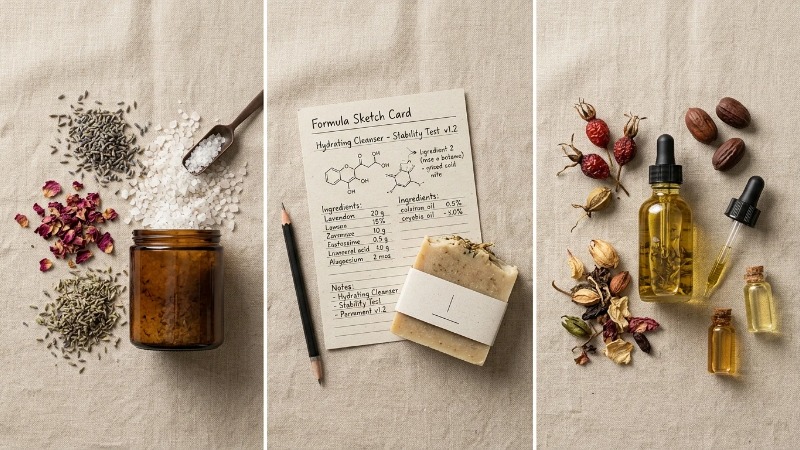
A founder with limited capital wants to know if a bath-and-body line will sell before committing to production. Private labeling lets them launch a small catalog quickly, gather real sales data, and preserve cash. Validation first, investment later.
Scenario B: The Growing Brand Protecting Margins
A brand with steady reorders finds private-label margins too thin to fund growth. Once volume is predictable, contract manufacturing lets them lock a specification, negotiate better per-unit pricing, and control quality—without buying a factory.
Scenario C: The Established Player Building IP
A brand competing in a crowded premium segment needs something rivals cannot copy. Custom formulation—a signature scent, a proprietary active blend—justifies the R&D spend because the resulting IP creates durable pricing power and brand equity.
Pros and Cons of Each Model
Private Labeling: Pros & Cons
| Advantages | Limitations |
|---|---|
| Fastest launch, weeks not months | No exclusivity—competitors sell the same product |
| Lowest upfront capital | Thin margins on commoditized goods |
| Simple, low operational overhead | Crowded shelves, weak differentiation |
Contract Manufacturing: Pros & Cons
| Advantages | Limitations |
|---|---|
| Scales production without facility cost | Higher MOQs tie up cash |
| Control over your specification | Oversight and QA burden falls on you |
| Better unit economics at volume | Dependency on a single production partner |
Custom Formulation: Pros & Cons
| Advantages | Limitations |
|---|---|
| Genuine differentiation and defensible IP | Highest upfront and testing cost |
| Formula ownership as a brand asset | Longest timeline, including stability testing |
| Premium positioning and pricing power | Heaviest regulatory and compliance load |
Pricing and Value: What You Actually Pay For
The sticker per-unit price is the least reliable way to compare these models. Total cost depends on fees you may not see in the first quote.
Hidden Costs Buyers Underestimate
- Formulation and development fees for bespoke work
- Stability and compliance testing, often repeated after reformulation
- Tooling and packaging setup charges
- Reformulation costs when an ingredient is restricted or unavailable
- Minimum reorder commitments that lock future cash flow
Value Beyond Price: When Cheaper Costs More
The lowest per-unit price on a shared white-label product can be the most expensive choice long-term if it strands you in a margin-thin, undifferentiated category. Value is better measured as margin potential plus brand equity. A higher-cost custom product that commands a premium and can't be copied often returns more per dollar invested.
Structuring the Agreement: Contract Terms That Protect You
The model you pick matters less than the terms you sign. Third-party manufacturing agreements should make ownership and liability unambiguous.
Non-Negotiable Clauses
- IP ownership: state explicitly who owns the formula and design.
- Exclusivity: define whether the manufacturer can sell the same product to others.
- Quality standards: specify GMP, ISO, and testing requirements with documentation.
- MOQ and pricing tiers: lock volume floors and price breaks in writing.
- Exit and reformulation rights: define what happens if you leave or need to change the formula.
Red Flags in a Manufacturing Partner
- Vague or missing formula-ownership language
- No independent third-party testing or refusal to share COAs and stability reports
- Unclear allocation of regulatory and product-liability responsibility
Our Recommendation by Use Case
Choose Private Labeling If…
- You are validating demand or entering a new category with limited capital.
- Speed to market outweighs the need for a unique formula.
- You want to expand a catalog without R&D commitment.
Choose Contract Manufacturing If…
- You have a proven concept and predictable reorder volume.
- You need control over specification without owning a facility.
- Improving per-unit margin at scale is the priority.
Choose Custom Formulation If…
- Differentiation is your core competitive strategy.
- You want to own the formula as a long-term asset.
- You can absorb the timeline, testing, and higher regulatory responsibility.
Frequently Asked Questions
What is the main difference between contract manufacturing and private labeling?
Private labeling puts your brand on an existing, ready-made product a manufacturer already sells to others. Contract manufacturing produces a product built to your own specification. The core difference is customization and control: private labeling is fast and shared; contract manufacturing gives you spec ownership at higher volume commitments.
Can you switch from private labeling to custom formulation later?
Yes, and many brands do exactly that—use private labeling to validate demand, then invest in custom formulation once revenue justifies R&D. Plan for the migration cost: new formulation fees, fresh stability and compliance testing, updated packaging, and likely higher MOQs. It is a common, deliberate growth path rather than a one-way door.
Who owns the formula in a contract manufacturing agreement?
By default, ownership is often ambiguous or favors the manufacturer unless the contract says otherwise. If owning the formula matters to you, negotiate explicit IP-assignment language before signing. Never assume ownership transfers simply because you paid for production.
Which model has the lowest minimum order quantity?
Private labeling typically carries the lowest MOQ because the product already exists and requires no development. Contract manufacturing sits in the middle, and custom formulation usually demands the highest volumes to offset development and testing costs.
Is custom formulation worth the cost for a small brand?
It depends on your strategy. If differentiation is how you win—unique efficacy, a signature scent, a proprietary blend—then the IP and premium positioning can justify the spend even at smaller scale. If you are still testing demand or competing mainly on brand and price, a lower-risk model is usually the smarter first step.
Ready to Choose Your Manufacturing Model?
Map your three levers—current stage, available capital, and differentiation goals—against the comparison table above, and identify which risks you can afford to own. Before signing any agreement, confirm ownership, testing, and liability terms with a qualified manufacturing partner or regulatory advisor.
Poleview Group supports private label and OEM & ODM services across bath bombs, shower steamers, handmade soap, bath salts, scented candles, and face & body care—backed by dust-free, automated production and verified documentation including GMPc, ISO 22716, MSDS, COA, and stability reports. Request a sourcing consultation to match your product model to the right formulation, packaging, and compliance path—and get a checklist to pressure-test your next manufacturing agreement.