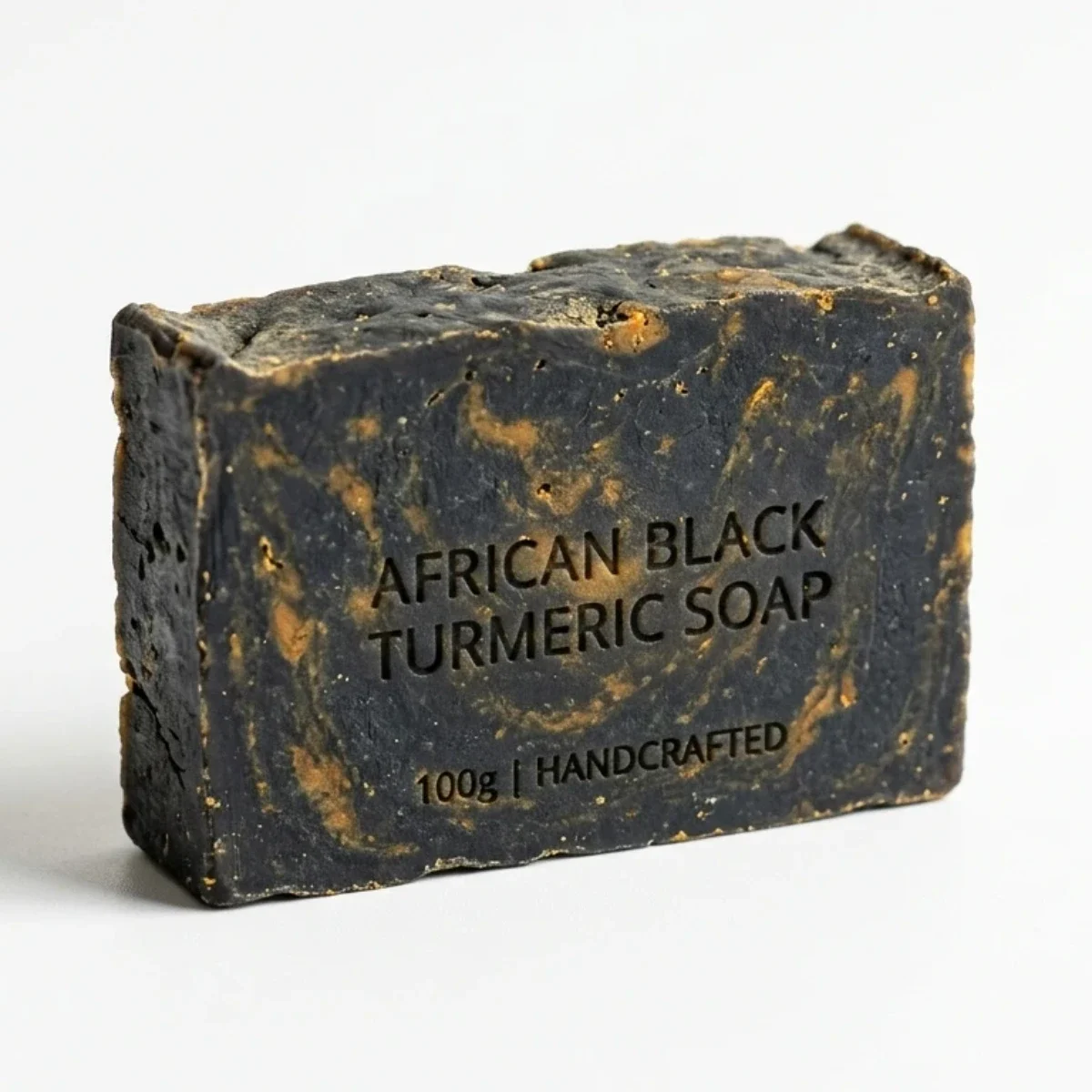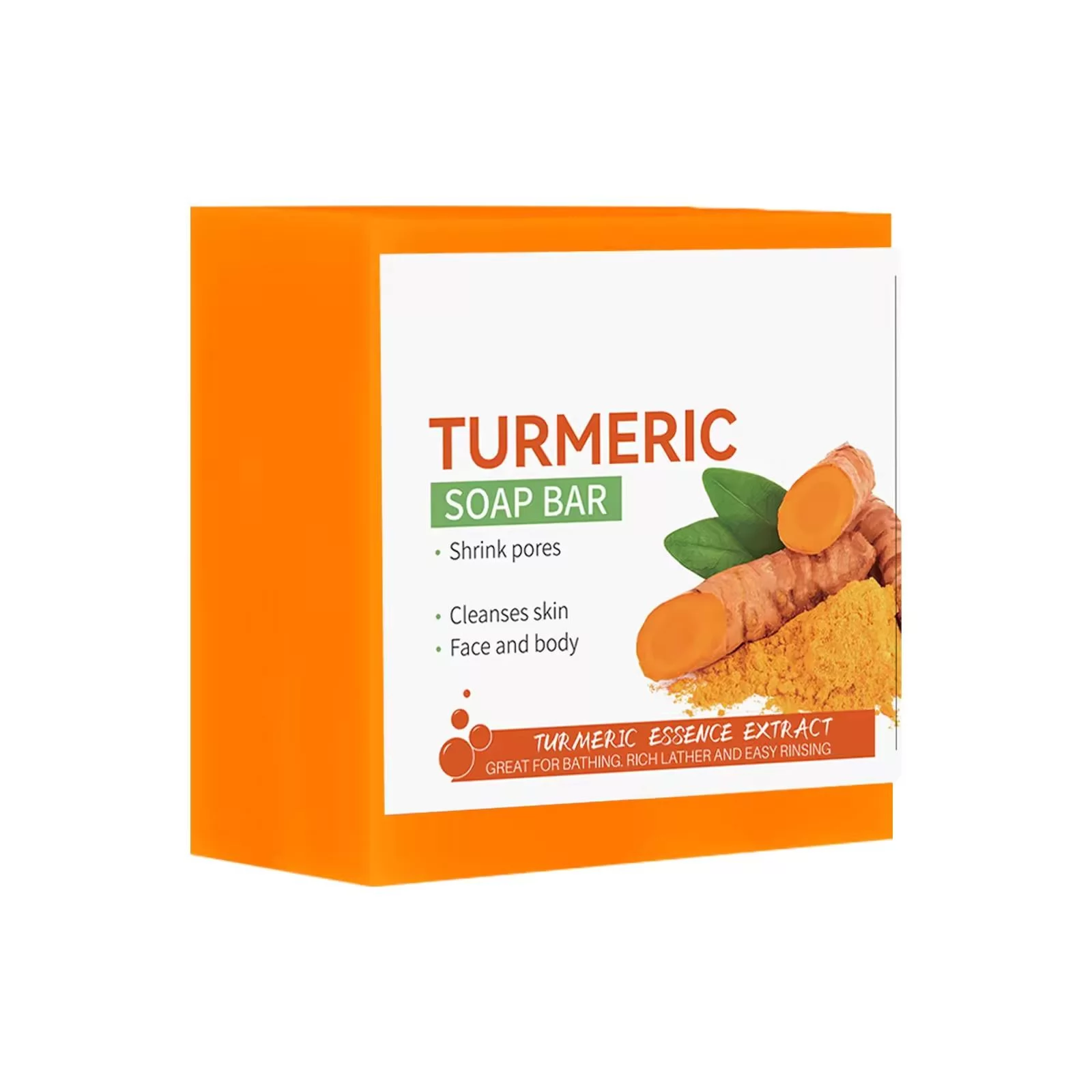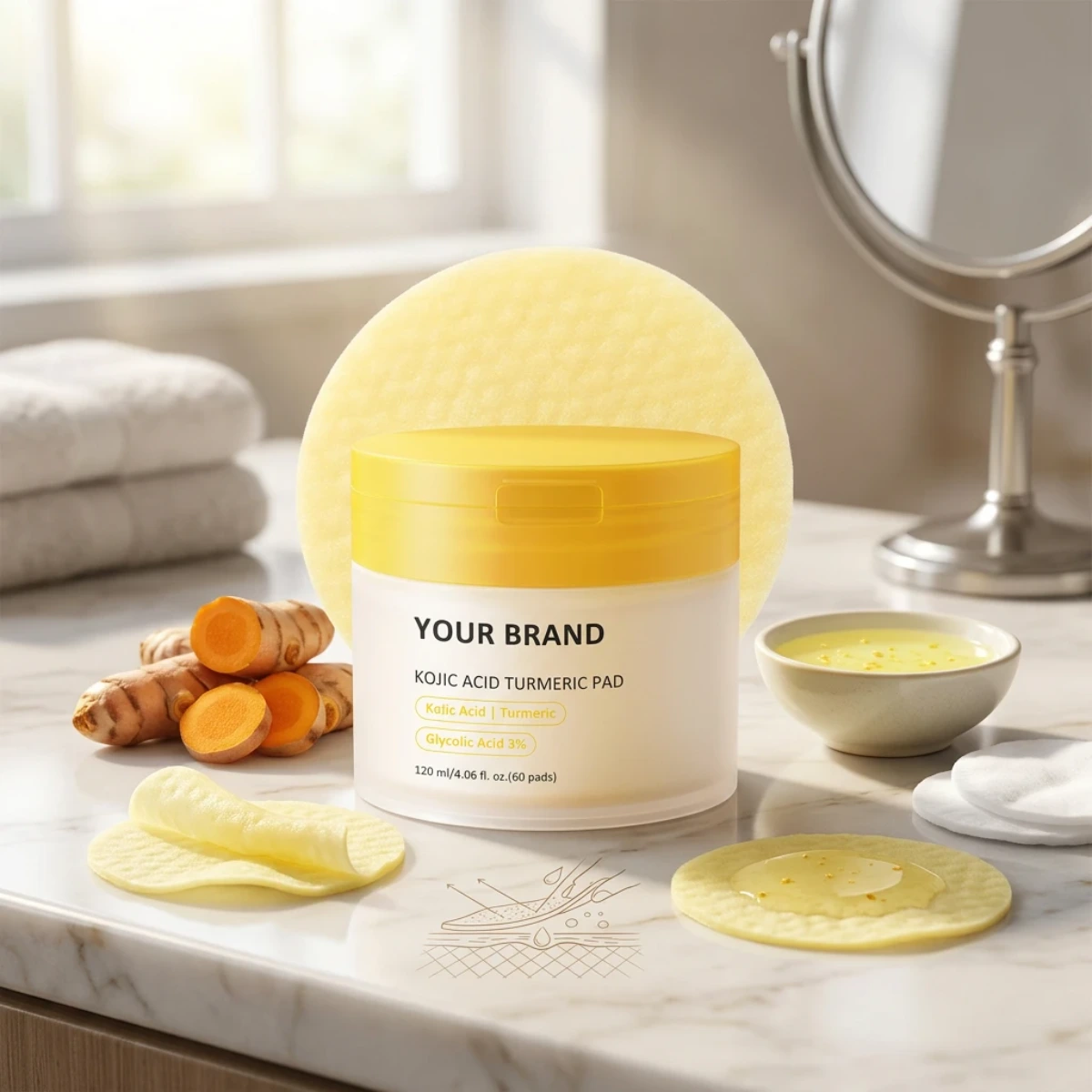

The global private label personal care market is projected to exceed $50 billion by 2028, yet over 60% of first-time buyers report costly sourcing mistakes. The difference between profit and loss often comes down to one critical decision: choosing the right personal care manufacturer. This guide gives you the verified framework to source confidently, avoid common pitfalls, and connect with proven OEM/ODM partners in China.
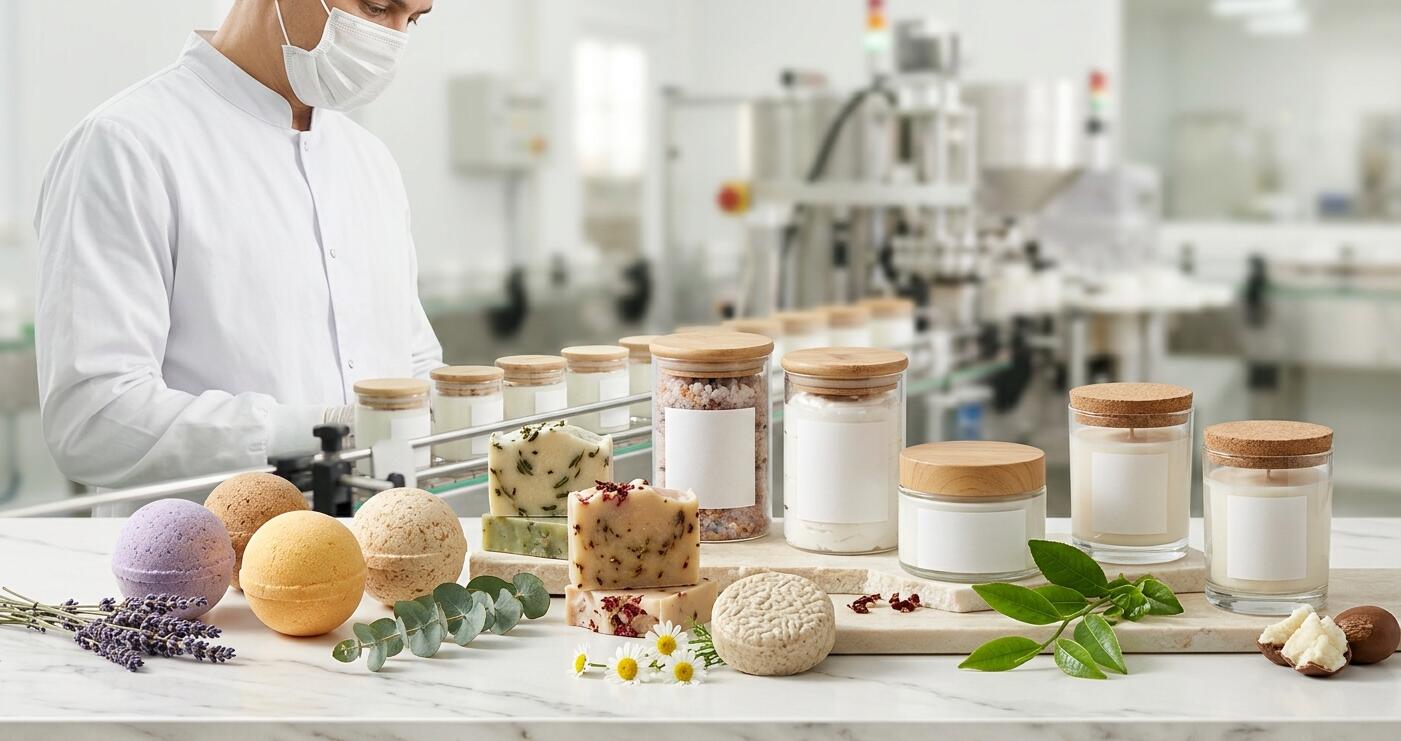
Why China Remains the Top Destination for Private Label Personal Care Manufacturing
China's dominance in global personal care manufacturing is not accidental — it is the result of decades of industrial investment, supply chain maturity, and deep formulation expertise. For brands seeking quality, speed, and cost efficiency, China continues to outperform competing regions.
The Scale and Expertise of China's Personal Care Industry
China is the world's second-largest cosmetics market and one of its most prolific producers of personal care goods. The country accounts for a significant share of global OEM cosmetic output, with thousands of certified factories serving international brands across every product category.
Guangdong Province stands out as China's premier manufacturing corridor. Home to a dense cluster of personal care factories, ingredient suppliers, and packaging manufacturers, Guangdong offers unmatched supply chain integration. Cities like Huizhou, Guangzhou, and Shenzhen benefit from proximity to major ports, reducing lead times and logistics costs for export-focused brands.
Cost vs. Quality — Debunking Common Misconceptions
Many buyers assume low cost means low quality. In reality, Chinese manufacturers — particularly those in Guangdong — invest heavily in R&D, GMP-certified facilities, and quality control infrastructure. The data below illustrates how China compares to other manufacturing regions across key sourcing factors.
| Factor | China | India | Southeast Asia | Europe |
|---|---|---|---|---|
| Average Cost | Low–Medium | Low | Low–Medium | High |
| MOQ Flexibility | High | Medium | Medium | Low |
| OEM/ODM Experience | Very High | Medium | Low–Medium | High |
| Lead Time (Sampling) | 7–15 days | 15–30 days | 20–35 days | 30–60 days |
| Certifications Available | ISO, GMP, GMPC | ISO, GMP | ISO | ISO, GMP, COSMOS |
Key Criteria for Evaluating a Chinese Personal Care Manufacturer
Knowing where to source is only the first step. Knowing how to evaluate a manufacturer separates successful brand owners from those who absorb costly mistakes. Use the following criteria as your non-negotiable checklist.
Supplier Verification — How to Confirm Legitimacy
Before requesting samples or discussing pricing, verify that the manufacturer is a legally registered entity. Cross-reference their business license on official Chinese government databases and validate their presence on platforms like Alibaba, Made-in-China, or CNIPA (China National Intellectual Property Administration).
Use third-party supplier verification services such as SGS Business Assurance or Bureau Veritas to conduct background checks. Watch for red flags including no verifiable physical address, inconsistent company names across documents, and reluctance to share official registration certificates before sampling begins.
Factory Audit Checklist — What to Inspect Before Signing
A thorough factory audit checklist protects your brand from production failures before they happen. Whether you conduct an in-person visit or commission a third-party audit, the following areas must be assessed.
| Audit Area | What to Check | Priority Level |
|---|---|---|
| Certifications | ISO 22716, GMPC, GMP | High |
| Production Facility | Cleanliness, equipment age, capacity | High |
| R&D Department | In-house formulation team, lab equipment | Medium–High |
| Raw Materials | Supplier list, natural/organic sourcing | Medium |
| Quality Control Lab | In-house testing capability | High |
| Export Experience | Records of EU/US/AU market exports | Medium |
| MOQ Policy | Flexibility for startups vs. scaling brands | Medium |
OEM Manufacturing Standards — What Certifications Actually Matter
Understanding the difference between OEM and ODM is essential before entering negotiations. OEM (Original Equipment Manufacturing) means you supply the formulation and design; the factory produces it to your specifications. ODM (Original Design Manufacturing) means the manufacturer provides existing formulas and designs that you rebrand — faster to market and lower in upfront cost.
Key certifications to look for include ISO 22716 (the international GMP standard for cosmetics), GMPC (Good Manufacturing Practice for Cosmetics), and SGS testing reports. For clean beauty brands, verify whether the manufacturer holds cruelty-free or natural ingredient certifications. Always request original certificate documents and verify them directly with the issuing body.
Product Quality Control — From Formula to Final Package
Rigorous product quality control is what separates reliable manufacturers from risky ones. Confirm that the factory conducts stability testing, microbial testing, and heavy metal screening as standard protocol — not optional add-ons.
Packaging material safety is equally important, especially for products targeting EU or US markets. Define your quality benchmarks clearly in your purchase agreement, including acceptable defect rates, testing frequency, and consequences for non-conformance.
Minimum Order Quantity — Negotiating Terms That Fit Your Business Stage
Most Chinese personal care manufacturers set minimum order quantities between 500 and 2,000 units per SKU. For startups, this can feel prohibitive — but many experienced factories offer flexible MOQ arrangements for new clients to build long-term relationships.
MOQ flexibility is a strong signal of a manufacturer's customer-first approach. Factories willing to accommodate smaller initial orders typically have more confidence in their product quality and a genuine interest in growing with your brand.
The Private Label Customization Process — Step by Step
Understanding the full OEM/ODM journey reduces anxiety and sets realistic expectations. Here is what the process looks like from concept to finished product.
Step 1 — Define Your Product Concept and Target Market
Start by identifying your product category — shampoo, body lotion, face wash, conditioner — and your target consumer profile. Are they seeking natural ingredients, vegan formulas, or fragrance-free options? Prepare a clear product brief before contacting any manufacturer. This saves time and signals professionalism.
Step 2 — Source and Shortlist Manufacturers
Find verified personal care manufacturers through B2B platforms (Alibaba, Global Sources), industry trade shows (Canton Fair, Cosmoprof Asia), and professional referrals. Evaluate manufacturer websites for portfolio depth, certifications displayed, and export market experience. When sending an RFQ (Request for Quotation), include your product category, target formulation type, estimated order volume, and packaging preferences.
Step 3 — Request Samples and Evaluate Quality
Expect standard sampling timelines of 7 to 20 business days. During sample evaluation, assess texture, scent, skin feel, stability under temperature variation, and packaging fit. Provide structured, written feedback to manufacturers — this demonstrates seriousness and accelerates the revision cycle.
Step 4 — Negotiate Pricing, MOQ, and Lead Times
Understand the full cost breakdown: formulation, packaging components, labeling, filling, and freight. Common negotiation leverage points include committing to a longer-term supply relationship, consolidating SKUs, or adjusting packaging specifications. Get all agreed terms in writing before production begins — verbal agreements carry no legal weight across borders.
Step 5 — Approve Production and Arrange Quality Inspections
Before full production runs, approve a pre-production sample and confirm all specifications in writing. Consider engaging third-party inspection agencies — SGS, Bureau Veritas, or Intertek — for mid-production and pre-shipment inspections. Establish clear communication protocols to manage production timelines across time zones effectively.
Meet Poleview Biotechnology Co., Ltd — Your Trusted Personal Care OEM/ODM Partner in China
After understanding what to look for in a manufacturer, the next step is finding one that genuinely meets those standards. Poleview Biotechnology Co., Ltd was built precisely to serve brands that demand quality, transparency, and flexibility from their manufacturing partner.
Who We Are — Founded in Huizhou, Guangdong, Since 2016
Established in 2016 and headquartered in Huizhou City, Guangdong Province, China, Poleview Biotechnology is strategically positioned within China's most powerful manufacturing corridor. Our location provides direct access to world-class ingredient suppliers, packaging manufacturers, and major export ports.
Over the years, we have built deep expertise in the production and R&D of natural personal care products. Our team has accumulated extensive experience serving international private label brands across North America, Europe, Australia, and Southeast Asia — making us a trusted one-stop OEM/ODM partner for brands at every stage of growth.
Our OEM/ODM Capabilities — One-Stop Customization Service
Poleview offers full-service OEM and ODM solutions under one roof. Our in-house R&D team specializes in natural and plant-based ingredient formulations, giving your brand access to clean beauty innovation without the overhead of an internal lab.
Our product categories include shampoo, conditioner, body wash, face wash, facial serums, hair masks, body lotions, and more. From custom formulation development to private label packaging design and regulatory compliance documentation, we handle the entire process so you can focus on building your brand.
| Service Feature | Details |
|---|---|
| Founded | 2016 |
| Location | Huizhou City, Guangdong Province, China |
| Specialization | Natural personal care products |
| Service Type | OEM + ODM (one-stop solution) |
| Sampling Speed | Fast-track sampling available |
| MOQ | Flexible — suitable for startups and scaling brands |
| Product Quality | High-standard formulations, rigorous QC |
| Pricing | Competitive factory-direct pricing |
| Export Markets | Global (EU, US, AU, Southeast Asia, and more) |
Why Clients Choose Poleview Over Other Manufacturers
Fast Sampling: Our rapid prototyping service significantly reduces your time-to-market compared to industry averages.
Natural Formulation Expertise: Deep R&D investment in plant-based, clean beauty formulas aligned with modern consumer demand.
Competitive Pricing: Factory-direct costs with no middleman markups — transparent and straightforward.
Flexible MOQ: Accommodates emerging brands launching their first SKU and established retailers scaling existing lines.
Experienced Export Team: Familiar with international labeling standards, ingredient compliance, and documentation requirements for major markets.
Transparent Communication: Dedicated account managers ensure smooth project coordination and responsive support throughout your order lifecycle.
Red Flags to Avoid When Choosing a Personal Care Manufacturer
Even with a solid evaluation framework, certain warning signs should trigger immediate caution. Recognizing these red flags early protects your investment and your brand reputation.
Warning Signs During Initial Outreach
No verifiable business registration or confirmed physical factory address
Reluctance to provide product samples before committing to bulk orders
Unusually low pricing with no transparent explanation of the cost structure
Slow response times and poor communication quality in initial exchanges
Contract and Payment Red Flags
Demanding 100% upfront payment with no escrow or milestone-based option
Vague or absent quality standards within the supply agreement
No clause addressing defective goods replacement or dispute resolution procedures
Outright refusal to allow third-party factory audits or independent inspections
Any manufacturer that resists transparency at the negotiation stage will almost certainly create problems during production. Walk away and prioritize partners who welcome scrutiny — because they have nothing to hide.
Frequently Asked Questions (FAQ)
What is the typical MOQ for private label personal care products in China?
MOQ varies by product type and manufacturer. Most Chinese personal care manufacturers set MOQs between 500 and 2,000 units per SKU. Factories like Poleview Biotechnology offer flexible MOQ arrangements specifically designed to accommodate startups and small brands entering the market for the first time.
How long does it take to get a sample from a Chinese manufacturer?
Standard sampling timelines range from 7 to 20 business days, depending on formulation complexity and ingredient availability. Poleview offers an accelerated fast-track sampling service, making it one of the faster options available for brands operating on tight development schedules.
What certifications should a reliable personal care manufacturer hold?
Look for ISO 22716 (the international GMP standard for cosmetics), GMPC, and market-specific export certifications — such as FDA compliance documentation for the US market or EU Cosmetics Regulation conformity for European distribution. Always request original certificate documents and verify them directly with the issuing certification body.
What is the difference between OEM and ODM in personal care manufacturing?
OEM (Original Equipment Manufacturing) means you provide the formulation and packaging design, and the manufacturer produces it to your exact specifications. ODM (Original Design Manufacturing) means the manufacturer provides existing, proven formulations and designs that you customize with your own branding. ODM is typically faster to market and lower in upfront development cost; OEM offers greater product uniqueness and brand differentiation.
How do I verify that a Chinese personal care manufacturer is legitimate?
Cross-check their business license on official Chinese government registration databases, request a factory video tour or arrange an in-person audit, and verify all certifications directly through the issuing bodies. Additionally, use platforms like Alibaba Trade Assurance or engage third-party supplier verification services such as SGS or Bureau Veritas for independent background checks.
Can I customize the formula for natural or organic personal care products?
Yes. Reputable manufacturers with dedicated in-house R&D teams — such as Poleview Biotechnology Co., Ltd — specialize in natural and plant-based ingredient formulations. They can develop fully custom clean beauty formulas tailored to your brand's positioning, target consumer, and target market regulatory requirements.
Ready to Launch Your Private Label Personal Care Brand?
Poleview Biotechnology Co., Ltd has been helping global brands bring high-quality natural personal care products to market since 2016. Based in Huizhou, Guangdong — the heart of China's manufacturing powerhouse — we offer comprehensive OEM and ODM services with fast sampling, competitive factory-direct pricing, and flexible minimum order quantities designed to fit your business stage.
Whether you are launching your very first product line or scaling an established brand into new categories, our experienced team is ready to guide you through every step — from initial formulation concept to finished, shelf-ready product.
We welcome brands from around the world to reach out, discuss your project requirements, and explore how a long-term manufacturing partnership with Poleview can accelerate your growth.