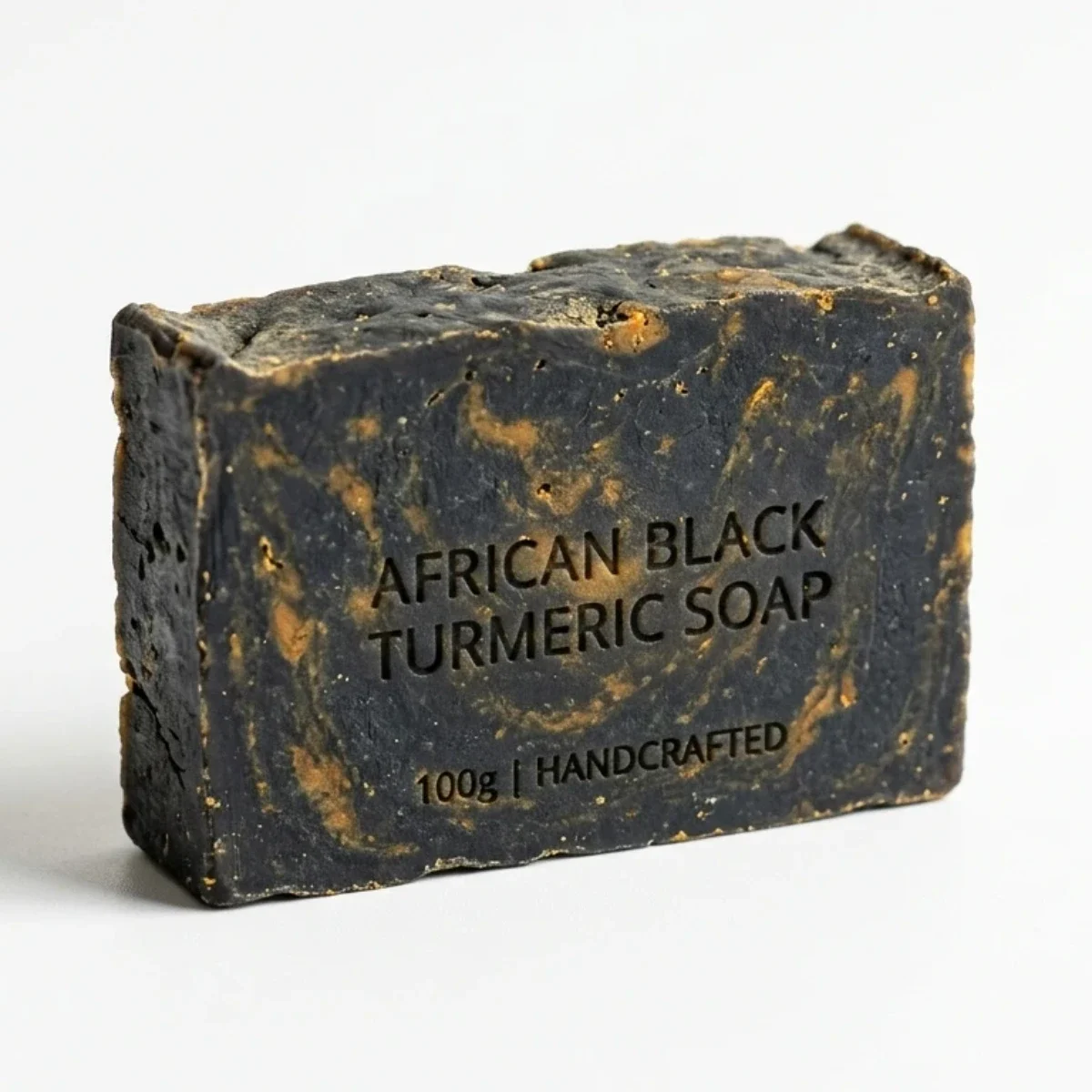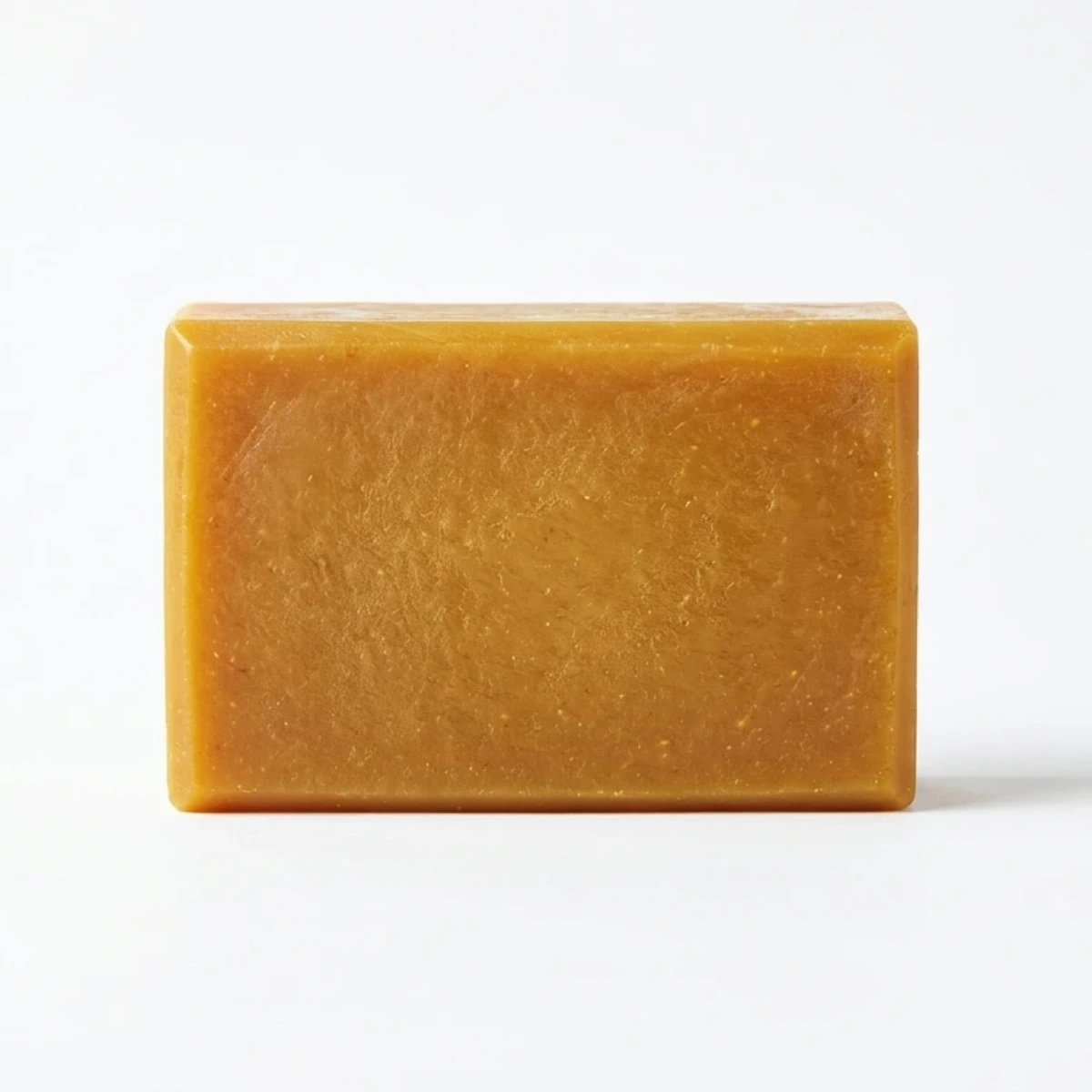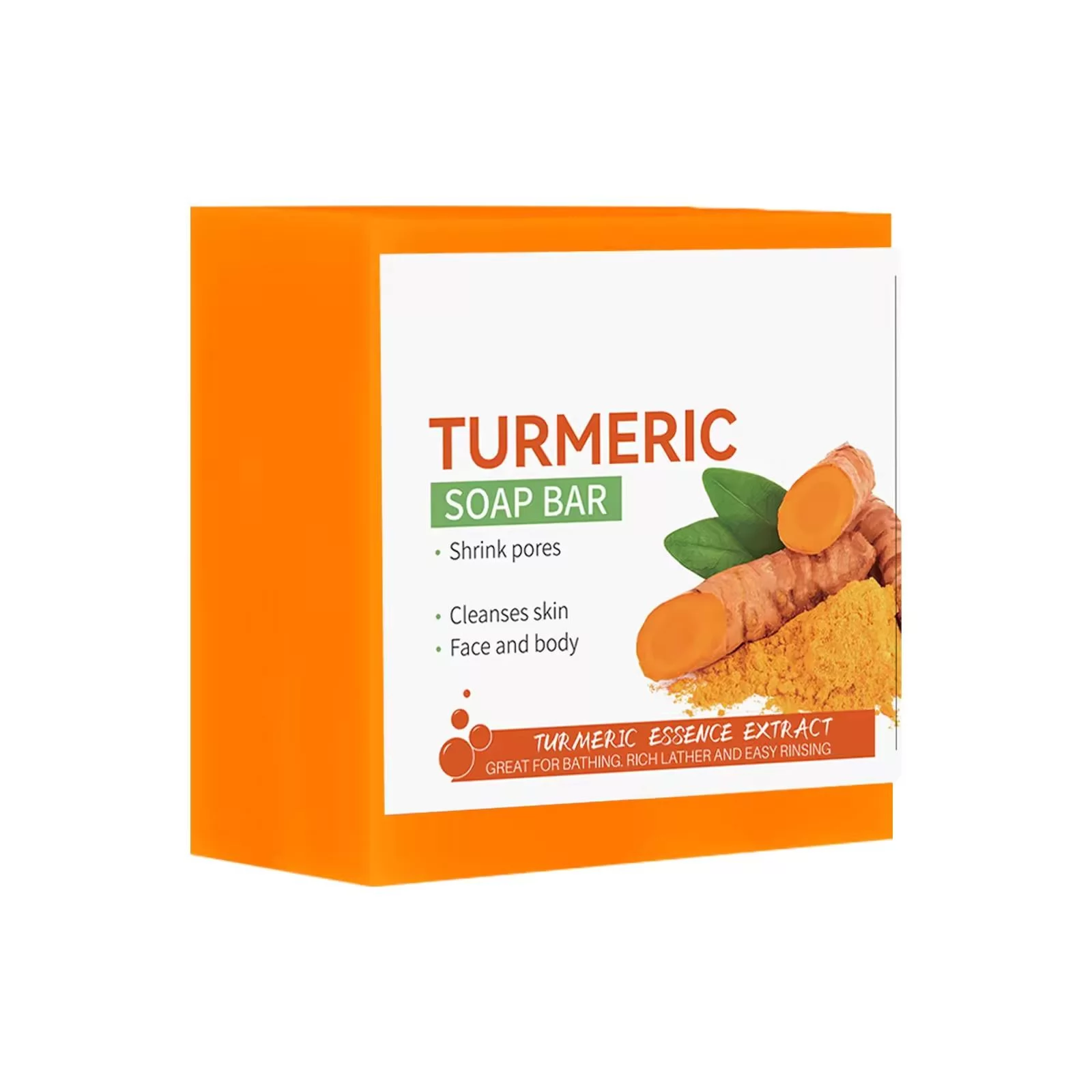

Starting a soap brand sounds romantic — picking essential oils, designing labels, pouring beautiful bars. But the reality? Your margins live or die by how well you source your supplies. The difference between a thriving soap business and one that barely breaks even often comes down to one decision: where and how you buy your raw materials.
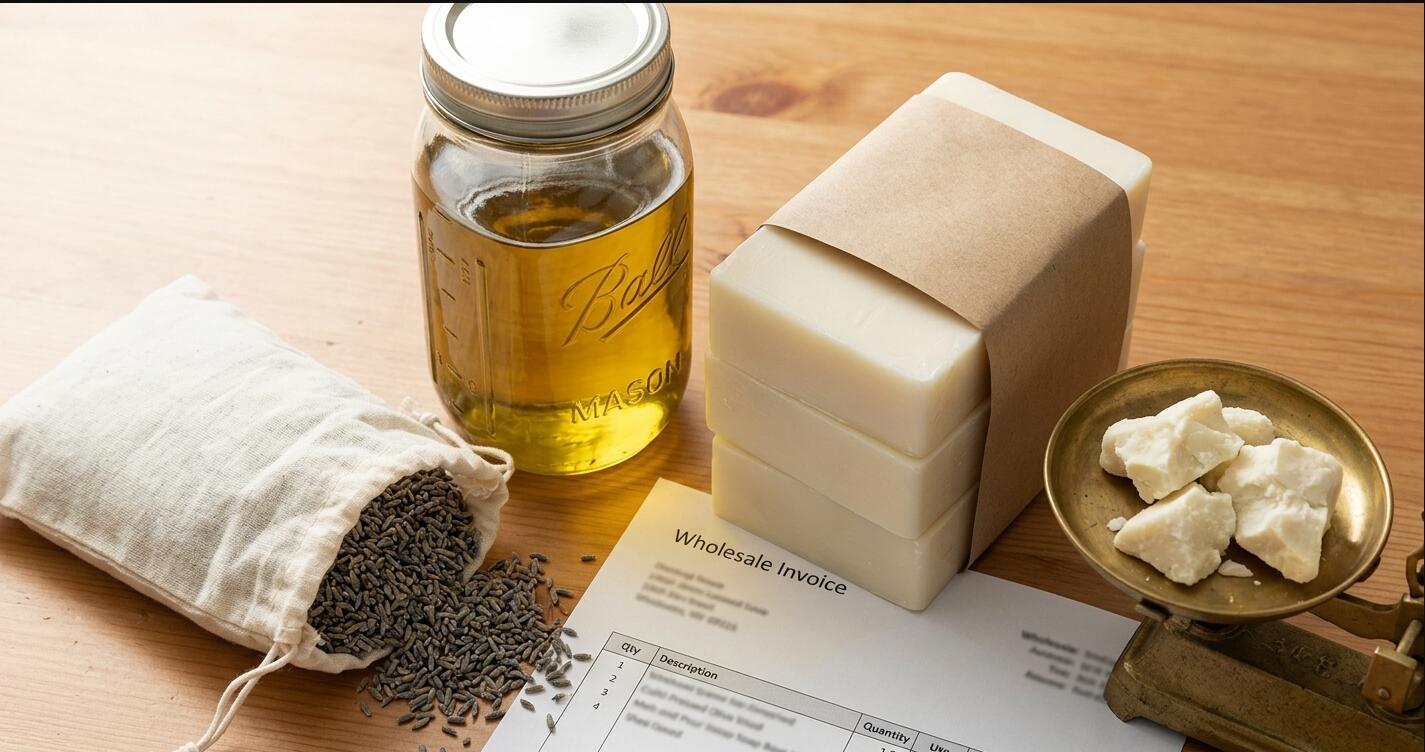
This guide breaks down everything you need to know about sourcing organic soap making supplies at wholesale prices — from choosing the right soap base to finding a manufacturing partner who can scale with you.
Why Organic Soap Making Is Booming for Small Businesses
Consumer demand for natural and organic personal care products keeps climbing. People are reading labels, ditching synthetic ingredients, and actively seeking out small brands that offer transparency. For entrepreneurs, this is a wide-open door.
| Metric | Value | Source Context |
|---|---|---|
| Global handmade soap market size (2025) | $5.5 billion | Industry research estimates |
| Projected CAGR through 2030 | 8.5% | Natural personal care segment |
| Consumers preferring "natural" labels | 73% | US/EU survey data |
| Average markup on handmade soap (retail) | 300–500% | Small brand benchmarks |
The margins are there — but only if your input costs stay under control. Buying cold process soap ingredients bulk or sourcing natural soap making oils wholesale can cut your per-bar cost by 40–60% compared to retail purchasing. That's the gap between a hobby and a business.
Who's Buying Organic Soap — And What They Expect
Your target customers fall into a few clear profiles: eco-conscious millennials and Gen Z shoppers who prioritize sustainability, parents looking for gentle formulas for their families, and sensitive-skin buyers avoiding harsh chemicals.
What they all share is a demand for ingredient transparency and clean formulations. They want to know what's in the bar, where it came from, and that it was made responsibly. Meeting those expectations starts at the supply chain level.
Essential Organic Soap Making Supplies You Need to Buy in Bulk
Let's walk through the core supplies every soap entrepreneur needs — and what to look for when buying at scale.
Soap Bases — The Foundation of Every Product
Your soap base determines everything: lather, moisture, hardness, and how well it accepts fragrances and colors. Two primary paths here.
Melt-and-pour bases are beginner-friendly and perfect for DIY kits or quick product launches. Cold process bases give you more control over formulation but require curing time and more expertise. Common base types include glycerin (clear, versatile), shea butter (moisturizing), goat milk (gentle, premium positioning), and olive oil (classic Castile-style).
When evaluating a soap base manufacturer, look for consistency across batches, willingness to customize formulations, proper certifications, and reasonable minimum order quantities for new brands.
One manufacturer worth noting is Poleview Biotechnology Co., Ltd., based in Huizhou, Guangdong Province, China. They specialize in custom soap base production and DIY soap kit sets for private-label brands. As a professional personal care product manufacturer, they handle both OEM and ODM orders — meaning you can bring your own formula or work with their R&D team to develop one from scratch.
Carrier Oils and Butters (Wholesale Sourcing)
Oils form the backbone of cold process soap recipes. The most commonly used natural soap making oils wholesale include:
Coconut oil — creates hardness and lather
Olive oil — conditioning, gentle on skin
Palm oil — firm bar, stable lather (look for RSPO-certified)
Castor oil — boosts bubbles
Sweet almond oil — luxury feel, great for sensitive skin
When buying at scale, verify organic certification (USDA Organic or equivalent), check shelf life documentation, and confirm MOQs align with your production volume. Many suppliers offer price breaks starting at 20-liter drums.
Lye and Sodium Hydroxide — Safe Bulk Purchasing
No lye, no soap — it's basic chemistry. For cold process soap making, you need sodium hydroxide (NaOH) in reliable purity levels.
Food-grade lye (99%+ purity) is preferred for cosmetic applications. Technical-grade works but may contain trace impurities. When buying wholesale lye sodium hydroxide, always verify the supplier provides Safety Data Sheets and confirm proper packaging for transit.
Storage matters: keep it in airtight, moisture-free containers away from metals and acids. Small business owners should factor in proper ventilation and safety equipment as part of their startup costs.
Essential Oils, Fragrances, and Botanicals
Scent sells soap. Popular profiles trending right now include citrus-herb blends, earthy combinations like cedarwood and vetiver, and floral-forward lavender-chamomile mixes.
Sourcing bulk essential oils for soap crafting requires attention to purity (look for GC/MS testing reports), origin transparency, and pricing that makes sense at your production scale. Certified organic essential oils cost more — but they command premium shelf prices.
Botanicals like dried flowers, clays, activated charcoal, and oat powder add visual appeal and functional benefits. Buy these from food-grade or cosmetic-grade suppliers to avoid contamination issues.
Molds, Packaging, and DIY Soap Kit Components
Packaging is where your brand comes to life. Customizable options include kraft boxes, shrink wraps, belly bands, and eco-friendly alternatives like compostable wrappers.
If you're selling DIY soap making kits (a growing retail category), you'll need pre-portioned bases, fragrance vials, colorants, molds, and instruction cards — all assembled consistently. This is where working with a manufacturer like Poleview pays off. They offer complete DIY soap kit set production and custom packaging solutions, letting you focus on branding and sales rather than assembly logistics.
Wholesale Supplier Comparison Table
Not all sourcing channels are created equal. Here's how the main options stack up for soap entrepreneurs:
| Supplier Type | Pros | Cons | Best For |
|---|---|---|---|
| Domestic Distributors | Fast shipping, easy communication | Higher prices, limited customization | Small test batches |
| Online Marketplaces | Wide selection, reviews available | Inconsistent quality, no OEM | Hobbyists scaling up |
| Direct-from-Manufacturer (China) | Lowest cost, full OEM/ODM, private label | Longer lead time, MOQ requirements | Serious brand builders |
| Poleview Biotechnology | Competitive pricing, custom soap base, full OEM/ODM, samples available | International shipping timeline | Entrepreneurs launching private-label soap lines |
If you're past the hobby stage and building a real brand, sourcing directly from a manufacturer gives you the best unit economics and the most control over your product.
How OEM and ODM Partnerships Slash Your Startup Costs
Two acronyms you'll hear constantly in manufacturing: OEM and ODM. Understanding the difference can save you thousands.
OEM vs. ODM — Which Model Fits Your Soap Brand?
OEM (Original Equipment Manufacturing) means the factory produces your product according to your exact specifications. You provide the formula, design, and packaging requirements — they manufacture it. Ideal if you have a proprietary recipe or a highly specific brand vision.
ODM (Original Design Manufacturing) means the factory offers existing formulations you can customize and rebrand. You select from their range, adjust ingredients or scents, add your packaging — and launch faster with lower R&D costs.
For new entrepreneurs with limited budgets, ODM gets you to market quickly. For established brands wanting differentiation, OEM gives full creative control.
What to Look for in a Private-Label Soap Manufacturer
Choosing a manufacturing partner is one of the most important decisions you'll make. Here's your checklist:
Quality certifications (ISO, GMP, FDA registration if exporting to the US)
Production capacity that can grow with you
Customization range — can they do your specific formula?
Clear communication in your language
Willingness to send samples before you commit
Poleview Biotechnology checks these boxes as a handmade soap base supplies distributor and full-service manufacturer. Their sample policy is straightforward — contact them, describe your product vision, and they'll send samples so you can evaluate quality before placing a bulk order. High product quality, competitive pricing, and genuine flexibility on OEM/ODM orders make them a strong option for founders building private-label brands.
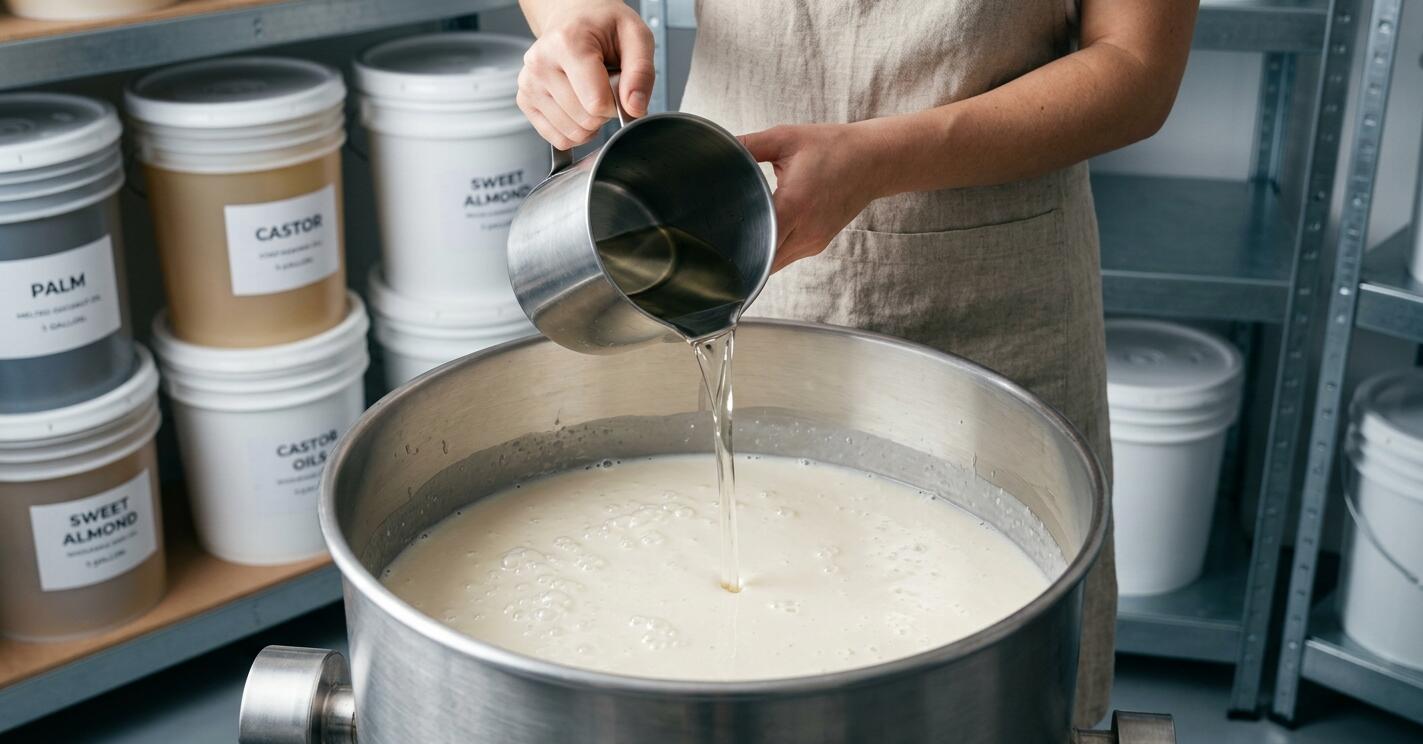
From Concept to Shelf — The Custom Soap Base Development Process
Here's what the typical workflow looks like when developing a custom soap base with a manufacturer:
Initial inquiry — Share your concept, target market, and desired ingredients
Sample development — Manufacturer produces test batches (1–2 weeks)
Formulation adjustment — Refine based on your feedback (1–2 rounds typical)
Final approval — Confirm formula, packaging, and labeling
Bulk production — Manufacturing run (2–4 weeks depending on volume)
Quality inspection and shipping — Final QC then dispatch
Total timeline from first contact to receiving inventory: roughly 6–10 weeks for new brands. Reorders move much faster since your formula is already on file.
Cost Breakdown — What to Budget for Wholesale Soap Supplies
Let's talk real numbers. Here's what you can expect to pay when sourcing at wholesale volume:
| Supply Category | Estimated Wholesale Cost | Minimum Typical Order |
|---|---|---|
| Soap Base (custom) | $1.50–$4.00/kg | 500 kg |
| Carrier Oils (organic) | $5–$15/liter | 20 liters |
| Sodium Hydroxide (bulk) | $0.80–$2.00/kg | 25 kg |
| Essential Oils | $20–$120/liter | 5 liters |
| Packaging + Labels | $0.10–$0.50/unit | 1,000 units |
| DIY Kit Assembly | $2.00–$6.00/set | 200 sets |
Note: Pricing varies by supplier region, customization level, and order volume. For exact figures tailored to your product line, request a quote directly from Poleview.
At these price points, a 100g soap bar can cost you $0.50–$1.20 to produce — including base, oils, fragrance, and packaging. Retail at $6–$12, and your margins speak for themselves.
5 Mistakes Entrepreneurs Make When Buying Soap Supplies Wholesale
Learning from other founders' mistakes saves you time and money. These are the most common pitfalls.
Mistake 1 — Prioritizing Price Over Ingredient Quality
The cheapest supplier isn't always the best deal. Low-quality bases crack, sweat, or fail to hold fragrance — leading to returns and a damaged reputation. Always evaluate samples before committing to volume orders.
Mistake 2 — Ignoring MOQ Flexibility
Some manufacturers set MOQs at 5,000 kg — far too high for a brand just starting out. Look for partners willing to work with lower initial orders (500–1,000 kg) and scale up as you grow. Poleview, for example, works with new brands at accessible starting quantities.
Mistake 3 — Not Requesting Samples Before Committing
Never place a bulk order based solely on product photos or spec sheets. A reputable manufacturer will gladly send samples. If they resist this request, that's a red flag. Touch it, smell it, test it on skin — then decide.
Mistake 4 — Overlooking Shipping and Import Regulations
International sourcing means navigating customs, import duties, and cosmetic regulations in your target market. Factor in landed cost (product + shipping + duties + clearance fees) when comparing suppliers. Budget 15–25% above FOB price for total delivered cost.
Mistake 5 — Choosing Suppliers Without OEM/ODM Capability
If you're building a brand, you need a partner who can customize — not just sell generic stock. Suppliers without OEM/ODM capability limit your ability to stand out. Working with an experienced manufacturer like Poleview sidesteps this problem entirely since custom formulation is their core service.
FAQ — Organic Soap Making Supplies Wholesale
What is the minimum order quantity for wholesale soap bases?
Industry-standard MOQs range from 200 kg to 2,000 kg depending on the manufacturer and customization level. Poleview Biotechnology offers flexible MOQs starting around 500 kg for custom soap base orders, making it accessible for new brands testing the market.
Can I get a custom soap base formulated with my own ingredients?
Yes — this is the ODM model. You provide your desired ingredient list, skin benefits, and performance criteria. The manufacturer's R&D team then develops a formula to match. Poleview offers full custom formulation services, including adjusting existing bases or building new ones from scratch based on your specifications.
Is it cheaper to buy soap making supplies from China?
In most cases, yes — significantly. Guangdong Province in particular has a dense concentration of personal care manufacturers with mature supply chains. After accounting for shipping and duties, landed costs from Chinese manufacturers like Poleview run 30–50% lower than domestic wholesale prices in North America or Europe, especially for custom formulations.
How do I verify a wholesale supplier's organic certifications?
Request copies of relevant certificates directly: ISO 9001 (quality management), GMP (good manufacturing practices), USDA Organic or ECOCERT (organic claims), and any market-specific registrations like FDA facility listing. Verify certificate numbers against issuing bodies' databases. A trustworthy supplier provides these without hesitation.
What's included in a typical DIY soap making kit for retail?
Standard kits include pre-measured soap base, fragrance or essential oil, colorant, a silicone mold, mixing tools, and step-by-step instructions. Premium kits add dried botanicals, gift packaging, or multiple scent options. Poleview produces fully customizable DIY soap kit sets — you choose the components, they handle sourcing, assembly, and packaging.
How long does shipping take from a Chinese soap base manufacturer?
From Huizhou (near Shenzhen port), sea freight to the US West Coast takes approximately 14–18 days, East Coast 25–30 days, and Europe 20–28 days. Air freight cuts this to 5–7 days at higher cost. Most brands use sea freight for bulk orders and air for urgent sample shipments or small reorders.
Ready to Source Your Organic Soap Supplies? Here's Your Next Step
The math is simple. Sourcing directly from a capable manufacturer gives you better margins, more product control, and a faster path to a differentiated brand. Middlemen add cost without adding value once you're ready to scale.
Poleview Biotechnology Co., Ltd. is a professional personal care product manufacturer based in Huizhou, Guangdong, China. They specialize in soap bases and DIY soap kit sets with full OEM and ODM capability. High product quality, competitive pricing, and a straightforward sample process make them an ideal private-label factory partner for entrepreneurs building soap brands.
Tell us about your brand vision and target products — we'll handle the rest. Contact Poleview today to request free samples and a custom quote for your soap line.
Whether you're launching your first product or scaling an existing line, the right manufacturing partner turns your concept into inventory on shelves. Stop overpaying for supplies. Start building the brand your customers are already looking for.