
Soap making kits serve as a foundational entry point for practitioners ranging from hobbyist formulators seeking a structured creative endeavor to entrepreneurs establishing independent personal care lines. This authoritative guide provides a systematic examination of procurement channels, kit typologies, and expert-level considerations — encompassing introductory melt-and-pour methodologies through to strategic partnerships with certified contract manufacturers.
Why Soap Making Kits Are Booming in Popularity
The handmade personal care market has experienced remarkable growth, with consumers increasingly seeking natural, customizable self-care products. Soap making kits sit at the intersection of creativity, wellness, and entrepreneurship — making them one of the fastest-growing segments in the DIY craft space.
The Hobbyist Appeal — Creativity Meets Self-Care
DIY soap kits for beginners offer a tactile, rewarding creative outlet that doubles as self-care. Unlike many crafts, soap making produces something immediately useful — a luxurious bar you can gift or enjoy yourself.
The sensory experience of blending fragrances, swirling colors, and unmolding a finished bar provides genuine stress relief. Communities on social media have amplified this appeal, with millions sharing their soap-making journeys and inspiring newcomers to try their hand.
The Entrepreneur Angle — Low-Barrier Entry to a Profitable Niche
A handmade soap business starter kit can cost less than $100, yet the products you create can sell for $8–$15 per bar at farmers' markets, online shops, and boutique retailers. The margins are attractive, and consumer demand for natural, artisan soap continues to climb.
For entrepreneurs ready to scale beyond kitchen batches, private label manufacturing eliminates production bottlenecks while maintaining brand identity. This path lets you focus on marketing and customer relationships rather than mixing lye at 3 AM.
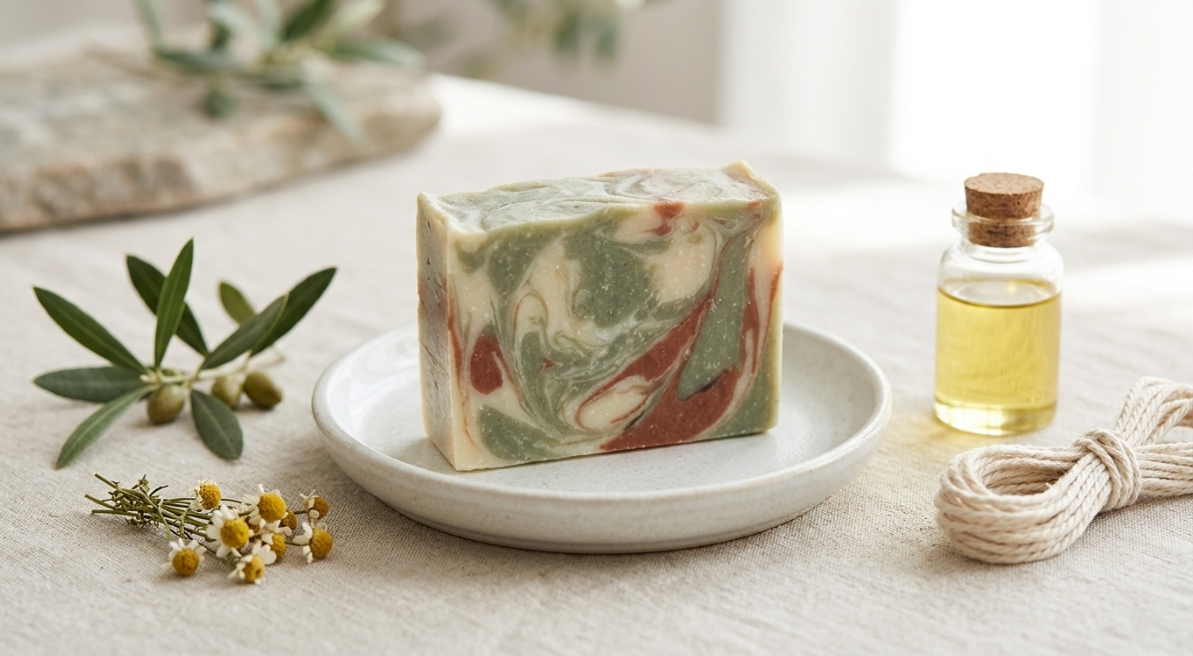
Types of Soap Making Kits Explained
Not all kits are created equal. Understanding the main categories helps you choose the right match for your skill level, time commitment, and long-term goals.
Melt and Pour Soap Kits (Best for Beginners)
These kits use a pre-made melt and pour soap base that you simply heat, customize with colors and fragrances, then pour into molds. No lye handling is required, making them safe for teens and first-timers.
Results come fast — most projects finish in under an hour, with bars ready to use the same day. They're ideal for gift-making, party activities, and testing creative ideas before committing to more advanced methods.
Cold Process Soap Kits (For Intermediate to Advanced Makers)
Cold process soap ingredients typically include sodium hydroxide (lye), carrier oils like olive and coconut, essential oils, and natural colorants. This method gives you complete control over your recipe and produces professional-quality bars.
The trade-off is a 4–6 week curing period and the need for proper safety equipment when handling lye. However, the creative freedom and superior bar quality make cold process the preferred method for serious artisans and brand builders.
Hot Process & Specialty Kits
Hot process kits accelerate saponification using heat, reducing cure time significantly. The resulting bars have a rustic, textured appearance that many customers find appealing.
Specialty kits — including goat milk soap, charcoal detox bars, and herbal infusion sets — cater to niche interests and make excellent gifts for experienced crafters looking for new challenges.
Business Starter Kits — From Hobby to Brand
These comprehensive packages include bulk soap making supplies, branding templates, packaging samples, and sometimes even business planning guides. They bridge the gap between hobbyist crafting and commercial production.
| Kit Type | Skill Level | Typical Contents | Best For |
|---|---|---|---|
| Melt & Pour | Beginner | Melt and pour soap base, molds, fragrances, colorants | Quick projects, kids, gifts |
| Cold Process | Intermediate | Cold process soap ingredients (lye, oils, molds, thermometer) | Custom formulations, entrepreneurs |
| Hot Process | Advanced | Crock pot method supplies, oils, lye, additives | Rustic bars, faster cure time |
| Business Starter | Entrepreneur | Bulk ingredients, branding materials, packaging samples | Launching a soap brand |
Where to Buy Soap Making Kits — Top Sources
Your ideal purchasing channel depends on whether you're buying one kit for a weekend project or sourcing hundreds of branded units for retail. Here's a complete breakdown of your options.
Online Marketplaces (Amazon, Etsy, eBay)
Amazon offers the widest selection of beginner-friendly kits with fast shipping and customer reviews to guide your choice. Prices typically range from $20–$60, and Prime members benefit from next-day delivery on many options.
Etsy is particularly strong for artisan-curated kits with unique ingredient combinations and handwritten instructions. You'll find small-batch suppliers offering organic, locally-sourced soap making supplies that mass retailers can't match.
Specialty Soap Making Suppliers (Bramble Berry, Wholesale Supplies Plus)
Dedicated suppliers like Bramble Berry and Wholesale Supplies Plus cater specifically to soap makers, offering higher-quality ingredients and more detailed educational resources. Their kits often include tested recipes with precise measurements.
These suppliers also stock individual cold process soap ingredients, allowing you to build custom kits as your skills develop. Bulk pricing becomes available as your order volume grows, making them a natural stepping stone toward business-scale production.
Craft Retail Stores (Michaels, Hobby Lobby, Joann)
Brick-and-mortar craft stores let you see and touch products before buying — helpful when evaluating mold quality or fragrance options. They frequently run coupons (40–50% off single items) that make kits very affordable.
The downside is limited selection compared to online sources. Most craft stores stock only melt and pour kits, so cold process makers will need to look elsewhere for lye and specialized oils.
Direct-from-Manufacturer & Private Label Partners
For entrepreneurs scaling beyond handmade batches, sourcing private label soap making kits directly from certified manufacturers unlocks full customization at competitive unit costs. This route lets you create a branded product line without investing in production facilities.
Poleview Biotechnology Co., Ltd. is a leading OEM/ODM manufacturer supporting private label orders for soap making kits, handmade soap, bath bombs, shower steamers, hair soap bars, bath salts, scented candles, and a full range of body care products. Their services cover complete customization — from product efficacy and ingredients to color, scent, packaging design, and label printing.
What sets Poleview apart is their commitment to clean formulation and global compliance. All products adhere to natural formulas and are Parabens Free, Cruelty Free, No GMO, No Chemicals, and Not Tested on Animals. They hold verified certifications including GMPc, FDA, ISO22716, along with Audit Reports, MSDS, COA, and Stability Reports.
Local Workshops & Community Co-ops
Many cities offer hands-on soap making classes where you learn techniques and take home finished products. These sessions typically cost $40–$100 and provide expert guidance that no written instruction sheet can replicate.
Community co-ops sometimes offer group purchasing of bulk ingredients, reducing costs for members while building a supportive maker community. Check local craft guilds and community centers for upcoming sessions.
| Channel | Price Range | Customization | Best For | Minimum Order |
|---|---|---|---|---|
| Amazon/Etsy | $20–$60 | None | Hobbyists, gifts | 1 unit |
| Specialty Suppliers | $30–$150 | Limited | Serious hobbyists | 1 unit |
| Craft Stores | $15–$50 | None | Beginners | 1 unit |
| Private Label/OEM (e.g., Poleview Biotech) | Custom quote | Full (formula, scent, packaging, branding) | Entrepreneurs, brands | MOQ varies |
| Local Workshops | $40–$100 | Moderate | Experiential learners | 1 session |
How to Choose the Right Soap Making Kit
With so many options available, a clear decision framework saves you from buyer's remorse. Consider your goals, budget, and how quickly you want to scale.
Key Factors — Ingredients, Tools, Instructions, and Safety
A quality kit should include clear, step-by-step instructions — ideally with photos or video links. For cold process kits, safety equipment (goggles, gloves) should be included or explicitly listed as required additions.
Check ingredient lists carefully. Premium kits use skin-safe fragrance oils, natural colorants, and high-quality base oils. Avoid kits with vague ingredient descriptions or no safety data sheets available.
Evaluating Soap Making Supplies Quality
Look for soap making supplies with transparent sourcing information. Quality indicators include specific oil grades (extra virgin vs. pomace olive oil), fragrance load percentages, and detailed colorant compositions.
Silicone molds outperform plastic in durability and ease of unmolding. Stainless steel tools resist corrosion from lye. These details separate kits that last from those you'll replace after one use.
Certifications to Look For (GMPc, FDA, ISO22716, Cruelty-Free)
If you plan to sell your soap — or simply want assurance of safety — look for suppliers with recognized certifications. GMPc (Good Manufacturing Practice for Cosmetics) ensures consistent production quality. FDA registration confirms compliance with U.S. cosmetic regulations.
ISO22716 is the international standard for cosmetic good manufacturing practices. Cruelty-free and paraben-free certifications increasingly influence consumer purchasing decisions, making them valuable for brand positioning.
Buying Private Label Soap Making Kits for Your Brand
Ready to move beyond making soap in your kitchen? Private label manufacturing lets you sell professionally produced kits under your own brand name — without building a factory.
What Are OEM & ODM Services for Soap Kits?
OEM (Original Equipment Manufacturing) means a manufacturer produces soap kits based on your existing formula and specifications. You provide the recipe; they handle production at scale.
ODM (Original Design Manufacturing) means the manufacturer develops the formula for you based on your requirements. This is ideal if you have a brand concept but lack formulation expertise. Both models allow full branding customization.
Customization Options — Efficacy, Ingredients, Color, Scent, Packaging & Labeling
Leading OEM/ODM partners offer customization across every dimension of your product. You can specify target skin benefits (moisturizing, exfoliating, acne-fighting), choose from hundreds of fragrance profiles, and select exact color palettes matching your brand identity.
Packaging options range from eco-friendly kraft boxes to premium rigid containers. Label printing services ensure your branding appears professional and compliant with regional labeling regulations.
Why Certifications Matter for Retail & E-Commerce Sales
Major retailers and e-commerce platforms increasingly require suppliers to demonstrate product safety through recognized certifications. Without GMPc, FDA registration, or ISO22716 compliance, your products may be excluded from lucrative sales channels.
Certifications also build consumer trust. Shoppers actively seek out cruelty-free, paraben-free, and non-GMO labels — especially in the natural personal care segment where transparency drives purchasing decisions.
Spotlight — Poleview Biotechnology Co., Ltd.
Poleview Biotechnology Co., Ltd. stands as a comprehensive OEM & ODM partner for brands seeking private label soap making kits and a wide range of personal care products. Their manufacturing capabilities span bath bombs, shower steamers, handmade soap, hair soap bars, bath salts, cleaning tablets, scented candles, face and body creams, body and hair oils, and face and body washes.
Their service model covers the entire product development cycle — from initial formulation and efficacy testing through color and scent selection to final packaging design and label printing. This end-to-end approach means you work with a single partner rather than coordinating multiple vendors.
Poleview's products comply with strict natural formula standards: Parabens Free, Cruelty Free, No GMO, No Chemicals, and Not Tested on Animals. Their facility holds globally verified certifications including GMPc, FDA, ISO22716, with supporting documentation (Audit Report, MSDS, COA, Stability Report) available for retail compliance requirements.
For entrepreneurs looking to launch branded soap making kit products — whether complete DIY kits for consumers or professional-grade supplies for resale — Poleview accepts both OEM and ODM orders with flexible minimum quantities.
Tips for Scaling From Hobbyist to Soap Business Owner
The transition from making soap for fun to selling it professionally requires strategic thinking about branding, sourcing, and compliance.
Building Your Brand Around Handmade Soap
Define your niche before scaling. Are you the luxury botanical brand? The zero-waste eco brand? The fun, colorful brand for gift-givers? Clear positioning guides every decision from formulation to packaging.
Invest in professional photography and consistent visual branding early. In the handmade soap market, presentation often matters as much as product quality for attracting first-time buyers.
Sourcing Bulk Cold Process Soap Ingredients
As volume increases, ingredient costs must decrease. Transition from retail-sized bottles to bulk drums of carrier oils. Establish relationships with multiple suppliers to protect against shortages and price fluctuations.
Consider whether manufacturing in-house or partnering with an OEM manufacturer makes more financial sense at your target volume. Many successful soap brands transition to private label production once they exceed 500–1,000 units per month.
Packaging, Labeling & Compliance Essentials
Cosmetic labeling regulations vary by country but generally require a complete ingredient list (INCI names), net weight, manufacturer information, and batch codes. Non-compliance can result in product seizures and fines.
Work with a manufacturing partner experienced in global compliance to ensure your labels meet requirements for every market you sell into. This is where certified OEM partners provide significant value beyond just production.
Frequently Asked Questions (FAQ)
What's included in a typical soap making kit?
Most kits include a soap base (either melt and pour blocks or cold process oils with lye), silicone molds, fragrance oils, colorants, mixing tools, and step-by-step instructions. Premium kits may add extras like dried botanicals, packaging materials, or access to online tutorials.
Can I buy private label soap making kits with my own branding?
Yes — OEM/ODM manufacturers like Poleview Biotechnology Co., Ltd. offer full customization of formula, packaging, and labeling for private label soap making kits. You can specify everything from ingredients and scent profiles to box design and printed instructions, creating a completely branded product ready for retail.
What certifications should I look for in soap making supplies?
Prioritize GMPc (Good Manufacturing Practice for Cosmetics), FDA registration, and ISO22716 compliance. For consumer appeal, look for cruelty-free verification, paraben-free formulation, and no-GMO certification. Supporting documents like MSDS, COA, and Stability Reports confirm product safety and shelf life.
Are melt and pour kits good for beginners?
Absolutely. Melt and pour soap base requires no lye handling, produces results in under an hour, and allows creative experimentation with colors, fragrances, and embeds. They're the safest and most accessible entry point into soap making for all ages.
How do I start a handmade soap business with kits?
Begin with small-batch kits to develop your skills and refine your signature recipes. Test-sell at local markets or online to validate demand. Once you've established consistent sellers, partner with a private label manufacturer for branded production at scale — eliminating production bottlenecks while maintaining quality.
What's the difference between OEM and ODM soap kit services?
OEM (Original Equipment Manufacturing) produces kits based on your existing formula — you provide the recipe and specifications. ODM (Original Design Manufacturing) develops a new formula tailored to your requirements — the manufacturer handles R&D based on your brand concept. Both allow complete customization of packaging and branding.
Ready to Start? Your Next Steps
The path from curiosity to your first beautiful bar of soap is shorter than you think. For hobbyists, grab a beginner-friendly melt and pour kit from any of the sources above and enjoy the creative process this weekend.
For entrepreneurs ready to build a brand, the smartest move is partnering with a certified manufacturer who can handle formulation, production, and compliance while you focus on marketing and growth. Private label soap making kits let you enter the market with professional-quality products from day one.
Starting out with your first batch or building a full soap line from scratch — having the right tools and formulations behind you changes everything. If you need a custom kit with private label options and OEM/ODM flexibility, Poleview Biotechnology Co., Ltd. can help you get there. Certified ingredients, natural formulas, and packaging shaped around what your brand actually needs.