
For private label brand owners sourcing body care products, the choice between a European and Chinese manufacturing partner is no longer straightforward. Europe's legacy of prestige and regulatory rigor once made it the default choice. But the global manufacturing landscape has shifted dramatically — and the data tells a compelling story.
This in-depth comparison breaks down the real costs, capabilities, lead times, and quality standards of European cosmetics production versus top-tier Chinese contract manufacturing. Whether you're an emerging DTC brand or a seasoned distributor scaling your portfolio, the insights below will help you make a smarter, data-backed sourcing decision.
Why European Cosmetics Production Dominates Global Brand Perception
Europe has shaped the global beauty industry for centuries. From the perfumeries of Grasse to the dermatological labs of Hamburg, the continent's cosmetics heritage is deeply embedded in consumer consciousness. The "Made in Europe" label carries undeniable cachet — particularly in premium skincare and luxury segments.
Much of this perception is reinforced by the EU Cosmetic Regulation (EC 1223/2009), widely regarded as the world's most stringent framework for cosmetic product safety. For brand owners, aligning with European manufacturing has historically signaled quality, safety, and sophistication.
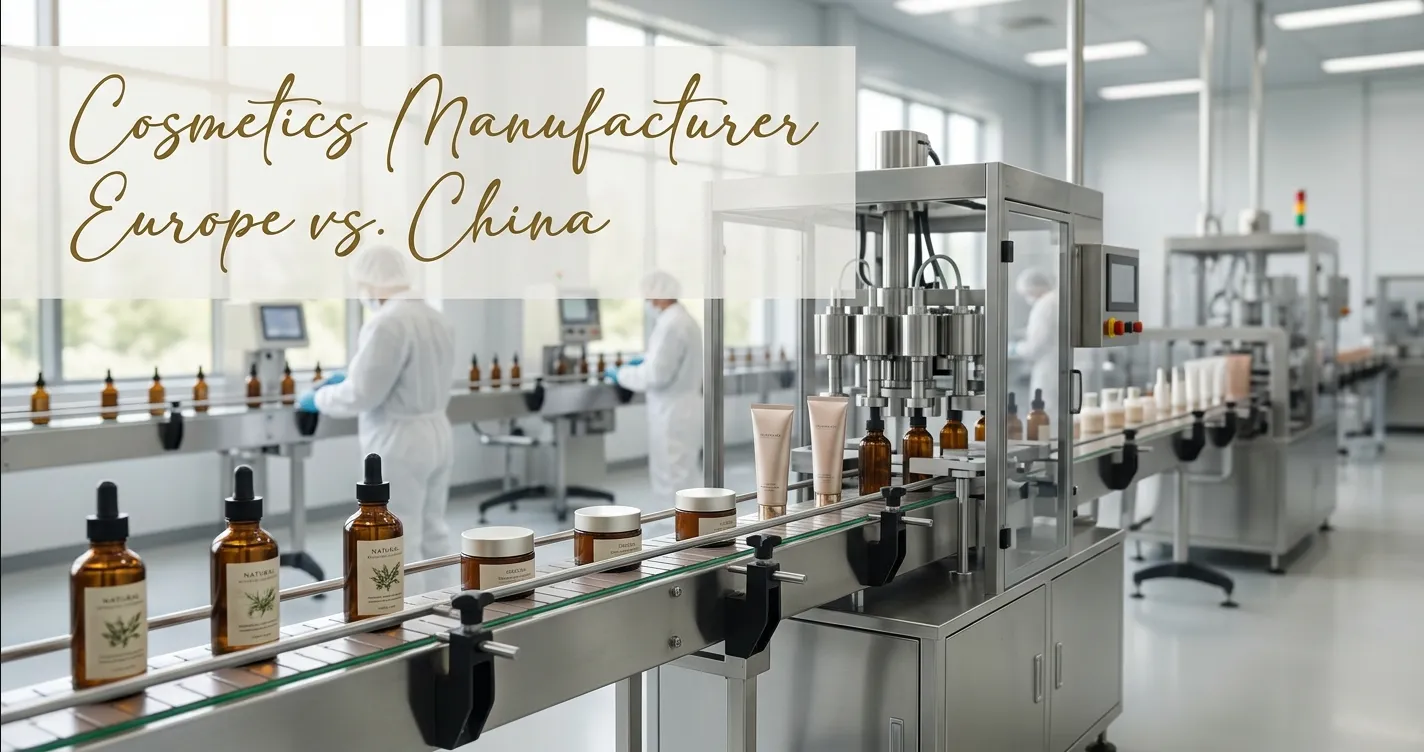
But perception and reality don't always align — especially when total cost of ownership, scalability, and speed-to-market enter the equation. Let's examine the European landscape more closely before exploring the alternative.
Key European Manufacturing Hubs — France, Germany, Italy, Poland, and Spain
European cosmetics manufacturing is not monolithic. Each hub has developed distinct specializations shaped by decades of industrial focus and regional expertise:
France: The epicenter of fragrance and luxury skincare. Home to major contract manufacturers serving global prestige brands, with deep expertise in cosmetic formulation services for anti-aging and premium body care lines.
Germany: Renowned for dermatological and clinical-grade formulations. German manufacturers excel in efficacy-driven products, backed by rigorous scientific testing protocols.
Italy: The global leader in color cosmetics and innovative textures. Italian labs are particularly strong in emulsion technology and sensorial product development.
Poland: An emerging hub for cost-competitive contract manufacturing within the EU. Polish factories increasingly attract brands seeking European production at lower price points.
Spain: Growing expertise in natural and organic body care, supported by access to Mediterranean botanical ingredients and competitive labor costs relative to Western Europe.
| European Hub | Primary Specialization | Typical MOQ | Average Lead Time |
|---|---|---|---|
| France | Luxury skincare, fragrance | 5,000–10,000 units | 10–16 weeks |
| Germany | Dermatological formulations | 5,000–8,000 units | 8–14 weeks |
| Italy | Color cosmetics, textures | 5,000–15,000 units | 10–16 weeks |
| Poland | Cost-competitive contract mfg. | 3,000–5,000 units | 8–12 weeks |
| Spain | Natural/organic body care | 3,000–5,000 units | 8–12 weeks |
EU Cosmetic Regulation Compliance — The Double-Edged Sword
The EU Cosmetic Regulation (EC 1223/2009) mandates comprehensive safety assessments, CPNP (Cosmetic Products Notification Portal) registration, and the appointment of a Responsible Person within the EU for every product placed on the market. These requirements build exceptional consumer trust and set a global benchmark for product safety.
However, for brand owners, compliance comes at a cost. Safety assessments alone can take 4–8 weeks and cost €1,000–€3,000 per product. CPNP notification requires complete Product Information Files (PIFs), toxicological assessments, and stability data — all adding time and expense to the product development cycle.
Here's the critical insight many brand owners overlook: EU regulation compliance is not exclusive to European manufacturers. Non-EU manufacturers can — and increasingly do — meet or exceed these standards through voluntary compliance, third-party testing, and documentation prepared specifically for European market entry. This distinction is reshaping how savvy brand owners evaluate their sourcing options.
The Hidden Costs of Working with a Private Label Beauty Manufacturer in Europe
The allure of European manufacturing often obscures the true total cost. When brand owners examine the complete financial picture — unit costs, MOQ commitments, timelines, and opportunity costs — the premium becomes harder to justify, particularly for body care products where formulation complexity is moderate and scale matters.
Price Premiums — How Much More Are You Really Paying?
The cost differential between European and Chinese body care manufacturing is significant across every major cost driver. The table below presents industry-average benchmarks based on standard 250ml body lotion production, compiled from publicly available supply chain data and manufacturer quotations.
| Cost Factor | European Manufacturer (Avg.) | Chinese Manufacturer (Avg.) | Difference |
|---|---|---|---|
| Raw Materials per Unit | $0.85 | $0.50 | –41% |
| Labor Cost per Unit | $0.70 | $0.20 | –71% |
| Regulatory & Compliance Fees | $0.30 | $0.15 | –50% |
| Packaging (standard) | $0.45 | $0.25 | –44% |
| Total Unit Cost (Body Lotion 250ml) | $2.30 | $1.10 | –52% |
At scale, this 40–52% cost differential translates into enormous margin advantages or competitive retail pricing. For a brand ordering 50,000 units, the savings exceed $60,000 per SKU — capital that can be redirected toward marketing, brand building, or expanding product lines.
Minimum Order Quantities and Scalability Constraints
Premium European skincare contract manufacturing partners frequently require MOQs of 5,000–10,000+ units per SKU. For established brands with predictable demand, this may be manageable. But for emerging brands, DTC startups, or companies testing new product lines, these thresholds create prohibitive barriers to entry.
Chinese OEM/ODM factories, by contrast, routinely offer MOQs starting at 1,000–3,000 units. This flexibility enables brand owners to launch with smaller initial runs, test market reception, iterate on formulations, and scale production organically — without committing six-figure inventory investments upfront.
Lead Times and Supply Chain Vulnerabilities
Post-pandemic supply chain disruptions have disproportionately affected European manufacturing. Energy price volatility — particularly following geopolitical instability in Eastern Europe — has extended average lead times to 8–16 weeks across most European hubs. Raw material shortages for key ingredients have compounded delays.
Leading Chinese manufacturers with vertically integrated supply chains — encompassing raw material sourcing, formulation, filling, packaging, and quality control under one roof — consistently deliver within 4–8 weeks. This speed advantage is not marginal; for seasonal launches, trend-driven products, or fast-moving e-commerce brands, it can determine market success or missed opportunities.
Why Smart Brand Owners Are Looking Beyond Europe — The China Manufacturing Advantage
The narrative around Chinese cosmetics manufacturing has undergone a fundamental transformation. A decade ago, concerns about quality consistency and regulatory compliance were valid. Today, China's top-tier cosmetics manufacturers operate at a level that meets — and in many operational dimensions exceeds — their European counterparts.
The quality gap has narrowed dramatically. The cost and speed advantages have not.
Modern Chinese Factories — GMP, ISO 22716, and International Certifications
Outdated stereotypes about Chinese manufacturing no longer reflect reality. Today's leading Chinese cosmetics factories operate under strict GMP (Good Manufacturing Practice) standards and hold ISO 22716 certification — the same international standard governing European cosmetics production facilities.
Many top-tier factories also maintain FDA registration for US market exports, BSCI or Sedex ethical audit certification, and voluntarily comply with EU cosmetic regulation requirements for products destined for European markets. These certifications are verified by independent, internationally recognized third-party auditors.
Cosmetic Formulation Services — R&D Capabilities That Rival Europe
China's investment in cosmetics R&D has accelerated exponentially. Leading manufacturers now operate in-house R&D laboratories staffed by experienced cosmetic chemists, offering comprehensive cosmetic formulation services that include custom formulation development, stability testing, efficacy studies, and trend-driven ingredient integration.
Access to both traditional botanical ingredients (green tea, ginseng, centella asiatica) and cutting-edge actives (niacinamide, ceramide complexes, peptides) gives Chinese formulators a uniquely versatile palette. Brand owners benefit from the ability to develop bespoke formulations or select from extensive libraries of ready-made, market-tested formulas for faster time-to-market.
Production Capacity and On-Time Delivery Track Records
Manufacturing scale is arguably China's most decisive advantage. Large OEM factories can handle orders ranging from 1,000 to 1,000,000+ units with consistent quality, supported by automated high-speed production lines, in-house packaging capabilities, and multi-stage quality control processes.
This capacity ensures that scaling from a test order to full commercial production happens seamlessly — without changing manufacturing partners, reformulating products, or renegotiating contracts.
| Criteria | Typical European Manufacturer | Leading Chinese Manufacturer (Guangdong-based) |
|---|---|---|
| Certifications | ISO 22716, GMP, EU CPNP | ISO 22716, GMP, FDA, BSCI, EU-compliant |
| MOQ | 5,000–10,000 units | 1,000–3,000 units |
| Average Lead Time | 8–16 weeks | 4–8 weeks |
| R&D / Custom Formulation | ✅ (premium pricing) | ✅ (competitive pricing) |
| Product Range | Specialized | Full-range body care |
| Unit Cost (Body Lotion 250ml) | ~$2.30 | ~$1.10 (30–50% lower) |
| Factory Audit Availability | ✅ | ✅ (on-site visits welcomed) |
| Free Sample Program | Rare / Paid | Often available |
Introducing Poleview Biotech — A Trusted Private Label Cosmetics Manufacturer from China
The advantages of Chinese cosmetics manufacturing are best illustrated through a concrete example. Poleview Biotech Co., Ltd. is a professional body care OEM/ODM factory based in Huizhou, Guangdong Province — one of China's most established cosmetics manufacturing regions — that exemplifies everything modern Chinese manufacturing has to offer.
Serving international brand owners across Europe, North America, Southeast Asia, and the Middle East, Poleview has built its reputation on a simple promise: European-standard quality at genuinely competitive pricing, delivered on time, every time.
Who Is Poleview Biotech? — Company Overview and Core Strengths
Poleview Biotech specializes exclusively in body care products, bringing focused expertise rather than diluted generalization. Their core strengths include high product quality backed by rigorous testing protocols, competitive pricing enabled by integrated manufacturing, large-scale production capacity, and a proven track record of on-time delivery.
The company offers full OEM and ODM services — meaning brand owners can bring their own formulations for contract manufacturing or leverage Poleview's R&D team to develop entirely new products from concept to finished goods.
Product Range and Cosmetic Formulation Services
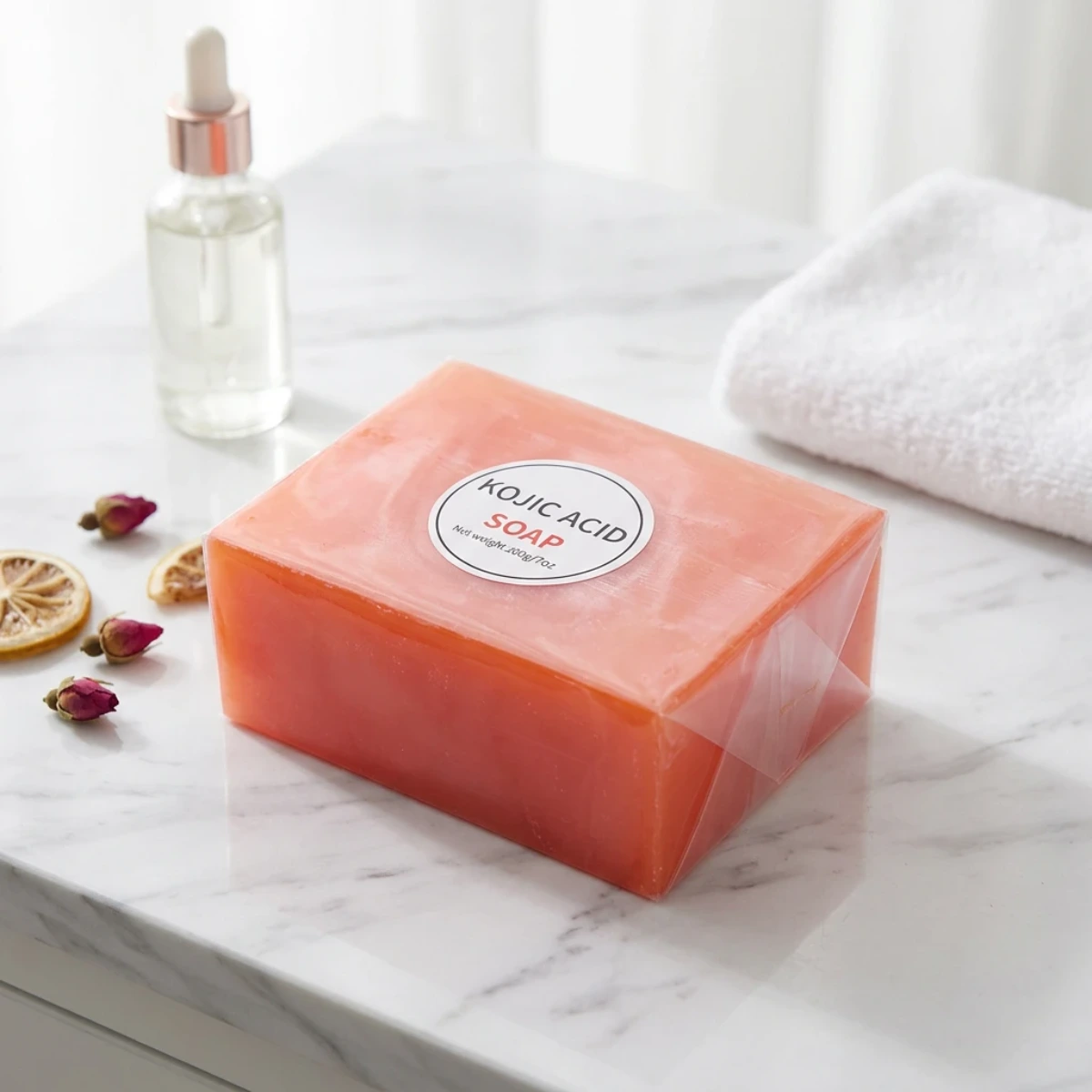
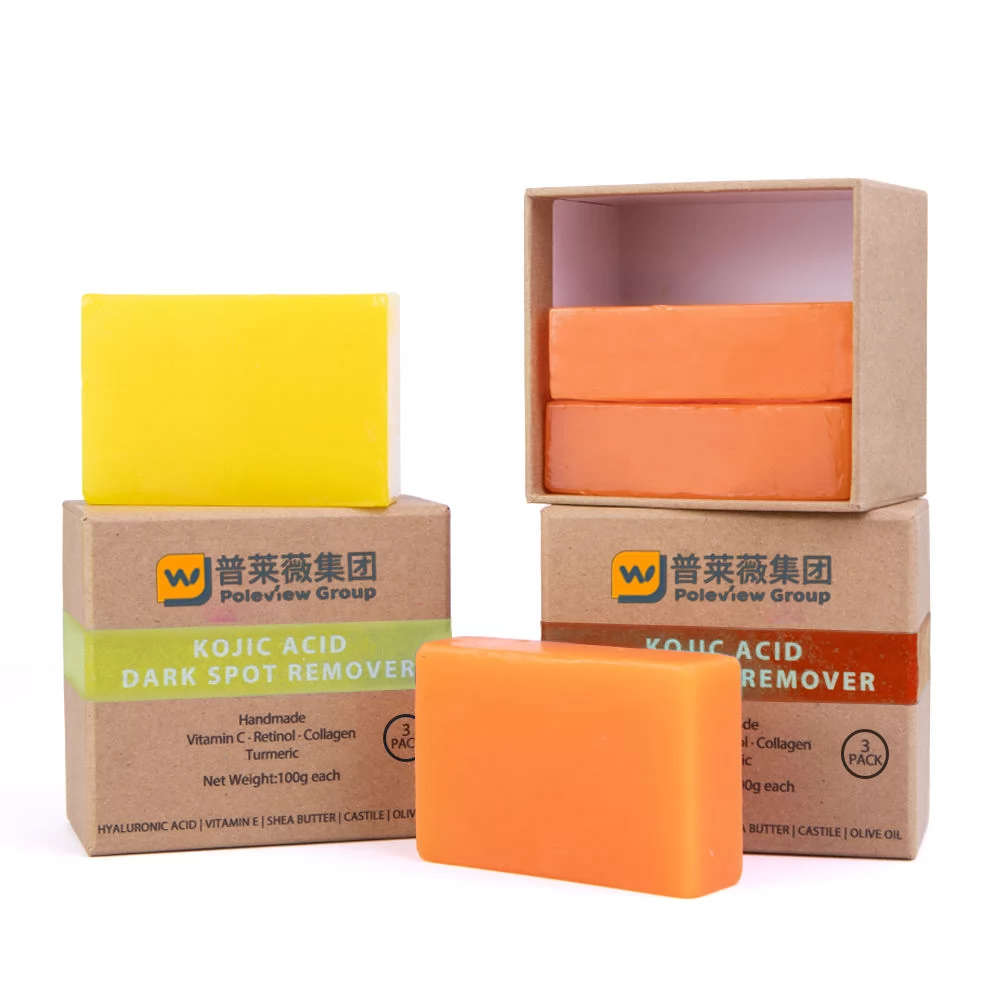
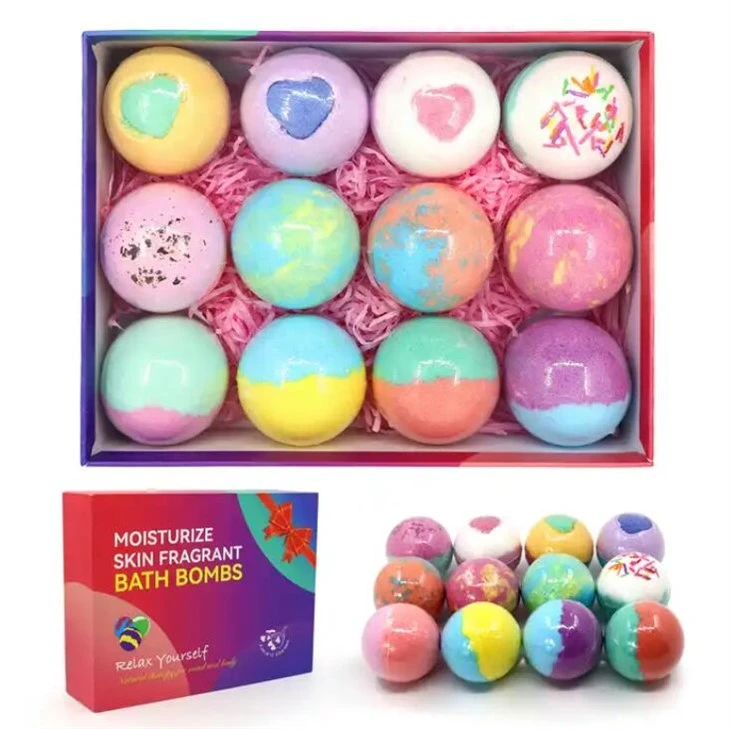
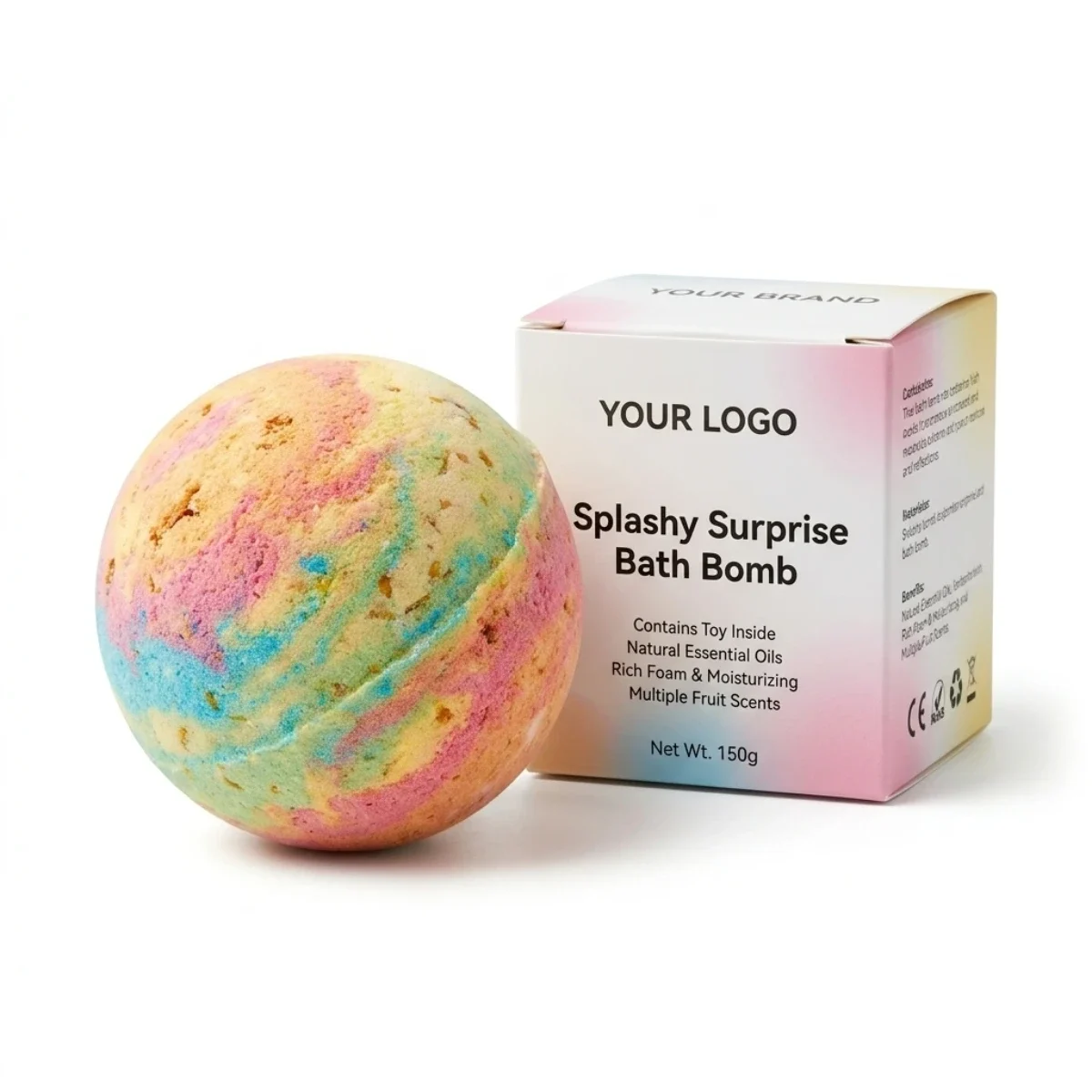
Poleview's product portfolio covers the full spectrum of body care: body lotion, body wash, shower gel, body scrub, body butter, hand cream, sunscreen, and more. Their in-house R&D laboratory supports custom formulation development, including trending ingredient integration (niacinamide, ceramides, hyaluronic acid, botanical extracts), texture customization, fragrance development, and packaging design support.
This one-stop private label beauty manufacturer model eliminates the complexity of coordinating multiple suppliers — reducing costs, shortening timelines, and ensuring consistency across your product line.
Quality Assurance and Regulatory Compliance for EU Markets
For brand owners targeting European markets, regulatory compliance is non-negotiable. Poleview addresses this proactively by formulating products to meet EU cosmetic regulation compliance standards from the outset. Their quality assurance protocols include ingredient safety assessments, stability testing (accelerated and real-time), microbiological challenge testing, and compliant labeling support.
Poleview also provides the technical documentation required for CPNP notification, working with brand owners and their appointed Responsible Persons to ensure seamless market entry. Choosing a China-based manufacturer does not mean compromising on regulatory readiness — it means working with a partner who understands and prepares for your target market's requirements.
Why International Clients Choose Poleview — Key Differentiators
| Feature | Details |
|---|---|
| Location | Huizhou, Guangdong Province, China |
| Specialization | Body care products (OEM/ODM) |
| Certifications | ISO 22716, GMP, and additional international certifications |
| MOQ | Flexible — suitable for startups and large brands alike |
| Lead Time | Competitive — typically 4–6 weeks |
| Free Samples | ✅ Available upon request |
| Factory Visits | ✅ Open and warmly welcomed |
| Export Markets | Europe, North America, Southeast Asia, Middle East |
| Custom Formulation | ✅ Full R&D support with in-house laboratory |
How to Evaluate and Choose the Right Cosmetics Contract Manufacturer — A Checklist for Brand Owners
Whether you're evaluating European or Chinese partners, a structured evaluation framework ensures you make decisions based on capability and fit — not assumptions or geography alone. Use this checklist as your decision-making foundation.
7-Point Evaluation Checklist
Certifications & Compliance: Verify ISO 22716, GMP, and any market-specific certifications (FDA, BSCI, EU compliance documentation). Poleview holds all relevant international certifications and provides full compliance support.
Product Quality & Testing Protocols: Request evidence of stability testing, microbiological testing, and raw material sourcing standards. Ask for third-party lab reports. Poleview conducts comprehensive multi-stage testing on every batch.
MOQ Flexibility: Ensure the manufacturer accommodates your current order volume while being able to scale with your growth. Poleview's flexible MOQs serve both startups and enterprise brands.
Pricing Transparency: Demand itemized cost breakdowns — raw materials, labor, packaging, compliance fees — rather than opaque per-unit quotes. Transparent pricing is a hallmark of trustworthy partners.
Lead Time Reliability: Ask for documented on-time delivery rates and references from existing clients. Poleview's 4–6 week lead time and delivery commitment are core differentiators.
R&D and Formulation Capability: Evaluate the manufacturer's ability to develop custom formulations, source trending ingredients, and innovate beyond stock formulas. Poleview's in-house R&D team provides full cosmetic formulation services.
Communication and After-Sales Support: Assess responsiveness, language capabilities, and post-delivery support for issues like documentation, reorders, or formula adjustments. Consistent, proactive communication is essential for cross-border partnerships.
The Case for Requesting Free Samples Before Committing
The single most effective way to evaluate a potential manufacturing partner is to test their products firsthand. Reputable manufacturers like Poleview offer free product samples — allowing brand owners to assess texture, fragrance, stability, packaging quality, and overall product performance before committing to a production order.
This is a low-risk, high-value step that eliminates guesswork and builds confidence in your sourcing decision. If a manufacturer hesitates to provide samples or charges premium fees for basic evaluation quantities, consider it a red flag.
Frequently Asked Questions (FAQ)
Can a Chinese cosmetics manufacturer meet EU cosmetic regulation compliance?
Yes. Leading Chinese manufacturers voluntarily comply with EU Cosmetic Regulation (EC 1223/2009) requirements, including conducting safety assessments, stability testing, and preparing complete Product Information Files (PIFs). Poleview Biotech specifically formulates and tests products to meet European market requirements and provides all necessary documentation to support CPNP notification through your appointed Responsible Person.
What is the typical MOQ for a private label beauty manufacturer in China vs. Europe?
European manufacturers typically require 5,000–10,000+ units per SKU, while Chinese manufacturers like Poleview offer flexible MOQs starting from as low as 1,000–3,000 units. This makes Chinese partners ideal for both emerging brands launching initial product lines and established companies scaling existing ranges.
How do I verify the quality of a Chinese skincare contract manufacturing partner?
Follow a multi-step verification process: request free samples for firsthand evaluation, review certifications (ISO 22716, GMP), ask for third-party audit reports (BSCI/Sedex), examine stability and microbiological test data, and arrange a factory visit. Poleview welcomes on-site inspections and proactively provides comprehensive documentation to prospective clients.
What body care products can Poleview Biotech manufacture?
Poleview manufactures a complete range of body care products, including body lotion, body wash, shower gel, body scrub, body butter, hand cream, sunscreen, and specialty treatments. Full custom formulation and packaging design services are available, enabling brand owners to create entirely bespoke product lines.
How long does production and delivery take?
Typical lead time at Poleview is 4–6 weeks from order confirmation to shipment, compared to 8–16 weeks with many European manufacturers. On-time delivery is a core operational commitment backed by Poleview's integrated supply chain and large production capacity.
Is it possible to visit Poleview's factory in Huizhou?
Absolutely. Poleview openly welcomes international clients to visit their factory in Huizhou, Guangdong Province, China. Factory tours include firsthand inspection of production facilities, automated filling and packaging lines, quality control laboratories, and the R&D center. Seeing the operation in person is the most reliable way to build confidence in your manufacturing partner.
Ready to Find Your Ideal Private Label Cosmetics Partner?
The data is clear: partnering with a top-tier Chinese body care manufacturer like Poleview Biotech delivers European-standard quality at 30–50% lower costs, with faster lead times, flexible MOQs, and comprehensive OEM/ODM services. For brand owners who demand results rather than assumptions, the smart sourcing decision is increasingly obvious.
Poleview Biotech Co., Ltd. — based in Huizhou, Guangdong Province, China — is your trusted private label cosmetics manufacturer for body care products. High quality. Competitive pricing. Large capacity. On-time delivery. Full R&D support.
Take the next step today:
Request free samples — test our product quality firsthand with no obligation
Schedule a factory visit — come to Huizhou and see our facilities, processes, and team in person
Contact us for a custom quote — tell us about your brand's needs and let us deliver a tailored manufacturing solution
Get in touch with Poleview Biotech today to discuss your private label body care project — no obligation, just results. Whether you're launching your first product line or expanding into new markets, we're ready to be the manufacturing partner your brand deserves.