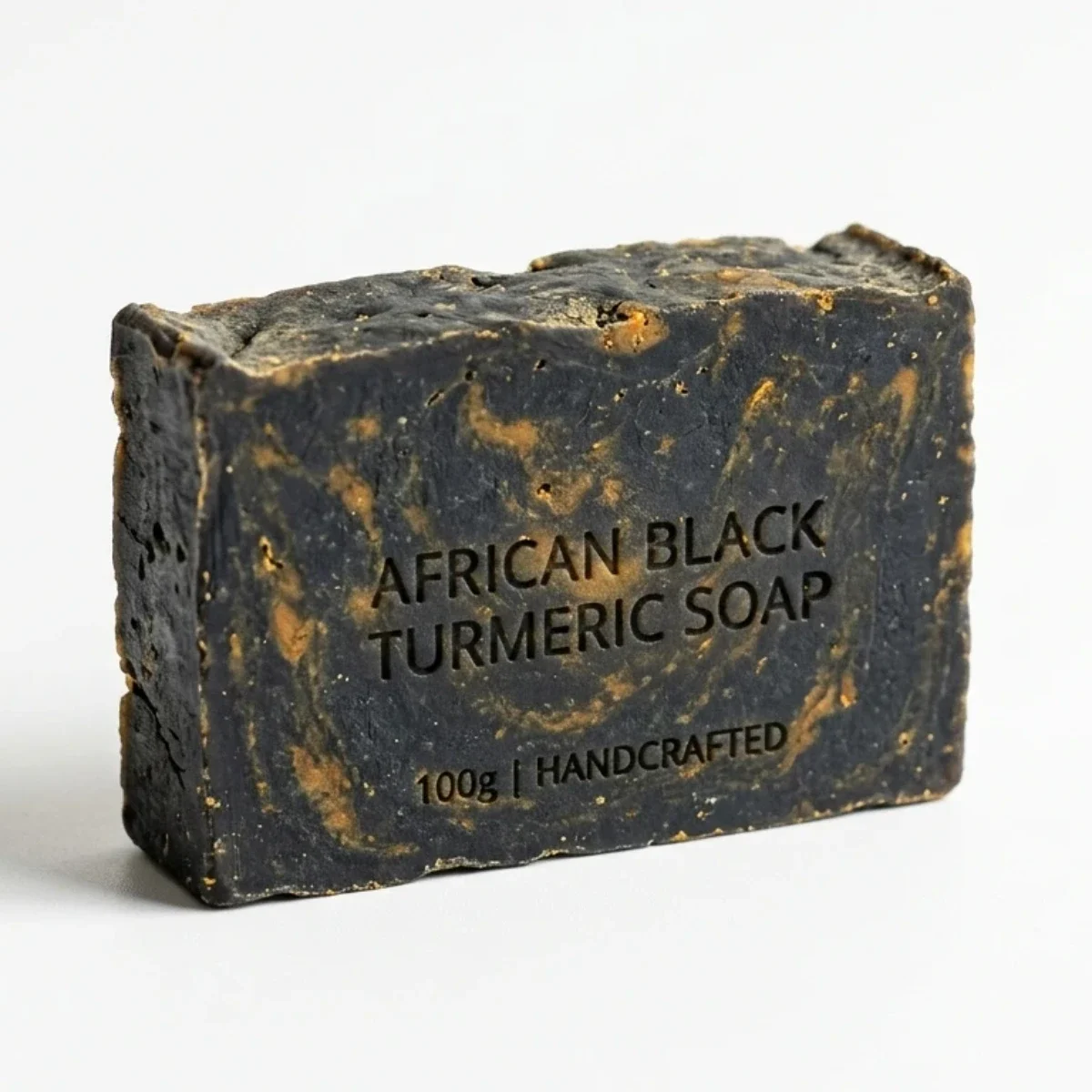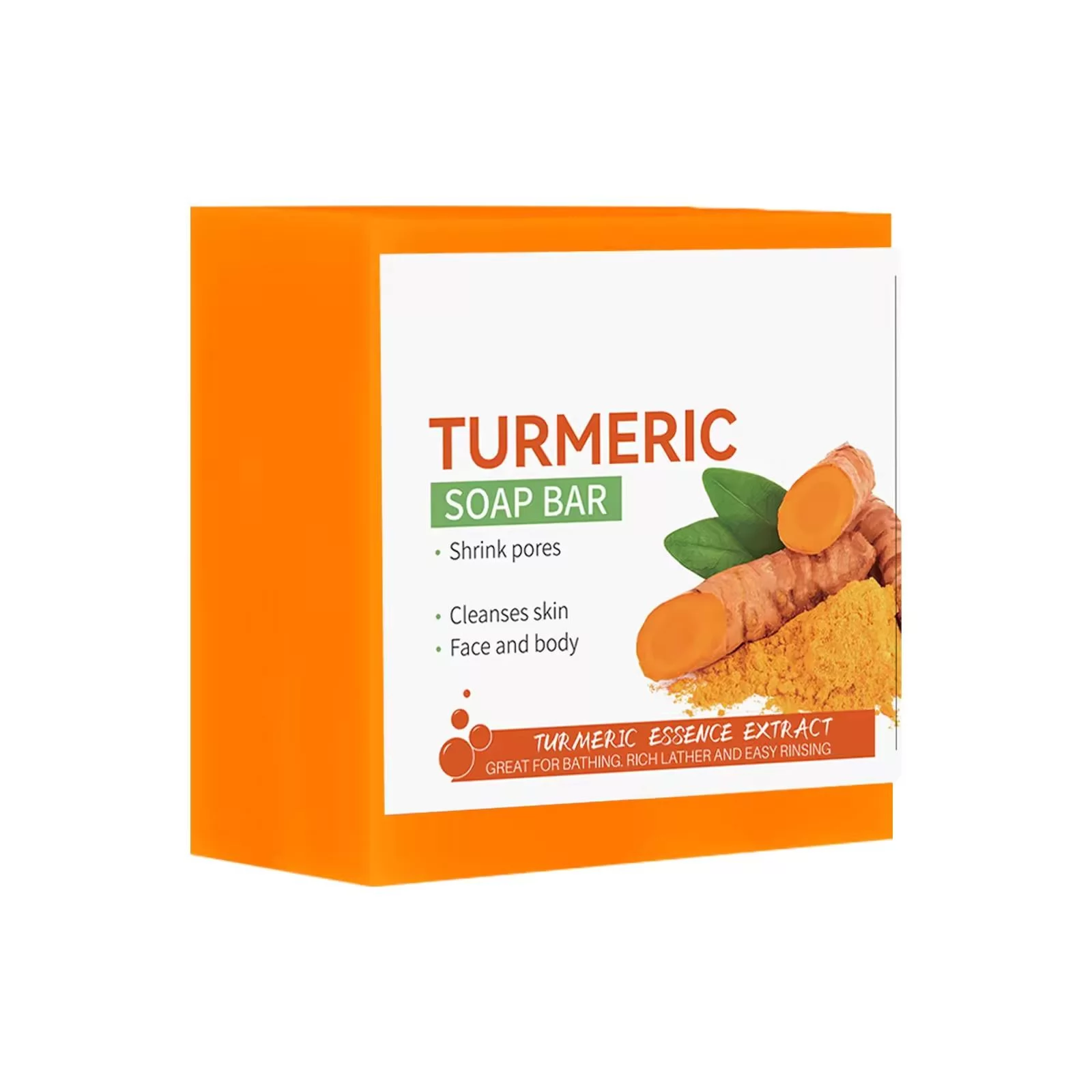

If you've been browsing skincare forums or scanning the beauty aisle recently, you've almost certainly noticed kojic acid soap showing up everywhere. Viral before-and-after photos. Dermatologist endorsements. This unassuming bar has built a massive following — and for good reason.
But here's the thing: using it incorrectly can leave you with dry, irritated skin and zero results. This guide covers everything you need to know — the right way to use it, what to expect, common mistakes to avoid, and how to keep your skin healthy throughout the process.
What Is Kojic Acid Soap and Why Is Everyone Talking About It?
The Science Behind Kojic Acid
Kojic acid is a naturally derived compound produced by certain fungi, most notably Aspergillus oryzae. It's actually a byproduct of rice fermentation — the same process behind sake, soy sauce, and miso. Japanese skincare traditions have relied on these fermentation byproducts for centuries.
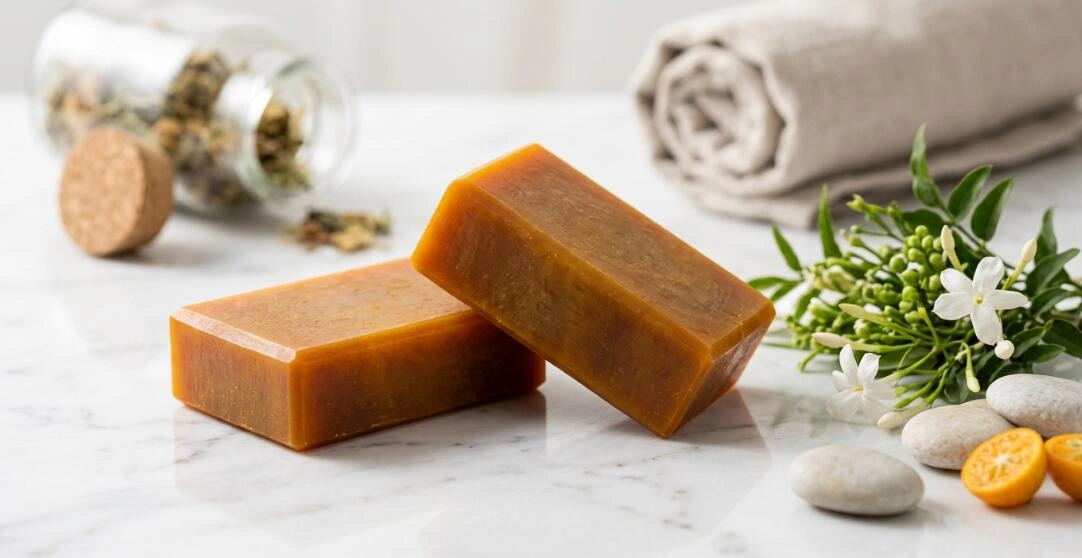
So how does it work on your skin? Kojic acid inhibits an enzyme called tyrosinase, which plays a central role in melanin production. By slowing this enzyme at the cellular level, kojic acid gradually reduces the appearance of dark spots, uneven patches, and hyperpigmentation. Think of it as turning down the dial on excess pigment production rather than erasing it entirely.
Why Kojic Acid Soap Has Become a Skincare Staple
Not everyone can afford expensive laser treatments or prescription creams. Kojic acid soap offers an accessible, affordable alternative for people who want to address dark spots and uneven skin tone at home. A single bar typically runs between $5 and $15 — a fraction of what clinical treatments cost.
The global skin-lightening market has expanded significantly in recent years, with the Asia-Pacific region leading the way. Kojic acid soap has long been a staple in the Philippines, Japan, and across Southeast Asia. Now it's gaining real traction in Western markets as consumers seek ways to lighten skin naturally without harsh chemicals.
Kojic Acid Soap Benefits: What It Can (and Can't) Do for Your Skin
Proven Benefits Backed by Dermatological Research
Let's get specific about what this dark spot remover soap can actually accomplish when used consistently and correctly.
| Benefit | How It Works | Expected Timeline |
|---|---|---|
| Fades dark spots and hyperpigmentation | Inhibits melanin overproduction at the source | 4–8 weeks of consistent use |
| Evens out skin tone | Gradually reduces contrast between darker and lighter patches | 6–12 weeks |
| Reduces acne scars and post-inflammatory marks | Lightens discoloration left behind by healed breakouts | 4–10 weeks |
| Mild antimicrobial action | Antifungal properties help with certain skin conditions | Varies |
| Addresses melasma patches | Slows excess pigmentation triggered by hormonal changes | 8–12+ weeks |
| Sun damage correction | Lightens sunspots and age spots over time | 6–12 weeks |
What Kojic Acid Soap Won't Do
Let's be straight. Kojic acid soap is not a magic eraser. It won't change your natural skin color permanently, it won't deliver overnight transformations, and it's no substitute for medical-grade treatments if you have a severe skin condition.
If someone promises you'll look three shades lighter in a week, that's a red flag — not a realistic expectation. This soap works gradually and targets excess pigmentation, not your baseline complexion.
Step-by-Step: How to Use Kojic Acid Soap Correctly
Step 1 — Patch Test Before Full Use
Before you lather up your entire face, run a simple 24-hour patch test. Apply a small amount of lather to the inside of your forearm or behind your ear. Wait a full day.
A slight tingling sensation? Normal. Redness, itching, swelling, or a rash? That's your skin telling you to stop. If you experience an adverse reaction, this product may not be right for you.
Step 2 — Wet Your Skin and Lather the Soap
Wet the target area with lukewarm water. Lather the soap between your palms or on a soft washcloth to create a gentle foam. Never rub the bar directly on dry skin — that's a fast track to irritation.
Step 3 — Apply and Leave On (Timing Matters)
This is where most people get it wrong. Contact time varies depending on your experience level and skin sensitivity. Here's a clear breakdown:
| User Level | Recommended Contact Time | Frequency |
|---|---|---|
| First-time users (Week 1–2) | 20–30 seconds | Once daily |
| Adjusted users (Week 3–4) | 1–2 minutes | Once daily |
| Experienced users (Week 5+) | 2–3 minutes (max) | Once or twice daily |
| Sensitive skin types | 15–20 seconds, gradually increase | Every other day |
Critical reminder: longer is NOT better. Over-exposure leads to irritation, excessive dryness, and potential skin barrier damage — which can paradoxically trigger more hyperpigmentation.
Step 4 — Rinse Thoroughly with Cool Water
Rinse all the soap off completely using cool water. Cool water helps close pores and minimizes the drying effect. Make sure no residue remains, especially around the hairline, jawline, and neck.
Step 5 — Moisturize Immediately
This might be the most important step people skip. Apply a hydrating, fragrance-free moisturizer within 60 seconds of patting your skin dry. Kojic acid is inherently drying, and skipping this step is the single biggest mistake users make.
Look for moisturizers containing hyaluronic acid, glycerin, or aloe vera — these ingredients replenish hydration without interfering with the brightening process.
Step 6 — Apply Sunscreen (Non-Negotiable)
This is the single most important step in your entire routine. Kojic acid increases your skin's photosensitivity, which means sun exposure can undo all your progress — and actually make dark spots worse.
Apply an SPF 30+ broad-spectrum sunscreen every single morning. On cloudy days, too. Even when you're staying indoors near windows. No exceptions.
Common Mistakes That Sabotage Your Results
Using It Too Frequently or Leaving It On Too Long
The "more is more" approach backfires badly with kojic acid. Overuse causes redness, peeling, and a compromised skin barrier. Here's the cruel irony: a damaged barrier often triggers post-inflammatory hyperpigmentation, leaving you with more dark spots than you started with.
Skipping Sunscreen
This point deserves repeating. Unprotected sun exposure doesn't just stall your progress — it actively reverses it. Every minute spent in the sun without protection works against you.
Combining with Other Active Acids Too Soon
Resist the temptation to layer on AHAs, BHAs, retinol, or vitamin C serums alongside your new kojic acid soap right away. Too many active ingredients at once is a recipe for irritation. A simple rule: if you're new to kojic acid, keep the rest of your routine gentle for the first month.
Expecting Instant Results and Quitting Early
Visible changes typically require 4–8 weeks minimum with consistent use. Skin cell turnover takes time. Take comparison photos in the same lighting every two weeks — you'll catch changes that are impossible to see day-to-day.
Kojic Acid Soap Side Effects: What to Watch For
Normal Adjustment Reactions vs. Warning Signs
| Reaction | Normal or Concerning? | What to Do |
|---|---|---|
| Mild tingling during application | Normal (first 1–2 weeks) | Monitor; reduce contact time if uncomfortable |
| Slight dryness or flaking | Normal | Increase moisturizer application |
| Redness lasting more than 30 minutes | Concerning | Reduce frequency to every other day |
| Burning or stinging pain | Warning sign | Rinse immediately; discontinue for 48 hours |
| Rash, hives, or swelling | Allergic reaction | Stop use entirely; consult a dermatologist |
| Increased sensitivity to sunlight | Expected effect | Mandatory sunscreen use |
Who Should Avoid Kojic Acid Soap?
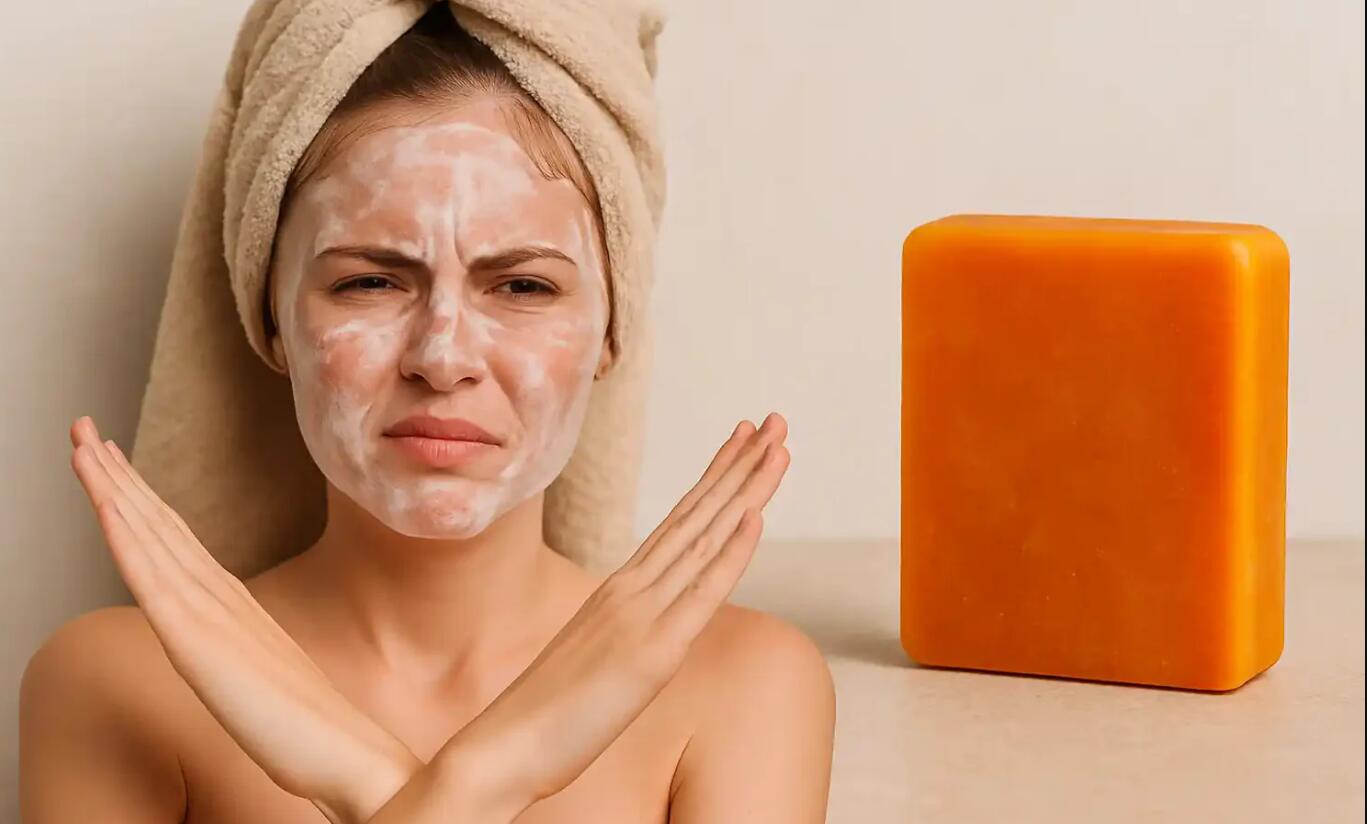
Certain individuals should avoid kojic acid or consult a doctor first. This includes people with active eczema or rosacea flares, anyone with open wounds or broken skin, individuals with known allergies to fungal-derived ingredients, and those who are pregnant or breastfeeding.
Tips to Maximize Results When Using Kojic Acid Soap
Pair with Complementary Ingredients
Want to amplify your results without increasing irritation? Pair your kojic acid routine with niacinamide (brightening powerhouse), hyaluronic acid (hydration hero), or aloe vera-based moisturizers (soothing and restorative). These gentle partners work synergistically to enhance that even-toned glow.
Keep a Consistent Routine
Here's a straightforward daily framework that works for most people:
Morning Routine
Cleanse with kojic acid soap → apply fragrance-free moisturizer → finish with SPF 30+ broad-spectrum sunscreen.
Evening Routine
Cleanse with a gentle, non-active cleanser → apply hydrating serum or moisturizer → optional occlusive layer (like Vaseline on particularly dry patches).
Know When to Level Up
If your results plateau after 3–4 months of consistent use, don't just start leaving the soap on longer. Consult a dermatologist about prescription-strength options or professional treatments instead. There's a ceiling to what over-the-counter products can achieve, and that's perfectly fine.
Choosing the Right Kojic Acid Soap for Your Skin
What to Look for on the Label
| Feature | What to Look For | Red Flags to Avoid |
|---|---|---|
| Kojic acid concentration | 1%–2% (the sweet spot for efficacy and safety) | No concentration listed; vague "maximum strength" claims |
| Additional ingredients | Glycerin, coconut oil, vitamin E, shea butter | Mercury, unregulated hydroquinone, steroids |
| pH level | 4.0–5.5 (skin-compatible range) | Extremely low pH without buffering agents |
| Manufacturing transparency | Clear ingredient list, brand website, batch numbers | No ingredient list, unverifiable brand, suspiciously low price |
Popular Forms: Bar Soap vs. Liquid
Traditional bar soap is the most common and affordable format. Liquid kojic acid cleansers tend to be easier to dose and are often gentler on the skin. Neither is inherently superior — your choice should come down to personal preference and how your skin responds.
Frequently Asked Questions
How long does it take for kojic acid soap to show results?
Most users notice visible improvement in dark spots and overall skin tone within 4–8 weeks of consistent, correct use. Deeper hyperpigmentation or melasma may take 12 weeks or longer. Patience and consistency matter most here.
Can I use kojic acid soap on my face and body?
Yes, it's suitable for both. Facial skin is thinner and more sensitive, though, so start with shorter contact times on the face (20–30 seconds) compared to the body (1–2 minutes). Always adjust based on how your skin responds.
Is kojic acid soap safe for dark skin tones?
Yes — when used correctly. Kojic acid targets excess melanin production, not your baseline skin color. People with darker skin tones should be especially cautious about overuse. Irritation can trigger post-inflammatory hyperpigmentation, which defeats the purpose entirely.
Can I use kojic acid soap every day?
Once your skin has adjusted — typically after about two weeks of every-other-day use — daily application is generally safe for most people. But listen to your skin. If persistent dryness or irritation shows up, scale back without hesitation.
Does kojic acid soap lighten skin permanently?
No. Kojic acid slows melanin production while you use it, but stop the product and resume unprotected sun exposure, and dark spots can return. Maintenance use two to three times per week, paired with consistent sunscreen, helps sustain results long-term.
Can I use kojic acid soap with retinol or vitamin C?
It's possible, but it requires caution. Introduce one active ingredient at a time. Use them at different times of day — kojic acid soap in the morning, retinol at night, for example — and monitor your skin's tolerance closely. When in doubt, a dermatologist can help you build a safe routine.
Is kojic acid soap safe during pregnancy?
There is limited research on topical kojic acid use during pregnancy. Most dermatologists recommend erring on the side of caution. Consult your healthcare provider before adding it — or any new active ingredient — to your routine during pregnancy or breastfeeding.
What should I do if kojic acid soap irritates my skin?
Stop using it immediately. Apply a gentle, fragrance-free moisturizer and give your skin barrier at least 48–72 hours to recover. If irritation persists beyond that, see a dermatologist. You may simply need a lower concentration or shorter contact time. Not every skin responds the same way, and that's completely normal.