
You're standing in the skincare aisle, staring at rows of jars, tubes, and pump bottles — all promising silky, hydrated skin. One label says "ultra-rich body butter," the next boasts "lightweight daily lotion." You grab one, second-guess yourself, put it back, and grab the other. Sound familiar?
Here's the truth: choosing the wrong body moisturizer can leave your skin either uncomfortably greasy or frustratingly parched. The answer isn't one-size-fits-all — it depends on your skin type, your climate, and what you actually need from your skincare routine.
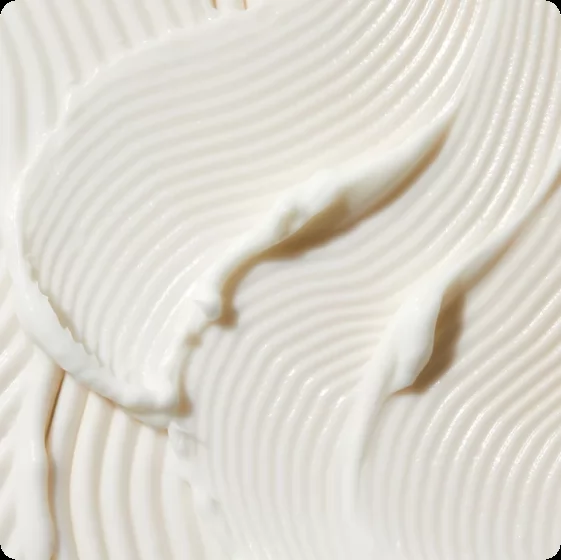
What makes this decision even more nuanced today is that body butter manufacturers have significantly reformulated their products in recent years, blurring traditional lines with whipped textures, hybrid consistencies, and clean-beauty innovations. Let's break down exactly what separates these two categories so you can make a confident, informed choice.
What Is Body Butter? A Deep Dive Into Rich Skin Hydration
Composition & Key Ingredients
Body butter is an oil-based formulation built around plant-derived fats — think shea butter, cocoa butter, mango seed butter, and coconut oil. Unlike lotions, body butters contain minimal water content, typically less than 20% of the total formula.
The magic lies in their combination of emollients and occlusives. Emollients soften and smooth the skin's surface, while occlusives create a physical seal that prevents transepidermal water loss. This is why shea butter skincare has become a cornerstone of intensive dry skin treatment protocols.
Many formulations also incorporate carrier oils like jojoba, argan, or sweet almond oil alongside vitamin E for antioxidant protection. The result is a concentrated, nutrient-dense product that delivers prolonged hydration.
How Body Butter Works on the Skin
When you apply body butter, it creates a protective lipid barrier over the epidermis. This barrier locks existing moisture inside while shielding skin from environmental aggressors like wind, cold air, and low humidity.
Absorption is intentionally slow — typically 5 to 15 minutes — which allows active ingredients to penetrate gradually rather than evaporating quickly. This makes body butter ideal for overnight use, when your skin's repair mechanisms are most active.
For targeted application on chronically rough areas like elbows, knees, and heels, this slow-release mechanism provides hours of continuous skin hydration that lighter products simply cannot match.
Common Forms & Packaging
Body butters are most commonly found in wide-mouth jars and tins that accommodate their thick, scoopable texture. Whipped versions offer a lighter, airier feel while maintaining the same rich ingredient profile.
Leading body butter manufacturers differentiate their offerings through formulation density, botanical additions, and texture innovation. Some brands now offer stick formats for mess-free application, while others focus on seasonal limited-edition blends featuring ingredients like turmeric, lavender, or baobab oil.
What Is Body Lotion? The Lightweight Body Moisturizer Breakdown
Composition & Key Ingredients
Body lotion is fundamentally a water-based emulsion, with water comprising 60–80% of the formula. This high water content is what gives lotion its fluid, spreadable consistency and fast-absorbing nature.
The hydrating power comes primarily from humectants — ingredients like glycerin, hyaluronic acid, and panthenol that attract water molecules from the environment and deeper skin layers to the surface. Light oils and emulsifiers hold the formula together, while preservatives maintain shelf stability.
Because of the water-dominant composition, lotions evaporate and absorb far more quickly than butters, delivering immediate but shorter-lived moisture replenishment.
How Body Lotion Works on the Skin
Rather than sitting on top of the skin, lotion actively draws moisture into the epidermis through humectant action. This mechanism provides quick relief from dryness and leaves a non-greasy, comfortable finish within seconds of application.
The lightweight profile makes lotion suitable for daily, full-body application without the heaviness or residue that can come with richer products. You can dress immediately after applying, making it practical for morning routines.
For people with normal to slightly dry skin, this surface-level hydration is often sufficient to maintain a healthy moisture barrier throughout the day.
Common Forms & Packaging
Lotions come in pump bottles, squeeze tubes, and even spray formats for ultra-convenient application. The fluid consistency lends itself to dispensing mechanisms that would be impossible with thicker products.
Variations within the category include moisturizing cream (slightly richer than standard lotion), gel-lotion hybrids (ideal for oily skin), and treatment lotions infused with active ingredients like AHAs or ceramides for specific skin concerns.
Body Butter vs. Lotion: Head-to-Head Comparison Table
Detailed Comparison Table
| Feature | Body Butter | Body Lotion |
|---|---|---|
| Water Content | Low (<20%) | High (60–80%) |
| Texture | Thick, dense, creamy | Light, fluid, fast-absorbing |
| Primary Function | Occlusive barrier / deep hydration | Humectant-driven / surface hydration |
| Best For | Very dry, cracked, or rough skin | Normal to slightly dry skin |
| Absorption Time | 5–15 minutes | 30 seconds – 2 minutes |
| Ideal Climate | Cold, dry, low-humidity environments | Warm, humid environments |
| Frequency of Use | 1–2x daily or as needed | Daily, multiple times if desired |
| Residue | May feel heavy if over-applied | Minimal to none |
| Typical Price Range (per oz) | $1.50–$4.00 | $0.50–$2.50 |
| Shelf Life | 12–24 months (fewer preservatives needed) | 12–18 months |
Body Butter Benefits & Uses
Who Should Use Body Butter?
Body butter is the ideal choice for people with chronically dry, flaky, or eczema-prone skin who need more than surface-level moisture. If your skin feels tight, rough, or visibly cracked despite using lotion daily, it's time to upgrade to a richer formulation.
Those living in harsh winter climates or arid regions — where humidity regularly drops below 30% — will benefit enormously from the occlusive protection body butter provides. The lipid barrier it creates compensates for the moisture your environment strips away.
Anyone seeking intensive overnight skin hydration, whether for anti-aging purposes, skin repair, or simply waking up with softer skin, will find body butter delivers results that lighter products cannot replicate.
Best Application Practices
Apply body butter to damp skin immediately post-shower. The residual water on your skin gets sealed beneath the occlusive layer, dramatically amplifying the hydrating effect. This simple timing adjustment can double the product's efficacy.
Focus application on the roughest, driest areas: elbows, knees, heels, and hands. These zones have fewer sebaceous glands and lose moisture fastest. A pea-sized amount per area is typically sufficient.
During warmer months, use sparingly or apply at night and layer under breathable cotton clothing. This prevents the heavy feeling while still delivering deep overnight nourishment.
Popular Use Cases & Real-World Examples
Dermatologists frequently recommend butter-based formulations for managing atopic dermatitis, particularly during flare-ups when the skin barrier is severely compromised. The occlusive properties help restore barrier function while reducing irritation.
In pregnancy skincare routines, body butter is widely used for stretch mark prevention. The intense moisturization improves skin elasticity in areas under rapid expansion — the abdomen, breasts, hips, and thighs.
Post-tattoo healing protocols increasingly favor shea butter skincare formulations for their anti-inflammatory properties and gentle, fragrance-free moisture delivery. Tattoo artists often recommend unrefined shea butter over petroleum-based alternatives.
Consumer survey data indicates that approximately 67% of users with severe dryness prefer butter-based products over lotions, citing longer-lasting relief and fewer reapplications needed throughout the day.
Body Lotion Benefits & Uses
Who Should Use Body Lotion?
Body lotion is the go-to body moisturizer for people with normal, combination, or oily skin types. If your skin doesn't feel excessively tight or cracked but simply needs daily maintenance hydration, lotion provides exactly the right level of moisture.
Those living in humid climates — where heavy products feel suffocating and can even trigger breakouts on the body — will appreciate lotion's breathable, lightweight finish. It hydrates without adding excess oil to already-balanced skin.
Anyone who needs a quick, no-fuss daily moisturizer that absorbs in seconds and allows immediate dressing will find lotion fits seamlessly into fast-paced morning routines.
Best Application Practices
Apply immediately after bathing while skin is still slightly damp. This maximizes the humectant benefit — glycerin and hyaluronic acid work best when there's available water to attract and bind to the skin's surface.
Lotion is suitable for full-body coverage without heaviness. Use generous amounts on larger surface areas like arms, legs, and torso. The lightweight formula means you won't feel weighed down even with liberal application.
Layer under sunscreen or fragrance without pilling or interference. Lotion's quick absorption creates a smooth, dry canvas for subsequent products, making it an excellent base layer in multi-step routines.
Popular Use Cases & Real-World Examples
For office-friendly midday reapplication, lotion is unmatched. A quick pump on dry hands or forearms absorbs invisibly, leaving no greasy residue on keyboards, papers, or clothing.
Athletes and fitness enthusiasts prefer lotion for post-workout hydration — it replenishes moisture lost through sweating without clogging pores or creating a slippery film that interferes with grip or movement.
Sensitive skin formulations in the lotion category (fragrance-free, dermatologist-tested, hypoallergenic) represent one of the fastest-growing segments. These products deliver effective hydration while minimizing irritation triggers.
Market research shows the global body lotion segment accounts for approximately 58% of the total body care moisturizer market, reflecting its universal appeal across demographics and skin types.
Is Body Butter or Body Lotion Better for You? A Decision Framework
Skin Type Assessment Guide
| Skin Type | Recommended Product | Reasoning |
|---|---|---|
| Very Dry / Cracked | Body Butter | Needs occlusive, long-lasting barrier |
| Dry | Body Butter or Rich Lotion | Seasonal adjustment recommended |
| Normal | Body Lotion | Sufficient hydration without heaviness |
| Oily / Acne-Prone | Lightweight Lotion or Gel-Lotion | Avoids pore congestion |
| Sensitive / Eczema | Fragrance-Free Body Butter | Fewer irritants, stronger barrier repair |
Seasonal & Climate Considerations
During winter months or in dry climates where indoor heating further depletes air moisture, lean toward body butter. Your skin loses water faster in these conditions and needs the occlusive reinforcement that only a rich, oil-based product can provide.
In summer or humid climates, lotion is typically sufficient and far more comfortable. Heavy products in high humidity can feel oppressive and may even contribute to body acne by trapping sweat and bacteria against the skin.
During transitional seasons (spring and fall), a combination approach works beautifully: apply body butter on extremities (hands, feet, elbows, knees) where dryness concentrates, and use lotion on the torso and limbs where skin stays more naturally balanced.
Can You Use Both? The Layering Strategy
Absolutely — and many skincare professionals recommend exactly this approach. Apply lotion as a hydrating base layer across the entire body, then follow with targeted body butter on problem areas that need extra attention.
This layering strategy gives you the best of both worlds: humectant-driven hydration from the lotion pulling moisture into skin, sealed in by the occlusive barrier of the butter on top. It's particularly effective for people whose dryness varies across different body zones.
Recognizing this trend, body butter manufacturers increasingly offer complementary lotion-butter product lines designed to work synergistically — matching scent profiles and ingredient bases for seamless layering.
Ingredient Spotlight: What to Look For (and Avoid)
Top Ingredients in Quality Body Butters
- Unrefined shea butter — retains maximum vitamins A, E, and F; superior anti-inflammatory properties
- Cocoa butter — rich in fatty acids; excellent for improving skin elasticity
- Mango seed butter — lightweight for a butter; high in antioxidants
- Jojoba oil — mimics skin's natural sebum; non-comedogenic
- Vitamin E (tocopherol) — antioxidant protection; extends shelf life naturally
- Squalane — plant-derived; exceptional absorption without greasiness
Avoid for sensitive users: synthetic fragrances, parabens, mineral oil, and petroleum-derived ingredients that may cause irritation or interfere with skin's natural functions.
Top Ingredients in Quality Body Lotions
- Glycerin — powerful humectant; attracts and binds water to skin
- Hyaluronic acid — holds up to 1,000x its weight in water
- Ceramides — restore and strengthen the skin's natural barrier
- Aloe vera — soothing, anti-inflammatory, lightweight hydration
- Niacinamide (Vitamin B3) — improves barrier function; evens skin tone
- Oat extract (colloidal oatmeal) — calms irritation; FDA-recognized skin protectant
Avoid: denatured alcohol (SD alcohol, alcohol denat.) which strips moisture; artificial dyes that serve no skincare purpose and may sensitize skin over time.
Reading Labels: A Quick Guide
Ingredients are listed in INCI (International Nomenclature of Cosmetic Ingredients) order — from highest concentration to lowest. If shea butter appears first on a body butter label, it's the dominant ingredient. If it appears near the end, it's present in trace amounts only.
As a general rule, the first five ingredients make up the bulk of any formula (often 70–80% of the total product). Focus your evaluation there. Everything listed after fragrance or preservatives is typically present at less than 1% concentration.
How Body Butter Manufacturers Are Innovating the Category
Trends Shaping the Industry
Clean beauty and sustainable sourcing have become non-negotiable for leading brands. Fair-trade shea cooperatives in West Africa — where over 90% of the world's shea nuts originate — now supply directly to manufacturers committed to ethical supply chains and community investment.
Waterless formulations are gaining significant traction, reducing environmental footprint while delivering more concentrated active ingredients per application. Without water, products also require fewer preservatives, appealing to minimalist skincare consumers.
Whipped and hybrid textures bridge the traditional butter-lotion gap, offering the rich ingredient profile of a butter with the lighter, more spreadable feel of a cream. This innovation has expanded the body butter audience to include people who previously found traditional butters too heavy.
Probiotic-infused and microbiome-friendly formulations represent the cutting edge, with manufacturers incorporating pre- and postbiotics to support the skin's natural microbial ecosystem while delivering deep hydration.
What to Look for When Choosing a Brand
Prioritize transparency in sourcing and ingredient origin. Reputable body butter manufacturers clearly disclose where their raw materials come from and how they're processed — unrefined versus refined, cold-pressed versus solvent-extracted.
Look for third-party certifications that verify claims: USDA Organic, Leaping Bunny (cruelty-free), Fair Trade Certified, and COSMOS Natural or Organic. These certifications require independent auditing and ongoing compliance.
Formulation expertise matters enormously. Brands that invest in dermatological testing, stability testing, and clinical trials demonstrate commitment to efficacy — not just marketing. Check for published results or dermatologist endorsements backed by actual testing data.
Common Myths & Misconceptions
"Body Butter Clogs Pores"
This is an oversimplification. Many body butters are formulated with non-comedogenic ingredients — shea butter itself has a comedogenic rating of 0–2 (low risk). The key distinction is application area: body skin is significantly thicker and less acne-prone than facial skin.
For body application, pore-clogging is rarely an issue unless you're applying extremely thick layers to already acne-prone areas like the chest or upper back. Choose formulations without known comedogenic additives like coconut oil if you're concerned.
"Lotion Doesn't Really Moisturize"
This myth stems from confusion about hydration mechanisms. Humectant-based hydration is scientifically legitimate — glycerin and hyaluronic acid genuinely increase skin's water content by drawing moisture from the environment and deeper dermal layers to the stratum corneum.
The limitation is duration, not efficacy. Lotion hydrates effectively but may need reapplication sooner than butter because it lacks the same occlusive staying power. For many skin types, this lighter approach is not only adequate but preferred.
"More Expensive Means Better"
Price often reflects branding, packaging, and marketing budgets rather than ingredient quality. A $50 body butter and a $15 body butter can contain virtually identical active ingredients — the difference may be a luxury jar and a celebrity endorsement.
Research shows diminishing returns above certain price points. Once a product contains high-quality, properly sourced butters and oils in effective concentrations, additional cost rarely translates to additional skin benefit. Read ingredient lists, not price tags.
Frequently Asked Questions (FAQ)
Can I use body butter on my face?
Generally, this is not recommended. Facial skin is thinner, more sensitive, and has a higher density of pores than body skin. The rich, occlusive nature of body butter can lead to clogged pores, breakouts, and milia on the face. Instead, opt for facial moisturizers specifically formulated for the delicate skin on your face — products that balance hydration with non-comedogenic properties.
How often should I apply body butter vs. lotion?
Body butter typically needs application only 1–2 times daily due to its long-lasting occlusive barrier — once after your morning shower and optionally before bed. Body lotion can be applied as needed throughout the day, often 2–3 times, since its lighter formula absorbs and dissipates faster. Listen to your skin: when it feels tight or looks dull, it's time to reapply.
Does body butter expire faster than lotion?
Counterintuitively, body butter often lasts longer — 12 to 24 months compared to lotion's typical 12 to 18 months. Because butter contains minimal water, it's less hospitable to bacterial growth and requires fewer preservatives. Store both products in cool, dry places away from direct sunlight, and always use clean hands or a spatula to prevent contamination.
Is body butter better for eczema than lotion?
Dermatological guidance generally favors thicker, occlusive products for eczema management. Body butter creates a stronger protective barrier that reduces transepidermal water loss — a key factor in eczema flares. However, the specific formulation matters more than the category: choose fragrance-free, hypoallergenic options with proven barrier-repair ingredients like shea butter and ceramides. Always consult your dermatologist for personalized dry skin treatment recommendations.
Can I mix body butter and lotion together?
Yes — this is a popular DIY approach for customizing consistency. Blend a small amount of body butter with your lotion in your palm before applying to create a medium-weight moisturizing cream tailored to your current needs. This works especially well during transitional seasons when your skin needs more than lotion but less than pure butter.
Are there vegan body butter options?
Absolutely. Shea butter, cocoa butter, and mango seed butter are all entirely plant-based. The ingredients to watch for in non-vegan formulations are beeswax andlanolin, both derived from animals. Many body butter manufacturers now clearly label products as vegan and cruelty-free, making identification straightforward. Look for certifications like Vegan Society or PETA-approved logos for added assurance.
What's the difference between body butter and moisturizing cream?
Think of body moisturizers on a spectrum based on their oil-to-water ratio. Body lotion has the highest water content and lightest texture. Moisturizing cream sits in the middle — richer than lotion but still containing significant water and emulsifiers. Body butter sits at the densest end, with minimal water and maximum oil/butter concentration. Creams offer a middle-ground option for those who find lotion too light but butter too heavy.
Final Verdict: Choosing Your Ideal Body Moisturizer
Summary of Key Takeaways
The fundamental difference between body butter and body lotion comes down to composition and function. Body butter is oil-dominant, thick, and occlusive — designed to seal in moisture and protect severely dry skin. Body lotion is water-dominant, lightweight, and humectant-driven — designed to deliver quick, comfortable hydration for daily maintenance.
Neither product is universally "better" than the other. They serve different purposes for different situations. Your ideal choice is determined by a simple equation: skin type + climate + lifestyle = best product match.
- Very dry, cracked, or eczema-prone skin in cold climates → body butter
- Normal to slightly dry skin in moderate to humid climates → body lotion
- Variable needs across seasons and body zones → both, used strategically
The smartest approach is flexibility. Build a routine that adapts to your skin's changing needs rather than committing rigidly to a single product year-round.
Your Next Steps
Assess your current skin hydration needs using the decision framework and skin type table above. Be honest about what your skin is telling you — tightness, flaking, and rough texture signal a need for richer products, while comfort and balance suggest your current routine may simply need fine-tuning.
Explore products from reputable brands that prioritize ingredient transparency, ethical sourcing, and dermatological testing. Whether you're shopping for personal use or evaluating optionsfor a retail or private-label business, connect with established body butter manufacturers who offer custom formulations tailored to specific market needs and skin concerns.
Start with a patch test whenever introducing a new product into your routine. Apply a small amount to your inner forearm and wait 24–48 hours to confirm compatibility. Then integrate gradually — swap one product at a time so you can accurately assess results.
Adjust seasonally. Revisit your routine at every major weather shift. What worked in January may feel excessive in July, and what kept you comfortable in summer may leave you parched by November. Your skin is dynamic — your moisturizer strategy should be too.
Ready to find your perfect match? Use the comparison tables and decision framework in this guide to identify exactly what your skin needs right now. If you're a brand owner, retailer, or entrepreneur looking to develop custom body care products, reach out to experienced body butter manufacturers who can help you create formulations that stand out in a competitive market. Your skin — or your customers' skin — deserves nothing less than the right product for the right purpose.