
There's something almost magical about dropping a hand-crafted fizzy ball into warm water and watching it swirl into color and scent. The good news? You don't need a chemistry degree or a fancy workshop to make bath bombs at home. With a handful of pantry-friendly ingredients and a free afternoon, you can whip up a batch that rivals anything on a boutique shelf.
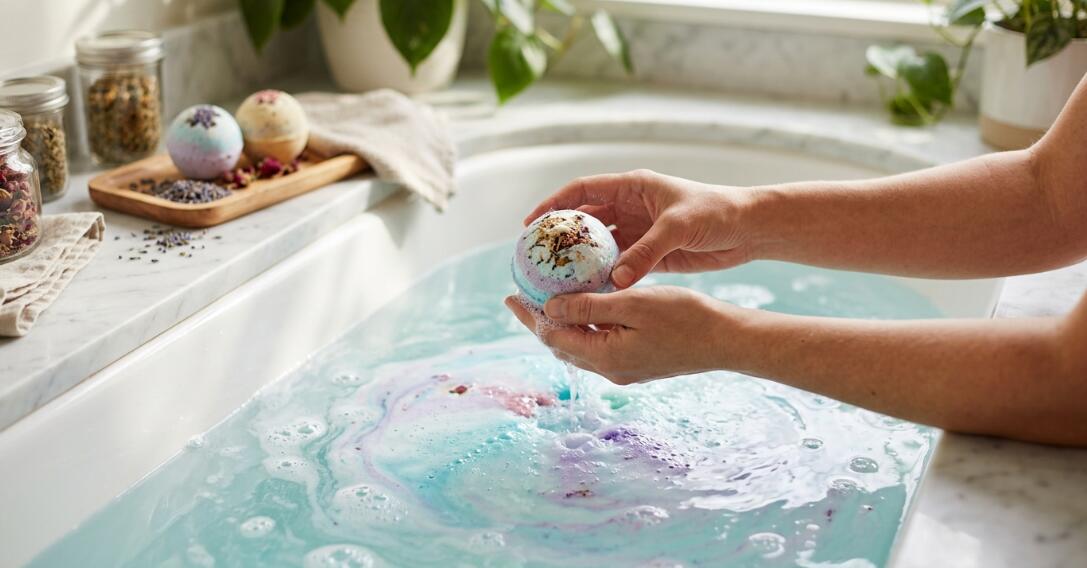
This guide walks you through every step, from understanding the fizz reaction to fixing common mishaps. Whether you're crafting gifts for friends or quietly dreaming about launching your own brand, you'll find what you need below.
Why Make Bath Bombs at Home?
Store-bought fizzies can feel like a small luxury, but the price tags add up fast. Making your own is cheaper, more creative, and frankly more fun.
Cost Comparison: Store-Bought vs. Homemade
The math gets interesting once you start tracking it. A single artisan bath bomb often runs $6 to $10 in retail stores, while the homemade version costs roughly $1 to $2 once you've stocked your basics.
| Source | Average Price per Bath Bomb | Cost for 6 Bombs |
|---|---|---|
| Boutique retail | $8.00 | $48.00 |
| Drugstore brand | $4.50 | $27.00 |
| Homemade | $1.50 | $9.00 |
That's a savings of around 60 to 70 percent, even before you factor in the satisfaction of making something with your own hands.
Personalization Benefits
When you DIY, you control everything. Scent strength, color intensity, the kind of carrier oils that pamper your skin, and which synthetic fragrances or dyes you'd rather skip altogether.
Sensitive skin? Use unscented options. Love a heavy floral? Double the lavender. The recipe bends to you.
A Note for Aspiring Sellers
If your kitchen experiments start drawing compliments, don't ignore that signal. Homemade batches are perfect for testing recipes and pinpointing crowd favorites before partnering with a manufacturer for larger production.
Essential Bath Bomb Ingredients You'll Need
Most of the magic comes from a short list of affordable basics. Each one plays a role in either the fizz reaction or the feel on your skin.
The Two Stars: Citric Acid and Baking Soda
The classic fizz comes from a simple acid-base reaction between citric acid and baking soda. When water hits the dry mixture, the two react to release carbon dioxide bubbles, which is what creates that satisfying foam.
The standard ratio is 1 part citric acid to 2 parts baking soda by volume. Look for food-grade versions at grocery stores, online soap-making suppliers, or canning sections.
Binders and Skin-Loving Add-Ins
Carrier oils like sweet almond, fractionated coconut, or jojoba moisturize your skin and help bind the powder. Epsom salt adds a muscle-soothing element, while cornstarch slows the fizz and helps the bomb hold its shape.
Witch hazel, used in a small spray bottle, gives you the moisture you need to bind everything without triggering the fizz too early.
Essential Oils for Bath Bombs
This is where personality enters the picture. Lavender for calm, eucalyptus for clarity, sweet orange for cheer, and peppermint for a cooling lift are crowd favorites.
Stick to a safe dilution of about 1 percent for skin contact, which works out to roughly 15 to 20 drops per batch of six. More isn't better here, especially for sensitive skin.
Colorants and Decorative Touches
Cosmetic-grade mica powders give vibrant color without staining your tub. Skin-safe cosmetic dyes work too, used sparingly. For visual flair, sprinkle dried rose petals, chamomile flowers, or lavender buds on top before unmolding.
Ingredient Quick-Reference Table
| Ingredient | Purpose | Typical Amount (per batch of 6) |
|---|---|---|
| Baking soda | Base, fizz reaction | 1 cup |
| Citric acid | Acid, fizz reaction | 1/2 cup |
| Epsom salt | Muscle-soothing filler | 1/2 cup |
| Cornstarch | Slows fizz, hardens shape | 1/2 cup |
| Carrier oil | Moisturizing, binding | 2.5 tsp |
| Essential oil | Fragrance | 15–20 drops |
| Witch hazel | Activates binding (spray) | As needed |
Tools and Equipment
You probably own most of these already. Gather everything before you start so the process flows.
Bath Bomb Molds
Stainless steel hemisphere molds are the gold standard, since they release cleanly and produce that classic round shape. Silicone molds in fun shapes (hearts, stars, cupcakes) work too. In a pinch, ice cube trays or even small measuring cups can stand in.
Mixing Bowls and Measuring Tools
Use glass or stainless steel bowls. Avoid aluminum, which can react with the acidic ingredients and discolor your mix. A whisk, a fine-mesh sifter, and standard measuring spoons round out the kit.
Safety Gear
Fine powders kick up dust that can irritate lungs, especially citric acid. A simple dust mask and a pair of disposable gloves keep things tidy and comfortable, particularly if you're working with mica or charcoal.
Step-by-Step: How to Make Homemade Fizzy Bath Bombs
Now for the fun part. Read through all six steps once before starting so nothing catches you off guard.
Step 1: Combine Your Dry Ingredients
Sift the baking soda, citric acid, Epsom salt, and cornstarch into a large bowl. Sifting breaks up clumps and makes for a smoother final bomb. Whisk until evenly mixed.
Step 2: Mix the Wet Ingredients Separately
In a small bowl, whisk together your carrier oil, essential oils, and any liquid colorant. Keeping wet and dry separate at this stage prevents the reaction from starting too early.
Step 3: Slowly Combine Wet into Dry
This is the make-or-break moment. Pour the wet mixture into the dry one teaspoon at a time, whisking briskly between additions. If you see foaming, you're going too fast. Slow down.
Step 4: Test the Texture
Squeeze a handful in your palm. The mixture should hold together like damp sand at the beach. If it crumbles, spritz lightly with witch hazel and mix again. A few spritzes is usually all you need.
Step 5: Pack the Molds
Overfill each mold half with mixture, mounding it slightly above the rim. Press the two halves together firmly with steady pressure, then twist gently to lock them. Don't rotate them like an Oreo, just a small twist to settle the seam.
Step 6: Unmold and Cure
For metal molds, tap the top half lightly and lift it off after 1 to 2 minutes, then carefully tip the bomb onto a soft towel and remove the bottom. Silicone molds work better with a longer wait, often a few hours. Let your bombs cure for 24 to 48 hours in a dry room before using or wrapping.
Recipe Variations to Try
Once you've nailed the basic technique, branch out. These three blends cover different moods and routines.
Relaxing Lavender Dream
Use 15 drops of lavender essential oil and a pinch of purple mica swirled into half the batch for a marbled look. Top with dried lavender buds before molding.
Energizing Citrus Burst
Combine 10 drops of sweet orange and 8 drops of grapefruit essential oil with a sunny yellow mica. Bright, bracing, and great for slow mornings.
Detox Eucalyptus Mint
Mix 10 drops of eucalyptus and 6 drops of peppermint with a teaspoon of activated charcoal for a smoky gray bomb that feels clarifying after a workout.
Recipe Comparison Table
| Recipe | Mood | Key Essential Oils | Best Time to Use |
|---|---|---|---|
| Lavender Dream | Calming | Lavender, chamomile | Evening, before bed |
| Citrus Burst | Energizing | Sweet orange, grapefruit | Morning soak |
| Eucalyptus Mint | Refreshing | Eucalyptus, peppermint | Post-workout |
Troubleshooting Common Problems
Even seasoned crafters hit snags. Here's how to read what your batch is telling you.
My Bath Bombs Won't Hold Their Shape
Usually a moisture issue. Too little binding liquid, dry winter air, or under-packed molds are the usual suspects. Add a few more spritzes of witch hazel and pack the molds with extra force.
They Cracked or Expanded After Molding
The opposite problem: too much moisture, often made worse by humid kitchens. The reaction starts slowly inside the mold and pushes the surface outward. Reduce your wet ingredients and try again on a drier day.
The Fizz Is Weak
Old citric acid or stale baking soda lose their oomph. Buy fresh from a supplier with good turnover, store in airtight jars, and check that you're hitting the 1:2 ratio.
Troubleshooting Quick-Reference
| Problem | Likely Cause | Fix |
|---|---|---|
| Crumbly mixture | Not enough moisture | Spritz lightly with witch hazel |
| Cracking after unmolding | Too much liquid | Reduce oil or witch hazel next batch |
| Premature fizzing | Added wet too fast | Add wet ingredients drop by drop |
| Weak fizz in tub | Old or expired ingredients | Use fresh citric acid and baking soda |
Storage and Shelf Life
A finished bath bomb is essentially a chemistry experiment waiting to happen. The trick is keeping it dormant until tub time.
Best Storage Practices
Wrap each bomb in plastic shrink wrap or place in airtight containers with silica gel packets. Store in a cool, dry cupboard. Ironically, the bathroom is the worst spot, since steam from showers slowly weakens the fizz.
Expected Shelf Life
Expect peak performance for 2 to 3 months, with usable fizz up to 6 months in dry storage. Essential oil scents fade over time, so use the strongest-smelling bombs first.
Safety Tips for Homemade Bath Bombs
A relaxing soak should never end in a rash or a slip.
Skin Sensitivity and Patch Testing
Before using a new recipe in a full bath, rub a pea-sized amount of the dry mix mixed with water on your inner arm. Wait 24 hours and check for redness. Better safe than itchy.
Who Should Avoid Certain Ingredients
Some essential oils, including peppermint, rosemary, and clary sage, are not recommended during pregnancy. Strong oils can also irritate young children's skin. When in doubt, skip the oils or consult a qualified aromatherapist.
Tub Safety
Carrier oils make tubs slippery. Lay down a non-slip mat and rinse the tub well after each soak so no one takes an unexpected slide.
From Hobby to Business: Scaling Up Your Bath Bomb Craft
If your friends keep asking, "Can I buy these?" you might be standing at the edge of a small business.
When to Consider Going Commercial
Signs include a recipe you can repeat consistently, steady requests from people outside your inner circle, and inquiries about custom scents or wedding favors. If your kitchen can't keep up, that's the next clue.
Working with a Professional Manufacturer
Once volume gets serious, partnering with a factory beats burning out at home. A good manufacturer handles consistency, regulatory testing, and packaging at scale, which lets you focus on branding and selling.

Boymay Cosmetics Co., Ltd, based in Huizhou, Guangdong Province, China, is a specialized manufacturer of bath bombs and shower steamers that handles both OEM and ODM orders. If you're ready to develop your own private-label bath bomb brand, the team at Boymay can take your kitchen-tested recipes and turn them into a polished product line. Reach out anytime to talk through what you have in mind.
What to Prepare Before Reaching Out
- Your top recipes, including target scents and key ingredients
- Packaging ideas or visual references for your brand
- An estimated initial order quantity
- A short summary of your brand story and target customer
- Any certifications or regional regulations relevant to your market
Frequently Asked Questions (FAQ)
How long do homemade bath bombs take to make?
Active mixing and molding takes about 20 to 30 minutes for a batch of six. After that, plan on a 24 to 48 hour curing window before they're ready to use or gift.
Can I make bath bombs without citric acid?
Yes, but with tradeoffs. Cream of tartar or lemon juice powder can stand in, but the fizz will be much milder and shorter-lived. For that classic dramatic fizz, citric acid is hard to beat.
Are homemade bath bombs safe for kids?
Generally yes, as long as you skip strong essential oils, use skin-safe colorants, and avoid heavy fragrance loads. Always supervise young children in the tub and keep undissolved bombs out of reach so they don't end up nibbled.
Why did my bath bomb expand and look like a cookie?
Too much moisture activated the fizz reaction before the bomb fully hardened. Cut back on your wet ingredients next time, work in a less humid space, and add wet to dry more slowly.
Can I sell bath bombs I make at home?
Small-scale local sales are possible in many regions, often through farmers' markets or craft fairs. Larger commercial sales typically require cosmetic regulation compliance, proper labeling, and safety testing, which is where partnering with a professional manufacturer becomes valuable.
What's the difference between a bath bomb and a shower steamer?
Bath bombs dissolve in tub water for a fragrant, fizzy soak. Shower steamers sit on the shower floor and release aromatherapy as steam hits them, giving you the scent experience without needing a tub. Same chemistry, different stage.
How do I make my bath bombs harder so they don't crumble?
Bump up your cornstarch by a tablespoon or two, slightly reduce your liquid, and let the bombs cure longer in a dry, well-ventilated space. Humidity is the silent enemy of a firm bomb, so a dehumidifier or air-conditioned room helps.
Making bath bombs is part craft, part science, and entirely satisfying. Start small, take notes on what works, and don't be afraid to tweak. Your perfect recipe is only a few batches away.